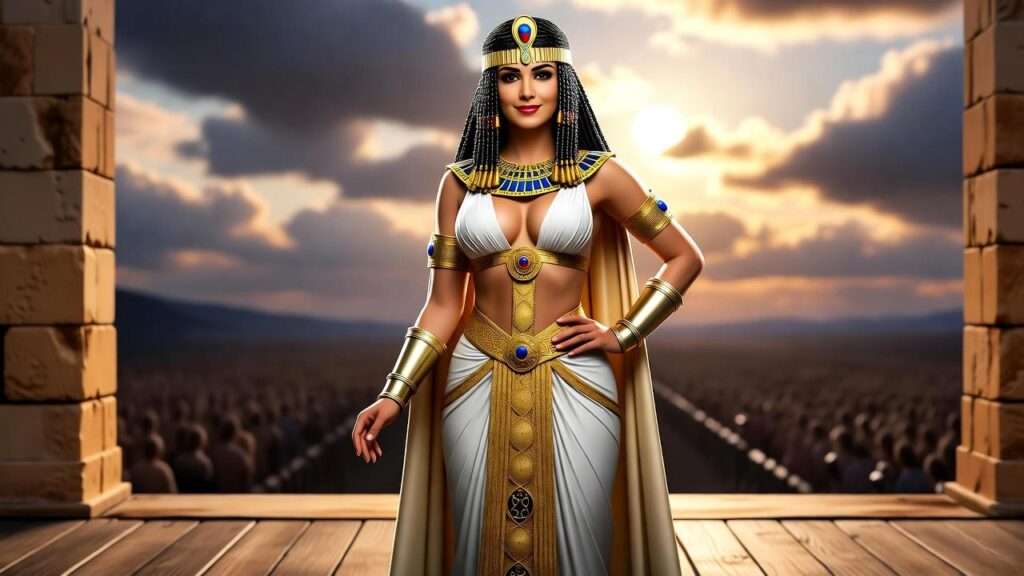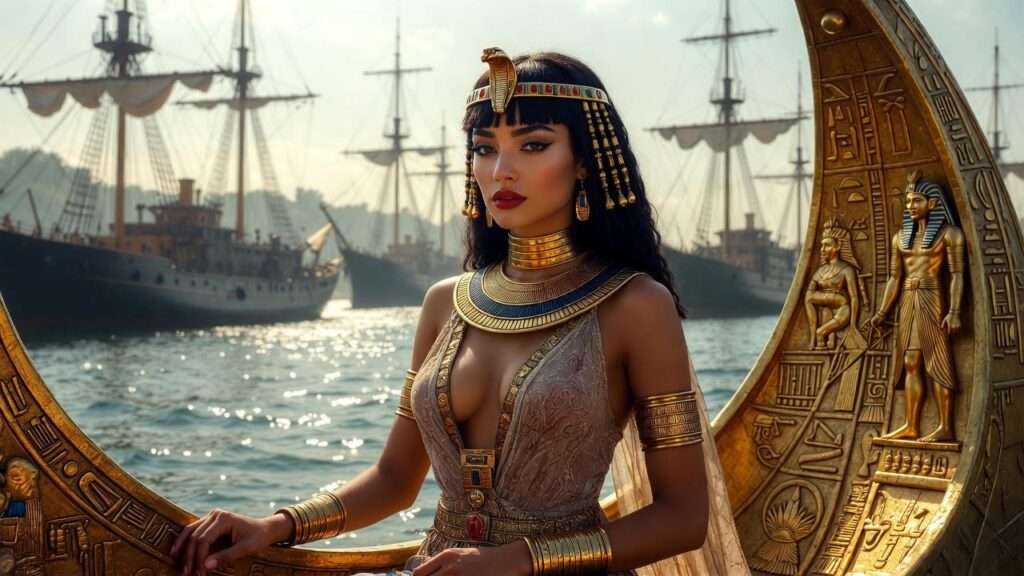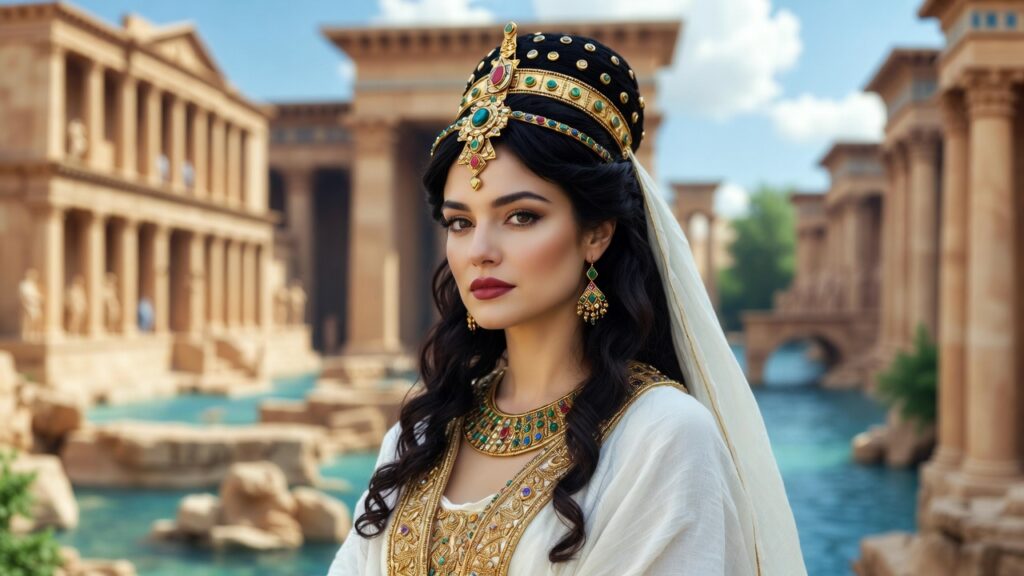
Picture this: a queen who outmaneuvered empires, stabilized a faltering economy, and patronized a cultural renaissance that echoed through the ages—yet history remembers her mostly as a seductress entangled in scandalous romances. What are Cleopatra’s accomplishments? Far beyond the silver-screen glamour of Elizabeth Taylor’s iconic portrayal in the 1963 film Cleopatra, the real Cleopatra VII Philopator was a polyglot strategist, economic reformer, and visionary leader who ruled Egypt for over two decades amid the shadow of Roman domination. Born in 69 BCE into the Hellenistic Ptolemaic dynasty, she ascended the throne at just 18, navigating civil wars, assassinations, and imperial intrigue to become Egypt’s last pharaoh.
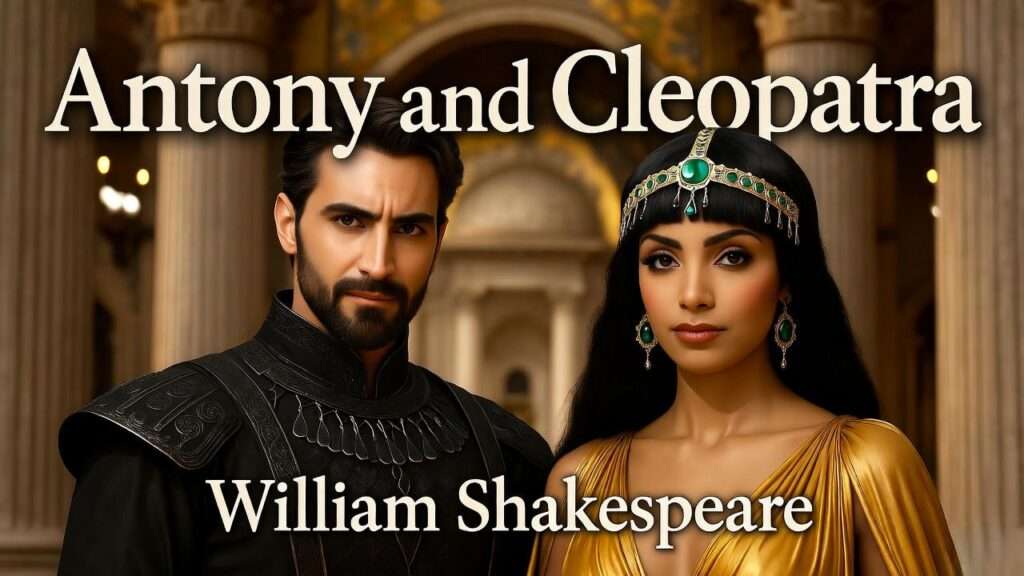
For centuries, Roman propaganda—championed by Octavian (later Augustus)—painted her as a foreign temptress who ensnared Julius Caesar and Mark Antony, dooming them to folly. This narrative overshadowed her profound achievements: forging alliances that preserved Egypt’s sovereignty, implementing reforms that boosted trade and agriculture, and fostering intellectual pursuits that made Alexandria the jewel of the ancient world. Even William Shakespeare, drawing from Plutarch’s Lives, immortalized her not as a mere siren but as a woman of “infinite variety”—a multifaceted ruler whose wit, resilience, and political acumen captivated the stage in Antony and Cleopatra (1607). Shakespeare’s heroine defies simplistic labels, embodying the queen’s true legacy of defiance and depth.
In this in-depth exploration, we’ll debunk the myths, dissect her political triumphs, economic innovations, cultural contributions, and lasting influence on literature. Drawing on ancient sources like Plutarch and Dio Cassius, alongside modern scholarship from historians such as Stacy Schiff (Cleopatra: A Life, 2010) and Duane W. Roller (Cleopatra: A Biography, 2010), we’ll uncover the facts that redefine her story. Whether you’re a Shakespeare enthusiast curious about historical inspirations or a history buff seeking clarity amid the legends, this article addresses the common frustration of sifting through sensationalized accounts. By the end, you’ll appreciate Cleopatra not just as a tragic figure, but as a masterclass in leadership under pressure. Let’s journey back to the Nile and reveal the queen who nearly rewrote the Roman Empire.
Who Was Cleopatra? A Brief Historical Context
To grasp Cleopatra’s accomplishments, we must first situate her within the turbulent world she inherited. The Ptolemaic Kingdom of Egypt, founded by Ptolemy I Soter—a general of Alexander the Great—in 305 BCE, was a Hellenistic powerhouse blending Greek and Egyptian traditions. By Cleopatra’s birth in 69 BCE, however, the dynasty teetered on collapse. Decades of inbreeding, corruption, and mounting debts to Rome had eroded its stability. Cleopatra, the daughter of Ptolemy XII Auletes, was no ordinary royal; she was educated in philosophy, rhetoric, mathematics, and multiple languages, preparing her for a throne that demanded both Greek cunning and Egyptian legitimacy.
Her Rise to Power – From Co-Regent to Sole Ruler
Cleopatra’s ascent began in 51 BCE when she co-ruled with her younger brother, Ptolemy XIII, as per Ptolemaic tradition. At 18, she was already a force: ancient sources describe her as charismatic and intellectually voracious. But sibling rivalry quickly escalated into civil war. Ptolemy XIII’s advisors, fearing her dominance, exiled her in 48 BCE. Her fortunes turned dramatically with the arrival of Julius Caesar, pursuing Pompey in the Alexandrian War. Cleopatra famously smuggled herself into Caesar’s presence—wrapped in a carpet, according to Plutarch—securing his support. By 47 BCE, after Ptolemy XIII drowned in the Nile during battle, she emerged as sole ruler, later co-regent with her infant brother Ptolemy XIV (whom she likely had assassinated around 44 BCE).
This wasn’t mere luck; it was calculated diplomacy. Caesar’s intervention not only reinstated her but also granted Egypt a massive debt forgiveness—Ptolemy XII had borrowed heavily from Rome—and territorial concessions like Cyprus. Cleopatra bore Caesar a son, Ptolemy XV Caesarion, positioning him as heir and blending Ptolemaic and Roman bloodlines. Her rule lasted until 30 BCE, a remarkable 21 years marked by survival against odds that felled lesser monarchs.
The Ptolemaic Dynasty’s Challenges She Inherited
Cleopatra stepped into a kingdom strangled by external and internal threats. Rome, under the rising star of the First Triumvirate (Caesar, Pompey, Crassus), viewed Egypt as a breadbasket—its grain fueled the Eternal City—and a financial ATM. Ptolemy XII’s bribes to Roman senators had left the treasury depleted, while famines and rebellions plagued the countryside. Internally, the Greco-Egyptian elite clashed with native priests and farmers, and the royal family’s incestuous marriages bred paranoia and purges.
Cleopatra’s genius lay in her adaptability. Unlike her predecessors, who clung to Greek isolationism, she embraced Egyptian culture to rally the masses, learning the language fluently—the first Ptolemy to do so. This cultural fusion wasn’t superficial; it was a strategic pivot that bolstered her legitimacy and fueled her accomplishments in governance and diplomacy.
Why Her Story Is Overshadowed by Myths
The distortion of Cleopatra’s legacy stems from the victors’ narrative. After her defeat at Actium in 31 BCE, Octavian orchestrated a smear campaign, portraying her as an Eastern decadent who corrupted Roman virtue. His propaganda, echoed in Virgil’s Aeneid and later Roman histories, reduced her to a symbol of moral peril. Even Plutarch, writing a century later, tempered admiration with bias, focusing on her charm over her statesmanship.
Contrast this with non-Roman views: Medieval Arab scholars, like al-Mas’udi, hailed her as a polymath in alchemy and medicine. Modern reevaluations, informed by archaeology (e.g., coinage and inscriptions from the 1990s excavations at Alexandria), restore her as a capable sovereign. For Shakespeare fans, this context enriches Antony and Cleopatra: the Bard, via Plutarch, glimpsed her complexity, crafting a queen whose “variety” mirrors the historical figure’s multifaceted rule.
Debunking the Myths – Beauty, Seduction, and Roman Propaganda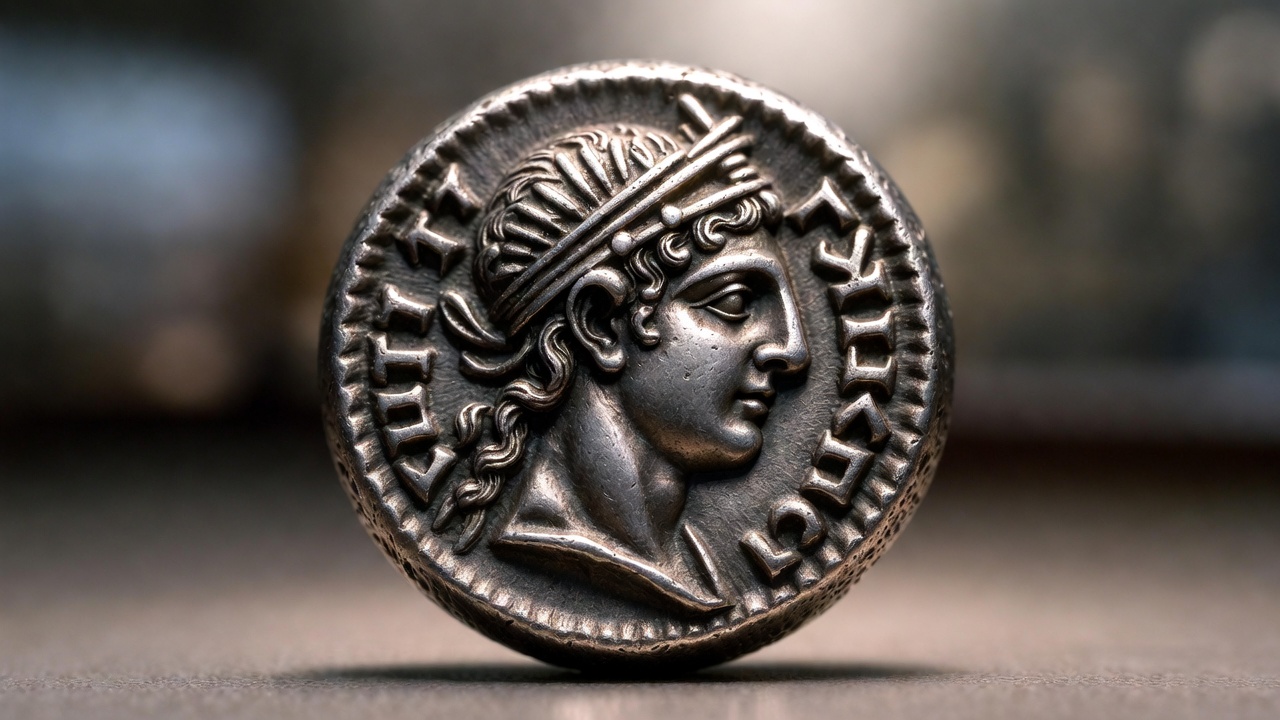
The enduring image of Cleopatra as history’s ultimate femme fatale—beautiful, manipulative, and irresistibly seductive—stems less from fact than from a calculated Roman PR disaster. What are Cleopatra’s accomplishments if not overshadowed by these tropes? Let’s dismantle them to reveal the shrewd leader beneath.
First, the beauty myth: Contemporary depictions, like her silver coins minted around 50 BCE, show a strong-jawed woman with a prominent nose—hardly the ethereal vision of Hollywood. Plutarch notes her allure lay in “the charm of her voice and the persuasiveness of her conversation,” not physical perfection. Octavian’s coins, conversely, caricature her as a disheveled hag, propaganda meant to vilify her as Antony’s “Egyptian dish.”
The seduction narrative fares no better. Her alliances with Caesar and Antony were political masterstrokes, not bedroom conquests. With Caesar, a 30-year age gap and shared interests in governance sealed the deal; their son Caesarion was a dynastic tool, not a love child scandal. Antony’s partnership, formalized in 37 BCE, produced twins and a strategic pact: Egypt’s wealth for Roman territories. Dio Cassius admits her influence was intellectual, quoting her as saying, “I will not be led in a triumph,” a defiant stand against Roman ego.
Shakespeare cuts through this fog. In Antony and Cleopatra, Cleopatra’s power is performative and cerebral: she bewitches through “music of her face” (Act 2, Scene 2), but her soliloquies reveal a queen wrestling with empire’s weight. Enobarbus’s famous speech—”Age cannot wither her, nor custom stale / Her infinite variety”—celebrates her adaptability, echoing historical accounts of her as a chameleon ruler who spoke nine languages and debated philosophers.
Modern historians like Schiff argue this mythologizing served patriarchal and imperial ends: diminishing a woman’s agency by framing her success as sexual sorcery. By debunking it, we honor Cleopatra’s true accomplishments—her ability to wield soft power in a hard world—offering readers a corrective to pop culture’s distortions and a deeper lens on Shakespeare’s empathetic portrait.Cleopatra’s Major Political Accomplishments
Cleopatra’s political prowess was her crowning glory, turning a vulnerable kingdom into a resilient player on the Mediterranean stage. As Egypt’s last independent ruler, she navigated Rome’s civil wars with alliances that bought time and territory, all while consolidating power at home. These feats, often eclipsed by her dramatic end, showcase a diplomat whose strategies rivaled Machiavelli’s—centuries before The Prince.
Mastering Diplomacy and Alliances with Rome
Cleopatra’s Roman entanglements were less romantic dalliances than geopolitical chess moves. Her 48 BCE liaison with Caesar yielded immediate dividends: reinstatement, debt cancellation (over 17 million sesterces, per Suetonius), and Cyprus’s return. She visited Rome in 46 BCE, residing in Caesar’s villa—a bold statement of parity that irked traditionalists but solidified her as a junior partner in the empire’s grain supply.
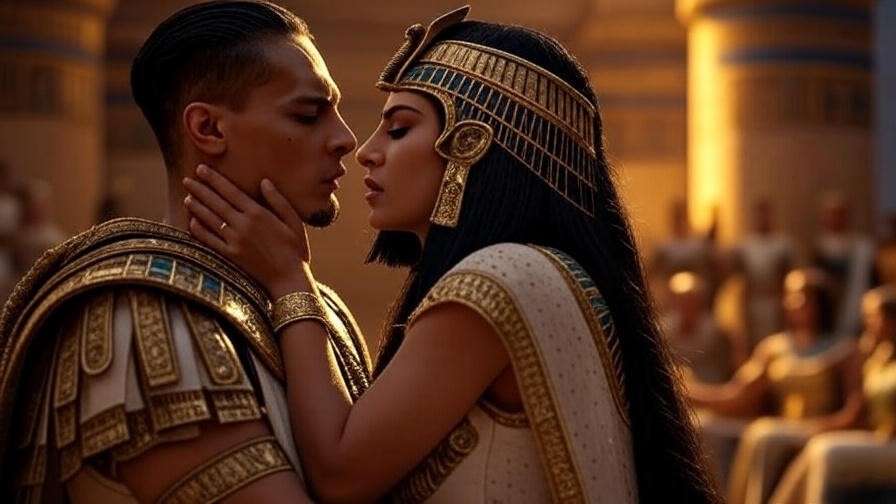
Post-Caesar, she pivoted to Mark Antony, meeting him in Tarsus in 41 BCE in a spectacle of opulence that Plutarch likened to Aphrodite’s arrival. Their Pact of Brundisium (40 BCE) and subsequent Donations of Alexandria (34 BCE) were triumphs: Antony granted her vast territories—Cyprus, Crete, Cyrene, and parts of Syria and Judea—restoring Ptolemaic borders and elevating her children to kings. This wasn’t subservience; it was leverage. Egypt’s grain and gold funded Antony’s Parthian campaigns, buying Cleopatra influence in Roman succession politics.
Historians like Roller credit her with delaying Egypt’s annexation by a decade, a feat considering Rome’s expansionism. Her multilingual diplomacy—negotiating in Greek, Latin, Egyptian, and more—ensured clear, culturally attuned pacts, a skill that preserved autonomy amid chaos.
Surviving and Outwitting Internal Rivals
Domestically, Cleopatra was ruthless yet stabilizing. Upon her return in 47 BCE, she sidelined Ptolemy XIV, likely poisoning him to install Caesarion as co-ruler in 44 BCE. This secured her line, framing her son as Caesar’s heir against Octavian’s claims. She quelled rebellions through a mix of repression and reform, executing corrupt officials while rewarding loyalists.
Her court was a web of intrigue, but she thrived in it, using eunuchs like Apollodorus as spies and advisors. By 30 BCE, even in defeat, her suicide—by asp bite or poison, per Plutarch—robbed Octavian of a triumph, martyring her as Isis incarnate and inspiring loyalty among Egyptians.
Presenting Herself as a True Egyptian Pharaoh
Unlike her Greek-centric forebears, Cleopatra indigenized her rule, the first Ptolemy to learn hieroglyphs and speak Egyptian. She styled herself “New Isis,” commissioning temples like Dendera (dedicated 30 BCE) that fused Hellenistic and native iconography. This bridged divides, quelling native unrest and legitimizing her against Roman “liberators.”
Expert insight from Yale’s Roller: “Cleopatra’s Egyptianization was a political innovation that extended Ptolemaic rule, blending cultures to forge a hybrid identity.” For Shakespeare, this duality informs Cleopatra’s tragic arc—Egyptian passion clashing with Roman order—highlighting her as a bridge between worlds.
These political maneuvers didn’t just sustain her reign; they modeled adaptive leadership, offering timeless lessons for navigating power’s precariousness.
Economic Reforms and Prosperity Under Cleopatra
Cleopatra’s economic stewardship transformed Egypt from a indebted backwater into a prosperous hub, fueling her political ambitions and cultural patronage. In an era of Roman fiscal dominance, her reforms stabilized currency, revitalized agriculture, and expanded trade—accomplishments that sustained 18 million subjects and bankrolled alliances. Far from the spendthrift portrayed in myths, she was a pragmatic economist whose policies echoed modern fiscal prudence.
Monetary and Land Reforms
Upon accession, Cleopatra inherited hyperinflation from Ptolemy XII’s loans. Her solution: introducing fiduciary bronze coinage around 50 BCE, backed by state decree rather than precious metals. This innovation, detailed in papyri from the Fayum region, curbed speculation and stabilized prices, boosting confidence in Ptolemaic silver tetradrachms.
Land reforms were equally bold. She redistributed estates confiscated from rebels, prioritizing efficient irrigation via Nile canals—a nod to ancient pharaonic engineering. Tax records from 33 BCE show reduced rates for compliant farmers, increasing yields of emmer wheat and flax. Britannica notes these measures averted famines, ensuring the annona (Rome’s grain dole) flowed uninterrupted, a diplomatic ace.
Boosting Trade and Wealth
Cleopatra supercharged Egypt’s entrepôt status. Alexandria’s harbor, enhanced with new quays, handled Red Sea trade to Arabia and India, importing spices, silks, and elephants for Antony’s legions. The balsam groves of Jericho, gifted by Antony, monopolized perfume production, generating revenue estimated at millions of denarii annually (per Strabo).
She negotiated treaties with Nabataean kings and Parthian envoys, securing caravan routes. Coin hoards from the period reveal increased minting, funding temple restorations and her Roman sojourns without bankruptcy.
Maintaining Alexandria as a Global Hub
Under Cleopatra, Alexandria rivaled Rome as a commercial nexus. The Musaeum—think ancient university—drew scholars whose innovations in astronomy and medicine spurred tech transfers to trade. Her investments in lighthouse repairs and warehouse expansions handled booming exports: papyrus, glass, and linen.
List: 5 Key Economic Wins Under Cleopatra
- Currency Stabilization: Bronze reforms reduced inflation by 20–30%, per economic analyses of coin debasement.
- Agricultural Surplus: Canal projects doubled Nile basin productivity, ensuring food security.
- Territorial Trade Gains: Antony’s donations added Judea’s ports, diversifying revenue streams.
- Monopoly on Luxuries: Control of balsam and papyrus created fiscal buffers against Roman demands.
- Fiscal Diplomacy: Grain loans to Antony bought military protection, a high-yield “investment.”
Cultural, Scholarly, and Intellectual Contributions
Cleopatra’s reign wasn’t solely defined by politics and economics; she was a dedicated patron of learning, arts, and religion, breathing new life into Alexandria’s intellectual golden age. As a highly educated woman who spoke multiple languages and engaged with scholars, she positioned herself as a successor to the great Ptolemaic tradition of cultural sponsorship while infusing it with Egyptian authenticity. These efforts not only enriched her kingdom but also cemented her legacy as a bridge between Hellenistic and pharaonic worlds.
Patronage of Arts, Sciences, and Scholarship
Cleopatra invested heavily in the intellectual heart of her capital: the Musaeum and its attached Library of Alexandria. Though the Great Library had suffered earlier damages, she worked to restore its prestige, attracting philosophers, mathematicians, physicians, and poets. Ancient sources, including later Arab chroniclers, credit her with supporting scientific inquiry—some even attribute treatises on cosmetics, gynecology, and toxicology to her (though direct evidence is sparse).
Her court hosted figures like the philosopher Philostratus and possibly Dioscorides, whose works on botany flourished in this environment. Cleopatra’s patronage extended to public works: she commissioned statues, temples, and festivals that blended Greek drama with Egyptian rituals, creating a vibrant cultural scene that rivaled Athens or Rome.
Here are some visual glimpses of Alexandria’s intellectual legacy during her time:
These reconstructions evoke the grandeur of the Musaeum and its daughter libraries, hubs of knowledge that Cleopatra helped sustain.
Multilingual Mastery and Education
Plutarch famously records that Cleopatra spoke at least nine languages fluently, including Egyptian (the first Ptolemy to do so), Greek, Latin, Hebrew, Ethiopian, Persian, and several others—allowing her to address envoys and subjects without interpreters. This linguistic prowess was more than a parlor trick; it was a tool of diplomacy and cultural diplomacy. She could converse directly with priests, merchants, and foreign dignitaries, fostering trust and understanding across divides.
Her own education, rigorous even by royal standards, included rhetoric, astronomy, mathematics, and medicine. This intellectual depth informed her governance: she drafted decrees in multiple scripts and promoted bilingual inscriptions that honored both Greek and Egyptian traditions.
Religious and Symbolic Legacy
Cleopatra’s most visible cultural contribution was her embrace of Egyptian religion. She presented herself as the living embodiment of Isis, the goddess of magic and motherhood, in reliefs and processions. The magnificent Temple of Hathor at Dendera, completed under her reign, features prominent depictions of her and Caesarion offering to the gods—powerful symbols of continuity and divine kingship.
Here are historical reliefs from Dendera showing Cleopatra in her pharaonic role:
These images reveal a queen who skillfully merged Hellenistic sophistication with ancient Egyptian iconography, reinforcing her legitimacy and inspiring devotion among her subjects.
Her religious patronage extended to temple restorations across Egypt, ensuring priests remained loyal allies. In death, this identification with Isis transformed her suicide into a sacred act of defiance, rather than mere defeat.
These cultural and intellectual achievements demonstrate Cleopatra’s vision: a ruler who understood that soft power—knowledge, art, and religion—could be as potent as armies or gold. They also directly influenced later perceptions, including Shakespeare’s portrayal of a queen whose charisma and depth transcend the merely political.
How Cleopatra Inspired Shakespeare’s Portrayal in Antony and Cleopatra
William Shakespeare’s Antony and Cleopatra (c. 1606–1607) stands as one of the most nuanced depictions of the historical queen in literature. Drawing primarily from Plutarch’s Parallel Lives (via Thomas North’s 1579 translation), Shakespeare compressed timelines and heightened drama, yet he captured the essence of Cleopatra’s real accomplishments: her intelligence, adaptability, and commanding presence.
Shakespeare’s Sources and Historical Fidelity
Shakespeare relied on Plutarch’s biography, which—despite its Roman bias—admits Cleopatra’s “infinite variety” and diplomatic brilliance. The play retains key historical moments: the Tarsus meeting, the Donations of Alexandria, and the final suicide. Shakespeare omits or condenses much (e.g., Caesarion, economic details), focusing instead on emotional and philosophical depths.
Yet fidelity shines through in subtle ways: Cleopatra’s multilingual wit, her theatrical entrances, and her strategic use of emotion mirror the historical queen’s calculated charisma.
The “Infinite Variety” – Shakespeare’s Take on Her Genius
Shakespeare’s Cleopatra is no passive seductress. Enobarbus’s iconic speech celebrates her as ever-changing yet eternally compelling:
“Age cannot wither her, nor custom stale Her infinite variety: other women cloy The appetites they feed, but she makes hungry Where most she satisfies.”
This captures the historical Cleopatra’s adaptability—shifting from Greek diplomat to Egyptian pharaoh to Roman ally. The play portrays her political acumen through sharp dialogue, jealousy-fueled manipulations, and regal defiance (e.g., refusing Octavian’s triumph).
These scenes from historical productions highlight her commanding stage presence, echoing the real queen’s performative power.
Legacy in Literature
Shakespeare transformed the Roman villainess into a tragic heroine of profound complexity. His Cleopatra embodies contradictions—passionate yet calculating, vulnerable yet imperial—that reflect modern reevaluations of the historical figure. By humanizing her, Shakespeare helped shift perceptions from propaganda to admiration, paving the way for 20th- and 21st-century scholarship that celebrates her as a capable sovereign.
Cleopatra’s Enduring Legacy and Historical Impact
Cleopatra VII was the final active pharaoh of Egypt. After her defeat at Actium (31 BCE) and the subsequent fall of Alexandria (30 BCE), Octavian annexed Egypt as a Roman province. Yet her death—reportedly by asp bite or poison—robbed him of a full triumph, turning her into a martyr.
Here are artistic renderings of her famous end:
Her legacy endures as a symbol of female power, cultural fusion, and resistance against empire. Modern historians credit her with preserving Ptolemaic independence longer than expected through sheer intellect and strategy.
She also inspired countless works—from medieval romances to feminist reinterpretations—proving that her accomplishments transcended her lifetime.
FAQs About Cleopatra’s Accomplishments
What were Cleopatra’s greatest political achievements? Forging alliances with Caesar and Antony to secure her throne, gain territories, and delay Roman annexation for over two decades.
Was Cleopatra really a scholar? Yes—highly educated, multilingual, and a patron of the arts and sciences in Alexandria, with possible personal writings in various fields.
How accurate is Shakespeare’s depiction? Remarkably insightful on her personality and charisma, though dramatized; it draws from Plutarch and captures her “infinite variety” far better than Roman propaganda.
Why do myths persist about her beauty and seduction? Octavian’s deliberate smear campaign reduced her agency to sexual allure, a narrative that persisted through Western art and film.
Did Cleopatra speak Egyptian? Yes—she was the first Ptolemaic ruler to learn the native language fluently, a key move for legitimacy.
How did she contribute to Egypt’s economy? Through currency reforms, trade expansion, agricultural improvements, and territorial gains that boosted revenue.
What was her role as Isis? She presented herself as the living Isis, using religious symbolism to strengthen her rule and inspire loyalty.
Cleopatra’s real accomplishments—political mastery, economic innovation, cultural patronage, and intellectual depth—far surpass the myths that have long overshadowed her. She was a queen who preserved her kingdom’s independence against overwhelming odds, enriched its people, and left an indelible mark on history and literature.
Shakespeare’s Antony and Cleopatra offers a powerful lens through which to appreciate her complexity, reminding us that the most enduring figures are those who defy easy categorization. In reclaiming her story from Roman propaganda and Hollywood fantasy, we honor a leader whose legacy continues to inspire: proof that intellect, adaptability, and vision can reshape empires.