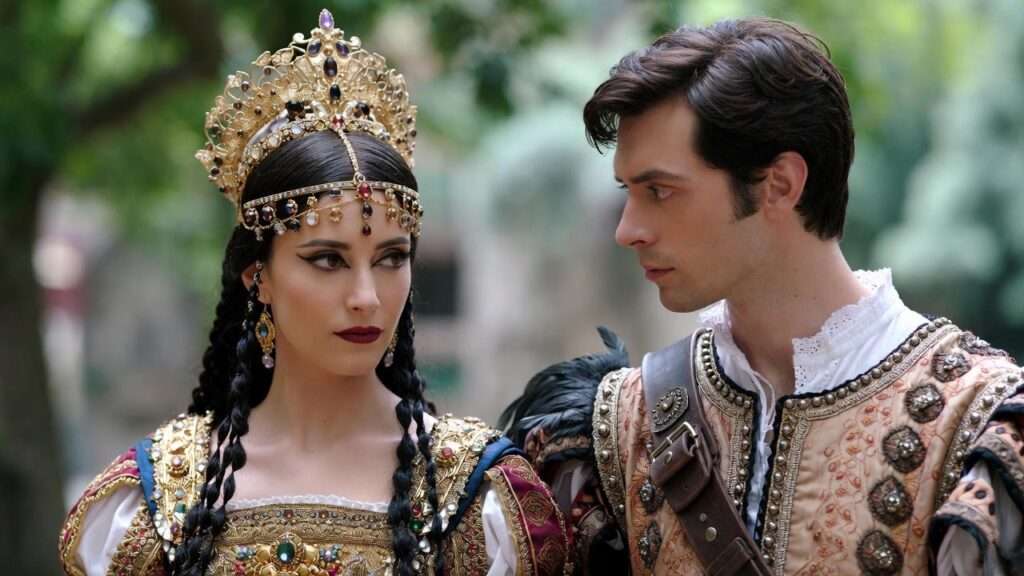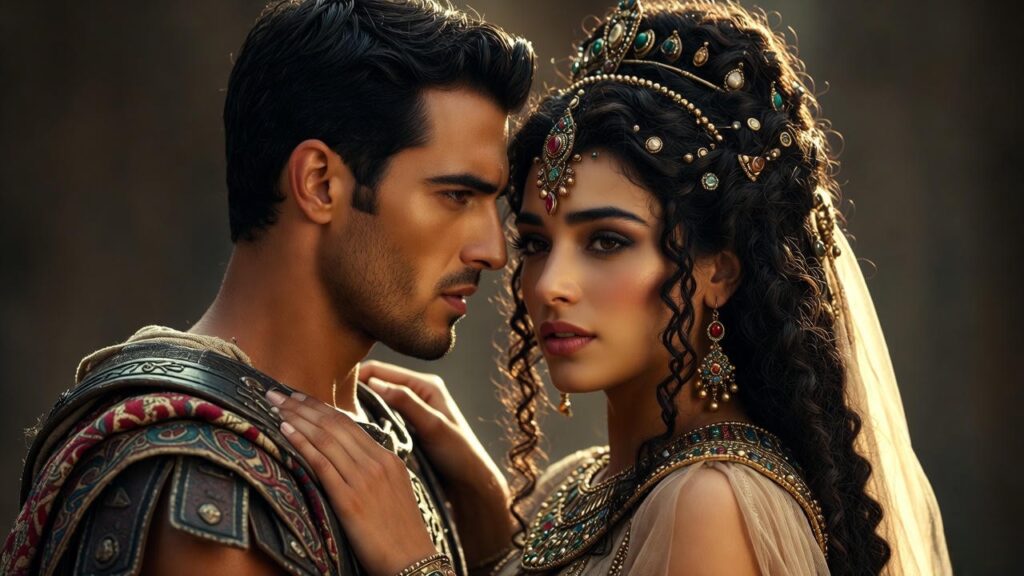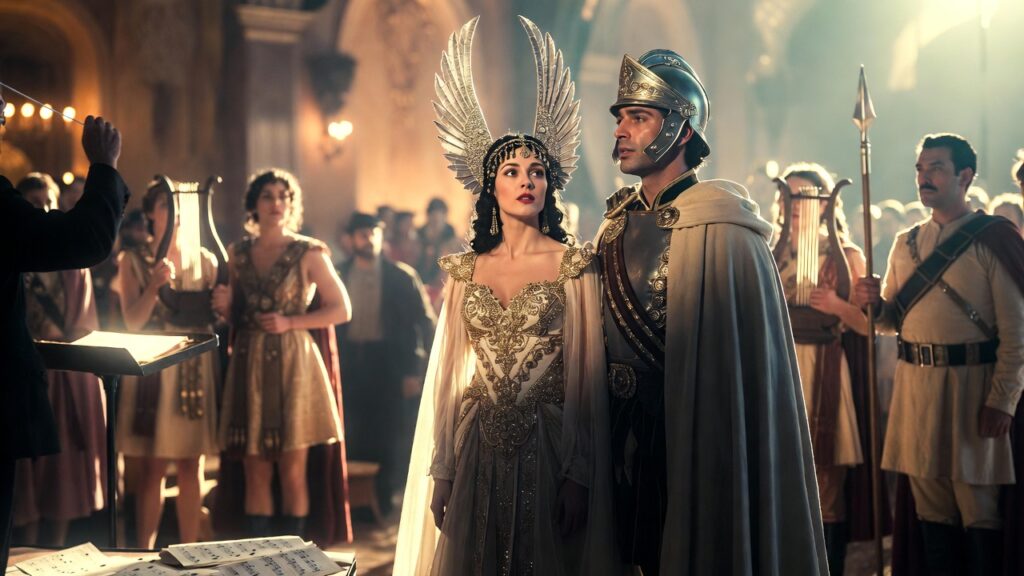
Imagine the scorching sands of ancient Egypt and the marble halls of Rome colliding in a whirlwind of forbidden passion, political betrayal, and tragic downfall—all reimagined through the pulsing rhythms and luminous orchestration of one of America’s greatest living composers. The antony cleopatra opera by John Adams transforms William Shakespeare’s profound exploration of love, power, and empire into a modern musical masterpiece that captivates both Shakespeare scholars and opera enthusiasts alike.
Premiering at San Francisco Opera in 2022 and making its highly anticipated Metropolitan Opera debut in May 2025, this work represents Adams’ boldest foray into Shakespearean adaptation yet. As a composer renowned for blending historical drama with contemporary resonance—think Nixon in China and Doctor Atomic—Adams takes on Shakespeare’s Antony and Cleopatra, one of the Bard’s most complex tragedies. He crafts his own libretto, drawing directly from the play while incorporating supplementary passages from classical sources like Plutarch and Virgil. The result is a two-act opera (approximately 165 minutes) that preserves the epic scope of Shakespeare’s text while infusing it with Adams’ signature lyrical minimalism, richly textured orchestration, and dramatic vocal writing.
For readers of williamshakespeareinsights, this opera addresses a common curiosity: How does a 400-year-old Elizabethan drama translate to the operatic stage in the 21st century? It solves the need for deeper understanding of cross-medium adaptations, revealing how Adams navigates challenges like condensing dense verse for singing, emphasizing emotional intimacy over sprawling subplots, and using music to amplify Shakespeare’s themes of passion versus duty, East versus West, and personal desire clashing with political ambition. Whether you’re a longtime Shakespeare devotee exploring modern interpretations or an opera lover discovering the Bard’s influence on contemporary works, this guide offers comprehensive insights into the opera’s creation, music, staging, reception, and enduring relevance.
The Genesis of John Adams’ Antony and Cleopatra Opera
John Adams’ journey to his sixth opera began with a commission from San Francisco Opera for its centennial season. Unlike his previous collaborations with director/librettist Peter Sellars, Adams took full control as both composer and librettist for this project—his first solo venture in that dual role. The choice of Antony and Cleopatra was deliberate: Shakespeare’s play, with its grand historical sweep, intoxicating romance, and tragic inevitability, offered fertile ground for operatic treatment.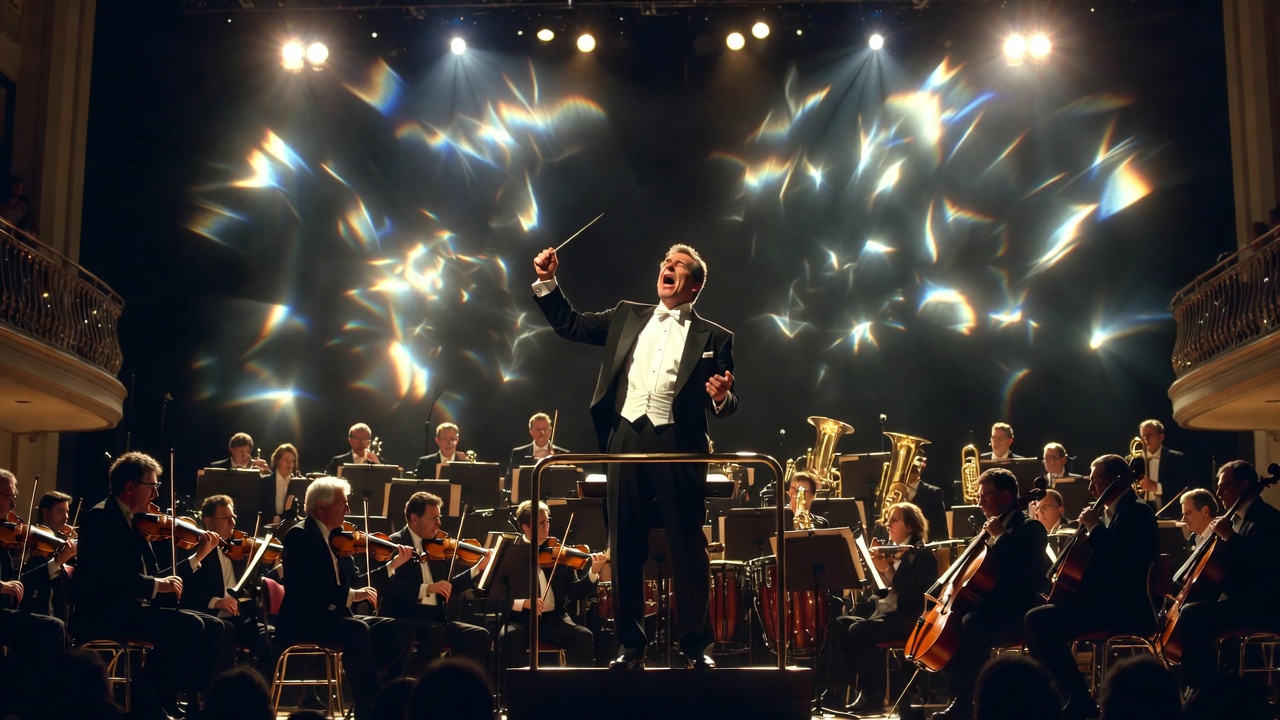
Adams consulted with director Elkhanah Pulitzer and dramaturg Lucia Scheckner to shape the libretto. Rather than rewriting Shakespeare entirely, he edited a performing edition of the play, trimming subplots and secondary characters to focus on the central love triangle between Antony, Cleopatra, and Octavius Caesar. He supplemented Shakespeare’s verse with passages from Plutarch’s Lives (for historical detail) and Virgil (for poetic resonance), ensuring the text remained singable while retaining much of the original’s poetic power.
The world premiere took place on September 10, 2022, at San Francisco Opera, conducted by Music Director Eun Sun Kim. The production later traveled to Barcelona’s Gran Teatre del Liceu before its Metropolitan Opera company premiere on May 12, 2025. Adams himself conducted at the Met, marking a significant milestone as his fifth work presented there. Refinements between productions included trimming about 20 minutes from the original score, tightening pacing without sacrificing dramatic intensity.
This genesis reflects Adams’ evolution as a composer: moving from the pulsing minimalism of his early career toward more accessible, emotionally direct dramatic writing, while honoring Shakespeare’s language as the foundation.
Plot Synopsis – From Shakespeare’s Tragedy to Operatic Drama
Adams’ opera distills Shakespeare’s five-act play into two taut acts, emphasizing the lovers’ obsessive relationship and the political consequences that doom them.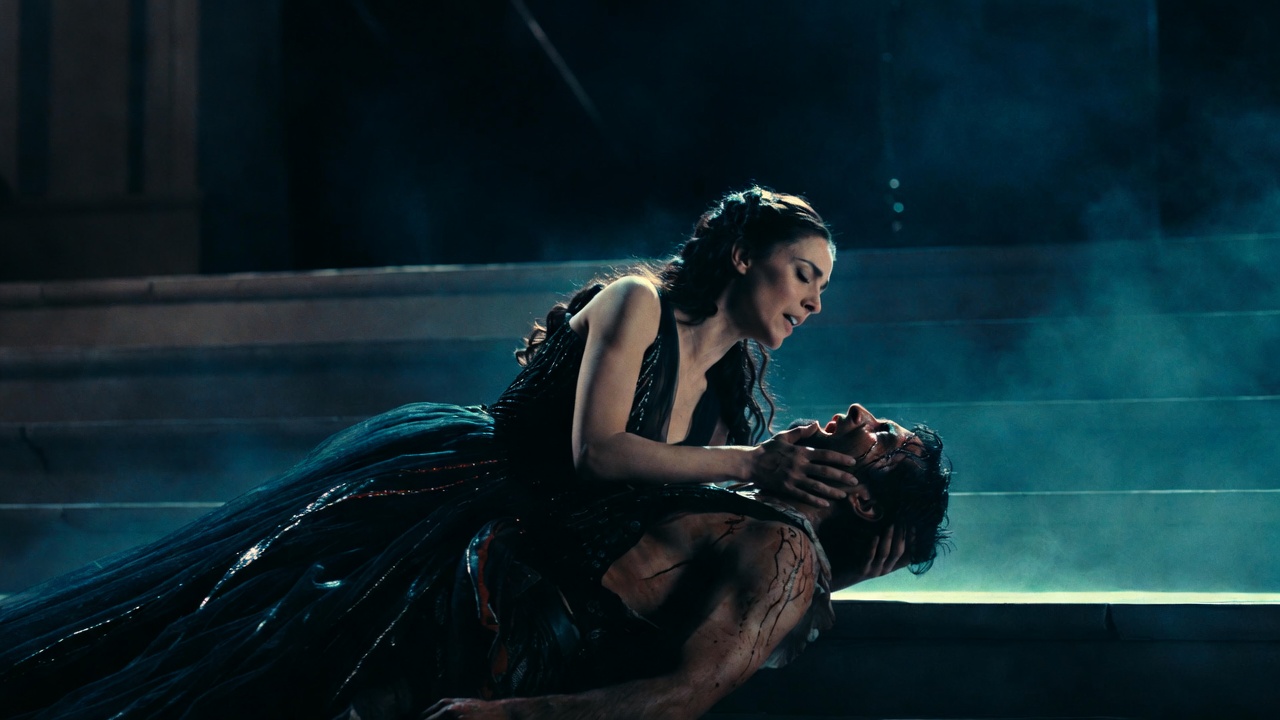
Act I opens in Cleopatra’s bedroom in Alexandria, where Antony recovers from a night of revelry. The Egyptian queen’s seductive allure has already ensnared the Roman general, pulling him away from his duties in Rome. News arrives of his wife Fulvia’s death and political unrest, forcing Antony to return to Rome. There, he marries Octavia (Caesar’s sister) to seal a fragile alliance with Octavius Caesar. Yet the marriage is short-lived; Antony returns to Cleopatra, enraging Caesar and sparking war. The act culminates in the fateful Battle of Actium, where Antony’s fleet falters amid betrayal and confusion.
Act II shifts to the aftermath: Antony, defeated and despairing, blames Cleopatra for the loss. She feigns death to test his loyalty, leading to his suicide. Cleopatra, in grief and defiance, orchestrates her own tragic end—famously by asp bite—while Caesar emerges victorious, ushering in a new era of Roman dominance.
Key differences from Shakespeare’s play include streamlined plotting: Adams reduces secondary figures (like Enobarbus, whose desertion is condensed) and subplots to prioritize the lovers’ emotional arc. The libretto makes Shakespeare’s dense verse more rhythmic for singing, sometimes approaching parlando style, while amplifying intimate moments over grand political speeches. Themes of love versus power, personal passion clashing with imperial duty, and the clash of cultures remain faithfully intact, but the opera heightens Cleopatra’s agency and Antony’s internal conflict through musical characterization.
The Music – How Adams Captures Shakespeare’s Epic Scope
Adams’ score is instantly recognizable yet represents an evolution: less rigidly minimalist than Nixon in China, more lyrical and sweepingly romantic. The orchestra—rich with percussion, brass, and strings—evokes ancient grandeur and emotional turbulence, while vocal lines demand virtuosity from the leads.
Cleopatra’s music is seductive and mercurial, with soaring soprano lines that capture her complexity (as sung by Julia Bullock at the Met). Antony’s bass-baritone writing (Gerald Finley) conveys conflicted heroism—heroic yet weary. Standout moments include Cleopatra’s seductive arias, Antony’s reflective monologues after Actium, and tense ensembles during political confrontations. The Battle of Actium sequence builds nervous energy through chugging rhythms, contrasting with quieter, introspective passages.
The Metropolitan Opera Production – Staging Shakespeare’s World in 1930s Hollywood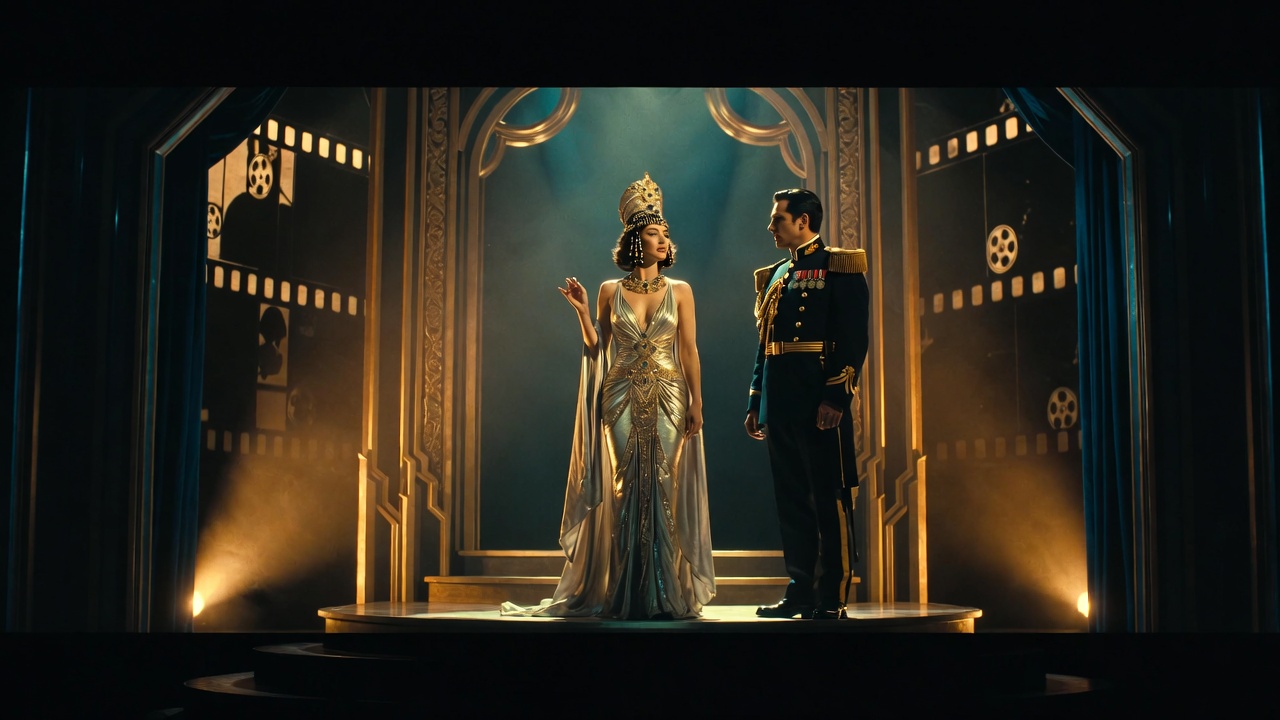
One of the most striking elements of John Adams’ Antony and Cleopatra at the Metropolitan Opera is its bold conceptual transposition. Rather than attempting a literal recreation of the ancient Mediterranean world, director Elkhanah Pulitzer (who also helmed the San Francisco premiere) relocates the action to the glittering yet ruthless landscape of 1930s Hollywood. This setting serves as a powerful metaphor: the Roman Empire becomes the burgeoning film industry, Cleopatra an exotic movie star whose charisma and mystique captivate and destabilize those around her, Antony a charismatic leading man whose personal excesses threaten his career, and Octavius Caesar a calculating studio mogul determined to consolidate power.
The 1930s Hollywood frame allows Pulitzer to blur historical binaries—East versus West, masculine versus feminine, public spectacle versus private passion—in ways that resonate with modern audiences. Cleopatra’s palace becomes a lavish soundstage; Antony’s military triumphs are reimagined as blockbuster premieres; the Battle of Actium unfolds like a chaotic film shoot gone disastrously wrong. Costumes by Costume Designer Ann Roth and set designer Myung Hee Cho evoke the glamour of golden-age cinema: flowing gowns, tuxedos, art-deco interiors, and cinematic lighting that shifts from seductive close-ups to harsh spotlights of judgment.
This staging choice is not mere gimmickry. It underscores Shakespeare’s own fascination with performance, role-playing, and the constructed nature of identity—Cleopatra famously stages her own death, Antony repeatedly reinvents himself between lover and soldier. By placing the tragedy in the era of Hollywood myth-making, the production highlights how power, fame, and desire are performed and commodified, making the opera feel urgently contemporary.
Principal Cast Highlights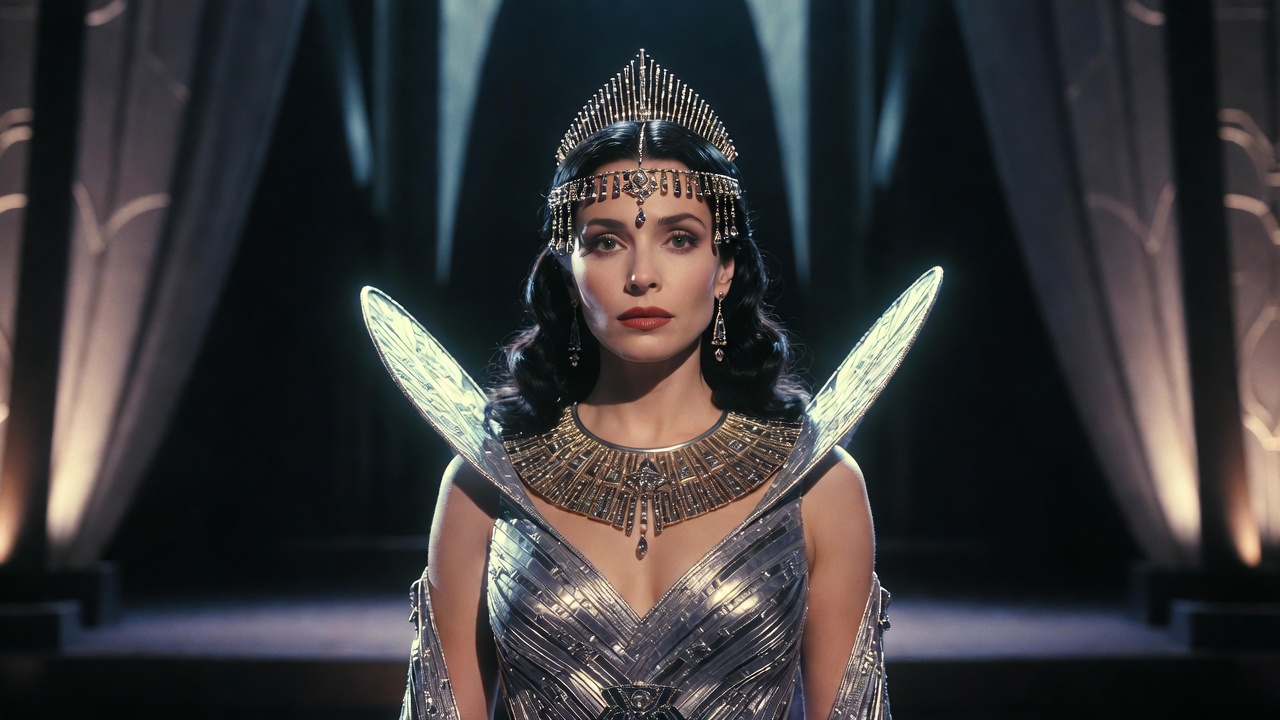
The Metropolitan Opera cast delivered performances widely praised for their dramatic commitment and vocal brilliance:
- Julia Bullock as Cleopatra — Bullock’s portrayal is the production’s emotional and vocal centerpiece. Her soprano combines crystalline clarity with sultry warmth, capturing Cleopatra’s mercurial shifts from playful seductress to grieving queen. Critics noted her ability to make every line feel lived-in, turning Shakespeare’s poetry into deeply felt confession.
- Gerald Finley as Mark Antony — Finley brings gravitas and vulnerability to the battle-hardened yet fatally romantic general. His rich bass-baritone conveys both heroic declamation and private torment, particularly in the devastating post-Actium scenes where Antony confronts his own downfall.
- Paul Appleby as Octavius Caesar — Appleby’s bright, focused tenor and icy precision make Caesar the perfect foil: ambitious, calculating, and utterly devoid of the lovers’ emotional excess.
- Elizabeth DeShong as Octavia — DeShong’s warm mezzo-soprano lends quiet dignity and heartbreak to the often-underplayed role of Antony’s Roman wife, making her brief but poignant appearances resonate.
- Supporting standouts include Alfred Walker as the loyal but disillusioned Enobarbus and countertenor Anthony Roth Costanzo in the trouser role of Eros, adding vocal color and dramatic nuance.
Visual and Theatrical Elements
The production’s design is cinematic in scope. Projections and lighting create the illusion of film reels, paparazzi flashes, and newsreels—reinforcing the theme of spectacle. The chorus, costumed as Hollywood extras, staff, and reporters, functions almost as a Greek chorus commenting on the lovers’ public downfall. Stage movement is fluid yet deliberate, with intimate two-handers contrasting with large-scale ensemble scenes that evoke the chaos of a film set unraveling.
Critical Reception and Legacy
Since its 2022 premiere, John Adams’ Antony and Cleopatra has garnered strong, if occasionally mixed, praise from critics and audiences.
Praise and Criticisms from Reviews
- The New York Times (2025 Met review) lauded the “ravishing vocal performances” and Bullock’s “mesmerizing Cleopatra,” calling the production “a serious and ambitious new work that respects Shakespeare while making bold theatrical choices.”
- Opera News highlighted Adams’ score as “lush and dramatically persuasive,” noting how the music “carries the weight of Shakespeare’s verse without ever overwhelming it.”
- The Wall Street Journal praised the Hollywood setting for adding “fresh interpretive layers” to familiar material.
- Some critics, including those at The New Yorker and Classical Voice, expressed reservations: occasional pacing lulls in Act II, moments where dense text became hard to follow amid orchestral density, and a sense that the transposition occasionally prioritized concept over emotional clarity.
Overall consensus: a significant achievement in contemporary American opera—intelligent, musically sophisticated, and theatrically daring.
How It Fits in the Tradition of Shakespeare Operas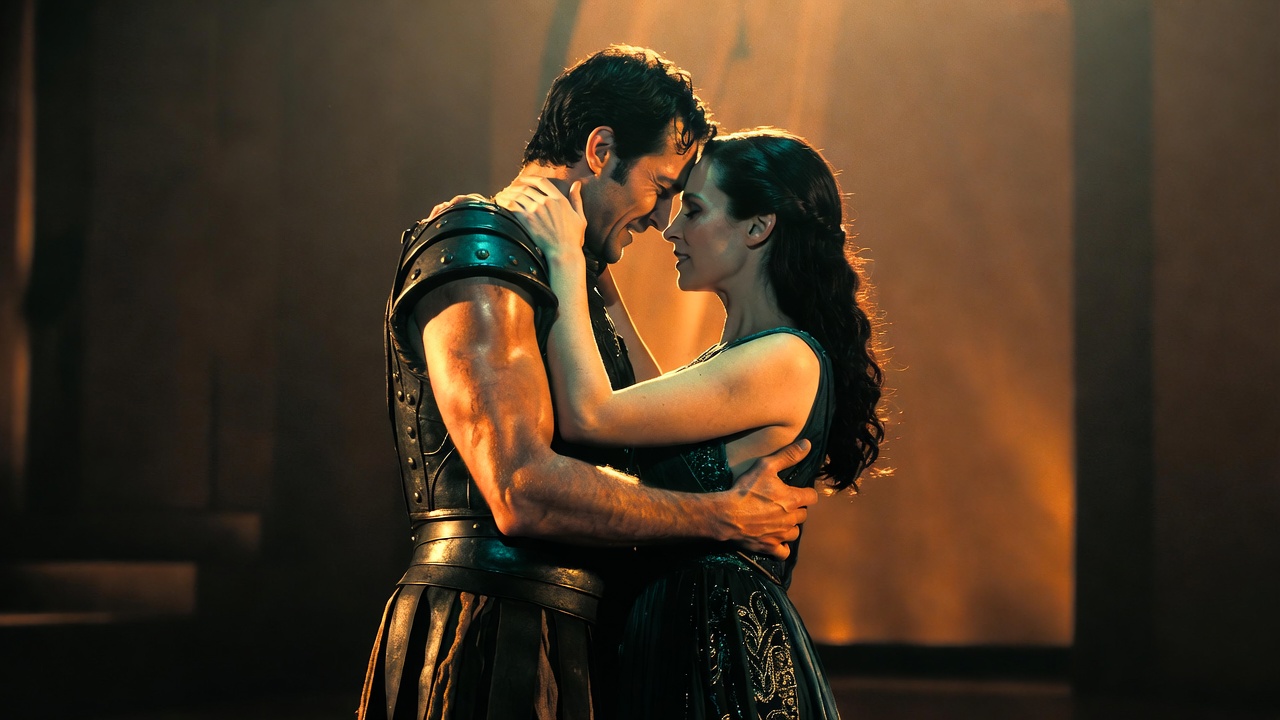
Adams’ work joins a long lineage of Shakespeare-inspired operas:
- Samuel Barber’s Antony and Cleopatra (1966), which infamously opened the new Metropolitan Opera House at Lincoln Center but was criticized for its conservative approach.
- Verdi’s Otello and Falstaff, Britten’s A Midsummer Night’s Dream, and Thomas Adès’ The Tempest—all successful modern adaptations.
- Unlike many predecessors, Adams retains large swaths of Shakespeare’s actual text, making his opera one of the most literarily faithful while still distinctly operatic.
Why This Opera Matters for Shakespeare Fans Today
For readers passionate about Shakespeare, Adams’ Antony and Cleopatra offers a thrilling demonstration of how the Bard’s work continues to inspire bold new art forms. It bridges literature and music in ways that make the play more accessible and emotionally immediate.
Bridging Literature and Music – Accessibility Insights
- First-time viewers: Read a synopsis of Shakespeare’s play beforehand, but don’t worry about catching every word—surtitles help, and the music conveys the emotional arc even when language is dense.
- Listening tips: Focus on the vocal lines and orchestral color shifts; Adams’ writing rewards repeated hearings.
- Pairing suggestion: Watch the opera, then revisit Shakespeare’s text—many lines will feel newly alive after hearing them sung.
Timeless Themes in a Modern Context
The opera speaks powerfully to contemporary issues: the destructive allure of celebrity culture, the tension between personal desire and public responsibility, the collision of different cultural identities, and the cost of unchecked ambition. In an age of social media “performance” and political spectacle, the Hollywood frame feels eerily prescient.
Expert Insights and Recommendations
- Where to experience it: Check the Metropolitan Opera’s on-demand streaming service (Met Opera on Demand) for future availability. Audio excerpts and interviews are often available on the Met website and Adams’ publisher, Boosey & Hawkes.
- Further reading: Plutarch’s Life of Antony, Shakespeare’s original play, and Adams’ own program notes offer rich context.
- Related explorations: Compare with Barber’s 1966 opera, or explore other modern Shakespeare operas like Adès’ The Tempest.
John Adams’ Antony and Cleopatra is more than an adaptation—it is a re-illumination. By trusting Shakespeare’s language while surrounding it with his own luminous, urgent music and a daring theatrical vision, Adams proves that the Bard’s greatest tragedies remain inexhaustibly vital. The opera captures the intoxicating danger of love that defies empires, the fragility of power built on charisma, and the inevitability of tragedy when passion overrides prudence.
For Shakespeare enthusiasts, this work is an invitation to see the familiar made new: to hear the poetry sung rather than spoken, to feel the emotional stakes amplified by orchestral waves, and to witness how a 400-year-old story still speaks urgently to our own fractured, spectacle-driven world.
If you have not yet encountered this opera, seek it out—whether through a live performance, a stream, or a recording when it becomes available. And if you already know Shakespeare’s Antony and Cleopatra intimately, let Adams’ version deepen your appreciation of the play’s emotional and philosophical depths.