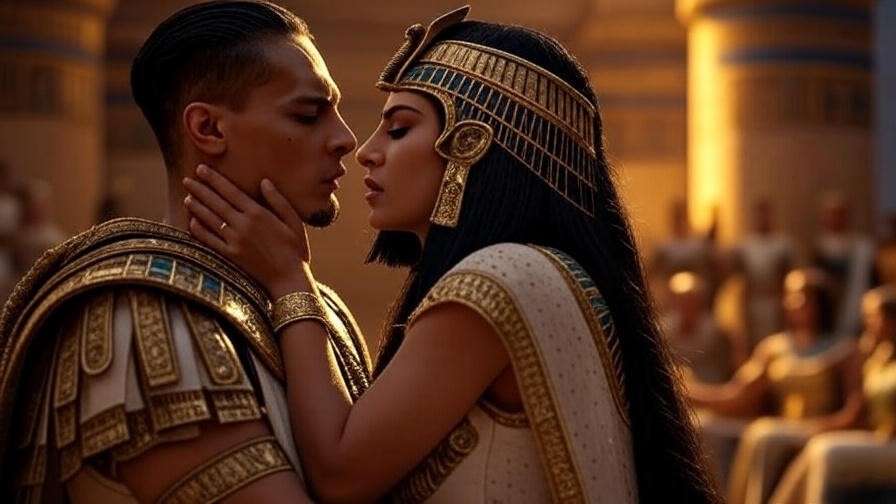
In the final, breathtaking moments of William Shakespeare’s Antony and Cleopatra, the Egyptian queen—dressed in her royal regalia—takes a small, venomous creature from a basket of figs and presses it to her breast. “Come, thou mortal wretch,” she whispers, “With thy sharp teeth this knot intrinsicate / Of life at once untie.” As the asp bites, Cleopatra embraces death with serene majesty, declaring, “Give me my robe, put on my crown. I have / Immortal longings in me.” This iconic scene has captivated audiences for centuries, yet the “asp” itself remains one of Shakespeare’s most intriguing and debated elements. What exactly is this “poor venomous fool” that Shakespeare calls a “pretty worm of Nilus”? Is it a historically accurate detail, a powerful symbol, or a dramatic invention? For readers, students, and Shakespeare enthusiasts searching for clarity on the asp Shakespeare reference, this comprehensive exploration unpacks its literary role, historical roots, symbolic depth, and enduring theatrical impact—offering deeper insight than typical summaries provide.
The asp is far more than a mere plot device for Cleopatra’s suicide. It embodies the clash between Roman discipline and Egyptian sensuality, the paradox of deadly beauty, and the queen’s final assertion of agency. By examining Shakespeare’s text alongside its sources, modern scholarship, and performance history, we reveal how the Bard transforms a legendary death into one of literature’s most profound tragedies.
What Is the Asp in Shakespeare’s Antony and Cleopatra?
Shakespeare’s portrayal of the asp draws directly from ancient accounts but infuses it with poetic innovation and psychological nuance.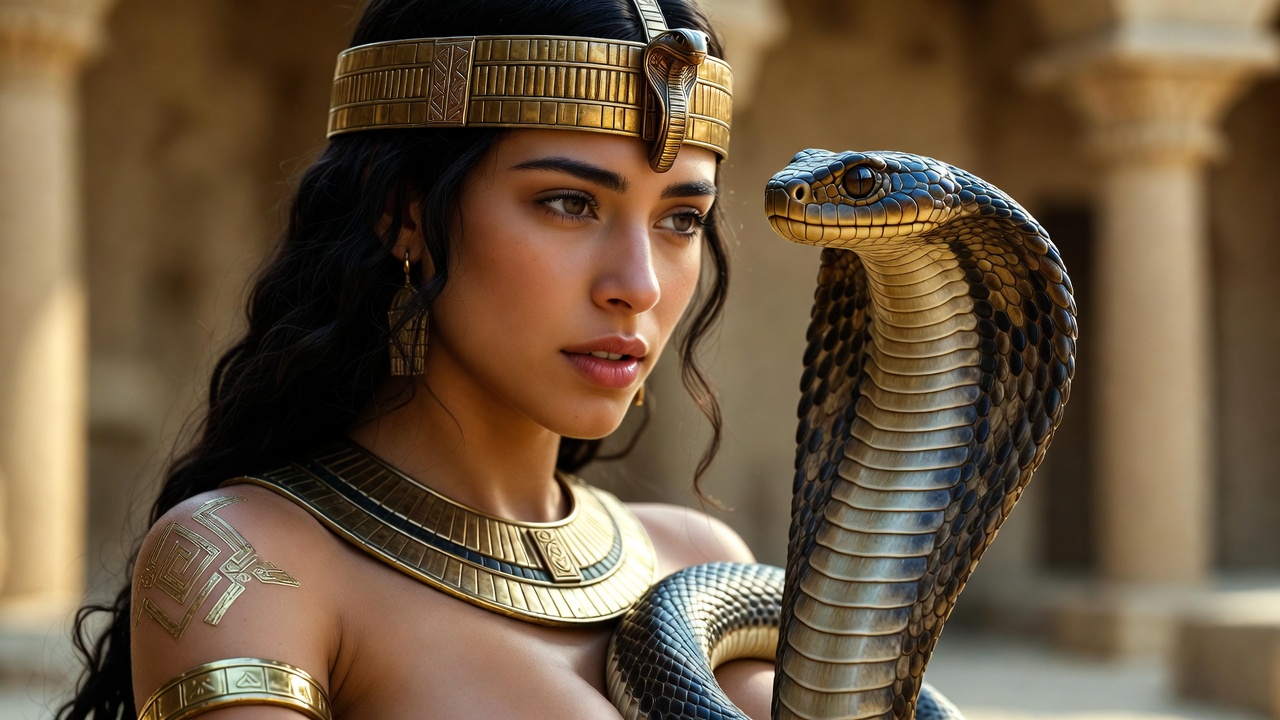
The Asp in the Play’s Text – Direct References and Stage Directions
The creature appears primarily in Act 5, Scene 2. Cleopatra refers to it affectionately yet ominously as “the pretty worm of Nilus there, / That kills and pains not.” She calls it a “poor venomous fool” and, in one of the play’s most tender ironies, likens it to “my baby at my breast, / That sucks the nurse asleep.” The stage directions are sparse but vivid: Cleopatra “applies an asp” to her breast, then another to her arm. Iras dies first (possibly from heartbreak or a prior bite), followed by Cleopatra, and finally Charmian, who takes the remaining asp.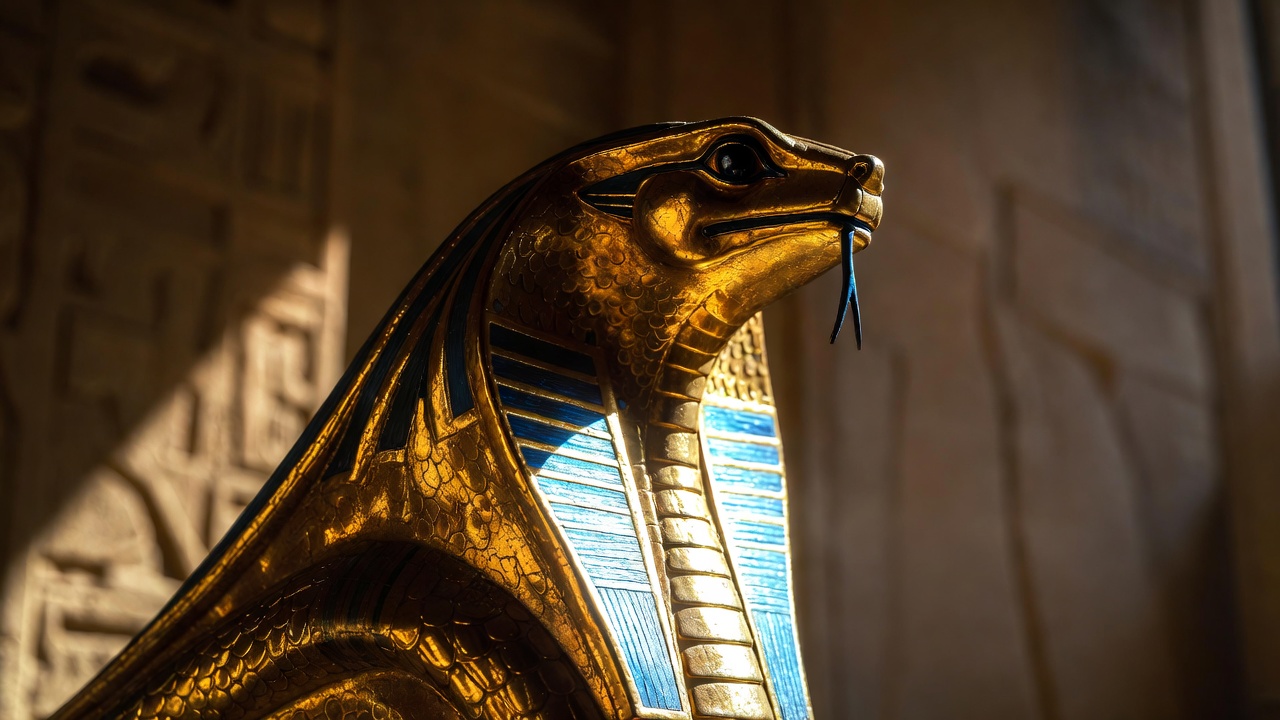
Shakespeare’s choice of language is deliberate. In Elizabethan English, “asp” denoted a venomous serpent, often the Egyptian cobra (Naja haje), but he repeatedly uses “worm”—an archaic term evoking humility, biblical echoes (the serpent in Eden), and diminutive endearment. This softens the horror, aligning with Cleopatra’s regal composure: death becomes a gentle, maternal act rather than violent struggle.
The Asp’s Role in the Plot
The asp arrives via the Clown (a rustic countryman), providing comic relief just before tragedy peaks. Disguised in a fig basket, it symbolizes smuggling and deception—mirroring Cleopatra’s cunning throughout the play. After Antony’s suicide and Octavius’s capture, Cleopatra tests poisons (implied from sources) but chooses the asp for its reputed painless lethality. Her deliberate application underscores her agency: she rejects Roman captivity and parades in triumph, opting instead for a self-orchestrated exit that preserves her dignity and beauty.
Historical Context – Did Cleopatra Really Die by Asp Bite?
Shakespeare’s primary source was Sir Thomas North’s 1579 translation of Plutarch’s Parallel Lives, which romanticizes Cleopatra’s death while drawing from earlier Roman historians.
Plutarch’s Account – Shakespeare’s Primary Source
Plutarch describes Cleopatra experimenting with poisons on condemned prisoners, seeking a quick, painless method. Finding most caused agony, she turns to venomous animals and concludes the asp’s bite induces “a sleepy torpor and sinking” without spasms. The asp is smuggled in figs; Cleopatra applies it, dying serenely. Plutarch notes two asps—one for Cleopatra, one possibly shared—but ambiguities remain.
Ancient Accounts and Modern Debates on Historical Accuracy
Other sources vary: Cassius Dio suggests poison via a hairpin or comb; some imply Octavian’s involvement or foul play. Modern toxicology casts doubt on the asp narrative. The Egyptian cobra’s venom causes severe pain, swelling, necrosis, and respiratory failure—often taking hours—not the swift, peaceful death described. Symptoms like no visible marks, synchronized deaths (Cleopatra, Iras, Charmian), and lack of agony point to alternatives: a hemlock-opium cocktail or applied toxin. Scholars like Christoph Schaefer (2009–2010 studies) argue Cleopatra, knowledgeable in toxicology (testing on prisoners), likely chose a reliable poison to avoid disfigurement and ensure quick release—avoiding Roman humiliation.
Shakespeare prioritizes drama over accuracy: the asp legend, popularized by Romans to exoticize Cleopatra as a seductive “other,” suits theatrical needs. It transforms potential poisoning into mythic suicide.
The Asp in Egyptian Mythology and Symbolism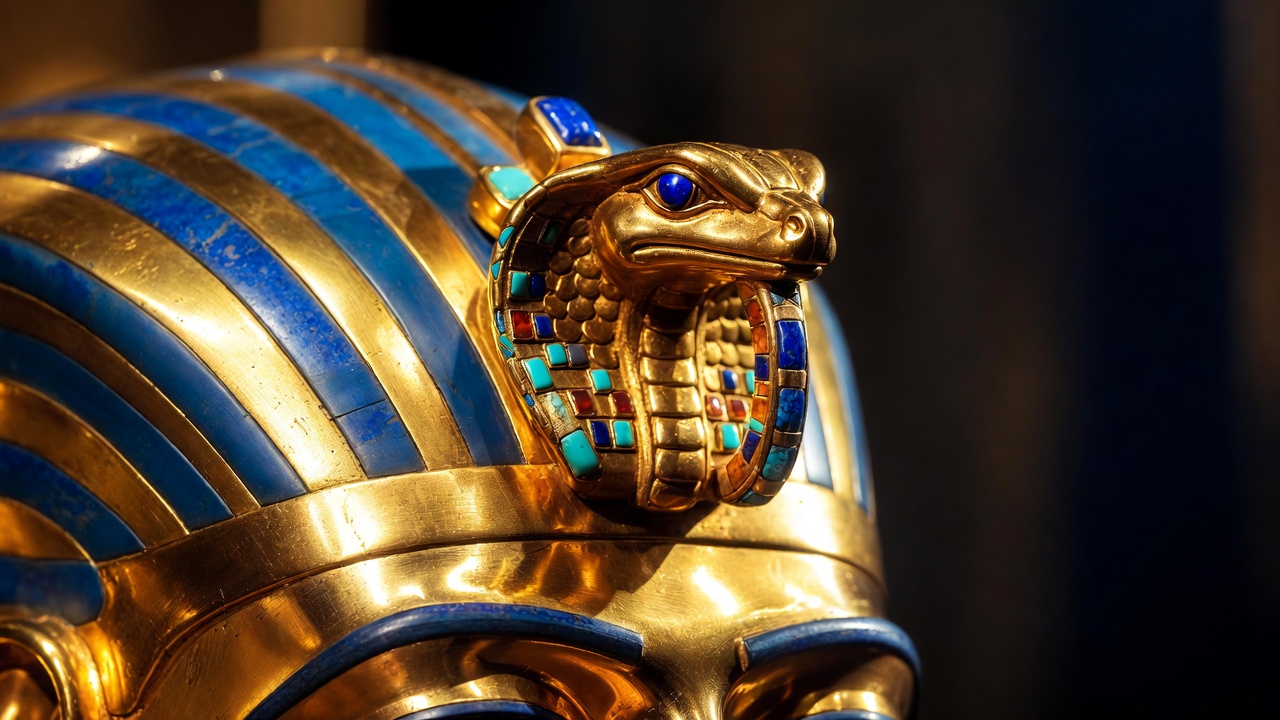
In ancient Egypt, the cobra (uraeus) adorned pharaohs’ crowns, symbolizing protection, royalty, and divine authority (linked to goddess Wadjet). Associated with Isis (rebirth, motherhood), the serpent represented renewal via skin-shedding. Cleopatra styled herself as Isis; the asp bite evokes divine child-nursing imagery, blending death with immortality. Shakespeare amplifies this: Cleopatra’s maternal language (“baby at my breast”) fuses Egyptian divinity with personal tragedy.
Symbolism of the Asp – Layers of Meaning in the Play
The asp operates on multiple levels, enriching the tragedy’s themes.
The Asp as a Symbol of Cleopatra’s Sexuality and Power
Phallic yet maternal, the asp embodies paradox: deadly penetration yields gentle sleep. Cleopatra’s application to her breast evokes nursing—reversing power dynamics. Figs symbolize fertility/excess (Nile abundance); the asp hidden within suggests danger in sensuality. It ties to Cleopatra’s “infinite variety”—seductive, excessive, fatal.
Themes of Death, Painlessness, and Immortality
The asp “kills and pains not,” contrasting Roman stoic endurance with Egyptian embrace of pleasure and fate. It offers escape from Octavius’s triumph, granting Cleopatra immortality through legend. Biblical undertones (Eden’s serpent) add temptation/sin, but Shakespeare subverts: Cleopatra’s death is triumphant, not punitive.
East vs. West – The Asp as a Marker of Egyptian Exoticism
Romans view Egypt as luxurious, chaotic “other.” The asp reinforces this: Nile-born, venomous yet beautiful. It marks Cleopatra’s defiance—choosing Egyptian method over Roman execution—challenging Octavius’s order.
The Famous Clown Scene – Comic Relief Before Tragedy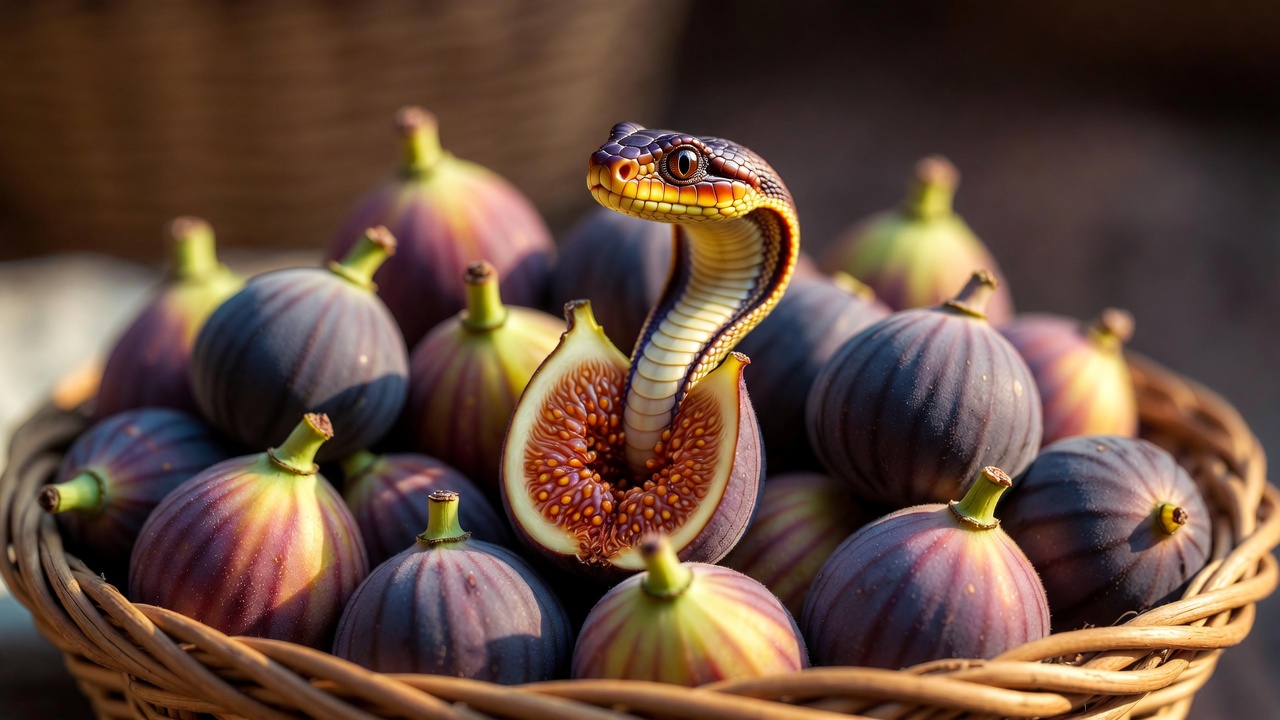
Act 5, Scene 2’s Clown delivers the figs with puns: “truly, she makes a very good report o’ th’ worm,” “his biting is immortal.” His rustic honesty (“women…die with’t”) heightens tension, humanizing Cleopatra’s grandeur amid absurdity. Shakespeare masters tonal shift: low comedy precedes sublime tragedy, amplifying emotional impact.
Stage and Performance History – The Asp on Stage and Screen
Productions face practical challenges: real snakes (risky, often banned) vs. props (rubber, mechanical). Iconic portrayals include Elizabeth Taylor (1963 film)—asp bite dramatized dramatically—and RSC stagings emphasizing symbolism. Paintings (e.g., Guido Reni’s Cleopatra with asp) influence visuals. Modern adaptations explore feminist agency or postcolonial readings.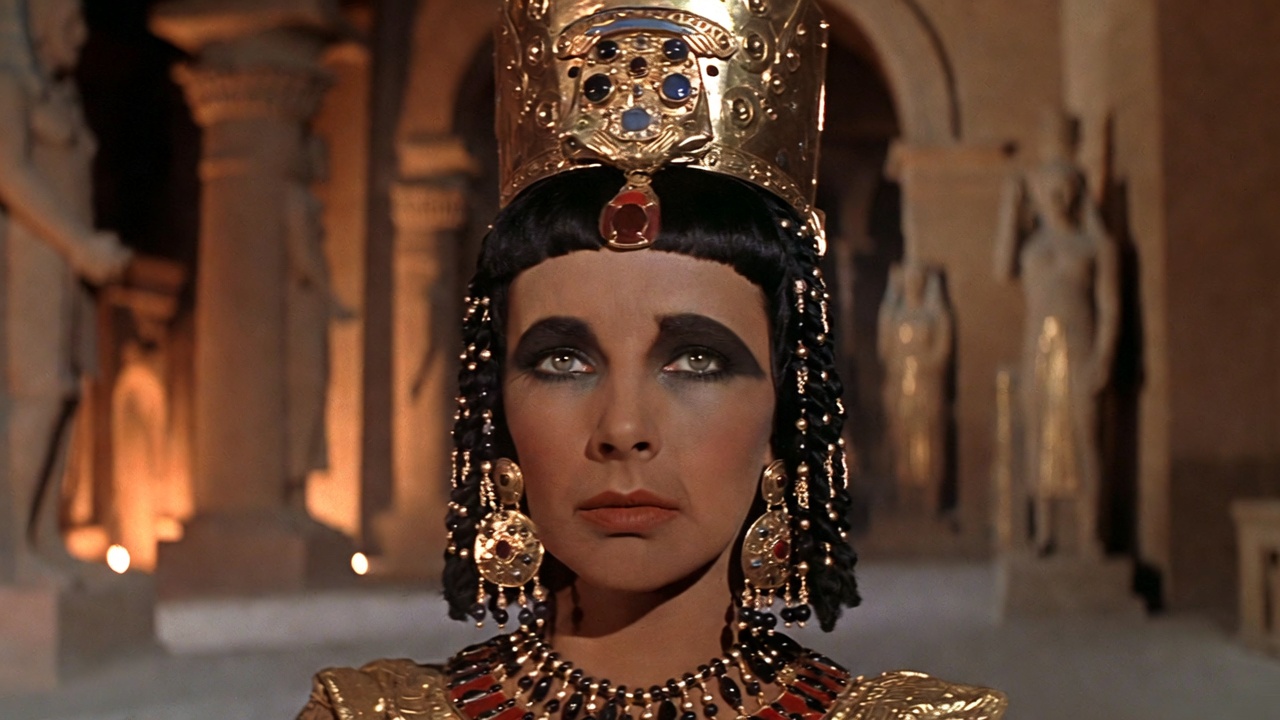
Expert Insights and Literary Comparisons
Scholars note parallels: serpents in Macbeth (temptation), biblical Eden. Feminist views see Cleopatra’s asp as reclaiming power; postcolonial critiques highlight Orientalism. The asp endures for blending myth, psychology, and drama—Cleopatra’s final act asserts identity against erasure.
Key Takeaways and Tips for Readers
- The “asp” is Shakespeare’s term for a venomous serpent, likely the Egyptian cobra.
- It symbolizes royalty, rebirth, sexuality, and defiance.
- Historically debated: modern views favor poison over bite.
- Key quotes: “the pretty worm of Nilus,” “my baby at my breast.”
- Recommendations: Read North’s Plutarch; watch 1972 RSC or 1963 film; explore toxicological studies for depth.
FAQ Section
What does “asp” mean in Shakespeare’s time? A venomous snake, often the Egyptian cobra; “worm” was affectionate/archaic.
Was the asp a real Egyptian cobra? Legend says yes, but toxicology suggests unlikely for painless death.
Why does Cleopatra call the asp a “worm”? Diminutive endearment, biblical resonance, softening horror.
How many asps does Cleopatra use in the play? Implied two—one bites her breast, another her arm; Iras/Charmian share.
Is the asp story historically accurate? Debated; Plutarch supports, but modern analysis favors poison.
What does the asp symbolize in the tragedy? Power, sensuality, immortality, East-West clash.
How has the asp been depicted in art and film? Iconic in paintings (Reni), films (Taylor’s dramatic bite).
Why is the Clown’s scene important? Provides comic relief, heightens tragedy via contrast.
The asp in Antony and Cleopatra transcends its role as suicide tool—it crystallizes Shakespeare’s genius: turning historical rumor into poetic emblem of love, power, and defiance. Cleopatra’s final embrace of the “mortal wretch” secures her legend, outshining Octavius’s victory. This “deadly serpent” reminds us why Shakespeare’s tragedies endure: they probe human complexity with unmatched depth.
Revisit the play—its language rewards close reading. Share your thoughts below, or explore more Shakespeare insights here on williamshakespeareinsights. What aspect of Cleopatra’s death fascinates you most?