In William Shakespeare’s Romeo and Juliet, a young Romeo laments his unrequited love with one of literature’s most famous paradoxes: “Feather of lead, bright smoke, cold fire, sick health!” (Act 1, Scene 1). This striking oxymoron captures the torment of passion—where something meant to invigorate feels like a debilitating ailment. Shakespeare masterfully uses “sick” not just for physical illness but for emotional and moral turmoil, making the word’s opposites all the more profound.
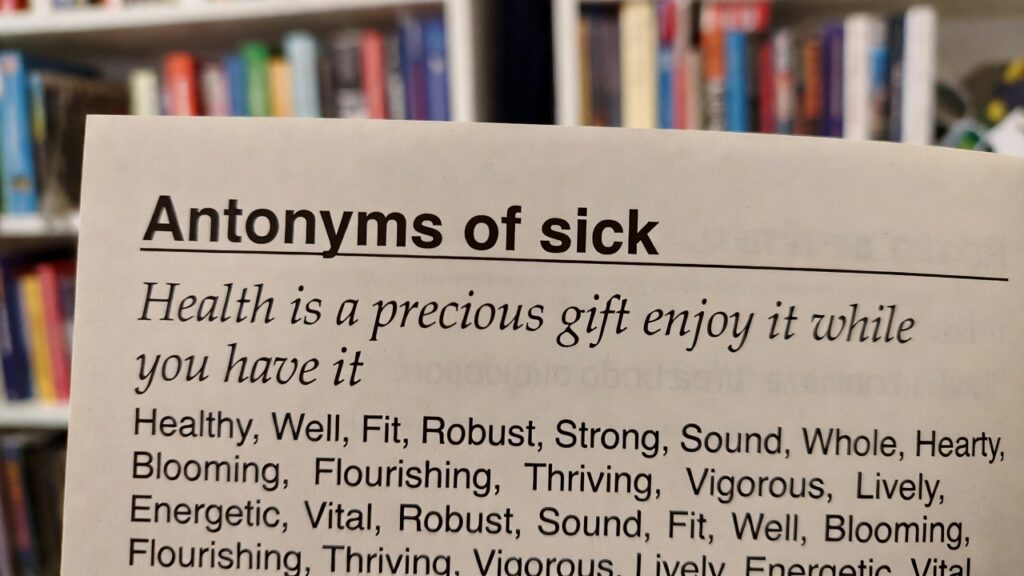
Antonyms of sick—words like healthy, well, fit, strong, sound, hale, and robust—represent far more than simple linguistic flipsides. In modern English, they signal recovery, vitality, and balance. Through Shakespeare’s lens, they illuminate themes of restoration, moral clarity, and human resilience. This article explores these antonyms in depth, drawing from Shakespeare’s plays and sonnets to offer richer insights than standard thesaurus entries. Whether you’re a student analyzing texts, an English learner building vocabulary, a writer seeking nuanced expressions, or a literature enthusiast, you’ll gain practical understanding of how opposites of “sick” function in classic literature and everyday life.
Understanding “Sick” in Modern and Shakespearean English
Today, “sick” most commonly denotes physical illness (e.g., a cold or flu), nausea, or figurative disgust (“I’m sick of this”). In Shakespeare’s Elizabethan era, influenced by humoral theory, “sick” described any imbalance in the body’s four humors—blood, phlegm, yellow bile, and black bile—leading to disease, melancholy, or lovesickness. Health meant harmony among these elements; illness signaled disruption.
Shakespeare frequently employs “sick” metaphorically: “sick at heart” in Hamlet (Act 1, Scene 1: Francisco says, “’Tis bitter cold, / And I am sick at heart”) conveys deep foreboding, while moral “sickness” appears in Macbeth as corrupted souls. This holistic view makes antonyms richer—opposites aren’t just “not ill” but states of wholeness, strength, and equilibrium.
The Primary Antonyms of Sick – A Comprehensive List
Here are the core antonyms of sick, with definitions, modern usage, and Shakespearean ties for deeper context.
Healthy The most direct opposite, denoting physical and mental well-being free from disease. In Shakespeare’s works, “healthy” contrasts with corrupted states, as in King Lear where Lear’s descent into madness opposes fleeting moments of clarity.
Well Simple yet powerful—often a response to “How are you?” implying recovery or good condition. Shakespeare uses it in dialogues of healing, such as characters declaring “I am well” after trials.
Fit (or “fit as a fiddle”) Emphasizes physical vigor and readiness. Elizabethan ideals of fitness align with hearty warriors; contrasts with weakened figures like the aging Lear.
Strong Connotes resilience against adversity. Shakespeare’s tragedies show strength eroded by “sickness” (e.g., Macbeth’s “sick at heart” despair in Act 5, Scene 3).
Sound Suggests mental and physical wholeness—”sound mind and body.” Shakespeare invokes it in moral/legal contexts, opposing “diseased” judgment.
Hale Archaic for robust health (“hale and hearty”). Though less common in Shakespeare, it echoes vitality in characters who endure.
Robust, Thriving, Flourishing These convey dynamic growth and vitality, tying to Shakespeare’s nature metaphors where health blooms like a garden restored.
Whole / Cured Focus on restoration after affliction. Key in redemptive arcs, like miraculous healings in the late romances.
For quick reference:
- Healthy → Physical/mental wellness
- Well → Recovered state
- Fit → Energetic readiness
- Strong → Enduring power
- Sound → Complete integrity
- Hale → Hearty robustness
- Whole → Fully restored
These words expand vocabulary beyond basics, offering precision in description.
Shakespeare’s Masterful Use of Opposites – “Sick” and Its Antonyms in Context
Shakespeare thrives on contrasts, using “sick” and its antonyms to heighten drama, develop characters, and explore themes.
The Iconic Oxymoron “Sick Health” in Romeo and Juliet Romeo’s speech—”O heavy lightness! serious vanity! / Mis-shapen chaos of well-seeming forms! / Feather of lead, bright smoke, cold fire, sick health!”—expresses love’s paradox. Love should bring health, yet unrequited passion sickens the soul. Here, “sick health” has no easy antonym; true wellness lies beyond obsessive desire.
Lovesickness and Its Opposites in the Plays In A Midsummer Night’s Dream, Helena declares she’s “sick when I do look on thee” toward Demetrius. Sonnet 147 intensifies this: “My love is as a fever, longing still / For that which longer nurseth the disease.” The speaker feeds his “sickly appetite,” rejecting cure. Opposites emerge in rational, “sound” love versus feverish obsession; “well” affection heals rather than harms.
Physical Illness vs. Wellness in the Tragedies In King Lear, Lear’s “sick” mind and body decline amid betrayal, yet brief clarity hints at potential “soundness.” Hamlet‘s “sick at heart” opening foreshadows existential malaise, with no easy return to wellness. These contrasts underscore tragedy: sickness overwhelms, but health flickers as hope.
Moral and Spiritual “Sickness” and Redemption Macbeth portrays moral corruption as soul-sickness: Macbeth is “sick at heart” (Act 5, Scene 3), lamenting lost honor. Lady Macbeth’s madness prompts the doctor’s note she’s “not so sick… as troubled with thick-coming fancies.” Redemption in The Tempest offers antonyms—Prospero’s healing restores “whole” consciences.
Shakespeare drew from humoral theory: health as balance, illness as excess. Antonyms represent restored equilibrium.
How Shakespeare Expands Our Understanding of Antonyms
Shakespeare doesn’t merely list opposites; he weaponizes them for tension. “Sick” builds dread; “healthy/well” promises resolution. Writers today can emulate this: describe jealousy as “sick with envy” versus “healthy competition.” Readers gain sharper analysis skills—spotting contrasts in essays or appreciating thematic depth.
For vocabulary learners, these nuances aid nuanced expression: choose “hale” for archaic flavor, “robust” for vitality.
Modern Applications – Using These Antonyms Today
Shakespeare’s insights remain relevant. Build vocabulary by noting contrasts in reading. In writing, employ them for vivid prose (e.g., “thriving community” vs. “sick society”). Everyday, opt for precision: “feeling robust” over generic “good.”
Shakespeare’s holistic view—health encompassing body, mind, spirit—mirrors modern wellness discussions: mental health equals physical. Revisiting his works fosters empathy for “sick” states and appreciation for recovery.
FAQs About Antonyms of Sick
What is the strongest antonym of sick? “Healthy” or “well” are most direct, but “sound” conveys deepest wholeness.
Is “well” always the opposite of “sick”? Often yes, especially in recovery contexts, but Shakespeare layers it emotionally.
How does Shakespeare use “sick” differently from today? He extends it to lovesickness, moral decay, and humoral imbalance—beyond just physical.
What are some rare or literary antonyms? “Hale,” “flourishing,” or “cured” appear in poetic contexts.
Can “sick” have positive meanings (e.g., “sick beats”)? Modern slang flips it positively, but Shakespeare’s era reserved positives for antonyms.
Antonyms of sick—healthy, well, fit, strong, sound, hale, whole—transcend simple opposition in Shakespeare’s world. They embody restoration amid chaos, balance against imbalance, hope against despair. From Romeo’s “sick health” to Macbeth’s tormented heart, Shakespeare shows wellness as hard-won harmony.
Revisit his plays with this lens: notice how opposites drive plots and illuminate humanity. For more Shakespearean language explorations, explore our blog’s insights on oxymorons or metaphors in Hamlet. Subscribe for updates on timeless literary wisdom.