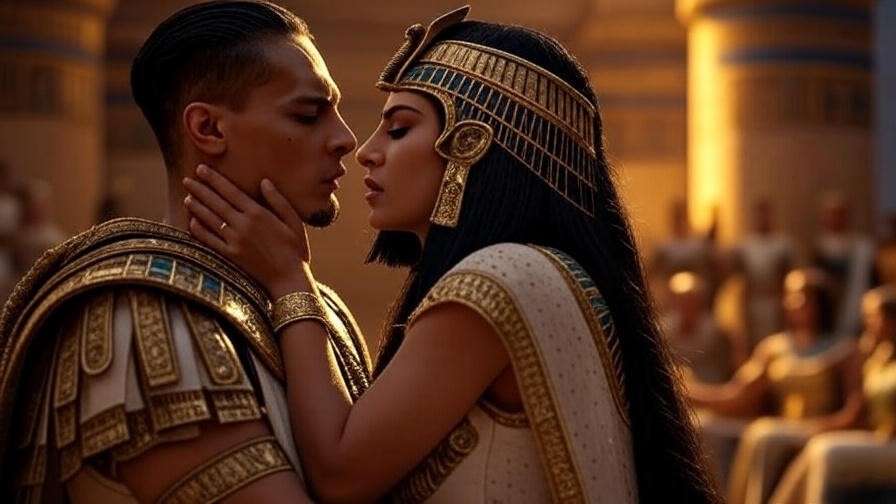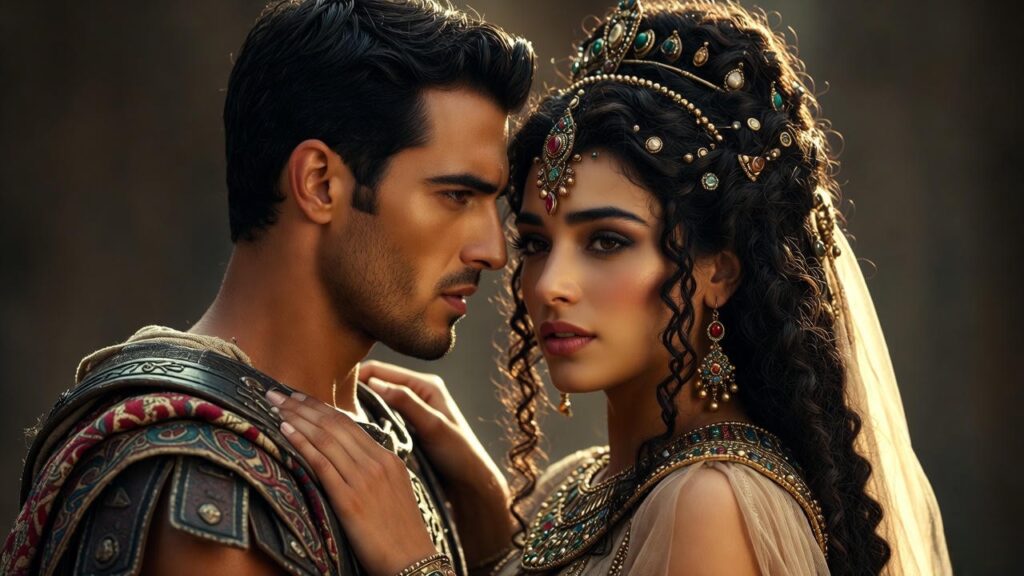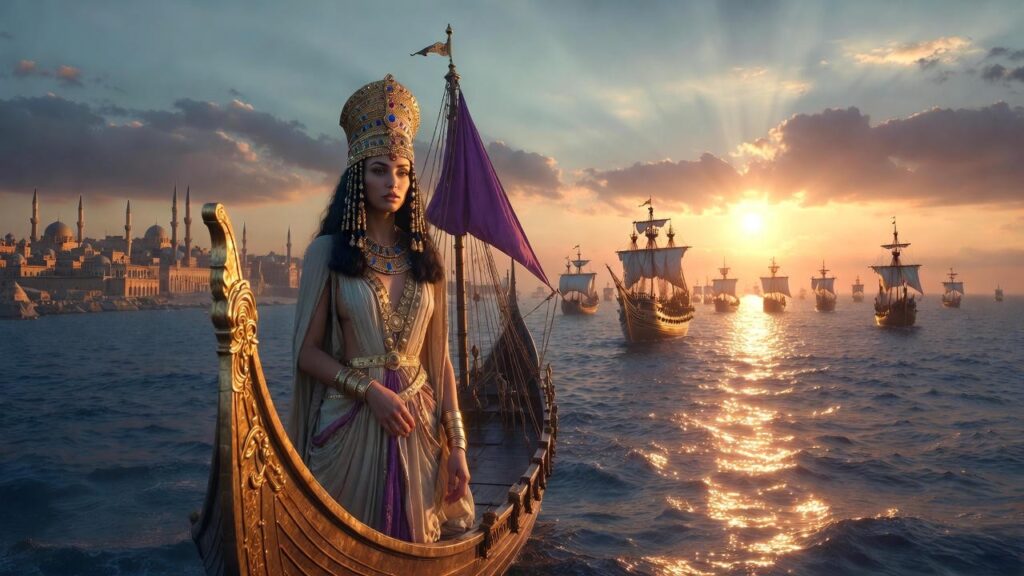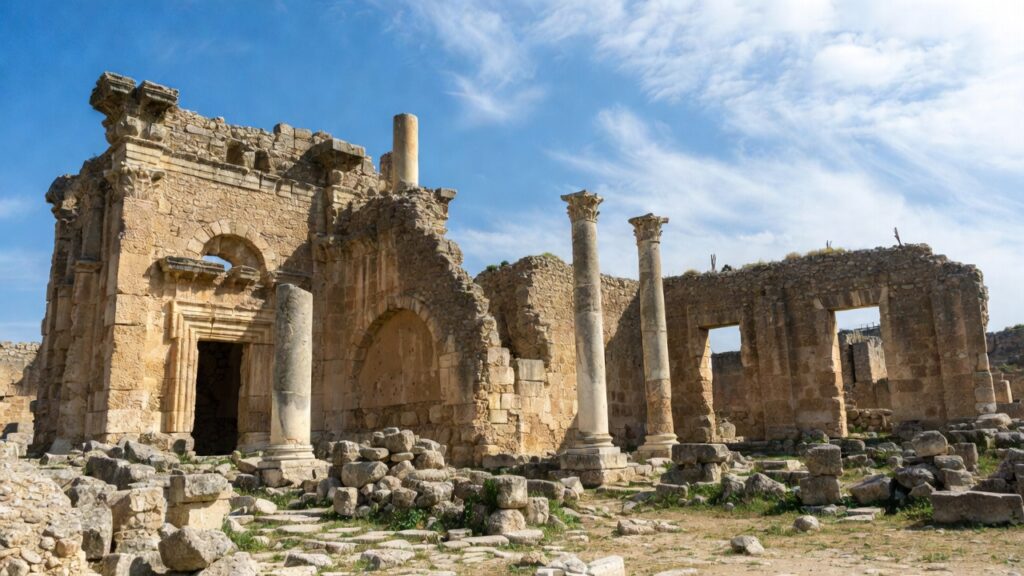
In the final, heart-wrenching moments of William Shakespeare’s Antony and Cleopatra, the lovers embrace in death within Cleopatra’s monument—a towering symbol of their defiant love and shared destiny. Antony, mortally wounded, is drawn up to the monument where Cleopatra cradles him, and she later stages her own regal suicide there, declaring their union eternal. Shakespeare draws from ancient sources to paint this mausoleum as a place of tragic triumph, where passion conquers Roman conquest. Yet the tomb of Antony and Cleopatra—the real historical burial site promised by Octavius Caesar to be honored “in splendid and regal fashion”—remains one of antiquity’s greatest enigmas. Lost for over two millennia, it has eluded archaeologists despite relentless searches, fueling endless fascination among historians, literature lovers, and Shakespeare enthusiasts alike.
This article explores the profound contrast between Shakespeare’s poetic immortalization of their shared tomb and the gritty reality of modern archaeology. Drawing on primary ancient texts, close readings of the play, and the latest developments—including groundbreaking 2025 discoveries at Taposiris Magna—we examine why the tomb endures as both a literary symbol and an unsolved historical puzzle. Whether you’re a student dissecting the tragedy’s themes of love, power, and mortality, or a history buff curious about Cleopatra’s final resting place, here you’ll find a comprehensive bridge between Elizabethan drama and cutting-edge excavations.
Historical Accounts of the Tomb: What Ancient Sources Tell Us
The most reliable ancient account comes from Plutarch’s Life of Antony (written around 100 CE), Shakespeare’s primary source. After Cleopatra’s suicide by asp bite in 30 BCE, Octavius (later Augustus) ordered that she and Mark Antony be buried together “in splendid and regal fashion,” honoring Antony’s request and Cleopatra’s royal status. Plutarch describes Cleopatra’s monument (her prepared mausoleum) in Alexandria as the site of their deaths and initial preparations, with bodies later interred jointly in a grand tomb befitting Ptolemaic royalty.
Other historians corroborate this: Suetonius notes the joint burial, while Cassius Dio emphasizes the mausoleum’s location near the royal palace in Alexandria. Ancient Alexandria, however, suffered catastrophic damage from earthquakes and a massive tsunami in 365 CE, submerging large swaths of the ancient city—including potential palace districts and harbors. This environmental catastrophe likely explains much of the tomb’s disappearance, shifting parts of the coastline and burying structures under sediment or water.
Shakespeare faithfully adapts these details but elevates them poetically. In the play, the monument becomes not just a physical space but a dramatic arena for defiance: Cleopatra refuses to be paraded in triumph in Rome, choosing death in her own monument to preserve dignity and legacy. The tomb symbolizes their refusal to let empire erase personal passion—a theme that resonates deeply in Shakespeare’s exploration of Roman vs. Egyptian values.
Most scholars place the tomb in ancient Alexandria (now partially underwater), based on these texts. Yet no definitive evidence has surfaced there, leading to alternative theories.
Shakespeare’s Immortalization: The Tomb as Tragic Symbol in Antony and Cleopatra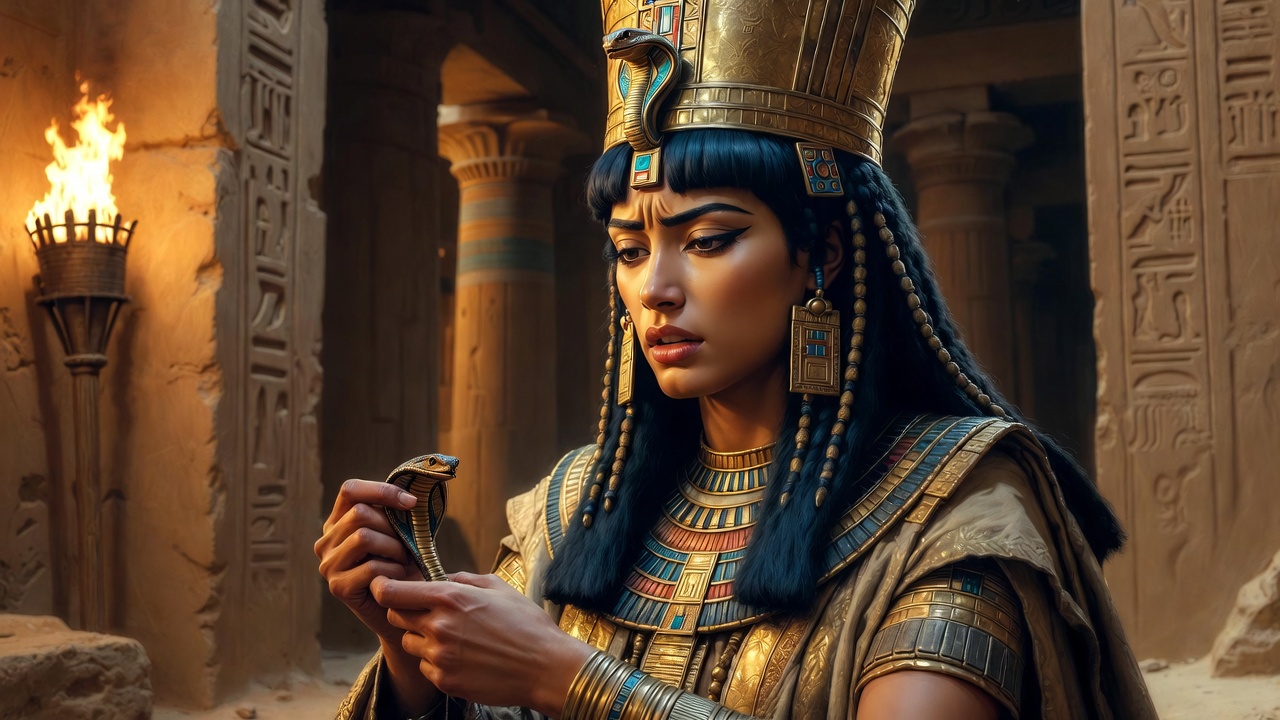
Shakespeare’s genius lies in transforming historical fact into profound symbolism. The tomb of Antony and Cleopatra in the play is more than a burial site—it’s the culmination of their tragic arc, where love achieves immortality through death.
Act 4, Scene 15 – Antony’s Death in the Monument
Antony, defeated at Actium and believing Cleopatra dead, falls on his sword. Carried to the monument, he dies in her arms amid soaring rhetoric: “I am dying, Egypt, dying.” Cleopatra’s grief is operatic—”O, withered is the garland of the war”—yet she vows to join him soon. The monument here functions as a liminal space: between life and death, Egypt and Rome, passion and politics. Shakespeare uses it to underscore gender dynamics—Cleopatra’s monument is her domain, where she controls the narrative of their end.
Act 5, Scene 2 – Cleopatra’s Monument as Stage for Triumph
In the play’s climax, Cleopatra stages her suicide in the monument, applying asps and declaring, “Give me my robe, put on my crown; I have / Immortal longings in me.” Her death is regal theater, transforming defeat into victory: “Husband, I come: / Now to that name my courage prove my title!” The shared tomb becomes eternal union—Antony and Cleopatra bound beyond Roman grasp.
Themes abound: love as rebellion against empire, death as ultimate freedom, the fusion of Roman stoicism and Egyptian sensuality. Compared to Romeo and Juliet‘s shared tomb (a hasty, tragic end), this one is deliberate and symbolic—Cleopatra chooses it to deny Octavius his triumph.
Scholars note Shakespeare’s amplification: Plutarch describes practical burial; Shakespeare makes the monument a poetic emblem of legacy. For modern readers, this heightens the tragedy—the real tomb’s absence makes Shakespeare’s vision feel hauntingly prophetic.
The Leading Theories on the Tomb’s Location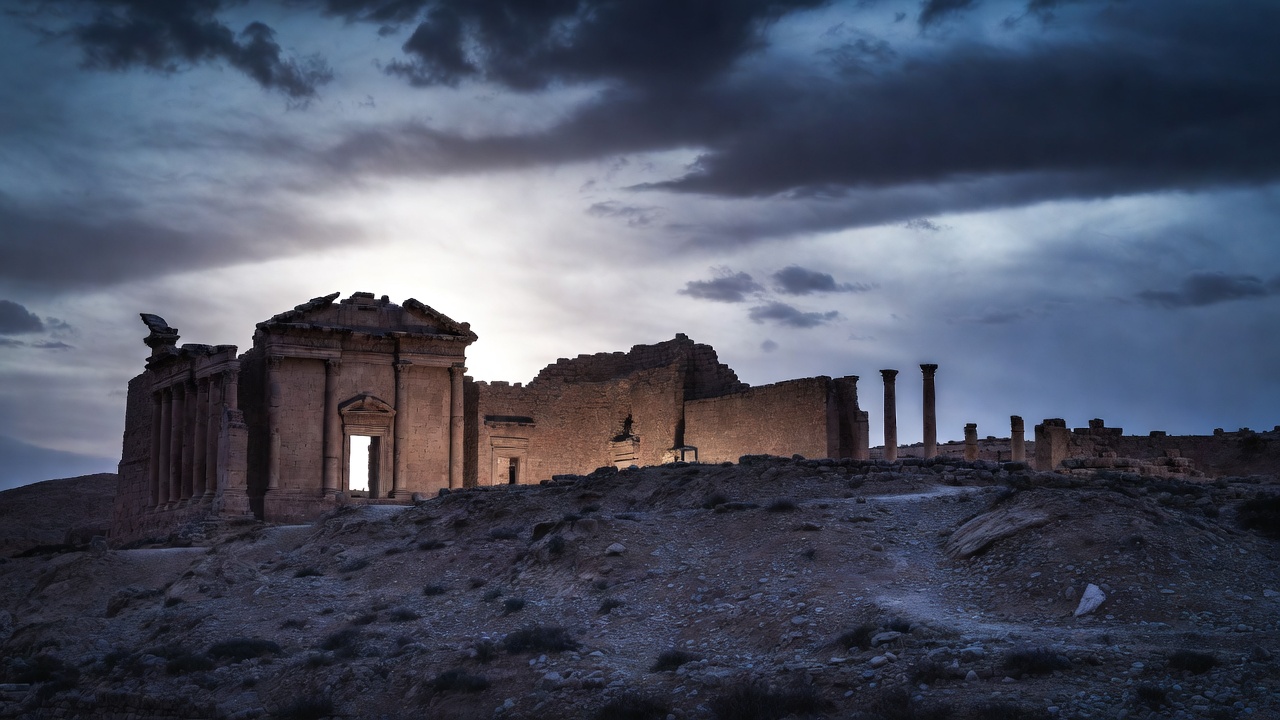
Two main theories dominate: submerged Alexandria and Taposiris Magna.
Theory 1: Submerged Alexandria (Franck Goddio’s Underwater Archaeology)
Underwater explorer Franck Goddio has mapped palace ruins off Alexandria, including an Isis temple on Antirhodos island with Ptolemaic artifacts. Earthquakes and the 365 CE tsunami submerged much of the area; sonar and ground-penetrating radar continue scans. Challenges include urban development and sediment layers, but proponents argue historical texts point here.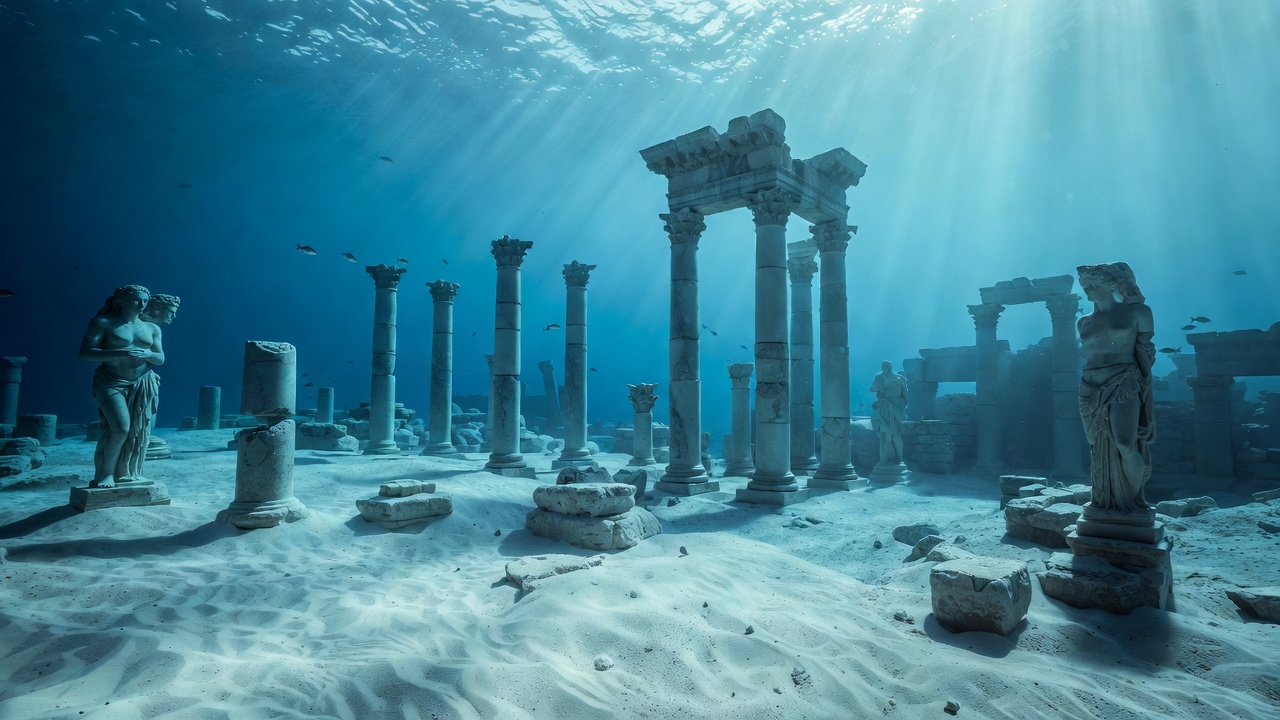
Theory 2: Taposiris Magna – Kathleen Martínez’s 20-Year Quest (Most Promising Recent Focus)
Dominican archaeologist Kathleen Martínez has excavated Taposiris Magna (30 miles west of Alexandria) since 2005. Dedicated to Osiris and Isis—Cleopatra identified as the living Isis—the site fits symbolic afterlife themes. Martínez argues Cleopatra hid the tomb here to evade Romans.
Key discoveries:
- 2022: 4,300-foot underground tunnel (partially submerged, seaward).
- Coins bearing Cleopatra’s image, royal busts, statues.
- 2024: White marble statue possibly depicting Cleopatra’s true face.
- 2025: Sunken ancient port (with Bob Ballard), featuring columns over 20 feet high, polished floors, anchors, Ptolemaic amphorae, and a submerged shoreline 2.5 miles offshore. Announced by Egypt’s Ministry of Tourism and Antiquities, this suggests Taposiris Magna was a maritime hub linked to the temple via tunnel—potentially for discreet transport of royal remains.
Martínez remains convinced: “Nobody can tell me that Cleopatra is not at Taposiris Magna.” Excavations continue into 2026, with radar revealing hidden chambers.
Skeptics (including Zahi Hawass) favor Alexandria, citing no direct tomb evidence yet. No Ptolemaic ruler tomb has been found intact, adding caution.
Recent Discoveries and Why the Tomb Remains Elusive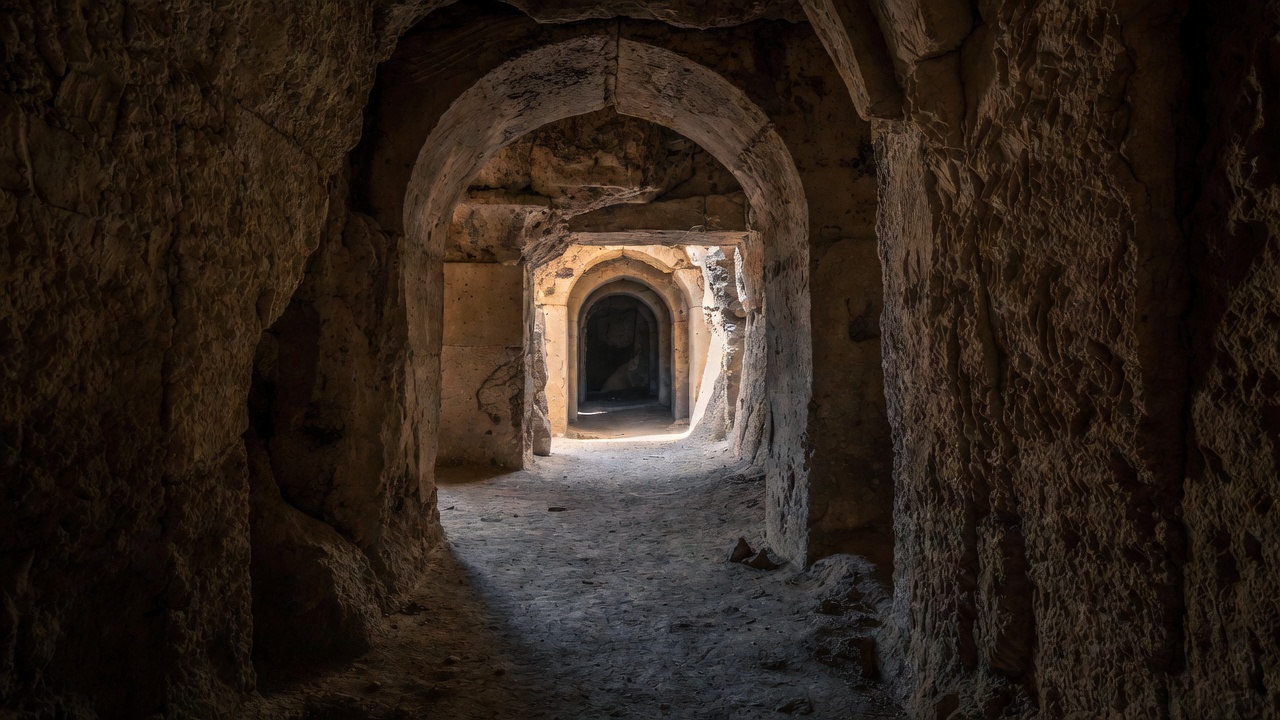
From 2005 onward, Martínez’s work—featured in National Geographic’s Cleopatra’s Final Secret (2025)—has yielded incremental progress: foundation plates, mummies with golden tongues, inscriptions. The 2025 sunken port discovery expands the site’s scope, linking temple to sea and strengthening maritime theories.
Obstacles persist: scale (full excavation could take 40+ years), environmental erosion, funding, politics. Submersion complicates access; artifacts suggest importance but not confirmation.
Discovery would rewrite Ptolemaic history, verify ancient accounts, boost heritage tourism.
Bridging Literature and Archaeology: What If the Tomb Is Found?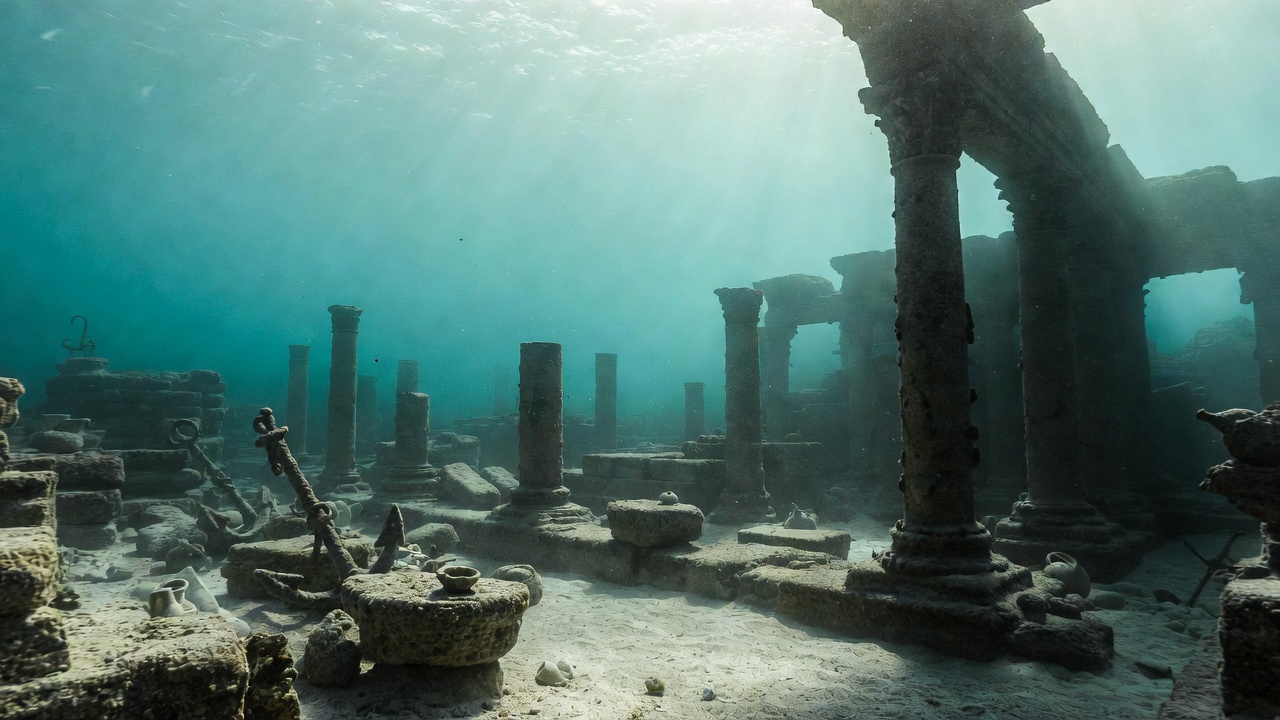
A real find would illuminate Shakespeare’s sources—Plutarch’s accuracy, Cleopatra’s Isis self-identification. The play’s monument gains new resonance against actual grandeur. It would deepen appreciation of themes: love’s endurance, power’s fragility.
The mystery itself enriches the tragedy—absence heightens Shakespeare’s poetry.
FAQs About the Tomb of Antony and Cleopatra
- Where is the tomb believed to be today? Most scholars say ancient Alexandria (submerged); Martínez argues Taposiris Magna.
- Has it been found in 2026? No—excavations continue, with promising 2025 port and tunnel finds, but no tomb confirmed.
- How does Shakespeare portray their burial? As a joint, regal monument symbolizing eternal love and defiance.
- Who is leading the current search? Primarily Kathleen Martínez at Taposiris Magna.
- Why hasn’t it been discovered after 2,000 years? Earthquakes, tsunamis, urban overlay, vast sites, and deliberate hiding.
Shakespeare’s Antony and Cleopatra transforms a historical joint burial into an eternal emblem of passion triumphing over empire. The real tomb of Antony and Cleopatra—still hidden—mirrors this: a legend that outlives ruin. As excavations press on, each artifact brings us closer, reminding us why these figures captivate centuries later. Dive into the play, track updates from Taposiris Magna, or explore Alexandria’s underwater ruins virtually—the mystery endures, much like their love.