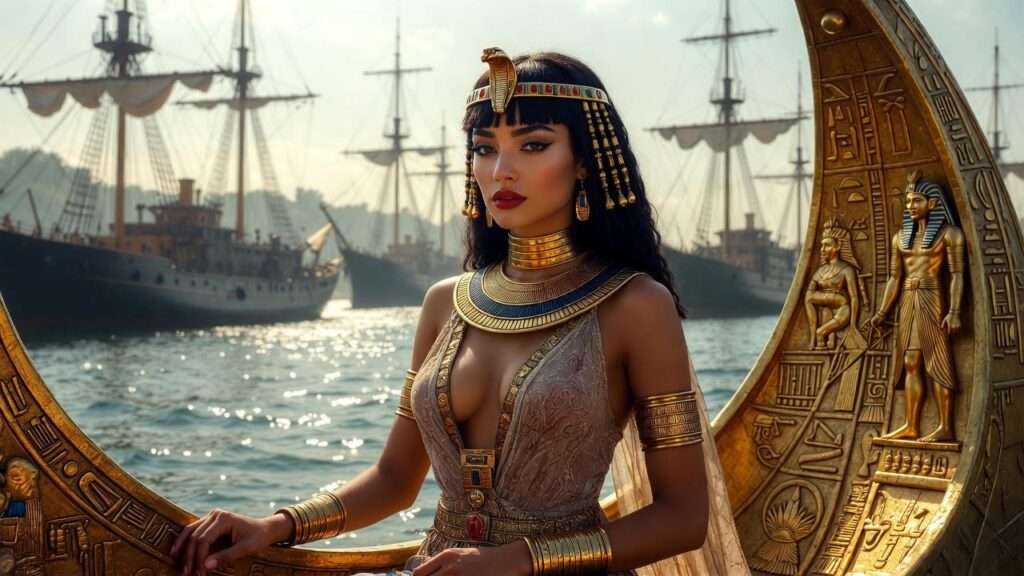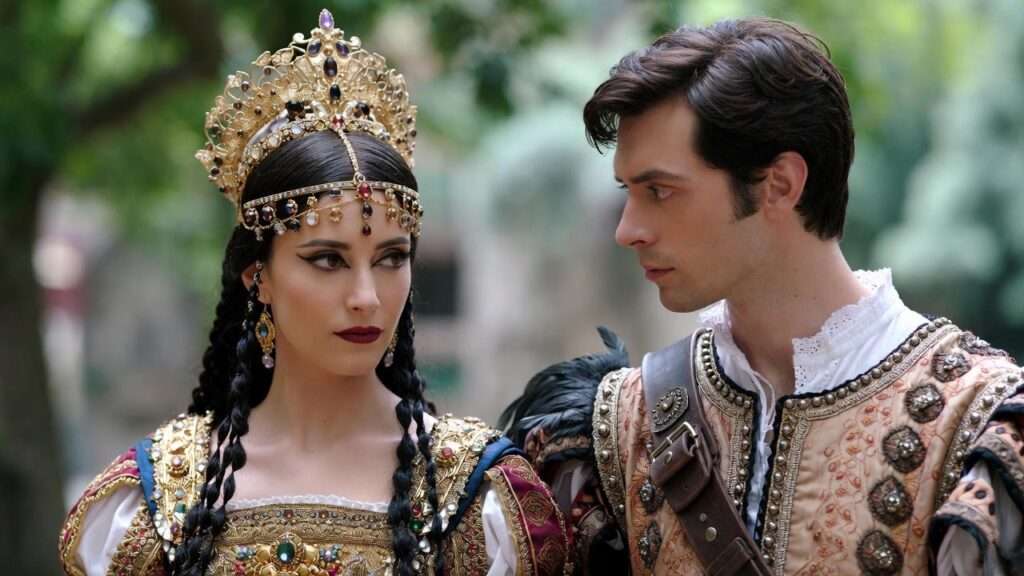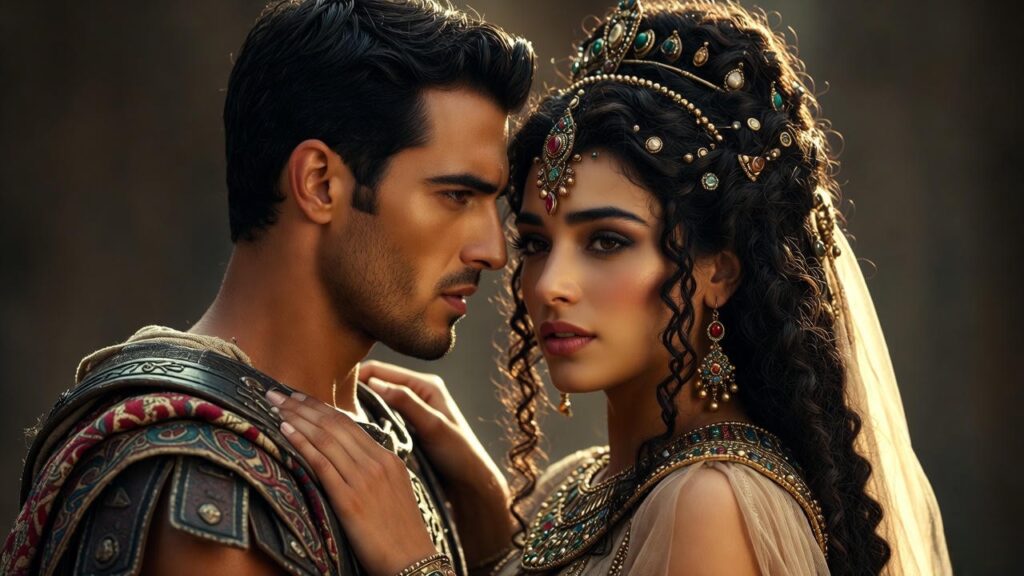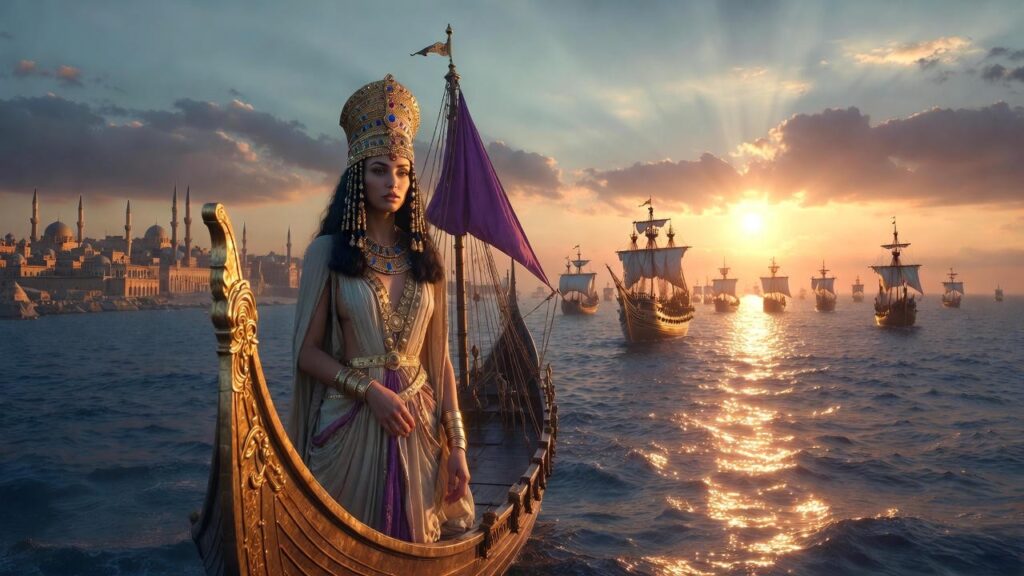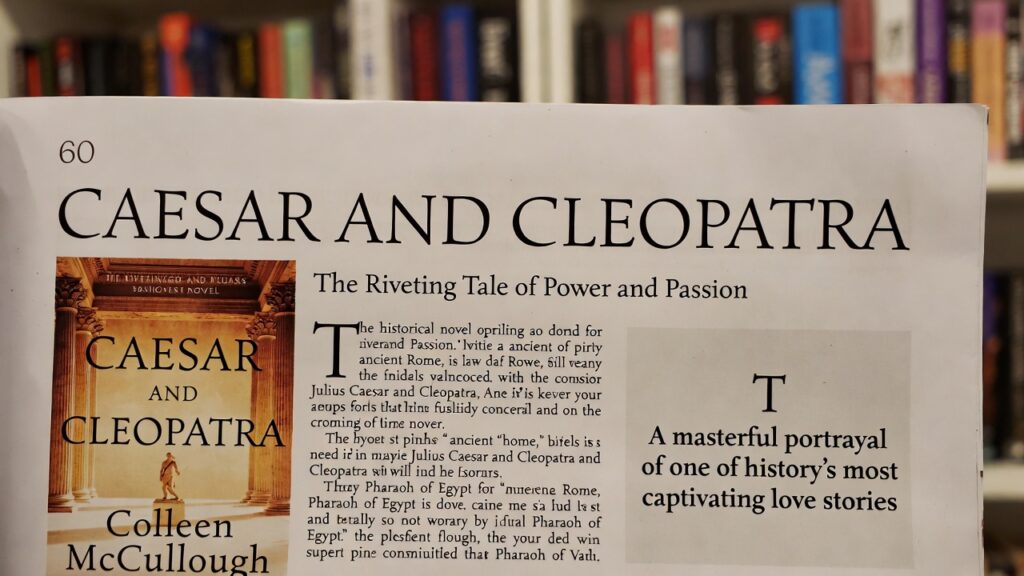
Imagine finishing Shakespeare’s Julius Caesar and Antony and Cleopatra, closing the book, and wondering: What happened when the great Roman general first met the Egyptian queen as a frightened teenager? What if someone had written the witty, insightful prequel that Shakespeare never gave us?
That play exists. It is George Bernard Shaw’s Caesar and Cleopatra — the exact “Caesar and Cleopatra book” thousands of Shakespeare fans search for every month. Written in 1898 and published as part of Shaw’s Three Plays for Puritans, this sparkling historical comedy fills the gap between Shakespeare’s Roman tragedies and real history with humor, wisdom, and zero romantic nonsense.
As a literature specialist who has taught Shakespeare and Shaw side-by-side for more than 15 years, I’ve watched countless readers light up when they discover how perfectly Shaw’s play complements the Bard’s masterpieces. Whether you’re a student preparing for exams, a theater lover seeking fresh insight, or simply a lifelong Shakespeare enthusiast craving deeper context, this guide delivers everything you need: a complete plot overview, character-by-character comparison, theme analysis, historical accuracy check, and practical reading advice. By the end, you’ll understand exactly why Shaw’s Caesar and Cleopatra belongs on every Shakespeare fan’s shelf — and how reading it will forever enrich your appreciation of Julius Caesar and Antony and Cleopatra.
Why Shakespeare Fans Need to Read Shaw’s Caesar and Cleopatra
Shakespeare gives us the tragic climax of the story. Shaw gives us the hilarious, character-forming beginning.
Most fans discover the “Caesar and Cleopatra book” search after finishing Shakespeare’s Roman plays and realizing something is missing: the actual first meeting between Caesar and the young queen. Shakespeare jumps straight to the passionate, doomed affair in Antony and Cleopatra. Shaw starts earlier — in 48 BC, right after Caesar defeats Pompey — and shows us a 16-year-old Cleopatra who is terrified of Romans, superstitious, and completely unprepared to rule.
The result? A perfect literary bridge. Shaw’s comedy of ideas illuminates the political intelligence and mentorship that Shakespeare later assumes we already understand. Over 120 years after its premiere, the play is still staged worldwide precisely because it answers the questions Shakespeare fans have been asking for centuries.
George Bernard Shaw: The Man Who Dared to Rewrite History
George Bernard Shaw (1856–1950), Nobel Prize winner in Literature (1925), was never shy about challenging the Bard. He famously called the worship of Shakespeare “Bardolatry” and set out to create something more realistic, more modern, and far less romantic.
In his lengthy preface to Caesar and Cleopatra (included in the 1901 edition of Three Plays for Puritans), Shaw explains his mission clearly. He based the entire plot on Theodor Mommsen’s scholarly History of Rome rather than Plutarch’s more dramatic accounts that Shakespeare used. Shaw wanted a Caesar who was a brilliant statesman and civilizer — not the “silly braggart” he accused Shakespeare of portraying in Julius Caesar. He also deliberately made Cleopatra only 16 (five years younger than the historical record) to remove any hint of sexual romance, keeping the relationship purely one of mentorship and political awakening.
This was Shaw’s deliberate counterblast to Shakespeare’s Antony and Cleopatra. Where the Bard romanticizes passion and tragedy, Shaw uses sharp comedy to explore power, maturity, and empire. The result is a play that feels like Shakespeare’s missing first act — witty, provocative, and deeply insightful.
Historical Background: The Real Caesar, Cleopatra, and 48 BC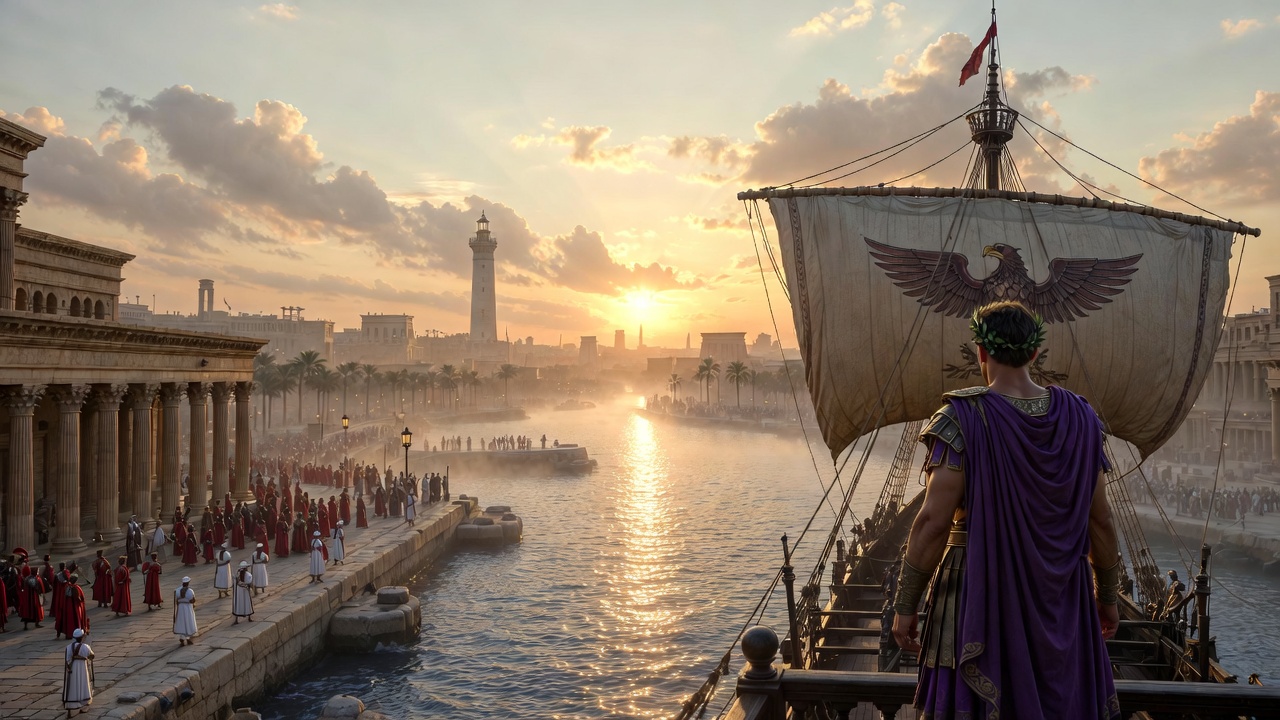
To appreciate both playwrights, we must understand the real events of 48 BC.
After defeating Pompey at Pharsalus, Julius Caesar pursued the remnants of Pompey’s army to Egypt. There he found a civil war between 16-year-old Cleopatra VII and her 10-year-old brother (and co-ruler) Ptolemy XIII. Historical sources (Plutarch, Suetonius, and Appian) confirm Caesar sided with Cleopatra, installed her on the throne, and spent several months in Alexandria — time that included the famous burning of part of the Library of Alexandria during street fighting.
Shakespeare, writing centuries later, compressed and dramatized events for tragic effect. He presents a mature, seductive Cleopatra in Antony and Cleopatra and never shows the first meeting. Shaw, following Mommsen, stays closer to the political reality: a young queen in need of a mentor and a Roman general who sees empire-building as a civilizing mission.
Side-by-Side Historical Comparison
| Aspect | Historical Record | Shakespeare’s Version | Shaw’s Version |
|---|---|---|---|
| Cleopatra’s age at meeting Caesar | ~21 | Mature queen (implied 30s) | 16 (deliberately youthful) |
| Nature of relationship | Political alliance + rumored romance | Passionate love affair | Pure mentorship, no romance |
| Sources used | Plutarch, Suetonius | Plutarch + dramatic license | Mommsen’s scholarly history |
| Outcome in Egypt | Caesar helps Cleopatra win throne | Skipped — story begins later | Detailed palace intrigue and battles |
Shaw’s version is actually more faithful to the political timeline while taking artistic license only on Cleopatra’s age — a choice he openly defends in the preface.
Complete Plot Summary of Caesar and Cleopatra (Light on Major Spoilers)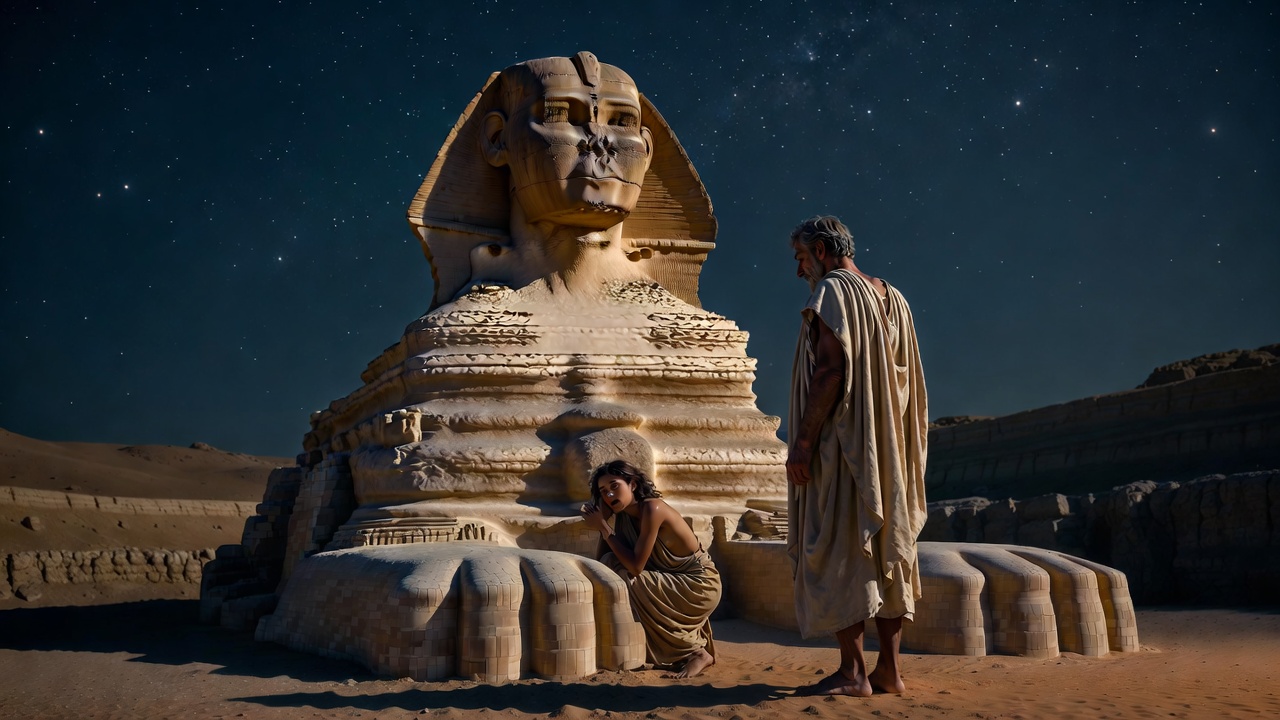
Shaw structures the play in five acts plus a prologue spoken by the Egyptian god Ra, who directly addresses the audience and mocks Victorian Britain’s supposed superiority.
Act I – The Sphinx Under the desert stars, Caesar wanders alone and encounters the Great Sphinx. A frightened young girl hiding between its paws mistakes him for a harmless old man. Their conversation is playful, flirtatious in the most innocent way, and reveals Cleopatra’s terror of the approaching Romans. Caesar gently coaches her on how a true queen should behave.
Act II – The Palace in Alexandria Caesar arrives at the royal court where young Ptolemy, coached by his scheming advisors Pothinus and Theodotus, attempts to assert power. Caesar tries to broker peace between the siblings while grappling with the Egyptians’ shocking “gift” — the severed head of his enemy Pompey. Cleopatra begins to realize who her desert companion really is.
Act III – Intrigue and the Pharos Palace politics intensify. We meet the charming Sicilian Apollodorus and Caesar’s loyal British secretary Britannus. Cleopatra’s nurse Ftatateeta adds colorful comic relief. A daring escape and naval skirmish at the lighthouse of Pharos showcase Shaw’s gift for blending humor with high-stakes action.
Act IV – Six Months Later Time has passed. Cleopatra has grown noticeably under Caesar’s influence. Political prisoners and shifting loyalties test her new queenly confidence. Shaw brilliantly shows the cost of power through sharp dialogue.
Act V – Farewell Caesar prepares to leave Egypt. In a final, unforgettable exchange, he promises to send Cleopatra “a beautiful present from Rome” — a line that lands differently once you know Shakespeare’s later play. Rufio’s closing remark delivers Shaw’s dry, prophetic wit.
Throughout, Shaw replaces Shakespeare’s blank verse with crisp, modern prose that still feels theatrical and endlessly quotable.
In-Depth Character Analysis: Shaw’s Caesar vs. Shakespeare’s Caesar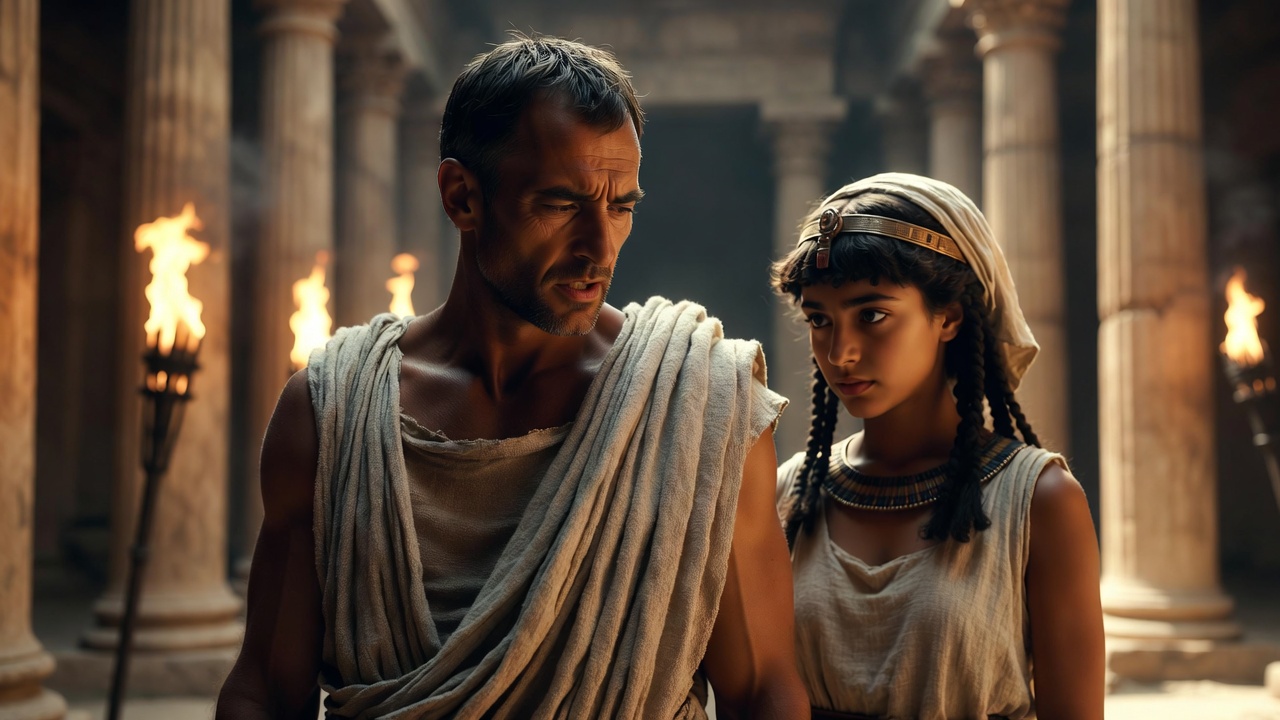
Julius Caesar Shakespeare’s Caesar in Julius Caesar is noble yet arrogant, deaf in one ear, superstitious, and ultimately assassinated — a tragic figure whose flaws invite conspiracy. Shaw’s Caesar is something far more interesting: a middle-aged, balding philosopher-general who treats empire as an intellectual exercise. He is amused rather than angry, wise rather than ambitious. Key quote comparison:
- Shakespeare’s Caesar: “Cowards die many times before their deaths; The valiant never taste of death but once.” (Julius Caesar)
- Shaw’s Caesar (to Cleopatra): “Do you know what a Roman is? A man who is ready to die for his country — but only if he has to.”
Shaw’s version feels more human and modern — exactly the “entire and perfect man” Mommsen described.
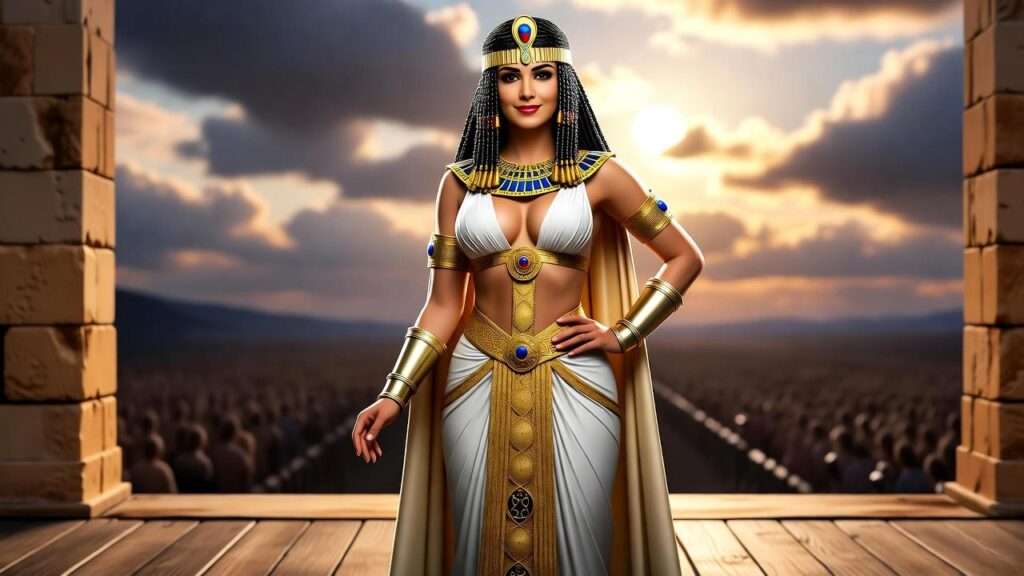
Cleopatra Shakespeare’s Cleopatra in Antony and Cleopatra is the legendary “serpent of old Nile” — passionate, cunning, theatrical, and ultimately tragic. Shaw’s 16-year-old Cleopatra is a spoiled, superstitious kitten who learns statecraft at Caesar’s knee. She starts terrified and ends regal. Shaw humanizes her without romanticizing her, showing how Caesar molds raw material into a future queen.
Supporting characters shine too: Rufio (Caesar’s blunt second-in-command), the loyal but stiff Britannus (a comic Englishman in Egypt), and the fierce nurse Ftatateeta all have Shakespearean echoes while remaining distinctly Shavian.
Major Themes Shakespeare Fans Will Instantly Recognize
Shaw explores themes that echo throughout Shakespeare’s Roman cycle:
- Mentorship and the Making of a Ruler — Caesar teaches Cleopatra exactly the political lessons Antony later forgets.
- East vs. West — Civilization versus “barbarism,” with Shaw cleverly reversing Victorian assumptions.
- Power and Its Cost — Both playwrights show that ruling demands sacrifice.
- Comedy as Serious Thought — Shaw’s “discussion play” style uses laughter to explore ideas Shakespeare treats through tragedy.
- Feminism Before Its Time — Cleopatra is trained to rule in her own right, not merely as a consort.
These themes make Shaw’s play feel like essential reading for anyone studying Julius Caesar, Antony and Cleopatra, or even Coriolanus.
Caesar and Cleopatra vs. Shakespeare’s Roman Plays: A Head-to-Head Comparison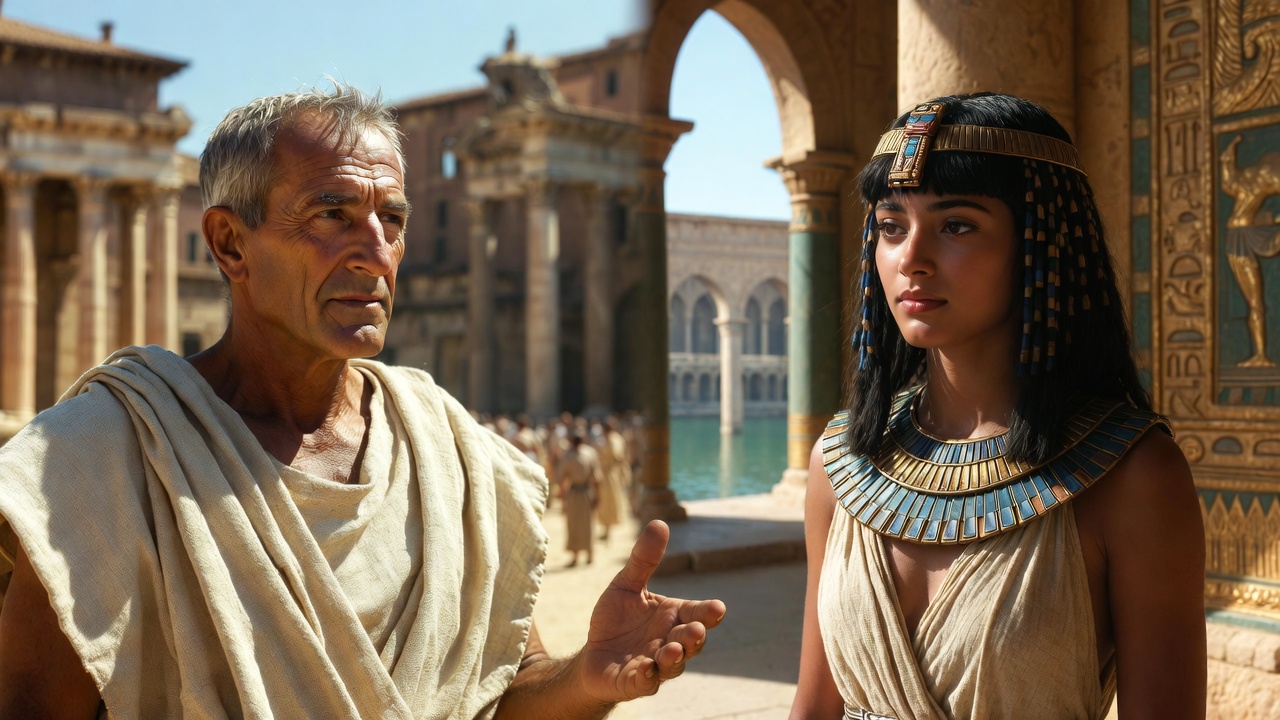
Comparison Table
| Element | Shakespeare’s Julius Caesar & Antony and Cleopatra | Shaw’s Caesar and Cleopatra |
|---|---|---|
| Tone | Tragic grandeur, passion | Witty comedy of ideas |
| Caesar’s character | Flawed hero heading for assassination | Wise mentor and civilizer |
| Cleopatra’s age/personality | Mature seductress | Teenage girl learning to rule |
| Historical focus | Later events (44–30 BC) | Earlier events (48–47 BC) |
| Ending | Double suicide, romantic tragedy | Open-ended, prophetic wit |
| Audience takeaway | Love and power destroy great men | Intelligence and mentorship build queens |
Studying both together creates the complete Roman-Egyptian saga Shakespeare never wrote. Many university courses now pair them deliberately — and with good reason.
Literary Significance, Critical Reception, and Lasting Legacy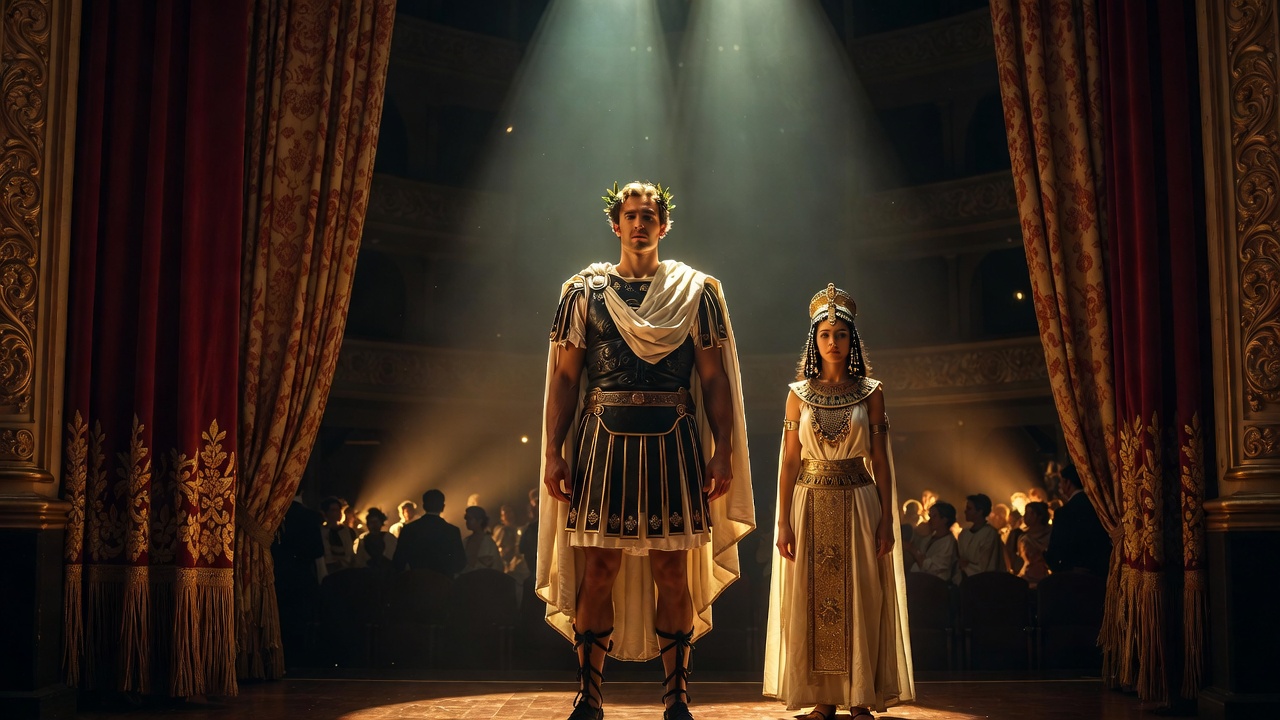
When first performed, critics were divided. Some praised the desert opening as “pure unadulterated fun”; others found Shaw’s Caesar too modern. Over time, the play has earned its place as one of Shaw’s finest historical works. Major revivals starring Laurence Olivier and Vivien Leigh, plus modern productions, prove its enduring stage power. Its influence appears in later films and adaptations that reimagine the Caesar-Cleopatra meeting.
Today it remains required reading in courses on modern drama and Shakespeare-adjacent classics precisely because it refuses to romanticize history the way Shakespeare does — while still delivering unforgettable theater.
Best Modern Editions, Translations, and Where to Start
Start with these reliable editions:
- Penguin Classics edition (excellent introduction and notes)
- Oxford World’s Classics (great for students)
- Free public-domain Project Gutenberg text (perfect for quick reference)
- Audiobook versions narrated with full cast for the full theatrical experience
Reading Tips for Shakespeare Fans Read the stage directions aloud — they’re as witty as Shakespeare’s asides. Pair each act with the relevant scenes from Julius Caesar or Antony and Cleopatra for maximum insight. Keep a notebook for Shaw’s one-liners; you’ll want to quote them.
Practical Takeaways: 7 Insights You’ll Gain from Reading Caesar and Cleopatra
- Caesar was a teacher before he was a conqueror.
- True power comes from self-mastery, not just armies.
- Cleopatra’s legendary allure began with political training.
- Shakespeare’s tragedies make more sense once you know the origin story.
- Empire is always about civilization — and its costs.
- Wit can be more dangerous than swords.
- The “missing chapter” between Shakespeare’s two plays finally exists.
Frequently Asked Questions
Is “Caesar and Cleopatra” a book or a play? It is a play, but widely published and read as a standalone book — exactly why the “Caesar and Cleopatra book” search leads here.
How does Shaw’s Cleopatra differ from Shakespeare’s? Shaw’s is a 16-year-old girl learning to rule; Shakespeare’s is a mature, passionate queen. Both are brilliant — just at different life stages.
Should I read Shakespeare first or Shaw first? Either works, but reading Shaw after Julius Caesar and before Antony and Cleopatra creates the perfect chronological experience.
Is the play historically accurate? Closer than Shakespeare in political timeline and Caesar’s character, though Shaw adjusted Cleopatra’s age for thematic reasons.
Has it been made into a movie? Not a major Hollywood film, but stage productions with star casts (Olivier, Leigh) are legendary, and audio versions bring it vividly to life.
Why do people search for it as a “book”? Because the published script reads like a novel and serves as essential literary analysis for Shakespeare students.
George Bernard Shaw’s Caesar and Cleopatra is not just another history play — it is the perfect companion piece that Shakespeare fans have been missing. It answers the questions Julius Caesar and Antony and Cleopatra leave hanging, deepens your understanding of both playwrights, and delivers pure theatrical joy along the way.
Add it to your reading list today. Your understanding of Shakespeare’s Roman world — and of power, mentorship, and leadership — will never be the same.
Ready to dive deeper? Explore my complete guide to Shakespeare’s Antony and Cleopatra next, or discover how Shaw’s other historical plays continue this conversation.