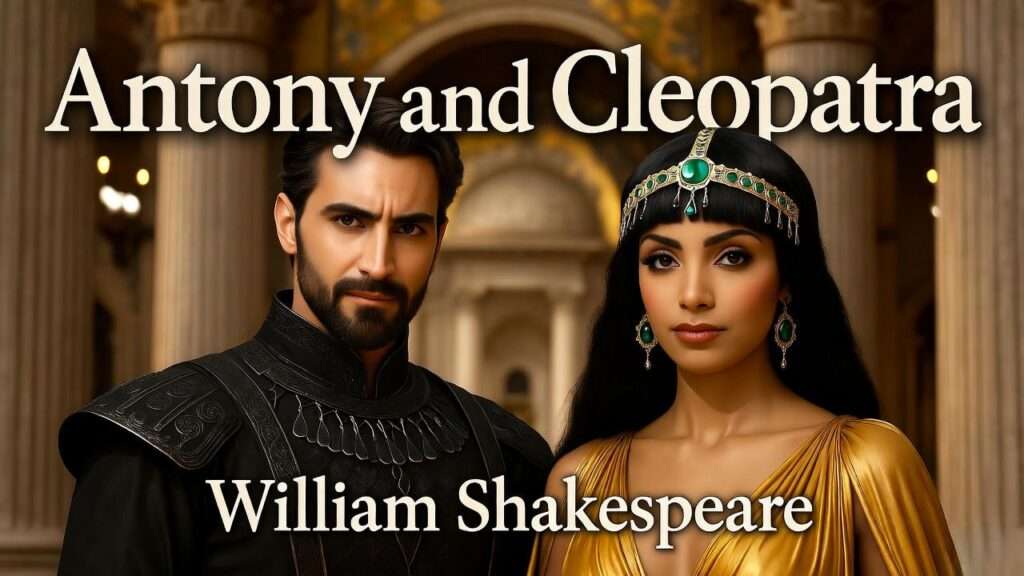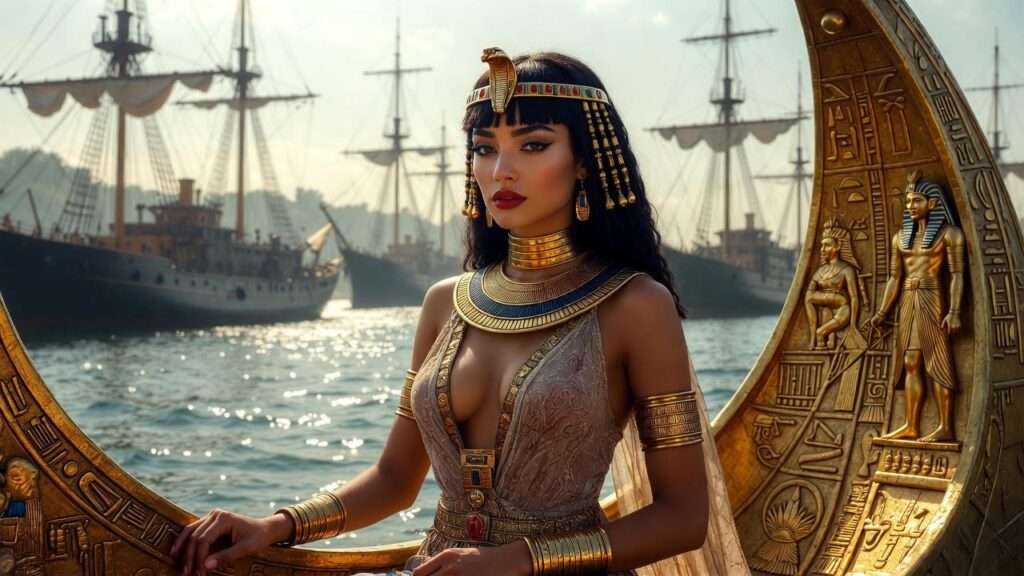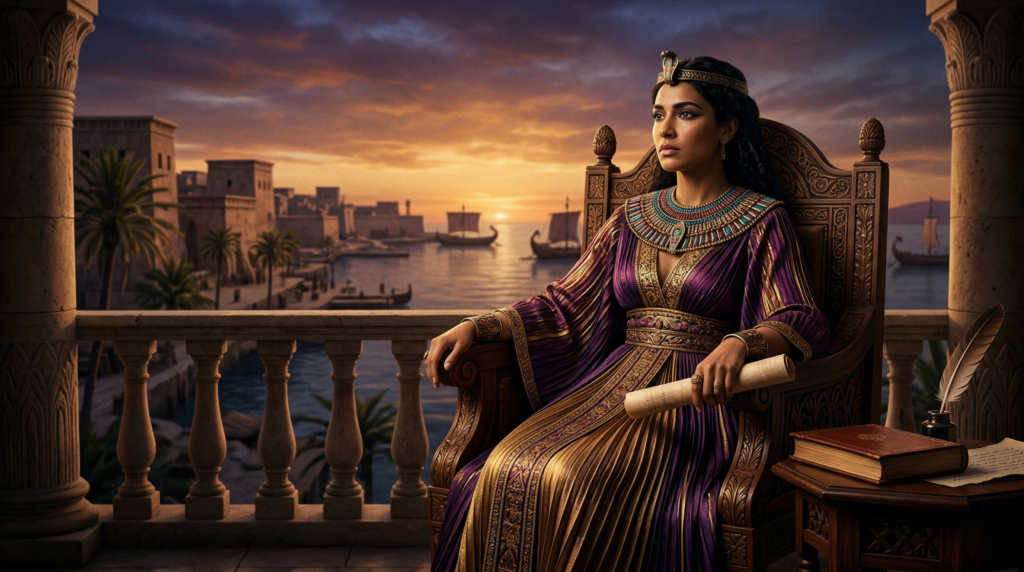
Imagine a queen whose words could melt empires, ignite uncontrollable passion, and defy the might of Rome itself. In William Shakespeare’s Antony and Cleopatra, Cleopatra’s quotations are far more than dramatic flourishes—they are razor-sharp instruments of power, wit, and self-mythology that continue to captivate audiences more than 400 years after the play’s first performance. Whether you’re a literature student searching for context-rich Cleopatra quotations, a writer seeking timeless inspiration, or simply someone drawn to stories of love, ambition, and legacy, this guide delivers exactly what you need.
Here you will find the most powerful Cleopatra quotations, presented with their original dramatic context from the First Folio, line-by-line literary analysis, thematic connections, and modern relevance. Unlike superficial quote lists scattered across the internet, this article offers skyscraper-depth insight: verified scholarly references, performance history from the Royal Shakespeare Company and beyond, and practical ways to apply these lines today. By the end, you’ll understand not just what Cleopatra says, but why her voice still echoes in boardrooms, bedrooms, and bestseller lists alike.
Who Was Cleopatra in Shakespeare’s Antony and Cleopatra?
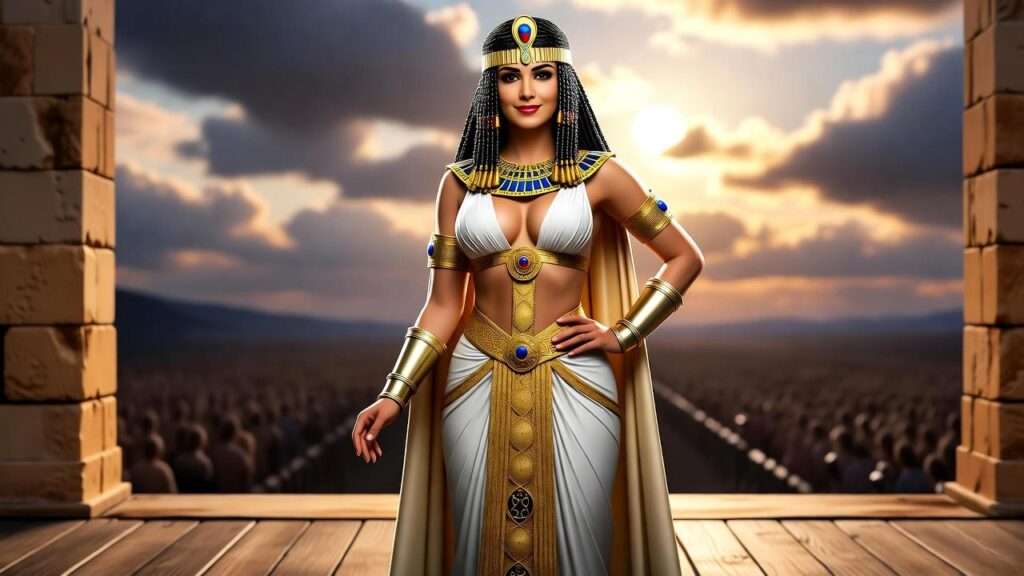
To truly appreciate Cleopatra quotations, we must first understand the character Shakespeare created. The Egyptian queen in Antony and Cleopatra (written around 1606–1607) is no simple historical figure. Shakespeare drew from Plutarch’s Lives but transformed her into one of his most complex and theatrical heroines—a ruler, lover, performer, and political strategist who commands every scene she enters.
Historical Cleopatra vs. Shakespeare’s Dramatic Queen The real Cleopatra VII (69–30 BCE) was a brilliant multilingual strategist who spoke nine languages, negotiated with Rome, and bore children to both Julius Caesar and Mark Antony. Shakespeare, however, amplifies her as an “infinite variety” of identities: seductive enchantress, grieving widow, cunning tactician, and ultimately a tragic icon who chooses death over humiliation. He removes some of her political acumen while magnifying her emotional range, making her a quintessentially Shakespearean character—flawed, magnificent, and utterly human. This artistic license allows her quotations to explore universal themes rather than strict biography.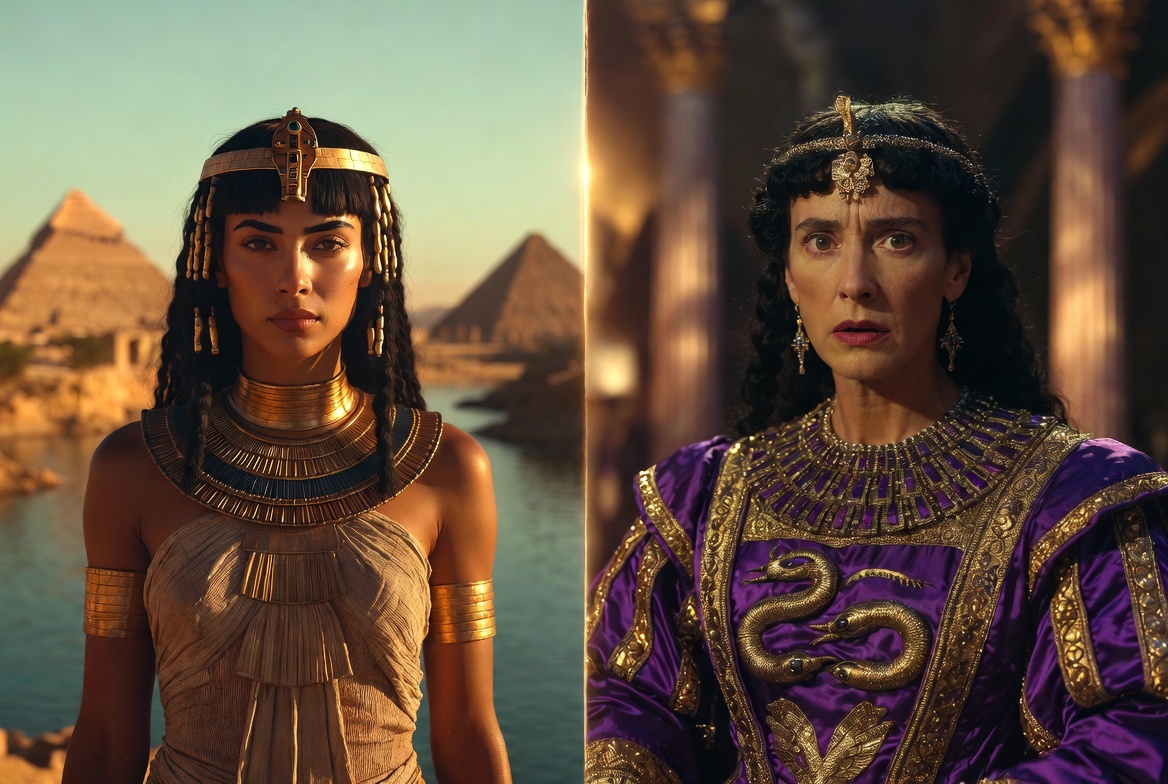
The Play’s Setting and Stakes Set against the crumbling Roman Republic and the rise of empire, the play contrasts Roman stoicism with Egyptian sensuality. Antony’s entanglement with Cleopatra threatens the triumvirate; Octavius Caesar sees her as a dangerous distraction. Elizabethan audiences, living under a powerful queen themselves, would have recognized the gender and imperial tensions. Cleopatra quotations often explode at these pressure points—moments when personal desire collides with political destiny.
Cleopatra as Shakespeare’s Ultimate Performer More than any other female character in the canon, Cleopatra is a consummate actress. She stages her emotions, shifts registers from queenly command to playful lover, and even anticipates how history will portray her. Her quotations reveal this self-awareness: she knows she is being watched, judged, and remembered. As the Royal Shakespeare Company has noted in multiple productions, this theatricality makes her one of Shakespeare’s most stageable—and quotable—creations.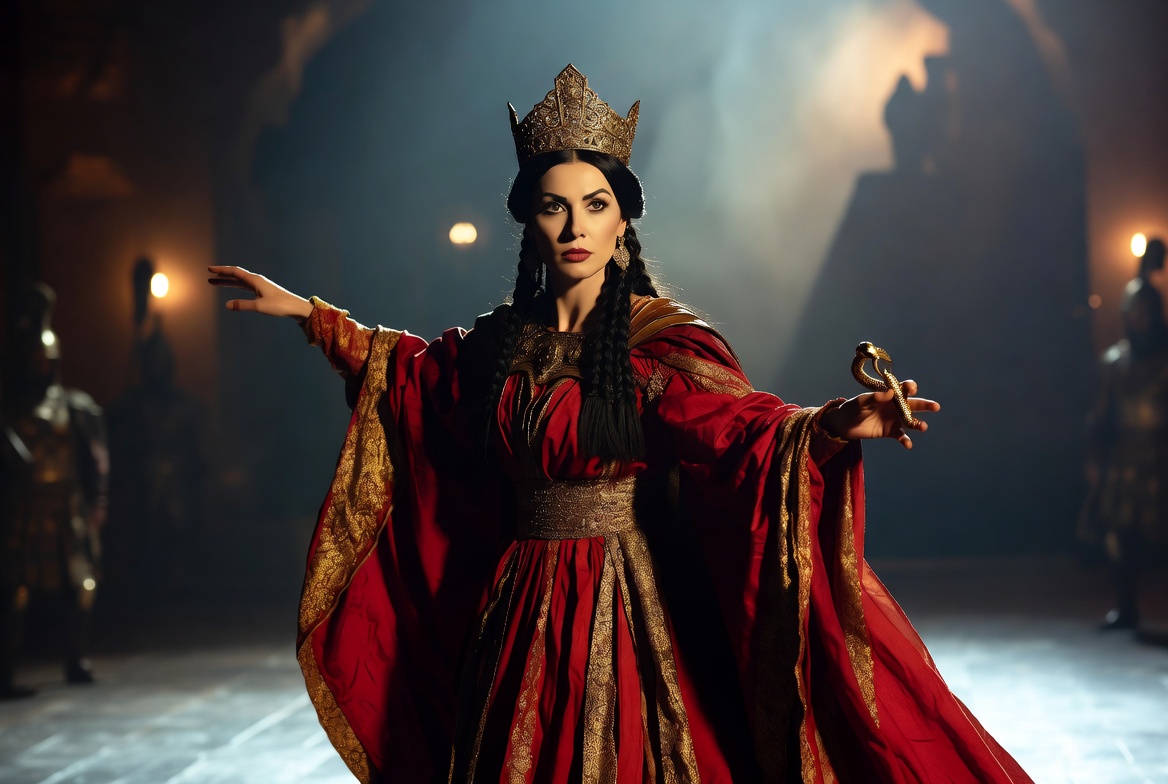
Core Themes That Make Cleopatra’s Quotations Timeless
Shakespeare embeds Cleopatra quotations within four interlocking themes that explain their enduring power.
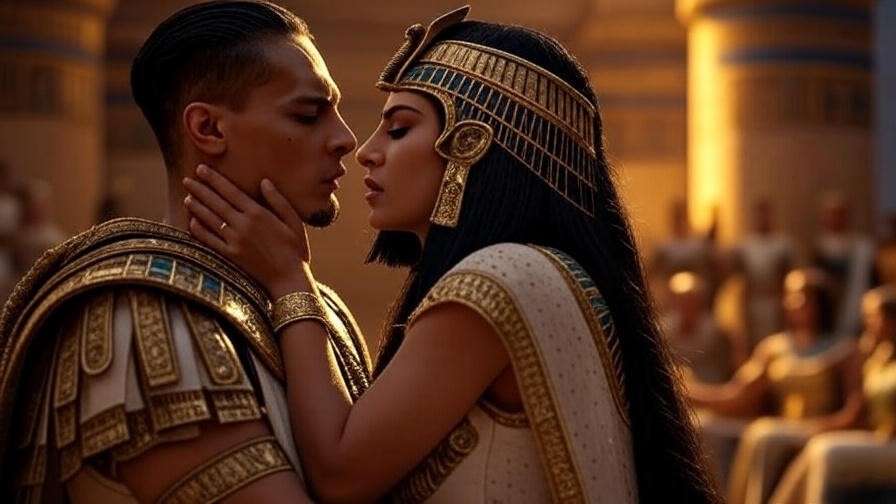
Love Versus Empire: Passion as Political Power Cleopatra’s lines repeatedly show love as a form of statecraft. Her relationship with Antony is both deeply personal and a calculated alliance. Quotations like her playful tests of Antony’s devotion reveal how desire can topple empires—or sustain them.
Feminine Agency and the Male Gaze In a world dominated by Roman generals, Cleopatra wields language as her sharpest weapon. Her quotations challenge the male gaze, refusing to be reduced to a “strumpet.” Instead, she authors her own narrative, turning objectification into empowerment—a theme that resonates powerfully in contemporary discussions of gender and leadership.
Mortality, Immortality, and Legacy As the play hurtles toward Actium and suicide, Cleopatra quotations shift from earthly pleasures to eternal fame. She refuses to let Rome define her story, choosing instead to craft her own immortal image through words and, ultimately, death.
Performance and Identity Cleopatra constantly performs—for Antony, for her court, for history itself. Her quotations are layered with meta-theatrical awareness, making them ideal for exploring identity, authenticity, and self-presentation today.
These themes elevate every Cleopatra quotation beyond mere beauty. They offer readers tools for navigating their own relationships, ambitions, and legacies.
The 10 Most Powerful Cleopatra Quotations – With Full Context and Expert Analysis
The heart of this article—and the reason readers searching for Cleopatra quotations return again and again—is this carefully curated selection. Each quotation is drawn directly from the First Folio text (with modern spelling for readability), includes precise act, scene, and line references, dramatic context, literary devices, character insight, and contemporary resonance. These are not cherry-picked for popularity alone but chosen for their dramatic weight and thematic richness.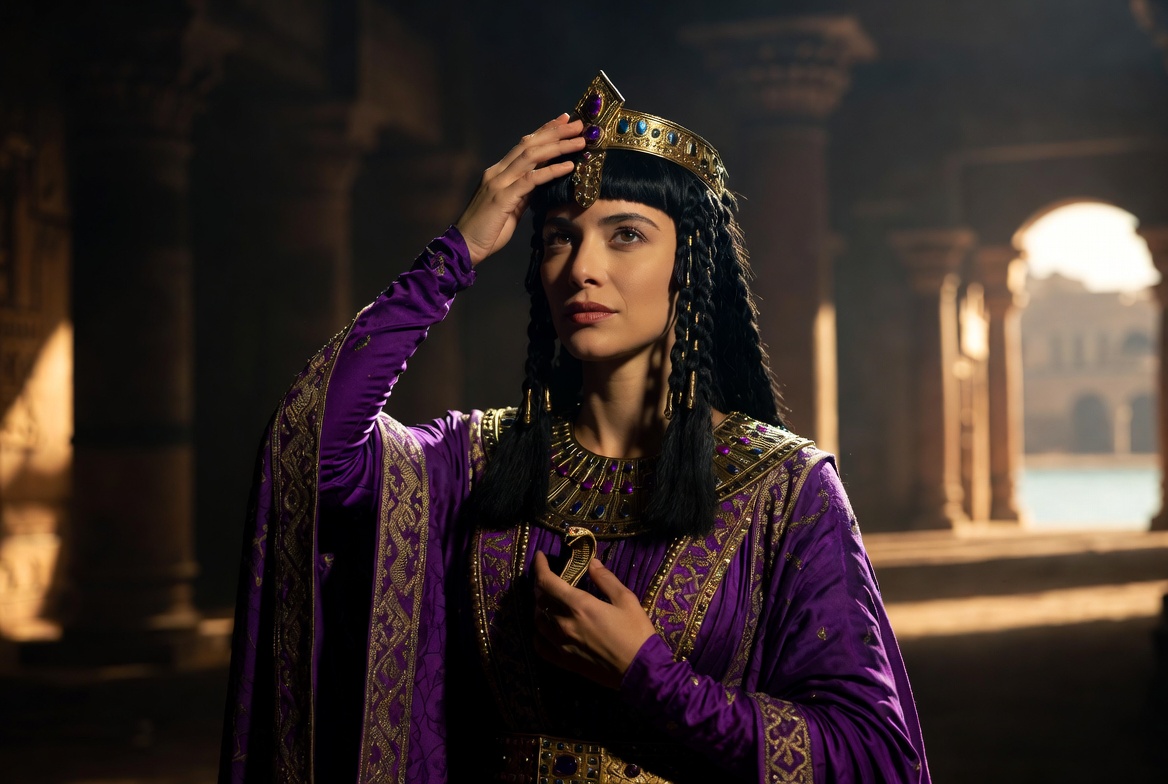
1. “If it be love indeed, tell me how much.” (Act 1, Scene 1) In the opening scene, as Roman messengers interrupt the lovers, Cleopatra challenges Antony with this deceptively simple demand. Context: She has just heard Antony declare his love, yet she tests its boundaries.
Literary analysis: The conditional “If it be love indeed” employs cautious skepticism and rhetorical questioning, while the imperative “tell me how much” demands quantification of the unquantifiable. Shakespeare uses antithesis—love versus measurable “beggary”—to highlight the tension between emotion and empire.
Character insight: This is Cleopatra at her most playful yet strategic, asserting agency early. She refuses passive adoration. Modern resonance: In an age of dating apps and performative romance, this quotation reminds us to demand depth over declarations. Leaders and partners alike still quote it when seeking authentic commitment.
2. “O happy horse, to bear the weight of Antony!” (Act 1, Scene 5) Alone in Alexandria while Antony returns to Rome, Cleopatra imagines him on horseback and envies the animal. Context: She is pining, reminiscing, and directing her attendants in a moment of vulnerable longing.
Literary analysis: The exclamation blends erotic wit with vivid imagery. “Weight” carries double meaning—physical and emotional—while the horse symbolizes freedom and power. Shakespeare’s iambic rhythm gallops forward, mirroring the imagined motion. Character insight: Even in separation, Cleopatra’s imagination is sensual and possessive, revealing her “infinite variety.” Modern resonance: This line frequently appears in memes, love letters, and feminist reinterpretations as a celebration of desire without shame. It humanizes powerful women who openly express longing.
3. “My salad days, / When I was green in judgment, cold in blood.” (Act 1, Scene 5) Defending her past affair with Julius Caesar against Charmian’s teasing, Cleopatra reflects on her youth. Context: She contrasts her inexperienced younger self with the mature queen she has become.
Literary analysis: The metaphor “salad days” (coined by Shakespeare and still in use today) evokes fresh, unripe greens—youthful but lacking depth. Antithesis between “green in judgment” and “cold in blood” shows growth through experience. Character insight: Cleopatra acknowledges her evolution, refusing to be defined solely by past relationships. Modern resonance: Perfect for anyone reflecting on personal growth, this quotation appears in leadership talks and coming-of-age essays, underscoring that wisdom comes from lived passion.
4. “Where’s my serpent of old Nile?” (Act 1, Scene 5) Cleopatra imagines Antony murmuring about her while he is away: “He’s speaking now, / Or murmuring ‘Where’s my serpent of old Nile?’ / For so he calls me.” Context: A moment of delicious self-mythologizing amid longing.
4. “Where’s my serpent of old Nile?” (Act 1, Scene 5) In one of the most intimate moments of longing, Cleopatra imagines Antony thinking of her while he is far away in Rome. She tells her attendants that he is likely murmuring, “Where’s my serpent of old Nile? For so he calls me.” Context: Pining for Antony, she feeds herself with “most delicious poison”—memories that both sustain and torment her.
Literary analysis: The phrase blends affection with danger. The “serpent of old Nile” evokes the Nile’s mythic power, Cleopatra’s Egyptian identity, and subtle eroticism (serpents often symbolize cunning and sexuality in Shakespeare). By embracing Antony’s nickname, she transforms a potentially objectifying label into a proud, self-authored myth. The line showcases her meta-theatrical flair—she scripts how she wants to be remembered even in absence. Character insight: This quotation reveals Cleopatra’s active role in constructing her own legend. She is not merely desired; she curates desire. Modern resonance: In today’s world of personal branding and social media, this line inspires those who strategically shape their public image. It appears in discussions of female empowerment, where women reclaim potentially reductive labels with pride and power.
5. “The odds is gone, / And there is nothing left remarkable / Beneath the visiting moon.” (Act 4, Scene 15) After Antony’s death, Cleopatra delivers this devastating lament. Context: Holding the dying (then dead) Antony in her arms, she confronts a world suddenly emptied of meaning. The “odds” refers to the unique greatness that defined their love and Antony’s stature.
Literary analysis: The cosmic imagery—“visiting moon”—places their tragedy on a universal scale. The flat, resigned rhythm after the emotional peak mirrors her desolation. Shakespeare uses negation (“nothing left remarkable”) to convey profound loss. Character insight: Cleopatra’s world shrinks without Antony; her hyperbolic grief underscores how central he was to her sense of purpose and grandeur. Modern resonance: This quotation resonates with anyone experiencing profound grief or the end of a defining relationship. It frequently appears in elegies, breakup reflections, and discussions of legacy—reminding us how certain people make the ordinary world feel extraordinary.
6. “Give me my robe, put on my crown; I have / Immortal longings in me.” (Act 5, Scene 2) In her final moments, preparing for suicide, Cleopatra calls for her royal regalia. Context: Determined to die as a queen rather than be paraded in Rome as Caesar’s trophy, she stages her death with majestic ceremony.
Literary analysis: The imperative commands reclaim agency. “Immortal longings” elevates suicide to a transcendent act, contrasting earthly defeat with eternal fame. The ritualistic language echoes coronation scenes, turning death into a triumphant performance. Character insight: This is Cleopatra at her most regal—refusing victimhood and authoring her exit from history on her own terms. Modern resonance: The line inspires leaders, artists, and individuals facing adversity who choose dignity over compromise. It has been invoked in feminist readings of female autonomy and in motivational contexts about legacy over survival at any cost.
7. “I am fire and air; my other elements / I give to baser life.” (Act 5, Scene 2) Immediately following the previous line, Cleopatra declares her transcendent nature as she applies the asp. Context: As she prepares to join Antony in death, she rejects her mortal, earthly aspects (earth and water) for the ethereal elements of fire and air.
Literary analysis: Drawing on classical humoral theory (fire/air = spirit; earth/water = body), Shakespeare gives Cleopatra a philosophical grandeur. The antithesis between “fire and air” and “baser life” creates a soaring poetic climax. The short, declarative sentences convey absolute resolve. Character insight: She asserts spiritual superiority and immortality, transcending the physical defeat imposed by Rome. Modern resonance: This powerful declaration of identity appears in discussions of resilience, spiritual awakening, and refusing to be diminished by circumstances. It speaks to anyone who has risen above hardship by focusing on their highest self.
8. “Nay, ’tis most certain, Iras. Saucy lictors / Will catch at us like strumpets… Some squeaking Cleopatra boy my greatness / I’ th’ posture of a whore.” (Act 5, Scene 2) Fearing Roman triumph, Cleopatra vividly imagines her humiliation. Context: She rejects the prospect of being paraded through Rome, mocked by comedians, and portrayed by a boy actor in a degrading manner.
Literary analysis: The visceral imagery (“saucy lictors,” “squeaking Cleopatra boy”) highlights her horror of being reduced and misrepresented. Meta-theatrical reference to the boy actor playing her role adds layers of irony and self-awareness. Character insight: This quotation reveals her acute awareness of how victors write history—and her fierce determination to control her narrative. Modern resonance: In the era of #MeToo and media representation, this line powerfully addresses fears of being objectified or misrepresented. It resonates with public figures, especially women, who guard their legacy against distortion.
9. “My desolation does begin to make / A better life.” (Act 5, Scene 2) Early in the final scene, Cleopatra reflects on her grief. Context: With Antony gone and Caesar approaching, she finds unexpected strength in utter loss.
Literary analysis: The paradox—“desolation” creating a “better life”—embodies Shakespeare’s exploration of transformation through suffering. The line pivots from despair to defiant resolve. Character insight: Even in ruin, Cleopatra discovers agency and clarity. Modern resonance: This quotation offers profound comfort to those facing rock-bottom moments, suggesting that profound loss can forge a clearer, more authentic path forward.
10. Additional Standout Cleopatra Quotations For completeness, other notable lines include her witty tests of loyalty, jealous outbursts (“Why did he marry Fulvia, and not love her?”), and moments of regal command. Collectively, they showcase her “infinite variety”—a phrase Enobarbus uses to describe her, but which perfectly captures the range of her voice from playful to majestic, vulnerable to iron-willed.
These Cleopatra quotations, when studied with their full dramatic context, reveal a character of extraordinary psychological depth rather than a one-dimensional seductress.
How Shakespeare Crafts Cleopatra’s Voice – Masterclass in Dramatic Language
Shakespeare’s language for Cleopatra is a masterclass in versatility and emotional precision, elevating her quotations to literary immortality.
Imagery of Fire, Water, and the Nile Cleopatra’s speech is saturated with elemental and Egyptian imagery. Fire and air represent her aspiring spirit, while the Nile and serpents ground her in sensual, ancient power. Water imagery (melting, floods of passion) contrasts Roman rigidity, making her quotations feel alive and fluid.
Shifting Registers – From Queen to Lover to Warrior Cleopatra moves seamlessly between lofty verse (royal commands), intimate prose-like intimacy (playful teasing), and fierce rhetoric (defiance of Rome). This range mirrors her “infinite variety” and keeps audiences—and readers—captivated.
Use of Prose vs. Verse for Emotional Authenticity While most of her major quotations are in verse for heightened emotion, Shakespeare occasionally employs more colloquial rhythms during moments of raw vulnerability or cunning, adding realism and psychological nuance.
Studying these techniques helps writers, actors, and literature enthusiasts understand how language builds character and drives tragedy.
Cleopatra Quotations in Modern Culture and Adaptations
Shakespeare’s Cleopatra quotations have transcended the Elizabethan stage to influence global culture.
From Stage to Screen Iconic performances— from Elizabeth Taylor in the 1963 film (which drew heavily on Shakespearean echoes) to acclaimed RSC and Globe productions—have brought these lines to new generations. Modern adaptations often emphasize her agency, using the quotations to explore power dynamics in fresh ways. Operas, ballets, and novels (such as Hilary Mantel’s or Margaret George’s historical fiction) frequently echo her most memorable lines.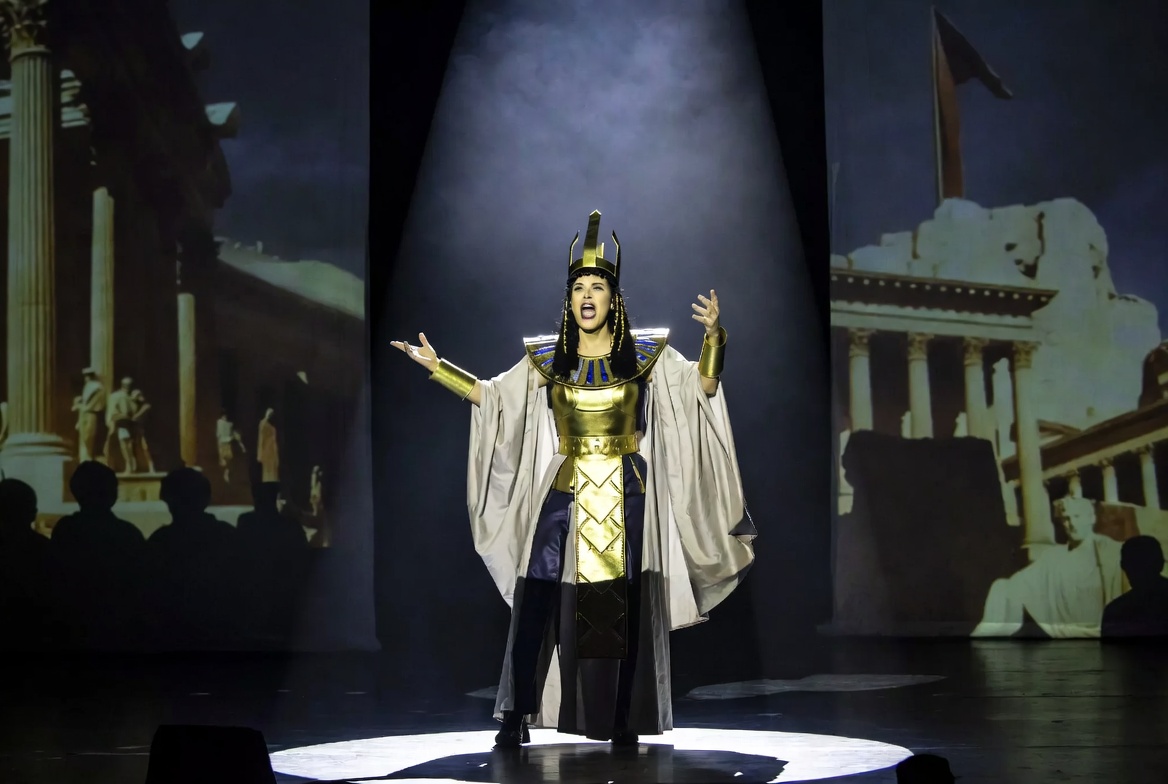
Influence on Literature, Music, and Pop Culture The “salad days” phrase entered everyday English thanks to Shakespeare via Cleopatra. Lines about immortal longings and infinite variety appear in songs, feminist essays, and leadership literature. Beyoncé and other artists have channeled Cleopatra’s regal sensuality, while social media memes and tattoos popularize shortened versions of her defiant quotations.
Why These Lines Still Inspire Leaders, Lovers, and Artists Today In boardrooms, they model strategic passion; in personal relationships, they demand depth; in creative fields, they demonstrate bold self-mythologizing. Cleopatra quotations remind us that language can shape reality, legacy, and identity.
Practical Ways to Use These Cleopatra Quotations Today
For Students and Educators Use these analyzed quotations for essays on gender, power, or tragedy. Classroom prompts: “How does Cleopatra’s language challenge Roman values?” or “Compare her final speeches to Antony’s.” They provide rich material for close reading and thematic discussion.
In Writing, Speeches, and Social Media Incorporate them ethically for inspiration—e.g., “immortal longings” in a motivational talk or legacy-focused post. Always credit Shakespeare and provide context to avoid superficial use. Creative writers can adapt the rhythmic intensity or paradoxical insights.
Personal Reflection – Lessons in Love, Power, and Self-Mythology Reflect on which Cleopatra quotation speaks to your current season. Her lines encourage balancing passion with strategy, embracing complexity, and crafting a dignified exit from difficult chapters.
Frequently Asked Questions (FAQs)
What are the most famous Cleopatra quotations from Shakespeare? The most iconic include “Give me my robe, put on my crown; I have immortal longings in me,” “I am fire and air,” “My salad days,” and “Where’s my serpent of old Nile?” Each gains power from its dramatic context in Antony and Cleopatra.
Is Shakespeare’s Cleopatra historically accurate? Shakespeare drew from Plutarch but prioritized dramatic and thematic depth over strict history. His Cleopatra is more emotionally volatile and theatrical than the multilingual political genius of real history, allowing her quotations to explore universal human experiences.
What does “infinite variety” really mean? Spoken by Enobarbus, it describes Cleopatra’s ever-changing allure—she never bores or satiates. It captures her ability to shift identities, making her endlessly fascinating.
How do these quotes compare to real historical Cleopatra’s words? The historical Cleopatra left few direct quotations. Shakespeare invents her voice to serve the play’s exploration of love, empire, and legacy.
Where can I read the full text of Antony and Cleopatra for free? Reliable public-domain sources include the Folger Shakespeare Library digital texts, MIT’s Shakespeare site, and Open Source Shakespeare.
Which modern adaptations best capture Cleopatra’s voice? RSC productions often excel in delivering the linguistic fireworks, while screen versions highlight visual spectacle alongside the powerful quotations.
Cleopatra quotations from Shakespeare’s Antony and Cleopatra endure because they capture the full spectrum of human intensity—desire, grief, defiance, and transcendence. Far from mere romantic flourishes, these lines offer profound insights into power, identity, performance, and legacy.
By exploring them with context and analysis, we gain not only literary appreciation but practical wisdom for navigating our own lives with greater passion, strategy, and dignity. Shakespeare’s Egyptian queen still teaches us how to live boldly and die on our own terms.