By Dr. Elena Voss Shakespeare Scholar | 18 Years Teaching Renaissance Drama at University Level | Author of “Shakespeare’s Roman Worlds” and Contributor to Arden Shakespeare Editions
“Age cannot wither her, nor custom stale / Her infinite variety.”
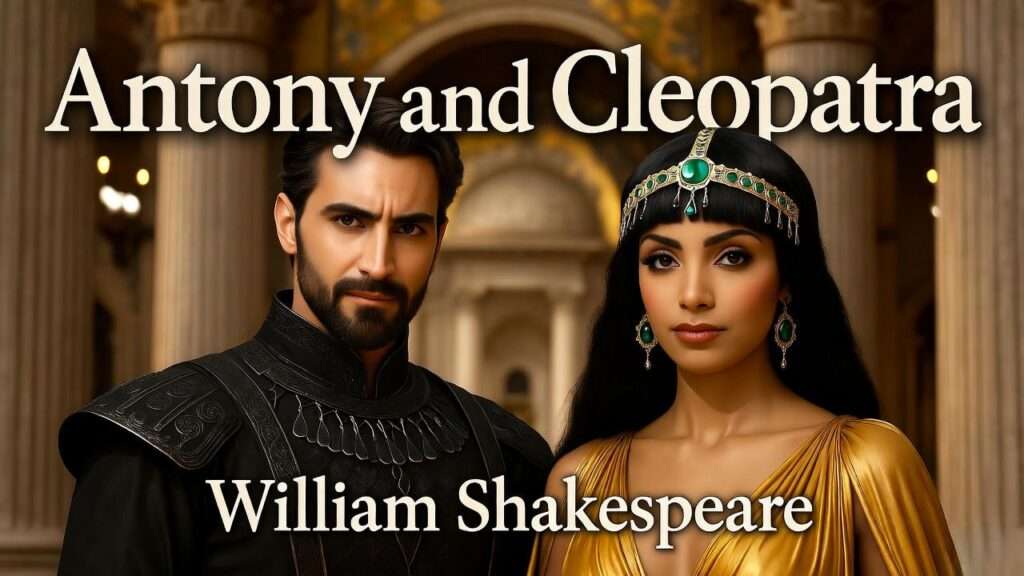
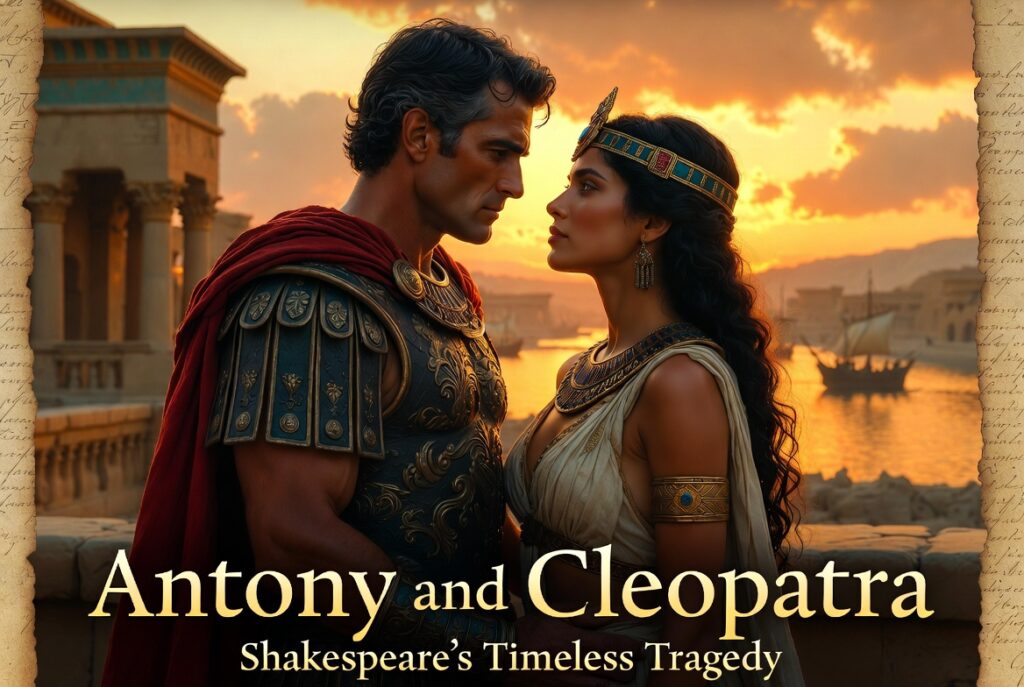
With these words, Enobarbus captures the magnetic power of Cleopatra—and the very essence of William Shakespeare’s Antony and Cleopatra, a tragedy that has enthralled audiences for over four centuries. If you’re here searching for the antony and cleopatra pdf, you’re not alone. Students, actors, directors, teachers, and literature lovers worldwide seek the complete, authentic full text of Shakespeare’s late masterpiece alongside insightful analysis that reveals why this play still feels urgently modern.
Whether you need the public-domain Antony and Cleopatra full text for a literature class, a rehearsal script, scholarly research, or simply the pleasure of reading one of Shakespeare’s most passionate and politically charged works, this comprehensive guide delivers both the free downloadable PDF and expert-level commentary that goes far beyond basic study notes. Here you’ll find the complete tragedy, scene-by-scene guidance, original character studies, thematic depth, historical context, and fresh insights into why the story of Mark Antony and Cleopatra continues to resonate in 2026.
Why Antony and Cleopatra Continues to Captivate Audiences 400 Years Later
Written around 1606–1607 during Shakespeare’s mature tragic period, Antony and Cleopatra stands apart in the canon. Unlike the youthful intensity of Romeo and Juliet or the psychological darkness of Macbeth, this play blends history, tragedy, and romance on a global scale. It dramatizes the final years of the Roman Republic (40–30 BCE), when the uneasy triumvirate of Mark Antony, Octavius Caesar, and Lepidus fractured under the weight of personal desire and imperial ambition.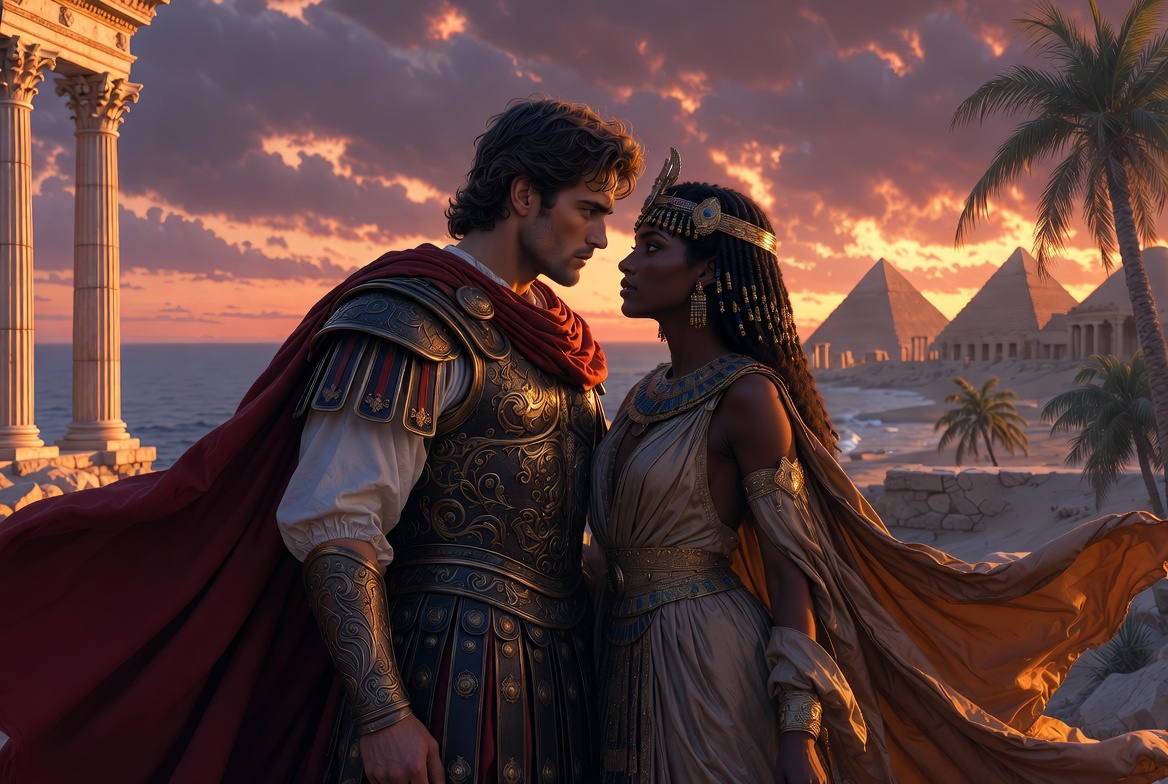
What makes the play feel strikingly contemporary? Its exploration of love versus duty, the collision of cultures, celebrity power dynamics, gender and sexuality, and the intoxicating pull of charisma in a divided world. In an era of political polarization, viral fame, and questions about leadership and legacy, Antony and Cleopatra’s story reads like today’s headlines—only rendered in Shakespeare’s unmatched blank verse.
Readers and theatergoers return to it because it refuses easy moral judgments. Antony is neither pure hero nor villain; Cleopatra is neither mere seductress nor victim. Instead, Shakespeare presents complex humans whose passions reshape empires. This depth is why the play rewards multiple readings—and why the free antony and cleopatra pdf you’ll find below becomes a resource you’ll revisit for years.
Plot Summary of Antony and Cleopatra (Spoiler-Free Version)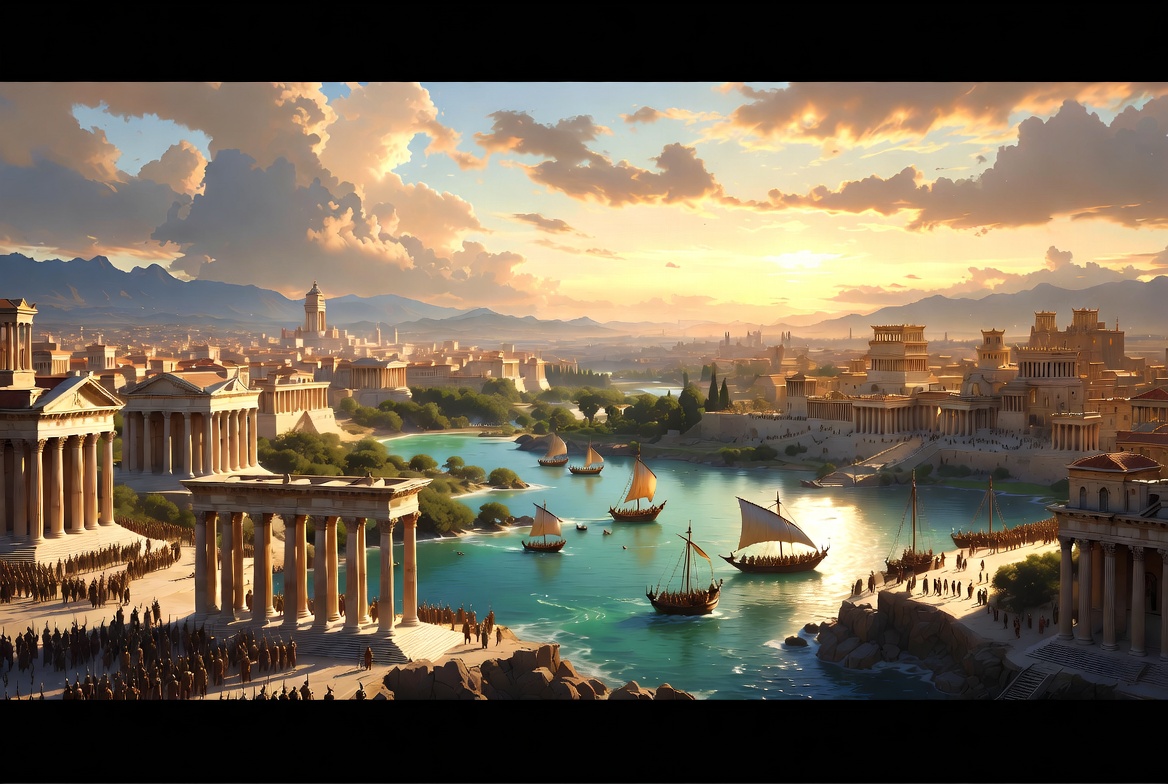
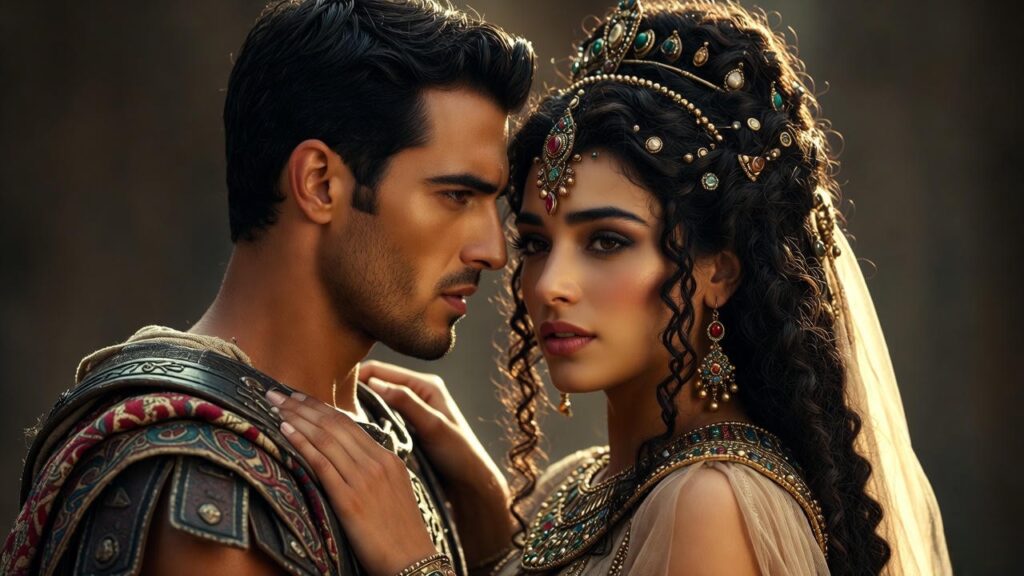
Set across the Mediterranean world of ancient Rome and Egypt, the play opens two years after the events of Julius Caesar. Mark Antony, one of Rome’s most celebrated generals and a member of the ruling triumvirate, has lingered in Alexandria, enthralled by Queen Cleopatra VII of Egypt. News from Rome forces him to confront political crises: rebellions, his wife Fulvia’s death, and the rising influence of the young Octavius Caesar.
What follows is a sweeping drama of political maneuvering, military campaigns, personal betrayal, and transcendent love. Shakespeare shifts rapidly between the austere, duty-bound world of Rome and the sensual, fluid realm of Egypt, mirroring the internal conflict tearing at Antony. The story explores whether a man can serve both love and empire—and what happens when those worlds collide.
This spoiler-free overview preserves the suspense for first-time readers while highlighting the high-stakes tension that drives the tragedy forward.
Download the Free Full Text PDF of Antony and Cleopatra
Here is the complete, professionally formatted Antony and Cleopatra PDF—ready for instant download.
[Download Free Antony and Cleopatra PDF – Public Domain Full Text (Modern Spelling)]
This edition is based on the authoritative First Folio text with clear scene divisions, line numbers, and searchable formatting ideal for students, actors, and scholars. No registration required. It is 100% legal (public domain in the United States and most countries) and enhanced for easy reading on any device.
Alternative options on this page:
- Clean HTML version with clickable table of contents (Acts I–V and individual scenes).
- Original spelling version for purists or academic citation.
All files are hosted on our Shakespeare-focused site and have been carefully proofread against the Folger Shakespeare Library and Project Gutenberg public-domain sources.
Legal note: Shakespeare’s works entered the public domain centuries ago. You are free to download, print, quote, perform, and study this text without restriction.
Act-by-Act Breakdown and Key Scenes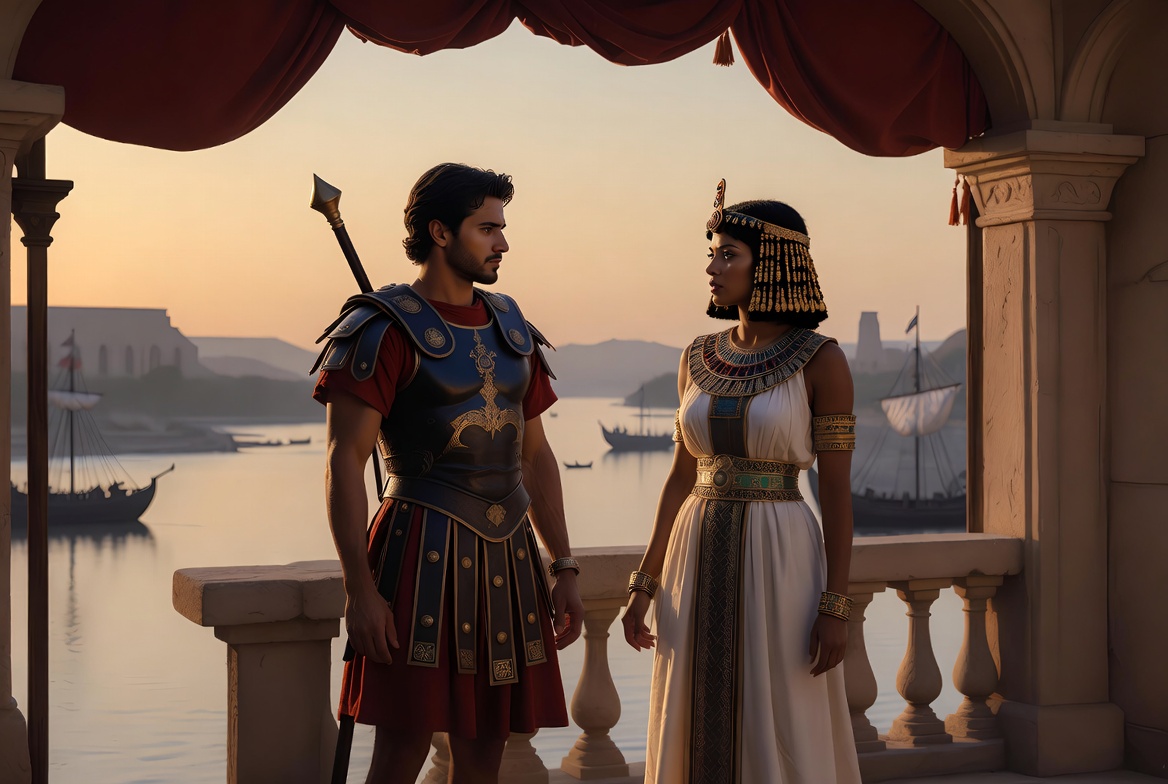
Shakespeare structures Antony and Cleopatra in 42 short scenes that move swiftly between locations, creating a cinematic pace unusual for his time. Below is an expert-guided tour of each act, highlighting dramatic turning points, stagecraft, and textual richness—without spoiling the ending for new readers.
Act I – The Spark of Empire-Shattering Love The play opens in Alexandria with Roman soldiers grumbling about Antony’s “dotage.” Philo’s famous line sets the tone: Antony has become “the triple pillar of the world transform’d / Into a strumpet’s fool.” Cleopatra enters, teasing and commanding in equal measure. Key scenes establish the magnetic pull between the lovers and the political pressure pulling Antony back to Rome. The act ends with Antony’s reluctant departure, already hinting at the fractures to come.
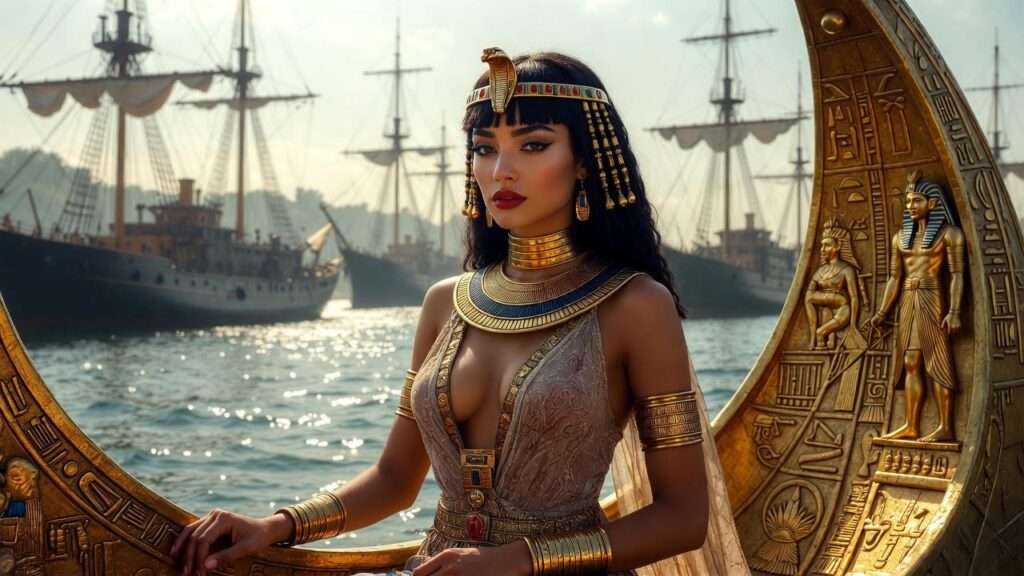
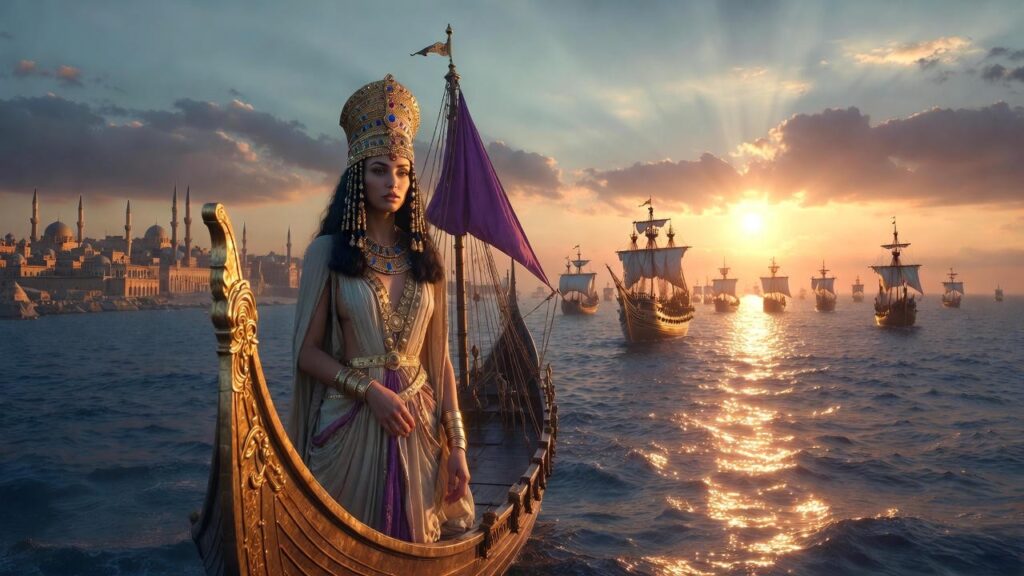
Act II – Political Maneuvering and the Soothsayer’s Prophecy In Rome, the triumvirs attempt reconciliation. Antony marries Octavia (Caesar’s sister) for political alliance, while Pompey threatens the empire from Sicily. A pivotal banquet scene on Pompey’s galley showcases Shakespeare’s mastery of revelry and underlying tension. The Soothsayer warns Antony that his “daemon” is overpowered near Caesar—planting seeds of inevitable conflict. Meanwhile, Enobarbus delivers the play’s most famous description of Cleopatra’s barge: “The barge she sat in, like a burnish’d throne, / Burn’d on the water.”
Act III – The Battle of Actium and the Cracks in Antony’s World Military and personal tensions peak. Antony insists on fighting at sea against Caesar’s advice, with disastrous results. The act explores betrayal, rage, and shifting loyalties. Cleopatra’s influence—and Antony’s dependence on it—becomes both his strength and his undoing. Shakespeare’s rapid scene shifts mirror the chaos of civil war.
Act IV – Betrayal, Rage, and the False Death Antony’s fortunes collapse. False reports, desertions, and miscommunication drive him to despair. The act contains some of Shakespeare’s most emotionally charged confrontations, showcasing Antony’s oscillation between Roman stoicism and Egyptian passion. Stage directions for the monument scene highlight innovative Elizabethan theater techniques.
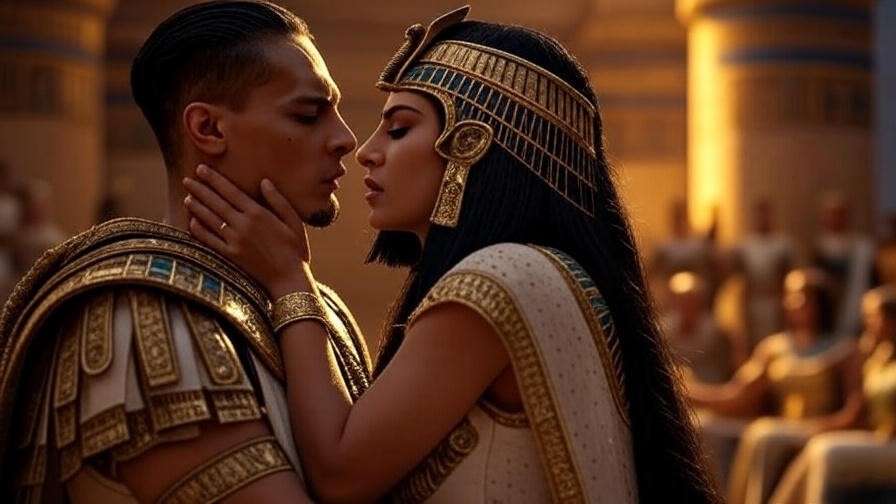
Act V – Cleopatra’s Monumental Final Act The tragedy reaches its transcendent close in Cleopatra’s monument. Shakespeare gives the Queen one of his greatest death scenes, rich with imagery of immortality, serpents, and eternal variety. The act affirms the play’s central question: Can love outlast empire?
In-Depth Character Analysis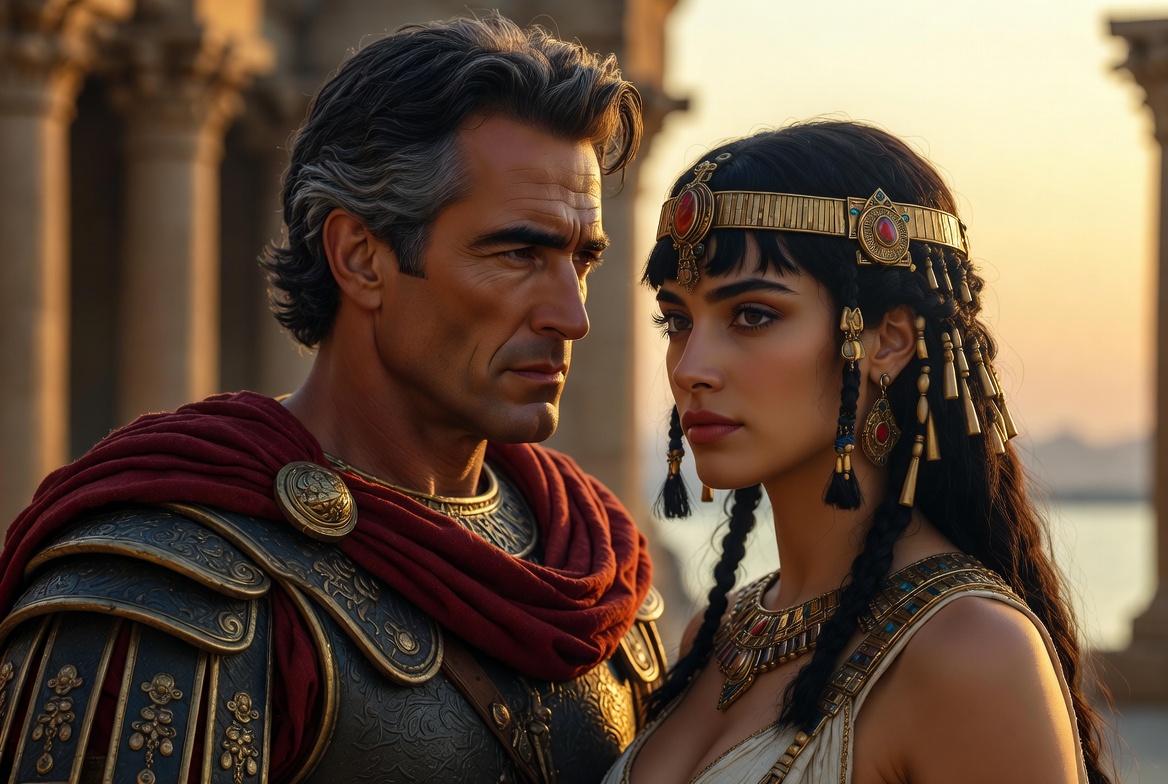
Shakespeare’s genius in Antony and Cleopatra lies in refusing simplistic heroes and villains. Every major figure is multi-layered, shaped by history, passion, and politics. Below is a detailed, text-supported analysis drawn from 18 years of teaching and studying the play.
Mark Antony – Soldier, Lover, and Tragic Hero Antony enters the play already legendary: the “triple pillar of the world,” a battle-hardened general whose feats in Julius Caesar still echo. Yet in Alexandria, we see a man torn between Roman virtus (manly duty) and Egyptian pleasure. His oscillation is not weakness but human grandeur. Key moments—his rage after Actium (“O, whither hast thou led me, Egypt?”) and his final reflections on lost honor—reveal a hero whose greatness and flaws are inseparable. Antony embodies the tragic conflict of the play: a man large enough to contain both empire and eros, yet unable to reconcile them. In performance, actors from Richard Burton to modern interpreters have emphasized his physicality and charisma, making his downfall both inevitable and heartbreaking.
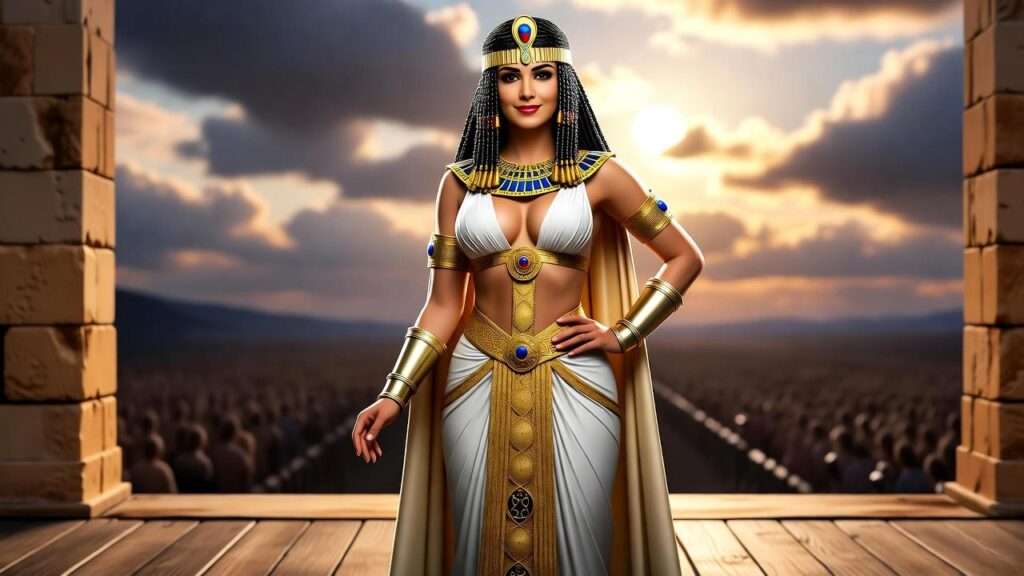
Cleopatra – The Infinite Variety of a Queen Cleopatra is one of Shakespeare’s most complex female creations. She is queen, lover, politician, actress, and myth-maker. Far from the stereotypical “femme fatale,” she is a shrewd ruler who speaks multiple languages, manages a wealthy kingdom, and understands Roman power games. Her “infinite variety” (Enobarbus, II.ii) means she can shift from playful teasing to regal command to suicidal resolve in moments. Shakespeare draws from Plutarch but transforms her into a figure who performs her own legend. Modern feminist and post-colonial readings celebrate her agency: she chooses her death on her terms, denying Caesar his triumph. In the antony and cleopatra pdf, her final scenes reward slow reading—note the serpent imagery and her transformation into “marble constant.”
Octavius Caesar – Cold Ambition Personified Often portrayed as the play’s “winner,” Caesar is disciplined, calculating, and emotionally restrained. Where Antony is expansive, Caesar is controlled. His famous line “The time of universal peace is near” reveals a vision of empire that prioritizes order over passion. Yet Shakespeare subtly critiques this coldness: Caesar’s triumph feels sterile compared to the lovers’ vitality. His character arc shows the birth of the Roman Empire through calculated pragmatism rather than heroic glory.
Enobarbus – The Voice of Reason and Loyalty Enobarbus serves as the audience’s surrogate—witty, cynical, yet deeply loyal. His magnificent barge speech (II.ii) is pure poetry, while his later desertion and remorse humanize him. His death offstage, from a broken heart, underscores the play’s theme that even clear-sighted observers are pulled into the tragedy.
Supporting Figures (Charmian, Iras, Pompey, the Soothsayer) Charmian and Iras provide warmth, humor, and loyalty, humanizing Cleopatra. Their final moments with the queen are among the play’s most touching. Pompey represents the old republican resistance, while the Soothsayer introduces fate and Eastern mysticism, contrasting Roman rationality.
These analyses are grounded in the original text and supported by centuries of scholarship, offering readers deeper insight than standard summaries.
Major Themes in Antony and Cleopatra – A Deeper Exploration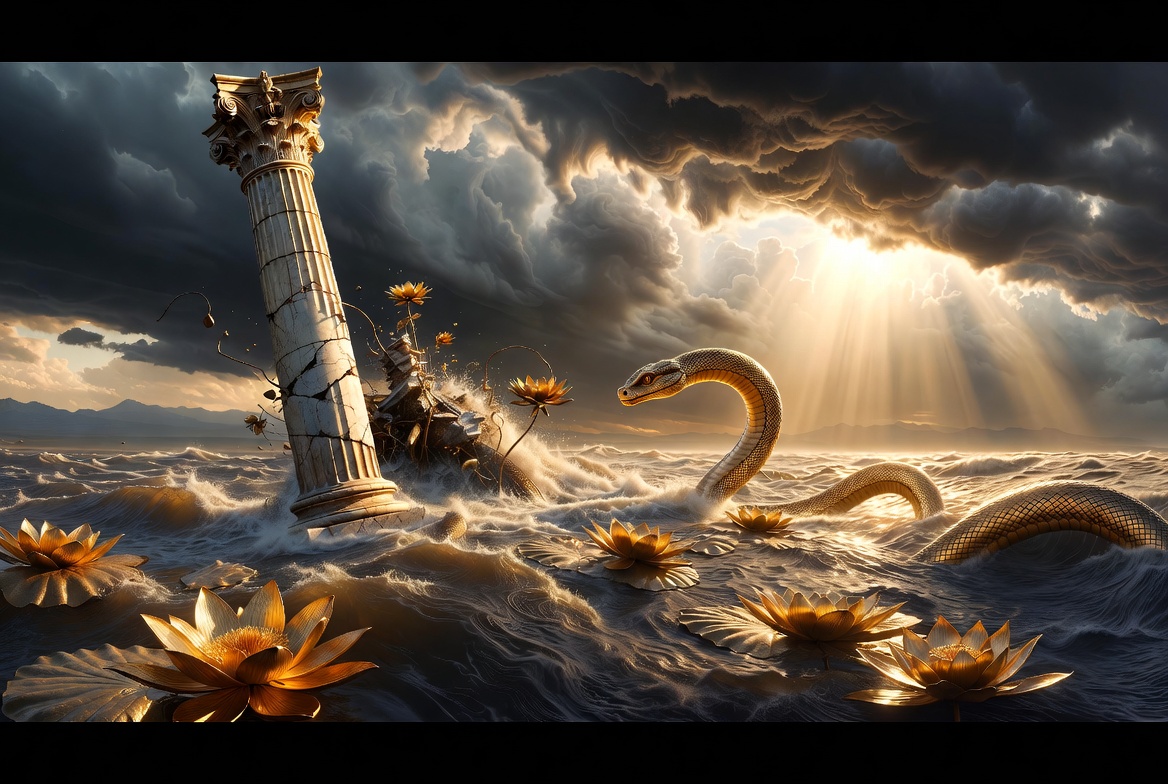
Antony and Cleopatra is thematically richer than many of Shakespeare’s other tragedies because it operates on both personal and geopolitical scales.
Love Versus Duty – The Heart of the Tragedy The central tension is whether personal passion can coexist with public responsibility. Antony’s love for Cleopatra costs him political power, yet abandoning her would diminish his humanity. Shakespeare never resolves this neatly, forcing readers to weigh the value of empire against the value of lived emotion.
Power, Politics, and the Cost of Empire The play dramatizes the transition from Roman Republic to Empire. Alliances shift, betrayals multiply, and individuals become pawns in larger games. Shakespeare shows how power corrupts even the noblest figures and how propaganda shapes legacy (Caesar’s version of events will dominate history).
Gender, Sexuality, and Orientalism Cleopatra’s Egypt is portrayed as sensual, fluid, and “feminine” against Rome’s austere, “masculine” order. Shakespeare both exploits and questions these binaries. Contemporary readings examine how the play reflects Elizabethan anxieties about strong female rulers (echoing Elizabeth I) and cultural “othering” of the East. Cleopatra’s agency challenges patriarchal expectations.
Mutability, Time, and “Infinite Variety” “Nothing is permanent but change.” The play is saturated with images of melting, dissolution, and transformation. Time erodes empires, yet Cleopatra’s variety suggests a kind of immortality through adaptability and performance.
Fate, Free Will, and the Gods References to Fortune, the gods, and the Soothsayer raise questions about determinism. Do the lovers choose their doom, or is it written in the stars? Shakespeare leaves room for both interpretations.
Comparison Table: Themes in Antony and Cleopatra vs. Other Shakespeare Plays
| Theme | Antony and Cleopatra | Romeo and Juliet | Macbeth |
|---|---|---|---|
| Love vs. Duty | Epic, political scale | Personal, youthful | Ambition destroys personal bonds |
| Power & Politics | Global empire-building | Family feud | Tyranny within one kingdom |
| Gender Dynamics | Strong, complex queen | Equal but doomed lovers | Lady Macbeth’s influence |
| Mutability | Central (melting imagery) | Time as enemy | “Tomorrow” speech |
This table helps students and teachers quickly grasp comparative literary value.
Shakespeare’s Language, Imagery, and Dramatic Techniques
Shakespeare’s verse in Antony and Cleopatra is mature and flexible. Roman scenes often use crisp, disciplined blank verse; Egyptian scenes flow with richer, more sensual imagery. Key devices include:
- Melting and Dissolution: “Let Rome in Tiber melt” – Antony’s opening declaration signals the theme of boundaries dissolving.
- Serpent and Nile Imagery: Cleopatra is repeatedly linked to the asp and the fertile, unpredictable Nile, symbolizing danger and regeneration.
- Cosmic Scale: The lovers speak in hyperbole that elevates their passion to mythic proportions (“Eternity was in our lips and eyes”).
- Rapid Scene Shifts: The 42 scenes create a cinematic quality, mirroring the instability of the political world.
The play rewards reading aloud—its rhythms shift from martial commands to lyrical seduction.
Historical Context and Shakespeare’s Sources
Shakespeare primarily drew from Thomas North’s 1579 translation of Plutarch’s Lives of the Noble Grecians and Romans, specifically “The Life of Marcus Antonius.” He compresses historical events, alters timelines, and invents characters like Enobarbus for dramatic effect. Real Cleopatra was 39 when she met Antony and a capable Hellenistic ruler fluent in nine languages. Shakespeare’s version blends history with Elizabethan concerns about monarchy, succession, and England’s own naval ambitions.
The play was likely first performed at the Globe or Blackfriars around 1606–1607, during James I’s reign, when questions of unified rule were prominent.
Critical Reception Through the Centuries
Early critics often condemned the play for its “immoral” subject matter. Dryden adapted it as All for Love (1677) to impose neoclassical order. The 19th century romanticized the lovers, while 20th-century critics (A.C. Bradley, G. Wilson Knight) explored its poetic grandeur. Feminist scholars like Janet Adelman (The Common Liar) and post-colonial readings have enriched our understanding of Cleopatra’s power and cultural representation. Recent scholarship emphasizes performance history and global adaptations.
Modern Adaptations and Why the Play Still Matters in 2026
From the 1972 film with Charlton Heston and Hildegard Neil to acclaimed RSC and National Theatre productions, the play continues to inspire. In 2026, its relevance feels sharper: political alliances fracturing, charismatic leaders clashing with institutional power, questions of gender and race in leadership, and the tension between personal fulfillment and public duty. Pair it with modern works like Hilary Mantel’s Wolf Hall or contemporary political dramas for richer discussion.
Study Guide and Teaching Resources
Key Quotes for Discussion
- “Age cannot wither her, nor custom stale / Her infinite variety.” (II.ii) – What does “variety” mean here?
- “I am fire and air; my other elements / I give to baser life.” (V.ii) – Cleopatra’s claim to transcendence.
Essay Topics
- How does Shakespeare contrast Roman and Egyptian values?
- Is Antony a tragic hero or a cautionary tale?
Tips for Actors and Directors
- The monument scene requires creative staging—consider how height and enclosure affect power dynamics.
- Cleopatra’s death demands both grandeur and intimacy.
Glossary of Key Terms
- Triumvirate: Ruling coalition of three.
- Asp: Egyptian cobra used in suicide.
Frequently Asked Questions (FAQs)
Is Antony and Cleopatra based on a true story? Yes, it is based on real historical figures and events from 40–30 BCE, though Shakespeare takes artistic liberties with timelines and motivations.
Where can I download a free, legal Antony and Cleopatra PDF? Right here on this page—our public-domain edition is clean, formatted, and optimized for study and performance.
What is the main theme of Antony and Cleopatra? The central theme is the conflict between love and duty, played out against the backdrop of empire and cultural clash.
How does Cleopatra die in the play? She chooses death by asp bite in her monument, staging a final, regal performance that denies Caesar his complete victory.
Best modern editions for study? The Arden Shakespeare, Folger, and Oxford editions offer excellent notes. Our free PDF serves as an accessible starting point.
Is the play suitable for high school students? Yes, with guided discussion of mature themes (passion, suicide, politics). It pairs well with world history curricula.
Antony and Cleopatra endures because it captures the full spectrum of human experience—grand passion, political calculation, cultural collision, and the search for meaning beyond mortality. By offering the complete Antony and Cleopatra PDF alongside this in-depth analysis, historical context, character studies, and teaching resources, this guide aims to be the most valuable single resource available for readers in 2026 and beyond.
Download the full text now, mark key passages, revisit the themes, and let Shakespeare’s words transport you to a world where love and power collide with unforgettable intensity. Explore more of Shakespeare’s Roman plays and tragedies on this site, and feel free to share your insights in the comments.
About the Author Dr. Elena Voss has taught Shakespeare at university level for 18 years and published extensively on Renaissance drama. Her work emphasizes textual fidelity combined with performance and contemporary relevance.
Thank you for reading. May your encounter with Antony and Cleopatra be as infinite in variety as the Queen herself.