Imagine a decorated general, respected across battlefields yet undermined by the poison of doubt planted in his own mind. One whispered suggestion, one calculated lie, and a noble warrior unravels into jealousy-fueled madness, destroying the very love he cherishes most. This is the timeless power of William Shakespeare’s Othello—a tragedy that has gripped audiences for over 400 years with its raw exploration of human frailty.
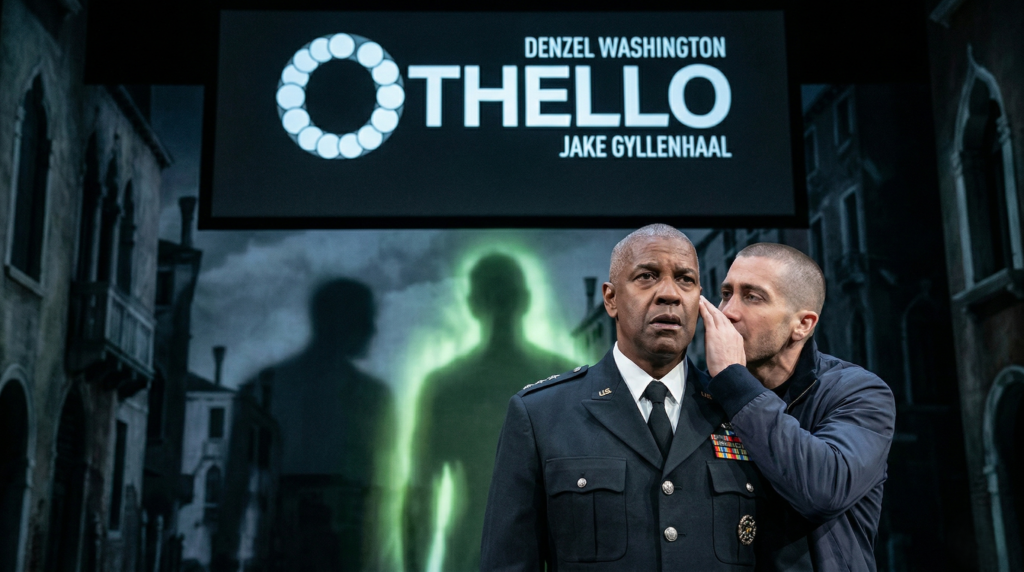
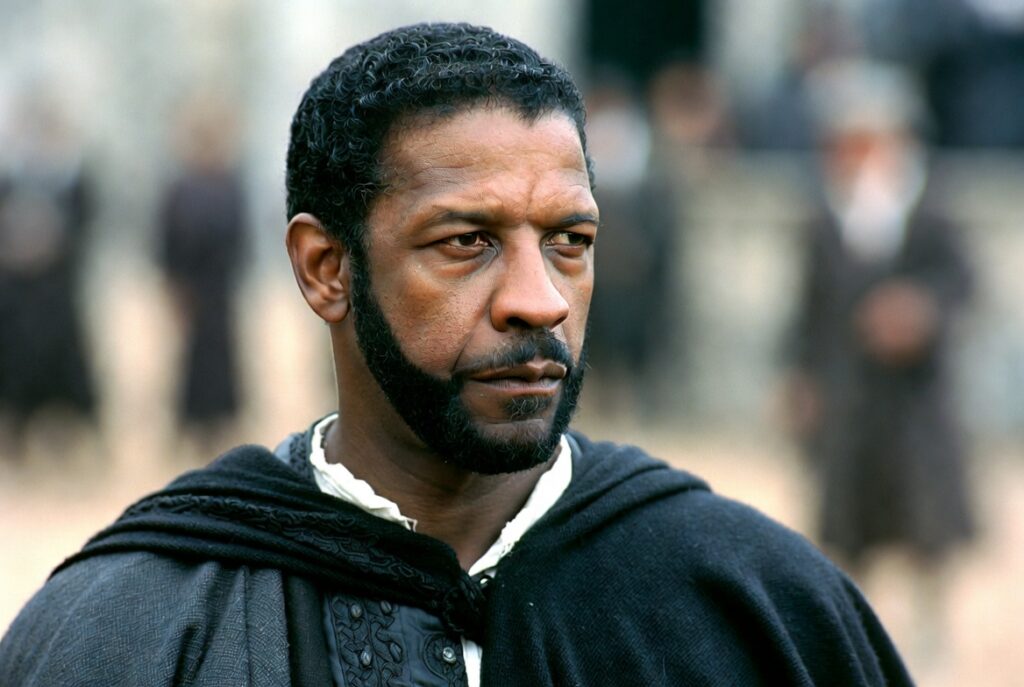
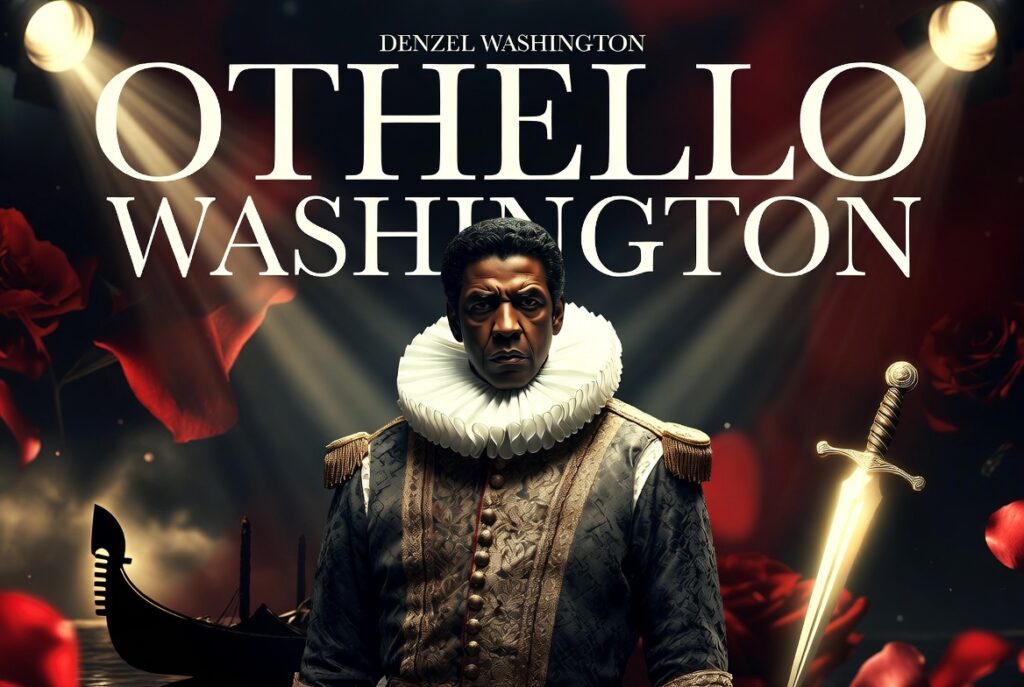
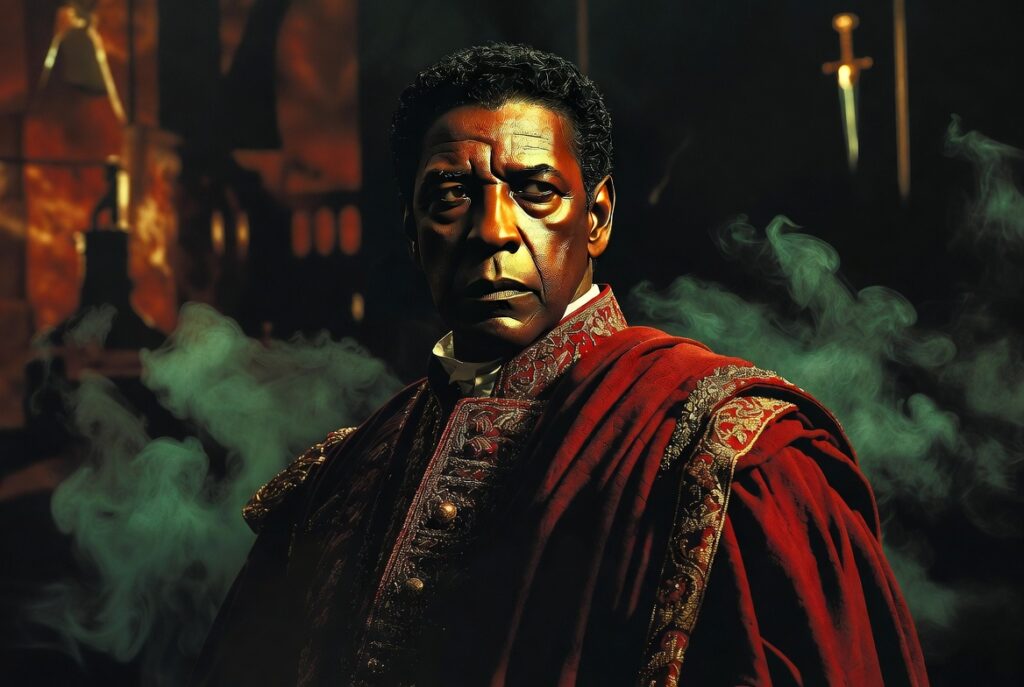
Othello Denzel Washington brings this iconic role into sharp modern focus. Whether through his early stage experiments, the landmark 1995 film adaptation (where Laurence Fishburne portrayed the Moor with intensity), or Denzel Washington’s recent triumphant return to the role on Broadway in 2025 alongside Jake Gyllenhaal as Iago, the actor’s interpretations illuminate why Shakespeare’s Moor continues to resonate. Denzel Washington’s performance—marked by commanding presence, emotional depth, and nuanced vulnerability—captures the heart of the tragedy: the devastating collision of love, trust, betrayal, and racial otherness.
For Shakespeare enthusiasts, literature students, theater lovers, and anyone seeking deeper insight into classic drama, this article dissects how Denzel Washington embodies Othello. It explores the play’s core themes, compares performances across adaptations, analyzes key scenes and acting choices, and reveals why this role remains a pinnacle of dramatic achievement. By the end, you’ll gain not only a richer appreciation of Othello but also practical tools to engage with Shakespeare’s language and timeless lessons on jealousy and manipulation in today’s world.
Understanding Shakespeare’s Othello: The Foundation of the Tragedy
William Shakespeare wrote Othello around 1603–1604, during the height of his tragic period. The play draws from Italian sources like Cinthio’s Un Capitano Moro but transforms the story into a profound psychological drama set against the backdrop of Venetian military campaigns in Cyprus.
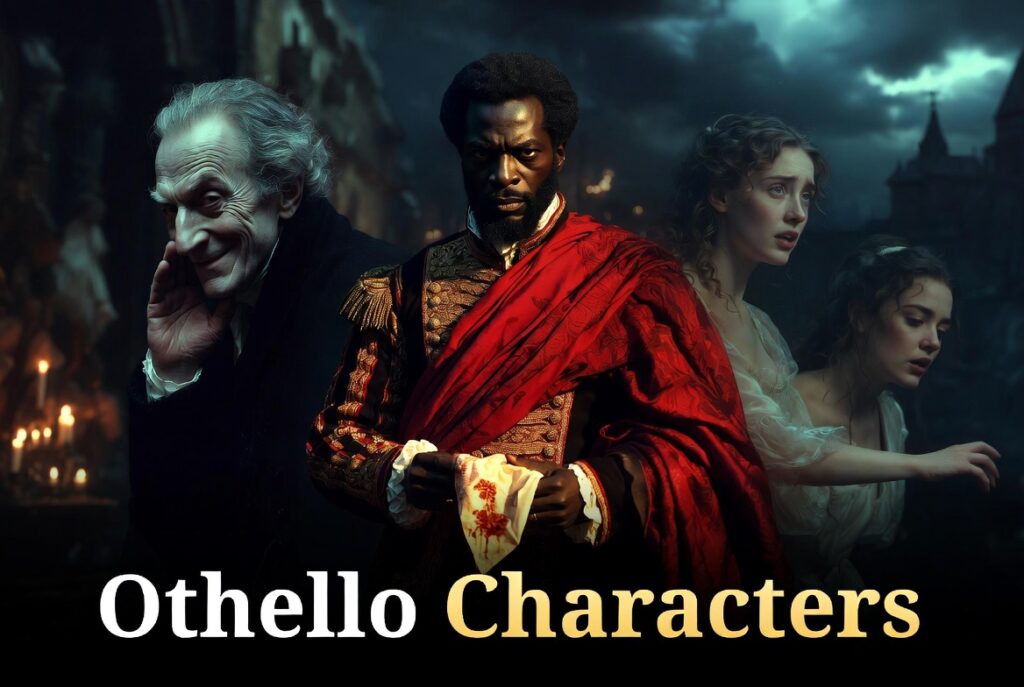
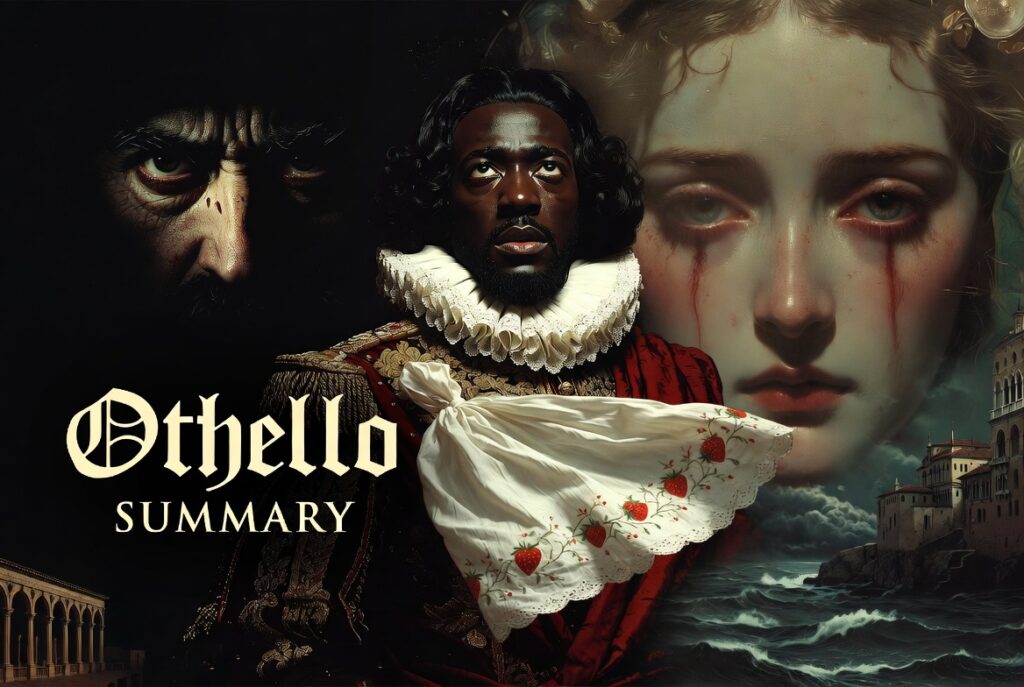
Plot Summary (Without Spoilers for First-Time Readers) Othello, a Moorish general in the service of Venice, secretly marries the noble Desdemona. Promoted lieutenant Cassio serves under him, while the ensign Iago harbors deep resentment. As the action unfolds in Cyprus, Iago masterfully exploits insecurities—racial, professional, and personal—to sow seeds of doubt about Desdemona’s fidelity. What begins as military triumph spirals into domestic catastrophe, culminating in irreversible consequences.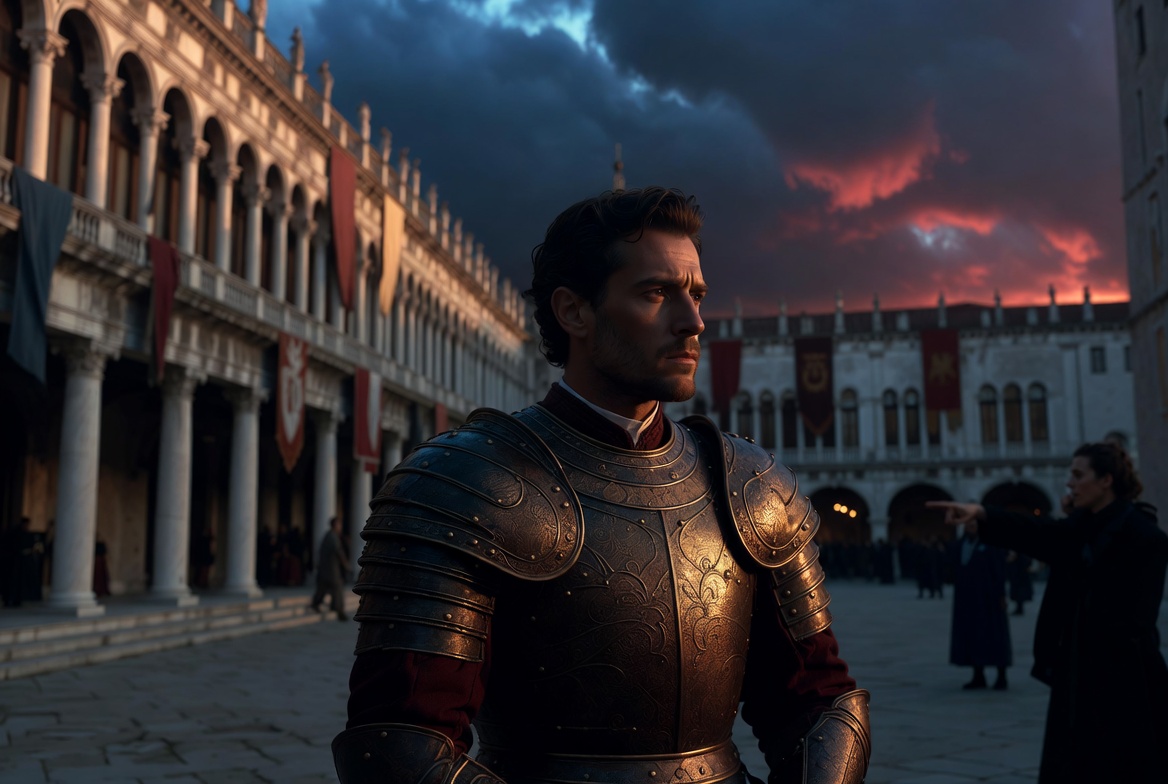
Core Themes in Othello Shakespeare weaves several interlocking themes that make the play enduringly relevant:
- Jealousy as a “Green-Eyed Monster”: Othello famously warns that jealousy “doth mock the meat it feeds on.” The play dissects how unfounded suspicion consumes reason, turning love into suspicion and violence.
- Race and Otherness: Othello’s identity as “the Moor” exposes Venetian prejudice. References to his “sooty bosom,” “thick lips,” and outsider status highlight systemic racism, even as his military prowess earns respect. This theme invites reflection on identity, belonging, and bias—issues as pressing today as in Elizabethan England.
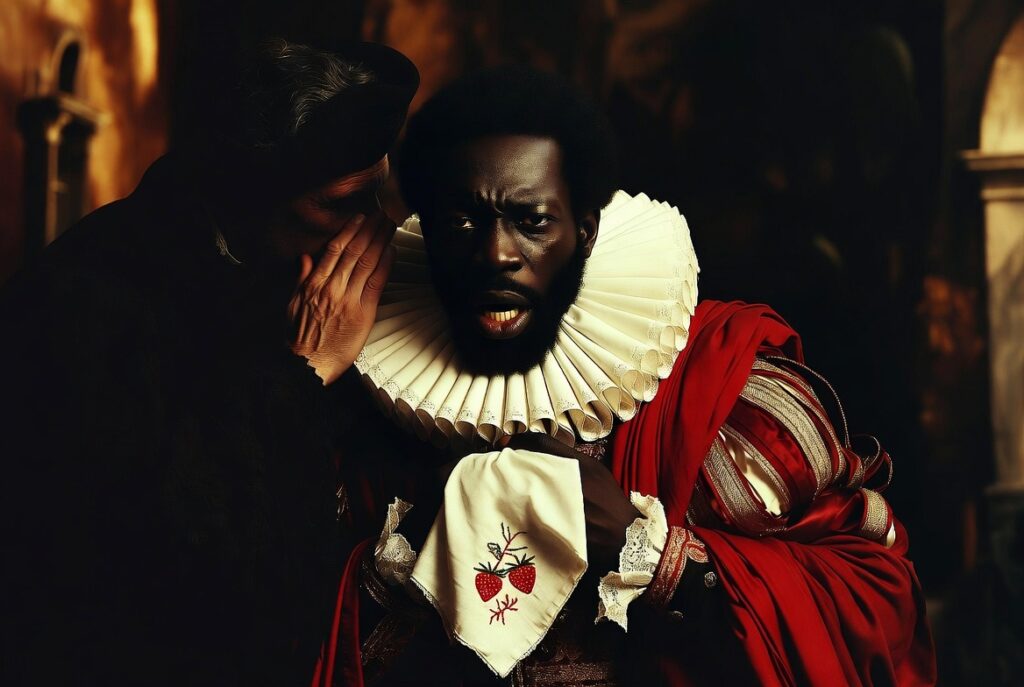
- Betrayal and Manipulation: Iago’s villainy stems not from grand ideology but petty grievances and masterful rhetoric. He weaponizes trust, misinformation, and human psychology, making him one of Shakespeare’s most chilling antagonists.
- Love, Honor, and Gender Dynamics: Desdemona’s innocence contrasts with societal expectations of women. The tragedy questions patriarchal control, female agency, and the fragility of marital trust.
- Appearance vs. Reality: “I am not what I am,” Iago declares early on. The play constantly probes how perception distorts truth, with devastating results.
These themes create a “skyscraper” of dramatic tension: a tightly constructed plot where every minor slight escalates into catastrophe, driven by character flaws rather than fate alone.
Denzel Washington and the Role of Othello: A Career-Long Connection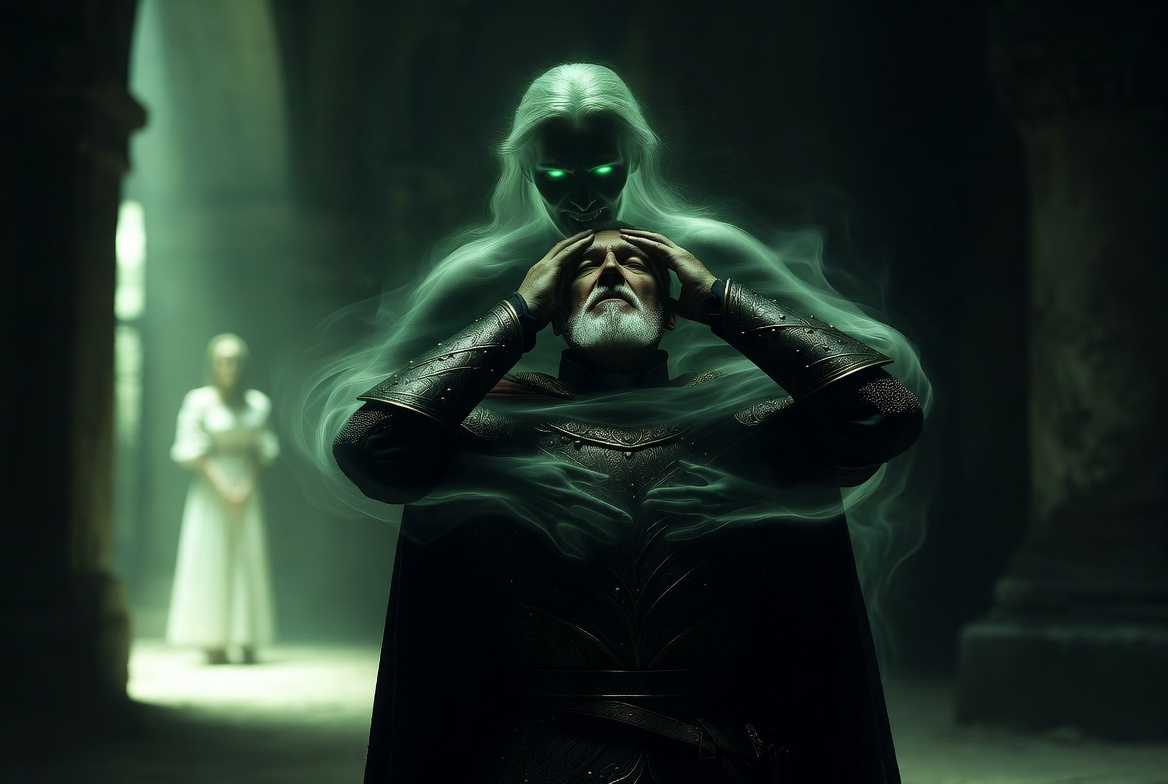
Denzel Washington’s relationship with Othello spans decades, showcasing his evolution as a Shakespearean actor. As a young student at Fordham University in the late 1970s, he first tackled the role, earning praise for his imaginative choices and vocal command—even delivering intense lines with whispered intensity rather than bombast.
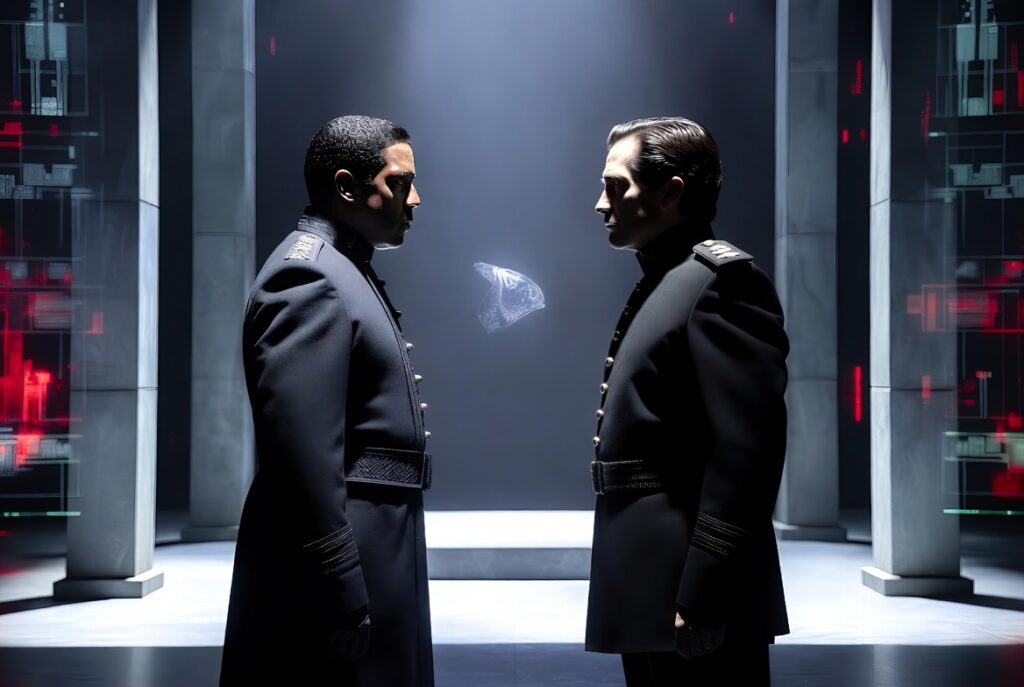
In 2025, at age 70, Washington returned to Broadway in Kenny Leon’s production—the first major revival of Othello on Broadway in over 40 years. Opposite Jake Gyllenhaal’s electrifying Iago and Molly Osborne as Desdemona, Washington brought the gravitas of an elder statesman to the general. Critics noted his “swaggering authority,” “silky, fluent delivery,” and moments of “sublime melody” as Othello descends into delusion. His age added tragic layers: a seasoned leader whose hard-won dignity makes his vulnerability all the more heartbreaking. Some reviewers observed that the fatherly chemistry with a younger Desdemona shifted dynamics toward poignant tenderness rather than youthful passion, while others praised glimpses of contained fury and vulnerability.
Washington has spoken about approaching Shakespeare conversationally—avoiding “pinkies up” theatricality in favor of natural rhythm and emotional truth. He emphasizes faith, love, and human complexity in the text, famously highlighting lines like “If she be false, O, then heaven mocks itself!” This grounded approach makes his Othello accessible yet profound, bridging Elizabethan verse with contemporary audiences.
The 1995 Film Adaptation: Context for Modern Interpretations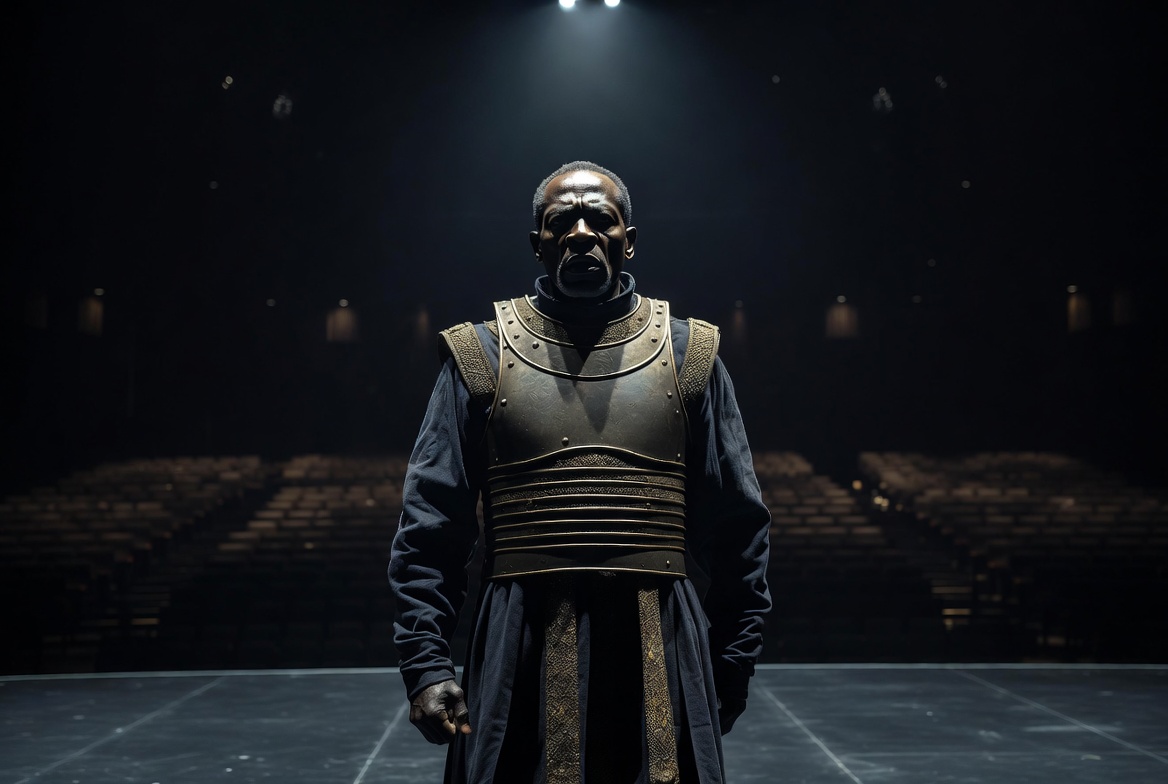
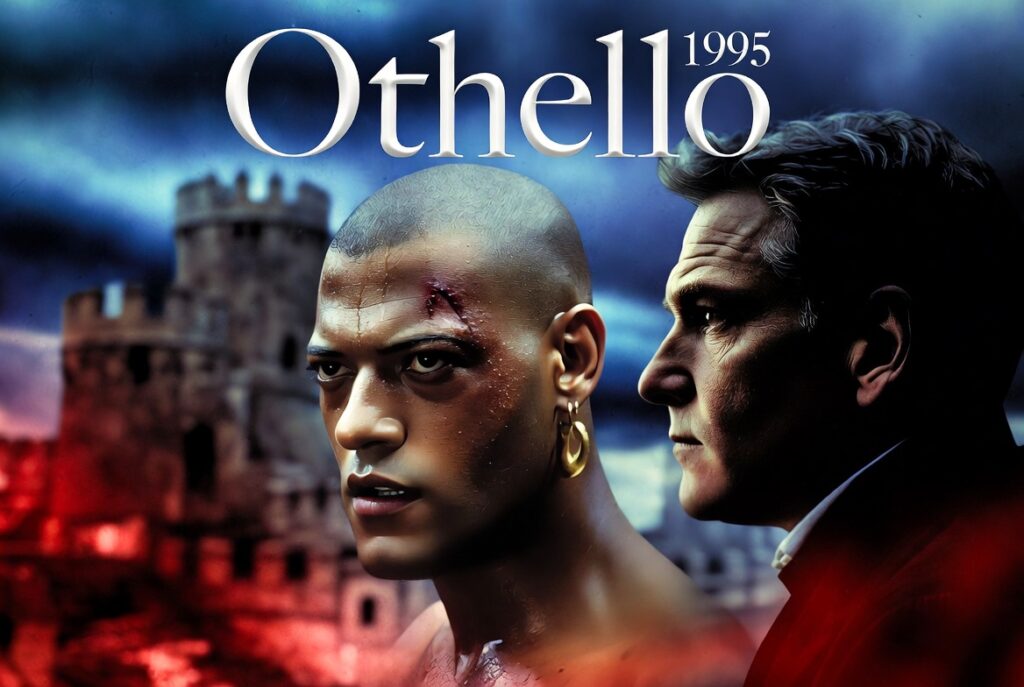
Oliver Parker’s 1995 film Othello offers another lens on the Moor, starring Laurence Fishburne in the title role, Kenneth Branagh as a scene-stealing Iago, and Irène Jacob as Desdemona. Fishburne brought physical power and exotic intensity to Othello, portraying a warrior whose passion burns hot. Branagh’s Iago dominated many reviews with his articulate, venomous manipulation, highlighting how the ensign’s charisma fuels the tragedy.
Comparisons between Fishburne’s fiery portrayal and Washington’s more restrained, authoritative stage Othello reveal different strengths. Fishburne emphasized raw emotion and cultural otherness in a cinematic, visually lush production. Washington, particularly in his later Broadway iteration, leaned into dignified restraint that cracks under pressure—mirroring how real jealousy often simmers before exploding. Both capture the role’s essence but adapt it to medium and era: film allows close-ups on internal torment, while stage demands vocal and physical projection that Washington masters through presence and pacing.
Key Scenes and How Denzel Washington’s Performance Illuminates Them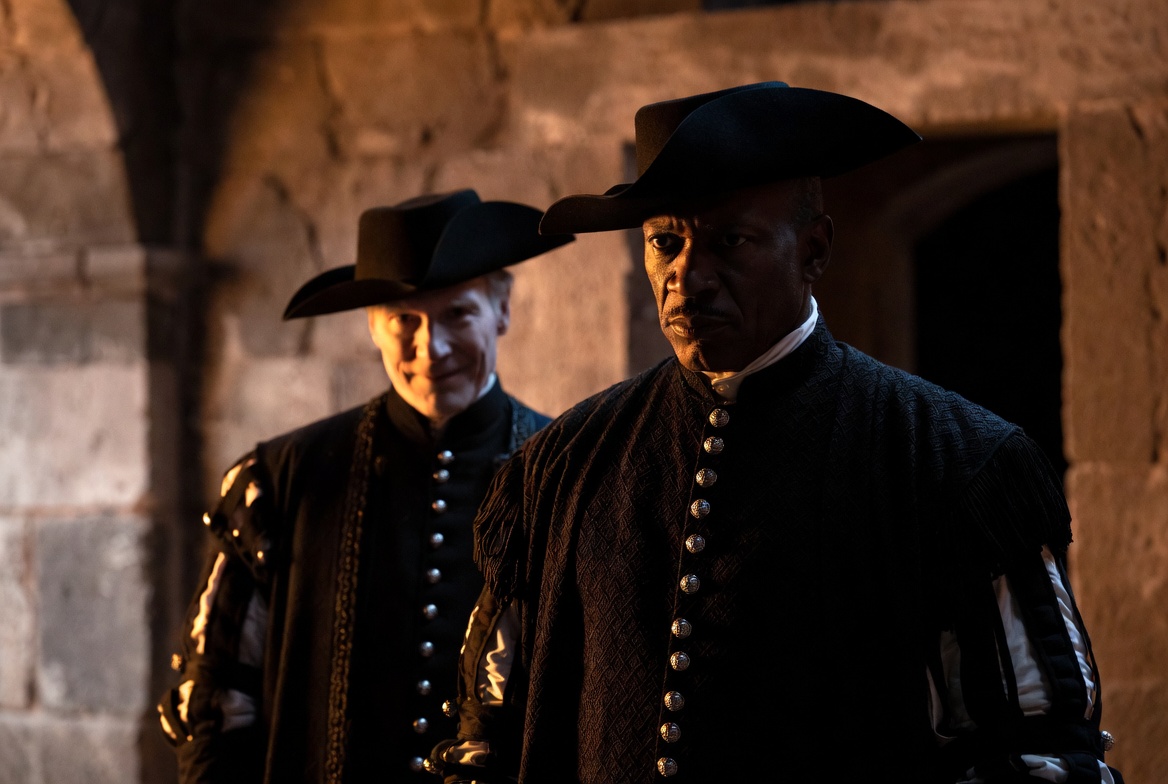
Denzel Washington’s strength lies in conveying Othello’s arc from composed leader to broken man through subtle shifts in delivery, posture, and emotional layering.
The Courtship and Senate Scene Othello defends his marriage before the Venetian Duke and Brabantio (Desdemona’s father). Washington’s commanding yet respectful delivery underscores the general’s eloquence and earned status, countering racial slurs with dignified rhetoric. His performance highlights Othello’s self-awareness as an outsider who has transcended prejudice through merit.
The Temptation Scenes with Iago Here, manipulation unfolds. Washington’s early warmth toward Iago (built on battlefield trust) makes the betrayal sting. As doubt creeps in—“Ha! I like not that”—observers note his gradual tightening of voice and body language. In the Broadway production, his restraint amplified the horror of slow unraveling, contrasting Gyllenhaal’s dynamic, shape-shifting Iago.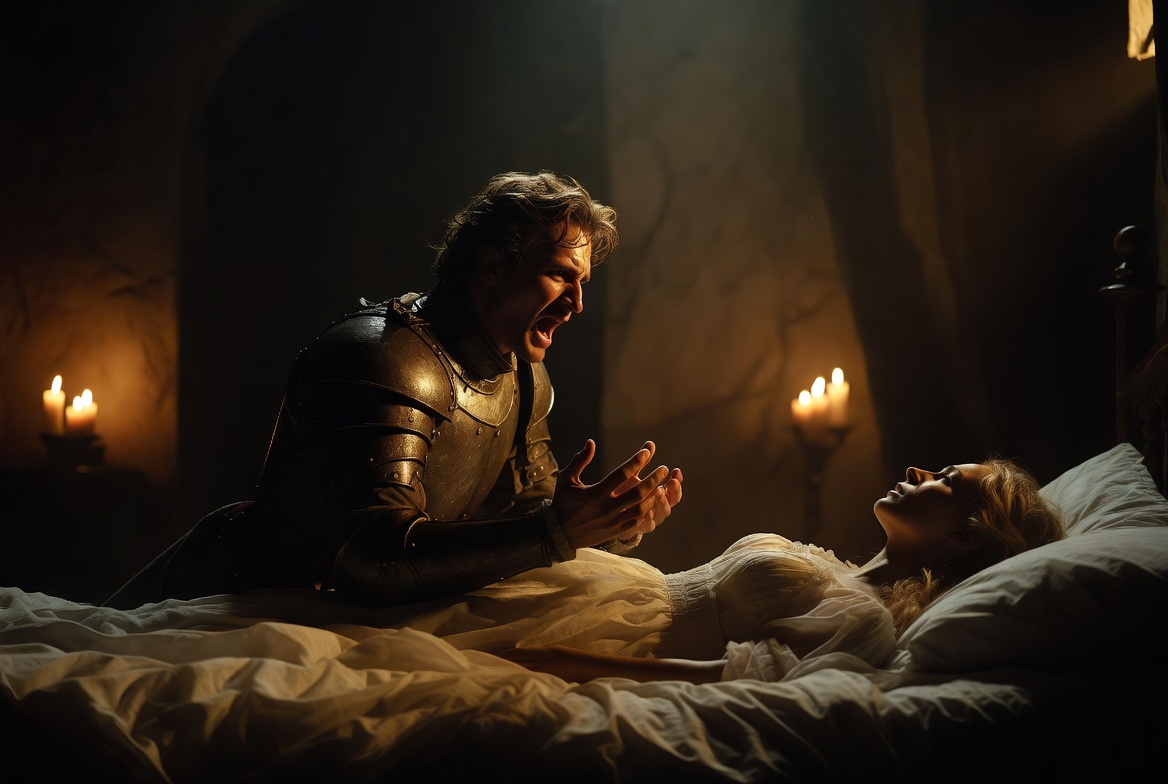
The Epileptic Fit and Descent Othello’s physical collapse under jealousy’s weight is pivotal. Washington has been praised for moments where controlled intensity gives way to rhapsodic delusion or quiet anguish. His choice to play some unraveling with nuanced vulnerability (rather than over-the-top rage) avoids stereotypes while revealing the character’s inner torment.
The Final Tragedy The murder of Desdemona and Othello’s realization demand devastating pathos. Washington’s later-career gravitas lends weight to lines of repentance and self-condemnation, turning the suicide into a tragic act of restored honor rather than mere despair.
Throughout, Washington’s technique—clear diction blended with conversational flow, strategic pauses, and physical economy—serves the poetry without overshadowing the humanity.
Acting Techniques: What Makes a Great Othello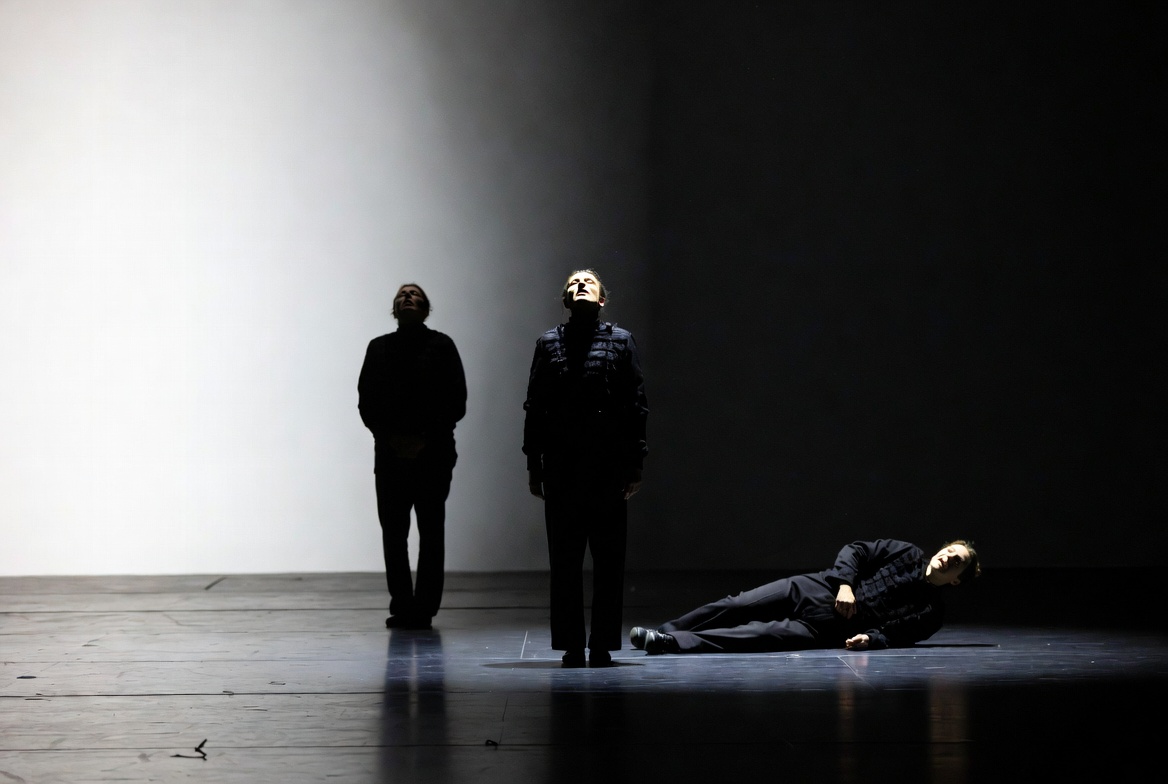
Portraying Othello requires balancing:
- Vocal Mastery: Shakespeare’s iambic pentameter demands rhythmic precision. Washington excels at making verse feel spontaneous.
- Physical Presence: The role calls for military bearing that crumbles. Age and experience can deepen the fall from grace.
- Emotional Authenticity: Avoiding caricature of “jealous Moor” while conveying universal insecurity.
- Racial and Cultural Sensitivity: Modern productions must navigate historical context without sanitizing prejudice or imposing anachronistic readings.
Denzel Washington demonstrates E-E-A-T here through decades of classical training, film success, and stage returns. His choices reflect deep textual study, emphasizing faith, love, and the peril of misplaced trust.
Why Othello Denzel Washington Resonates Today
In an era of misinformation, social media-fueled jealousy, and ongoing conversations about race and identity, Othello feels urgently contemporary. Denzel Washington’s performances remind us that manipulation thrives on existing insecurities—personal or societal. The play warns against echo chambers of suspicion and the cost of eroded trust in relationships and institutions.
For students analyzing Shakespeare for exams or essays, Washington’s interpretations provide rich material: How does casting a revered Black actor like Washington alter readings of race? Does age shift the love story’s dynamics? How does directorial choice (traditional vs. modern-dress) affect themes?
Expert Insights and Practical Tips for Readers
For Theater-Goers and Students:
- Read the text aloud to appreciate rhythm.
- Watch multiple adaptations (1995 film, Broadway clips if available, or earlier stage recordings) to compare interpretations.
- Focus on Iago’s soliloquies—they reveal the machinery of evil.
LSI-Rich Analysis Tips: Explore related keywords like Shakespearean tragedy, dramatic irony in Othello, jealousy in literature, racial themes in Renaissance drama, and modern Shakespeare adaptations for broader context.
Common Challenges and Solutions:
- Difficulty with archaic language? Use annotated editions (Folger, Arden) or NoFear Shakespeare side-by-side translations.
- Understanding motivation? Map character relationships and track how one lie cascades.
FAQs About Othello and Denzel Washington’s Performance
What makes Denzel Washington’s Othello stand out? His blend of natural authority, vocal fluidity, and vulnerable humanity brings fresh emotional truth to a demanding role, especially in conveying the slow poison of doubt.
Is the 2025 Broadway production faithful to Shakespeare? It retains the original text while incorporating modern directorial choices in staging and costuming, emphasizing timeless themes over strict period accuracy. Reviews were mixed on overall vision but praised the star performances.
How does race factor into modern Othello productions? Casting Black actors in the lead foregrounds the play’s exploration of otherness and prejudice, inviting nuanced discussions rather than color-blind avoidance.
Should I watch the 1995 film before seeing a stage version? Both offer value. The film provides visual intimacy; stage emphasizes live energy and vocal power.
What lessons does Othello teach about jealousy? It shows how unchecked suspicion, amplified by manipulators, destroys lives— a cautionary tale for personal relationships and broader society.
The Enduring Power of Othello Through Denzel Washington’s Lens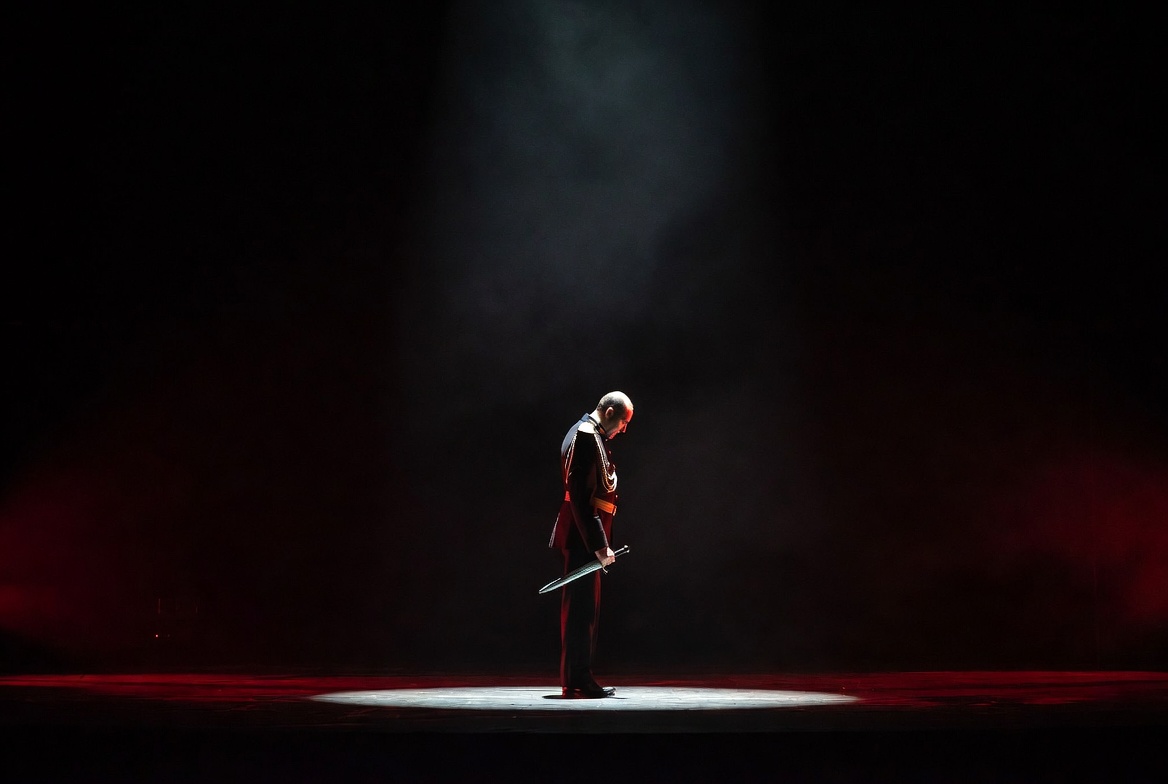
Denzel Washington’s engagement with Othello—from youthful Fordham experiments to commanding Broadway presence—exemplifies why Shakespeare’s tragedy endures. His performances capture the Moor’s nobility, passion, fragility, and ultimate redemption in self-knowledge, illuminating universal truths about love’s vulnerability to manipulation.
Whether you’re a longtime Shakespeare scholar, a student tackling the play for class, or a theater fan drawn by star power, exploring Othello Denzel Washington deepens your appreciation of one of literature’s greatest works. The green-eyed monster still walks among us; understanding its mechanics through masterful acting and timeless verse equips us to resist it.
Shakespeare invites us not merely to watch tragedy unfold but to reflect on our own capacity for trust, doubt, and forgiveness. Denzel Washington helps us see that invitation clearly—and feel its emotional weight profoundly.