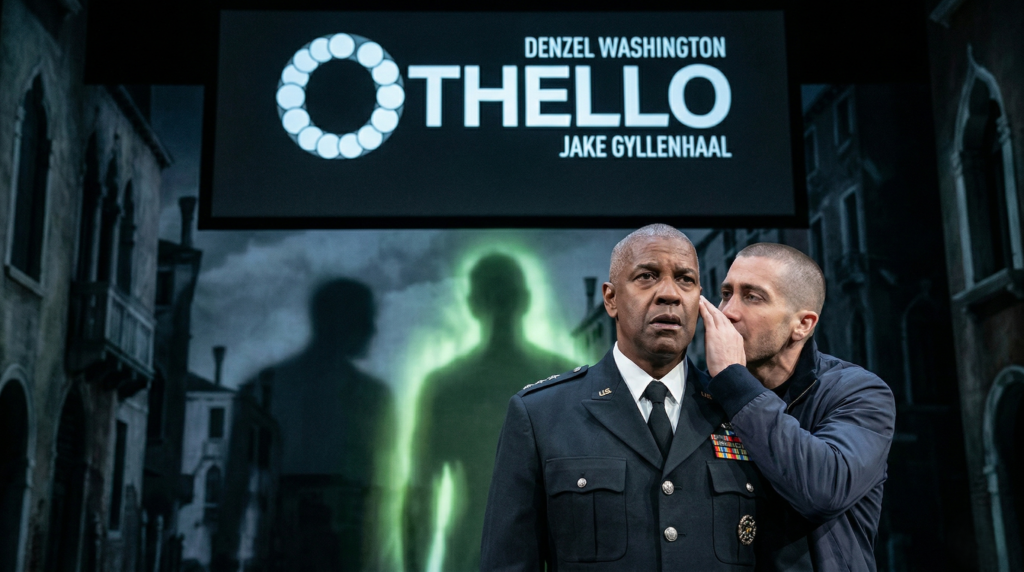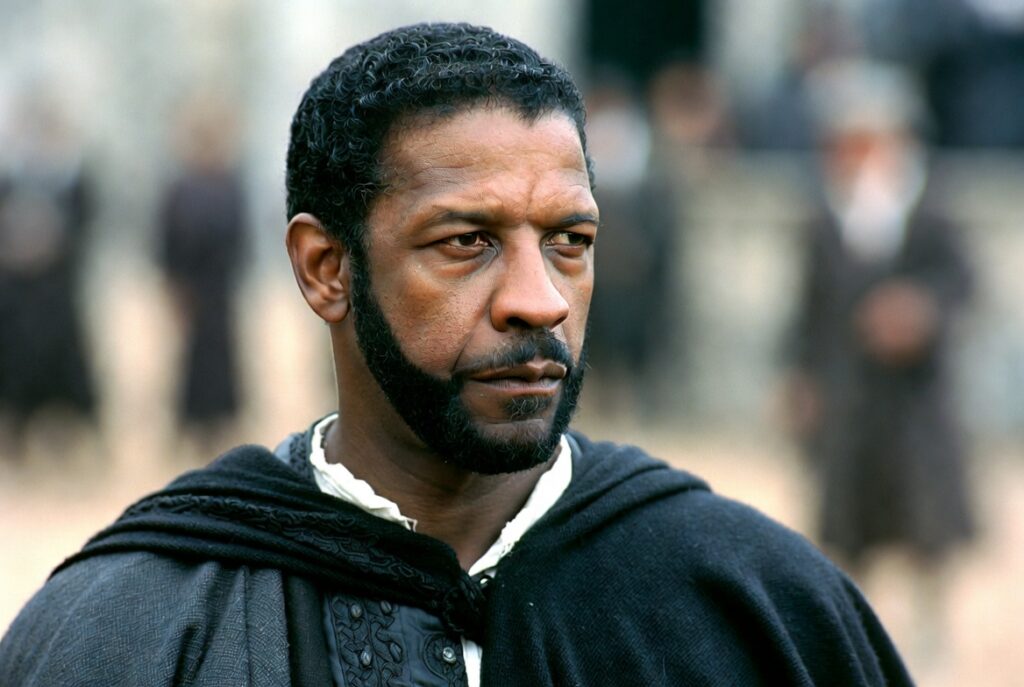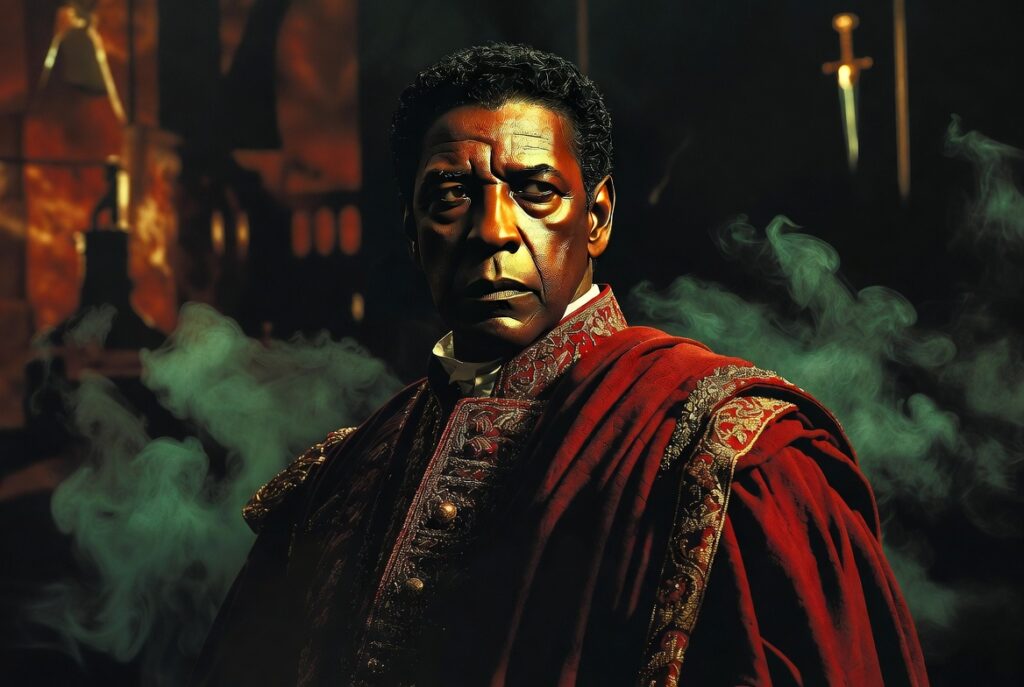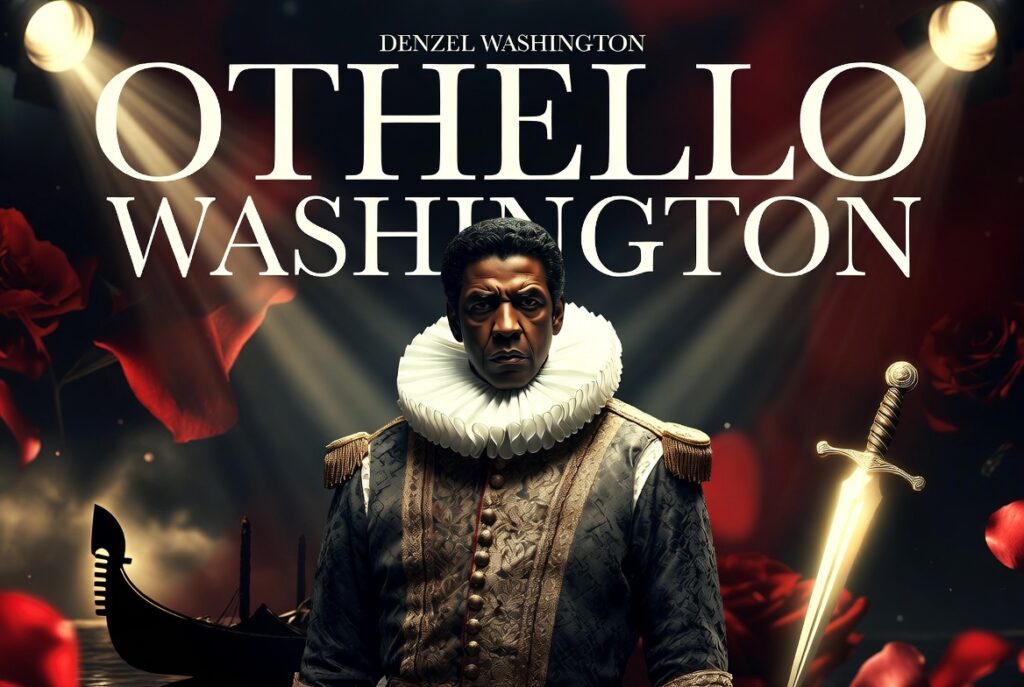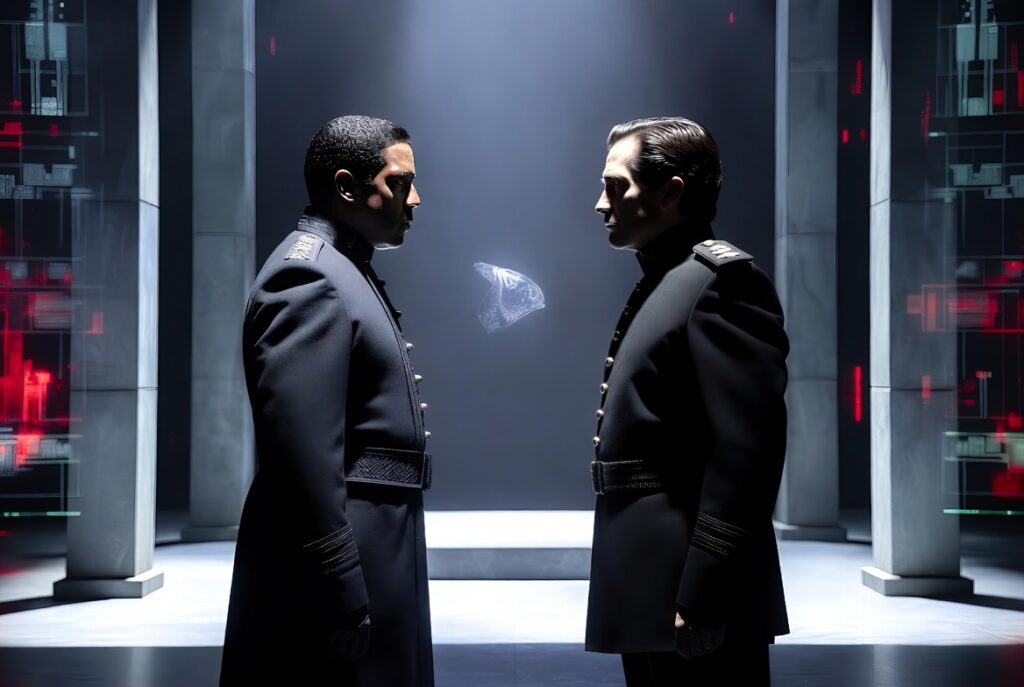
On the evening of March 23, 2025, the Ethel Barrymore Theatre in New York City crackled with an electricity rarely seen on Broadway. As the house lights dimmed, two of Hollywood’s most magnetic leading men—Denzel Washington as the noble Moor Othello and Jake Gyllenhaal as his scheming ensign Iago—stepped onto a sleek, near-future set that transported Shakespeare’s 1603 tragedy into October 2028. The audience, which had paid record-breaking ticket prices, held its collective breath. For the first time in 43 years, Othello had returned to Broadway, and it did so with a vengeance.
If you searched “Othello on Broadway,” you were likely looking for more than just ticket stubs or a basic recap. You wanted to understand how this star-studded revival reimagined one of Shakespeare’s most explosive tragedies, why it shattered box-office records, and what it reveals about the play’s enduring power in our own divided world. This comprehensive guide delivers exactly that. Drawing on decades of Shakespeare scholarship, theater history, and direct analysis of the 2025 production, we’ll explore the creative vision, landmark performances, critical reception, and deeper literary insights that made this revival a cultural milestone. Whether you’re a longtime Bard devotee, a theater enthusiast, or simply curious about why jealousy still destroys lives four centuries later, you’ll leave with fresh appreciation—and practical ways to engage with the play today.
Shakespeare’s Othello: The Timeless Tragedy at Its Core
At its heart, Othello is Shakespeare’s leanest and most psychologically precise tragedy. Clocking in at roughly 2 hours and 35 minutes in performance (as it did in the 2025 staging), the play wastes no time plunging into the corrosive forces of jealousy, manipulation, and racial prejudice.
Spoiler-Light Plot Summary and Why It Still Resonates Othello, a respected Venetian general and Moorish outsider, secretly marries Desdemona, the daughter of a Venetian senator. His trusted ensign Iago, passed over for promotion, launches a campaign of calculated lies that exploits Othello’s insecurities about his race, age, and marriage. What begins as professional resentment spirals into a whirlwind of fabricated evidence, culminating in devastating violence. The genius of the play lies in its intimacy: the entire catastrophe unfolds through private conversations, whispered doubts, and a single prop—the infamous handkerchief.
In 2025, this story felt eerily contemporary. The production’s near-future setting amplified questions of identity, power, and “otherness” that resonate in an era of social media-fueled misinformation and identity politics. Shakespeare’s “green-eyed monster” isn’t ancient history; it’s the algorithm that whispers suspicions into our ears every day.
Central Themes – Jealousy as a “Green-Eyed Monster,” Betrayal, Manipulation, and the Poison of Racism Shakespeare coined the phrase “green-eyed monster” in this play, and the 2025 revival made its bite visceral. Jealousy here is not mere envy but a self-fulfilling poison that Iago weaponizes with chilling precision. Betrayal operates on multiple levels: personal, professional, and societal. Most powerfully, the tragedy interrogates racism—not as cartoonish villainy but as the subtle, systemic doubt that Othello himself internalizes. Director Kenny Leon’s choice to set the action in a high-tech military world of 2028 made these themes feel urgent rather than academic.
Literary Significance in the Shakespeare Canon Othello stands alongside Hamlet, King Lear, and Macbeth as one of the four great tragedies, yet it is uniquely compact and domestic. Where King Lear sprawls across kingdoms, Othello implodes within a marriage. Its psychological realism influenced everything from modern thrillers to psychological dramas. As Shakespeare scholar James Shapiro has noted, the play’s brilliance lies in how it forces the audience to watch evil unfold in real time—knowing the truth while the hero remains blind.
Key Quotes That Define the Play’s Emotional Power
- “O, beware, my lord, of jealousy; It is the green-eyed monster which doth mock the meat it feeds on.” (Iago, Act 3, Scene 3)
- “I am not what I am.” (Iago, Act 1, Scene 1)
- “Put out the light, and then put out the light.” (Othello, Act 5, Scene 2)
- “She loved me for the dangers I had passed, And I loved her that she did pity them.” (Othello, Act 1, Scene 3)
- “Demand me nothing. What you know, you know. From this time forth I never will speak word.” (Iago, Act 5, Scene 2)
These lines landed like thunderbolts in the 2025 production, thanks to Washington’s measured delivery and Gyllenhaal’s serpentine intensity.
Othello on Broadway: A Storied History Before the 2025 Revival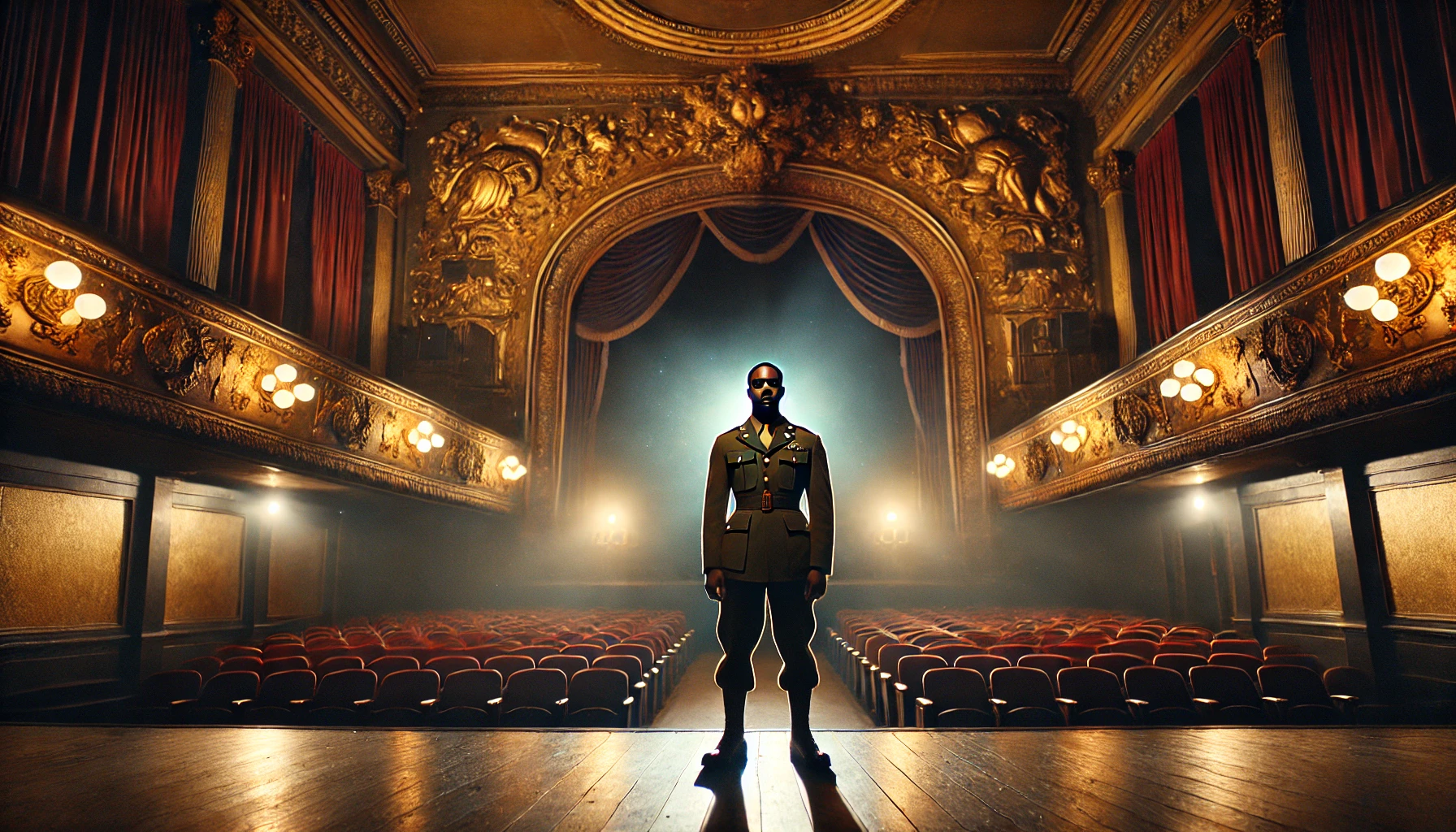
Broadway has long wrestled with Othello, a play that demands both racial authenticity and fearless acting. The 2025 revival marked only the second major mounting since 1982 and the first in 43 years.
Landmark Productions That Shaped the Legacy
- 1943: Paul Robeson’s Breakthrough — The legendary African American actor and activist shattered barriers as Othello opposite Uta Hagen’s Desdemona. It ran for 296 performances and became a symbol of civil rights progress.
- 1982: James Earl Jones and Christopher Plummer — This revival paired Jones’s commanding Othello with Plummer’s nuanced Iago, earning critical acclaim but closing after a modest run.
Between 1982 and 2025, Othello thrived in regional theaters, Off-Broadway, and international stages (notably the 2015 Royal Shakespeare Company production with Hugh Quarshie), but Broadway remained silent. Economic risk, casting challenges, and shifting cultural conversations about race kept producers cautious.
The 43-Year Broadway Absence – Cultural and Industry Context The gap reflected broader industry trends: Shakespeare revivals are expensive, and star-driven casts are rare. Post-1982, Broadway leaned toward musicals and contemporary plays. Meanwhile, conversations around color-blind casting evolved into deeper debates about authentic representation—making a high-profile Othello both necessary and risky.
Why This Gap Made the 2025 Return Historic The 2025 production didn’t just fill a void; it exploded it. With Washington and Gyllenhaal attached early, advance sales shattered records. It became the highest-grossing play in Broadway history, pulling in over $46.7 million across 89 performances and 30 previews. For Shakespeare fans, it proved that the Bard can still command the Great White Way when given the right stars and vision.
Timeline of Major U.S. Othello Productions (scannable for quick reference):
- 1943: Paul Robeson (Othello) – Longest-running Broadway Othello to that date.
- 1982: James Earl Jones (Othello) / Christopher Plummer (Iago).
- 1990s–2010s: Regional revivals dominate (e.g., 2004 with John Douglas Thompson).
- 2015: Royal Shakespeare Company tour influences U.S. stagings.
- 2025: Denzel Washington / Jake Gyllenhaal – Record-breaking commercial and cultural event.
The 2025 Revival: Production Details and Creative Vision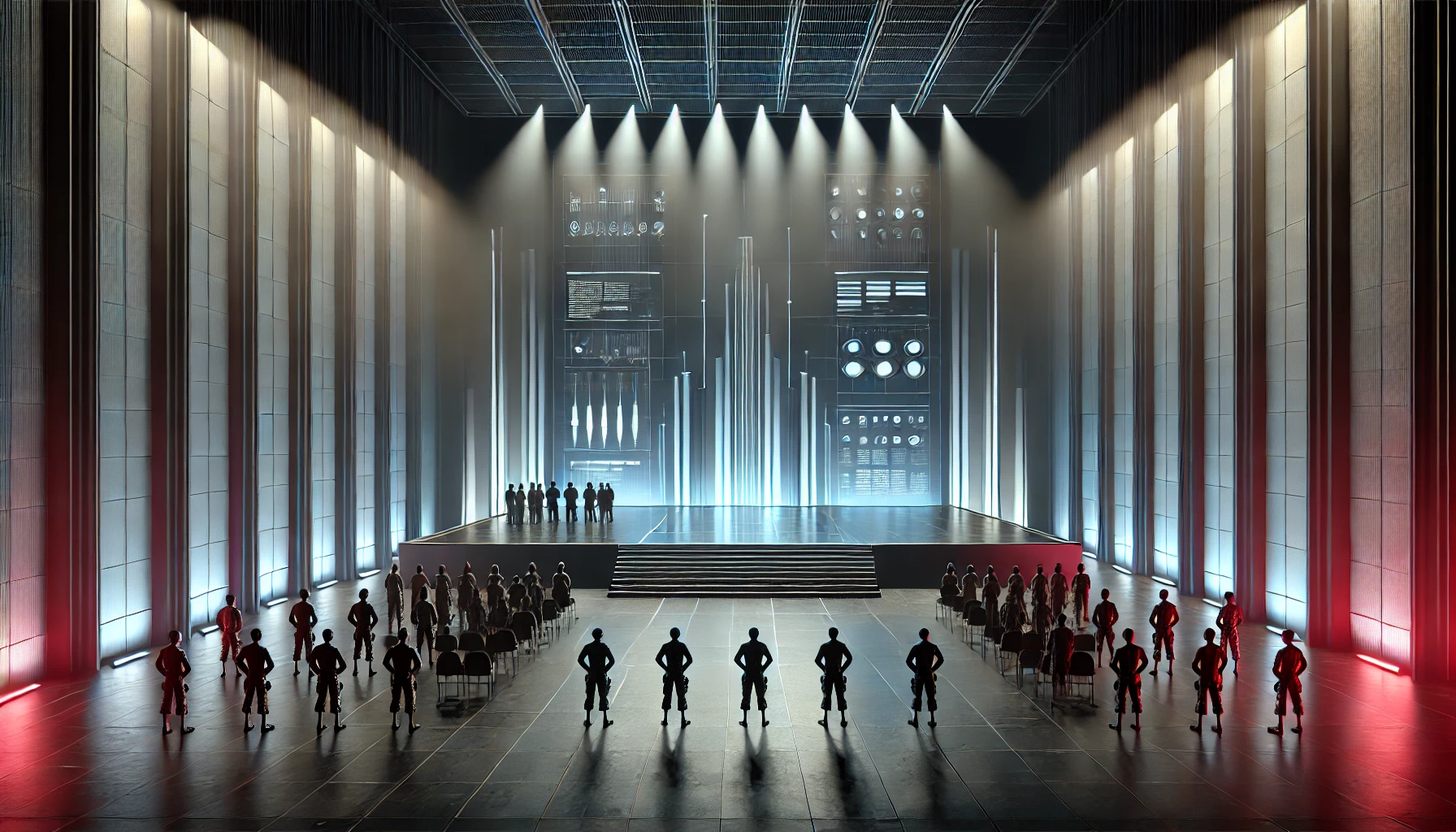
From Concept to Stage – Director Kenny Leon’s Modern Lens Tony Award winner Kenny Leon, fresh off directing Our Town at the same theater, approached Othello with surgical precision. He and the creative team rejected dusty period costumes in favor of a sleek, militarized near-future aesthetic. The result? A production that felt like a high-stakes political thriller rather than a museum piece.
Setting the Play in the Near Future (October 2028) – Why This Choice Amplified Relevance By shifting the action forward to 2028, Leon placed the story in a world of advanced military technology, surveillance, and digital manipulation—mirroring today’s anxieties about deepfakes, social media, and institutional distrust. The handkerchief became a high-tech data device in some interpretations, though the production kept Shakespeare’s text intact while letting the visuals do the updating.
Creative Team Spotlight
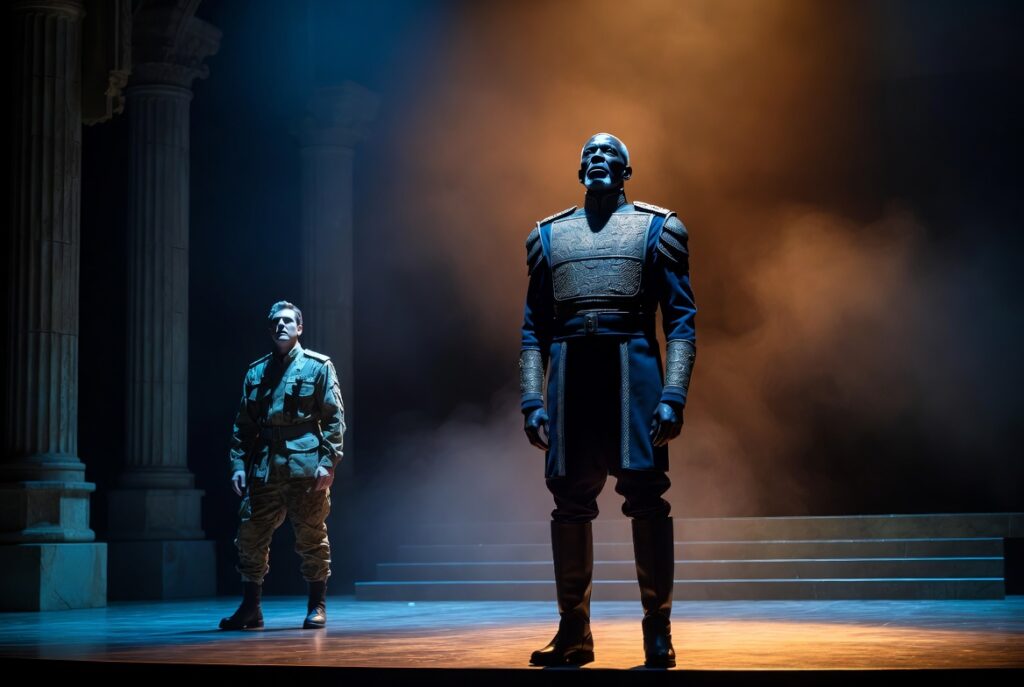
- Scenic Design – Derek McLane: A minimalist, imposing set of gray columns and digital screens evoked a futuristic military headquarters—elegant yet oppressive.
- Costumes – Dede Ayite: Modern military fatigues, tailored power suits, and subtle cultural accents highlighted status and otherness without caricature.
- Lighting – Natasha Katz and Sound – Justin Ellington: Dynamic lighting shifts and immersive sound design heightened the psychological tension, especially in Iago’s soliloquies.
- Fight Direction: Precise, visceral combat sequences underscored the play’s themes of controlled violence.
Run Dates, Venue, and Record-Breaking Box Office Previews began February 24, 2025; opening night was March 23. The strictly limited 15-week engagement closed June 8, 2025, after 89 performances. The Ethel Barrymore Theatre (1,042 seats) sold out almost nightly. Average ticket prices exceeded $360, with premium seats reaching $921. Weekly grosses topped $3.8 million in peak weeks, making Othello the highest-grossing non-musical in Broadway history at the time—with a total gross of $46,707,510.
Production Specs at a Glance
- Run time: 2 hours 35 minutes (including one 15-minute intermission)
- Producers: Led by Brian Anthony Moreland
- Capacity: 99.9% across the run
- Historical note: First Othello on Broadway since 1982 and the most commercially successful Shakespeare play revival ever.
This revival wasn’t just theater—it was an event that proved Shakespeare’s commercial viability when reimagined with bold vision and star power.
Star Power on Stage: Performances That Lit Up the Ethel Barrymore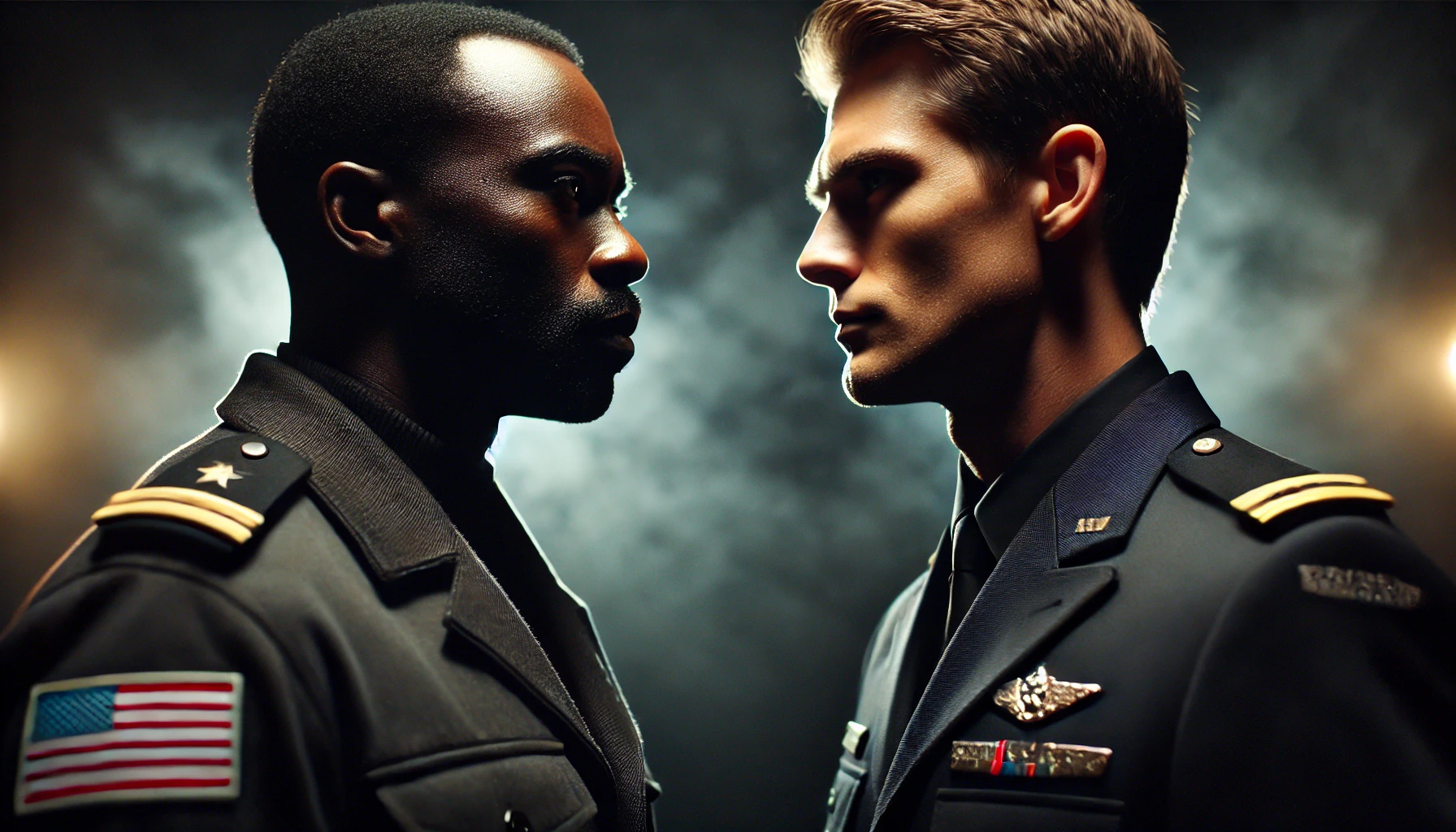
The true electricity of the 2025 Othello on Broadway came from its two marquee leads. Denzel Washington and Jake Gyllenhaal delivered performances that, while polarizing in critical consensus, generated the kind of star-driven heat that turned a Shakespeare revival into a bona fide Broadway phenomenon.
Denzel Washington as Othello – Commanding Authority and Emotional Depth Washington, returning to Broadway for the first time in over a decade, brought his signature gravitas and vocal power to the role of the noble Moor. His Othello entered with the swagger of a battle-hardened general who has earned respect through sheer merit in a world that views him as an outsider. Critics frequently praised his physical presence and moments of towering rage, particularly in the later acts where jealousy consumes him. Washington’s delivery of iconic lines like “Put out the light, and then put out the light” carried the weight of a man confronting his own tragic flaw.
However, some reviewers noted that his portrayal emphasized authority over vulnerability. The slow erosion of Othello’s confidence—the psychological unraveling that makes the character so devastating—was less pronounced than in some classic interpretations. This created a fascinating dynamic: Washington’s Othello felt like a man fighting to maintain control even as Iago’s poison took hold. For many audience members, his star power and emotional peaks more than compensated, making his performance a magnetic centerpiece that justified premium ticket prices.
Jake Gyllenhaal as Iago – A Career-Defining Master Manipulator If Washington anchored the production with authority, Gyllenhaal stole scene after scene with a chilling, charismatic Iago. Widely regarded as the standout of the revival, Gyllenhaal’s ensign was equal parts charming confidant and calculating sociopath. His soliloquies crackled with dark humor and intellectual glee as he laid out his schemes directly to the audience, breaking the fourth wall with unsettling intimacy.
Reviewers across outlets—from The New York Times to The Guardian—highlighted how legible and predatory Gyllenhaal made Iago. Unlike interpretations that portray the character as a cartoonish villain, Gyllenhaal grounded him in believable ambition and resentment. His chemistry with Washington created genuine tension; every “Honest Iago” from Othello landed with tragic irony. Many theatergoers and critics described Gyllenhaal’s performance as career-defining, a masterclass in Shakespearean villainy that rivaled the best Iagos of recent decades.
Supporting Cast Standouts The ensemble provided strong support that elevated the central duel:
- Molly Osborne as Desdemona: In her Broadway debut, Osborne brought innocence and quiet strength to the role. Her Desdemona was no passive victim but a woman of conviction whose love for Othello remained unwavering even in the face of his growing suspicion.
- Kimber Elayne Sprawl as Emilia: Sprawl delivered one of the production’s most powerful moments in Act 5, confronting the men with righteous fury in the revelation scene. Her performance added emotional depth and feminist undertones to the tragedy.
- Andrew Burnap as Cassio: Burnap portrayed the honorable lieutenant with likable earnestness, making Iago’s manipulation of him feel particularly cruel.
- Other notable ensemble members included Anthony Michael Lopez (Roderigo), Daniel Pearce (Brabantio), and Ezra Knight (Montano), who helped flesh out the military and Venetian world.
The supporting players grounded the star-driven production, ensuring Shakespeare’s text remained the foundation rather than a vehicle for celebrity.
Side-by-Side Comparison of Key Character Interpretations To illustrate how the 2025 revival fits into the broader performance history:
- Othello: Washington emphasized commanding presence and late-act fury (vs. Paul Robeson’s dignified activism or James Earl Jones’s vocal grandeur).
- Iago: Gyllenhaal offered modern, psychologically nuanced predation (often compared favorably to Christopher Plummer’s intellectual schemer).
- Desdemona: Osborne’s youthful conviction contrasted with more fragile classical portrayals.
- Emilia: Sprawl’s fiery confrontation amplified the play’s gender dynamics more explicitly than many earlier versions.
This revival’s strength lay in the electric contrast between Washington’s stoic general and Gyllenhaal’s slippery villain, creating a predator-prey dynamic that kept audiences riveted.
Critical Reception and Cultural Impact
The 2025 Othello on Broadway achieved massive commercial success while receiving decidedly mixed critical notices—a classic case of star power triumphing over staging consensus.
What the Critics Said – Praise for Acting, Questions About Direction and Staging Reviewers universally celebrated the lead performances. The New York Times described Washington and Gyllenhaal as “prey and predator,” praising the headlong energy while noting the production sometimes missed Shakespeare’s psychological mystery. The Hollywood Reporter called it a “frustratingly underpowered” revival overall but credited Washington’s magnetism as the main draw. The Guardian labeled it an “underwhelming blockbuster,” acknowledging record grosses but critiquing the muddled direction.
Kenny Leon’s modern-dress, near-future setting divided opinions. Some found it fresh and relevant; others felt it lacked cohesion or depth. Scenic design by Derek McLane and costumes by Dede Ayite earned praise for visual elegance, but the overall pacing and conceptual clarity drew criticism. Despite this, the acting—particularly Gyllenhaal’s Iago—consistently emerged as the highlight.
Audience Response and Drama League Nominations Audiences were far more enthusiastic than some critics. The production sold out nearly every performance, with theatergoers praising the visceral thrill of seeing two screen legends deliver Shakespeare live. Social media buzz and word-of-mouth helped sustain momentum throughout the limited run. While it received no Tony Award nominations in 2025 (a notable shutout), it earned Drama League recognition and cemented its place as a cultural conversation-starter.
Why It Became the Highest-Grossing Broadway Play in History (at the Time) The numbers tell the story: The production grossed a staggering $46,707,509.76 across 30 previews and 89 performances at the Ethel Barrymore Theatre (capacity 1,043). It achieved an average 99.93% capacity, with an average ticket price of $376.56 and peak weekly grosses reaching $3.8 million. One preview week alone shattered records with $2.8 million—the highest single-week gross for any non-musical in Broadway history. Premium orchestra seats routinely sold for $900–$921.
This success stemmed from star power, pent-up demand after a 43-year absence, and strategic limited-run marketing. It proved that Shakespeare, when paired with A-list Hollywood talent and bold marketing, could compete with musical blockbusters on Broadway’s commercial stage.
Balanced Perspective: While not a critical darling, the revival succeeded where it mattered most for many Shakespeare lovers—bringing thousands of new and returning theatergoers to experience one of the Bard’s greatest tragedies live. It reignited public discourse about race, jealousy, and manipulation in the digital age.
Literary Deep Dive: How the 2025 Production Illuminated Shakespeare’s Themes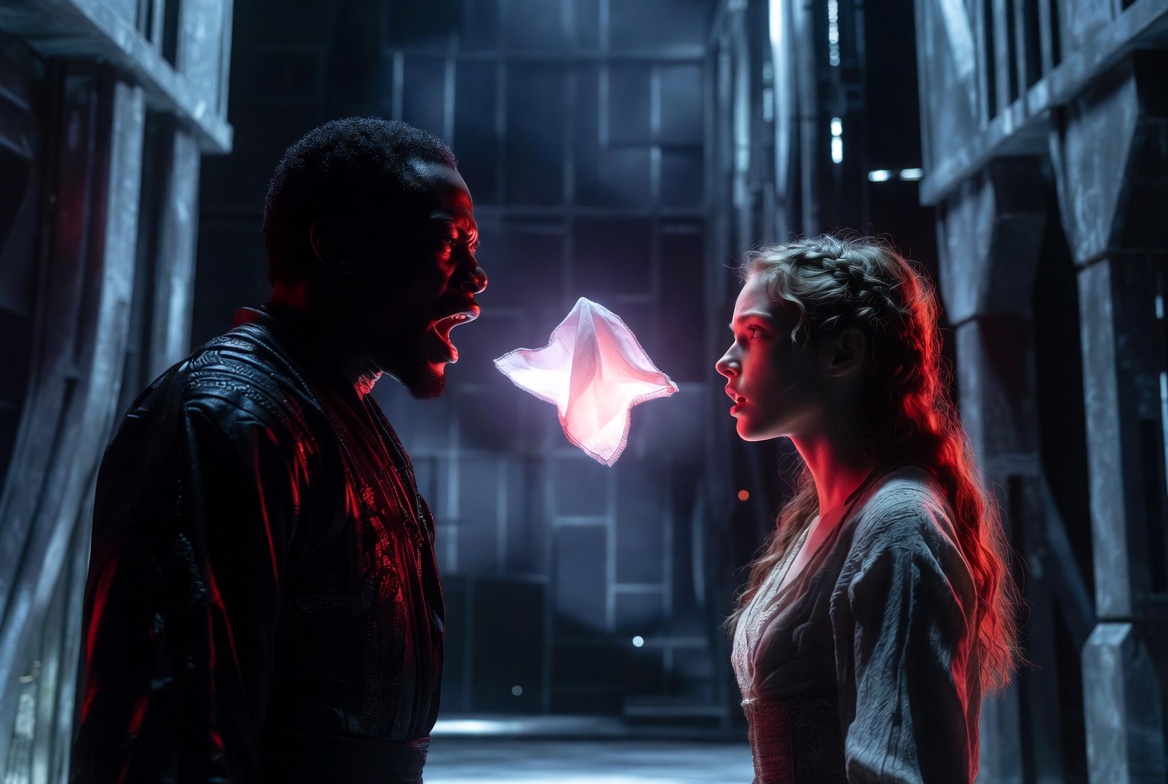
The 2025 revival’s greatest contribution may lie in how its choices reframed Shakespeare’s text for contemporary viewers without altering a word of the dialogue.
Reimagining Race, Power, and Otherness in a Modern Military Context Setting the play in October 2028 within a high-tech military environment made Othello’s status as an accomplished yet racially marked outsider feel immediate. The production highlighted how power structures can both elevate and isolate individuals. Washington’s Othello rose through merit in a system that still subtly “othered” him, mirroring real-world discussions of institutional bias and identity.
Jealousy and Betrayal – Key Scenes That Shone The temptation scene (Act 3, Scene 3) crackled with intensity as Gyllenhaal’s Iago slowly planted seeds of doubt. The handkerchief became a potent symbol—sometimes treated as a high-tech data device in visual staging—representing how small “evidence” can destroy trust in the information age. Othello’s final monologue and the murder scene delivered raw tragedy, while Emilia’s confrontation in the finale provided cathartic moral clarity.
Timeless Lessons for Today’s World The revival underscored how easily manipulation thrives when people are isolated or insecure. In an era of deepfakes, cancel culture, and algorithmic echo chambers, Iago’s tactics felt disturbingly familiar. The production invited audiences to reflect on personal responsibility in relationships and the societal cost of unchecked prejudice and resentment.
5 Moments from the 2025 Revival That Perfectly Captured Shakespeare’s Genius
- Gyllenhaal’s opening soliloquy – Establishing Iago’s duplicity with wry direct address.
- The handkerchief “proof” sequence – Building unbearable dramatic irony.
- Washington’s “It is the cause” speech – Delivering quiet devastation before the murder.
- Sprawl’s Emilia outburst – Giving voice to the silenced and exposing the men’s folly.
- The final tableau – Leaving the audience with the haunting cost of jealousy and betrayal.
These moments demonstrated why Othello remains Shakespeare’s most tightly constructed tragedy: every beat serves the inexorable descent into chaos.
Beyond the Curtain Call: Why This Othello on Broadway Matters for Shakespeare Fans
This revival proved that Shakespeare is not dusty museum theater but living, breathing drama capable of filling Broadway houses and sparking national conversation. In an age of short attention spans and digital distraction, the 2025 production reminded us of the power of live storytelling—where jealousy unfolds in real time under the lights, and audiences collectively hold their breath.
For Shakespeare enthusiasts, it highlighted the play’s versatility. Directors and actors can update context while preserving the text’s psychological precision. The commercial triumph also opens doors for future ambitious revivals of the tragedies, potentially bringing more Bard to broader audiences.
How to Experience Othello Today – Practical Guide for Readers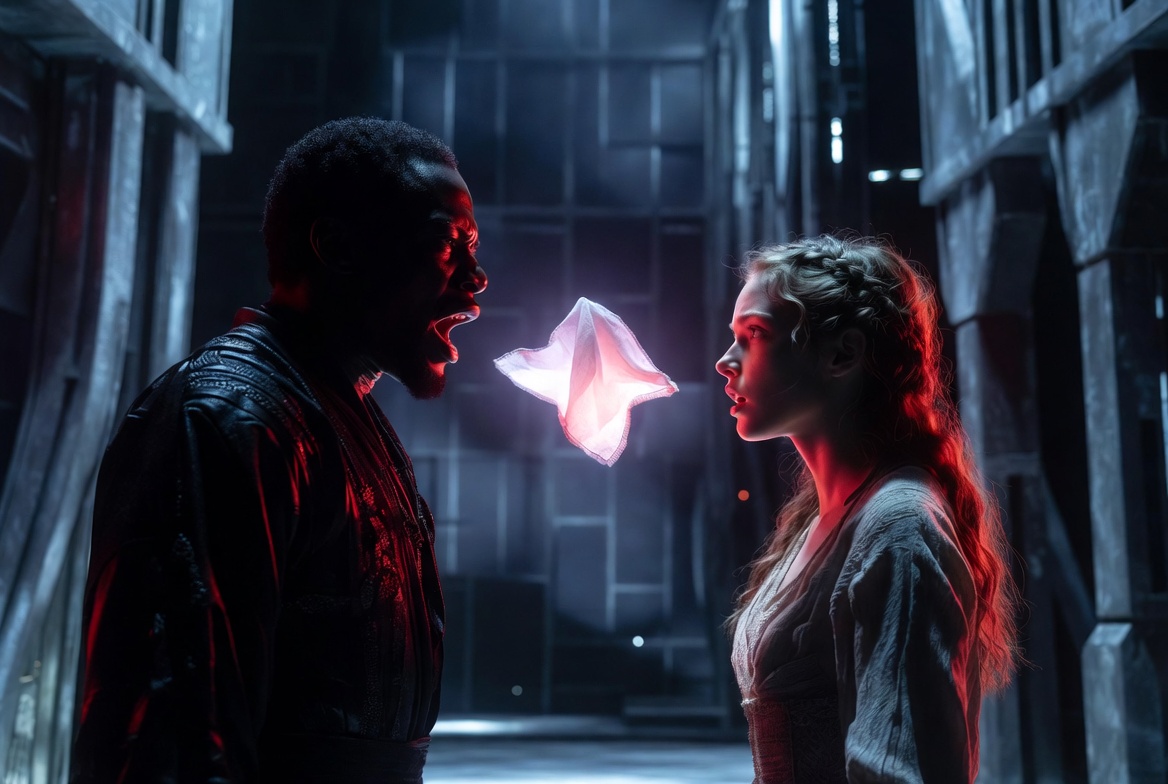
You don’t need a $900 ticket to engage deeply with the play. Here are actionable ways to continue your journey:
- Recommended Editions: The Folger Shakespeare Library or Arden Third Series editions offer excellent annotations and context. For digital access, the MIT Shakespeare site provides free, searchable text.
- Film Adaptations: Orson Welles (1952), the 1995 Oliver Parker version with Laurence Fishburne and Kenneth Branagh, or the 2016 modern retelling Othello (with different casting) for visual references.
- Local and Regional Theater: Check your nearest Shakespeare festival or university theater department—many mount strong Othello productions annually.
- Discussion Questions Tied to the 2025 Production: How does a near-future military setting change your reading of racial dynamics? Is Iago a product of his environment or pure evil? How does social media amplify the play’s themes of manipulated evidence?
Reading the play aloud with friends or joining online Shakespeare reading groups can recreate some of the live theater magic.
Frequently Asked Questions
Was the 2025 Othello on Broadway filmed or recorded? No official full recording was released for public viewing during or immediately after the run. Some archival footage or promotional clips may exist, but the production was designed as a strictly live, limited engagement.
How does Denzel Washington’s Othello compare to past interpretations? Washington brought commanding authority and star charisma, differing from Paul Robeson’s activist dignity or James Earl Jones’s vocal power. Critics noted strengths in presence but some felt it emphasized control over psychological vulnerability.
What is the setting of the 2025 production? Director Kenny Leon set the action in a near-future military world of October 2028, using modern costumes and a sleek, high-tech aesthetic while keeping Shakespeare’s original language intact.
Why was Jake Gyllenhaal’s Iago so widely praised? Gyllenhaal delivered a nuanced, scene-stealing performance—charismatic yet deeply sinister—that made the character’s manipulation feel both entertaining and terrifying. Many called it a career highlight.
Is Othello on Broadway coming back? The 2025 revival was a strictly limited run that closed on June 8, 2025. No immediate plans for a return or national tour were announced, though future revivals remain possible given its commercial success.
What are the main themes in Shakespeare’s Othello? Jealousy (the “green-eyed monster”), betrayal, manipulation, racism and otherness, trust versus suspicion, and the destructive power of lies.
How long was the 2025 run and how much did tickets cost? It ran from February 24, 2025 (previews) through June 8, 2025 (89 performances), with average tickets around $376 and premium seats reaching $921.
Where can I read the full text with annotations? Excellent free and paid options include the Folger Digital Texts, Arden Shakespeare, or No Fear Shakespeare for side-by-side modern translation.
The 2025 Othello on Broadway, starring Denzel Washington and Jake Gyllenhaal under Kenny Leon’s direction, stands as a landmark event in Shakespearean theater. It shattered box-office records, brought Hollywood star power to the Great White Way, and—despite mixed reviews—reignited passionate discussion about one of the Bard’s most psychologically acute tragedies.
More than a celebrity spectacle, this revival demonstrated Othello’s remarkable elasticity. By placing the story in a near-future military context, it made themes of jealousy, betrayal, racial otherness, and manipulation feel urgently contemporary. The production reminded us why Shakespeare’s tragedies continue to command stages and hearts four centuries after they were written: they expose the darkest corners of human nature with unflinching clarity.
For those who saw it, the memory of Washington’s commanding presence and Gyllenhaal’s serpentine Iago will linger. For those who didn’t, the play itself remains waiting—on the page, in local theaters, or in future revivals. Pick up the text, gather friends, or seek out the next production near you. In doing so, you’ll discover (or rediscover) why this lean, devastating tragedy still has the power to hold a mirror to our own world.
Shakespeare’s Othello didn’t just return to Broadway in 2025—it reminded us why it never truly left our cultural consciousness. The green-eyed monster still walks among us. The question is whether we recognize it in time.