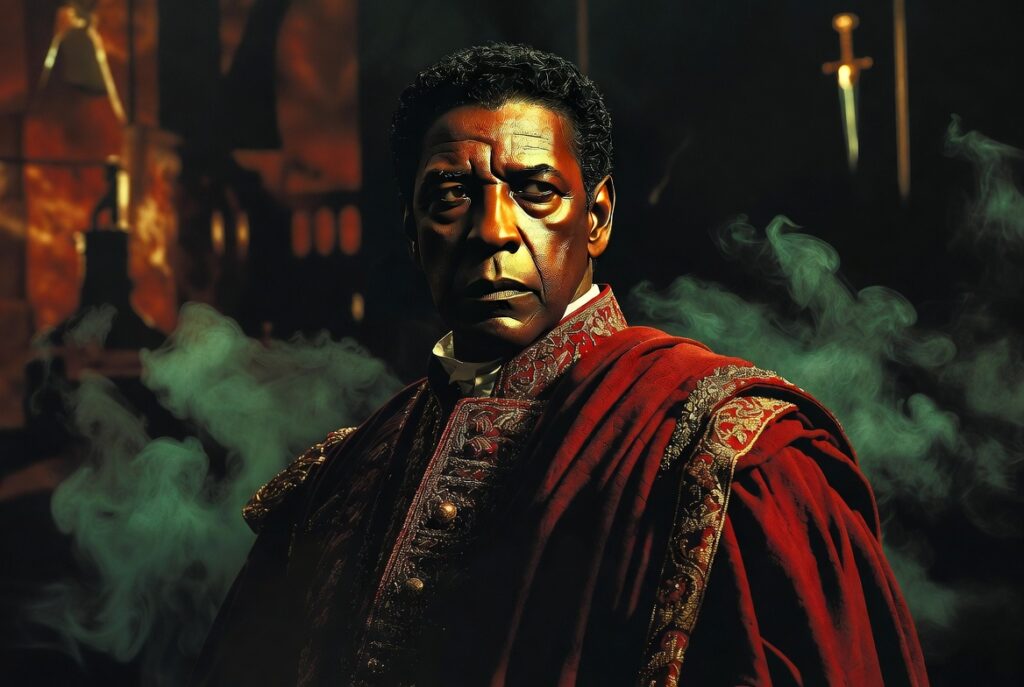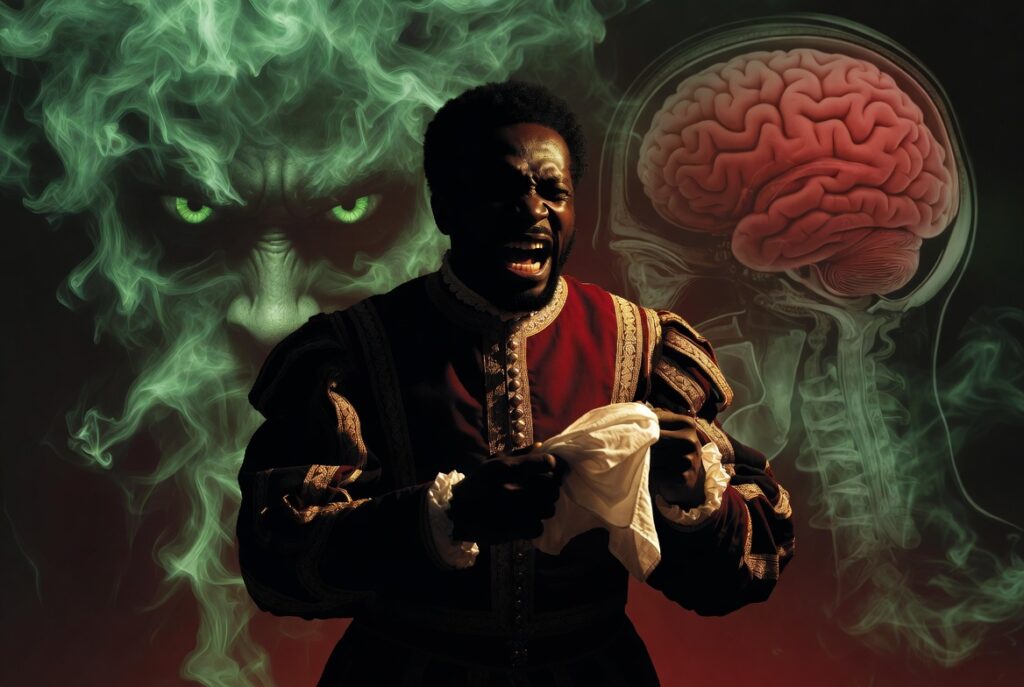
“O, beware, my lord, of jealousy; / It is the green-eyed monster which doth mock / The meat it feeds on.” These chilling words from Shakespeare’s Othello (Act 3, Scene 3) have echoed through centuries, capturing the destructive power of unchecked suspicion. Yet what if that “green-eyed monster” were not mere dramatic flair but a clinical reality? Consider a 68-year-old man with Parkinson’s disease who, after starting dopamine agonists, becomes convinced his devoted wife of 40 years is secretly meeting lovers—fabricating “proof” from rearranged furniture and imagined phone calls, escalating to threats and surveillance. This is not fiction. It is a documented presentation of Othello syndrome, a rare but devastating form of delusional jealousy named directly after Shakespeare’s tragic Moor.
In this comprehensive guide, we explore how Shakespeare’s Othello—written over 400 years ago—serves as the literary blueprint for a psychiatric condition still recognized today. Whether you are a literature student, theater enthusiast, educator, or someone concerned about jealousy in relationships, this article delivers deep literary analysis paired with up-to-date clinical insights. You will gain a richer understanding of the play, recognize warning signs of pathological jealousy, and learn practical steps for empathy and support. By blending Elizabethan drama with modern neuroscience and psychiatry, we address a real need: bridging timeless art with mental health awareness in an era when social media amplifies insecurity and relational doubt.
What Is Othello Syndrome? Defining Delusional Jealousy Today
Othello syndrome, also termed delusional jealousy, morbid jealousy, or pathological jealousy, refers to a fixed, false belief that one’s romantic partner is unfaithful despite overwhelming evidence to the contrary. It is not listed as a standalone diagnosis in the DSM-5-TR but falls under Delusional Disorder, Jealous Type. The core feature is a preoccupation with infidelity that dominates the individual’s thoughts, often leading to compulsive behaviors such as spying, interrogating, or searching for “proof.”
Clinical Definition and DSM-5 Context
According to the DSM-5, the delusion must persist for at least one month and cannot be better explained by schizophrenia, bipolar disorder with psychotic features, or substance effects. Unlike everyday jealousy, which is fleeting and responsive to reassurance, Othello syndrome involves rigid, unshakable convictions. It is distinguished from obsessional jealousy (where doubts are recognized as irrational but intrusive) by its fully delusional quality—the sufferer treats imagined infidelity as absolute fact.
Historical Origins of the Term
The term “Othello syndrome” was coined in 1951 by British psychiatrist John Todd, who, with colleague K. Dewhurst, described cases of delusional jealousy in a landmark paper. Todd drew the parallel to Shakespeare’s protagonist, whose unfounded suspicions—fueled by Iago—lead to murder and suicide. The name has endured because the play so precisely dramatizes the progression from doubt to destructive certainty.
Prevalence and Demographics
Othello syndrome is rare but underdiagnosed. Studies report it in approximately 1.1% of psychiatric inpatients and up to 7% in patients with neurological conditions. A 2011 Mayo Clinic analysis of 105 cases found an average onset age of 68 years, with 61.9% male predominance. Neurological disorders account for roughly 70% of cases, far outpacing primary psychiatric causes.
Shakespeare’s Othello – The Literary Blueprint for Pathological Jealousy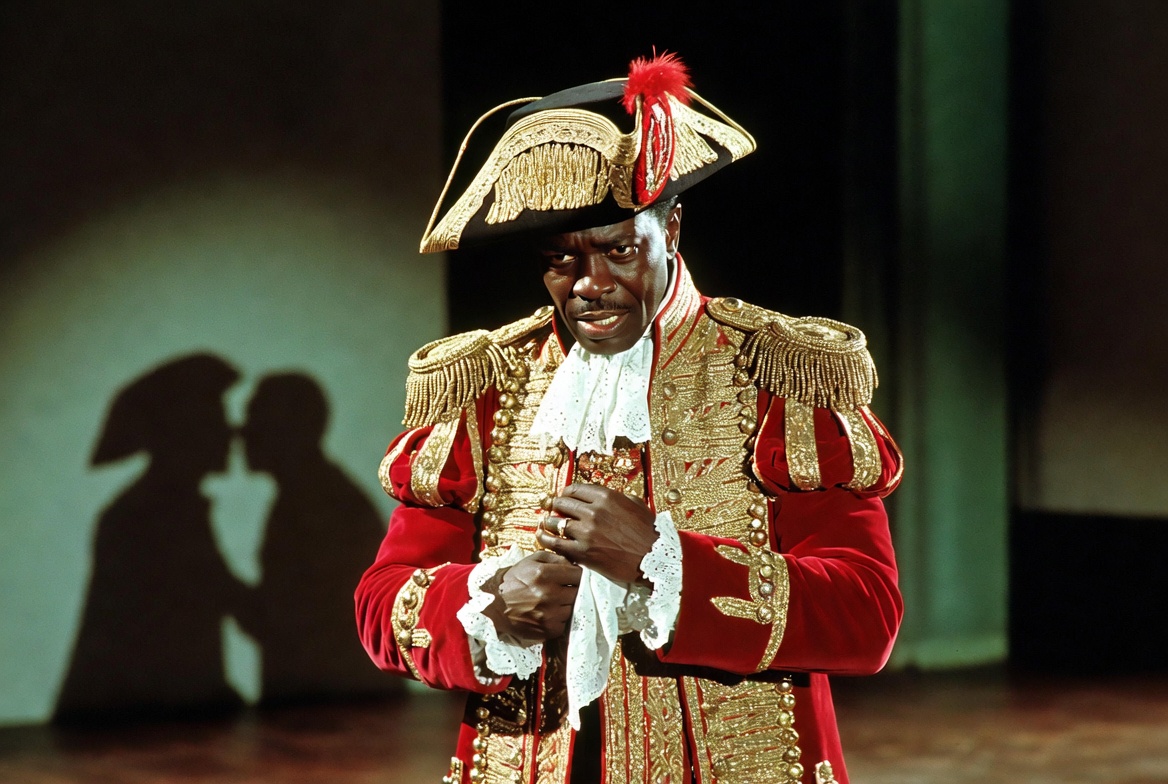
To appreciate how literature anticipated clinical psychiatry, we must return to the source.
Plot Summary Focused on Jealousy’s Arc
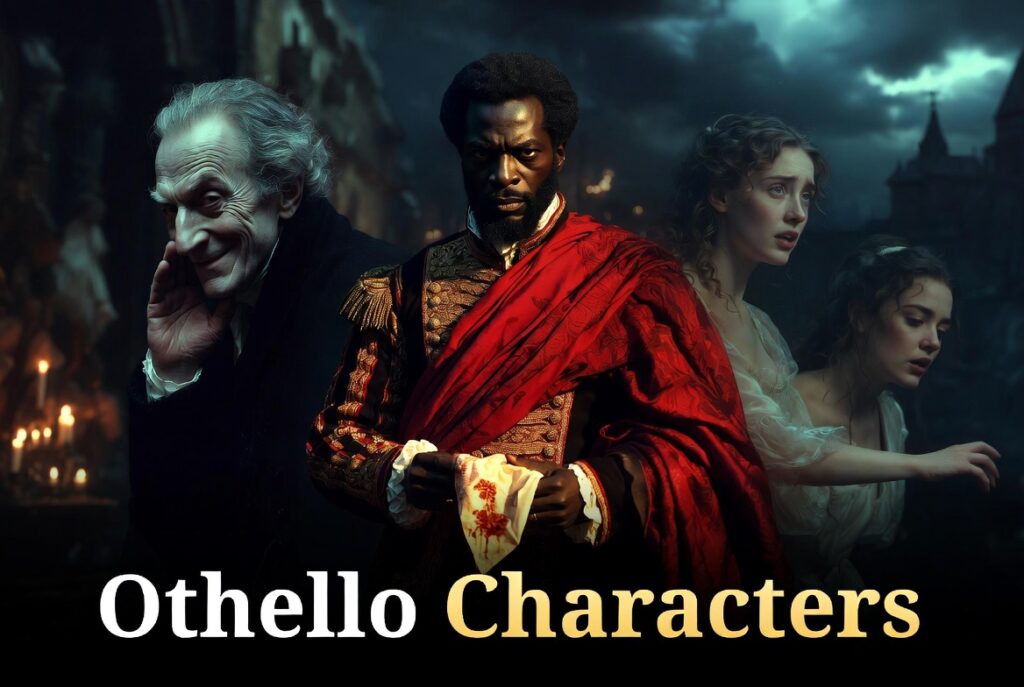
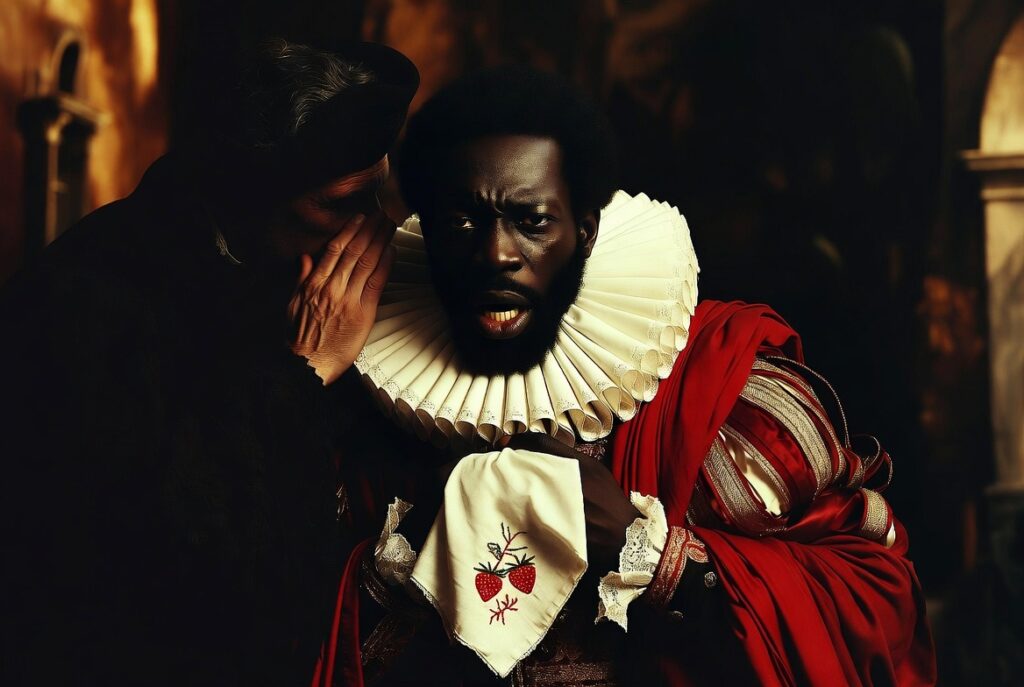
In Othello, the noble Moorish general marries Desdemona amid Venetian prejudice. Promoted Iago, passed over for lieutenant, engineers Othello’s downfall by planting seeds of doubt: Cassio’s supposed affair with Desdemona, symbolized by the fateful handkerchief. What begins as subtle suggestion spirals into Othello’s absolute conviction, culminating in Desdemona’s strangulation and Othello’s suicide.
Character Analysis: Othello as the Archetype
Othello is not initially delusional. A respected military leader, he is secure in his command yet vulnerable due to his outsider status—race, age, and cultural differences fuel Iago’s exploitation. Scholar A.C. Bradley famously noted Othello’s “noble” nature makes his fall tragic; his trust, once betrayed in imagination, becomes an unyielding obsession. The character embodies how external manipulation exploits internal insecurities, mirroring real-world triggers.
Iago’s Manipulation vs. Pure Delusion
Here lies a key literary-clinical distinction. In the play, Othello’s jealousy is externally provoked by Iago’s masterful gaslighting—fabricated evidence, half-truths, and emotional poison. Clinical Othello syndrome is often endogenous, arising from brain dysfunction without such a clear external agent. Yet Shakespeare brilliantly illustrates the mechanism: confirmation bias, where innocuous details (a handkerchief, a dream) become irrefutable proof. Modern critics like Stephen Greenblatt highlight how Iago weaponizes cultural anxieties about cuckoldry and honor in Renaissance England.
Renaissance Context: Jealousy, Honor, and Gender in Elizabethan England
Elizabethan society prized male honor tied to female chastity. Cuckoldry was a public shame, symbolized by horns. Shakespeare dramatizes these patriarchal fears, showing how jealousy destroys not only the suspected partner but the jealous individual. The play critiques rather than endorses these norms, inviting audiences to question the “green-eyed monster.”
Literary Psychology: How Othello Mirrors (and Illuminates) Delusional Jealousy
Shakespeare’s genius lies in psychological realism centuries before Freud or DSM criteria.
The Green-Eyed Monster in Action – Key Scenes Dissected
Act 3, Scene 3 is the pivotal “temptation scene.” Iago’s repeated “Indeed!” and “Ha!” plant doubt. By Act 4, Othello demands “ocular proof” yet accepts the handkerchief as damning evidence—classic delusional interpretation. Soliloquies reveal escalating fixation: “I’ll tear her all to pieces!” The handkerchief motif functions as a delusional “proof” object, akin to real patients who misinterpret clothing or timestamps.
Psychological Mechanisms in the Play
Cognitive distortions abound: catastrophizing, mind-reading, and projection. Othello projects his insecurities onto Desdemona (“She did deceive her father, marrying you”). This parallels clinical models of confirmation bias and impaired reality testing. The tragedy foreshadows modern findings that delusional jealousy often involves right frontal lobe dysfunction—areas linked to impulse control and social cognition.
Tragedy as Cautionary Tale
Up to 60% of clinical Othello syndrome cases involve threats or violence toward partners. Shakespeare’s ending—Othello’s realization (“O fool! fool! fool!”) too late—underscores the human cost. The play remains a powerful warning: unchecked delusional jealousy destroys lives.
Neurological and Psychiatric Roots of Othello Syndrome
Literature provides the metaphor; neuroscience supplies the mechanism.
Common Underlying Causes
- Psychiatric: Delusional disorder, schizophrenia, substance-induced (alcohol, cocaine).
- Neurological: Neurodegenerative diseases (Parkinson’s, Alzheimer’s, frontotemporal dementia) in 76.7% of neurological cases; cerebrovascular accidents (strokes), especially right frontal or thalamic lesions.
- Medication Triggers: Dopamine agonists (pramipexole, ropinirole) in Parkinson’s patients—remission often follows dose reduction.
A 2024 review of 73 cases confirmed delusional disorder, stroke, and dopaminergic agents as top etiologies.
Brain Imaging Insights
Voxel-based morphometry studies show greater gray-matter loss in dorsolateral frontal lobes among affected neurodegenerative patients. Right-sided lesions predominate in structural cases (60% in recent imaging data), implicating areas responsible for emotional regulation and belief updating.
Risk Factors and Triggers
Advanced age, male sex (in many cohorts), relationship stress, past trauma, and chronic alcohol use heighten vulnerability. In Parkinson’s, impulse-control disorders often co-occur.
Recognizing the Signs – Symptoms of Othello Syndrome in Real Life and Literature
Early recognition saves lives. Compare these parallel presentations:
| Symptom | In Shakespeare’s Othello | In Clinical Cases |
|---|---|---|
| Obsessive accusations | Repeated demands for confession | Constant interrogation and accusations |
| Fabricated “proof” | Handkerchief as evidence | Misinterpreted texts, clothing, or absences |
| Spying and control | Hiring Iago to surveil | Checking phones, GPS tracking, following partner |
| Escalating fixation | From doubt to “ocular proof” | Fixed delusion lasting months/years |
| Violence risk | Strangulation of Desdemona | Threats, physical harm (34% of reviewed cases) |
Partners often experience isolation, fear, and emotional abuse. Families report profound distress.
Practical Tip for Readers: If you or a loved one shows these signs—especially alongside neurological symptoms—consult a psychiatrist promptly. Safety planning is essential.
Diagnosis, Treatment, and Recovery – A Modern Guide
Accurate diagnosis of Othello syndrome requires careful differentiation from normal jealousy, obsessional jealousy, and other psychotic disorders. Clinicians begin with a thorough psychiatric evaluation, detailed history (including medication use, neurological conditions, and substance exposure), and collateral information from family members, as patients often lack insight into their delusions. Neuroimaging (MRI or CT) is frequently warranted to identify structural lesions, especially right frontal or thalamic involvement. Laboratory tests rule out metabolic, toxic, or infectious causes.
Differential diagnosis is crucial:
- Obsessional jealousy involves intrusive doubts recognized as excessive, often responsive to cognitive-behavioral therapy (CBT).
- Delusional jealousy (Othello syndrome) features fixed, unshakable beliefs impervious to evidence.
- Other conditions include schizophrenia, bipolar disorder with psychotic features, substance-induced psychosis, or dementia-related behavioral changes.
A 2024 systematic review and case series emphasized that consultation-liaison psychiatry plays a vital role, particularly when Othello syndrome presents in medical settings like Parkinson’s disease or post-stroke care.
Evidence-Based Treatments
Treatment targets the underlying cause while addressing the delusion directly. Success rates are encouraging when intervention is timely.
- Medication Adjustment (Especially in Neurological Cases): In Parkinson’s disease patients on dopamine agonists (e.g., pramipexole, ropinirole), dose reduction or discontinuation often leads to rapid improvement or full resolution. Multiple case series show near-complete remission after switching to levodopa monotherapy or lowering agonist doses. Deep brain stimulation (STN-DBS) has also resolved symptoms in refractory cases by allowing further medication reduction.
- Antipsychotic Medications: These remain the cornerstone for most cases. Atypical antipsychotics (e.g., olanzapine, risperidone, quetiapine, or clozapine in Parkinson’s patients to avoid worsening motor symptoms) are used in approximately 78% of reported cases. Remission occurs in about 70% of patients overall.
- Addressing Co-morbidities: Treat underlying depression (present in ~19% of cases), alcohol use disorder, or neurodegenerative progression. Cholinesterase inhibitors like rivastigmine have shown benefit in some dementia-associated cases.
- Psychotherapy: Once acute delusions lessen, CBT adapted for delusions can help challenge cognitive distortions and improve relationship dynamics. Family therapy supports partners and reduces isolation.
Prognosis varies by etiology. The average duration of Othello syndrome across reviewed cases is approximately 39.5 months, but earlier intervention shortens this significantly. Remission is more likely when a reversible trigger (medication or acute stroke) is identified.
Practical Tips for Loved Ones
If you suspect Othello syndrome in a partner or family member:
- Ensure immediate safety—document threats and consult domestic violence resources or emergency services if violence seems imminent (reported in up to 34–60% of cases).
- Avoid direct confrontation of the delusion, which can escalate agitation; instead, gently redirect and seek professional help.
- Encourage a full medical and psychiatric evaluation, mentioning any neurological symptoms or new medications.
- Seek support for yourself—caregiver burden is high, and therapy can prevent secondary trauma.
- Educate yourself through reputable sources while remembering that empathy does not mean endorsing the delusion.
Shakespeare’s tragedy offers a profound caution: Othello’s realization comes too late. In real life, timely recognition can prevent similar devastation.
Why Shakespeare Still Matters – Using Othello to Understand Mental Health
Literature has long served as a mirror to the human psyche, and Othello remains one of the most powerful examples. Reading the play with knowledge of delusional jealousy deepens appreciation of Shakespeare’s psychological insight, written centuries before modern psychiatry.
Literature as Empathy Tool
Engaging with Othello’s descent fosters compassion for those experiencing or affected by pathological jealousy. It humanizes the sufferer—Othello is not a monster but a noble man undone by vulnerability and manipulation. Audiences gain insight into how insecurity, cultural othering, and distorted evidence processing can erode reality testing. This literary empathy translates to real-world understanding of neuropsychiatric conditions, reducing stigma around delusional disorders.
Cultural Legacy and Modern Adaptations
From Orson Welles’ 1952 film to contemporary stage productions and psychological retellings, Othello continues to resonate. Modern adaptations often highlight themes of gaslighting, racial anxiety, and relational trauma—mirroring how social media today amplifies jealousy through curated images and constant connectivity. Theater workshops exploring the play have been used in mental health education to discuss consent, trust, and emotional regulation.
Broader Lessons for Today’s Audiences
In an age of digital surveillance and performative relationships, distinguishing healthy concern from pathological fixation is more relevant than ever. Shakespeare warns against the “green-eyed monster” while illustrating its mechanisms: confirmation bias (interpreting neutral events as proof), projection of personal insecurities, and the corrosive effect of unchecked suspicion. For literature students and theater lovers, analyzing Othello alongside clinical Othello syndrome enriches textual interpretation and connects Elizabethan drama to contemporary mental health discourse.
Your Shakespeare-focused website visitors—whether scholars, students, or casual readers—benefit from this interdisciplinary lens, transforming a classic tragedy into a tool for greater self-awareness and relational wisdom.
Expert Insights and Further Reading
Leading Shakespeare scholar A.C. Bradley described Othello as “not easily jealous” yet “perplexed in the extreme” once wrought, highlighting the character’s tragic openness to deception rather than inherent flaw. This aligns with clinical observations that many patients with Othello syndrome were previously stable and trusting.
Psychiatrists note that while the play features external manipulation by Iago, real-world cases often stem from internal brain changes—yet the dramatic progression (doubt → fixation → action) remains strikingly similar.
Recommended resources:
- Graff-Radford et al. (2011) on clinical and imaging features.
- Park et al. (2024) systematic review in Journal of the Academy of Consultation-Liaison Psychiatry.
- Todd & Dewhurst (1955) original paper coining the term.
- Key Shakespeare texts: Bradley’s Shakespearean Tragedy and Greenblatt’s cultural analyses.
On this site, explore related articles on themes of jealousy in Shakespeare, tragic heroes, and literature’s intersection with psychology.
Frequently Asked Questions (FAQs)
What is the difference between normal jealousy and Othello syndrome? Normal jealousy is temporary, evidence-based, and responsive to reassurance. Othello syndrome involves fixed delusions of infidelity that persist despite contrary proof and often lead to controlling or harmful behaviors.
Is Othello syndrome the same as in Shakespeare’s play? The term draws inspiration from the play’s depiction of escalating unfounded jealousy, but clinical cases are frequently driven by neurological or psychiatric conditions rather than pure external manipulation. Shakespeare captured the emotional and behavioral arc with remarkable accuracy.
Can Othello syndrome be cured? Many cases achieve full or partial remission (around 70%) with targeted treatment, especially when underlying causes like medication side effects or acute neurological events are addressed. Early intervention improves outcomes.
Does Othello syndrome affect women? Yes, though studies show male predominance (roughly 60–65%), women can develop the condition, particularly in contexts of neurodegenerative disease or primary psychiatric disorders.
How is Othello syndrome treated when linked to Parkinson’s? Priority is given to reducing or discontinuing dopamine agonists, often with good response. Antipsychotics safe for Parkinson’s (e.g., quetiapine or clozapine) may be added, alongside motor symptom management.
Can social media worsen delusional jealousy? While not a direct cause, constant exposure to idealized relationships can heighten insecurity and provide “evidence” for misinterpretation in vulnerable individuals.
Shakespeare’s Othello transcends its Elizabethan origins to illuminate one of the most painful intersections of love, trust, and the human mind. By naming delusional jealousy after its tragic hero, psychiatry acknowledges literature’s power to anticipate clinical phenomena. The play does not merely dramatize jealousy—it dissects the cognitive, emotional, and social pathways that turn suspicion into catastrophe.
For readers of Shakespeare, this exploration offers fresh layers of meaning: the handkerchief is not just a prop but a symbol of how the brain can weaponize innocuous details. For those touched by mental health challenges, it provides validation that these struggles have deep historical and artistic roots, reducing isolation.
Ultimately, Othello cautions us to guard against the green-eyed monster while urging empathy for those ensnared by it. Whether you approach this topic as a lover of literature, a student of psychology, or someone seeking understanding in personal relationships, the intersection of Shakespeare’s genius and modern science reminds us of humanity’s shared vulnerability—and our capacity for insight and healing.
Revisit Othello with new eyes. If jealousy in your life or a loved one’s feels consuming or irrational, reach out to a qualified mental health professional. Knowledge, compassion, and timely care can rewrite endings that tragedy once dictated.