Imagine the thunderous roar of a packed high school gymnasium, the squeak of sneakers on polished hardwood, and the tension of a championship game hanging in the balance. Now picture that same intensity twisted by jealousy, betrayal, and racial undercurrents that echo one of William Shakespeare’s most powerful tragedies. This is the world of the Othello basketball movie — the 2001 film O, a bold and often overlooked adaptation that transplants the Moor of Venice onto the basketball courts of an elite American prep school.
For students, educators, Shakespeare enthusiasts, and film lovers searching for modern retellings of classic literature, O delivers a gripping, relevant bridge between Elizabethan drama and contemporary teen life. Directed by Tim Blake Nelson and written by Brad Kaaya, this film demonstrates how Shakespeare’s exploration of jealousy, manipulation, and destruction remains devastatingly timeless when reimagined through the lens of competitive sports, racial isolation, and high school pressure.
In this comprehensive guide, we dive deep into how O adapts Shakespeare’s Othello, analyze its characters, themes, cinematic techniques, cultural impact, and enduring lessons. Whether you’re writing an essay, planning a classroom lesson, or simply seeking a richer understanding of this underrated gem, this article provides the detailed insights you need.
Understanding the Origins – Shakespeare’s Othello and the Need for Modern Retellings
Key Plot and Themes in Shakespeare’s Original Othello
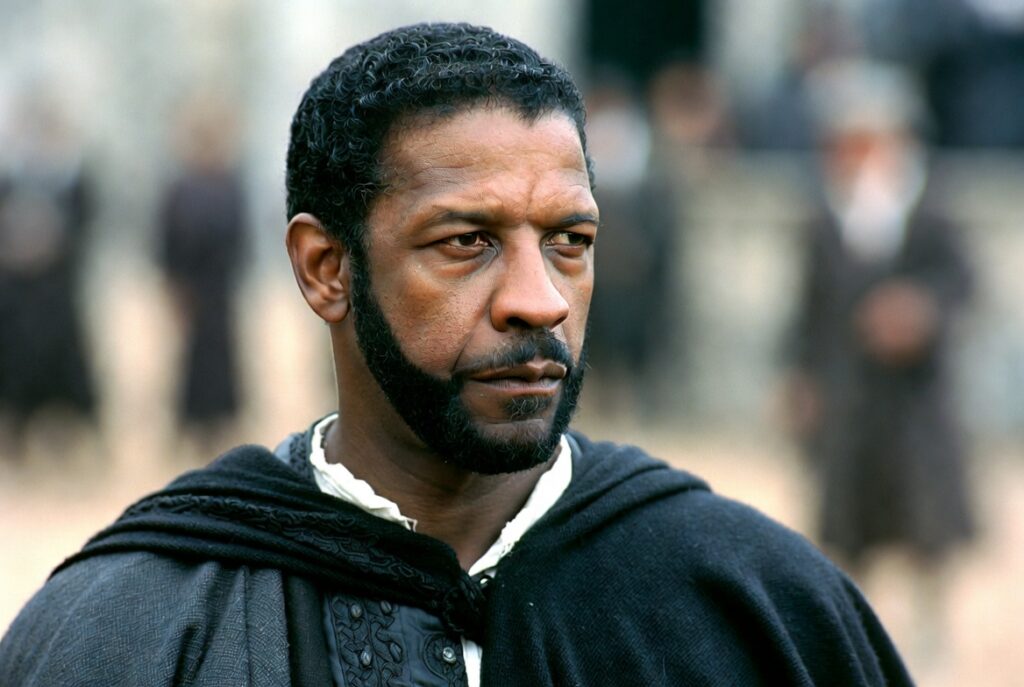
William Shakespeare’s Othello, written around 1603, follows the noble Moorish general Othello, who is manipulated by his ensign Iago into believing his wife Desdemona has been unfaithful with his lieutenant Cassio. Fueled by jealousy, Othello murders Desdemona before taking his own life. The play masterfully examines jealousy as a “green-eyed monster,” the destructive power of deception, racial prejudice in Venetian society, and the fragility of reputation.
Why Update Othello for a Modern Audience?
Classic Shakespeare can feel distant to today’s students. Modern adaptations like 10 Things I Hate About You (Taming of the Shrew), Romeo + Juliet (Baz Luhrmann), or O make the Bard’s insights accessible by placing them in recognizable settings. O specifically uses basketball — a sport symbolizing teamwork, rivalry, status, and physical dominance — to mirror the military hierarchy and masculine honor codes of Shakespeare’s world.
The Basketball Metaphor – Competition, Team Dynamics, and Masculinity
In O, the court becomes a battlefield where victory brings glory and defeat invites resentment. The high-stakes environment amplifies human flaws: the need for validation, fear of replacement, and toxic competitiveness that can turn teammates into enemies.
The Film ‘O’ (2001) – An Overview
Production Background and Director Tim Blake Nelson
Released on August 31, 2001, O was filmed in 1999 but delayed due to the Columbine High School massacre, as its themes of teen violence and school tragedy hit too close to reality. Director Tim Blake Nelson, known for acting roles in films like O Brother, Where Art Thou?, crafted a thoughtful, intense drama on a modest $5 million budget. It ultimately grossed over $19 million and earned mixed but respectful reviews.
Screenwriter Brad Kaaya drew from his experiences as a Black student in a predominantly white private school, adding authentic layers to the racial dynamics.
Cast Breakdown and Standout Performances
- Mekhi Phifer as Odin James (Othello): Phifer delivers a charismatic, vulnerable performance as the star basketball player and the only Black student at Palmetto Grove Academy. His Odin is confident yet increasingly isolated, capturing the tragic hero’s nobility and fatal flaw of jealousy.
- Josh Hartnett as Hugo Goulding (Iago): Hartnett’s chilling portrayal of the coach’s son is one of the film’s highlights. Hugo’s quiet resentment and calculated manipulation feel disturbingly realistic for a modern teenager.
- Julia Stiles as Desi Brable (Desdemona): Stiles brings warmth, independence, and sensuality to Desi, making her more than a passive victim. Her chemistry with Phifer is electric.
- Supporting roles include Elden Henson as Roger (Roderigo), Andrew Keegan as Michael Cassio, Martin Sheen as Coach Duke Goulding, and John Heard as Dean Brable.
Setting and Visual Style – Private Academy Basketball Culture
The film is set in an elite Southern prep school, emphasizing class and racial contrasts. Basketball sequences are dynamic, with energetic camerawork that captures both the thrill of the game and the underlying pressures. The visual style blends gritty realism with symbolic imagery, such as doves and hawks representing innocence versus predation.
Character Parallels – From Elizabethan Venice to American High School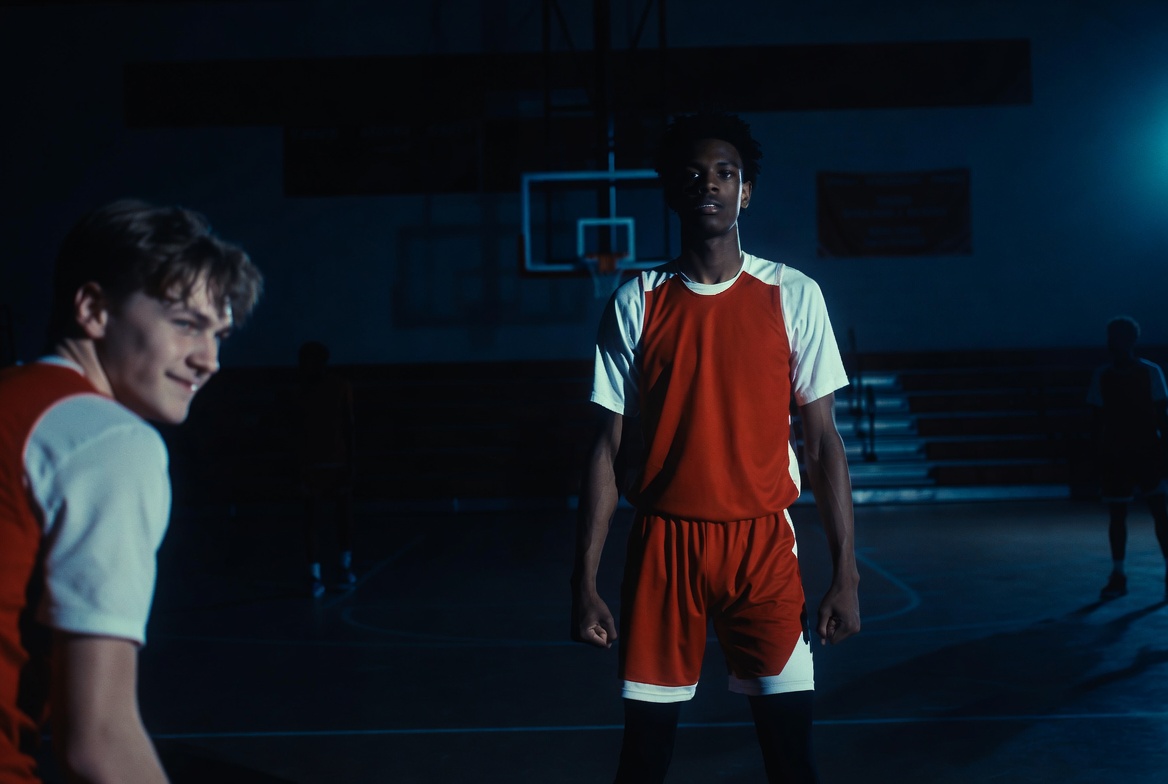
One of the greatest strengths of the Othello basketball movie lies in its intelligent, layered character adaptations. The film preserves the emotional core and psychological depth of Shakespeare’s archetypes while making them feel authentic to early 2000s American high school life.
Detailed Side-by-Side Comparison
| Shakespeare Character | Film ‘O’ Counterpart | Key Similarities | Modern Updates |
|---|---|---|---|
| Othello | Odin James | Charismatic leader, outsider, jealous | Star Black athlete in white school |
| Iago | Hugo Goulding | Master manipulator, envious | Coach’s son seeking attention |
| Desdemona | Desi Brable | Loyal, loving, independent | Modern, sexually confident teen |
| Cassio | Michael Cassio | Loyal lieutenant, promoted | Talented teammate |
| Roderigo | Roger | Wealthy, gullible follower | Lovestruck, drug-influenced teen |
Odin James vs. Othello – Race, Leadership, and Isolation
Mekhi Phifer’s Odin is a star basketball player on track for an NCAA scholarship. Like Shakespeare’s Moor, he is respected for his talent yet remains an outsider due to race. The film powerfully explores the pressure of being “the only one” — the burden of representation and the subtle (and not-so-subtle) racism he faces. Odin’s arc from confident leader to paranoid destroyer mirrors Othello’s fall with heartbreaking precision.
Hugo as the Modern Iago – Manipulation in the Age of Sports Psychology
Josh Hartnett’s Hugo is arguably the standout performance. As the coach’s son who feels overshadowed by Odin’s natural talent, Hugo weaponizes psychology, rumors, and performance-enhancing drugs. His famous soliloquies are transformed into direct-to-camera confessions that feel chillingly contemporary. Hugo embodies toxic ambition and the danger of quiet resentment in competitive environments.
Desi Brenton – A Contemporary Desdemona
Julia Stiles portrays Desi as an intelligent, passionate young woman from a privileged background. Unlike some passive interpretations of Desdemona, Desi is sexually aware and assertive. Her relationship with Odin highlights interracial dynamics and the destructive power of rumors on female reputation.
Minor Characters and Their Shakespearean Counterparts
The film maintains strong parallels for Emilia (Emily), Brabantio (Dean Brable), and others, creating a tight ensemble that supports the central tragedy.
How ‘O’ Adapts Shakespeare’s Plot to Basketball Drama
The Handkerchief Becomes the Championship Jacket (Symbolic Analysis)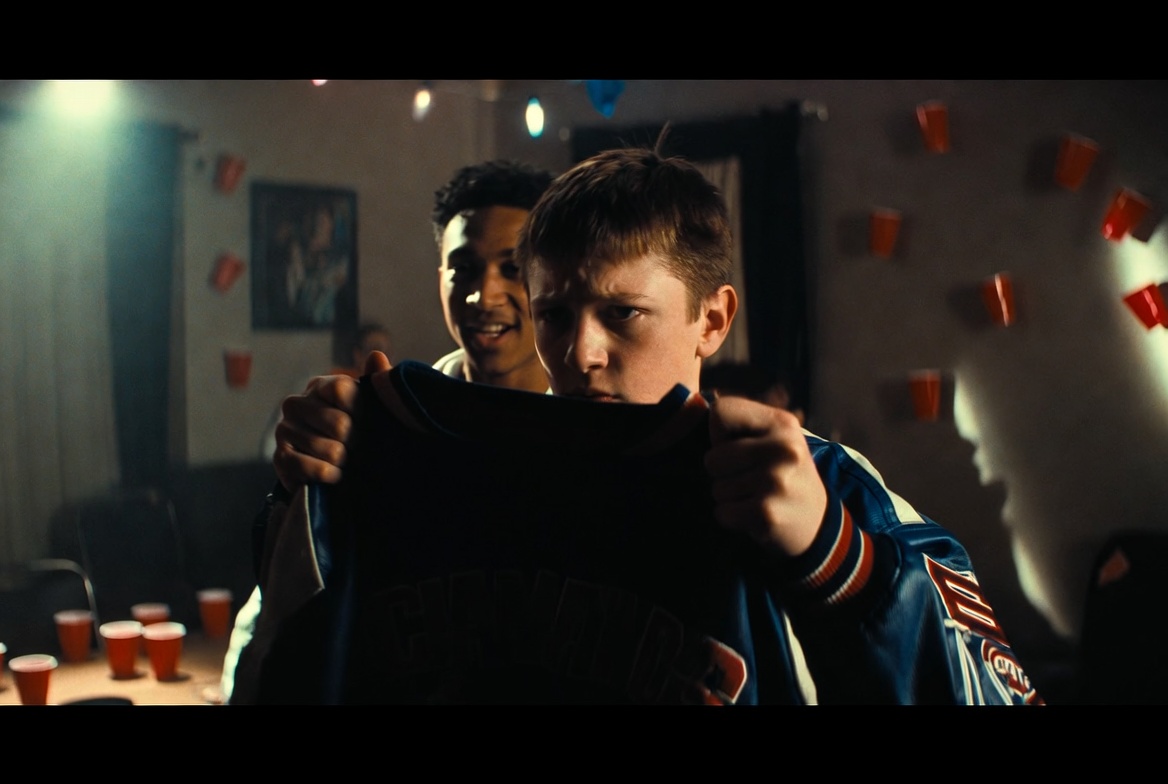
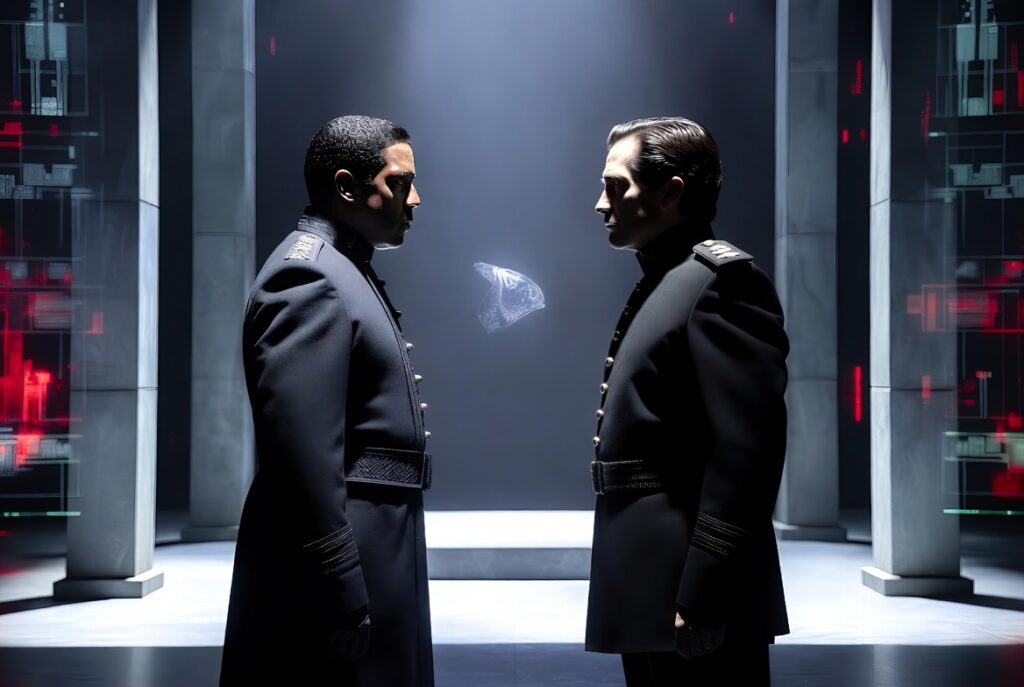
One of the most clever adaptations is the symbolic replacement of Desdemona’s handkerchief with Odin’s “Man of the Match” jacket. This coveted item becomes proof of fidelity and status. When Hugo manipulates its movement, the symbolism resonates powerfully with both Shakespeare purists and sports fans.
Key Scenes Reimagined – From the Court to the Party
The film relocates key confrontations to basketball games, locker rooms, house parties, and dorm rooms. The promotion scene becomes Odin recommending Michael for team captain, triggering Hugo’s envy. Seduction and deception unfold through whispered conversations during practice and late-night parties fueled by alcohol and peer pressure.
Building Suspense Through Sports Rivalries and Peer Pressure
The basketball court serves as both literal and metaphorical arena. Victory celebrations heighten the stakes, while locker room talks expose vulnerabilities. The film excels at showing how group dynamics and toxic masculinity amplify personal insecurities.
The Tragic Climax – How the Film Delivers Shakespeare’s Devastating Ending
Without spoiling specifics for first-time viewers, O remains remarkably faithful to the emotional devastation of Shakespeare’s final act. The climax is intense, raw, and remains one of the most memorable conclusions in teen drama cinema.
Major Themes in the Othello Basketball Movie
Jealousy and Toxic Masculinity in Competitive Sports
O dissects how jealousy operates in hyper-competitive male environments. The film illustrates the “green-eyed monster” through athletic pressure, scholarship stakes, and the fear of being replaced — both on the court and in relationships.
Race and Representation in Early 2000s America
Released shortly after the turn of the millennium, O offers a nuanced look at racial tokenism, microaggressions, and the “model minority” pressure placed on talented Black athletes. Odin’s experience feels painfully relevant even today.
Friendship, Betrayal, and Manipulation
At its heart, the Othello basketball movie warns about the fragility of trust. Hugo’s manipulation exploits genuine friendships and insecurities with surgical precision.
The American Dream vs. Reality for Talented Young Athletes
The film critiques the myth that exceptional talent guarantees happiness or security. Odin’s journey reveals the isolation and exploitation often hidden behind sports glory.
Sexuality, Reputation, and Double Standards
O examines how rumors about female sexuality can destroy lives while male behavior faces different scrutiny — a theme that resonates strongly with contemporary discussions around cancel culture and social media.
Cinematic Techniques and Directorial Choices
Use of Basketball Footage and Sound Design
Tim Blake Nelson integrates dynamic basketball sequences with a pulsing hip-hop and rock-infused score. The sound design during games heightens adrenaline while quieter moments use silence and breathing effectively to build psychological tension.
Cinematography and Symbolism
Cinematographer Russell Lee Fine employs tight close-ups during moments of manipulation and wide shots during games to emphasize isolation. Recurring motifs of birds (hawks vs. doves) and falling objects reinforce the tragic inevitability.
Musical Score and Its Emotional Impact
The soundtrack featuring artists like OutKast-era hip-hop and emotional ballads grounds the story in its time while amplifying emotional beats.
Differences from Other Shakespeare Adaptations
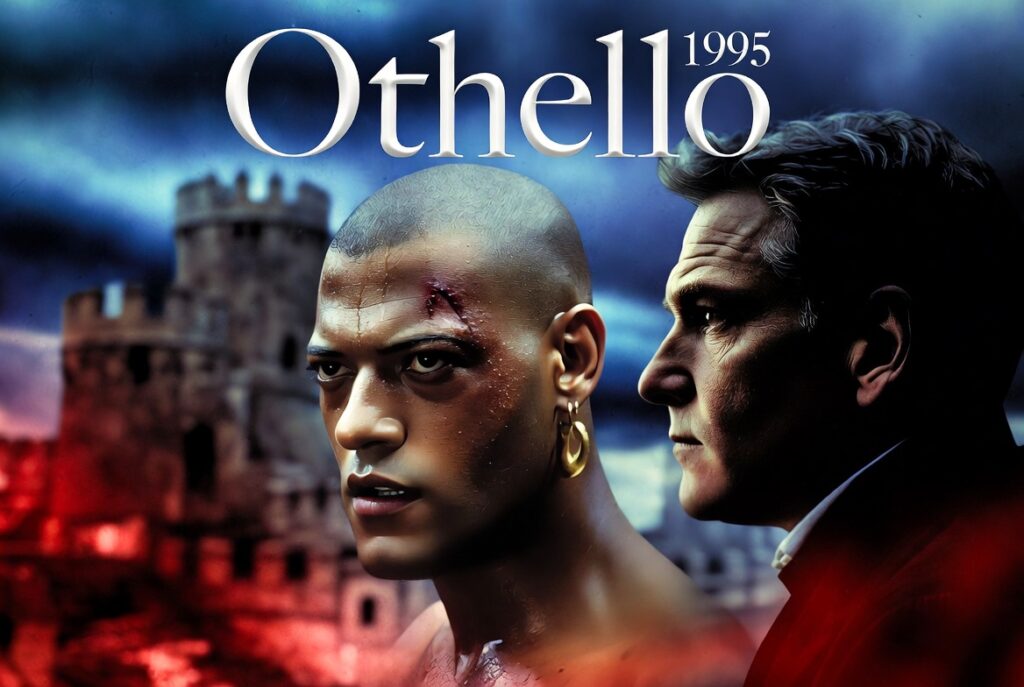
Compared to Baz Luhrmann’s flashy Romeo + Juliet or the more traditional 1995 Othello with Laurence Fishburne, O stands out for its grounded realism and focus on suburban/elite teen culture rather than urban spectacle or period drama.
Critical Reception and Cultural Impact
Box Office Performance and Initial Reviews
Despite distribution challenges and a delayed release following the Columbine tragedy, O earned over $19 million on a small budget. Critics praised the performances (especially Hartnett and Phifer) and the adaptation’s intelligence, though some noted its heavy-handed moments.
Why ‘O’ Was Controversial (Violence, Columbine Timing)
The film’s depiction of teen violence and school settings led to significant delays. In retrospect, its exploration of manipulated youth violence feels prescient.
Legacy and Relevance in Today’s Social Media Era
In the age of Instagram, TikTok, and viral rumors, Hugo’s manipulation tactics feel even more dangerous. O has gained renewed appreciation as audiences recognize its warnings about digital-age jealousy and reputation destruction.
Academic Use – Why Educators Love Teaching ‘O’
Many high school and college instructors pair the film with Shakespeare’s text. Its accessibility helps students connect with complex themes before tackling the original language.
‘O’ vs. Other Othello Adaptations – What Makes the Basketball Version Unique?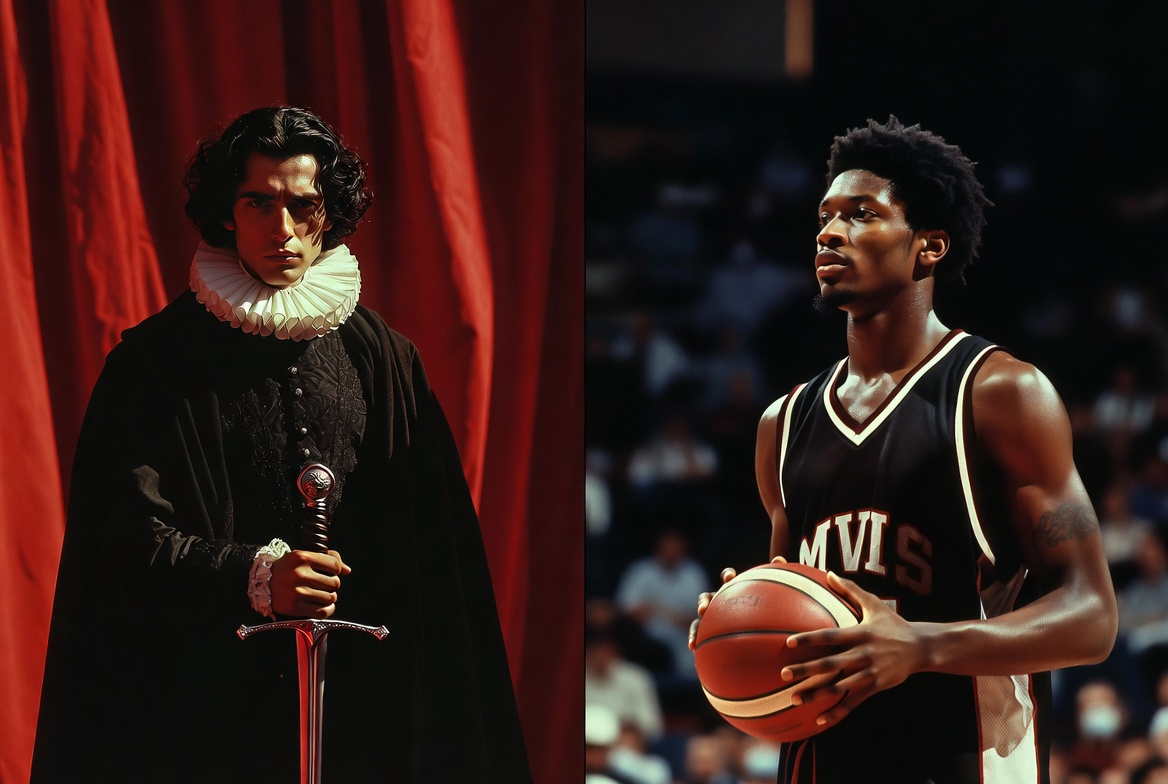
The basketball setting provides a uniquely American metaphor for power, race, and masculinity that period pieces or other modern versions lack. While Oliver Parker’s 1995 film excels in visual beauty and Fishburne’s commanding presence, O connects more directly with younger audiences through relatable high school pressures. Its greatest strength is making Shakespeare’s tragedy feel immediate and preventable — until it isn’t.
Strengths: Accessibility, strong performances, cultural relevance. Weaknesses: Occasional heavy symbolism and some dated early-2000s elements.
Lessons for Today – What ‘O’ Teaches Modern Audiences
Recognizing Manipulation in Sports, School, and Social Media
Hugo’s tactics — spreading rumors, exploiting insecurities, and gaslighting — mirror modern bullying and online manipulation.
The Dangers of Unchecked Jealousy and Toxic Competition
The film serves as a cautionary tale about the cost of winning at all costs.
Importance of Communication and Trust in Relationships
Odin’s failure to communicate openly with Desi proves fatal — a powerful reminder in any era.
Expert Insights and Teaching Resources
For educators: Use the film to discuss source material adaptation, racial themes in literature, and character motivation. Suggested essay prompts include:
- How does the basketball setting enhance or limit Shakespeare’s themes?
- In what ways does Odin’s racial isolation parallel or differ from Othello’s?
- Analyze Hugo’s motivations compared to Iago.
Recommended viewing order: Read Othello → Watch O → Discuss adaptations.
Common Questions About the Othello Basketball Movie (FAQ Section)
Was the movie ‘O’ based on a true story? No, though screenwriter Brad Kaaya drew from personal experiences attending a predominantly white prep school.
Why is the film called ‘O’? It refers to Odin’s nickname and serves as a shortened, modern version of Othello.
Is ‘O’ appropriate for high school students? It carries an R-rating for strong violence, language, drug use, and sexual content. Parental guidance and classroom editing are recommended.
Where can I watch the 2001 film ‘O’ legally? Available on major streaming platforms (check current availability on Amazon Prime, Tubi, or digital purchase on iTunes/Google Play).
How accurate is ‘O’ to Shakespeare’s original play? Remarkably faithful in structure, character arcs, and themes while successfully modernizing language and setting.
Key differences between the movie and the play? Updated symbols (jacket instead of handkerchief), added emphasis on sports culture and drugs, and a more explicit exploration of race in America.
The Othello basketball movie O stands as one of the most successful and thought-provoking Shakespeare adaptations of the early 21st century. By placing timeless themes of jealousy, betrayal, race, and ambition onto the high-stakes world of competitive basketball, it makes William Shakespeare’s tragedy accessible and deeply relevant to new generations.
Nearly 25 years after its release, O continues to deliver powerful lessons about trust, manipulation, and the human cost of unchecked emotions. For students struggling with Shakespeare’s language, teachers seeking engaging materials, or anyone interested in brilliant literary adaptations, this film remains essential viewing.
Shakespeare’s insights endure because human nature remains constant — whether on the battlefields of Cyprus or the basketball courts of an American prep school. Watch O, revisit Othello, and you’ll discover how brilliantly one feeds the other.
What are your thoughts on this adaptation? Have you used it in the classroom or discovered new layers on rewatch? Share in the comments below. For more in-depth explorations of Shakespeare’s works and their modern interpretations, explore our other articles on [William Shakespeare] adaptations and literary analysis.