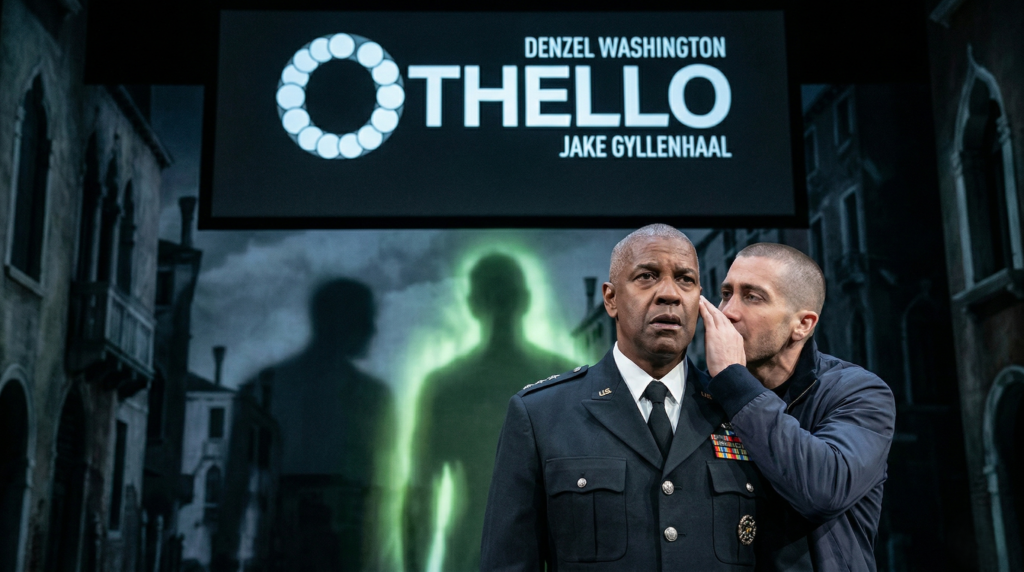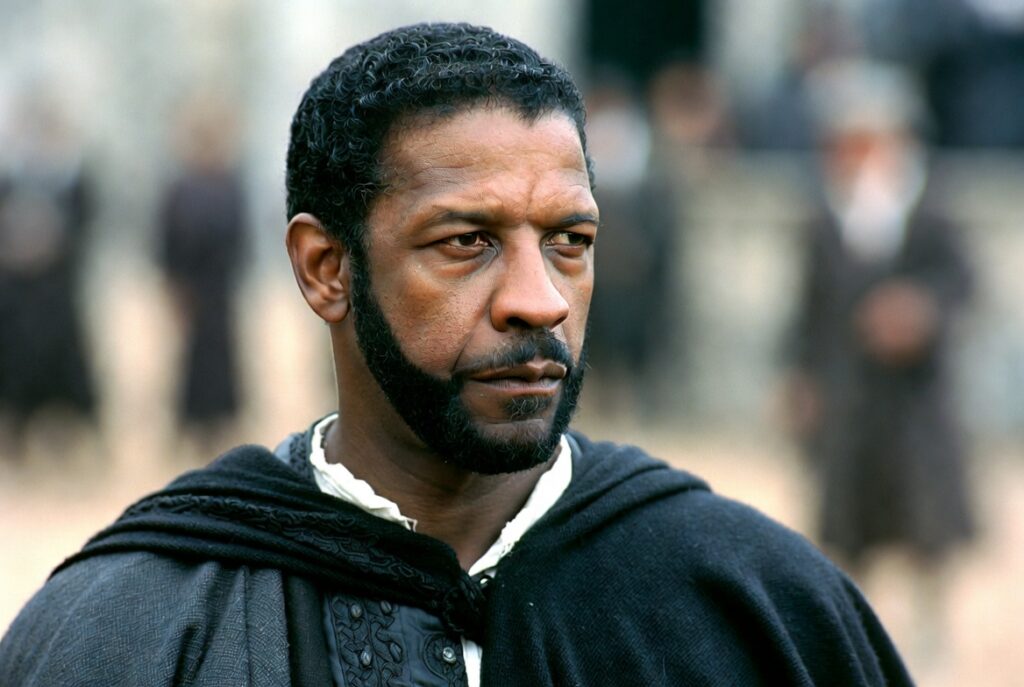
In the dim glow of the Ethel Barrymore Theatre, a commanding figure steps onto the stage, his voice cutting through the silence like a well-honed blade. Denzel Washington, one of the most respected actors of our time, embodies Othello—the noble Moor of Venice—bringing decades of life experience, gravitas, and emotional depth to Shakespeare’s most explosive tragedy. For fans of the Bard and theater enthusiasts alike, Othello Denzel Washington represents a landmark cultural moment: a star-powered revival that reinterprets timeless themes of jealousy, betrayal, race, and manipulation for the 21st century.
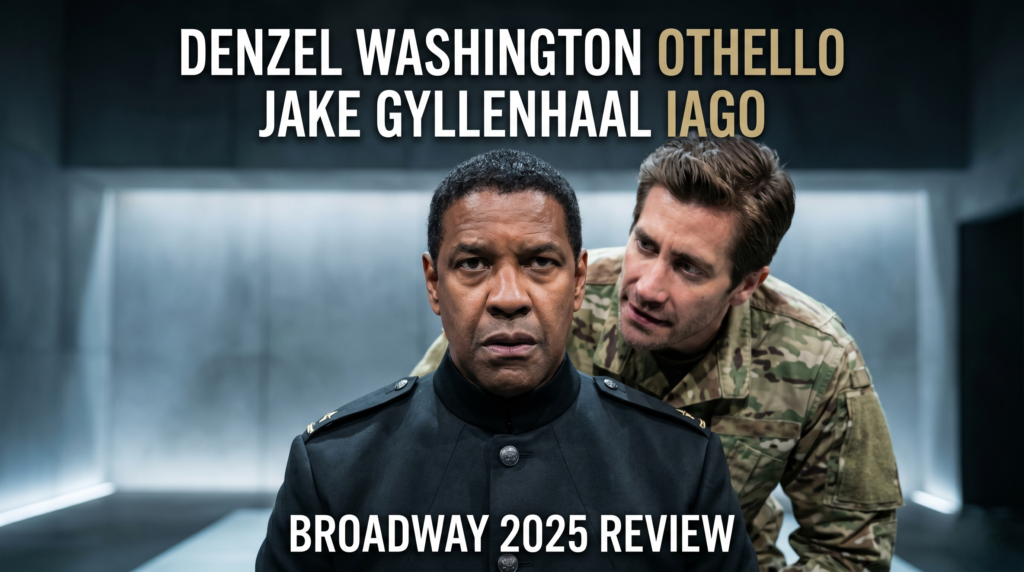
This 2025 Broadway production, directed by Kenny Leon and co-starring Jake Gyllenhaal as the cunning Iago, didn’t just draw massive audiences—it reignited conversations about Shakespeare’s enduring relevance. Whether you’re a student dissecting the text, a theater lover seeking modern adaptations, or someone curious about how a Hollywood icon tackles one of literature’s most complex roles, this article delivers the comprehensive guide you need. We’ll explore the play’s depths, Denzel’s nuanced performance, the production’s innovations, and practical lessons that resonate far beyond the stage.
The Enduring Power of Shakespeare’s Othello
Shakespeare’s Othello, written around 1603-1604, stands as one of the playwright’s most tightly constructed and psychologically penetrating tragedies. At its core, it is a story of a great man undone not primarily by external enemies, but by the insidious poison of doubt planted by someone he trusts.
Plot Summary – A Tragedy of Jealousy and Deception
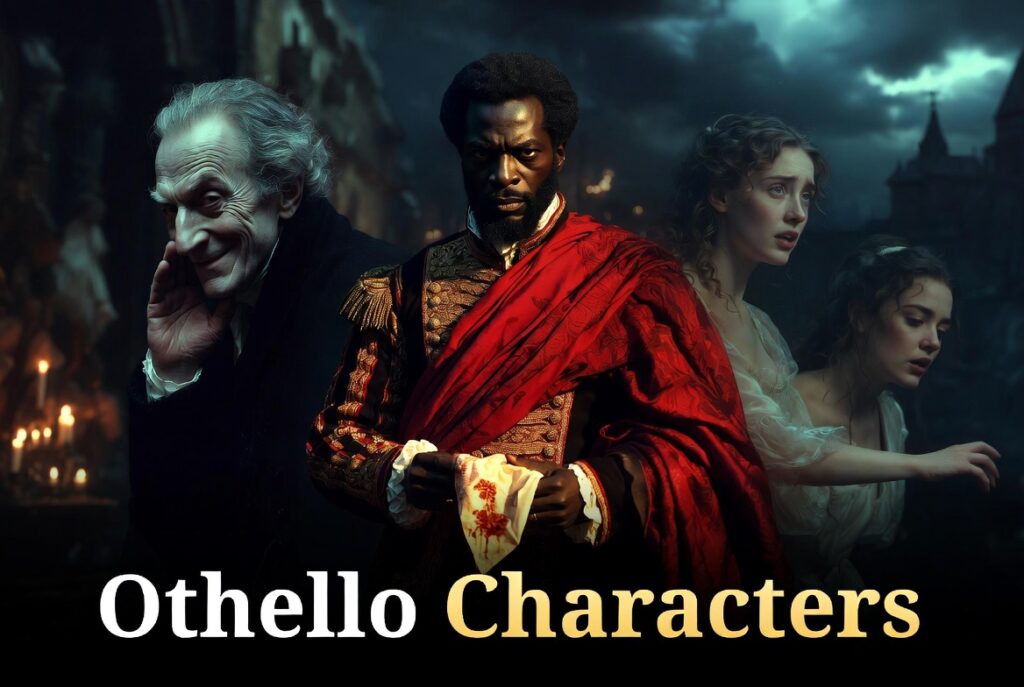
The play opens in Venice, where Iago, Othello’s ensign, resents being passed over for promotion in favor of the younger, less experienced Cassio. Iago hatches a elaborate scheme to destroy Othello by convincing him that his new wife, Desdemona, is having an affair with Cassio. What follows is a masterful descent: Othello’s love turns to suspicion, then to murderous rage. By the time the truth emerges, the bodies have piled up—Desdemona strangled in her bed, Emilia (Iago’s wife) slain for speaking truth, Roderigo murdered, and Othello taking his own life in a final act of tragic remorse.
The 2025 production wisely trims some elements (including the clown scene) while preserving the lean, propulsive momentum that makes Othello Shakespeare’s most stageable tragedy.
Core Themes in Othello
Several interlocking themes drive the drama:
- Jealousy as the “Green-Eyed Monster”: Iago famously warns, “O, beware, my lord, of jealousy; / It is the green-eyed monster which doth mock / The meat it feeds on.” The play dissects how unfounded suspicion can consume even the strongest mind.
- Otherness and Racism: Othello, a Black military hero in a white Venetian society, faces constant microaggressions. Shakespeare gives voice to prejudice through characters like Brabantio and Iago, yet also elevates Othello’s nobility.
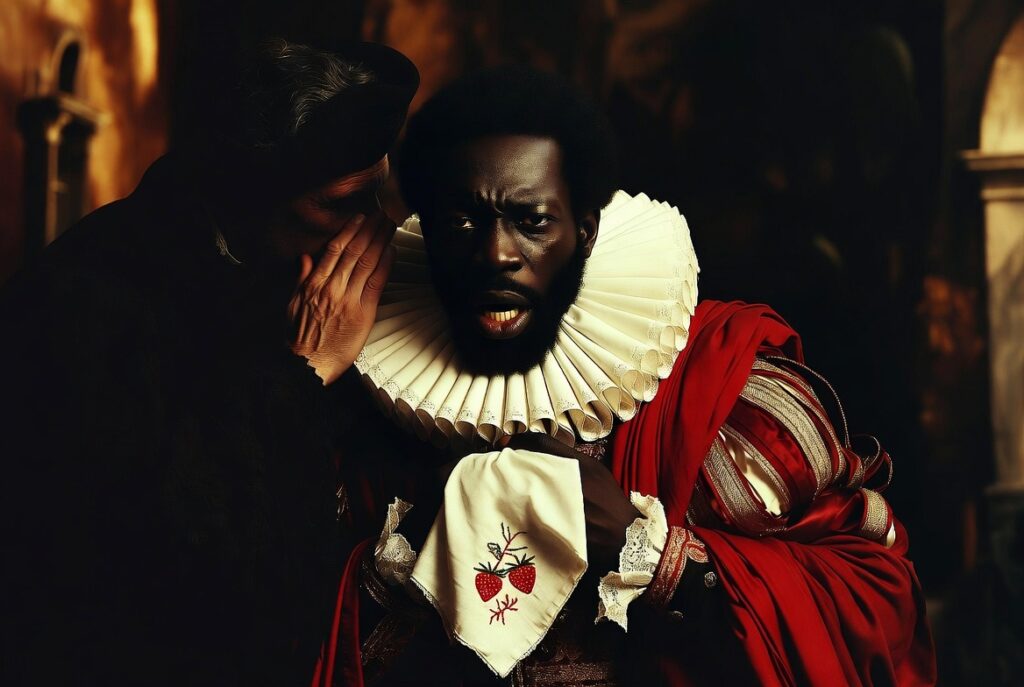
- Manipulation and Gaslighting: Iago is the archetype of the toxic influencer—using partial truths, insinuations, and fabricated evidence (most famously the handkerchief) to warp reality.
- Honor, Reputation, and Masculinity: In a warrior culture, reputation is everything. Othello’s fear of being cuckolded strikes at the heart of his identity.
- Love and Betrayal: The pure love between Othello and Desdemona is contrasted brutally with the destructive forces around them.
Why Othello Remains Relevant Today
In an era of misinformation, social media-fueled paranoia, racial reckoning, and workplace politics, Othello feels eerily contemporary. The play warns against the dangers of echo chambers, deepfakes, and charismatic manipulators. It forces us to confront how systemic biases and personal insecurities can intersect with devastating consequences. Denzel Washington’s portrayal, set against a “near future” military backdrop, amplifies these resonances powerfully.
Denzel Washington’s Journey with Othello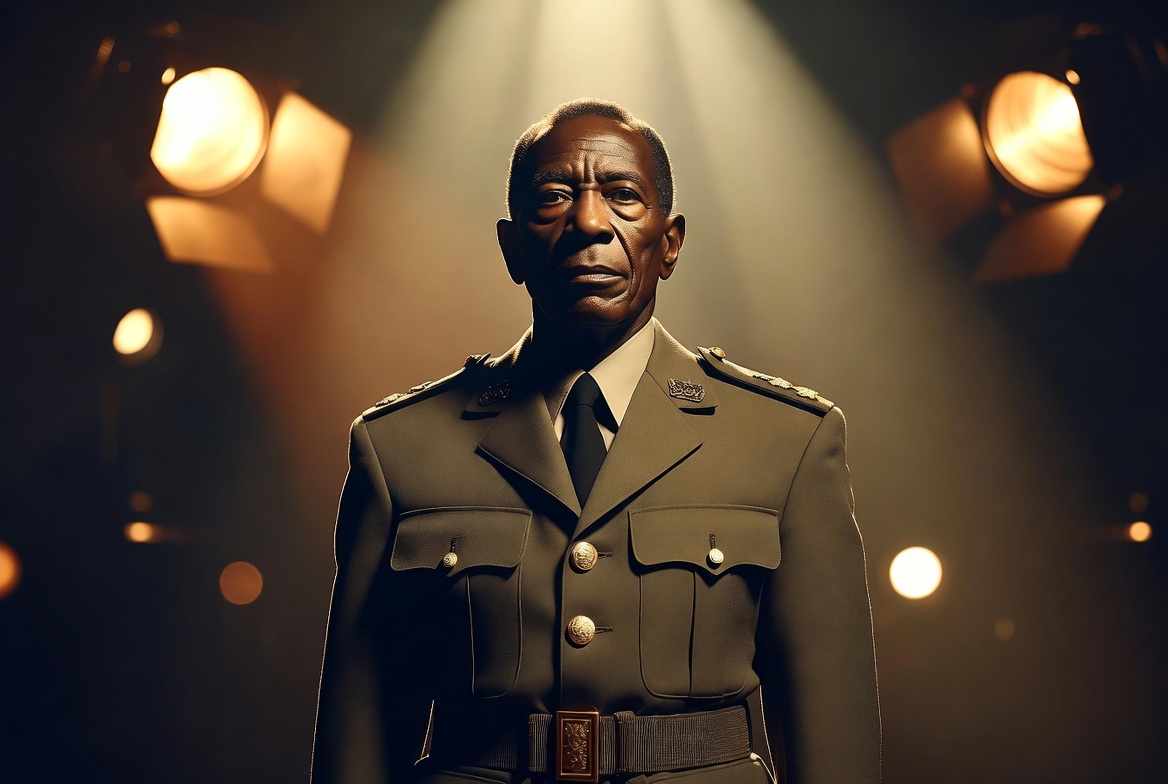
Denzel Washington is no stranger to Shakespeare or to the role of Othello. He first performed it as a student at Fordham University nearly five decades ago. Returning to the role in his 70s for the 2025 Broadway run brought a lifetime of wisdom, leadership experience, and hard-earned perspective to the character.
From Fordham University Student to Broadway Legend
Washington’s early Othello was a young actor’s exploration. The 2025 version is that of a master craftsman who has portrayed icons like Malcolm X, John Quincy Adams, and Troy Maxson in Fences. His personal journey—from humble beginnings to two-time Oscar winner and cultural figure—mirrors Othello’s rise as an outsider who earns respect through merit and valor.
Denzel’s Preparation and Approach to the Role
In interviews, Washington spoke of immersing himself in the text, focusing on Othello’s military precision, deep love for Desdemona, and the terrifying speed with which doubt overtakes him. His vocal delivery—rich, resonant, and capable of shifting from authoritative command to heartbreaking vulnerability—became a highlight. Physicality mattered too: the upright posture of a general giving way to restless, tormented movement as Iago’s poison takes hold.
Collaborating with Jake Gyllenhaal as Iago
The chemistry (and tension) between Washington and Gyllenhaal was electric. Gyllenhaal’s Iago—shaved head, intense physicality, and chilling soliloquies—provided a formidable foil. Their shared history of respect as actors elevated the central conflict, making the betrayal feel profoundly personal. Many critics noted Gyllenhaal’s Iago as particularly legible and menacing, creating a fascinating dynamic with Washington’s more enigmatic Othello.
The 2025 Broadway Production – Innovation Meets Tradition
Directed by Tony Award winner Kenny Leon, who previously collaborated with Washington on Fences, this revival ran from February 24 to June 8, 2025, at the Ethel Barrymore Theatre. It was a strictly limited 15-week engagement that shattered box office expectations thanks to its star power.
Setting Othello in the “Near Future”
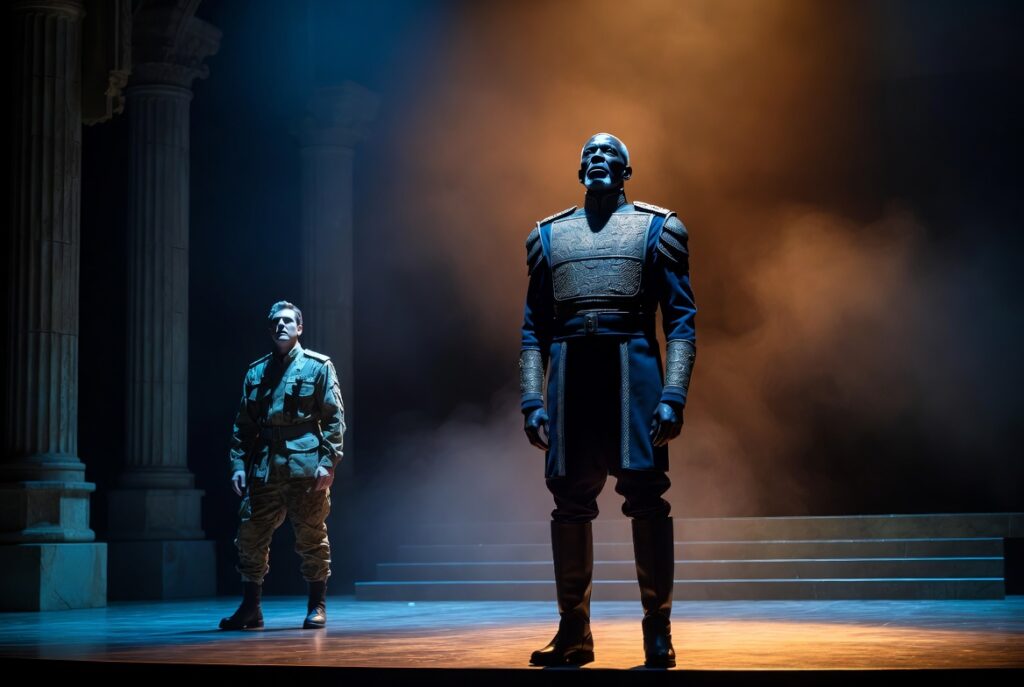
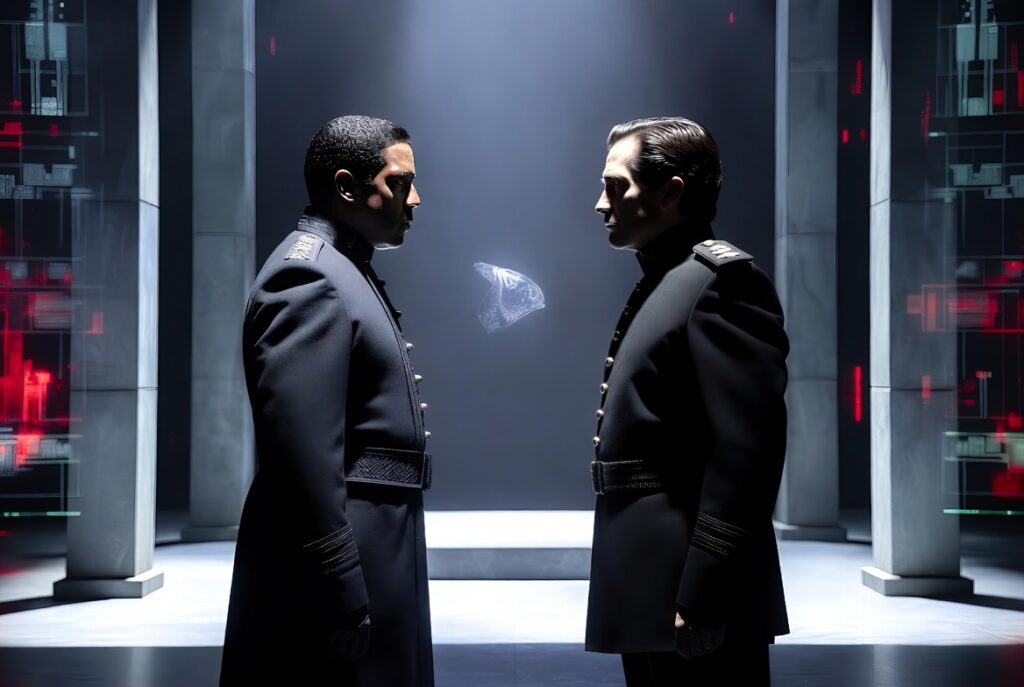
The production opened with a projection informing audiences of the 2028 setting. Costumes blended military fatigues with contemporary touches, and the world felt like a high-tech, multicultural military environment. This choice refreshed the play’s exploration of power, loyalty, and otherness without sacrificing Shakespeare’s language. Scenic design by Derek McLane featured imposing columns and versatile staging that supported both intimate confrontations and larger military scenes.
Directorial Vision by Kenny Leon
Leon emphasized emotional intensity and accessibility. He aimed to make the tragedy feel immediate and visceral for modern viewers. The production featured strong supporting performances, including Molly Osborne as a dignified, proactive Desdemona and Kimber Elayne Sprawl as a powerful Emilia. Lighting, sound, and fight choreography heightened the drama’s stakes.
Critical Reception and Audience Impact
Reviews were mixed. Many praised the star performances—Washington’s commanding presence and Gyllenhaal’s standout Iago—while some found the overall staging uneven or the high ticket prices (topping $900 for premium seats) a barrier. Audiences, however, flocked to see two Oscar-nominated powerhouses tackle the Bard. The production sparked renewed interest in Shakespeare and demonstrated the draw of diverse, high-profile classical theater.
Analyzing Denzel Washington’s Othello – Strengths and Nuances
Denzel Washington brought unique layers to the role, informed by his age, experience, and cultural perspective.
Commanding Presence and Vocal Delivery
Washington’s voice remains one of his greatest instruments—deep, authoritative, and capable of conveying both regal confidence and shattering pain. His early scenes radiated the quiet power of a battle-hardened leader who has transcended prejudice through excellence.
Portraying Othello’s Humanity and Flaws
Rather than playing Othello as purely noble or monstrous, Washington highlighted the character’s internal conflict. The performance captured the tragedy of a man whose greatness makes his fall all the more devastating. He avoided caricature, grounding the jealousy in relatable human insecurity.
Key Scenes That Define the Performance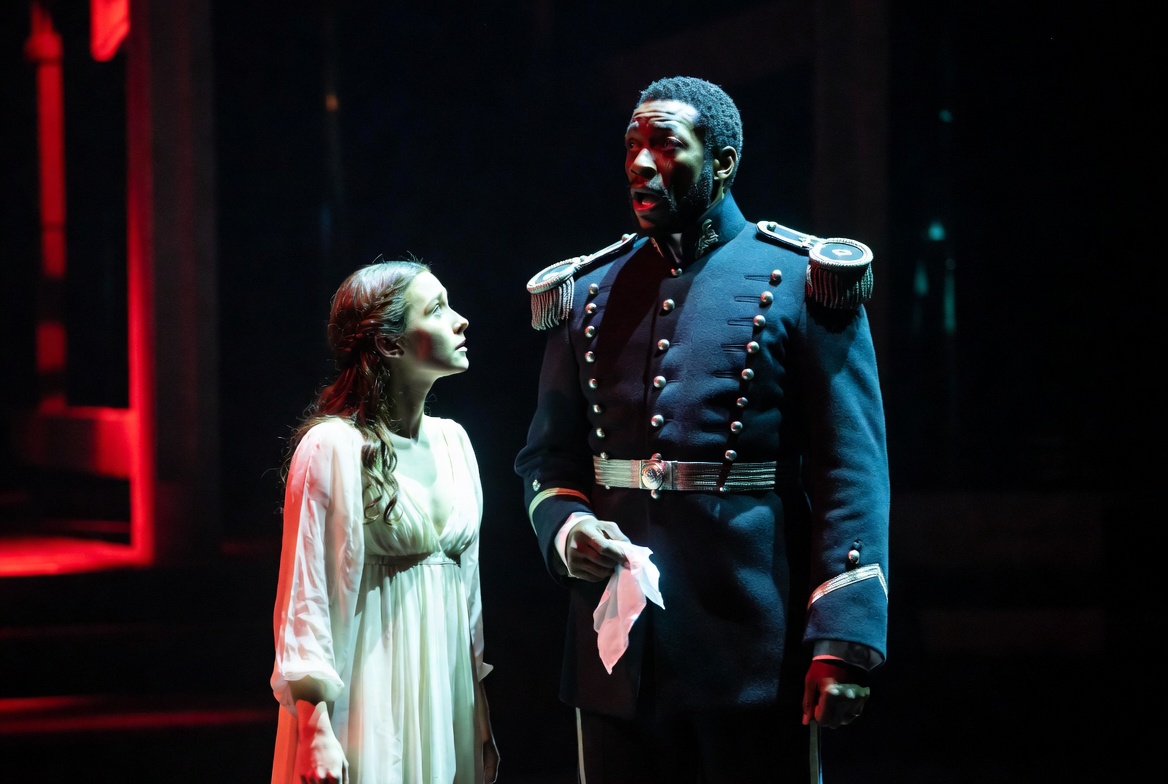
- The temptation scene with Iago: Washington showed the slow erosion of trust.
- The confrontation with Desdemona: Heart-wrenching tenderness mixed with growing rage.
- The final monologue and suicide: A powerful, reflective close that underscored remorse and lost nobility.
Comparisons to Other Notable Othellos
Compared to Laurence Olivier’s flamboyant (and controversial) 1960s take, James Earl Jones’s commanding presence, or Chiwetel Ejiofor’s more introspective film version, Washington’s stood out for its mature gravitas and contemporary resonance. His interpretation emphasized the military leader’s isolation in a way that felt fresh.
Shakespeare’s Craftsmanship in Othello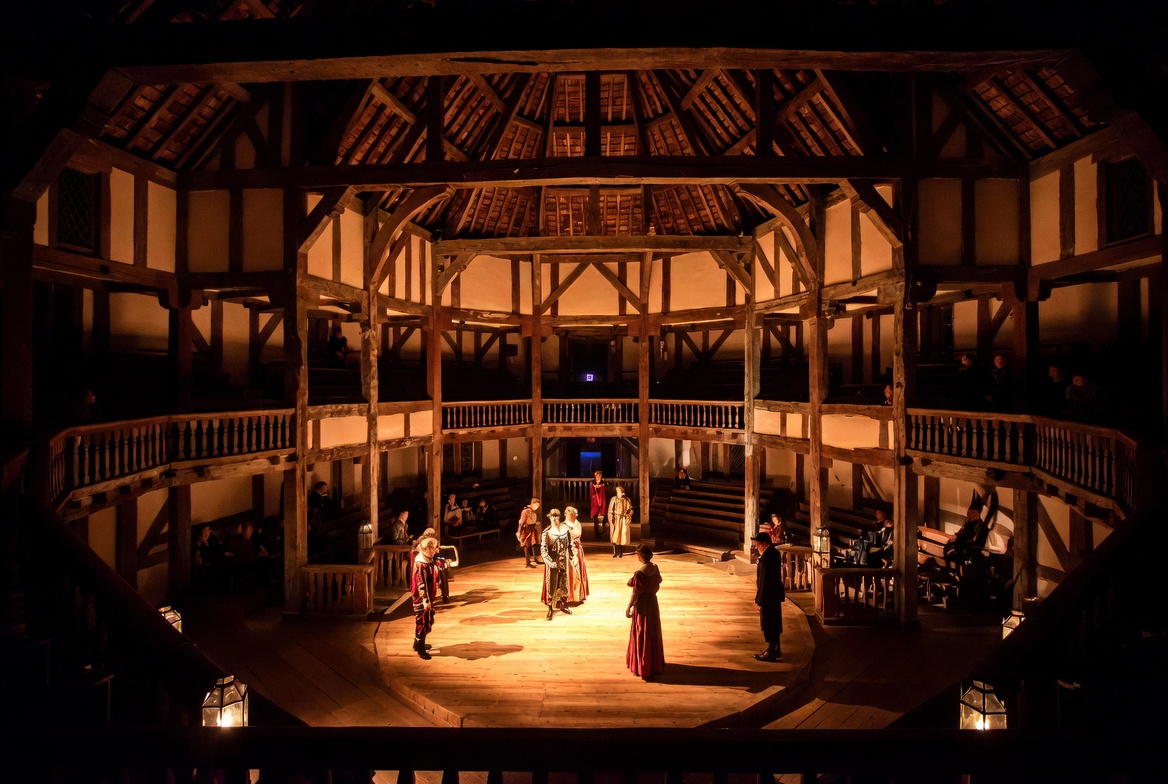
Shakespeare’s genius in Othello lies in its structural economy and psychological realism. Unlike the sprawling epics of Hamlet or King Lear, Othello unfolds with the precision of a military campaign—tightly plotted across a compressed timeline that heightens the sense of inevitability.
The play adheres closely to the classical unities of time, place, and action more than many of Shakespeare’s other works. Events cascade rapidly once Iago sets his plan in motion, creating an almost unbearable dramatic tension. Shakespeare’s verse shifts masterfully: Othello’s early speeches are measured and poetic, reflecting his nobility, while later ones fracture into fragmented prose as jealousy unravels him. Iago’s soliloquies, delivered directly to the audience, pull viewers into complicit knowledge of the deception, making the tragedy all the more agonizing.
The handkerchief serves as a brilliant symbolic device—a trivial item elevated to proof of infidelity through masterful manipulation. Shakespeare also employs dramatic irony extensively; the audience knows the truth long before Othello does, amplifying every painful misunderstanding.
Historical Context of Othello
Written during the reign of King James I, Othello reflects early 17th-century England’s fascination with and anxiety about the “exotic” other. Moors—Muslim inhabitants of North Africa—featured in English literature and theater amid expanding trade and encounters with the Ottoman Empire. Shakespeare drew from sources like Cinthio’s Hecatommithi but transformed the tale into a profound exploration of human nature.
The play premiered around 1604 at the Globe Theatre. While racial attitudes of the era were complex and often derogatory, Shakespeare humanizes Othello far beyond stereotypes, granting him eloquence, military prowess, and deep emotional capacity. This nuance has allowed the play to evolve in meaning across centuries, from colonial interpretations to modern lenses on systemic racism and identity.
Lessons for Modern Life from Othello
Beyond the stage, Othello offers timeless warnings:
- Guard Against Manipulation: In the age of algorithms and polarized media, Iago’s tactics—half-truths, selective evidence, and exploiting insecurities—mirror disinformation campaigns and toxic online dynamics.
- The Cost of Unchecked Jealousy and Insecurity: Personal relationships and professional environments suffer when doubt overrides evidence and communication.
- The Impact of Bias: Othello’s otherness makes him vulnerable; the play urges examining how implicit biases affect judgment of leaders and outsiders.
- The Value of Loyalty and Truth-Telling: Emilia’s courageous stand highlights the moral imperative to speak truth to power, even at great personal risk.
- Redemption and Accountability: Othello’s final speech reminds us that acknowledging one’s flaws, however late, affirms shared humanity.
Denzel Washington’s portrayal, emphasizing a seasoned leader’s isolation, makes these lessons feel urgent for today’s high-stakes leadership and personal lives.
How to Experience and Study Othello
- Watch the Production: While the 2025 Broadway run has concluded, look for potential filmed versions or regional revivals. Clips and interviews featuring Washington and Gyllenhaal offer insights.
- Read the Text: Use annotated editions (Folger or Arden) for historical notes and analysis.
- Compare Adaptations: Explore Orson Welles’ 1951 film, the 1995 Laurence Fishburne/Kenneth Branagh version, or earlier stage recordings.
- Educational Resources: Many universities offer free lectures online. Theater companies often provide study guides.
- Perform It: Scene work or full readings deepen appreciation of the language’s musicality.
FAQ
Was Denzel Washington’s Othello his first time? No—he performed it decades earlier at Fordham University. The 2025 run was a triumphant return.
How was the chemistry between Washington and Gyllenhaal? Critics and audiences widely praised their intense, layered dynamic, with Gyllenhaal’s Iago often described as a standout villain.
What was unique about the 2025 production’s setting? It was updated to a “near future” (2028) military context with modern costumes and technology, making themes of power and loyalty feel immediate.
Were tickets expensive? Yes—premium seats reached high prices, drawing both acclaim and criticism regarding accessibility.
Denzel Washington’s Othello stands as a powerful bridge between Shakespeare’s Elizabethan world and our own. Through his commanding, vulnerable performance alongside Jake Gyllenhaal’s chilling Iago under Kenny Leon’s direction, the 2025 production reminded audiences why this tragedy continues to captivate: it holds a mirror to the human heart’s capacity for both greatness and self-destruction.
In an era hungry for authentic stories of leadership, love, and moral complexity, Washington’s Moor reaffirmed Shakespeare’s genius—and the enduring power of live theater to move, provoke, and unite us. Whether you caught the Broadway run or discover it through text and recordings, Othello challenges us to confront our own green-eyed monsters and strive for the nobility Othello ultimately reclaims too late.