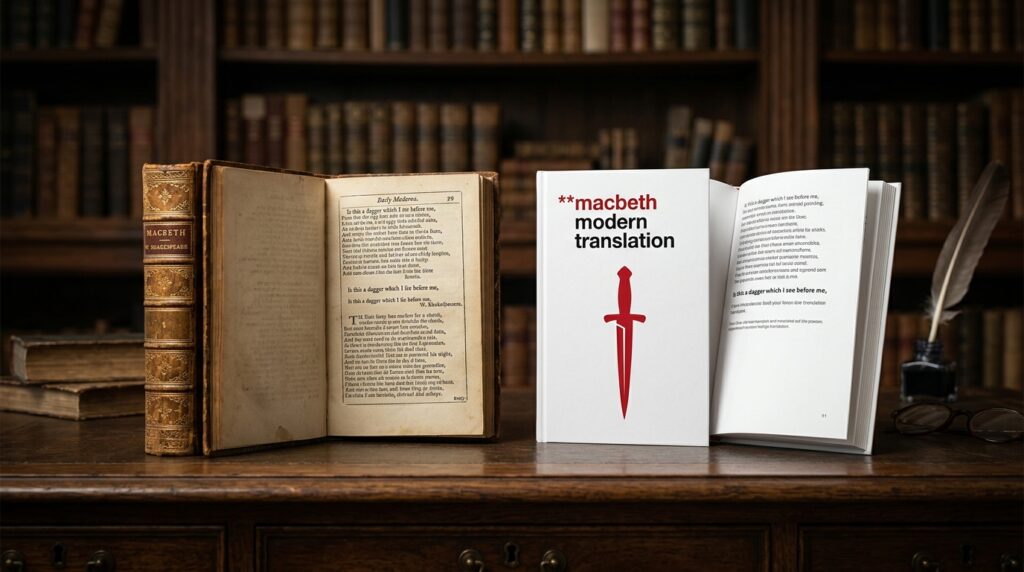
Macbeth is a masterwork of murder, paranoia, and psychological decay. Yet for millions of readers, Early Modern English acts like a brick wall standing between them and a brilliant, bloody story. Deciphering lines like “unseamed him from the nave to the chops” shouldn’t require three reference books, a dictionary, and an advanced degree in historical linguistics. If you are looking for a macbeth modern translation, finding the right edition can instantly bridge the gap between frustrating decoding work and genuine literary appreciation.
Whether you are a high school student tackling a deadline, an educator seeking effective scaffolding for your classroom, or a theater lover who wants to follow every plot twist without context switching, this guide evaluates the finest modern renditions of Macbeth. As Shakespeare educators and scholars, we have tested these options side-by-side on readability, poetic fidelity, layout design, and study utility.
Quick Comparison: Top Macbeth Modern Editions
Understanding Your Options: Literal vs. Dynamic vs. Paraphrase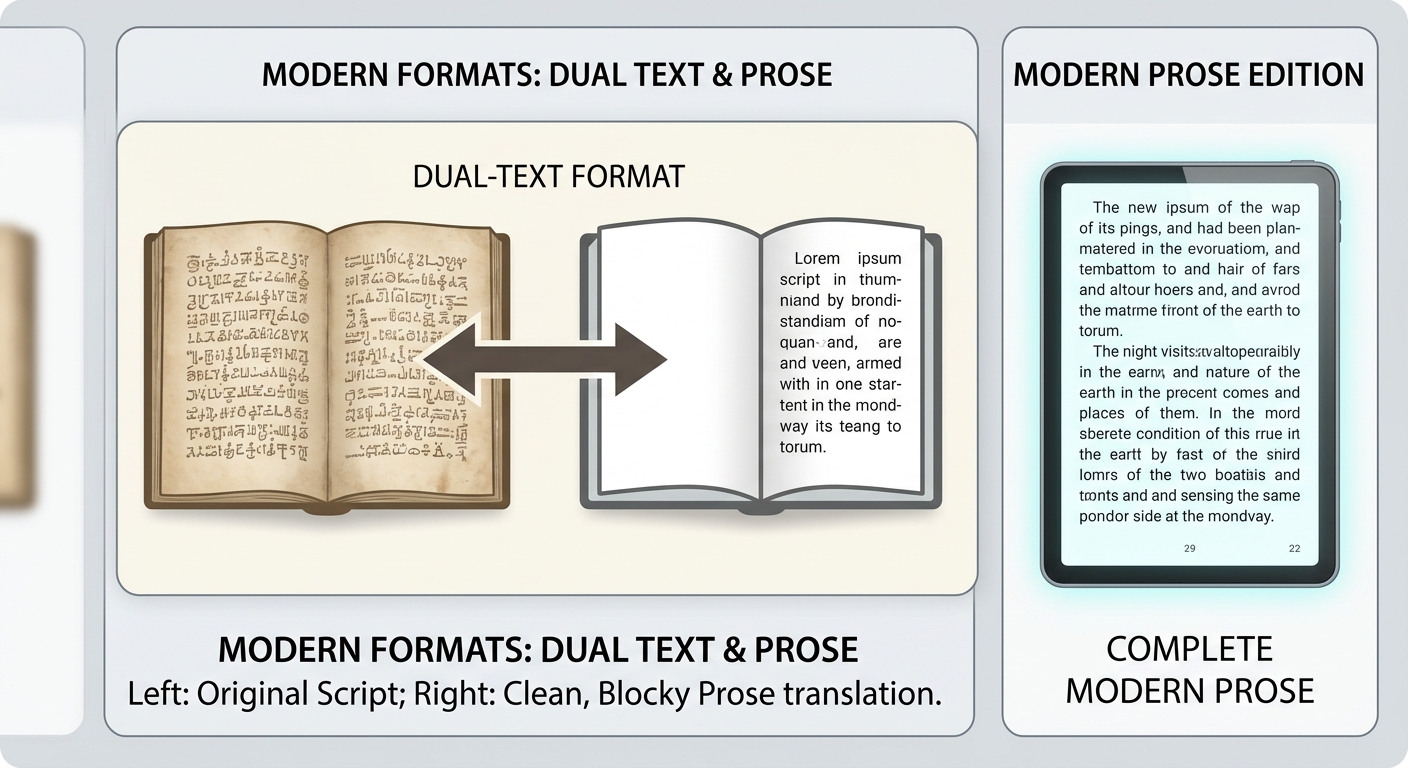
Before selecting an edition, it is essential to recognize that not every modern translation serves the same purpose. “Translating” Shakespeare is not like translating modern French into English; it is a process of modernizing syntax, replacing obsolete vocabulary, and untangling complex 17th-century metaphors.
Depending on your goals, modern editions fall into three distinct structural formats:
[ Dual-Text Side-by-Side ] ──► Best for study, comparing lines, and writing papers.
[ Standalone Modern Text ] ──► Best for uninterrupted reading and fast comprehension.
[ Annotated Original Text ] ──► Best for purists who want original verse with quick lookups.
1. Line-by-Line Side-by-Side (Dual-Text)
The traditional dual-text format places Shakespeare’s original 1606 text on the left-hand page and a sentence-by-sentence modern prose translation on the right-hand page.
-
The Benefit: It eliminates guesswork. If a soliloquy feels impenetrable, your eyes simply shift to the right page to grasp the core meaning before returning to the original poetry.
-
The Trade-off: Reading can feel disjointed as your focus continuously darts between two columns of text.
2. Full Modernization (Standalone Text)
Some modernizers strip away the original Early Modern verse entirely, presenting Macbeth as a contemporary play or narrative prose story written in modern English.
-
The Benefit: You experience the dramatic pacing and narrative momentum exactly as Shakespeare’s original audiences did, without stopping to analyze syntax.
-
The Trade-off: You lose Shakespeare’s distinctive rhythmic meter (iambic pentameter), imagery, and historical wordplay.
3. Annotated Original Text (No Translation)
Rather than replacing the words, annotated editions keep Shakespeare’s original text intact but surround it with explanatory marginalia, footnotes, and line glosses.
-
The Benefit: Preserves full poetic integrity while explaining dead metaphors, historical context (such as James I and the Gunpowder Plot), and obscure terms.
-
The Trade-off: Requires more active cognitive effort than reading a direct modern translation.
Detailed Breakdown of the Best Modern Editions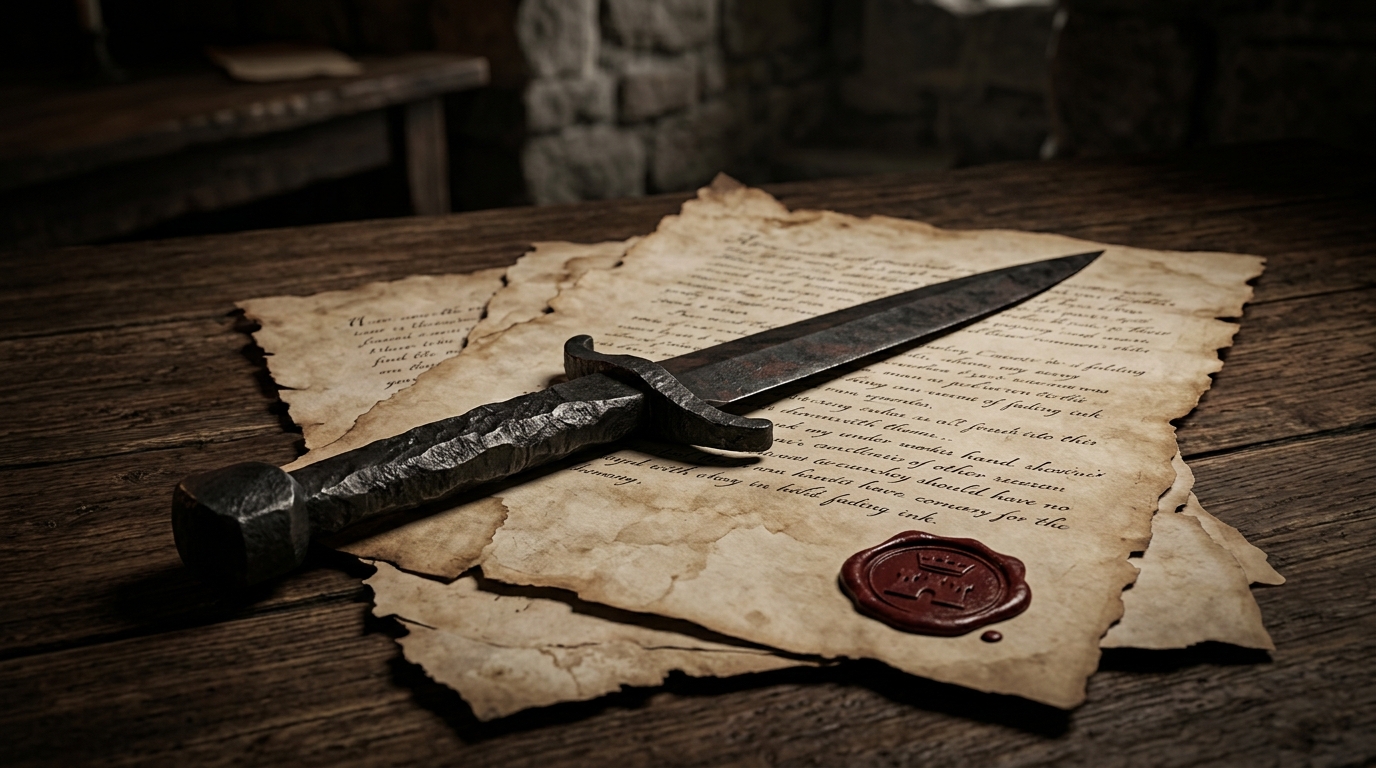
1. No Fear Shakespeare (SparkNotes) – Best for Quick Comprehension
No Fear Shakespeare remains the most recognizable line-by-line modern translation on the market, and for good reason. Designed primarily to assist students navigating Shakespeare for the first time, it translates the entire play into clear, contemporary prose without unnecessary fluff.
+-----------------------------------------------------------------------+
| ORIGINAL TEXT                               | NO FEAR MODERN PROSE    |
| Is this a dagger which I see before me,     | Is this a dagger I see  |
| The handle toward my hand? Come, let me     | in front of me, with    |
| clutch thee.                                | its handle aimed toward |
| I have thee not, and yet I see thee still.  | my hand? Come, let me   |
|                                             | hold you. I don't have  |
|                                             | you, yet I still see    |
|                                             | you.                    |
+-----------------------------------------------------------------------+
-
Strengths: High accessibility, widely available in physical paperback and as a free web resource, incredibly easy to cross-reference line by line.
-
Weaknesses: The translation flattens Shakespeare’s poetry into plain speech. Subtle double-entendres, poetic rhythms, and rich symbolic resonances are often reduced to basic literal statements.
-
Verdict: The premier tool for eliminating plot confusion quickly. Use it alongside the original text to build a foundational understanding of each scene.
2. Shakescleare by LitCharts – Best for In-Depth Literary Analysis
Created by the team behind SparkNotes’ original founders, LitCharts Shakescleare provides a modern translation engineered specifically for academic essay writing and detailed character study. Available both online and as printable PDF study guides, Shakescleare offers a side-by-side layout paired directly with thematic color-coding.
-
Strengths: The modern translation is often tighter and more nuanced than No Fear Shakespeare. Furthermore, it seamlessly integrates with LitCharts’ broader ecosystem, allowing you to click on translated lines to see how they connect to core themes like Ambition, Fate vs. Free Will, and Nature and the Unnatural.
-
Weaknesses: Full offline access and high-resolution PDF printouts require a paid LitCharts A+ membership, though the basic online reader is free.
-
Verdict: The ideal translation for high school AP students and undergraduates who need to quote the original text in essays while ensuring their interpretation of the line’s meaning is 100% accurate.
3. myShakespeare – Best Interactive & Visual Experience
myShakespeare is a full-featured digital platform that reimagines what a modern translation of Macbeth can look like in the browser. Instead of treating translation as static print on a page, myShakespeare presents a rich, multi-media environment.
-
Strengths: Features full line-by-line modern translations, audio performances embedded directly into the text, interactive pop-ups explaining tricky idioms, and humorous “character interview” videos that summarize scene motives in modern speech.
-
Weaknesses: It is exclusively a web-based tool, making it less practical for distraction-free offline reading or standard pencil-and-paper classroom use.
-
Verdict: A masterclass in modern digital scaffolding. It is the single best resource for auditory or visual learners who struggle with traditional dense text layouts.
4. Folger Shakespeare Library (Annotated Edition) – Best for True Shakespearean Fidelity
Edited by Barbara A. Mowat and Paul Werstine, the Folger Shakespeare Library edition does not translate the play into modern prose line-by-line. Instead, it places the pristine original text on the right-hand page and provides ultra-clear definitions, scene summaries, and contextual diagrams on the directly facing left-hand page.
+-----------------------------------------------------------------------+
| DEFINITIONS & GLOSSES (Left Page)           | ORIGINAL TEXT (Right Page)|
| 1.3.6: "Aroint thee" = Begone, get away.    | 1.3.6:                  |
| 1.3.7: "rump-fed ronyon" = a fat-bottomed,  | "Aroint thee, witch!"   |
| scabbed creature.                           | the rump-fed ronyon     |
|                                             | cries.                  |
+-----------------------------------------------------------------------+
-
Strengths: Highly respected in academic circles. It trains the reader to understand original Shakespearean verse without relying on a complete prose rewrite, preserving 100% of the play’s literary grandeur.
-
Weaknesses: It demands more reading effort than a side-by-side translation like No Fear.
-
Verdict: The definitive choice for advanced literary analysis, college courses, actors studying character lines, and readers who want to experience Shakespeare’s actual language with a safety net.
5. Manga Shakespeare: Macbeth – Best for Visual & Reluctant Readers
Illustrated by Robert Deas, Manga Shakespeare: Macbeth sets the tragedy in a post-apocalyptic, futuristic Tokyo (2108), pairing expressive visual storytelling with a hybrid abridged text containing modern phrasing and carefully preserved famous original lines.
-
Strengths: The dramatic visual framing immediately clarifies character positions, power dynamics, and emotional subtext, making complex soliloquies instantly understandable through visual context.
-
Weaknesses: The text is heavily abridged; several minor scenes and historical subplots are trimmed to keep the narrative moving briskly.
-
Verdict: An exceptional entry point for younger audiences, visual thinkers, or anyone who finds dense pages of dialogue intimidating.
Scene Study: Comparing Soliloquies Side-by-Side
To see how these translations alter tone and meaning, consider how different editions translate one of the most famous soliloquies in Western literature: Macbeth’s reflection on mortality in Act 5, Scene 5.
Original Text (Folger Edition)
“Tomorrow, and tomorrow, and tomorrow,
Creeps in this petty pace from day to day
To the last syllable of recorded time,
And all our yesterdays have lighted fools
The way to dusty death. Out, out, brief candle!
Life’s but a walking shadow, a poor player
That struts and frets his hour upon the stage
And then is heard no more. It is a tale
Told by an idiot, full of sound and fury,
Signifying nothing.”
Modern Prose Translation (No Fear / Standard Plain English)
“Tomorrow, and tomorrow, and tomorrow creeps along at this slow pace day after day, until the very end of time. And every day that has passed has simply shown fools the way to death and dust. Out, out, short candle! Life is nothing more than a walking shadow, a poor actor who worries and struts around on stage for an hour and then is never heard from again. Life is a story told by an idiot, full of noise and emotional fury, meaning absolutely nothing.”
Scholar’s Analysis of the Translation Impact
Notice what changes in translation:
-
What is Gained: Immediate clarity. A reader instantly grasps Macbeth’s overwhelming nihilism, his realization that his murderous quest for power was meaningless, and his view of human life as fleeting performance art.
-
What is Lost: The haunting, repetitive cadence of “Tomorrow, and tomorrow, and tomorrow” loses its musicality when forced into standard prose sentences. The metaphor of light leading “fools / The way to dusty death” feels less evocative when rewritten cleanly.
This comparative exercise highlights why the best reading strategy often involves using modern translations as a translation bridge back to the original text, rather than an absolute replacement.
Expert Strategy: A 3-Step Method for Reading Modern Shakespeare
To get the absolute most out of a modern Macbeth translation without missing out on the beauty of the original text, implement this battle-tested three-step reading framework:
Step 1: Read the Modern Translation First (Act by Act)
Before diving into the original verse, read the modern prose translation of an entire scene or act. This establishes an immediate mental blueprint of who is speaking, what the physical actions are, and what the core character motivations are.
Step 2: Listen to High-Quality Audio of the Original Text
Once you know the plot beats, listen to a professional audio dramatization (such as the Arkangel Shakespeare production or the BBC Radio recordings) while following along with the original text. Hearing professional actors handle the rhythm, pauses, and emphasis of Early Modern English makes the language instantly clearer than reading it cold on the page.
Step 3: Analyze Key Passages in Detail
When you reach major soliloquies (such as Lady Macbeth’s “Unsex me here” or Macbeth’s “Is this a dagger”), use an annotated text like Folger or Shakescleare to examine how specific metaphors, recurring motifs (blood, clothing, sleep, darkness), and historical references give the play its deep literary resonance.
Frequently Asked Questions About Macbeth Modern Translations
Is using a modern translation of Macbeth considered “cheating” in school?
No. Educators increasingly view modern translations as essential educational scaffolding tools. Using a modern text to understand plot, character motivations, and basic narrative structure allows you to spend your class and essay time engaging in higher-level critical analysis, rather than getting stuck on dictionary definitions.
Which modern translation is best for high school students versus college students?
-
For High School: No Fear Shakespeare or myShakespeare are ideal because they prioritize immediate clarity and ease of reading.
-
For College: Folger Shakespeare Library or LitCharts Shakescleare are superior because they maintain academic rigor, offer line numbering matching standard citations, and preserve poetic depth.
Do modern translations keep the original poetic meter (iambic pentameter)?
Most standard modern translations rewrite the text into standard prose to prioritize clarity over poetic structure. If you are specifically looking for a verse translation that modernizes the vocabulary while preserving the rhythmic ten-syllable iambic meter, look for specialized poetic translations like those produced by the Play On Shakespeare project.
Final Recommendation: Finding Your Ideal Match
Selecting the right Macbeth modern translation ultimately depends on your specific goals:
-
If you need fast comprehension for a homework assignment or quick recap, go with No Fear Shakespeare.
-
If you are writing an analytical essay or academic paper, rely on LitCharts Shakescleare alongside the Folger Edition.
-
If you are an auditory or visual learner, explore myShakespeare.
By pairing modern prose tools with Shakespeare’s unmatched dramatic verse, you strip away linguistic frustration and unleash the thrilling, dark psychological drama that has made Macbeth unforgettable for over four centuries.