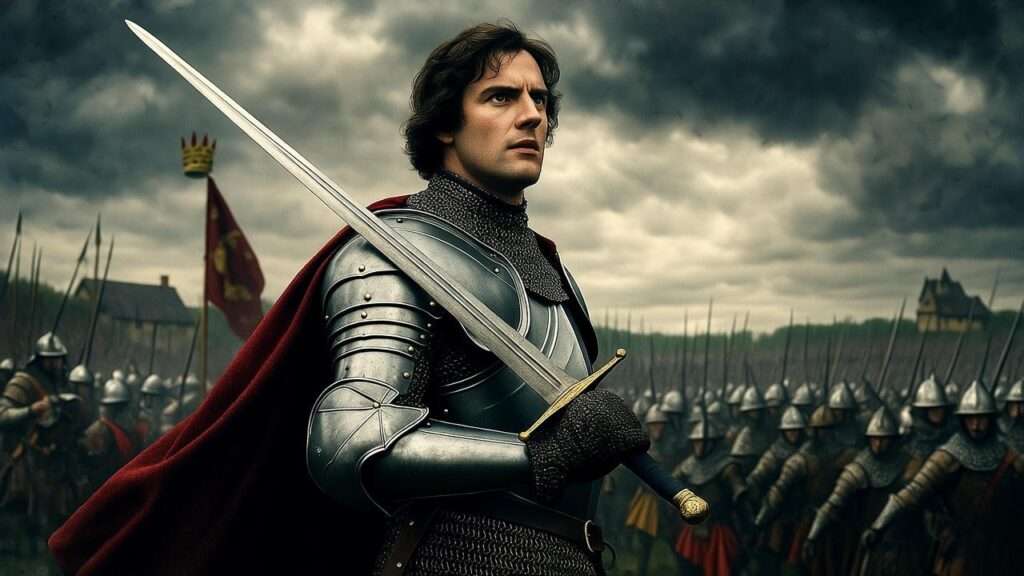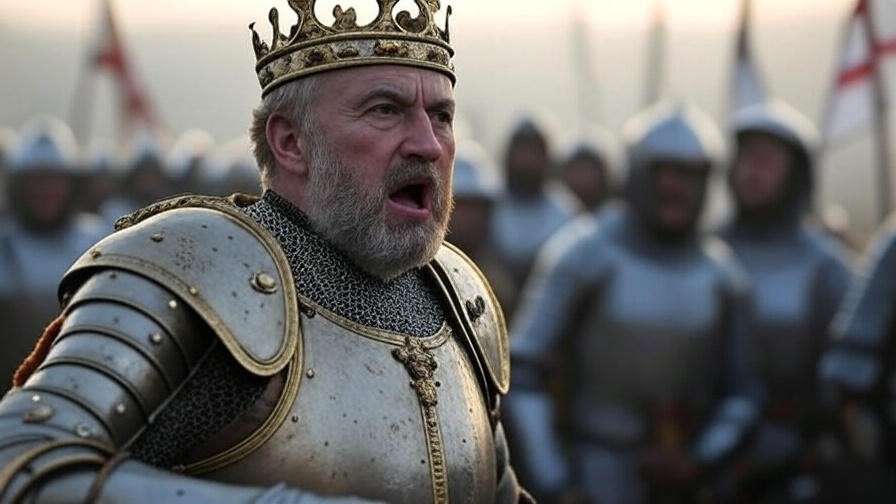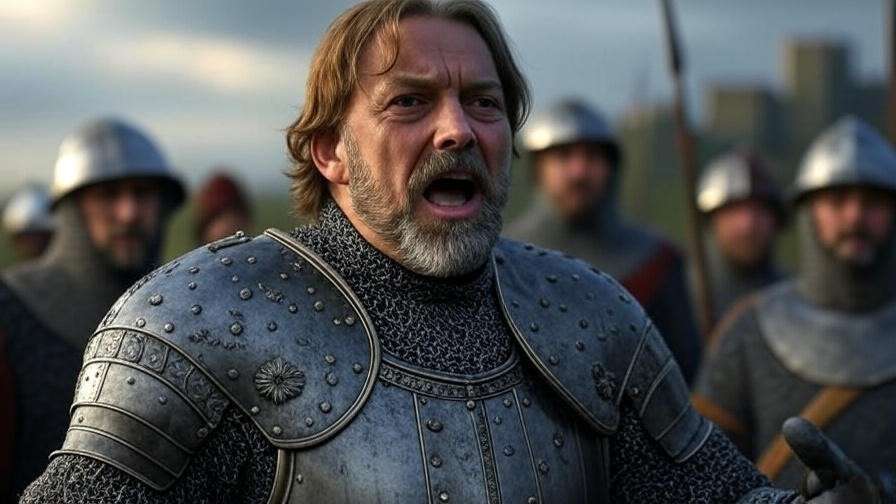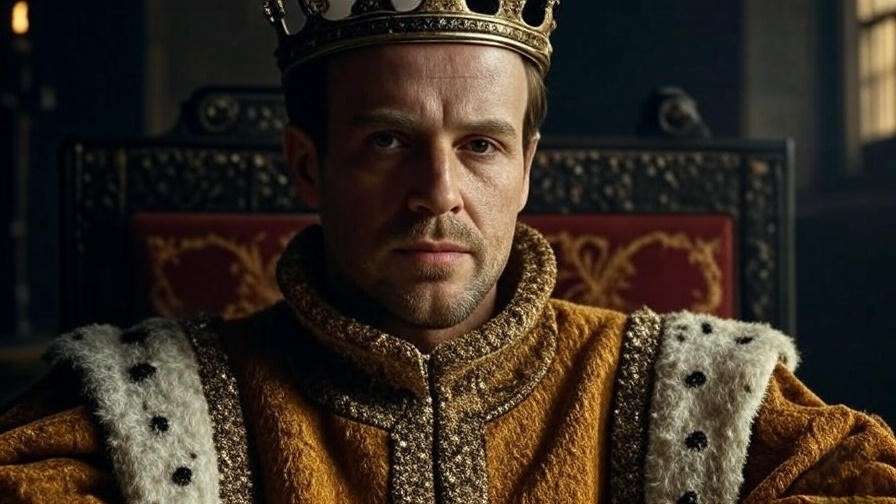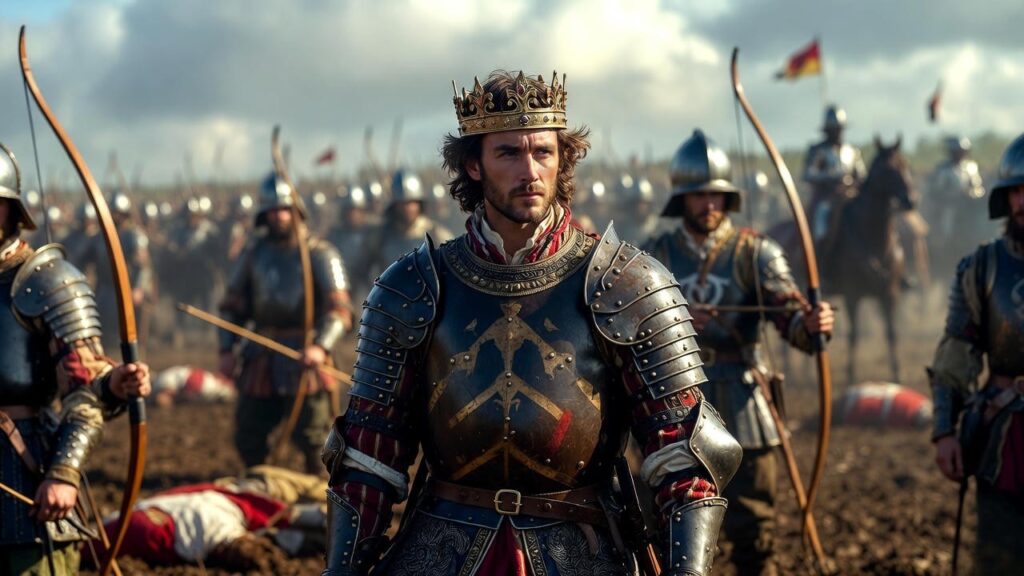

Imagine the howling winds of a stormy heath mirroring the fractured mind of King Lear, then shift your gaze to the foggy, sorrow-drenched ruins of Valyria where Jorah Mormont wanders in agonizing exile. While millions of fans search for the lore behind the game of thrones scale disease, colloquially known as Greyscale, few realize its deep roots in classical Elizabethan literature. George R.R. Martin’s terrifying affliction is not merely a fantasy plot device; it is a direct continuation of the Shakespearean tradition where physical decay mirrors moral corruption, societal collapse, and the tragic isolation of the outcast. This analysis explores the historical inspirations, the grim reality of the Stone Men, and the profound literary symbolism connecting the plagues of Shakespeare to the afflicted of Westeros.
II. Understanding the Fiction: What is the Game of Thrones Scale Disease?
Before analyzing the thematic depth of Martin’s work, we must establish the biological reality of the affliction within the universe of A Song of Ice and Fire. Greyscale, historically referred to as “Prince Garin’s Curse,” functions as a slow, creeping death sentence.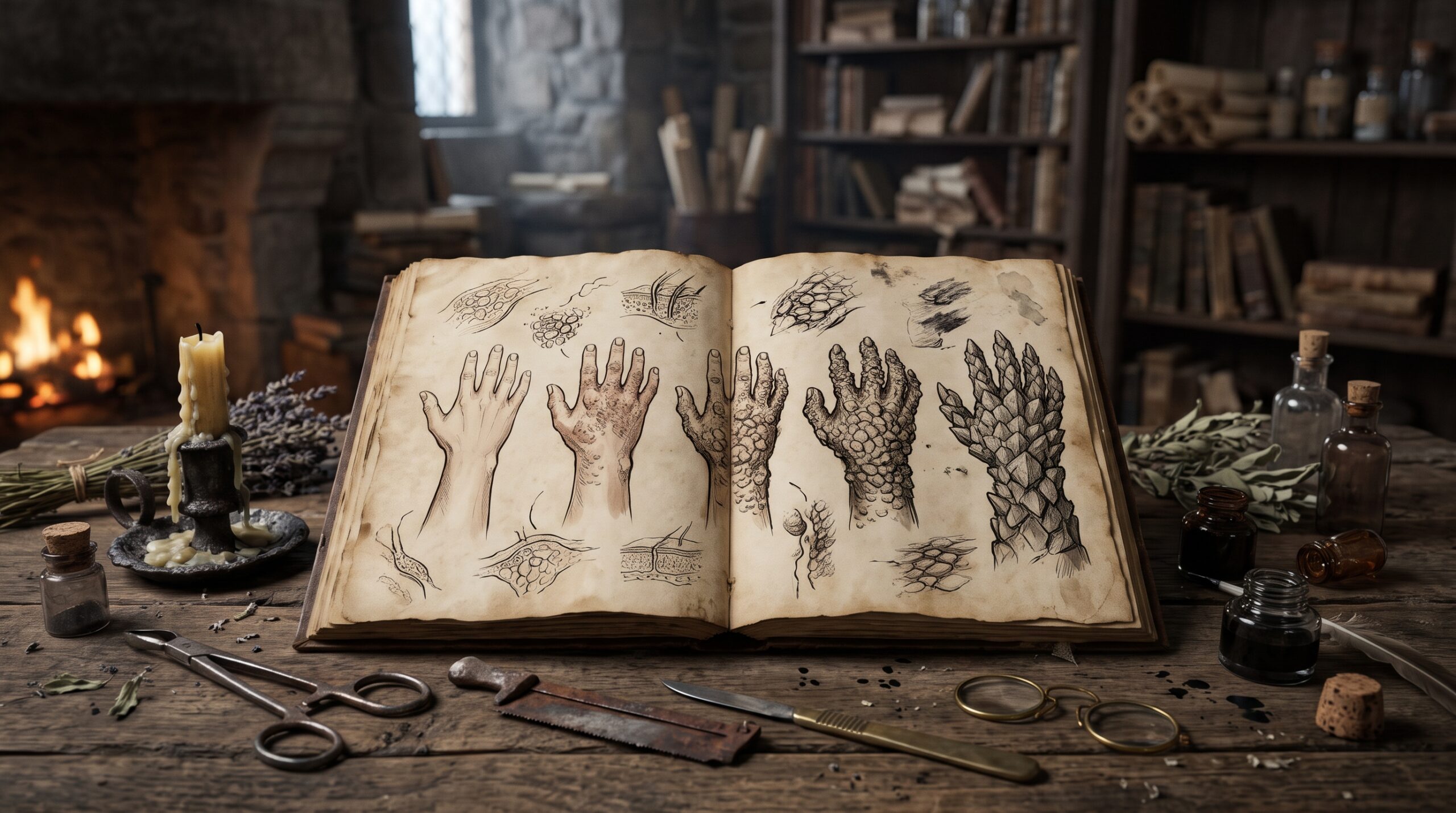
Greyscale Explained: Symptoms, Spread, and Progression
Greyscale is a virulent, infectious pathogen transmitted primarily through direct physical contact with an infected person or contaminated object. The disease attacks the skin first, causing it to calcify, harden, and turn mottled shades of black and grey. As the affliction spreads inward, it destroys internal organs and eventually reaches the brain. Once the brain is infected, the victim loses their humanity, descending into a violent, animalistic madness. These late-stage victims are known as “Stone Men.”
| Disease Stage | Physical Symptoms | Psychological Symptoms | Contagion Risk |
| Incubation | Numbness, slight skin discoloration. | Denial, fear, dread. | Low to Moderate (if covered). |
| Early Stage | Patches of calcified, stone-like skin. | Isolation, depression. | Extremely High (via touch). |
| Late Stage | Total body calcification, blindness. | Loss of memory, severe aggression. | Absolute (Lethal). |
| Terminal (Stone Men) | Complete transformation into living stone. | Total insanity, feral behavior. | Absolute (Lethal). |
Key Characters Afflicted in Westeros
Martin uses Greyscale to inflict unique narrative punishments and tragedies upon key figures in his universe:
-
Princess Shireen Baratheon: Contracted the disease as an infant via a contaminated wooden doll. Her survival came at the cost of severe facial scarring, branding her an outcast despite her royal blood and profound innocence.
-
Ser Jorah Mormont: In the television adaptation, Jorah contracts Greyscale during a skirmish with Stone Men in Valyria. His infection drives a frantic, desperate quest for a cure, acting as a physical manifestation of his exile and need for redemption.
-
Jon Connington (Books Only): A loyalist desperately trying to restore the Targaryen dynasty. He contracts Greyscale saving Tyrion Lannister. For Connington, the disease acts as a ticking clock, accelerating his ruthless ambition because he knows his time is running out.
III. The Shakespearean Tradition: Plagues, Poxes, and Curses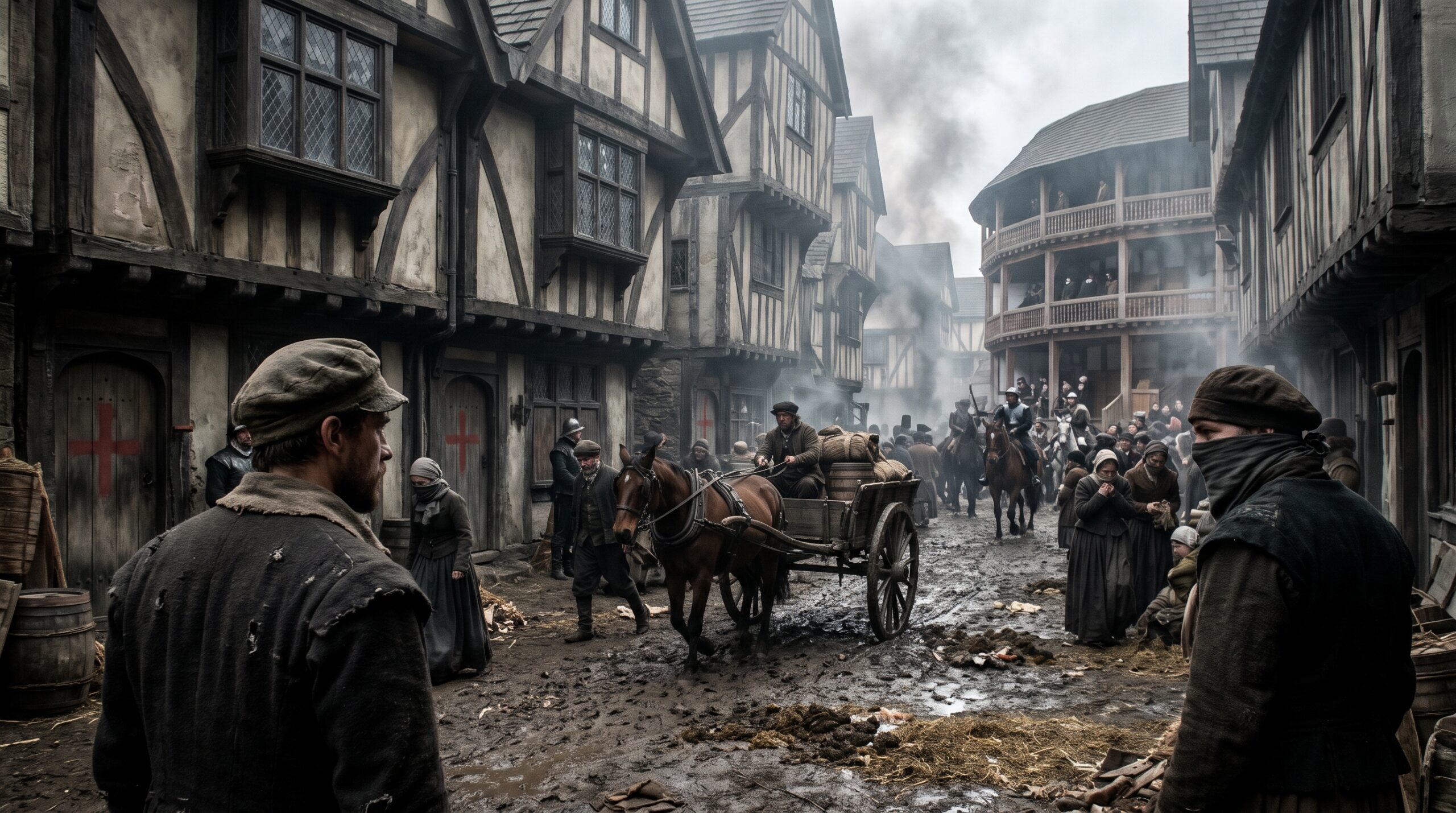
To understand Greyscale as a literary device, we must look to the 16th and 17th centuries. William Shakespeare wrote during a period when disease was an ever-present, terrifying reality, and he routinely woven these existential threats into the fabric of his plays.
Disease as a Metaphor in the Elizabethan Era
In early modern England, outbreaks of the bubonic plague frequently shuttered London’s theaters. Syphilis (the “French pox”) and leprosy were visible, devastating ailments. Because the germ theory of disease did not yet exist, illness was inextricably linked to morality, divine judgment, and the health of the state. Shakespeare mirrored this in his writing. When a kingdom is ruled by a tyrant or a murderer, the land itself sickens.
“A Pox on Both Your Houses”: Divine Punishment and Moral Decay
In Shakespearean tragedy, physical illness is rarely just bad luck; it is a macrocosm of spiritual decay.
-
In Hamlet, Denmark is described as an “unweeded garden” that has gone to seed, rotting from the inside out due to Claudius’s fratricide.
-
In Macbeth, the concept of the “King’s Evil” is introduced. A rightful, divinely appointed monarch (like the King of England) is said to cure disease with a touch, whereas Macbeth, a usurper, brings nothing but death, madness, and a “mind diseased” to Scotland. Mercutio’s famous dying curse in Romeo and Juliet—”A plague o’ both your houses!”—is not just a wish for physical sickness; it is a condemnation of the toxic, festering hatred between the Montagues and Capulets that has infected the entire city of Verona.
IV. Literary Symbolism: Comparing Greyscale to Shakespeare’s Afflictions
George R.R. Martin borrows heavily from these Elizabethan concepts, using the game of thrones scale disease to externalize the internal rot of his characters and his world.
Physical Corruption vs. Moral Decay
In Shakespeare, the hardening of the heart leads to tragedy. Lady Macbeth begs the spirits to “make thick my blood” and block out remorse so she can commit murder. Over time, her moral hardening leads to psychological collapse. Greyscale literalizes this metaphor. The disease physically thickens the blood and turns the flesh to stone. It is highly symbolic that Jon Connington, a man who hardens his heart to commit ruthless acts of war for his supposed king, is slowly turning into stone himself. The physical calcification represents the death of his empathy and humanity.
The Stigma of the Outcast: Stone Men and Shakespearean Exiles
In Westerosi society, those afflicted with Greyscale are stripped of their titles, wealth, and humanity, exiled to the Sorrows or the ruins of Valyria to live as “Stone Men.” This mirrors the profound social isolation seen in Shakespearean outcasts. In King Lear, Edgar is forced to flee society and disguise himself as “Poor Tom,” a bedlam beggar feigning madness and physical affliction. Timon of Athens, after being betrayed by his sycophantic friends, exiles himself to the wilderness, cursing humanity and wishing plagues upon the city that abandoned him. The Stone Men of Valyria are the ultimate Shakespearean exiles—stripped of the societal masks they once wore, left only with the grotesque reality of their decaying mortality.
The Innocence of the Afflicted
Shakespeare frequently highlighted the cruel indifference of the world by inflicting tragic fates upon innocent youth, such as the Princes in the Tower (Richard III) or Macduff’s young son (Macbeth). Shireen Baratheon serves this exact literary function. Her Greyscale is not a punishment for her own sins, but a mark of the corrupted, ambitious world she was born into. Her scarred face is a constant visual reminder of the heavy, toxic legacy of House Baratheon, proving that in both Westeros and Shakespearean Britain, the innocent often bear the visible scars of their fathers’ ambition.
V. Real-World History Meets Classic Literature
To fully appreciate the narrative weight of the game of thrones scale disease, we must examine how George R.R. Martin grounds his high fantasy in terrifying biological realities. Just as Shakespeare drew upon the devastating outbreaks of the bubonic plague that ravaged Elizabethan London, Martin constructed Greyscale by amalgamating several horrific real-world conditions.
The True Historical Inspirations for Greyscale
From a sociological standpoint, Greyscale is a direct parallel to Leprosy (Hansen’s disease). In the medieval and early modern periods, leprosy carried an immense social stigma. Afflicted individuals were often declared legally dead, stripped of their property, and forced to wear bells to warn others of their approach. They were exiled to isolated leper colonies, which perfectly mirrors the banishment of the Stone Men to the ruins of Valyria or the Sorrows.
Biologically, the calcification aspect of Greyscale heavily resembles Fibrodysplasia Ossificans Progressiva (FOP), a severe, rare genetic disorder where muscle tissue and connective tissue are gradually replaced by bone, effectively creating a second skeleton and locking the body in place. By combining the societal dread of leprosy, the high transmission rate of the bubonic plague, and the horrifying physical transformation of FOP, Martin crafted the ultimate literary affliction.
Expert Insight: Both Shakespeare and George R.R. Martin masterfully blend true historical terrors with fantastical elements. While Shakespeare used the supernatural (witches, ghosts) to heighten the tension around real-world political instability, Martin uses the hyper-contagious biological horror of Greyscale to ground his magical world in visceral, relatable human fragility.
VI. Why the Game of Thrones Scale Disease Resonates with Modern Audiences
While dragons, White Walkers, and blood magic provide the cinematic spectacle of A Song of Ice and Fire, it is the intensely personal terror of Greyscale that often leaves the most lasting impression on readers and viewers.
The Timelessness of Body Horror and Isolation
The fear of disease is a primal, universal human anxiety. Greyscale preys upon the psychological terror of losing bodily autonomy and, ultimately, one’s own mind. The tragedy of the Stone Men is not just that they die, but that they are erased. They lose their memories, their identities, and their humanity long before their hearts stop beating. This mirrors the Shakespearean dread of madness—seen in characters like Ophelia or King Lear—where the loss of the mind is framed as a fate far worse than mere physical death.
A Bridge Between High Art and Pop Culture
Modern fantasy thrives when it anchors its world-building in classical traditions. By embedding these dense, Shakespearean metaphors of moral rot, societal exile, and tragic innocence into a magical disease, Martin elevates the genre. Greyscale proves that the best pop culture does not ignore the literary canon; it digests and reinvents it, allowing modern audiences to engage with Elizabethan themes of mortality and statehood through the lens of a compelling fantasy narrative.
VII. Frequently Asked Questions (FAQ)
What is the actual name for the game of thrones scale disease? Within the lore of the series, the disease is formally known as Greyscale. In the continent of Essos, particularly among the Rhoynar, it is also historically referred to as “Prince Garin’s Curse,” stemming from a legend where a defeated prince called down a plague upon his Valyrian conquerors.
Did George R.R. Martin base Greyscale on a real disease? Yes. Greyscale is an amalgamation of several real-world afflictions. Its societal treatment mirrors leprosy (Hansen’s disease), its highly contagious nature reflects historical plagues, and its physical calcification is heavily inspired by Fibrodysplasia Ossificans Progressiva (FOP), a condition that turns connective tissue into bone.
How does Greyscale connect to classic literature? In classic literature, particularly the works of William Shakespeare, physical disease is frequently used as a metaphor for moral corruption, political illegitimacy, or societal decay. Greyscale functions similarly, acting as an external, physical manifestation of internal hardening, guilt, and the toxic legacy of Westerosi politics.
Who cures the scale disease in Game of Thrones? In the HBO television adaptation, Samwell Tarly successfully halts the progression of Jorah Mormont’s Greyscale. He performs a grueling, forbidden surgical procedure detailed in Archmaester Pylos’s rare medical texts, which involves flaying the infected, calcified skin and applying a specialized medicinal ointment.
The Lasting Legacy of Westerosi Plagues
The journey from the sorrowful moors of Shakespeare’s Britain to the smoking, cursed ruins of Valyria reveals a striking continuity in how we tell stories about human frailty. George R.R. Martin’s Greyscale operates on the exact same thematic frequencies as the poxes, plagues, and madness that brought down kings at the Globe Theatre centuries ago. It strips away titles, wealth, and power, leaving even the most formidable knights and innocent princesses at the mercy of their own fragile biology. The political maneuverings, dragons, and ice zombies may serve as the grand spectacle of Game of Thrones, but it is these deeply human afflictions—steeped in classic tragic tradition—that give the story its beating, if slowly calcifying, heart.
Which Shakespearean character do you think would have survived the brutal politics and plagues of Westeros? Would Macbeth thrive on the Iron Throne, or would Hamlet be crushed by the weight of the North? Share your thoughts below, and explore our other deep dives into the classical literature that shapes modern pop culture.