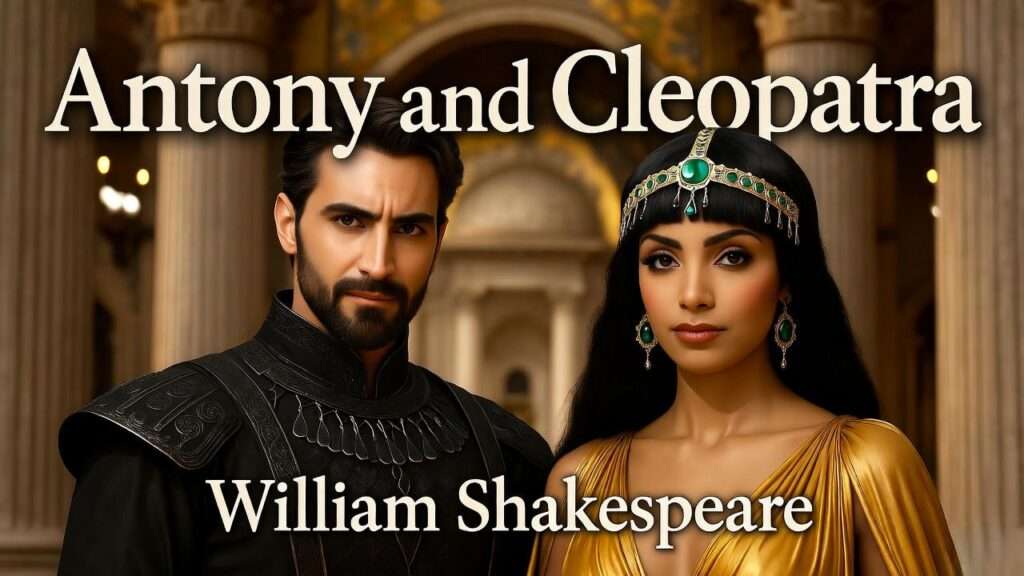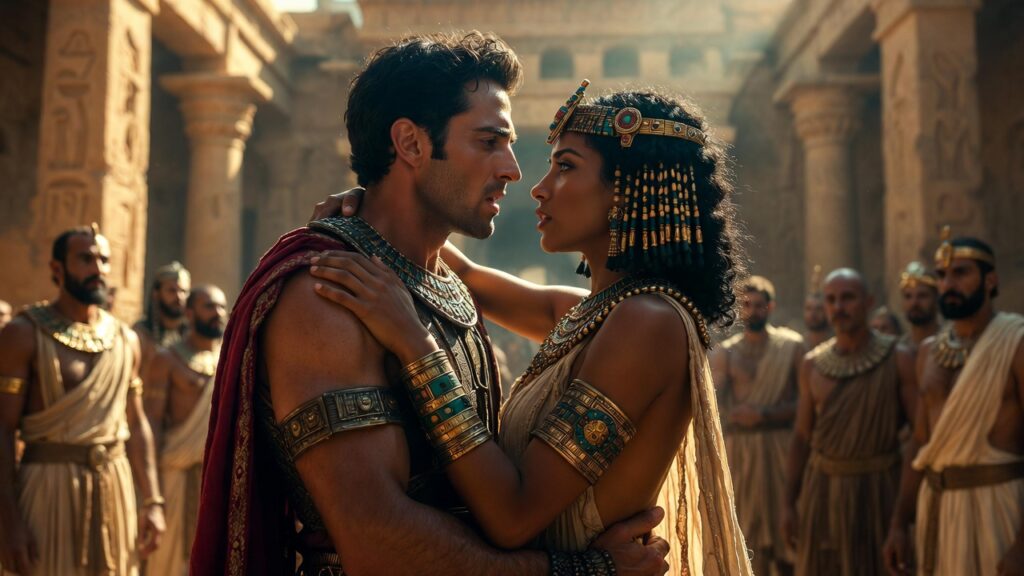
Imagine a world where the mightiest warrior of Rome, a man who once commanded legions and shaped empires, willingly lets the entire Roman world dissolve into chaos for the sake of a single, intoxicating embrace. This is the electrifying opening of William Shakespeare’s Antony and Cleopatra, a tragedy that explores the explosive clash between overwhelming passion and unyielding duty. In Act 1, Shakespeare masterfully plants the seeds of tragedy by introducing the central conflict: Mark Antony’s divided heart between his love for Cleopatra, Queen of Egypt, and his responsibilities as one of Rome’s triumvirs. This act sets the stage for the play’s profound exploration of power, desire, politics, and inevitable downfall.
For students preparing essays, teachers seeking classroom insights, or literature enthusiasts craving deeper understanding, this comprehensive guide delivers a detailed Antony and Cleopatra Act 1 summary. It includes scene-by-scene breakdowns, character introductions, thematic analysis, key quotes with explanations, and expert insights into how these early moments foreshadow the tragic arc. By the end, you’ll grasp why Act 1 is essential—not just as exposition, but as the foundation of one of Shakespeare’s most psychologically complex and thematically rich works.
Overview of Act 1: Setting the Stage for Conflict
Act 1 consists of five scenes, cleverly alternating between the opulent, sensual world of Alexandria, Egypt (Scenes 1, 2, 3, and 5), and the disciplined, austere atmosphere of Rome (Scene 4). This structural contrast immediately establishes the play’s core binary opposition: Rome versus Egypt, or duty versus passion.
In Egypt, life pulses with indulgence, emotion, and sensuality—embodied by Cleopatra’s teasing, theatrical court. Rome, represented by the young Octavius Caesar, prioritizes order, military discipline, and political ambition. Mark Antony straddles both worlds: once Rome’s heroic “triple pillar,” he now indulges in Egyptian pleasures, neglecting urgent Roman affairs.
The act introduces political threats (Pompey’s rebellion, Fulvia’s death) while highlighting Antony’s internal division. These elements create dramatic irony—the audience senses the impending catastrophe even as the lovers revel in their bliss. Shakespeare’s source, Plutarch’s Lives, provides historical grounding, but the playwright amplifies the emotional and thematic depth, making Act 1 a microcosm of the entire tragedy.
Scene-by-Scene Detailed Summary
Act 1, Scene 1: The Lovers’ Indulgence and Roman Disapproval
The play opens in Cleopatra’s palace in Alexandria with a scathing Roman perspective. Philo, one of Antony’s followers, laments to Demetrius how their general has fallen into “dotage” (foolish infatuation). He describes Antony’s transformation: eyes that once “glowed like plated Mars” now fixate on Cleopatra’s “tawny front” (her dark complexion, viewed through Roman bias). Antony, once the epitome of martial valor, has become “the bellows and the fan / To cool a gipsy’s lust.”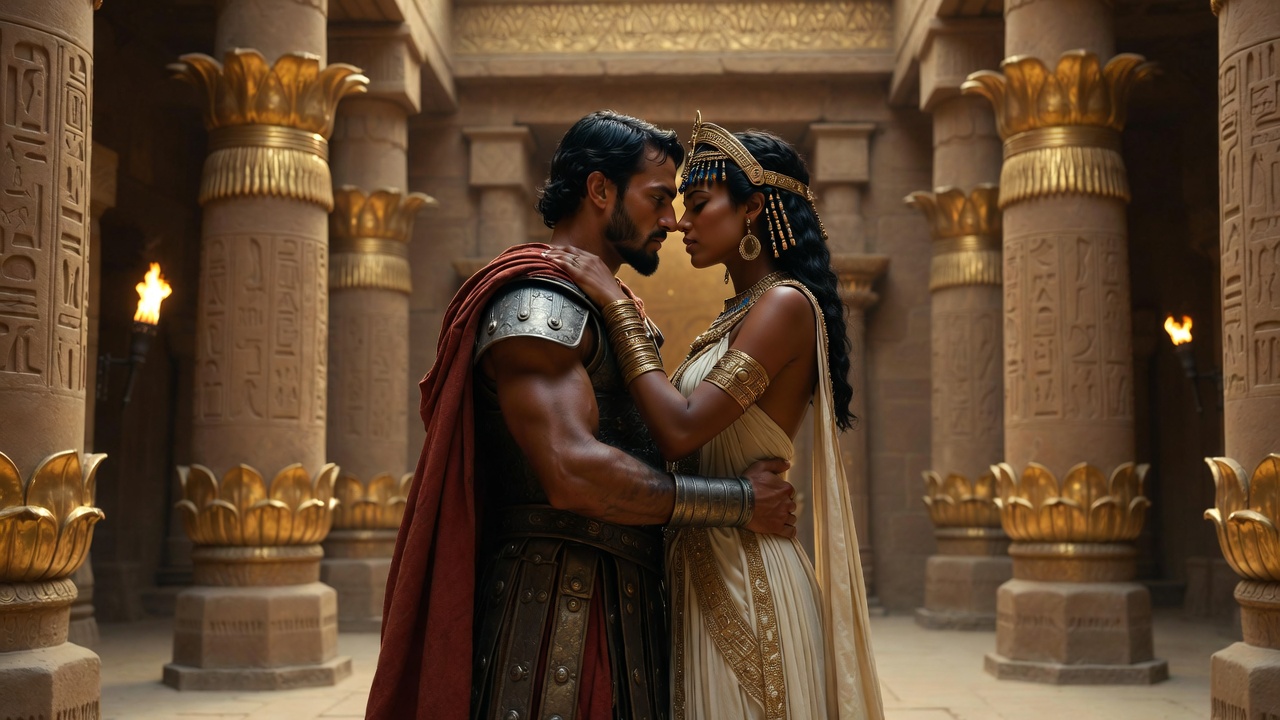
Antony and Cleopatra enter amid fanfare, with eunuchs fanning the queen. Cleopatra playfully demands Antony quantify his love: “If it be love indeed, tell me how much.” Antony replies famously, “There’s beggary in the love that can be reckoned,” insisting true passion defies measurement. A messenger arrives with urgent news from Rome—likely involving Antony’s wife Fulvia and political unrest—but Antony dismisses it: “Let Rome in Tiber melt, and the wide arch / Of the ranged empire fall! Here is my space.” He declares kingdoms “clay” compared to his love, and the couple exits to wander the streets together.
Philo and Demetrius conclude the scene in despair, noting how Antony, the “triple pillar of the world,” has become “a strumpet’s fool.” This opening establishes the Roman view of Egypt as decadent and corrupting, while showcasing the lovers’ intoxicating chemistry.
Act 1, Scene 2: Fortune-Telling and Ominous Foreshadowing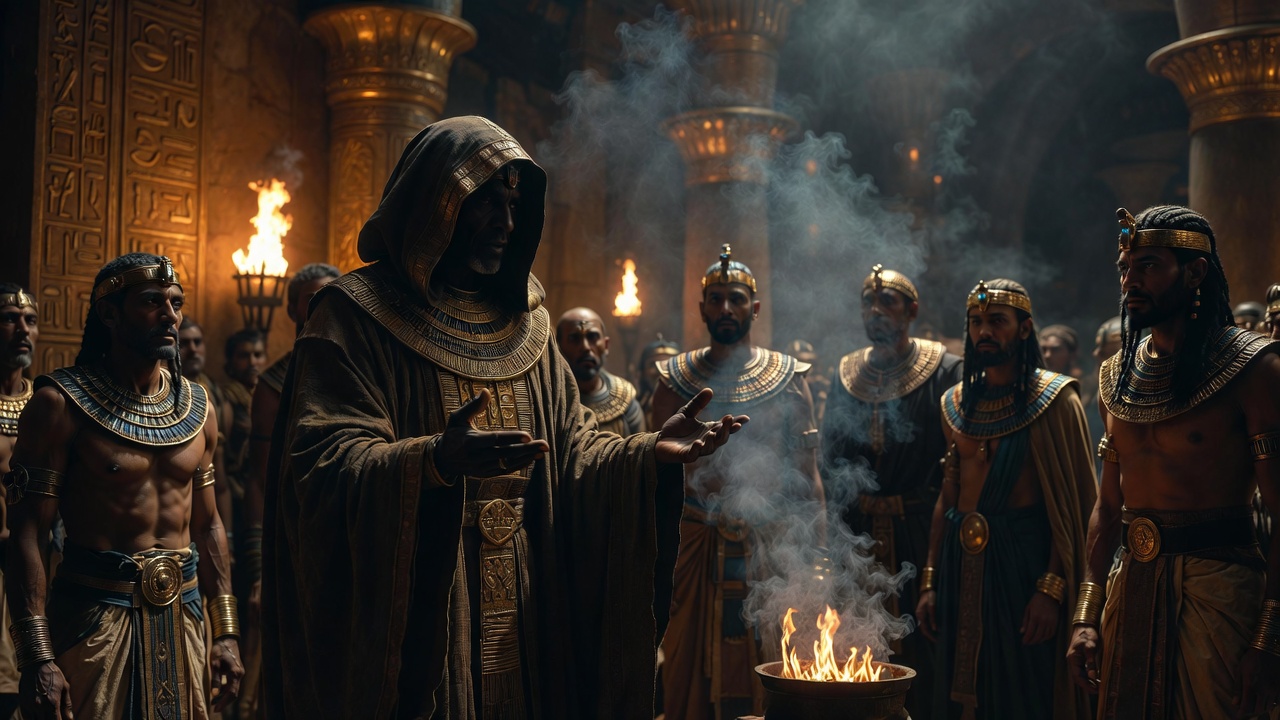
Back in the palace, Cleopatra’s attendants—Charmian, Iras, Alexas, and the loyal Enobarbus—engage in lighthearted banter and consult a Soothsayer. The fortune-teller delivers ambiguous predictions: Charmian and Iras will outlive their mistress (a dark hint at Cleopatra’s fate), and their fortunes involve marriage and children in ironic, fatalistic terms.
Enobarbus provides comic relief with witty commentary, but the mood shifts when messengers arrive. Antony learns of Fulvia’s death and Pompey’s growing rebellion. Initially dismissive, Antony reflects on his “idleness” and decides he must break from the “enchanting queen.” Enobarbus urges him to return to Rome, praising Cleopatra’s “infinite variety” in a later scene but here acknowledging the political necessity.
This scene mixes humor with foreboding: the Soothsayer’s cryptic words foreshadow tragedy, while Antony’s resolve to leave plants the first crack in the lovers’ paradise.
Act 1, Scene 3: Cleopatra’s Jealousy and Antony’s Departure
Cleopatra, sensing Antony’s distraction, feigns illness and mood swings to manipulate him. She accuses him of hypocrisy—mourning Fulvia while claiming eternal love for her—and dramatizes her grief. Antony announces Fulvia’s death and the need to confront Pompey, declaring his sword “made” for action.
Cleopatra oscillates between rage, sarcasm, and tenderness, calling him a “liar” and “traitor.” Yet their farewell reveals genuine affection: Antony promises return, and Cleopatra blesses his journey. The scene highlights Cleopatra’s complexity—passionate, insecure, theatrical—while showing Antony’s struggle to reclaim his Roman duty.
Act 1, Scene 4: Rome’s Perspective – Caesar’s Condemnation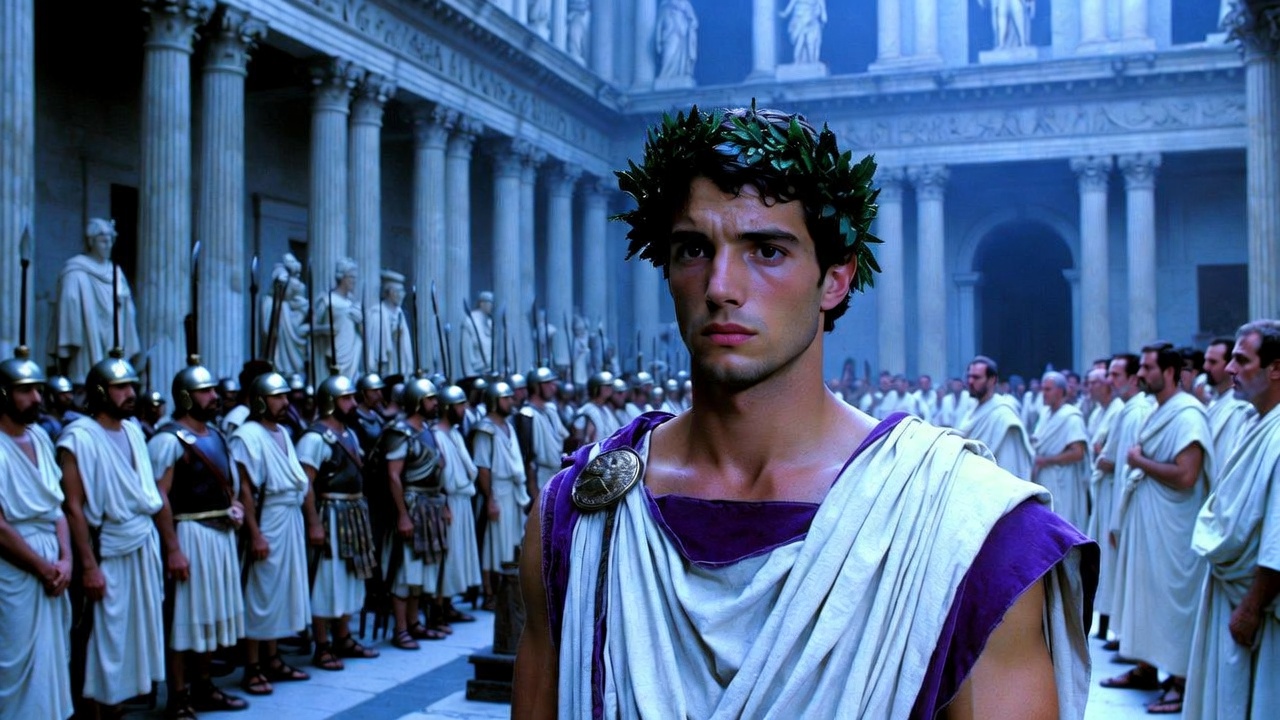
Shifting to Rome, Octavius Caesar and Lepidus discuss Antony’s excesses. Caesar reads reports of Antony’s dissipation in Egypt—drinking, carousing, and neglecting empire—while Pompey threatens. Caesar condemns Antony’s behavior: “He fishes, drinks, and wastes / The lamps of night in revel.”
This scene contrasts Roman restraint with Egyptian indulgence. Caesar emerges as cold, calculating, and ambitious—the perfect foil to Antony’s passion. Lepidus appears weak, underscoring the triumvirate’s instability.
Act 1, Scene 5: Cleopatra’s Longing in Antony’s Absence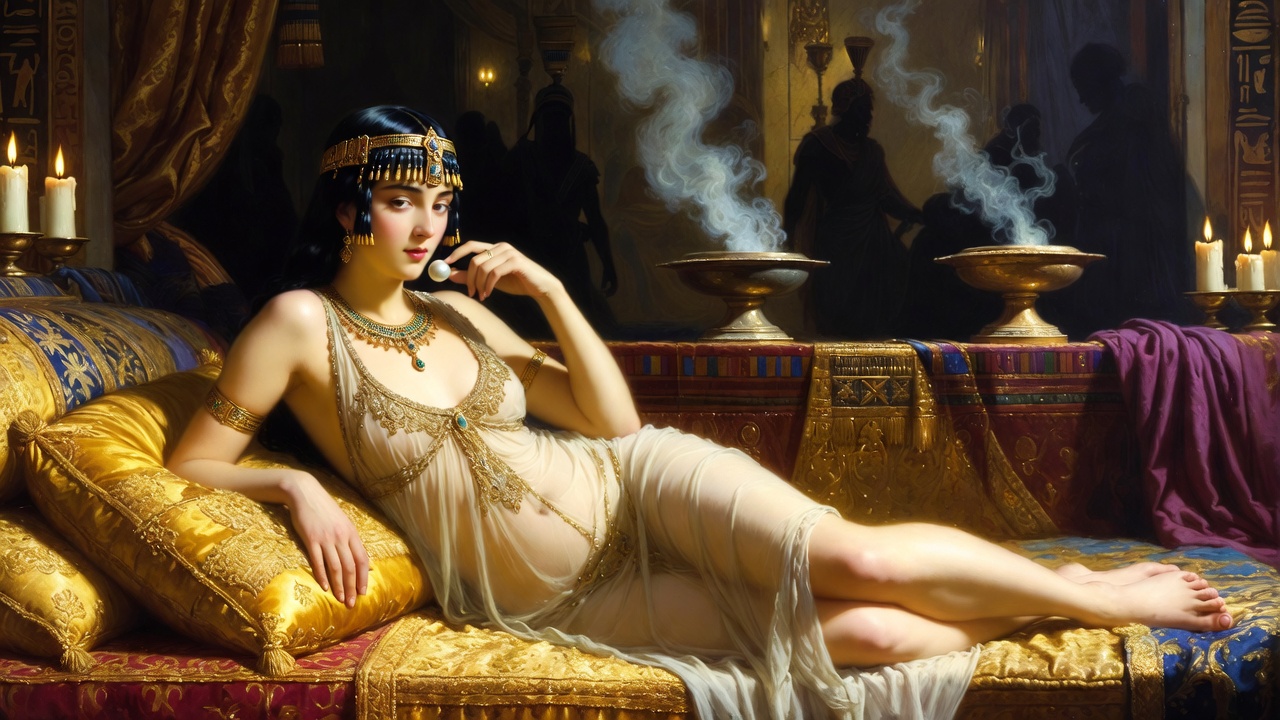
Alone in Egypt, Cleopatra reminisces about Antony, comparing him to past lovers like Julius Caesar. She receives a pearl from him, kissed before departure, and delights in its symbolism. Mixing melancholy with sensuality, she longs for his return while playfully imagining their reunion.
This intimate scene deepens Cleopatra’s character—nostalgic, devoted, regal—while reinforcing her emotional hold on Antony.
Key Characters Introduced in Act 1
- Mark Antony: The tragic hero, a legendary warrior torn between Roman duty and Egyptian passion. His “dotage” signals internal conflict.
- Cleopatra: Enigmatic and multifaceted—seductive, manipulative, intelligent, and deeply passionate. She embodies Egypt’s allure.
- Octavius Caesar: Ambitious, disciplined, future Augustus—represents Roman order and inevitability.
- Supporting figures: Enobarbus (witty, loyal observer), Philo/Demetrius (Roman critics), Lepidus (ineffective triumvir), Soothsayer (symbol of fate).
Major Themes Established in Act 1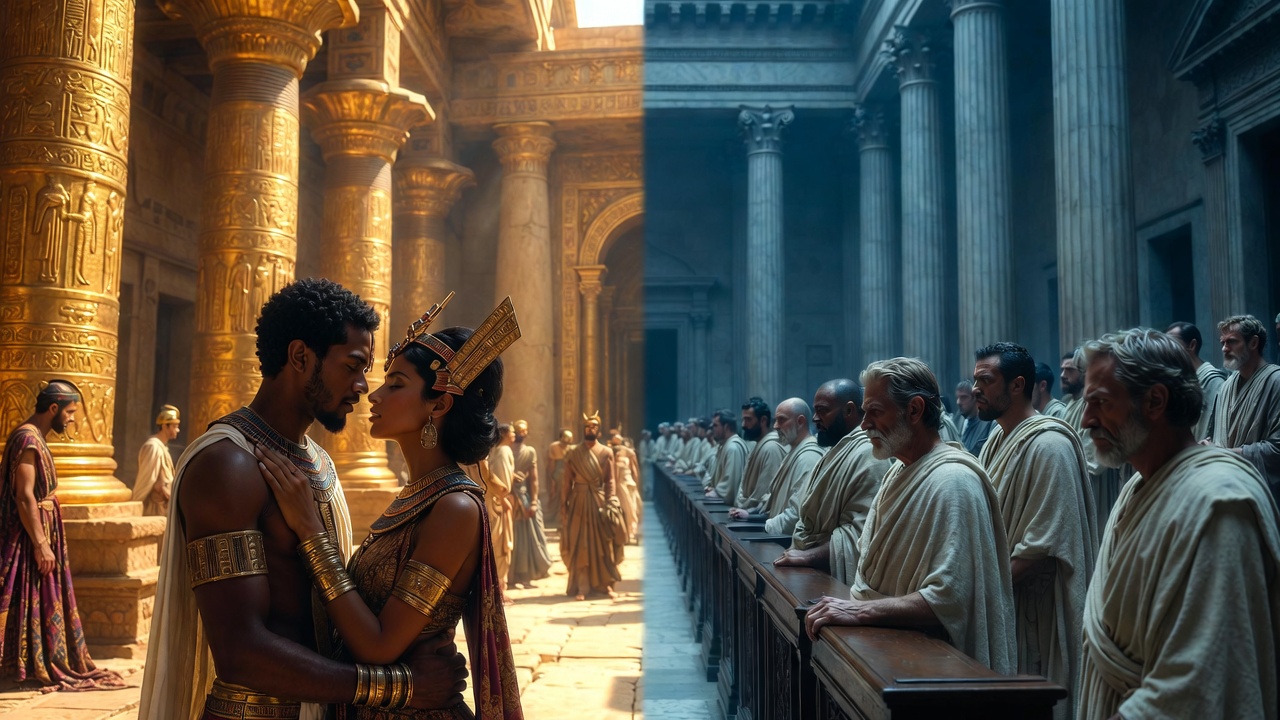
Passion vs. Duty (Rome vs. Egypt): The central tension. Antony’s choice foreshadows tragedy, as personal desire undermines political responsibility.
Love and Power: Desire intersects with ambition; Cleopatra’s influence threatens Antony’s status.
Gender Roles and Orientalism: Cleopatra’s femininity challenges Roman masculinity; Shakespeare portrays East as exotic yet dangerous.
Fate and Fortune: The Soothsayer’s prophecies hint at inescapable destiny.
Important Quotes from Act 1 with Analysis
- “Nay, but this dotage of our general’s / O’erflows the measure” (Philo, 1.1) — Introduces excess as destructive force.
- “There’s beggary in the love that can be reckoned” (Antony, 1.1) — Passion defies quantification.
- “Let Rome in Tiber melt…” (Antony, 1.1) — Dramatic rejection of duty.
- “Age cannot wither her…” (Enobarbus, later echoed) — Hints at Cleopatra’s timeless appeal.
- “My salad days, / When I was green in judgement…” (Cleopatra, 1.5) — Reflects on youth and growth.
These quotes employ hyperbole, metaphor, and irony to underscore themes.
How Act 1 Sets Up the Seeds of Tragedy
Foreshadowing abounds: Antony’s divided loyalties, Caesar’s judgment, Cleopatra’s manipulation, Pompey’s threat—all build toward conflict. The act creates dramatic tension through irony—the lovers’ joy masks impending doom.
Historical and Literary Context
Drawn from Plutarch, Shakespeare infuses history with psychological depth. Act 1 captivates through rapid shifts and vivid contrasts, influencing performances from Globe to modern adaptations.
Study Tips and Discussion Questions
- Analyze contrasts in language (Roman restraint vs. Egyptian excess).
- Essay prompt: How does Shakespeare use Act 1 to establish the Rome-Egypt dichotomy?
- Compare to Othello for passion’s destructive power.
FAQs
- What is the main conflict in Act 1? Antony’s love vs. Roman duty.
- Why does Antony ignore Rome initially? Overwhelmed by passion.
- How does Cleopatra manipulate Antony? Through emotional volatility.
- What role does the Soothsayer play? Symbolizes fate’s inevitability.
Act 1 masterfully hooks with passion and tension, laying foundations for Shakespeare’s profound tragedy of love, power, and loss. Revisit these scenes with this guide for richer appreciation. Explore the full play—or share your thoughts below on how Act 1 foreshadows the end.