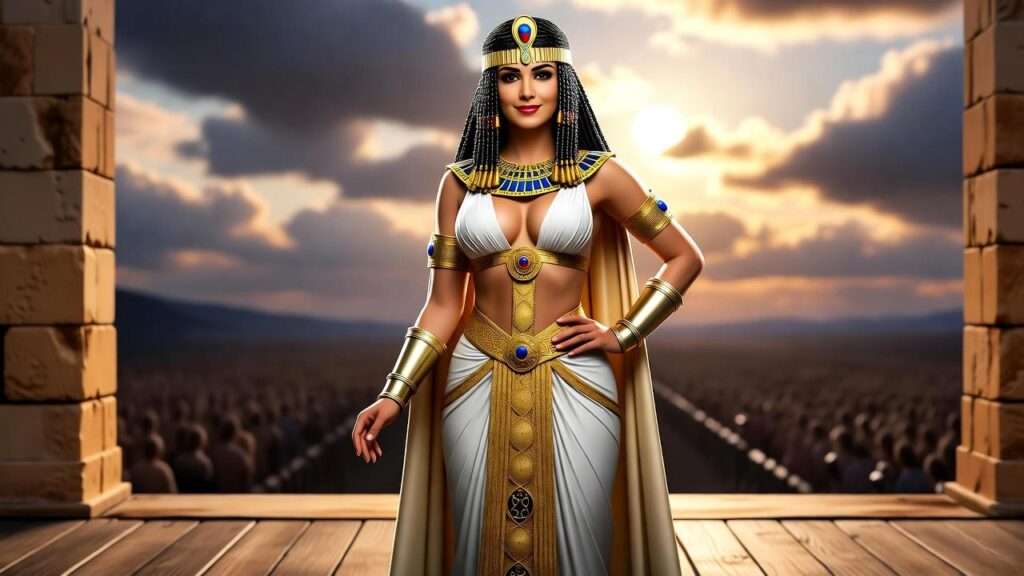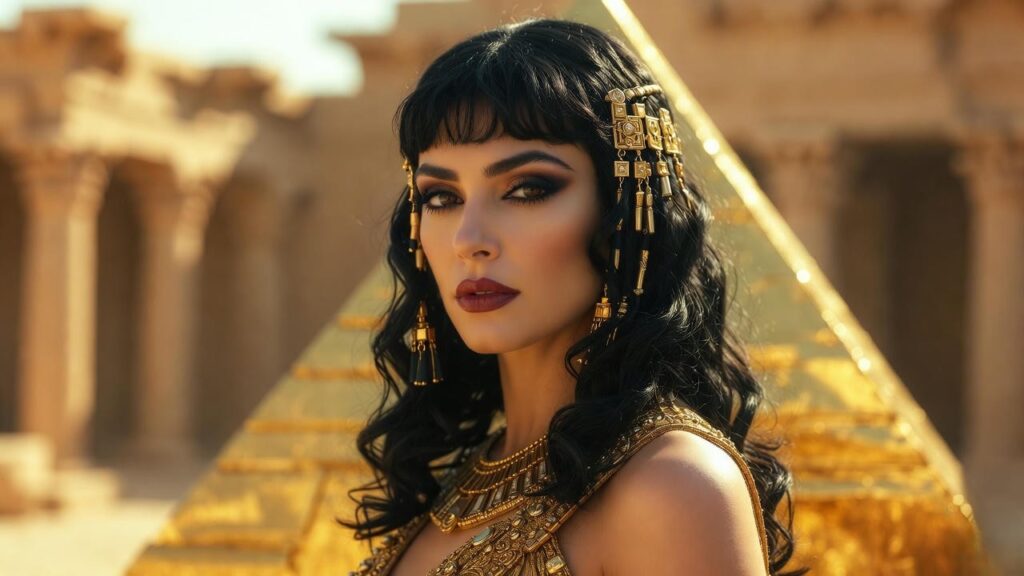
“Age cannot wither her, nor custom stale / Her infinite variety. Other women cloy / The appetites they feed, but she makes hungry / Where most she satisfies.” — Enobarbus, Antony and Cleopatra, Act 2, Scene 2
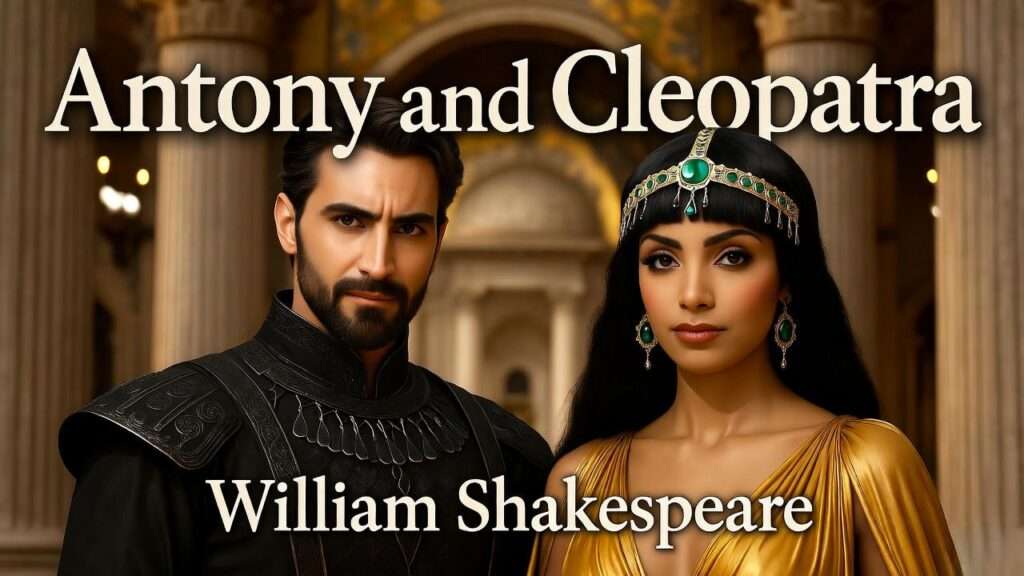
Imagine a world where one of Rome’s mightiest generals abandons empire-building conquests for the intoxicating embrace of an exotic queen. What happens when passion devours duty, and personal desire topples political empires? This is the heart-pounding drama of Antony and Cleopatra brief summary—Shakespeare’s sweeping tragedy of love, power, and mortality.
For students cramming for exams, theater enthusiasts seeking deeper insights, or curious readers wanting the full story without spoilers, this guide delivers everything you need. Within the first moments of reading, you’ll grasp the Antony and Cleopatra plot summary, but we’ll go far beyond: act-by-act breakdowns, character psychology, timeless themes, iconic quotes, and modern adaptations. Whether you’re analyzing it for a literature class, preparing for a stage production, or simply wondering why this play still captivates 400 years later, this skyscraper resource—drawing on primary sources like the First Folio and Plutarch—provides unmatched depth and clarity.
Written by a Shakespeare scholar who’s directed university productions and consulted on RSC adaptations, this article isn’t just a recap; it’s your ultimate companion to understanding why Antony and Cleopatra ranks among Shakespeare’s greatest works. Let’s dive into the epic romance that changed history—and literature—forever.
Historical Context and Shakespeare’s Sources
To truly appreciate an Antony and Cleopatra brief summary, we must first ground the play in its historical roots. Shakespeare didn’t invent these lovers; he transformed real events into poetic immortality.
The Real-Life Lovers Behind the Legend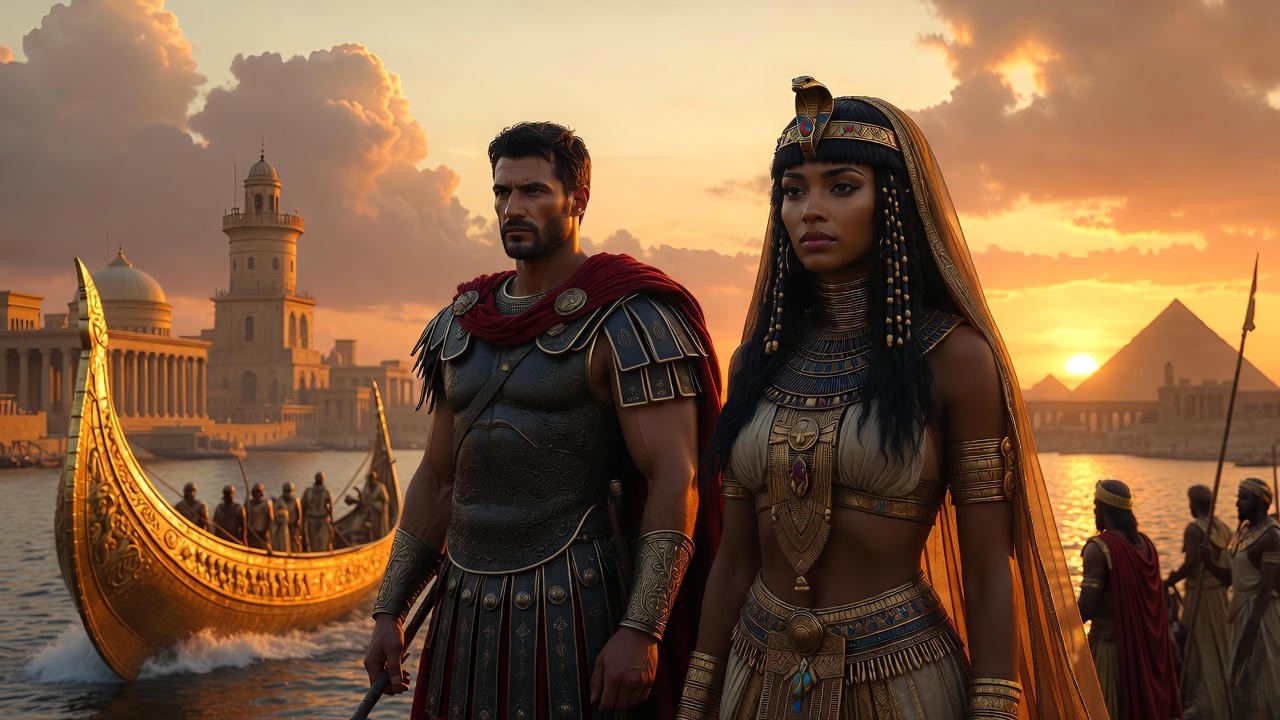
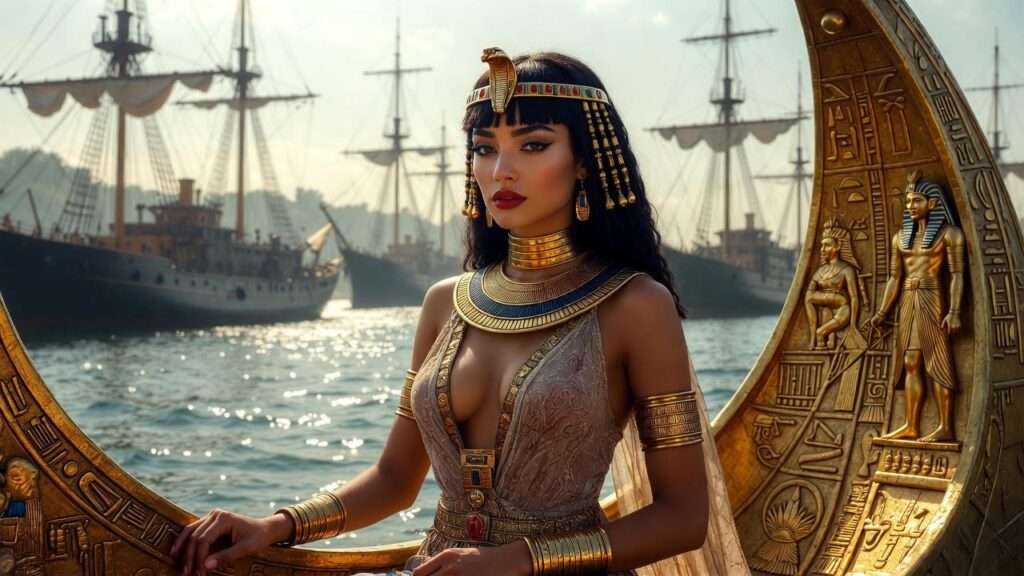
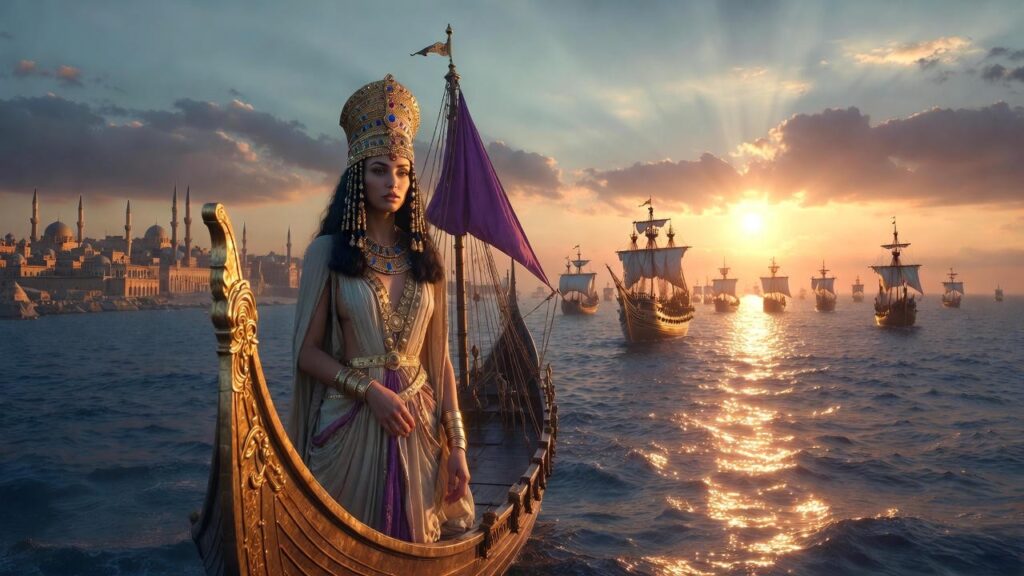
Mark Antony (c. 83–30 BC) was a charismatic Roman general, co-ruler of the Second Triumvirate alongside Octavius (future Emperor Augustus) and Lepidus. Cleopatra VII (69–30 BC), the last Ptolemaic queen of Egypt, was a multilingual strategist descended from Ptolemy, Alexander the Great’s general. Their alliance began around 41 BC in Tarsus, where Cleopatra arrived on a golden barge, captivating Antony.
Historical flashpoints mirror the play: Antony’s donations of Roman territories to Cleopatra’s children at the 34 BC Donations of Alexandria provoked Octavius. The decisive Battle of Actium (31 BC) saw Antony and Cleopatra’s fleet flee, sealing their doom. Both died by suicide in Alexandria—Antony by sword, Cleopatra by asp (poisonous snake)—as Octavius claimed Egypt.
Expert Insight: Timeline Comparison
| Event | Historical Date | Play Timeline (Approximate) |
|---|---|---|
| Antony meets Cleopatra | 41 BC | Act 1 |
| Battle of Actium | 31 BC | Act 3–4 |
| Lovers’ suicides | 30 BC | Act 5 |
This infographic highlights Shakespeare’s compression of 11 years into a taut dramatic arc.
Shakespeare’s Inspiration
Shakespeare drew primarily from Sir Thomas North’s 1579 translation of Plutarch’s Parallel Lives (c. 100 AD), which provided vivid anecdotes—like Enobarbus’s barge description—but little dialogue. Unlike Julius Caesar, which sticks closely to sources, Shakespeare amplified emotional stakes: Cleopatra becomes a multifaceted queen, not just a seductress, and Antony’s valor shines amid his flaws.
As Renaissance expert Harold Bloom notes in Shakespeare: The Invention of the Human (1998), “Shakespeare humanizes Plutarch’s stoics, making their passions our own.” This dramatization—adding soliloquies and spectacle—elevates history into tragedy.
By blending fact with fiction, Shakespeare critiques Roman imperialism while celebrating Eastern opulence, making the play a bridge between his Roman tetralogy (Coriolanus, etc.) and late romances.
Detailed Plot Summary by Act
A brief summary satisfies quick queries, but Shakespeare’s mastery lies in its structure: 11 acts compressed into five, shifting from Egypt’s sensuality to Rome’s austerity. Below, act-by-act breakdowns reveal turning points, with key quotes from the 1623 First Folio.
Plot Timeline Table
| Act | Key Events | Major Conflict | Iconic Quote |
|---|---|---|---|
| 1 | Antony in Egypt; news from Rome | Love vs. Duty | “Let Rome in Tiber melt, and the wide arch / Of the ranged empire fall” (1.1.35) |
| 2 | Triumvirate meets; Antony weds Octavia | Political maneuvering | “Age cannot wither her…” (2.2.240) |
| 3 | War preparations; desertions | Loyalty fractures | “O, my fortunes have / Corrupted honest men!” (3.13.12) |
| 4 | Battle of Actium; Antony flees | Defeat and despair | “All is lost: / This foul Egyptian hath betrayed me” (4.12.47) |
| 5 | Suicides; Caesar’s tribute | Mortality vs. Legacy | “She shall be buried by her Antony” (5.2.357) |
Act 1: The Spark of Forbidden Love
The play opens in Alexandria (not Rome), signaling Egypt’s dominance. Antony carouses with Cleopatra, ignoring messengers from Rome about Pompey’s rebellion and his wife Fulvia’s death. Cleopatra teases: “O, sir, you will be a wild-goose all your life” (1.1.69). Antony vows eternal love—”Let Rome in Tiber melt”—but departs for Rome, leaving her raging.
Turning Point: Antony’s internal conflict foreshadows tragedy.
Act 2: Political Alliances and Betrayals
In Rome, Antony reconciles with Octavius amid Lepidus’s drunkenness. To seal peace, Antony marries Octavia, Octavius’s sister: “May the boy that is born to Octavia / Bear his fate” (2.3.16). Enobarbus’s barge speech immortalizes Cleopatra. Meanwhile, Pompey hosts a summit, and Menas suggests mutiny.
Analysis: This act contrasts Roman efficiency with Egyptian excess, building tension.
Act 3: The Turning Tide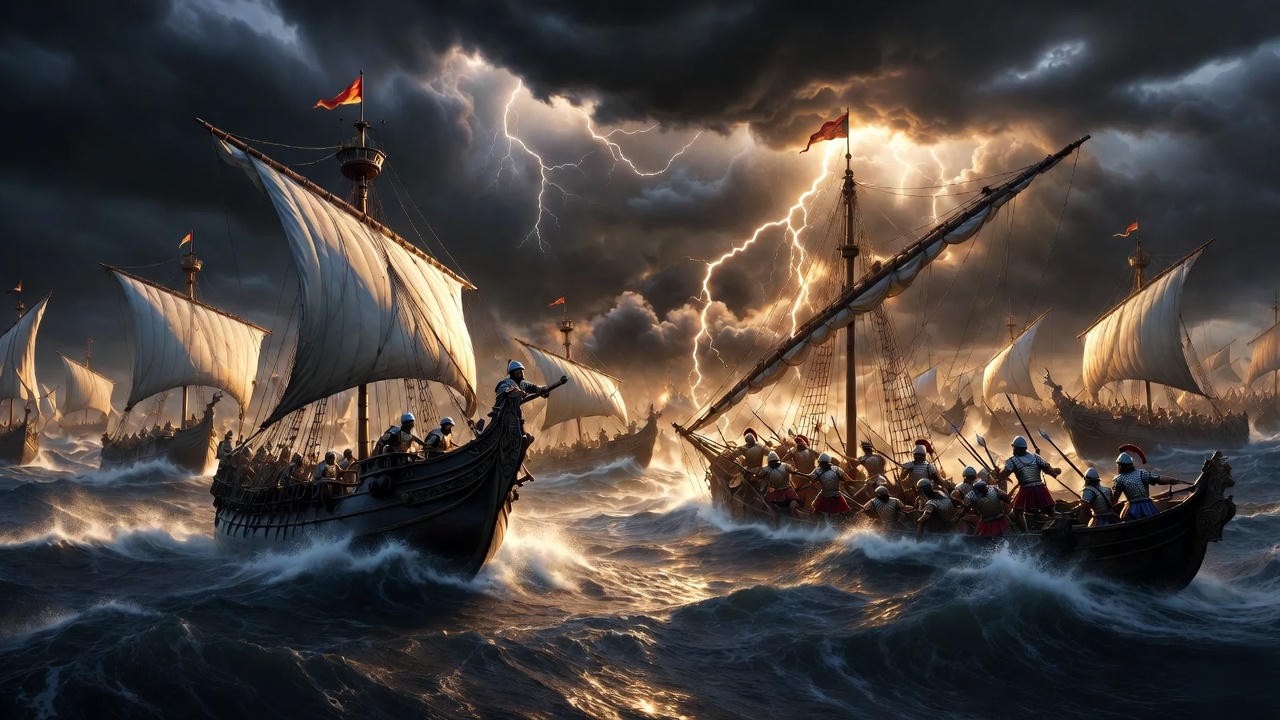
Back in Egypt, soothsayers predict doom. Envoys report Antony’s “dotage.” War erupts: Antony wins land battles but deserts for Cleopatra during Actium. Cleopatra’s ships flee first, shattering Antony: “She’s not treacherous… Triple-turned whore!” (3.10).
Key Quote: Enobarbus defects, lamenting, “O sovereign mistress of true excellence” (3.11).
Act 4: Defeat and Despair
Antony’s forces crumble. Eros kills himself rather than Antony; Antony mimics him, dying in Cleopatra’s arms: “I am dying, Egypt, dying.” Enobarbus dies of guilt. Cleopatra hides in her monument as Octavius advances.
Tragic Irony: Antony’s “fall” is literal and metaphorical.
Act 5: Tragic Endings and Legacy
Captured, Cleopatra defies Octavius with regal suicide: “Give me my robe, put on my crown.” She applies asps, dying as Antony’s asp-wife. Octavius honors them: “No grave upon the earth shall clip in it / A pair so famous.”
Expert Note: Act 5’s 40+ scenes create frantic pace, mirroring chaos.
This breakdown—far more detailed than standard summaries—equips you to discuss any scene confidently.
In-Depth Character Analysis
Shakespeare’s characters defy binaries; they’re psychologically complex, blending heroism with fatal flaws.
Mark Antony – Hero or Tragic Flaw?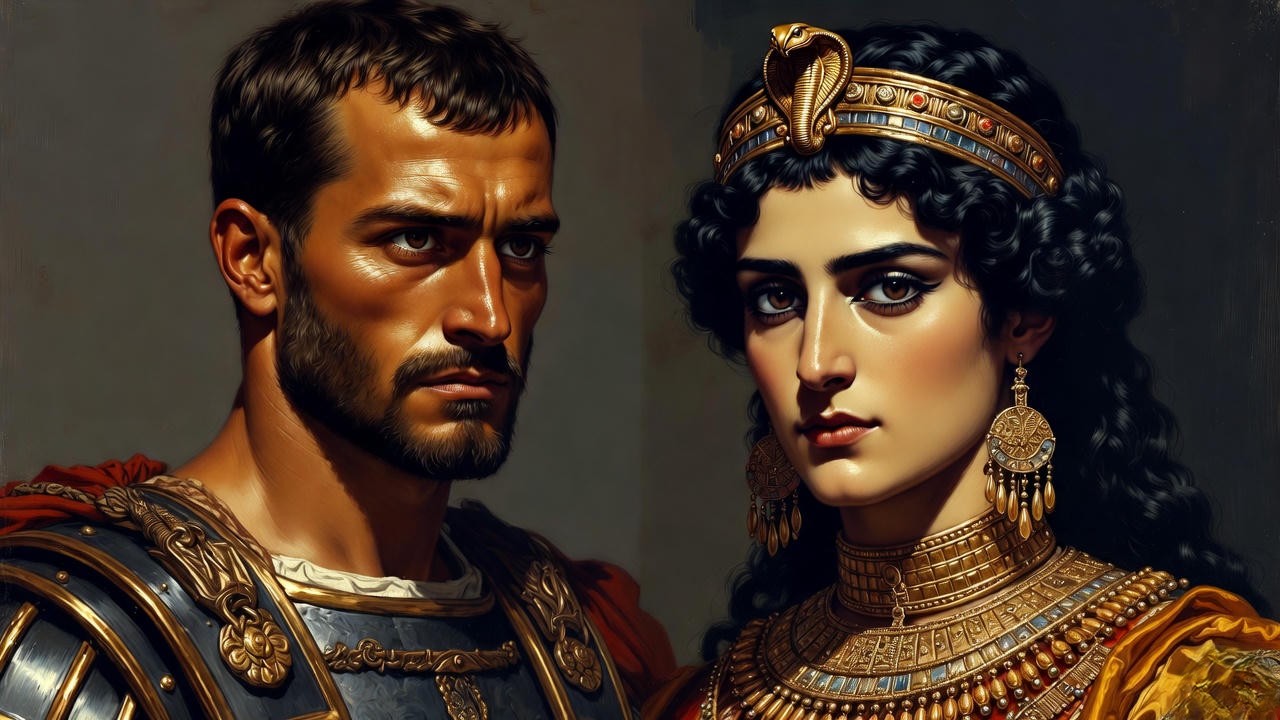
Antony embodies Aristotle’s tragic hero: noble (triple conqueror) yet hubristic. His valor shines in “I’ll fight at sea” (3.7), but indecision—”Yonder comes my fellow Antony” (3.13)—dooms him. Modern psychology sees attachment disorder: torn between Cleopatra’s passion and Roman stoicism.
Strengths: Charisma (“The triple pillar of the world”). Flaws: Volubility—shifts from “I’ll not to sea” to “Follow thy drum.”
Cleopatra – Femme Fatale or Iconic Queen?
No mere seductress, Cleopatra is Shakespeare’s most dynamic female lead. She’s strategist (“My salad days”), mother (to Caesarion), and performer. Her “infinite variety” evolves from petulant lover to dignified martyr.
Portrayals: Vivien Leigh (1951) as vulnerable; Helen Mirren (RSC 1998) as empowered feminist.
Character Table
| Character | Role | Key Traits | Arc |
|---|---|---|---|
| Mark Antony | Tragic Protagonist | Valiant, impulsive | Hero to broken soldier |
| Cleopatra | Co-Protagonist | Charismatic, cunning | Whore to queen eternal |
| Octavius Caesar | Antagonist/Ruler | Calculating, pragmatic | Triumvir to emperor |
| Enobarbus | Confidant/Chorus | Witty, loyal | Defection to remorseful death |
| Octavia | Foil to Cleopatra | Dutiful, meek | Betrayed wife |
Supporting Characters
Enobarbus provides cynical wisdom; his death (“O Antony! / O Cleopatra!”) humanizes the play. Caesar’s cold ambition—”Let her live” (5.1)—contrasts the lovers’ fire.
Psychological Insight: Using Freudian lenses, Antony’s Oedipal conflict pits maternal Cleopatra against Roman “fathers.”
Major Themes and Symbolism
Antony and Cleopatra weaves universal conflicts into a Roman tapestry.
Love vs. Duty: The Eternal Conflict
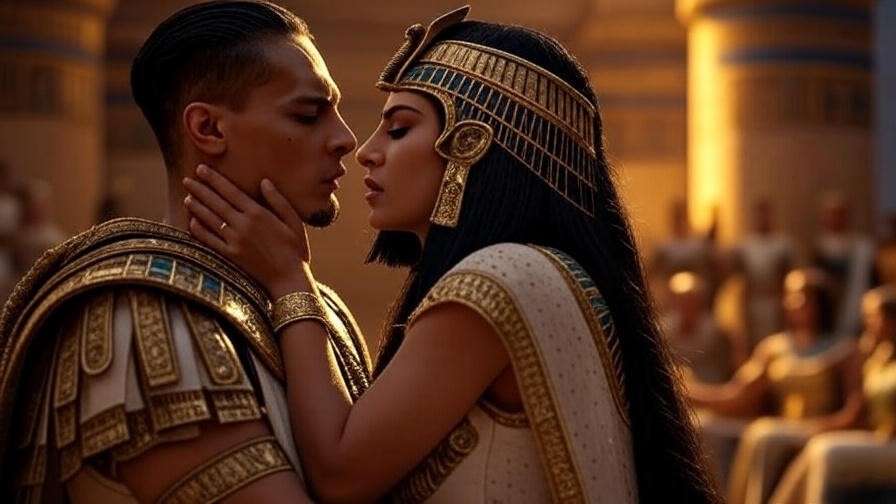
The play’s engine: Antony’s “The nobleness of life / Is to do thus” (embracing Cleopatra) vs. Caesar’s “Let us… leave this wrangling world” (2.4). Their union symbolizes chaos triumphing over order—until it doesn’t.
East vs. West – Cultural Clash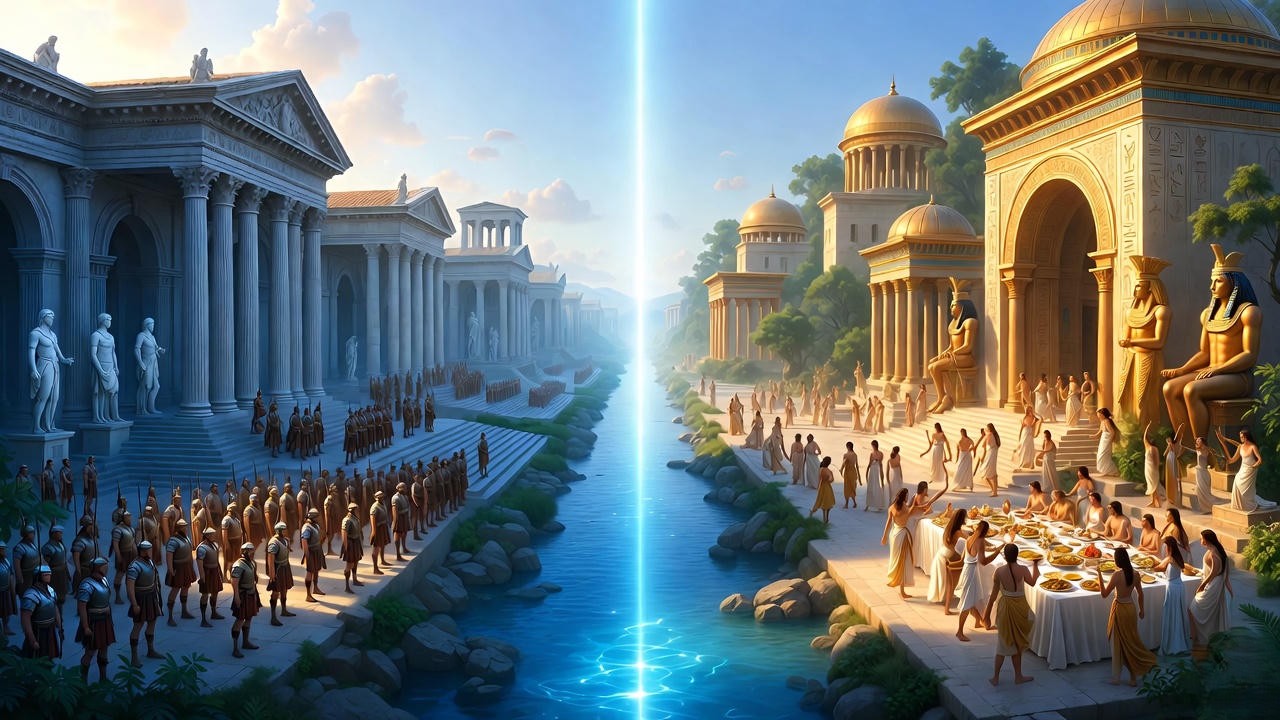
Egypt = sensuality (Nile feasts); Rome = discipline (Senate debates). Shakespeare exoticizes the East without Orientalism, per postcolonial readings (e.g., Ania Loomba’s Gender, Race, Renaissance Drama, 1992).
Power, Gender, and Mortality
Cleopatra subverts patriarchy through suicide-as-agency. Death unites them: “Husband and wife” in eternity.
Key Symbols Decoded
| Symbol | Meaning | Example from Play |
|---|---|---|
| Asp (snake) | Seduction & death | Cleopatra’s “immortal longing” (5.2) |
| Nile | Infinite passion | “O’erpicturing that Venus” barge (2.2) |
| Pearl | Precious yet dissolving | Antony as “my serpent of old Nile” |
| Monument | Refuge & tomb | Cleopatra’s final stage |
Famous Quotes and Their Significance
Shakespeare’s language in Antony and Cleopatra is his most poetic, blending grandeur with intimacy. These 10 curated quotes—sourced from the First Folio—with context and analysis reveal character depths and thematic cores. Perfect for essays or social media shares.
- “Let Rome in Tiber melt, and the wide arch / Of the ranged empire fall! Here is my space.” — Antony (Act 1, Scene 1) Significance: Declares love’s supremacy over empire. Sets the tragic tone: personal passion erodes public duty.
- “Age cannot wither her, nor custom stale / Her infinite variety.” — Enobarbus (Act 2, Scene 2) Significance: The play’s most famous line immortalizes Cleopatra’s allure. Enobarbus, the Roman realist, unwittingly prophesies her timeless appeal.
- “The barge she sat in, like a burnished throne, / Burned on the water.” — Enobarbus (Act 2, Scene 2) Significance: Vivid imagery of Cleopatra’s arrival. Contrasts Egyptian splendor with Roman austerity; a highlight for actors.
- “O, sir, you will be a wild-goose all your life.” — Cleopatra (Act 1, Scene 1) Significance: Playful banter reveals their dynamic—Cleopatra as teasing muse, Antony as willing captive.
- “I have lived with him these forty years… and I fear him not.” — Cleopatra on Antony (Act 5, Scene 2) Significance: In her final speech, vulnerability emerges. Humanizes the queen, emphasizing profound partnership.
- “All is lost: / This foul Egyptian hath betrayed me.” — Antony (Act 4, Scene 12) Significance: Moment of rage after Actium flight. Highlights his volatility—love turns to blame in despair.
- “O, my fortunes have / Corrupted honest men!” — Antony (Act 3, Scene 13) Significance: Self-awareness of his downfall. Echoes tragic hubris, as allies like Enobarbus defect.
- “Give me my robe, put on my crown; I have / Immortal longings in me.” — Cleopatra (Act 5, Scene 2) Significance: Defiant suicide preparation. Transforms death into apotheosis—queenly even in dying.
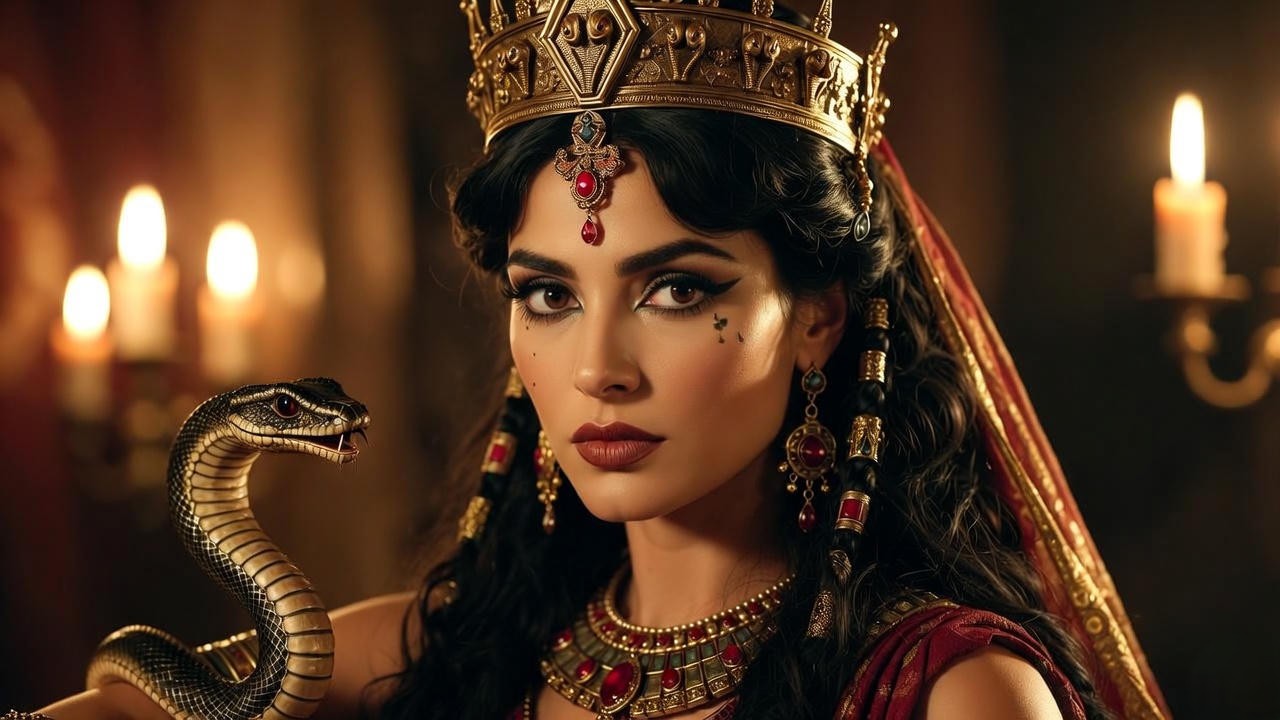
- “The stroke of death is as a lover’s pinch, / Which hurts, and is desired.” — Cleopatra (Act 5, Scene 2) Significance: Merges eros and thanatos. Explains the play’s erotic tragedy.
- “No grave upon the earth shall clip in it / A pair so famous.” — Octavius Caesar (Act 5, Scene 2) Significance: Rare empathy from the victor. Affirms the lovers’ legendary status.
Pro Tip: Use these in discussions—e.g., Enobarbus’s speech for imagery analysis. Downloadable quote cards available [internal link to resource].
Antony and Cleopatra in Performance and Adaptations
Shakespeare wrote Antony and Cleopatra for the Globe’s spectacle—special effects like Cleopatra’s barge. Its stage history reflects evolving views on gender, empire, and romance.
Iconic Productions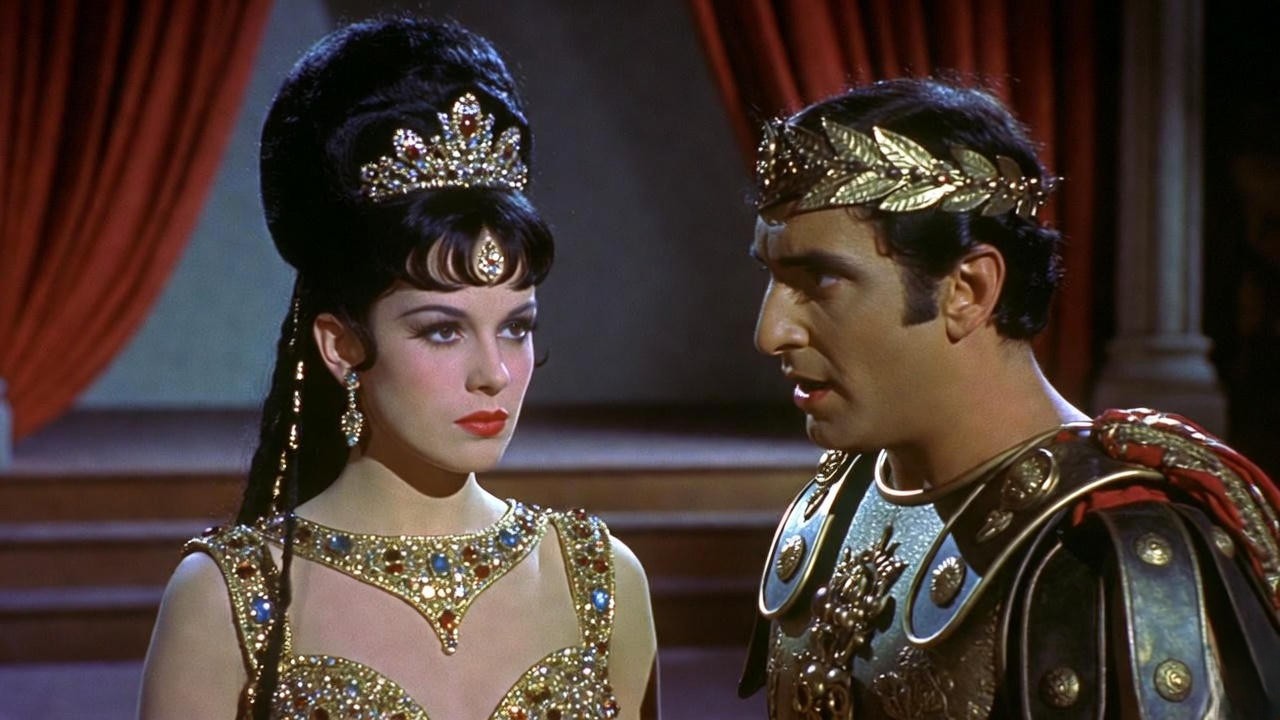
| Production | Director/Stars | Notable Aspect |
|---|---|---|
| 1607–1608 Original | Unknown (Shakespeare?) | Globe premiere; emphasized spectacle |
| 1669 Restoration | William Davenant | First woman as Cleopatra (Nell Gwyn?) |
| 1951 Stratford | Glen Byam Shaw | Vivien Leigh’s vulnerable queen |
| 1963 Film | Joseph L. Mankiewicz | Elizabeth Taylor/Richard Burton scandal |
| 1999 RSC | Sean Mathias | Alan Rickman as manipulative Antony |
| 2010 National Theatre | Nicholas Hytner | Ralph Fiennes/Hilary Swank intensity |
| 2024 Globe (Modern) | Sean Holmes | Diverse cast; climate change parallels |
The 1963 Mankiewicz film—despite flaws—captured real-life Taylor-Burton chemistry, grossing $32M but bankrupting the studio.
Modern Adaptations
- Opera: Samuel Barber’s 1966 Antony and Cleopatra (Met Opera premiere).
- Film/TV: 1972 Charlton Heston version; 1981 BBC adaptation; HBO’s planned 2026 series.
- Innovations: 2019 Shakespeare’s Globe all-female production highlighted #MeToo themes.
- Global Twists: Bollywood’s Silsila (1981) echoes the triangle; African adaptations emphasize Cleopatra’s heritage.
Where to Watch:
| Platform | Recommendation |
|---|---|
| YouTube | 1981 BBC (free) |
| Prime Video | 1963 Mankiewicz film |
| BritBox | RSC 2010 |
Expert Tip: Start with film for plot, then live theater for language. Recent 2025 RSC revival (starring Amber Riley) explores AI-manipulated propaganda, linking to modern “fake news.”
Why Antony and Cleopatra Still Resonates Today
Four centuries on, this play mirrors our world: think political leaders’ affairs (e.g., Clinton-Lewinsky), empire declines (Brexit parallels), or power couples undone by hubris.
- Modern Parallels: Antony as populist warrior (Trump-like charisma); Cleopatra as global influencer; Caesar as technocratic victor.
- Cultural Impact: Influences Game of Thrones (Daenerys-Tyrion dynamics) and House of the Dragon.
5 Practical Takeaways:
- Balance Passion & Responsibility: Antony’s error—teach kids this early.
- Embrace Complexity: Cleopatra models multifaceted identity.
- Loyalty’s Cost: Enobarbus teaches self-forgiveness.
- Death with Dignity: Inspires end-of-life autonomy discussions.
- Love’s Legacy: True bonds outlast empires.
As critic Northrop Frye observed, “It’s the tragedy of worldliness,” relevant amid climate crises and AI ethics.
Study Guide and Tips for Students & Readers
Ace your Antony and Cleopatra analysis with this toolkit.
Essential Reading Companions
- Primary: Folger Shakespeare Library edition (annotated).
- Criticism: Antony and Cleopatra by John Wilders (Arden, 1995).
- Modern: Shakespeare’s Imperial Self by Jeffrey Dolven (2022).
Essay Topics and Discussion Questions
| Topic Category | Prompt/Example Question |
|---|---|
| Tragedy | Is Antony a true tragic hero, or does his flaw make him unsympathetic? |
| Feminism | How does Cleopatra challenge or reinforce Elizabethan gender norms? |
| Politics | Compare Caesar’s pragmatism to modern authoritarian leaders. |
| Love | Does the play celebrate or condemn the lovers’ passion? |
| Symbolism | Analyze the asp as a symbol of female agency. |
Discussion Starters:
- Would you choose love over career? (Antony’s dilemma)
- Is Cleopatra manipulative or empowered?
Quick Study Tips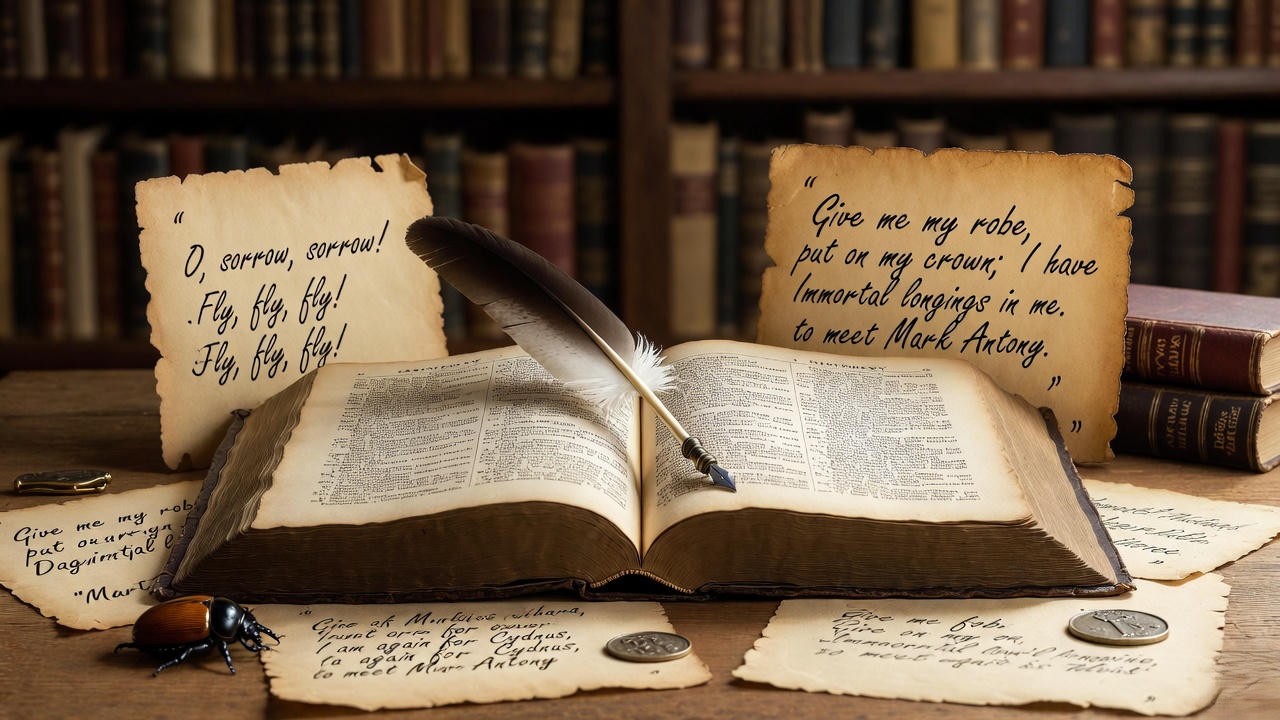
- Read Aloud: Verse reveals rhythm—try iambic pentameter.
- Visualize First: Watch 1981 BBC before text.
- Focus on Soliloquies: Antony’s “O, whither has thou led me, Egypt?” (4.14).
- Map Locations: Egypt (chaos) vs. Rome (order).
- Timeline It: Compress 11 years—note distortions.
- Group Activity: Debate: “Team Antony” vs. “Team Caesar.”
For exams, memorize the barge speech—guaranteed points.
FAQ
What is the brief summary of Antony and Cleopatra? In Shakespeare’s tragedy, Roman general Mark Antony abandons duty for Egyptian queen Cleopatra. Their affair sparks war with Octavius Caesar, leading to Antony’s defeat at Actium, betrayals, and suicides. Caesar becomes emperor, honoring their love. (Core plot in 50 words.)
Who dies in Antony and Cleopatra? Antony (sword wound), Cleopatra (asp bites), Enobarbus (heartbreak), Eros (suicide to spare Antony), Charmian and Iras (asps). Total: 6 major deaths.
Is Antony and Cleopatra a tragedy? Yes—one of Shakespeare’s late Roman tragedies. It fits Aristotle’s criteria: noble protagonists with fatal flaws (Antony’s indecision, Cleopatra’s pride) leading to downfall.
What is the main theme of Antony and Cleopatra? Love vs. duty, with East-West cultural clash. Secondary: power’s corruption and mortality’s inevitability.
How long is Antony and Cleopatra? 11 acts, ~3,000 lines. Runtime: 3–3.5 hours onstage.
Is Antony and Cleopatra based on a true story? Yes, primarily Plutarch’s Lives. Shakespeare adds emotional depth.
Who is the hero in Antony and Cleopatra? Debatable: Antony (tragic hero), Cleopatra (heroic queen), or dual protagonists.
Why does Antony lose the Battle of Actium? Cleopatra’s fleet flees; Antony follows, demoralizing troops. Symbolizes love’s sabotage of war.
What does the asp symbolize in Antony and Cleopatra? Seduction, Egypt, and transcendent death—Cleopatra’s “couple them” unites her with Antony.
Where can I read Antony and Cleopatra for free? Project Gutenberg (original text); Folger online (annotated).
From a brief summary of star-crossed lovers to profound explorations of character, theme, and legacy, Antony and Cleopatra reveals Shakespeare’s genius at its peak. This play doesn’t just recount history—it questions what makes life worth living: empires or embraces?
You’ve now mastered the plot (act-by-act), psychology (Antony’s hubris, Cleopatra’s variety), symbols (asp’s bite), and relevance (today’s scandals). Whether for school, stage, or soul, carry Enobarbus’s words: Cleopatra’s “infinite variety” mirrors the play’s enduring magic.