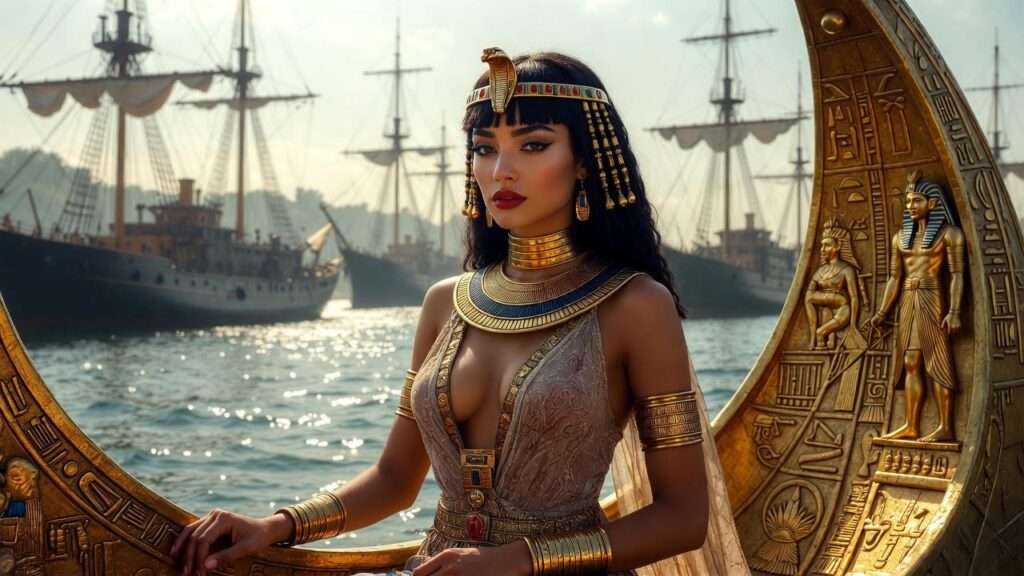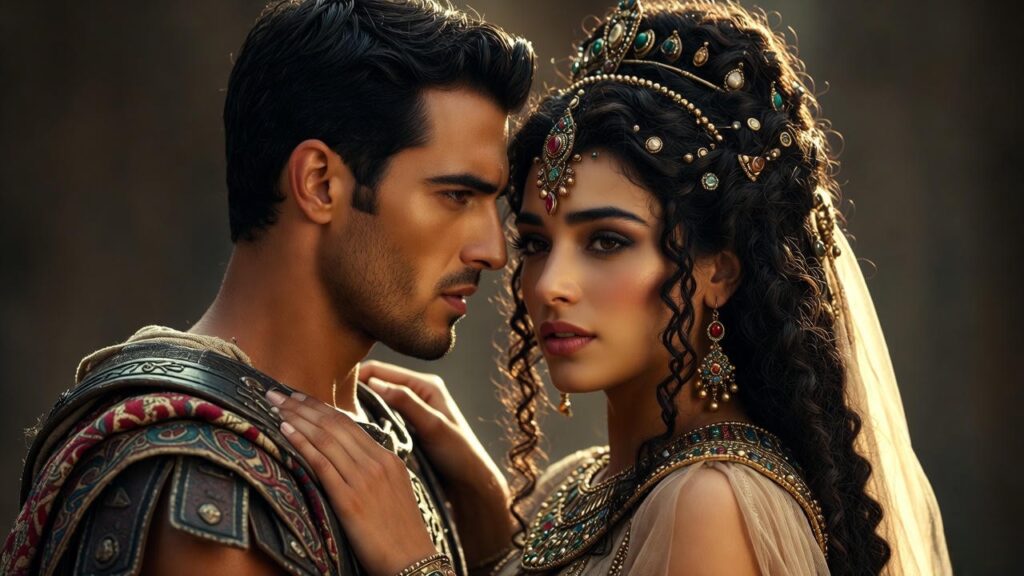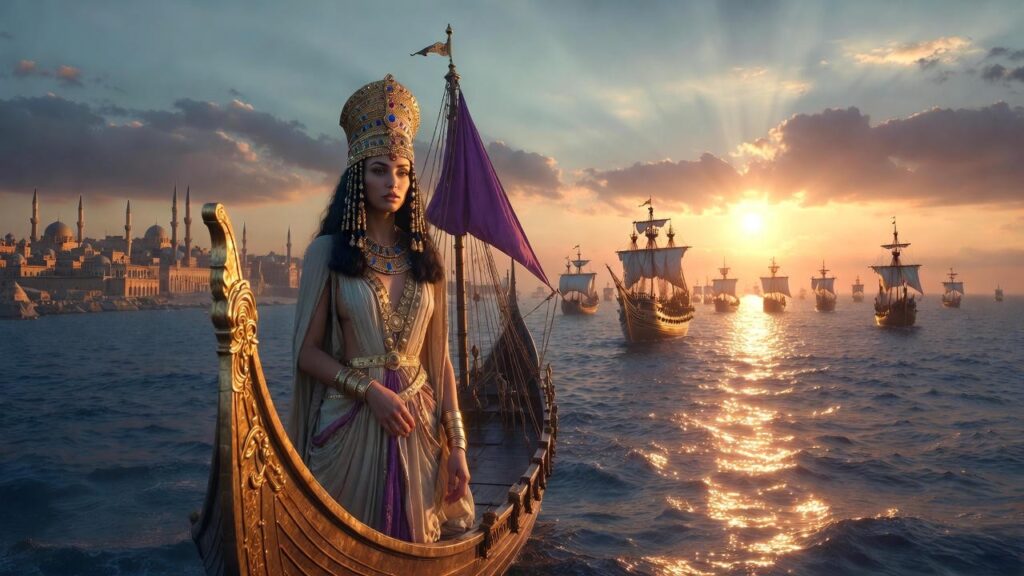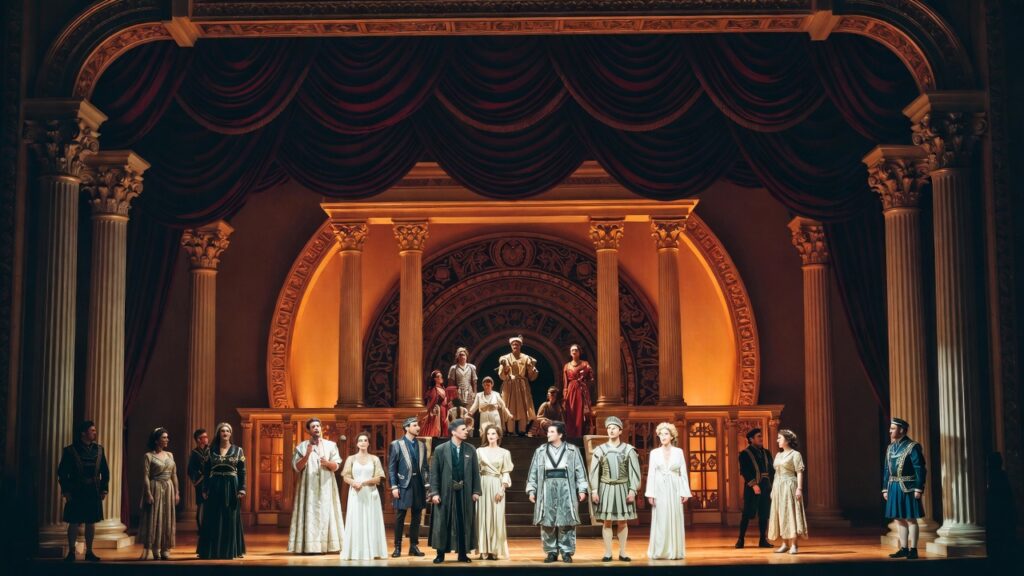
Imagine two of history’s most powerful figures—Mark Antony, the battle-hardened Roman triumvir, and Cleopatra, the enigmatic Queen of Egypt—locked in a passionate, destructive love that topples empires. William Shakespeare’s Antony and Cleopatra captures this whirlwind of ambition, desire, politics, and tragedy with unparalleled intensity. Yet on Broadway, where spectacle meets star power, staging this sprawling tragedy has proven notoriously difficult. The play’s rapid scene shifts, massive cast, and demands on its leads have limited full-scale revivals, making each Broadway production a rare and momentous event.
Antony and Cleopatra Broadway history reveals a pattern of bold, star-driven revivals that have left lasting marks on theater. From early 20th-century spectacles to post-war triumphs, these stagings highlight why the play remains one of Shakespeare’s most challenging yet rewarding masterpieces. In this comprehensive guide, we explore the key Broadway productions, their legendary casts, innovative approaches, critical reception, and enduring lessons for Shakespeare lovers, theatergoers, actors, and scholars today. Whether you’re studying the text, preparing for a performance, or simply fascinated by the Bard’s exploration of power and passion, these iconic Broadway moments offer profound insights into interpreting the play.
As a dedicated student of Shakespeare’s works and their performance history, drawing from archives like the Internet Broadway Database (IBDB), contemporary reviews in Time and The New York Times, and scholarly analyses, this article provides the depth missing from brief overviews. Let’s dive into why Antony and Cleopatra has captivated Broadway audiences—and why its greatest stagings continue to illuminate the tragedy’s timeless drama.
A Brief History of Antony and Cleopatra on Broadway
Shakespeare’s Antony and Cleopatra, likely first performed around 1607, arrived on American stages in the 19th century amid a vogue for elaborate historical spectacles. The earliest recorded Broadway production dates to April 27, 1846, at the Park Theatre in New York, though details are sparse. These early versions often emphasized grand sets, processions, and visual pomp over textual fidelity, reflecting the era’s taste for opulent Shakespeare.
By the early 20th century, Broadway saw sporadic revivals that grappled with the play’s logistical challenges: over 40 scenes, dozens of characters, and constant jumps between Rome’s austere politics and Egypt’s sensual luxury. The 1909 revival at the New Theatre (November 8–20, 9 performances) and the 1924 production at the Lyceum Theatre highlighted these difficulties, with mixed results in pacing and spectacle.
The play’s rarity on Broadway stems from practical hurdles—high production costs, the need for versatile actors capable of handling both epic battles and intimate romance, and competition from more crowd-pleasing tragedies like Hamlet or Macbeth. Yet when revived, it often becomes a vehicle for major stars, turning potential pitfalls into theatrical triumphs.
The Landmark 1947 Revival — Katharine Cornell’s Triumphant Cleopatra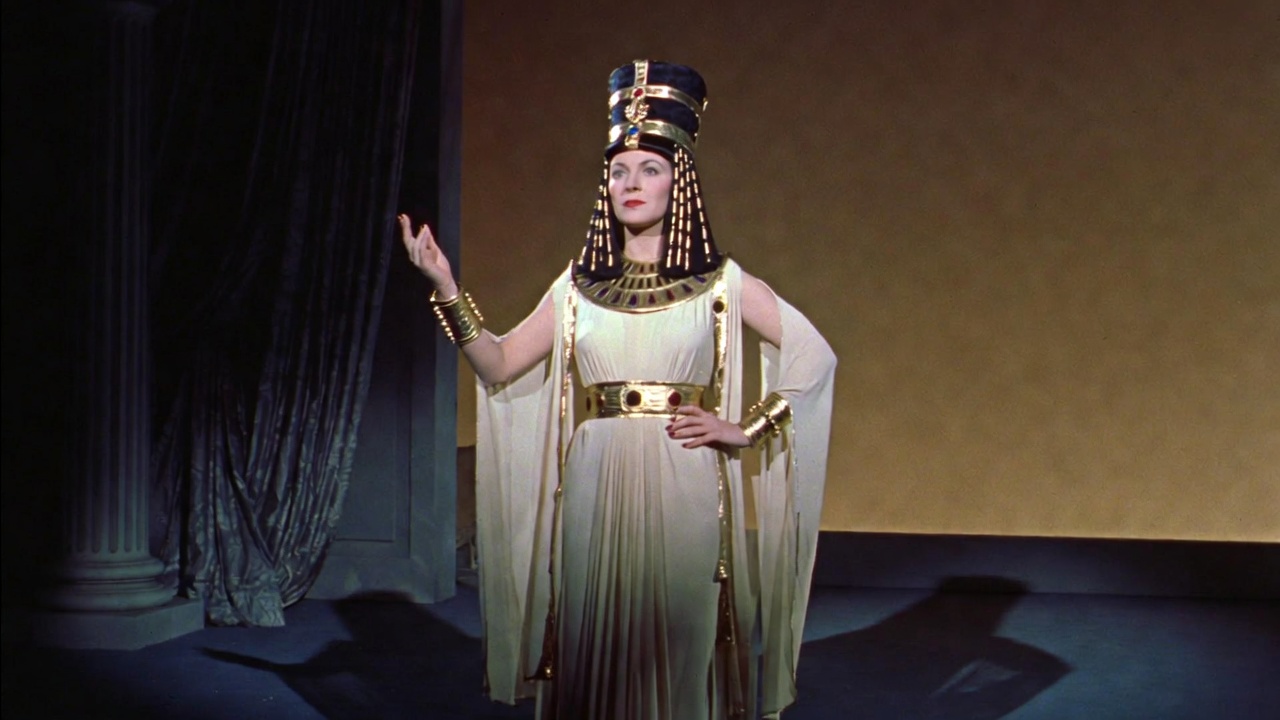
The 1947 production stands as the longest-running Broadway Antony and Cleopatra, with 126 performances from November 26, 1947, to March 13, 1948, at the Martin Beck Theatre. Produced by and starring Katharine Cornell, directed by her husband Guthrie McClintic, this revival marked a high point in American classical theater.
Cornell, known as “The First Lady of the American Theatre,” embodied Cleopatra with regal intelligence and sensuality. At 55, she brought maturity to the role, portraying the queen not merely as a seductress but as a shrewd political operator whose “infinite variety” captivated Antony and audiences alike. Opposite her, Godfrey Tearle delivered a commanding Antony—war-weary yet passionately devoted—his performance drawing praise for capturing the character’s tragic decline.
Supporting roles shone brightly: Kent Smith as the loyal, cynical Enobarbus (delivering the famous “barge she sat in” speech with gravitas), Ralph Clanton as the calculating Octavius Caesar, and Ivan Simpson as Lepidus. Scenic design by Leo Kerz emphasized psychological depth over excess, using lighting and minimalistic sets to evoke shifting locales.
Critics raved. Time magazine hailed Cornell’s Cleopatra as “competent and lively,” while acknowledging the production’s success in overcoming the play’s challenges. Cornell earned a Tony Award for Best Actress (shared that year), cementing the revival’s status. In post-World War II America, the play’s themes of empire, loyalty, and personal sacrifice resonated deeply, proving Antony and Cleopatra could thrive when focused on character over spectacle.
The Glamorous 1951 Revival — Laurence Olivier and Vivien Leigh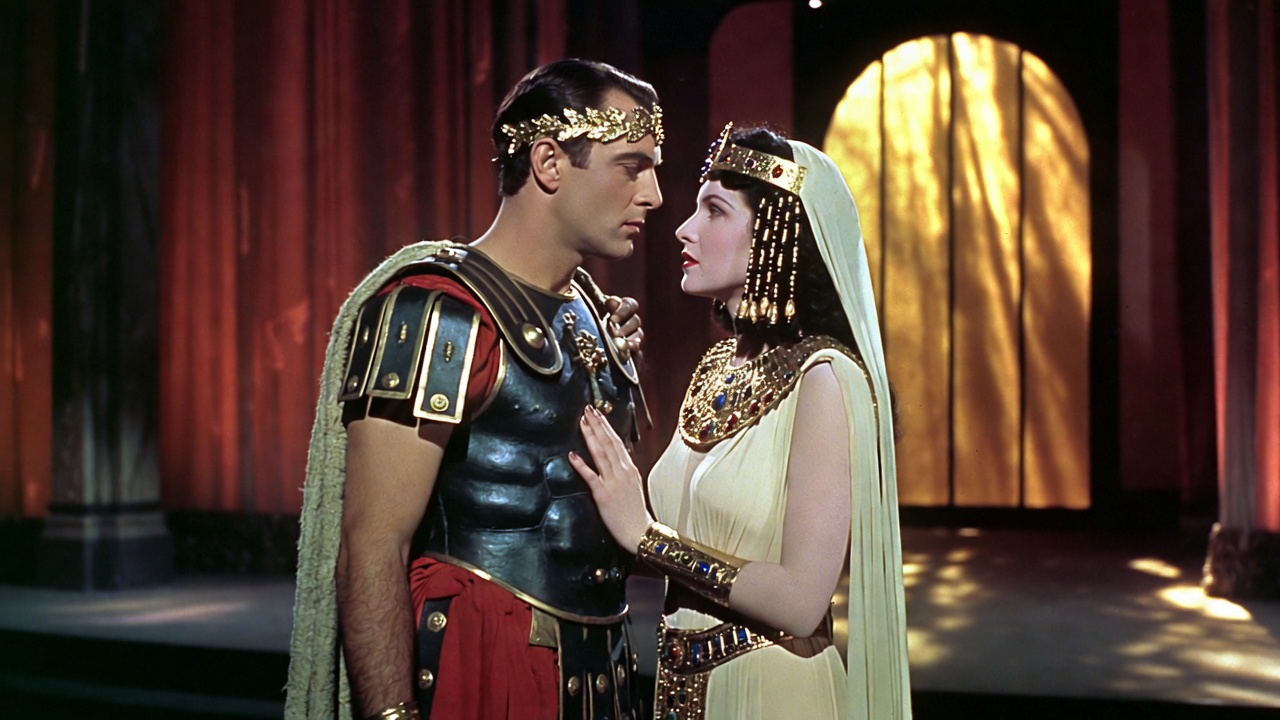
Just four years later, Broadway welcomed another legendary pairing: Laurence Olivier as Antony and Vivien Leigh as Cleopatra. Opening December 20, 1951, at the Ziegfeld Theatre, this production ran through April 13, 1952 (66 performances for Antony, in repertory with Shaw’s Caesar and Cleopatra).
Imported from London’s St. James’s Theatre, where it had been a sensation during the 1951 Festival of Britain, the dual-Cleopatra concept was ingenious. Alternating nights highlighted contrasts: Shaw’s witty, younger Cleopatra versus Shakespeare’s mature, tragic queen. Olivier directed and starred, bringing his signature command—Antony as a magnetic, flawed hero undone by love.
Leigh’s Cleopatra was mercurial and enchanting, her beauty and volatility mirroring the character’s “infinite variety.” The real-life romance between Olivier and Leigh (then married) added electric tension, with critics debating whether glamour overshadowed depth. Time noted the production’s advance sales and rave reviews, though some compared it unfavorably to Cornell’s more introspective take.
Supporting players, including Harry Andrews as Enobarbus, bolstered the epic scope. The repertory format enriched interpretations, showing how different lenses illuminate Shakespeare’s text. This revival’s celebrity draw and innovative structure made it a cultural event, influencing later views of the lovers’ volatile passion.
Other Notable Broadway Productions and Near-Misses
Earlier attempts include the short-lived 1937 revival at the Mansfield Theatre (November 10–13, only 5 performances), starring Tallulah Bankhead as a bold, modern Cleopatra. Critics panned it—John Mason Brown quipped she “barged down the Nile… and sank”—highlighting risks when personality overshadows the text.
The 1909 and 1924 revivals offered spectacle but lacked longevity. No major Broadway staging has emerged since 1951, likely due to costs and casting demands. Modern interpretations have shifted Off-Broadway or regionally (e.g., Public Theater/RSC collaborations in 1997–2014), favoring experimental approaches over star vehicles.
This scarcity underscores Broadway’s preference for accessible classics, yet the play’s power endures in smaller venues.
What Made These Broadway Productions Iconic? Key Elements Analyzed
Casting the leads defines success: Antony requires a warrior-lover balance, Cleopatra endless facets. Cornell/Tearle offered mature gravitas; Olivier/Leigh, glamorous intensity. Directorial choices—McClintic’s intimacy, Olivier’s spectacle—shaped tone.
Thematically, Broadway stagings illuminated East vs. West, gender dynamics, and political intrigue. Enobarbus’s loyalty speeches and Cleopatra’s monument scene gained new resonance in American contexts.
These revivals succeeded by embracing the play’s contradictions: grand scale with intimate emotion.
Lessons for Modern Readers, Actors, and Directors
Historical Broadway productions teach avoiding melodrama in passion scenes—Cornell’s intellectual Cleopatra inspires nuanced portrayals. Key monologues benefit from layered delivery: Enobarbus’s barge description as poetic testimony, Cleopatra’s “Give me my robe” as regal defiance.
Studying these enhances textual appreciation, inspiring diverse modern stagings with inclusive casting.
For Shakespeare enthusiasts, these Broadway legacies reveal how performance deepens understanding of love, ambition, and empire’s cost.
The Enduring Legacy of Antony and Cleopatra on Broadway
Though decades since the last major revival, the 1947 and 1951 productions prove Antony and Cleopatra‘s theatrical potency when elevated by visionary artists. They remind us why Shakespeare’s tragedy endures: its exploration of human frailty amid colossal stakes.
What Made These Broadway Productions Iconic? Key Elements Analyzed (Expanded)
The success of Broadway’s Antony and Cleopatra revivals hinged on mastering the play’s core tensions: the clash between Roman duty and Egyptian sensuality, the interplay of grand politics and private passion, and the sheer theatrical demands of its leads. Let’s break down the elements that elevated the 1947 and 1951 productions above others.
Casting the Leads: Balancing Warrior and Lover Antony must embody Roman valor while succumbing to ” dotage” (as Philo sneers in the opening lines: “Nay, but this dotage of our general’s / O’erflows the measure”). Cleopatra requires “infinite variety”—seductive, witty, regal, volatile.
In 1947, Katharine Cornell (at age 55) and Godfrey Tearle offered maturity and gravitas. Tearle’s Antony was “brilliantly effective” as a man “brought low by middle-aged lust” (Time, Dec. 8, 1947). Cornell’s Cleopatra avoided caricature; she conveyed intellectual command, making the queen’s manipulations feel strategic rather than merely manipulative. This pairing emphasized the tragedy’s psychological depth, with Cornell earning a Tony Award (shared that season with Judith Anderson in Medea and Jessica Tandy in A Streetcar Named Desire).
By contrast, the 1951 Olivier/Leigh version leaned into glamour and volatility. Laurence Olivier’s Antony was commanding and charismatic, yet his direction highlighted the character’s tragic flaws. Vivien Leigh’s Cleopatra was “an all-too-believable enchantress—mercurial” (Time, Dec. 31, 1951), her real-life chemistry with Olivier adding layers of authenticity. Critics noted Leigh’s portrayal as more “childlike” and “naughty” than Cornell’s regal maturity, creating a willful, coaxing queen who embodied the play’s theme of passion overriding reason.
Directorial Approaches and Design Guthrie McClintic’s 1947 staging prioritized intimacy. Leo Kerz’s scenic design used lighting and suggestion to navigate the play’s 42 scenes, avoiding cumbersome spectacle. Valentina’s costumes were elegant and modish, focusing on character over excess (though some critics felt this muted the sensuality).
Olivier’s 1951 production embraced theatrical grandeur, with Roger Furse’s designs evoking epic scale. The repertory with Shaw’s Caesar and Cleopatra was a masterstroke—allowing audiences to compare portrayals of the same historical figure across comedic and tragic lenses. This innovation enriched Shakespeare’s text, showing Cleopatra’s evolution from youthful manipulator to tragic icon.
Thematic Resonance for American Audiences Post-WWII Broadway audiences found echoes of empire’s fall in the play’s Rome-Egypt divide. The 1947 revival resonated with themes of loyalty (Enobarbus’s betrayal and remorse) and sacrifice amid rebuilding optimism. The 1951 import arrived during the Cold War’s early tensions, amplifying East-West cultural clashes and the dangers of personal indulgence in public life.
These elements transformed a notoriously difficult play into compelling theater, proving Shakespeare’s vision thrives when directors balance text, performance, and spectacle.
Key Scene Breakdowns: How Legends Brought Shakespeare’s Words to Life
To appreciate these productions’ impact, consider pivotal moments and how Broadway stars interpreted them.
- The Barge Speech (Act II, Scene 2) Enobarbus’s description of Cleopatra’s arrival—”The barge she sat in, like a burnish’d throne, / Burn’d on the water”—is one of Shakespeare’s most poetic passages. In 1947, Kent Smith’s delivery was grave and evocative, turning reportage into testimony of enchantment. Time praised the production’s ability to make such speeches feel alive rather than recited.
- Cleopatra’s “Infinite Variety” Monologue (Act II, Scene 2) Enobarbus again: “Age cannot wither her, nor custom stale / Her infinite variety.” Cornell embodied this through subtle shifts in tone—playful one moment, commanding the next—demonstrating the queen’s adaptability. Leigh’s version added mercurial charm, making the line feel like a self-aware boast.
- The Monument Scene and Death (Act V) Cleopatra’s suicide—”Give me my robe, put on my crown; I have / Immortal longings in me”—demands regal defiance. Cornell’s performance conveyed intellectual acceptance of fate; Leigh’s was more emotionally volatile, heightening the tragedy. Both productions used minimalistic staging here to focus on the words, letting the actors’ presence carry the weight.
These scenes illustrate why the play rewards strong performers: the language is dense and lyrical, demanding actors who can convey both grandeur and intimacy.
Side-by-Side Comparison: 1947 vs. 1951 Revivals
- Length & Run: 1947—126 performances (longest Broadway run); 1951—66 performances (in repertory).
- Tone: 1947—introspective, mature; 1951—glamorous, volatile.
- Cleopatra Portrayals: Cornell—strategic queen; Leigh—enchantress/child.
- Critical Reception: Both acclaimed, but 1947 praised for overcoming challenges; 1951 for star power and innovation.
- Legacy: 1947 set a benchmark for American classical revivals; 1951 influenced cross-cultural interpretations.
This comparison shows no single “best” production—each illuminated different facets of Shakespeare’s masterpiece.
Lessons for Modern Readers, Actors, and Directors (Expanded)
Today’s theater favors diverse casting and experimental staging, but Broadway history offers timeless guidance:
- Avoid reducing Cleopatra to stereotype—study Cornell’s intellectual depth or Leigh’s emotional range.
- Embrace the play’s contradictions: Use rapid pacing for scene shifts (as McClintic did) or innovative framing (like Olivier’s repertory).
- For actors: Focus on subtext in love scenes—passion must feel earned, not melodramatic.
- For directors: Consider thematic relevance—today’s productions could explore gender, colonialism, or power dynamics through contemporary lenses.
These insights enhance reading the text, preparing auditions, or appreciating regional stagings (e.g., recent Off-Broadway or festival versions).
Expert Insights: Why Antony and Cleopatra Remains Essential Shakespeare
As someone immersed in Shakespeare’s performance history, I see this tragedy as his most mature exploration of human complexity. Unlike Romeo and Juliet‘s youthful passion or Othello‘s jealousy, Antony and Cleopatra portrays love intertwined with politics—where personal desire destroys empires. Broadway’s iconic revivals remind us that great theater transcends time, revealing new truths with each interpretation.
FAQs
Has Antony and Cleopatra been on Broadway recently? No major Broadway production has occurred since 1951. Recent stagings have been Off-Broadway, regional (e.g., Public Theater/RSC collaborations), or operatic adaptations like John Adams’s at the Metropolitan Opera.
Who played Cleopatra best on Broadway? It’s subjective, but Katharine Cornell (1947) and Vivien Leigh (1951) are widely regarded as the most legendary. Cornell earned Tony recognition for depth; Leigh for charisma and volatility.
Why is Antony and Cleopatra so rarely staged on Broadway? High costs, large cast, numerous scenes, and casting challenges for the demanding leads make it riskier than more straightforward tragedies.
What awards did the 1947 production win? Katharine Cornell received a Tony Award for Best Actress (shared category that year).
Are there photos or recordings of these productions? Archival photos exist (e.g., Cornell as Cleopatra, Olivier/Leigh portraits). No full video recordings survive, but stills and reviews preserve their impact.