“If it be love indeed, tell me how much.” “There’s beggary in the love that can be reckoned.”
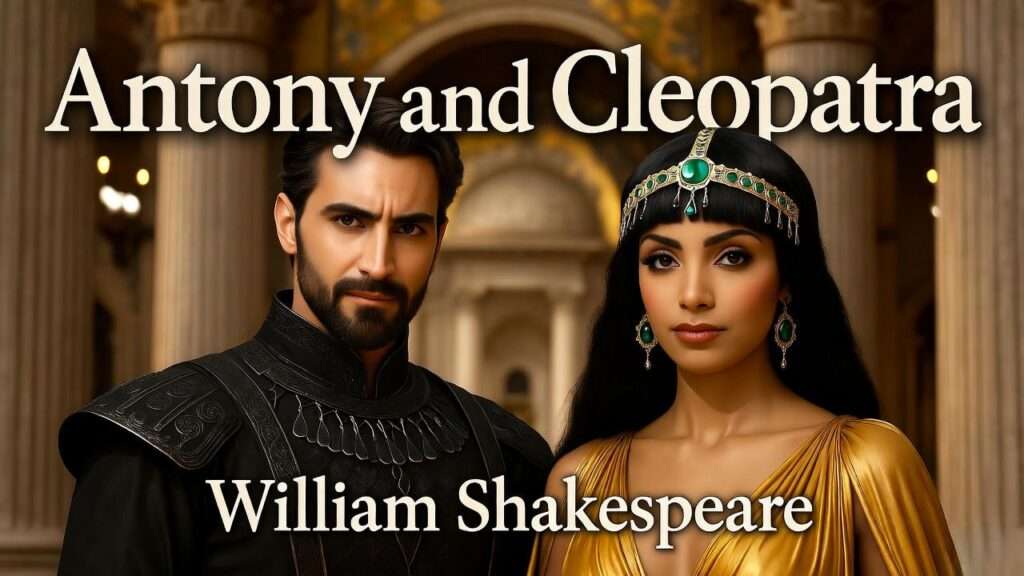
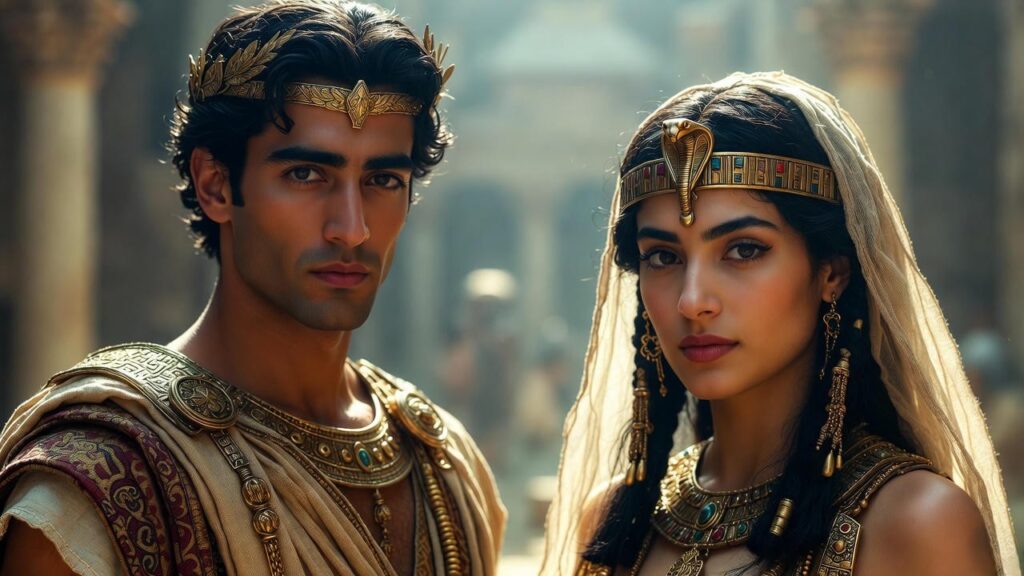
With these opening lines in Act 1, Scene 1, Cleopatra immediately challenges Mark Antony, establishing the boundless, immeasurable nature of their passion. Few plays in the Shakespeare canon capture the intoxicating collision of love, politics, and empire quite like Antony and Cleopatra. The Antony and Cleopatra Folger Edition, meticulously edited by Dr. Barbara A. Mowat and Paul Werstine for the Folger Shakespeare Library, remains the definitive modern resource for exploring this monumental tragedy.
Published under the imprint of Simon & Schuster in collaboration with the world’s foremost Shakespeare institution, this edition offers an authoritative text, illuminating annotations, and scholarly apparatus that make the play’s complexities accessible to beginners while rewarding seasoned scholars and performers. Whether you’re a student tackling the play for the first time, a teacher preparing lessons, an actor seeking performance insight, or a lifelong reader, the Folger Edition solves the common obstacles presented by Shakespeare’s late, linguistically dense style and globe-spanning narrative.
This in-depth guide draws directly on the Folger Edition’s features—its freshly edited text from the 1623 First Folio, facing-page notes, scene summaries, and modern scholarly essay—to provide the most comprehensive analysis available online. We’ll examine the edition’s unique strengths, offer a detailed act-by-act overview, explore character depth and major themes, unpack Shakespeare’s language and imagery, and provide practical study tips.
Why Choose the Folger Shakespeare Library Edition of Antony and Cleopatra?
The Folger Shakespeare Library in Washington, D.C., holds the largest Shakespeare collection in the world, including 82 copies of the First Folio. Its editions are the gold standard for reliability and readability, trusted by educators, theaters, and scholars for decades.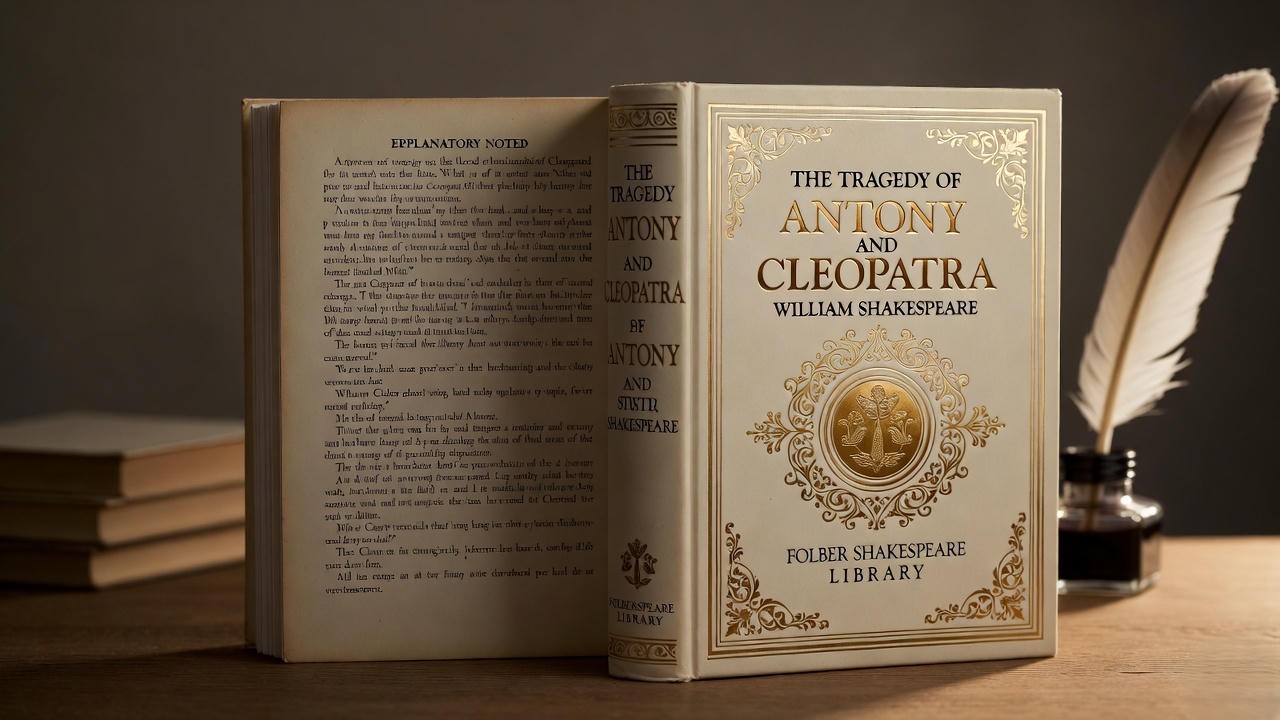
The Antony and Cleopatra Folger Edition stands out for several reasons:
- Authoritative text: Edited directly from the 1623 First Folio—the only early printed source—without reliance on later conjectural emendations.
- Facing-page explanatory notes: These clarify obscure vocabulary, historical references, rhetorical figures, and potential staging challenges on the same page as the text, allowing uninterrupted reading.
- Scene-by-scene plot summaries: Essential for orienting readers in a play with 42 scenes spanning Egypt, Rome, Sicily, and Actium.
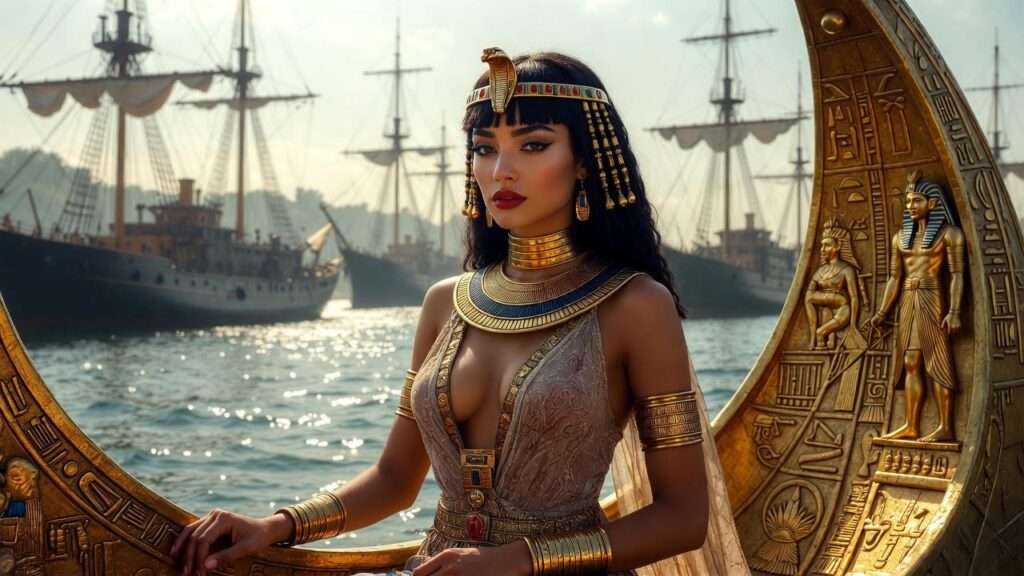
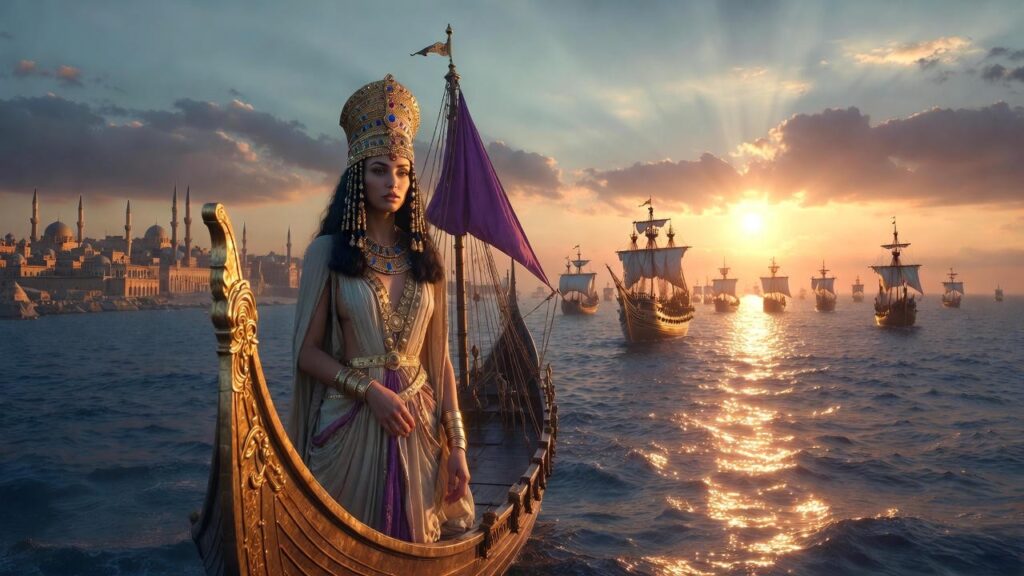
- Key to famous lines: Highlights memorable passages, such as Enobarbus’s description of Cleopatra on her golden barge.
- Introduction to Shakespeare’s language: A dedicated section teaching readers how to navigate blank verse, prose shifts, ellipses, and wordplay.
- Modern perspective essay: In recent printings, scholar Cynthia Marshall provides contemporary insight into the play’s themes of vision, heroism, and theatrical self-fashioning.
- Annotated further reading and selected bibliography: Guides readers toward deeper scholarship.
- Performance-oriented design: Stage directions and textual choices reflect theatrical practicality.
How the Folger Edition Enhances Understanding for Beginners and Experts
Beginners often find Antony and Cleopatra daunting because of its mature style—long, winding sentences, frequent enjambment, and rapid shifts between locations. The Folger’s “Reading Shakespeare’s Language” section addresses this directly, offering strategies for parsing complex syntax and appreciating rhetorical abundance.
For advanced readers, the notes provide precise historical context (e.g., references to Roman triumvirates or Ptolemaic customs) and textual variants without overwhelming the page. Compared to heavily annotated academic editions like the Arden Shakespeare (which can run over 400 pages), the Folger prioritizes clarity and performance potential, making it the preferred choice for theater professionals.
Plot Summary: A Scene-by-Scene Overview Using Folger Resources
Antony and Cleopatra compresses roughly ten years of history (40–30 BCE) into dramatic time, transforming Plutarch’s parallel lives into a tragic romance. The Folger Edition’s scene summaries prove invaluable for tracking the action across its vast geographical and emotional landscape.
Act 1 – The Allure of Egypt and Roman Duty
The play opens in Alexandria, where Antony is enthralled by Cleopatra. Roman messengers bring news of Fulvia’s death and Pompey’s naval threat, reminding Antony of his duties. In Rome, Octavius Caesar and Lepidus discuss Antony’s neglect. Cleopatra’s moods swing from playful to jealous as she tests Antony’s devotion. The act ends with Antony resolving to break “these strong Egyptian fetters” and return to Rome.
Act 2 – Political Alliances and Rising Tensions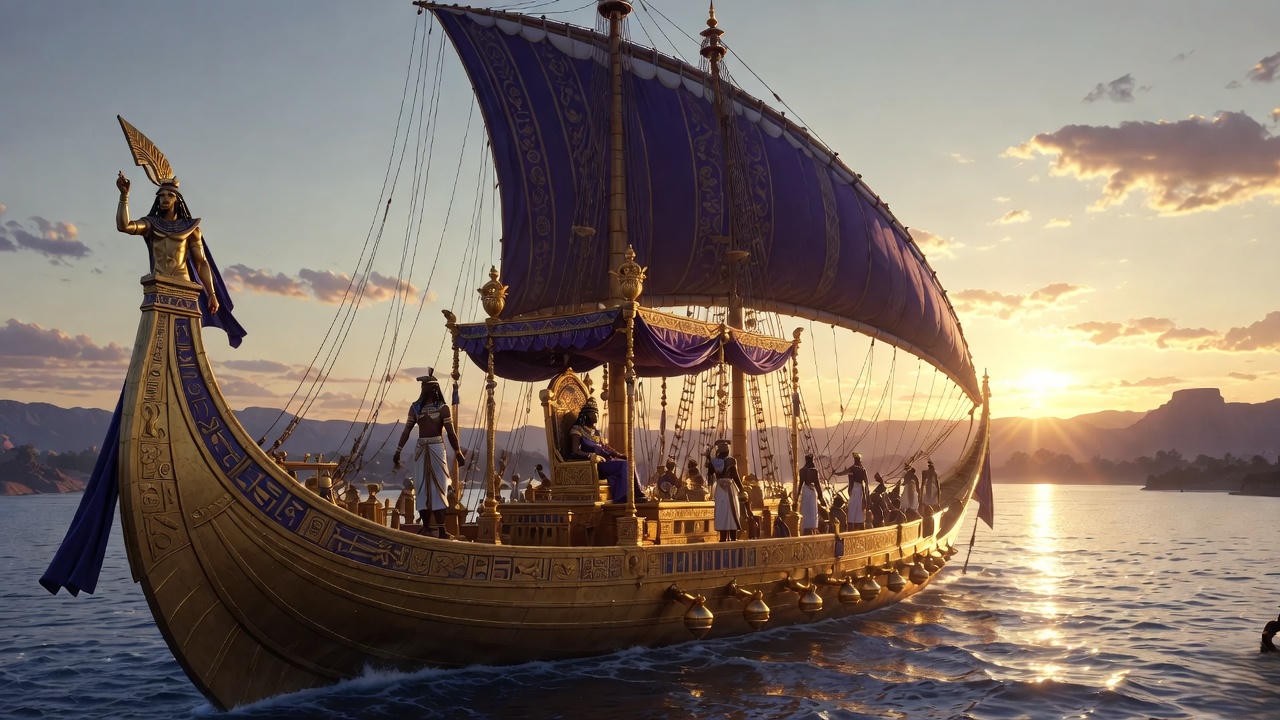
In Rome, enmity brews between Caesar and Pompey. Enobarbus famously describes Cleopatra’s transcendent beauty aboard her barge: “The barge she sat in, like a burnish’d throne, / Burn’d on the water.” To secure peace, Antony agrees to marry Octavia, Caesar’s sister—a political move that Enobarbus privately doubts will last. Meanwhile, Pompey rejects an offer to betray the triumvirs. The act closes with the triumvirs feasting aboard Pompey’s galley.
Act 3 – The Battle of Actium and Betrayal
Tensions escalate. Cleopatra insists on joining Antony in battle. At Actium, when Cleopatra’s fleet unexpectedly retreats, Antony follows in disgrace: “Egypt, thou knew’st too well / My heart was to thy rudder tied by th’ strings.” Caesar refuses reconciliation. Antony challenges Caesar to single combat (refused). Cleopatra appeases Antony, but his trust begins to fracture.
Act 4 – Defeat and Despair
After a minor victory, Antony’s forces largely desert to Caesar. Enobarbus, torn by loyalty, defects but dies of grief upon realizing his betrayal. Antony’s final battle ends in rout. Believing Cleopatra has betrayed him to Caesar, Antony falls on his sword but botches the attempt. He is carried dying to Cleopatra’s monument.
Act 5 – Tragic Apotheosis and Immortal Love
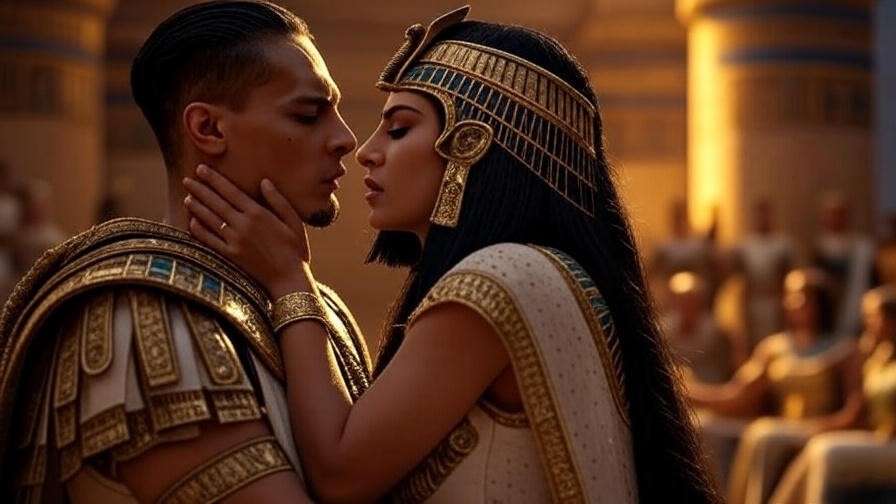
Cleopatra, determined to control her own fate, stages a false surrender while planning suicide. Antony dies in her arms. Caesar attempts to capture her alive for his triumph, but Cleopatra, with Charmian and Iras, applies asps to her breast. Her final speech elevates both lovers to mythic status: “I am fire and air; my other elements / I give to baser life.” Caesar orders them buried together.
Shakespeare’s compression of Plutarch’s timeline heightens dramatic irony and tragic inevitability.
Character Analysis: The Complexity of Heroes and Villains
Antony and Cleopatra features some of Shakespeare’s most psychologically nuanced characters.
Mark Antony – The Divided Roman Hero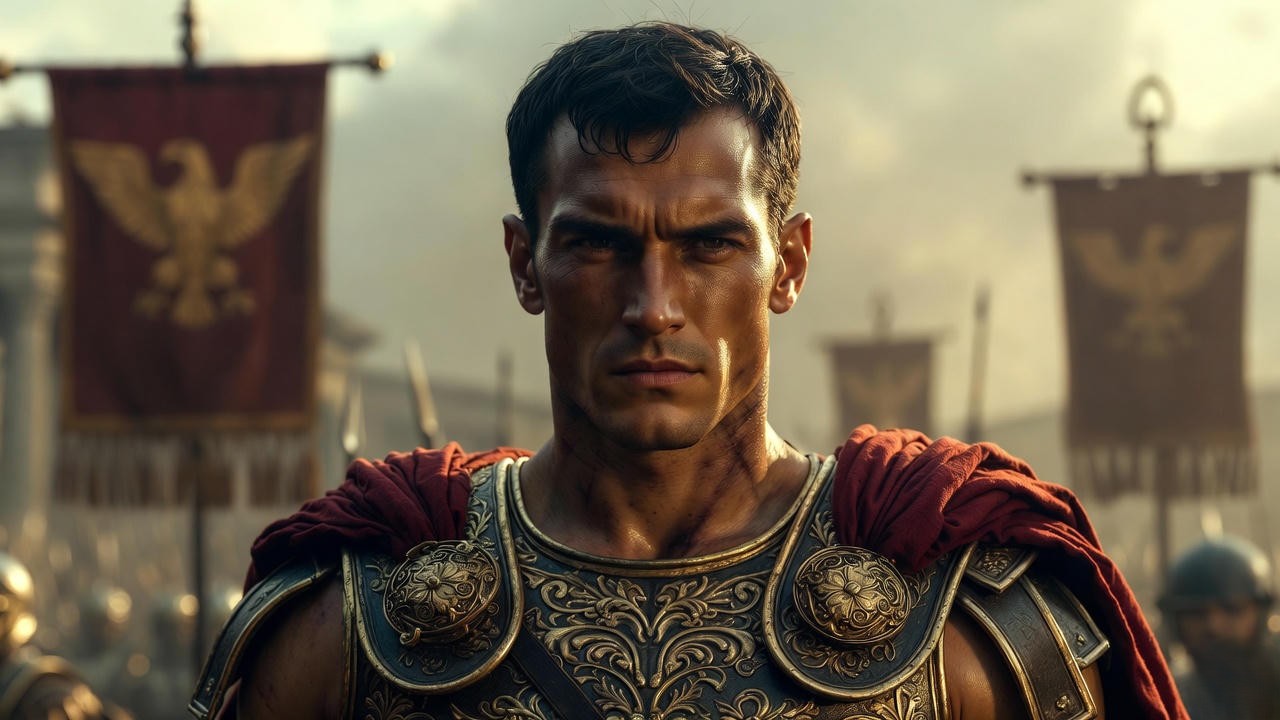
Antony embodies the conflict between Roman discipline and Egyptian sensuality. Once “the greatest soldier of the world,” he becomes “the noble ruin of her magic.” His rhetoric swings between martial brevity and lavish hyperbole. Key moments include his eulogy over Caesar’s body in Julius Caesar (referenced here) and his suicidal despair: “I am so lated in the world that I / Have lost my way forever.”
Cleopatra – Shakespeare’s Most Enigmatic Queen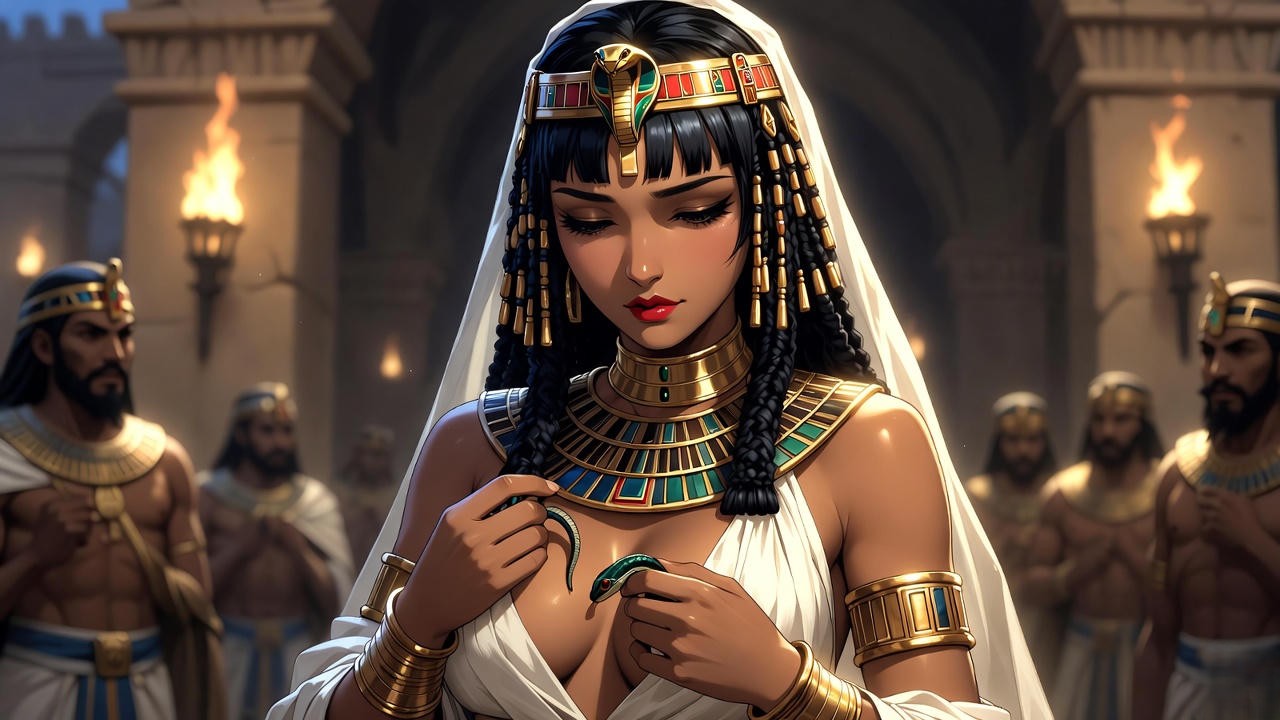
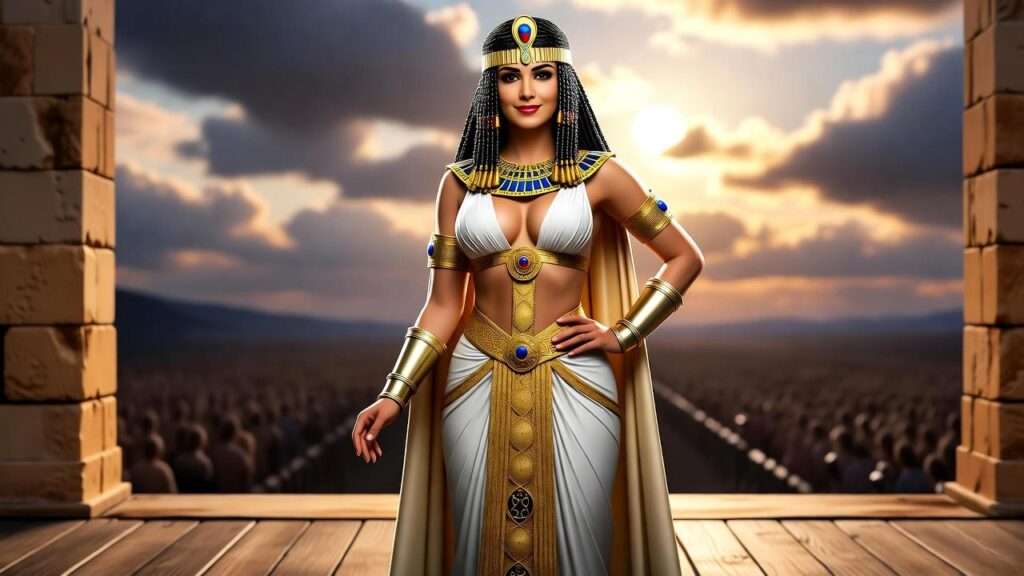
Cleopatra possesses “infinite variety.” She is performer, politician, lover, and mother. Her language shifts from imperial command to intimate vulnerability. Modern scholars note her racial and gender fluidity—often portrayed by white actresses historically, yet described with exoticizing language that invites postcolonial readings. Her final self-fashioning as Roman wife and queen elevates her to tragic stature.
Octavius Caesar – The Cold Architect of Empire
Caesar represents restraint, calculation, and future imperial order. He lacks Antony’s charisma and Cleopatra’s passion, yet his political acumen triumphs. Shakespeare humanizes him slightly—he mourns Antony—but ultimately portrays him as the inevitable victor of history.
Supporting Characters: Enobarbus, Charmian, and the Role of Loyalty
Enobarbus serves as chorus and moral commentator. His barge speech is among Shakespeare’s most celebrated descriptive passages. His death from heartbreak after defecting provides a microcosm of the play’s exploration of loyalty. Cleopatra’s attendants, especially Charmian, underscore female solidarity in the face of Roman conquest.
Major Themes in Antony and Cleopatra
Love vs. Power and Duty
The central tension: Can transcendent love coexist with political responsibility? Antony and Cleopatra’s passion ultimately consumes empire.
Rome vs. Egypt: Cultural and Moral Contrasts
Rome symbolizes order, martial honor, and restraint; Egypt represents pleasure, flux, and theatricality. These binaries are destabilized—Romans revel, Egyptians strategize.
Honor, Loyalty, and Betrayal
Multiple betrayals (military, personal) explore the cost of shifting allegiance in a fracturing world.
Empire, Fate, and Mortality
The play anticipates the Augustan age. Characters grapple with historical inevitability versus personal agency.
Gender, Performance, and Identity
Life as theater: Cleopatra’s role-playing, cross-dressing references, and final self-dramatization challenge fixed identity.
The Folger Edition’s modern perspective essay by Cynthia Marshall illuminates these themes through contemporary lenses.
Language, Imagery, and Shakespeare’s Style in the Play
Antony and Cleopatra showcases Shakespeare’s late style: long, flowing sentences, abundant imagery, and paradoxical rhetoric. Dominant motifs include:
- Melting/dissolving (imperial collapse, passionate fusion)
- Serpents and the Nile (fertility and danger)
- Oceanic vastness (love’s boundlessness, empire’s scope)
Enobarbus’s barge speech exemplifies euphuistic description. Cleopatra’s dream of an “emperor Antony” beyond mortality uses hyperbolic negation to convey infinity.
The Folger’s notes help readers appreciate how Shakespeare blends verse and prose to reflect character and mood.
Historical Context and Sources
Shakespeare drew primarily from Sir Thomas North’s 1579 translation of Plutarch’s Lives of the Noble Grecians and Romans. He compresses events, invents scenes (e.g., the galley feast), and heightens romantic elements. The play reflects Jacobean fascination with empire and absolutism, possibly commenting on James I’s union of England and Scotland.
Modern Interpretations and Performances
Recent productions explore postcolonial and feminist readings. Notable Cleopatras include Kim Cattrall (2008), Sophie Okonedo (2018 National Theatre, emphasizing her African heritage), and Judi Dench opposite Anthony Hopkins. Film versions range from Charlton Heston’s 1972 adaptation to the 1963 Mankiewicz classic with Elizabeth Taylor.
Tips for Studying and Teaching Antony and Cleopatra with the Folger Edition
- Read aloud to capture rhythmic flow.
- Use facing-page notes selectively—cover them first, then consult.
- Track geographical shifts with a simple map.
- Compare key speeches (e.g., Enobarbus’s barge description vs. Cleopatra’s dream).
- Discussion questions:
- Is this a tragedy of character or circumstance?
- How does Shakespeare portray female power?
- Does the ending affirm or undermine Roman values?
FAQs: Common Questions About Antony and Cleopatra and the Folger Edition
What makes the Folger Edition the best choice? Its balance of scholarly accuracy, clear annotations, and performance focus.
Is Antony and Cleopatra a tragedy or a romance? Primarily a tragedy, but with elements of Shakespeare’s late romances—transcendent love, reunion in death.
How does Shakespeare portray Cleopatra’s race or ethnicity? Descriptions emphasize exotic “otherness,” inviting modern diverse casting.
What are the most famous quotes?
- “Let Rome in Tiber melt…”
- “Age cannot wither her, nor custom stale / Her infinite variety.”
- “I am fire and air…”
How does the play differ from historical events? Shakespeare compresses time, invents scenes, and romanticizes the relationship.
Antony and Cleopatra stands as one of Shakespeare’s most ambitious and mature works—an epic exploration of love that outshines empire, passion that defies mortality, and identity that transcends history. The Folger Shakespeare Library Edition unlocks these riches with unmatched clarity and authority, making it essential for anyone seeking to experience the play’s full power.