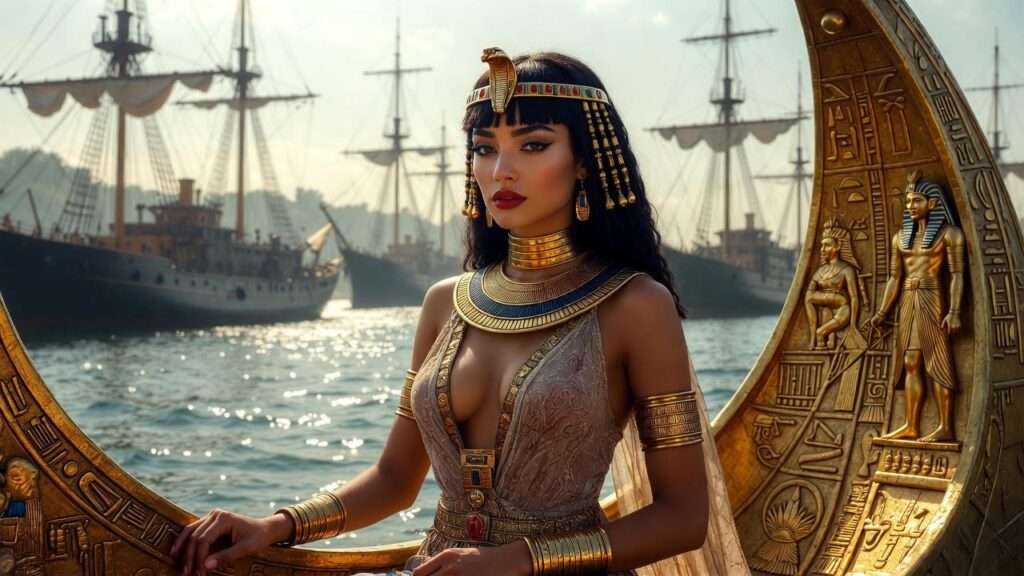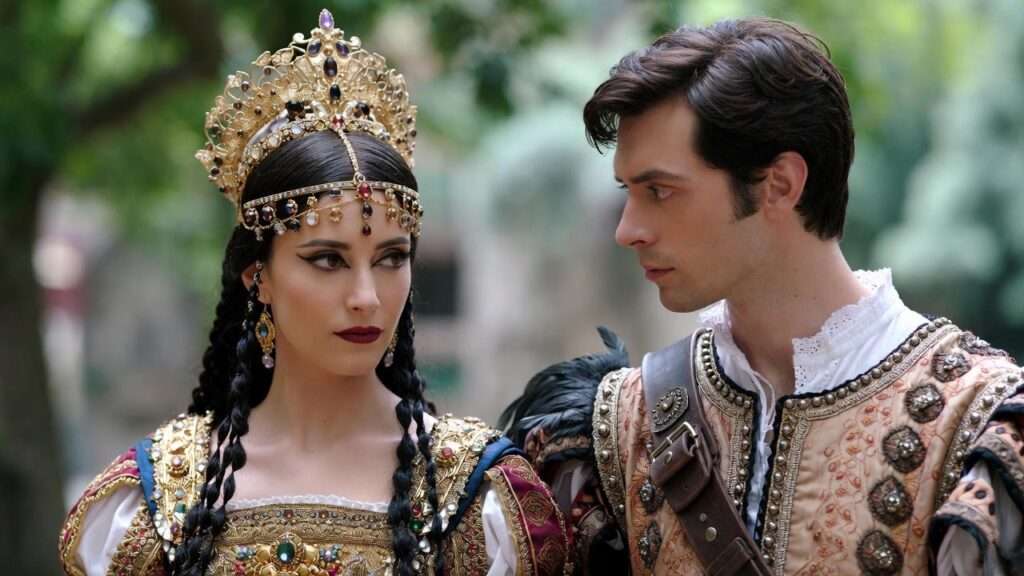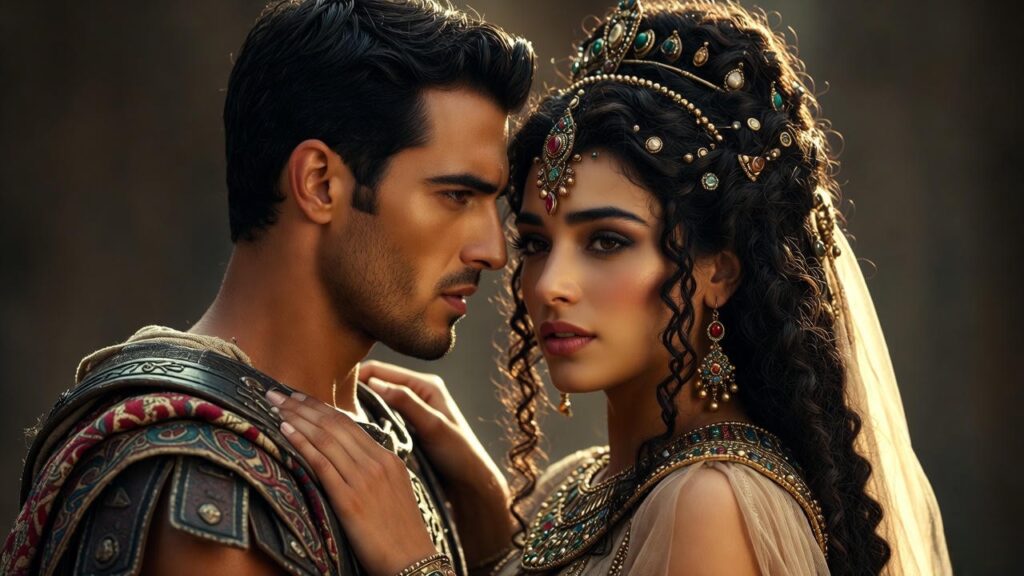
Imagine the scorching sands of ancient Egypt, where passion collides with empire, love defies duty, and two larger-than-life figures spiral toward inevitable tragedy. William Shakespeare’s Antony and Cleopatra has captivated audiences for centuries with its volatile mix of erotic intensity, political intrigue, and profound human frailty. Now, in a daring leap from Elizabethan verse to contemporary opera, composer John Adams brings this timeless tale to the grand stage of the Metropolitan Opera. Premiering at the Met in May 2025 after its 2022 world premiere at San Francisco Opera and revisions in Barcelona, Adams’s Antony and Cleopatra—with its propulsive rhythms, angular vocal lines, and ambitious staging—asks a pressing question for Shakespeare enthusiasts and opera lovers alike: Does this modern adaptation honor the Bard’s poetic depth and dramatic fire, or does it falter under the weight of dense text and relentless musical drive?
Antony and Cleopatra Met Opera review discussions have been polarized since opening night. Critics praise the stellar performances of Gerald Finley as Antony and Julia Bullock as Cleopatra, the composer’s own conducting, and moments of searing intimacy. Yet many note sagging pacing, challenges in setting Shakespeare’s verse, and a production that sometimes prioritizes spectacle over substance. For readers seeking insight into whether this production elevates Shakespeare’s tragedy or dilutes its essence, this in-depth analysis draws on critical consensus, historical context, and close examination of the work’s literary-musical fusion. Whether you’re a devoted Shakespeare scholar exploring adaptations, an opera aficionado curious about Adams’s latest, or simply wondering if it’s worth experiencing, this review delivers the balanced, comprehensive verdict you need.
Shakespeare’s Antony and Cleopatra – A Quick Refresher
At its core, Shakespeare’s Antony and Cleopatra (c. 1606–1607) is a tragedy of excess and contradiction. Mark Antony, the Roman triumvir, abandons his political responsibilities for the intoxicating allure of Egypt’s Queen Cleopatra. Their affair becomes a battlefield where private desire wars with public duty, East clashes with West, and personal passion unravels imperial order. The play’s episodic structure jumps across locations and perspectives, weaving grand spectacle with intimate vulnerability. Iconic lines—”Age cannot wither her, nor custom stale / Her infinite variety”—capture Cleopatra’s mercurial charm, while Antony’s downfall reveals the cost of divided loyalties.
What makes the play notoriously difficult to adapt? Its vast scope (spanning Rome, Egypt, and the sea), rapid shifts in tone, and reliance on poetic language that resists straightforward dramatic compression. Shakespeare prioritizes psychological complexity over linear plot, demanding performers who can convey subtext through rhythm and imagery. For opera, the challenge multiplies: how to translate iambic pentameter into singable lines without losing the verse’s musicality or the characters’ inner turmoil?
Previous Operatic Attempts
Shakespeare’s tragedy has inspired operas before, most notably Samuel Barber’s Antony and Cleopatra, which notoriously opened the Met’s Lincoln Center house in 1966 amid technical disasters and critical backlash. Barber’s lush, Romantic score struggled with overambitious staging and a libretto that muddled Shakespeare’s text. Though revised versions have fared better in concert or smaller productions, the work remains a cautionary tale of ambition outpacing execution.
Adams’s version arrives in a different era—one more receptive to contemporary American opera and minimalist influences. As one of opera’s most celebrated living composers (Nixon in China, Doctor Atomic, The Death of Klinghoffer), Adams brings a track record of tackling historical-mythic figures with intellectual rigor and theatrical flair. His choice to adapt Shakespeare directly marks a bold evolution in his style.
John Adams’s Approach
Adams crafted his own libretto, primarily editing Shakespeare’s text with minimal additions (assisted by director Elkhanah Pulitzer and dramaturg Lucia Scheckner). This “Shakespeare-heavy” approach preserves much of the original dialogue, though trimmed for operatic flow. The score blends Adams’s signature post-minimalist propulsion—driving rhythms, restless harmonies—with more intimate, declamatory vocal writing. Revisions between the 2022 San Francisco premiere and the 2025 Met run cut about 20 minutes, tightening pacing and sharpening dramatic focus.
For Shakespeare fans, this matters deeply. Adams treats the play as serious literature, not mere source material. Yet setting such dense, rhetorical verse poses risks: the music can feel relentlessly forward-moving, prioritizing momentum over lyrical reflection. Does this suit the lovers’ turbulent passion, or does it flatten Shakespeare’s inward poetry?
Production Details at the Metropolitan Opera
Creative Team and Concept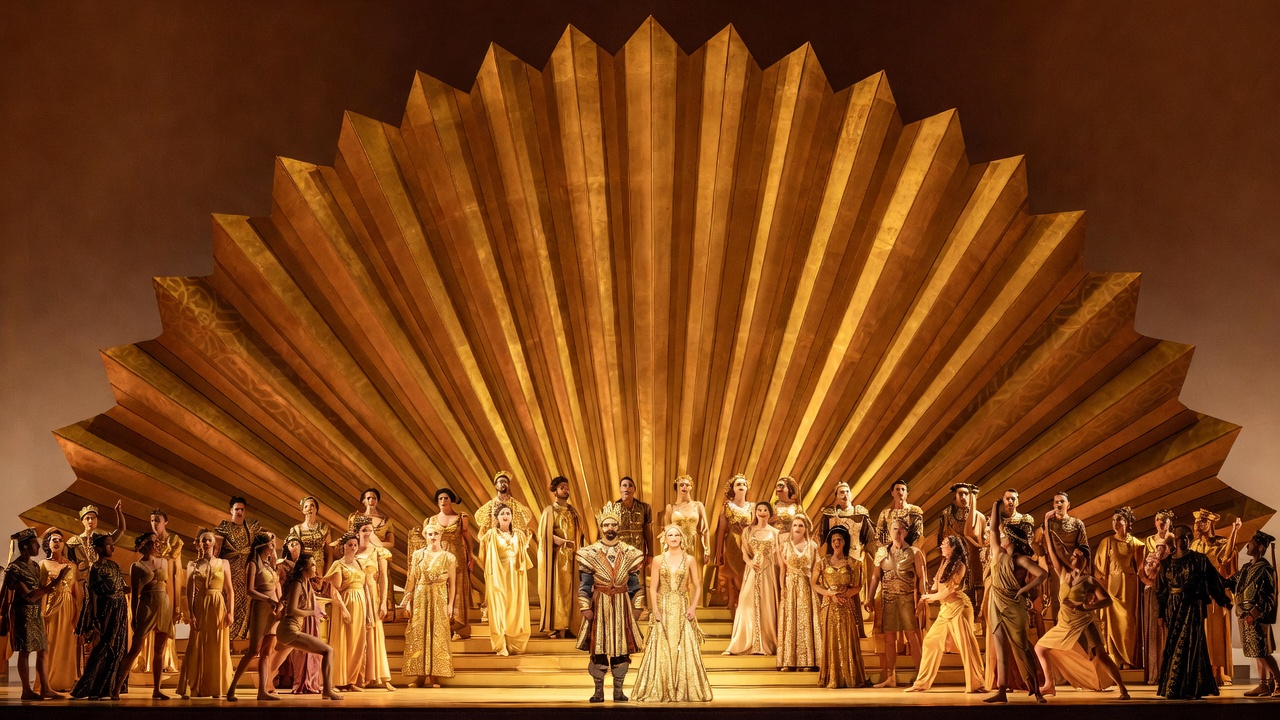
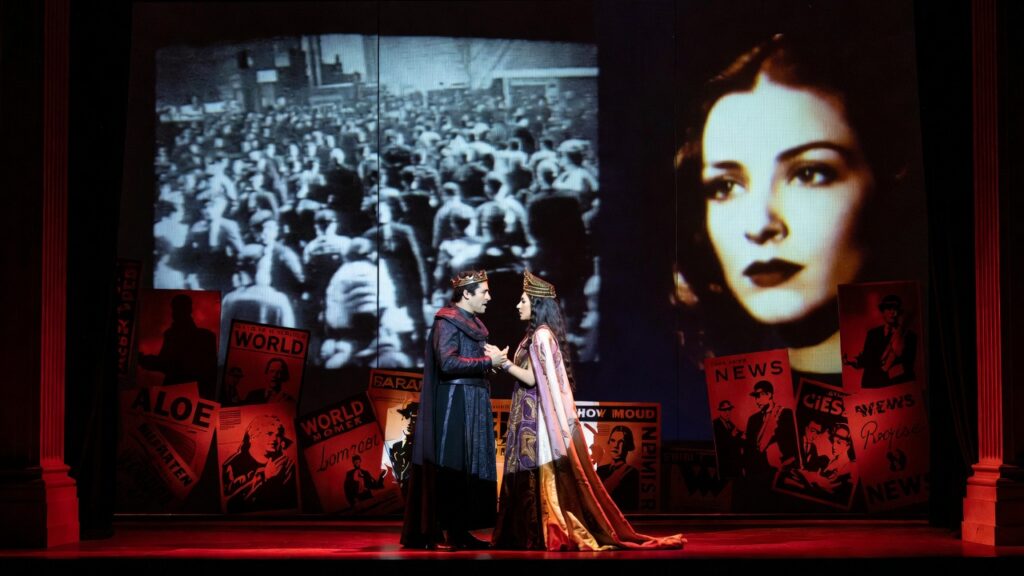
Director Elkhanah Pulitzer (in her Met debut) frames the ancient story through a 1930s lens of Hollywood golden age and fascist propaganda. Newsreels, monumental projections (by Bill Morrison), and imagery evoking celebrity worship and manipulated power recast Antony and Cleopatra as god-like icons in a media-saturated world. Sets by Mimi Lien feature stark, monumental designs; costumes by Constance Hoffman mix period glamour with exoticized flair; Annie-B Parson’s choreography adds ballet sequences for emotional punctuation.
Conductor John Adams leads from the pit, ensuring precision in his intricate orchestration—including colorful touches like hammered dulcimer for “exotic” texture.
This concept offers timely commentary on power, spin, and image-making—resonating with modern politics and celebrity culture. Yet it risks orientalist pitfalls in portraying Cleopatra or overshadowing the personal tragedy with visual spectacle.
Cast Highlights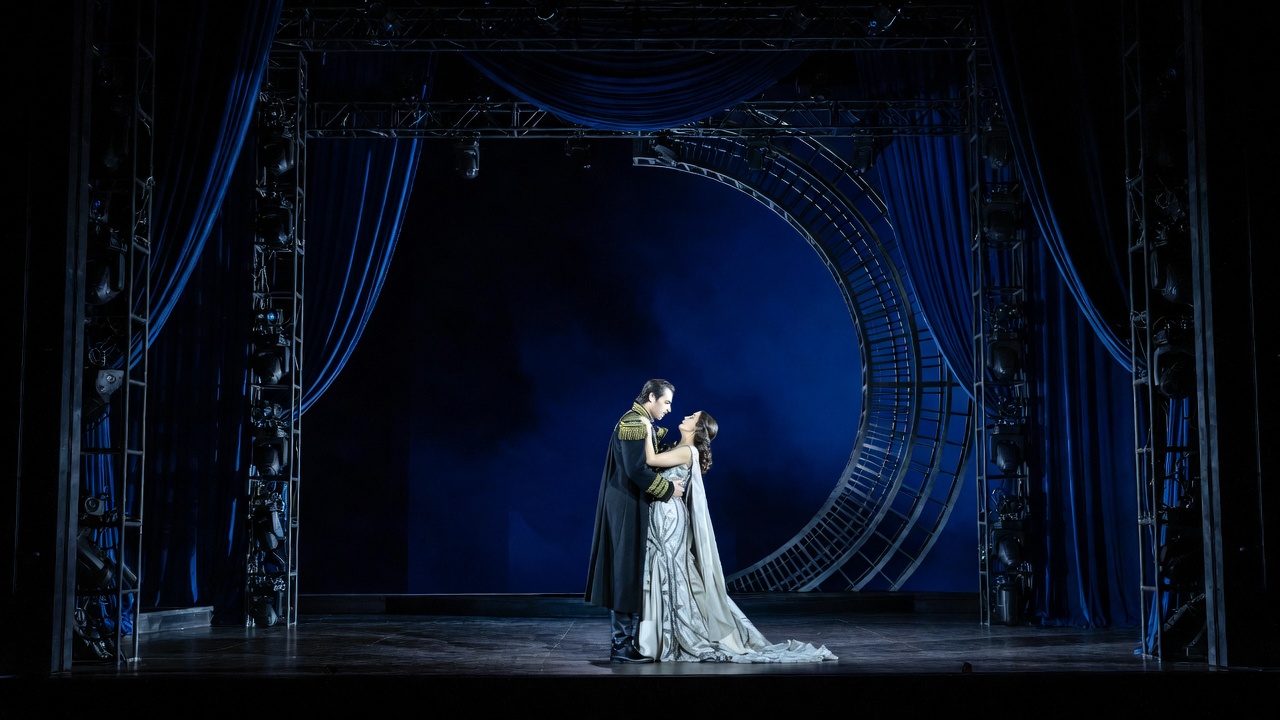
The production was built around Gerald Finley (Antony) and Julia Bullock (Cleopatra), both Adams veterans. Finley delivers eloquent weariness and baritonal power, capturing Antony’s tragic decline with nuance. Bullock’s bristling intensity and vocal agility embody Cleopatra’s “infinite variety”—fiery, seductive, vulnerable.
Supporting standouts include Paul Appleby (Caesar), whose bright tenor and dramatic edge make the rival compelling; Alfred Walker (Enobarbus), bringing gravitas to key speeches; Elizabeth DeShong (Octavia), offering quiet strength; and others like Taylor Raven (Charmian) and Brenton Ryan (Eros).
The cast navigates Adams’s challenging vocal lines—angular, syncopated, often parlando-like—with impressive commitment.
The Music: Strengths and Challenges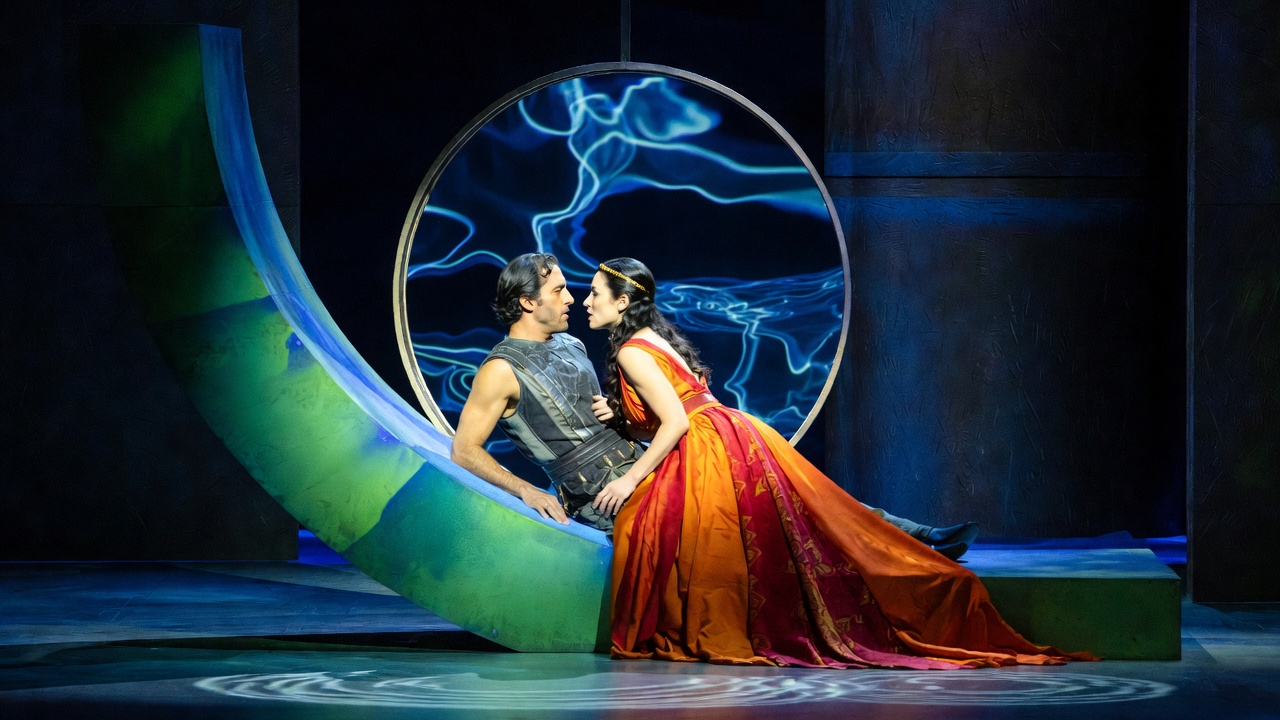
Adams’s Score – Propulsive Energy Meets Shakespearean Depth
Adams’s orchestration shines: restless strings, percussive drive, and sudden lyrical swells mirror emotional flux. Intimate duets between Antony and Cleopatra generate genuine heat, with motoric rhythms underscoring their volatile chemistry. Standout moments include post-battle recriminations in Act II, where shame and fury collide in riveting exchanges.
The score rewards close listening—subtle harmonic shifts and rhythmic variety accumulate psychological impact.
Criticisms from Reviews
Consensus across outlets (The New York Times, New York Classical Review, Bachtrack, OperaWire) highlights issues: pacing sags in political/battle scenes; dense verse leads to declamatory rather than melodic vocal writing; the relentless forward motion sacrifices inward reflection. Some describe it as “inert” or “shallow,” with the libretto “crippling” dramatic flow. Compared to Adams’s earlier triumphs, it lacks standout arias or lyrical flights.
From a Shakespeare perspective, the music enhances subtext in lover scenes but can flatten iconic speeches into recitative-like delivery. The question: Does propulsion suit the play’s chaotic energy, or does it undermine poetic resonance?
Staging and Visuals: Innovation or Distraction?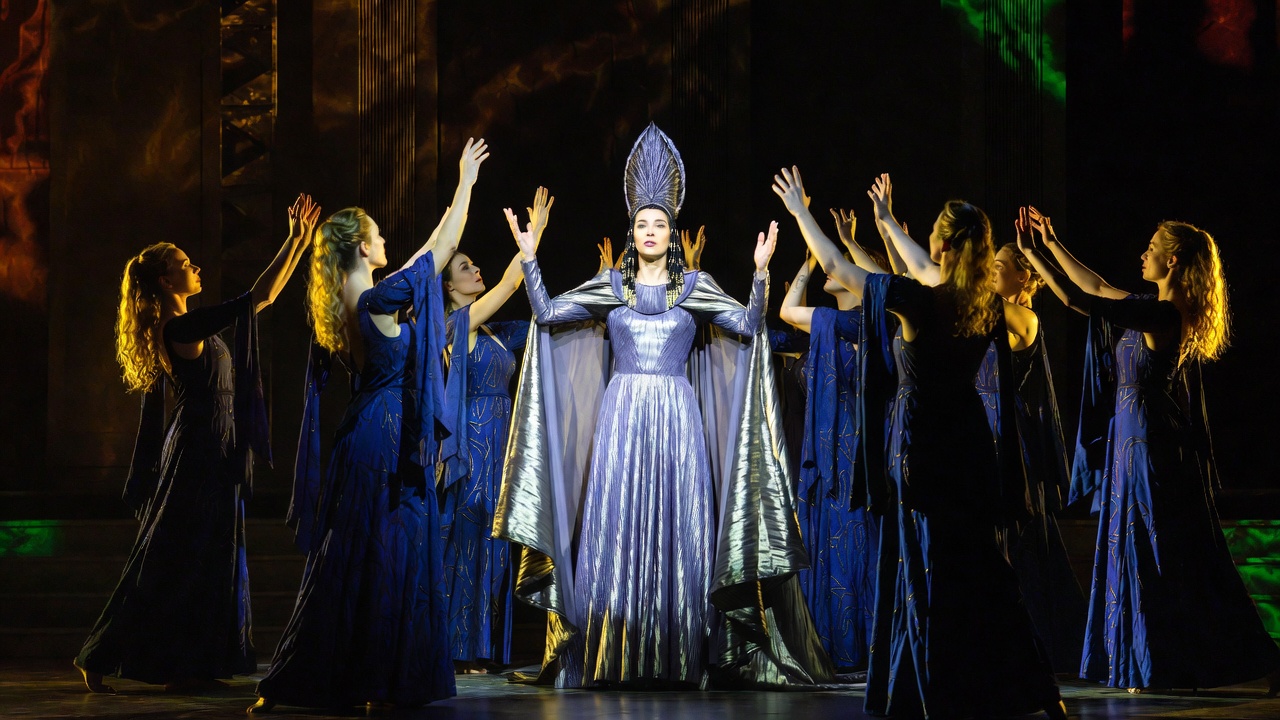
Pulitzer’s 1930s Propaganda Lens – A Fresh Take?
The framing device—1930s newsreels, fascist aesthetics, celebrity-as-gods—adds intellectual bite, commenting on propaganda’s timeless power. Projections and ballet enrich spectacle; intimate moments retain focus.
Yet critics note distractions: risks of orientalization in Cleopatra’s portrayal, mismatched battle sequences, or shallow visual metaphors that overshadow character depth. High points include Caesar’s “Emperor” proclamation (evoking Mussolini-like projection) and lover confrontations. Problematic elements include the messenger slap scene or overly busy political tableaux.
Overall Verdict: Does It Triumph?
John Adams’s Antony and Cleopatra at the Met is a bold, ambitious effort—beautifully performed, visually striking, and intellectually provocative. Finley’s and Bullock’s chemistry provides genuine emotional core; Adams’s conducting and orchestration demonstrate mastery; the production’s modern lens illuminates themes of power and image relevant today.
Yet it falls short of triumph. Pacing issues, challenges setting Shakespeare’s verse, and occasional superficiality prevent full cohesion. For Shakespeare purists, it honors the text’s spirit in places but sacrifices much poetic inwardness. Opera fans may find it less moving than Adams’s best.
Expert Insights – What Shakespeare Scholars Can Learn from This Opera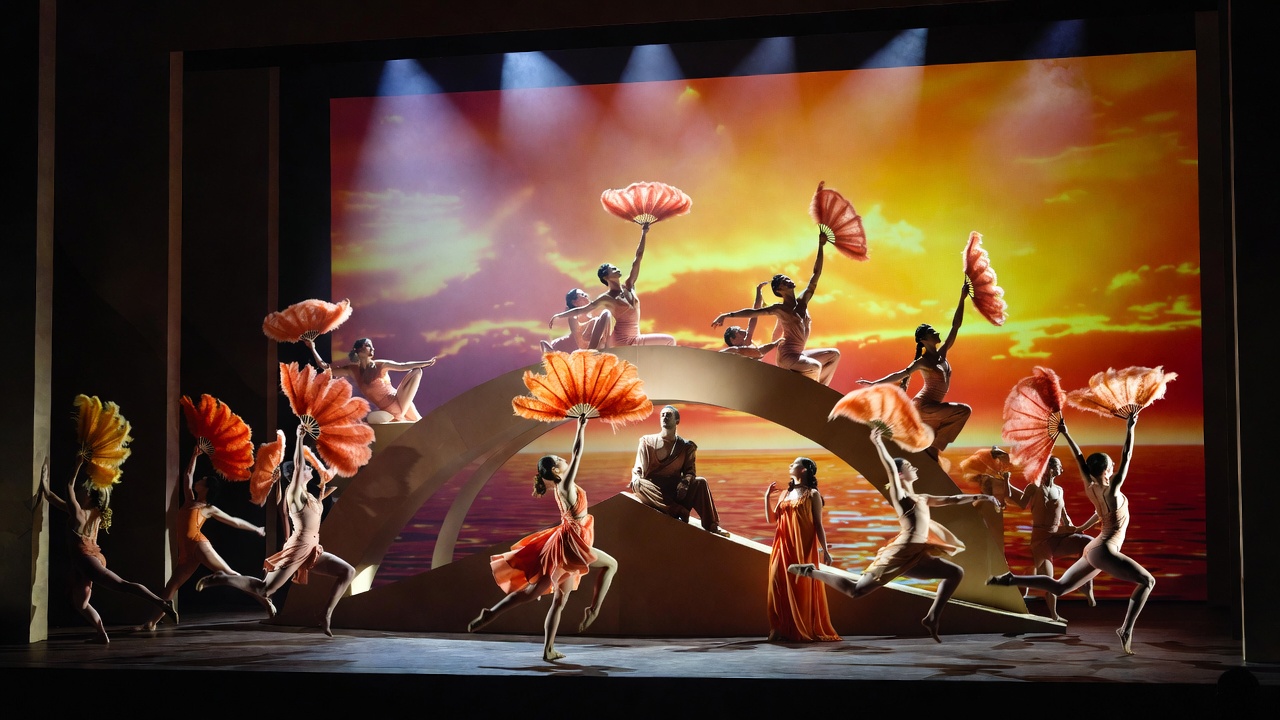
Adams’s adaptation highlights propaganda’s role in shaping legacy—Antony and Cleopatra as manipulated icons. It underscores how music can amplify emotional volatility while struggling with verse’s rhythm. Scholars gain fresh perspective on the play’s East-West binary and gender dynamics through this lens.
Should You See It? Practical Tips
(If available via streams or future revivals): Runtime ~2.5–3 hours. Best seats in orchestra for vocal/orchestral detail. Accessible via Met Live in HD archives or digital platforms.
FAQs
What is John Adams’s Antony and Cleopatra about? An operatic adaptation of Shakespeare’s tragedy, focusing on the doomed love between Roman general Mark Antony and Egyptian queen Cleopatra amid political turmoil.
How does it compare to Shakespeare’s play? It preserves much text but trims for opera; music adds propulsion but can reduce lyrical depth.
Who are the main singers in the Met production? Gerald Finley (Antony), Julia Bullock (Cleopatra), Paul Appleby (Caesar), Alfred Walker (Enobarbus).
Is the Met’s Antony and Cleopatra worth seeing for non-opera fans? Yes, if you enjoy Shakespeare adaptations or bold modern theater—though best for those open to contemporary scores.
How did critics rate the 2025 Met premiere? Mixed: praise for cast and ambition; criticism for pacing, vocal style, and dramatic impact.
Shakespeare’s Antony and Cleopatra endures because it captures love’s destructive beauty and power’s fragility. Adams’s opera, while flawed, reaffirms the play’s vitality in new forms. Experience it to see Shakespeare’s words reborn in sound and vision—then return to the original for its unmatched poetry. Share your thoughts: Have you seen this production? How does it stack up against other Shakespeare operas?