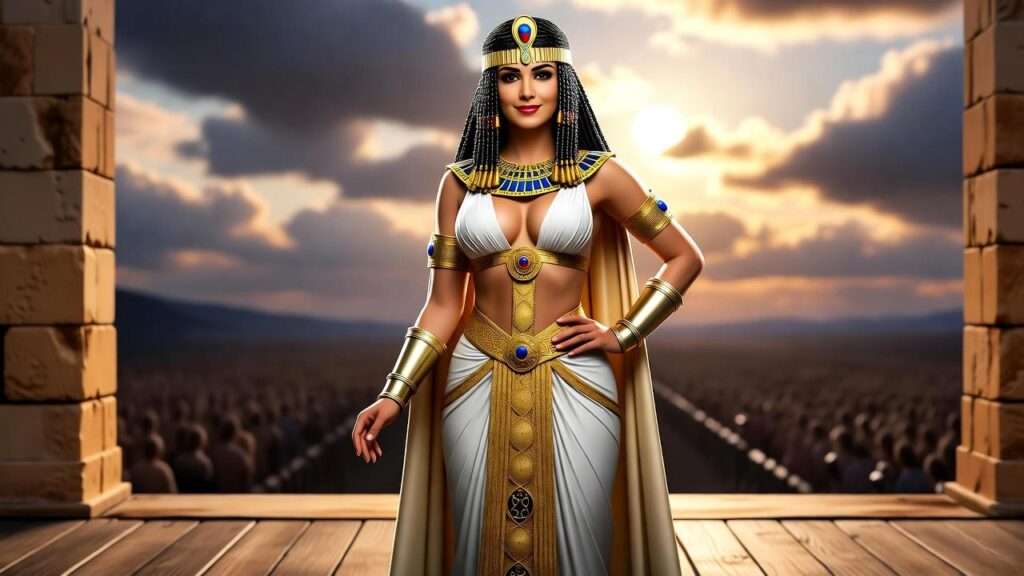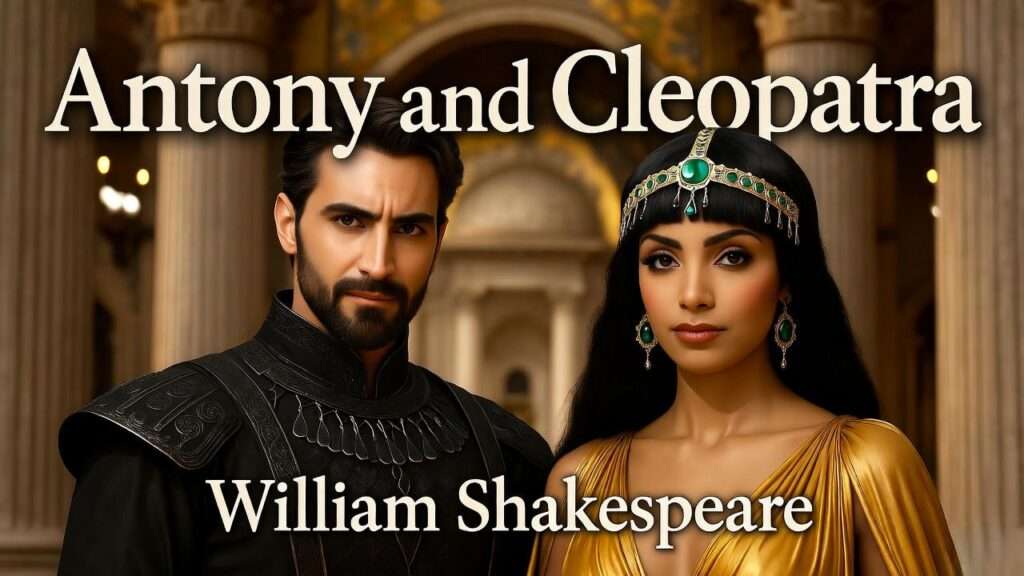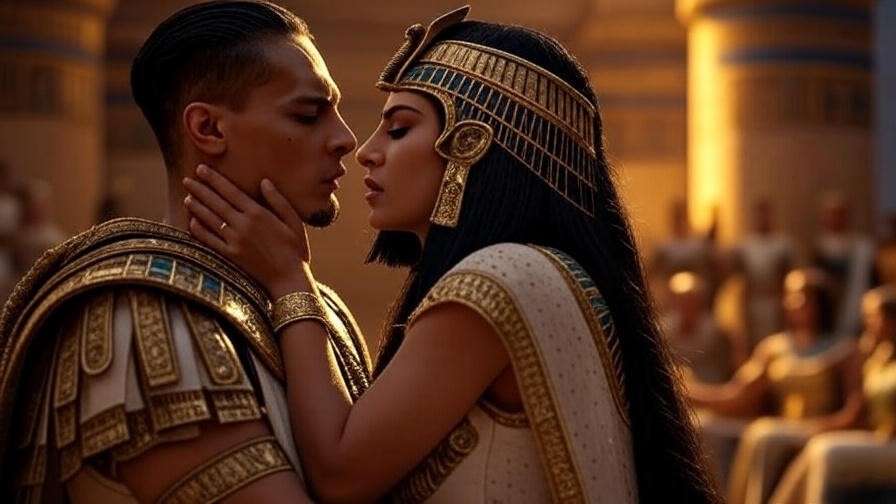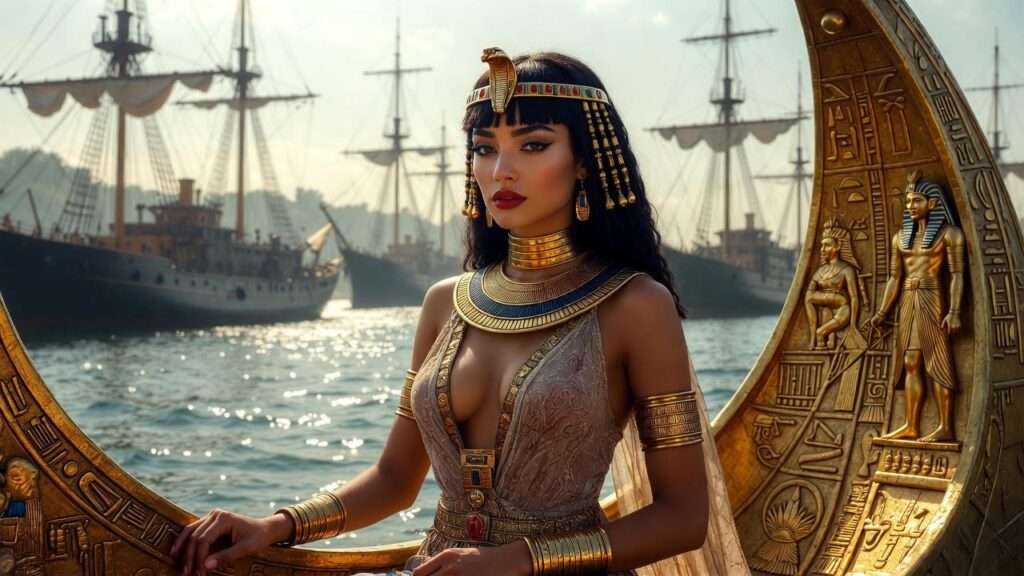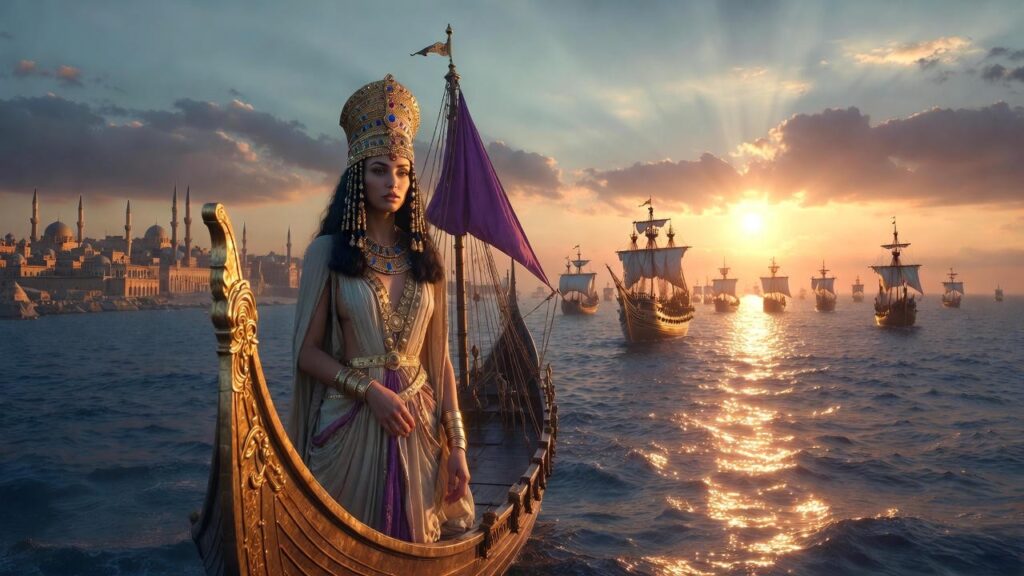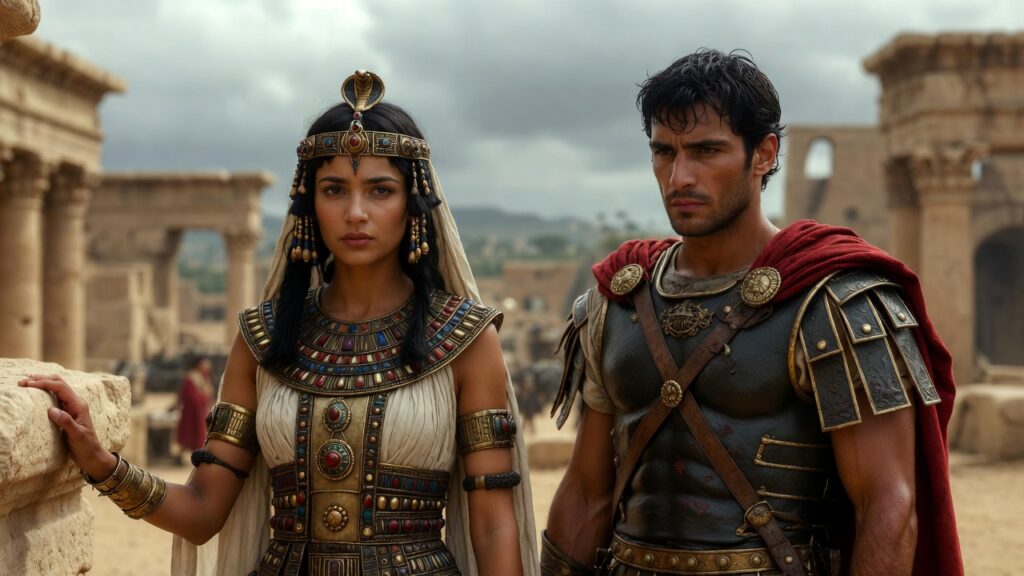
Imagine the dying queen of Egypt, adorned in her royal regalia, declaring with defiant ecstasy: “Give me my robe, put on my crown. I have / Immortal longings in me.” These words, spoken by Cleopatra in the final moments of Shakespeare’s Antony and Cleopatra, capture the play’s intoxicating blend of passion, power, tragedy, and transcendence. Antony and Cleopatra monologues stand among Shakespeare’s most electrifying—rich with poetic imagery, emotional volatility, and profound psychological insight. Whether you’re an actor hunting for a standout audition piece, a student dissecting Shakespeare’s mastery of language, or a literature enthusiast drawn to timeless explorations of love and empire, these speeches deliver unmatched dramatic intensity.
In this comprehensive guide, we curate and analyze the play’s most powerful monologues, providing full excerpts (from public domain sources like the Folger Shakespeare Library and MIT editions), detailed scene context, line-by-line literary analysis, performance tips, and modern relevance. By the end, you’ll have the tools to select, understand, and perform these gems with authority—solving the common challenge of navigating this sprawling tragedy’s highlights amid its complex political intrigue and sensuous poetry.
Why Antony and Cleopatra Monologues Are Essential for Actors and Readers
Shakespeare’s Antony and Cleopatra (written around 1606–1607) is often hailed as one of his greatest tragedies, blending Roman history with Egyptian exoticism. Unlike the more contained passions of Romeo and Juliet or Othello, this play explores mature, world-shaping love amid imperial collapse. The monologues shine because they distill vast themes into intimate, explosive moments.
The Unique Power of Shakespeare’s Language in This Play Shakespeare employs soaring blank verse here, laced with hyperbolic imagery—Antony’s limbs “bestrid the ocean,” Cleopatra’s longing as “fire and air.” The contrast between austere Rome and voluptuous Egypt fuels linguistic sensuality: Eastern opulence versus Western discipline. These speeches demand vocal range, from whispered intimacy to thunderous rage, making them ideal for showcasing versatility.
Themes That Make These Speeches Timeless At their core, the monologues grapple with love versus duty, betrayal and self-betrayal, mortality, gender and power dynamics, and the illusion of control in a chaotic world. Cleopatra’s defiance challenges patriarchal Rome; Antony’s despair questions heroic masculinity. In today’s context, they resonate with discussions of toxic relationships, power imbalances, and the cost of ambition—relevant for modern audiences exploring identity and legacy.
Audition and Performance Value Directors and casting agents prize these for their emotional depth and classical rigor. Cleopatra’s pieces allow female actors to embody regal authority and vulnerability; Antony’s offer male actors raw fury and tragic introspection. They fit well in contemporary adaptations (e.g., films or stage productions emphasizing political intrigue) and provide strong contrast material in auditions.
The Most Powerful Cleopatra Monologues
Cleopatra dominates with her charisma and complexity—often called Shakespeare’s most multifaceted female role. Here are the standout speeches, curated for impact and frequency in auditions.
“Give me my robe, put on my crown…” (Act 5, Scene 2) – The Iconic Death Preparation Context: After Antony’s suicide, Cleopatra—captured by Octavius Caesar—prepares her suicide by asp bite to avoid humiliation in Rome. She dresses regally, envisioning reunion with Antony.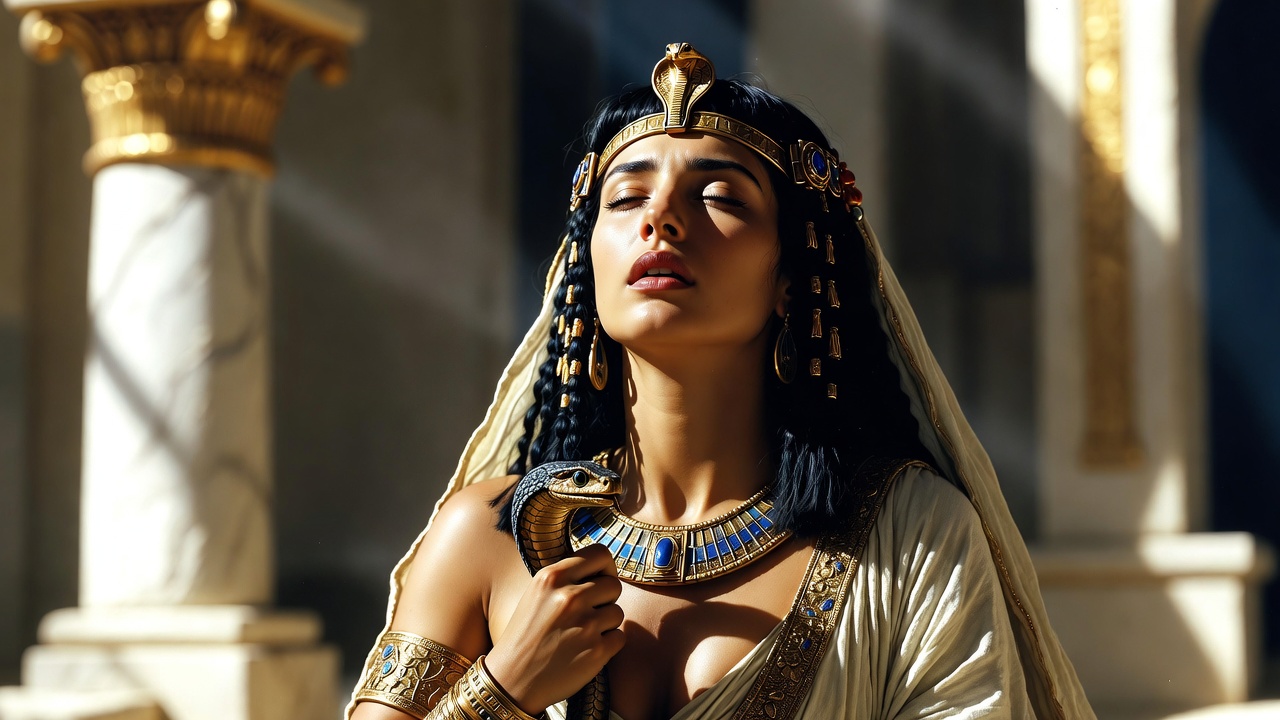
Excerpt (key lines from Folger/MIT editions): Give me my robe, put on my crown. I have Immortal longings in me. Now no more The juice of Egypt’s grape shall moist this lip. Yare, yare, good Iras; quick. Methinks I hear Antony call. I see him rouse himself To praise my noble act. I hear him mock The luck of Caesar, which the gods give men To excuse their after wrath. Husband, I come! Now to that name my courage prove my title! I am fire and air; my other elements I give to baser life…
Analysis: This speech transforms death into triumph. Cleopatra rejects earthly “dung” (life’s baseness) for ethereal union. Imagery of fire/air evokes ascension; the asp becomes a lover’s pinch. It showcases her agency—choosing her end on her terms—contrasting Roman pragmatism.
Performance tips: Build dynamically—start regal and deliberate, escalate to ecstatic vision. Use physicality: crown gesture, embrace of air. Layer defiance with tenderness; avoid melodrama by grounding in genuine longing. For auditions, cut to 20–30 lines for impact.
“No more but e’en a woman, and commanded / By such poor passion…” (Act 4, Scene 15) Context: Antony dies in Cleopatra’s arms after botched suicide. She grieves, then resolves on death rather than Roman captivity.
Excerpt: No more but e’en a woman, and commanded By such poor passion as the maid that milks And does the meanest chares… …Ah, women, women! Come, We have no friend But resolution and the briefest end.
Analysis: A pivotal shift from goddess to mortal. Cleopatra confronts grief’s rawness, rejecting passive femininity while embracing resolute action. It highlights gender themes—women’s emotional “weakness” versus strategic strength.
Tips: Contrast earlier grandeur with intimate vulnerability. Use pauses for tears; end with steely determination. Great for showing range in shorter auditions.
“His legs bestrid the ocean…” (Act 5, Scene 2) – Eulogy to Antony Context: Speaking to Dolabella, Cleopatra mythologizes the dead Antony to assert his (and her) greatness.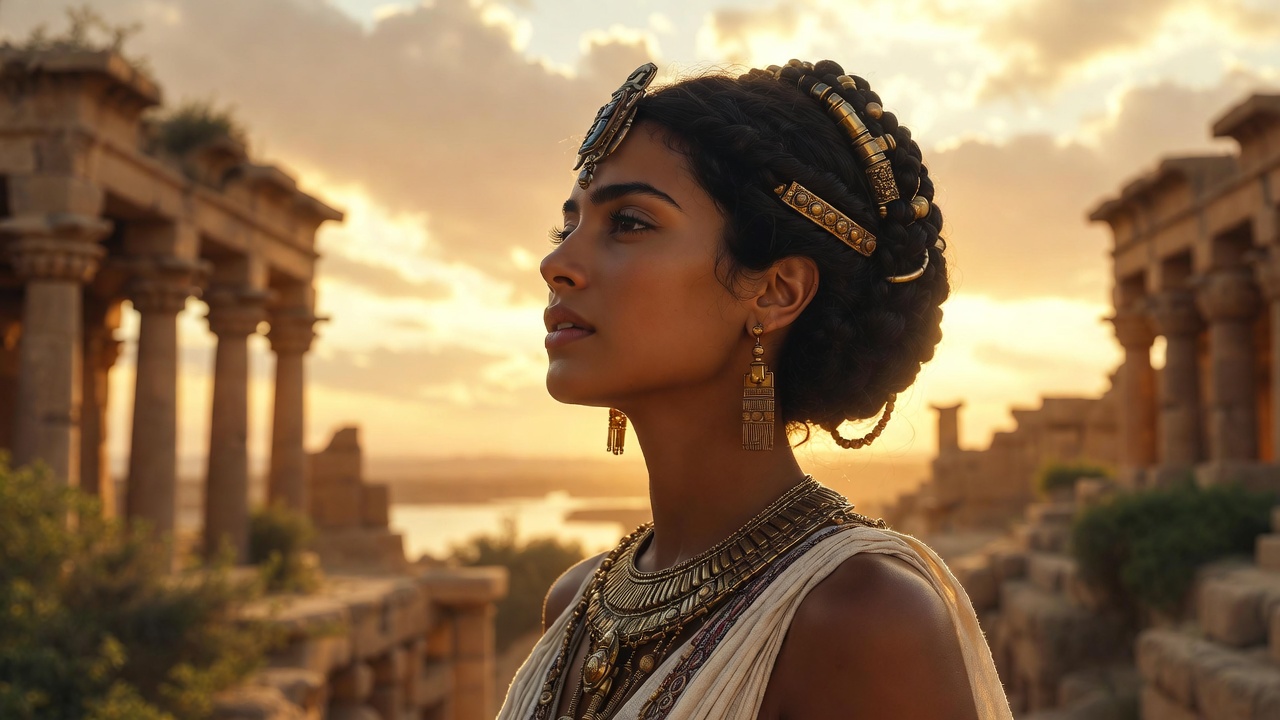
Excerpt: I dreamt there was an Emperor Antony. O, such another sleep, that I might see But such another man!… His face was as the heav’ns, and therein stuck A sun and moon… Think you there was, or might be, such a man As this I dreamt of?
Analysis: Hyperbole elevates Antony to mythic status, a coping mechanism for loss. It underscores fantasy in their love—real Antony flawed, dreamed one godlike.
Tips: Deliver with wonder and nostalgia. Slow pacing for poetic weight; subtle smile at exaggeration. Powerful for intellectual depth.
“O Charmian, where think’st thou he is now?” (Act 1, Scene 5) – Early Yearning Context: Early play, Cleopatra daydreams of absent Antony.
Excerpt: O Charmian, Where think’st thou he is now? Stands he or sits he? Or does he walk? Or is he on his horse? O happy horse, to bear the weight of Antony!
Analysis: Playful, sensual longing contrasts later tragedy. Shows Cleopatra’s wit and erotic imagination.
Tips: Lighter, flirtatious tone—use humor for contrast pieces.
Additional Honorable Mentions
- Act 2, Scene 5: Messenger scene rage (jealousy over Octavia).
- Act 5, Scene 2: “Rather make / My country’s high pyramides my gibbet” (defiance to Caesar).
The Most Powerful Antony Monologues
Antony’s speeches reveal a hero undone by passion—majestic yet self-destructive.
“All is lost! This foul Egyptian hath betrayed me…” (Act 4, Scene 12) – Rage and Betrayal Context: After naval defeat at Actium (blaming Cleopatra’s flight), Antony erupts.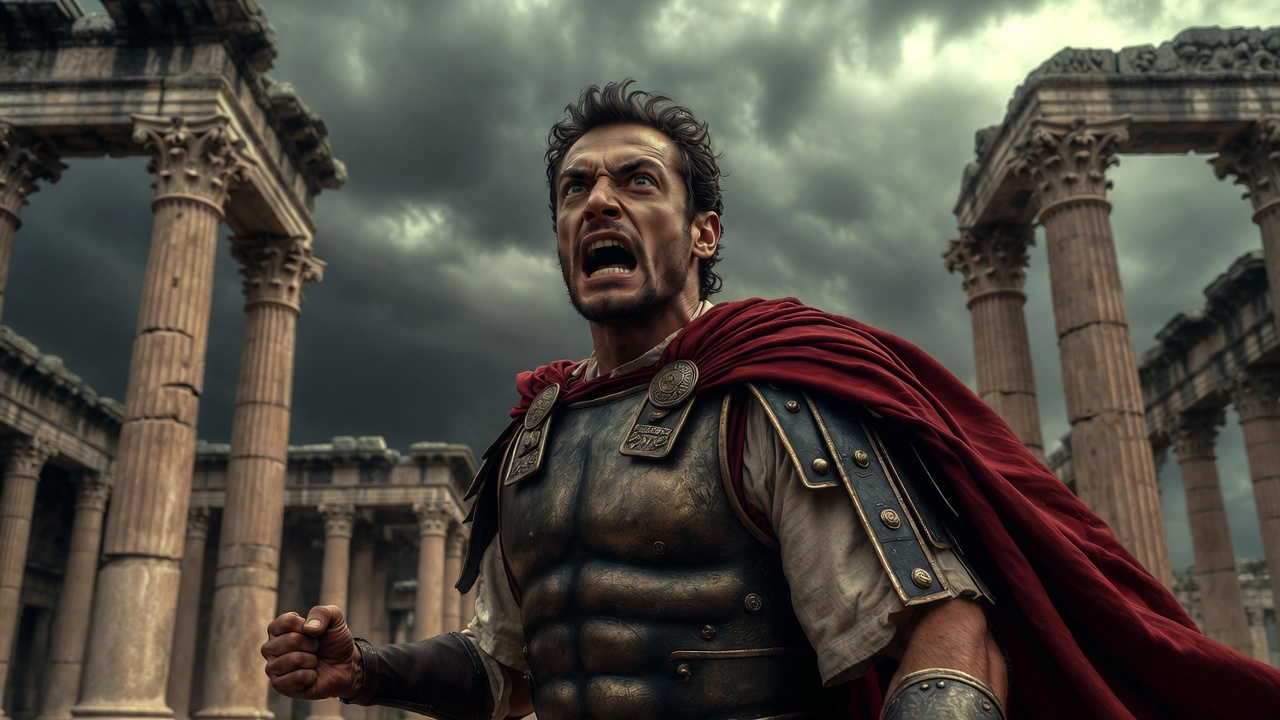
Excerpt: All is lost! This foul Egyptian hath betrayed me. My fleet hath yielded to the foe, and yonder They cast their caps up and carouse together Like friends long lost. Triple-turned whore! ‘Tis thou Hast sold me to this novice, and my heart Makes only wars on thee…
Analysis: Fury mixes misogyny, self-loathing, and despair. “Triple-turned” recalls her shifting loyalties (or perceived). Highlights tragedy of misplaced blame.
Tips: Explosive delivery—build rage to collapse. Physical: clenched fists, pacing. Show underlying pain.
“Since Cleopatra died, / I have lived in such dishonour…” (Act 4, Scene 14) – Suicidal Despair Context: False report of Cleopatra’s death prompts Antony’s suicide attempt.
Excerpt: Since Cleopatra died, I have lived in such dishonour that the gods Detest my baseness… …The shirt of Nessus is upon me…
Analysis: Honor and love collide; tragic irony (she lives). References Hercules myth for heroic fall.
Tips: Build to resolve; convey weary nobility.
Earlier speeches (e.g., “Let Rome in Tiber melt…” – Act 1, Scene 1) Context: Antony prioritizes love over empire.
Excerpt: Let Rome in Tiber melt, and the wide arch Of the ranged empire fall! Here is my space…
Analysis: Passionate defiance of duty.
Tips: Charismatic, romantic delivery.
How to Choose and Perform These Monologues Effectively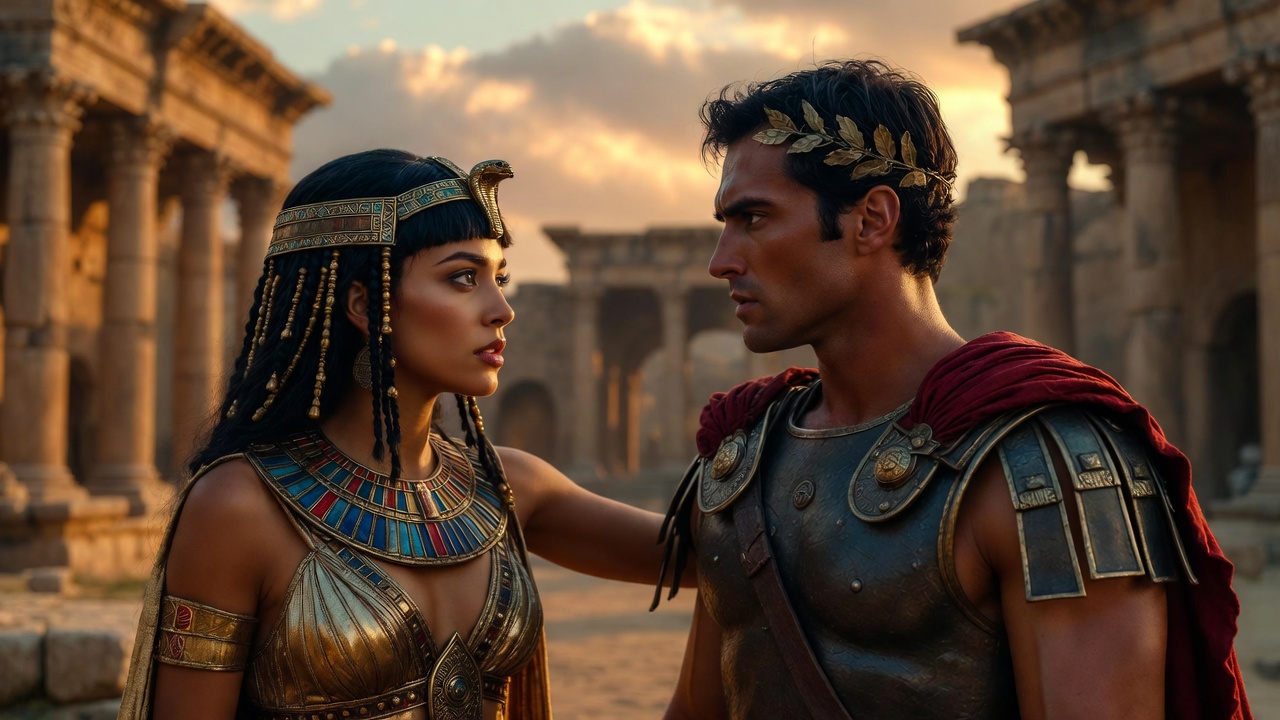
Audition Selection Guide Prioritize length (1–2 minutes), avoid overdone ones like the death speech if possible (though it’s iconic). Cleopatra suits strong female presence; Antony for commanding males. Consider typecasting—regal vs. warrior.
Performance Techniques Master breath for long lines; embody contrasts (Egypt sensuality, Roman stoicism). Use gestures sparingly—focus on voice modulation. Record rehearsals for authenticity.
Modern Interpretations and Adaptations From 1972 Mankiewicz film to recent stagings, these monologues inspire explorations of power couples and empire. Relevance to contemporary toxic dynamics or female empowerment adds layers.
Key Themes and Literary Insights Across the Monologues Scholars like A.C. Bradley note the play’s “world舞台” scale; modern critics highlight Cleopatra’s agency. Monologues tie to Fortune’s wheel, East-West clash.
FAQs About Antony and Cleopatra Monologues
What is the most famous monologue? Cleopatra’s “Give me my robe…” (Act 5, Scene 2). Are these good for college auditions? Yes—versatile and impressive. Where can I find full scripts? Folger, MIT Shakespeare, Open Source Shakespeare. How do I cut them? Focus on emotional arc; trim exposition.
These Antony and Cleopatra monologues remain unparalleled for their poetic fire and human depth. They challenge performers to balance grandeur with intimacy, offering endless discovery. Revisit the full play—its sweep amplifies every line. Which speech resonates most with you? Share in the comments, explore more Shakespeare insights on williamshakespeareinsights, and subscribe for deeper dives.