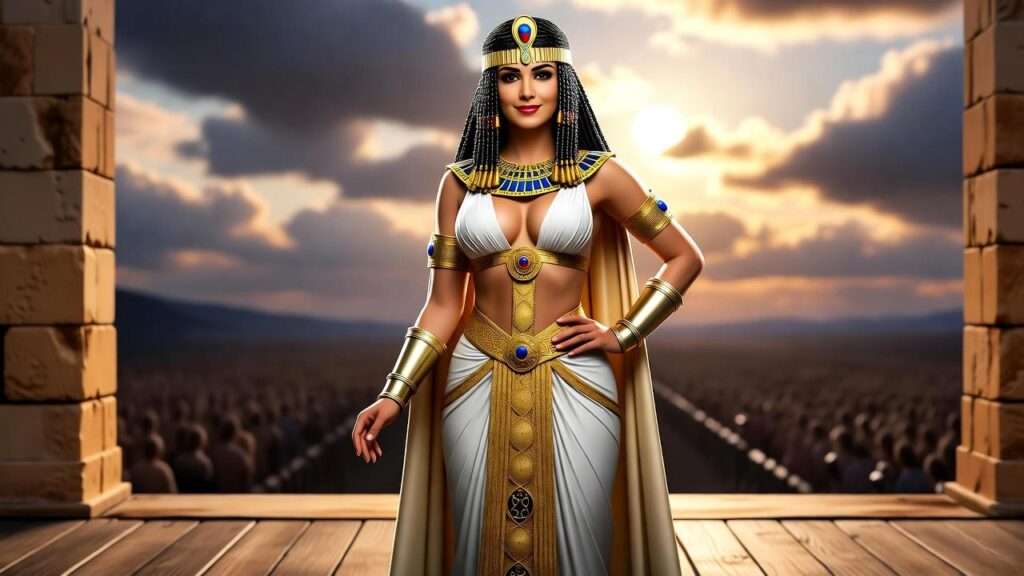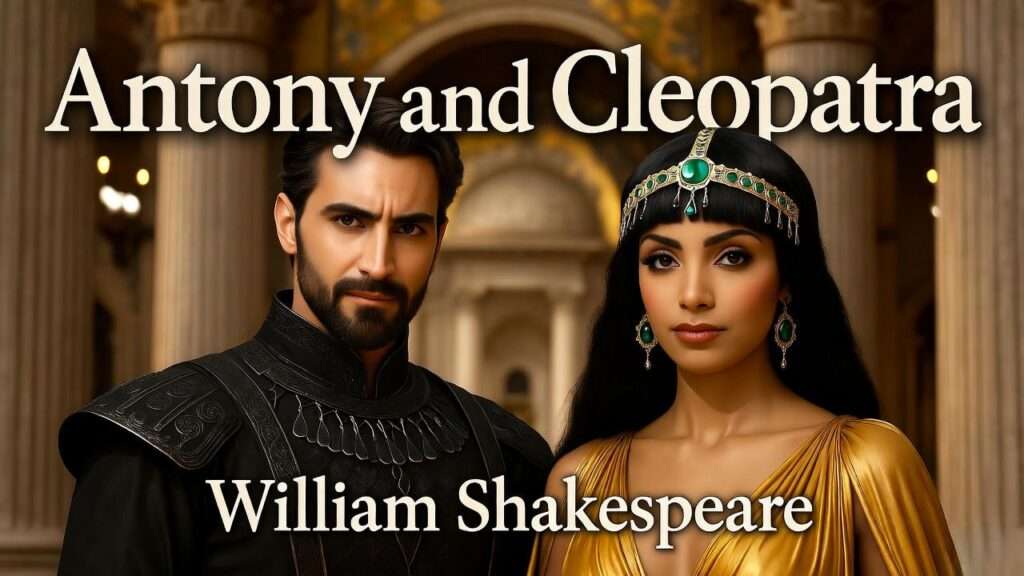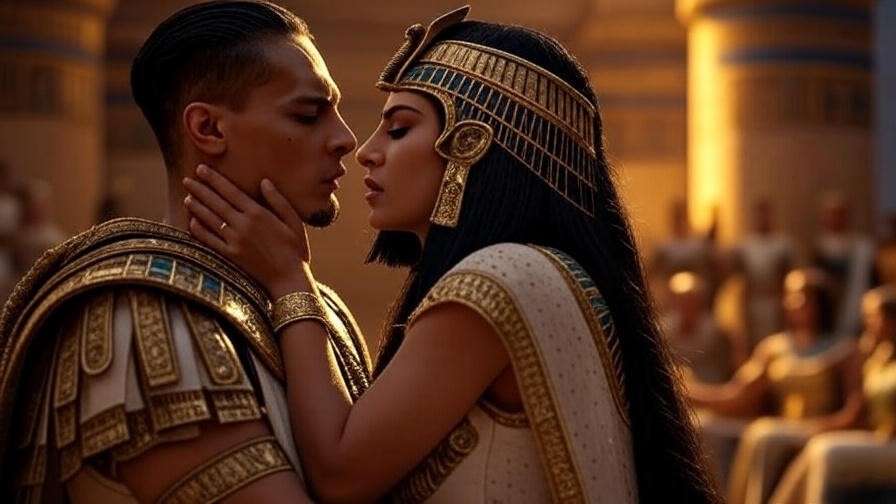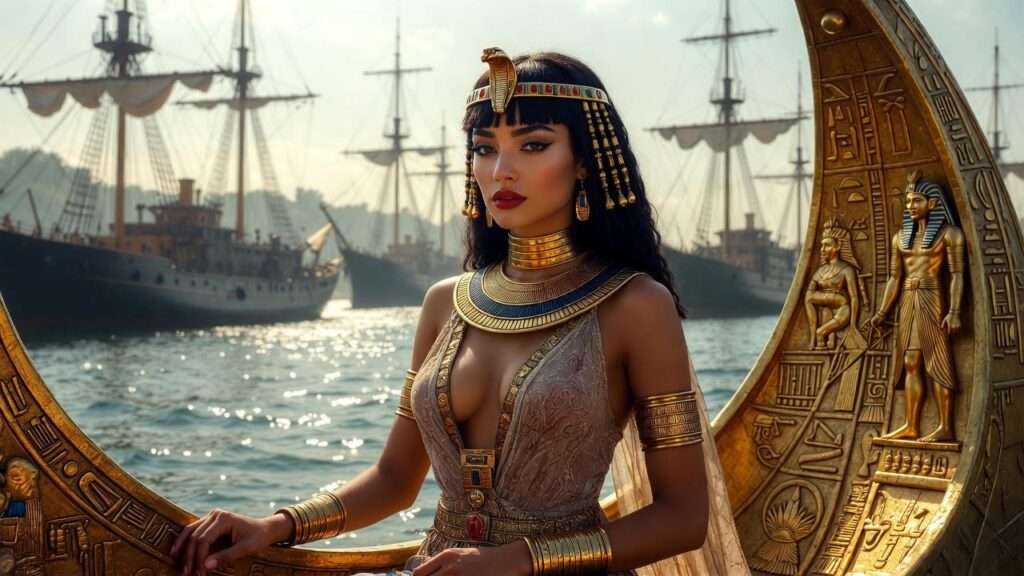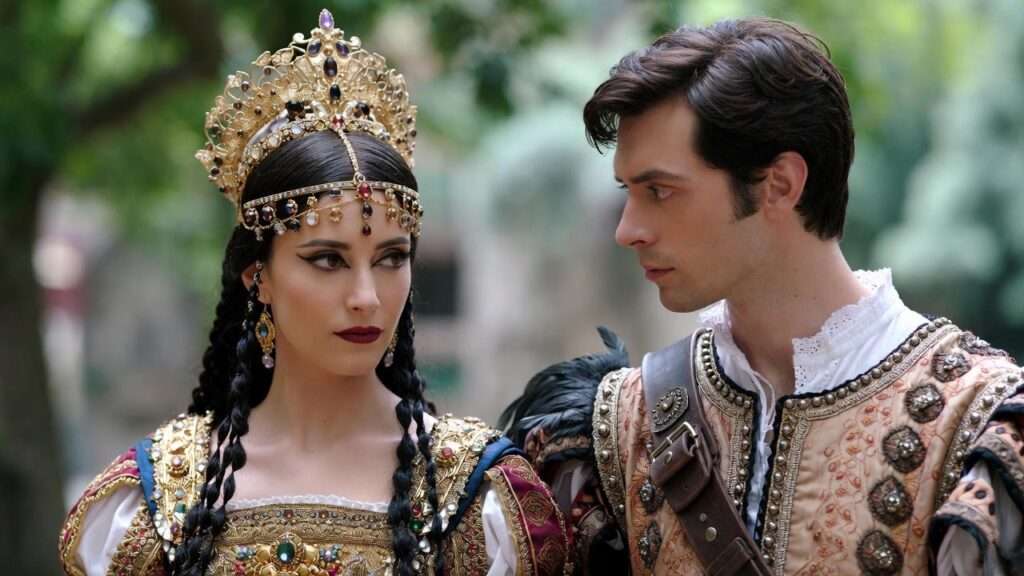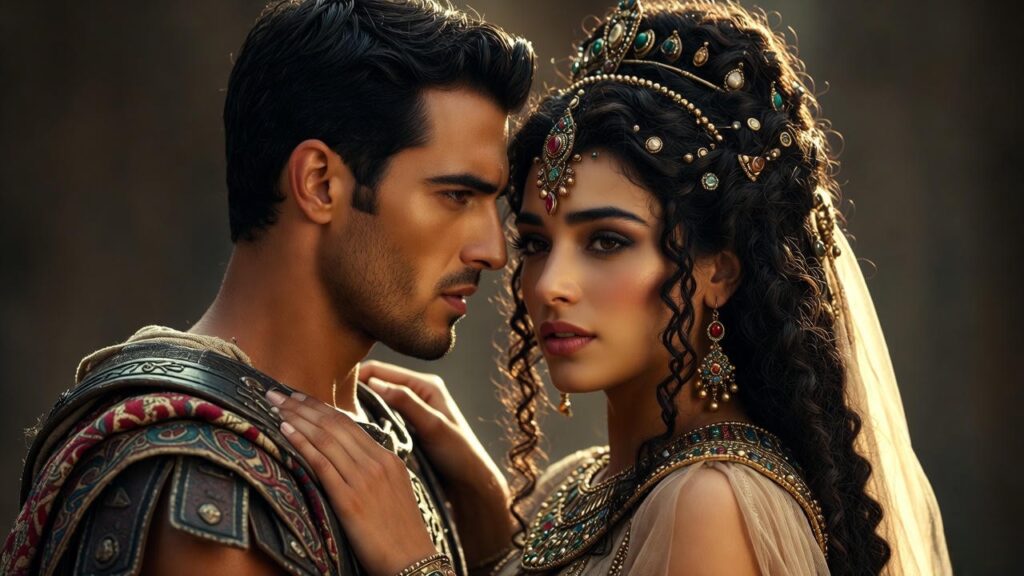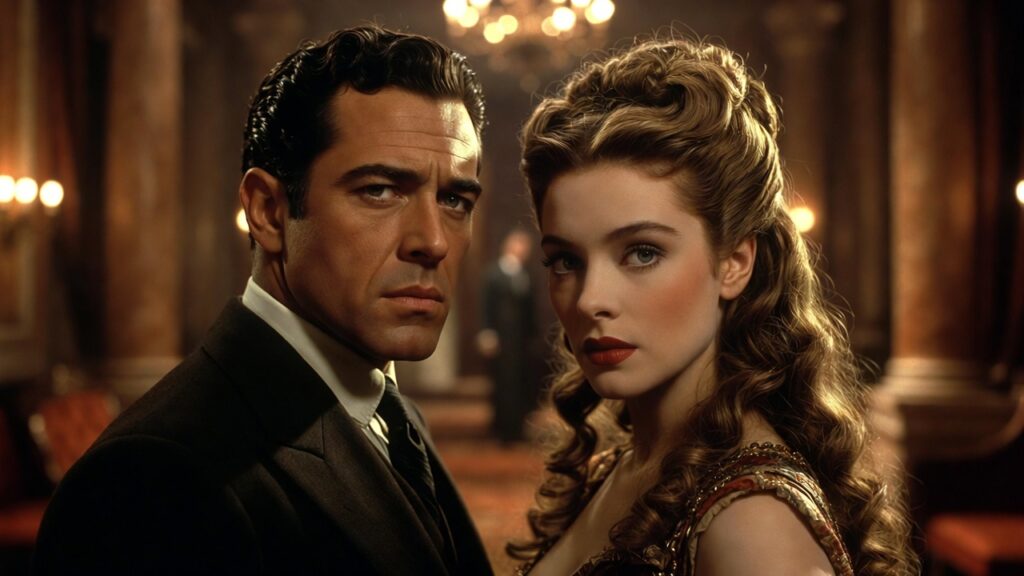
Shakespeare’s Antony and Cleopatra has captivated audiences for over four centuries with its intoxicating blend of passionate romance, ruthless political ambition, and tragic downfall. The play’s sweeping scope—from the opulent courts of Alexandria to the marble halls of Rome—explores the collision between personal desire and imperial duty in ways that feel eternally relevant. Now, Pulitzer Prize-winning composer John Adams brings this timeless tragedy into the 21st century with his opera Antony and Cleopatra, a bold adaptation that premiered at San Francisco Opera in 2022 and made its Metropolitan Opera debut in 2025.
The Antony and Cleopatra opera by John Adams transforms Shakespeare’s dense Elizabethan verse into a propulsive, richly orchestrated score that captures the play’s rhythmic vitality while adding modern musical depth. For Shakespeare enthusiasts, opera lovers, and those curious about how classic literature evolves across genres, this work offers a fresh lens on familiar themes: the destructive power of love, the rise of empire, and the cost of defying political realities. In this comprehensive guide, we delve into the opera’s creation, its key adaptations from the original play, musical highlights, staging innovations, critical reception, and enduring insights it provides into Shakespeare’s masterpiece—delivering more depth and context than typical reviews or summaries.
The Genesis of John Adams’ Antony and Cleopatra Opera
John Adams, one of America’s most celebrated living composers, has long drawn inspiration from historical and contemporary events in operas like Nixon in China (1987), The Death of Klinghoffer (1991), and Doctor Atomic (2005). His turn to Shakespeare marks a significant milestone: his first full adaptation of a classic literary text rather than recent history.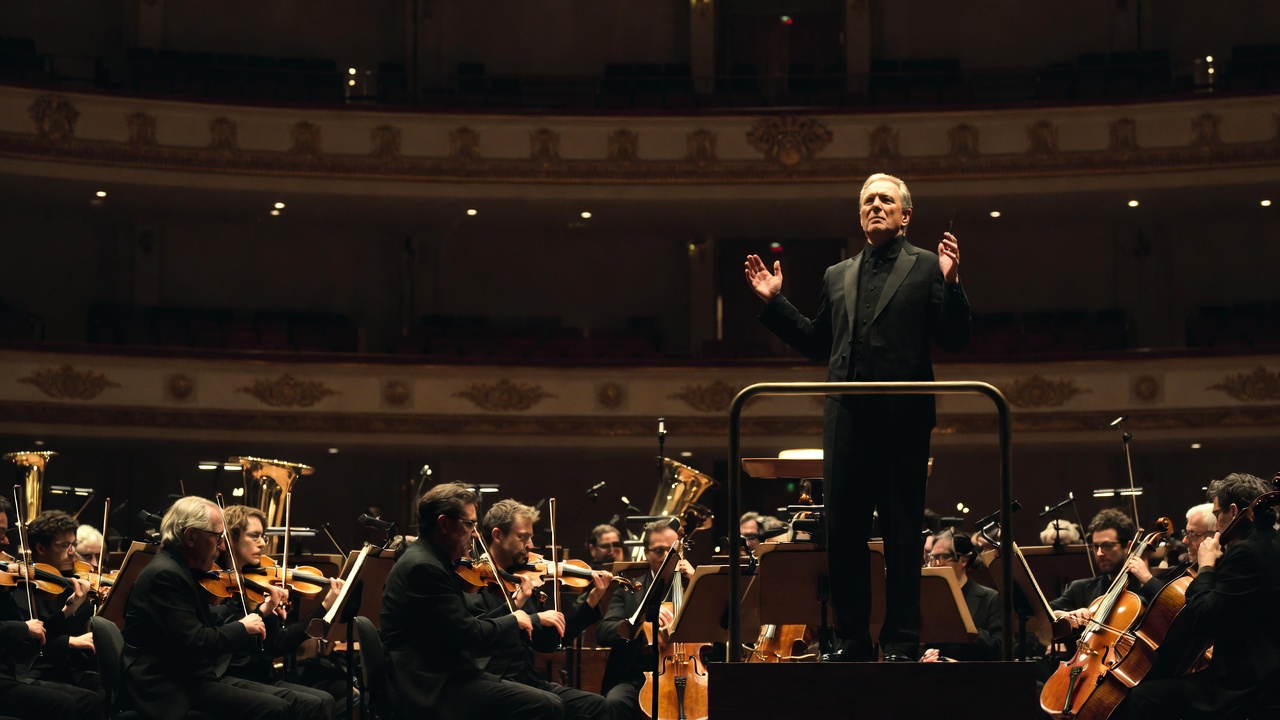
Commission and Premiere History San Francisco Opera commissioned the work to launch its centennial season, with the world premiere on September 10, 2022, under conductor Eun Sun Kim. The production featured soprano Amina Edris as Cleopatra and bass-baritone Gerald Finley as Antony. It was a co-production with the Metropolitan Opera (where it arrived in May 2025, conducted by Adams himself) and Gran Teatre del Liceu in Barcelona (European premiere in 2023). Adams wrote both music and libretto, consulting with director Elkhanah Pulitzer and dramaturge Lucia Scheckner. The libretto draws primarily from Shakespeare’s text, supplemented by passages from Plutarch’s Lives and Virgil’s Aeneid for historical texture.
Adams’ Approach to Shakespeare Adams has described Shakespeare’s language as inherently musical—its iambic pentameter, varied rhythms, and emotional shifts lend themselves naturally to operatic setting. Unlike his earlier politically charged works, this opera focuses on intimate human drama amid grand historical forces. He condensed the play’s sprawling five acts into two, prioritizing the central love triangle (Antony, Cleopatra, Octavius Caesar) while preserving the tragedy’s poetic essence. Adams aimed for a “through-composed” flow, avoiding traditional set-piece arias in favor of continuous dramatic momentum that mirrors Shakespeare’s fluid scene changes.
How the Opera Adapts Shakespeare’s Antony and Cleopatra
Shakespeare’s Antony and Cleopatra is notoriously challenging to stage: its 42 scenes span continents, feature dozens of characters, and balance intimate passion with epic politics. Adams’ adaptation streamlines this complexity for operatic pacing while staying faithful to the core spirit.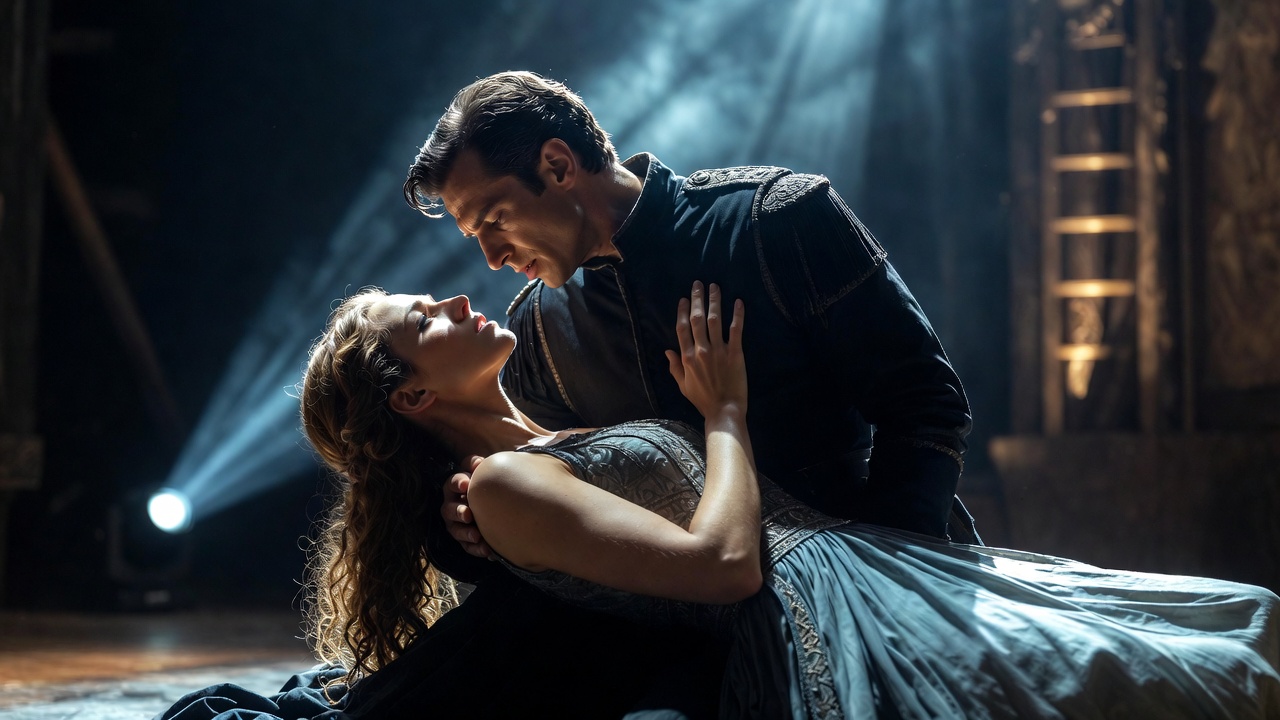
Key Structural and Textual Changes The opera reduces the play’s vast ensemble, focusing on the titular lovers and Octavius (Caesar) as the primary antagonists. Secondary figures like Enobarbus receive less emphasis, and some political subplots (e.g., Pompey’s rebellion) are condensed or omitted. Adams gives Cleopatra the first and last words, amplifying her agency and framing the story through her perspective—a subtle but powerful shift from Shakespeare’s more balanced ensemble.
Notable additions include an opening scene inspired by The Taming of the Shrew, where Cleopatra playfully dresses Antony in feminine garb, highlighting their erotic role-playing. The libretto trims repetitive passages and repeats key lines for musical emphasis, creating rhythmic motifs that echo Shakespeare’s poetry.
Major Differences from Shakespeare’s Play
- Pacing and Focus: The opera accelerates the political maneuvering of Acts I–III into a tense first act, reserving greater lyrical space for the lovers’ downfall in Act II.
- Character Arcs: Enobarbus’s famous desertion and death are shortened; Octavius emerges as a colder, more machine-like figure symbolizing the triumph of empire over emotion.
- Ending: Cleopatra’s suicide and majestic final monologue remain intact, underscoring her transcendence through art and legend—much as Shakespeare intended.
Preserving Shakespeare’s Poetic Essence Adams excels at setting natural English speech rhythms, allowing Shakespeare’s verse to breathe within orchestral textures. The result feels less like sung poetry and more like heightened dramatic speech, akin to Debussy’s approach in Pelléas et Mélisande. Passionate duets capture the lovers’ volatility—from ecstasy to fury—while monologues reveal inner conflict with vocal lines that rise and fall like spoken emotion.
Musical and Dramatic Highlights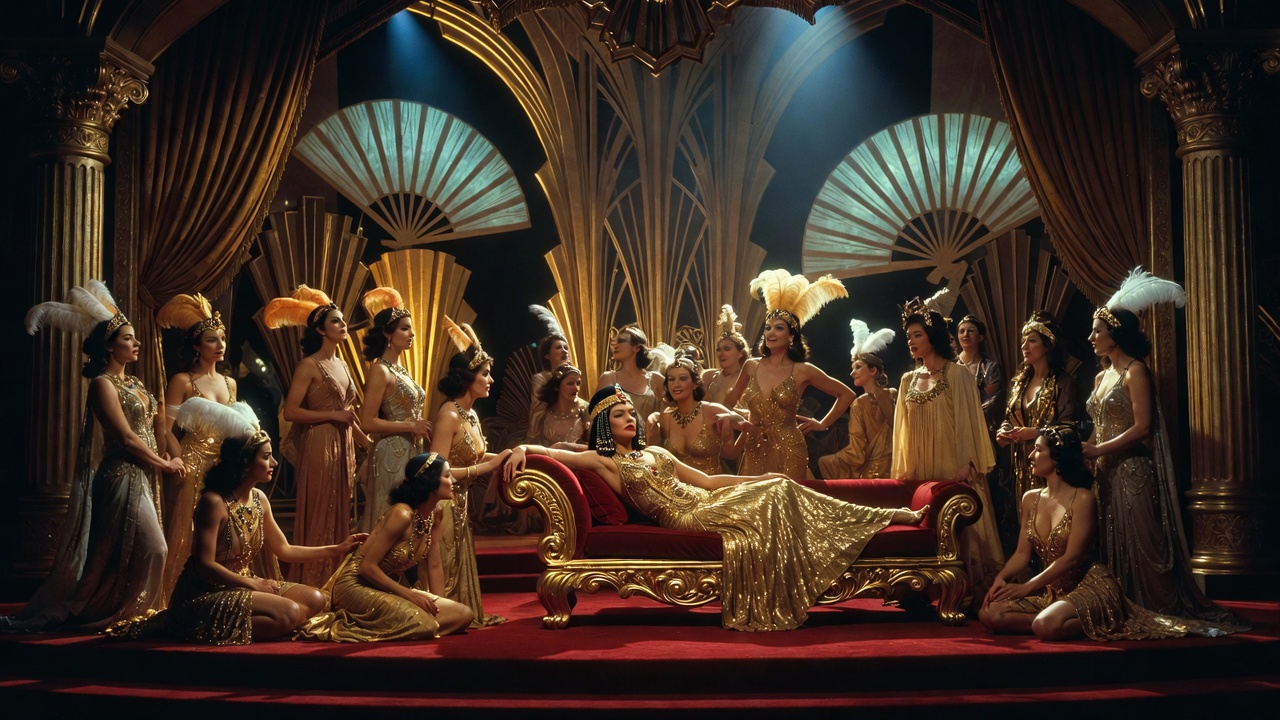
Adams’ mature style—propulsive rhythms, shifting meters, and lush orchestration—infuses the score with nervous energy that mirrors the characters’ turmoil.
Adams’ Compositional Style in Context Blending minimalist influences with romantic expressiveness, the music features jagged ostinatos for political tension and soaring melodies for intimate moments. The orchestra (including hammered dulcimer for an exotic “zing”) creates a sonic world that feels both ancient and modern.
Standout Moments and Arias The opening bursts with hyperkinetic vitality, establishing the lovers’ intoxication. Act II’s post-battle recriminations between Antony and Cleopatra deliver heartrending intensity, while Cleopatra’s final scene builds to a majestic, almost cinematic close.
Staging Innovations (Especially Met’s 1930s Hollywood Setting) Director Elkhanah Pulitzer relocates the action to Golden Age Hollywood, using Art Deco sets, newsreel projections, and fascist imagery to evoke spectacle, propaganda, and illusion. Designer Mimi Lien’s shifting rectangular frames mimic camera apertures, symbolizing how power is staged and mythologized—paralleling Shakespeare’s themes of performance and empire.
(Production photo from San Francisco Opera premiere showing Amina Edris as Cleopatra in opulent costume, evoking the exotic allure central to the character.)
(Scene from Metropolitan Opera 2025 production with Julia Bullock as Cleopatra and Gerald Finley as Antony, highlighting the 1930s Hollywood staging.)
Critical Reception and Legacy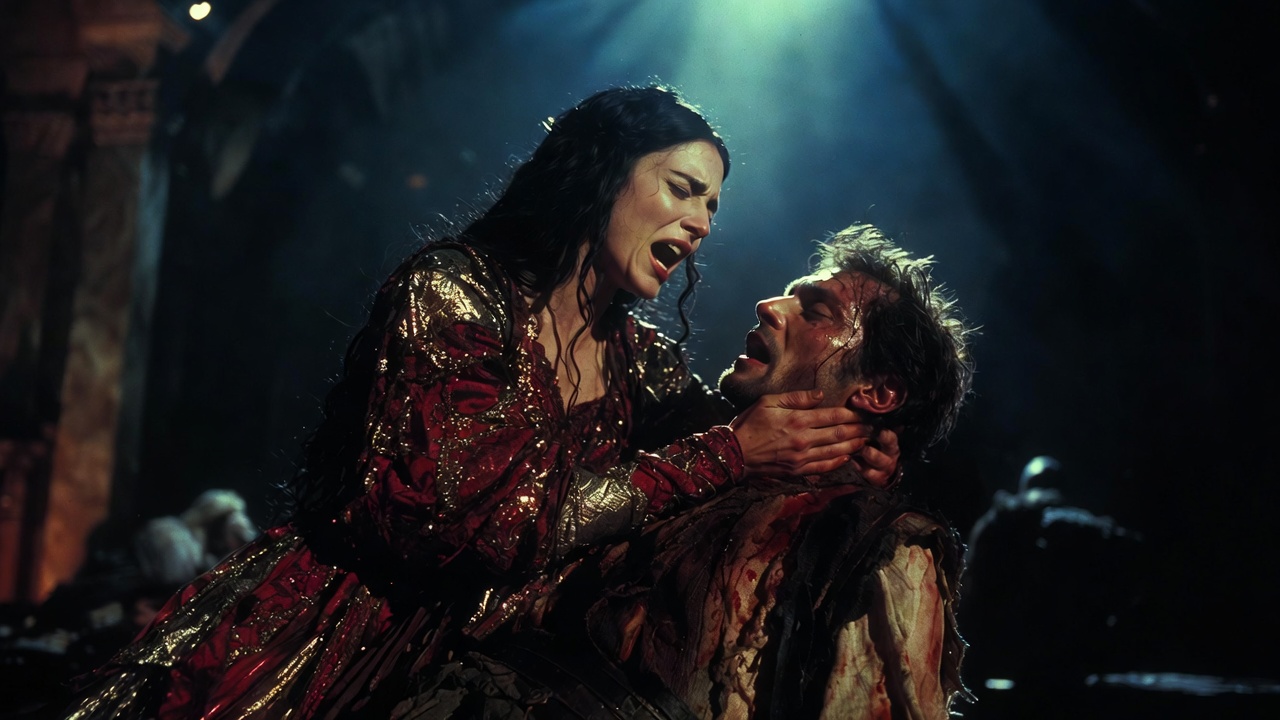
World Premiere at San Francisco Opera (2022) Reviews praised the passionate performances (Edris and Finley shone), rich orchestration, and dramatic intensity. The New Yorker called it “finely wrought, fiercely expressive,” while some noted it felt more conventional than Adams’ earlier boundary-pushing works. San Francisco Classical Voice hailed it as a “dazzling triumph.”
Metropolitan Opera Premiere (2025) and Later Runs The Met run drew mixed responses: strong casts (Julia Bullock and Gerald Finley) and orchestral power were lauded, but critics debated the libretto’s pacing and challenges of setting dense verse. The New York Times observed it “sags” despite trims, while others appreciated the psychological subtlety and fiery leads.
Why This Opera Matters for Shakespeare Fans It revitalizes the play’s East-vs-West, love-vs-duty dichotomies in a contemporary idiom, joining a lineage of Shakespeare operas (Verdi, Britten, Barber). Adams’ version highlights Cleopatra’s agency and the tragedy of personal passion in an authoritarian age.
Themes Explored: Love, Power, and Empire in Shakespeare and Adams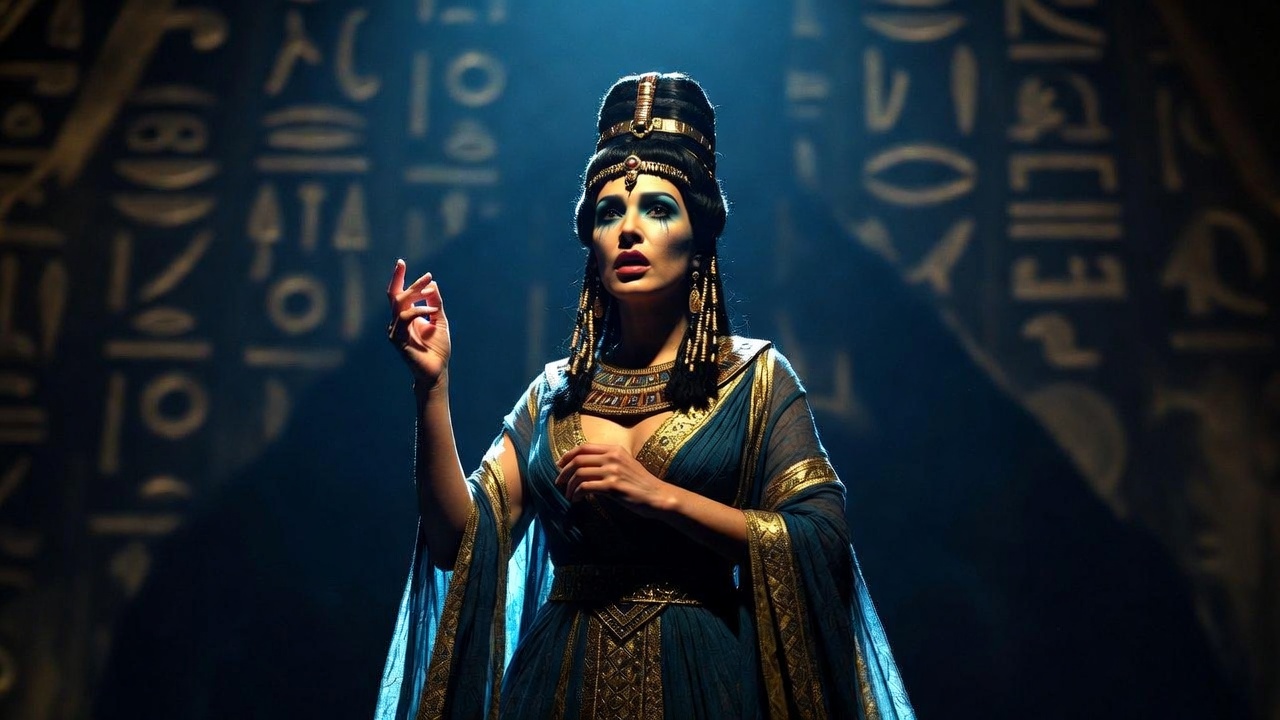
At its heart, both Shakespeare’s play and Adams’ opera examine the fatal entanglement of private passion and public duty. The tragedy unfolds not merely as a love story gone wrong, but as a meditation on how individual desire can destabilize entire civilizations.
The Tragic Romance at the Core Antony and Cleopatra’s relationship is portrayed as an all-consuming intoxication. In Shakespeare, their language swings wildly between tenderness and recrimination: one moment they call each other “my joy” and “my lord,” the next they hurl accusations of betrayal. Adams translates this volatility into music with breathtaking effectiveness. The lovers’ duets begin with lush, almost ecstatic lyricism—strings and woodwinds swirling around soaring vocal lines—then fracture into jagged, dissonant outbursts as political realities intrude. Their physical and emotional interdependence is rendered almost palpably: when Antony believes Cleopatra has betrayed him at Actium, the orchestra erupts in furious brass and percussion, mirroring the psychological violence of the text.
This musical treatment deepens Shakespeare’s insight that love, in its most extreme form, becomes a kind of madness—a force that erodes reason and empire alike. Adams does not romanticize the relationship; he allows its destructiveness to stand unvarnished, making the final reconciliation in death all the more poignant.
Political Dimensions and Modern Resonance Shakespeare’s Antony and Cleopatra is as much about the death of the Roman Republic as it is about the death of its protagonists. Octavius Caesar represents the cold, calculating future: a man who understands power as discipline, calculation, and image management rather than charisma or passion. In Adams’ hands, this contrast becomes even starker. The score assigns Caesar music that is rhythmically rigid, harmonically spare, and often accompanied by mechanical percussion—suggesting the machinery of empire grinding forward.
The 1930s Hollywood setting chosen for the Metropolitan Opera production amplifies this theme. By transplanting the action to an era of propaganda films, celebrity culture, and rising fascism, director Elkhanah Pulitzer and designer Mimi Lien draw explicit parallels between ancient Rome’s transition to autocracy and 20th-century authoritarian spectacle. Cleopatra appears in glamorous gowns reminiscent of Marlene Dietrich or Hedy Lamarr; Antony is styled as a fallen matinee idol; Caesar’s sleek suits and newsreel footage evoke the cult of personality. These visual choices make the opera feel urgently contemporary, reminding audiences that the tension between charisma and control remains a defining political struggle.
Cleopatra’s Agency and Legacy One of the opera’s most compelling achievements is the way it foregrounds Cleopatra’s intellectual and strategic brilliance. Shakespeare already portrays her as a polymath—fluent in languages, skilled in politics, a master of performance—but Adams and Pulitzer give her even greater dramatic weight. She opens and closes the work; her final monologue, delivered as a kind of apotheosis, is set to some of the score’s most radiant music. The vocal line climbs steadily, supported by glowing strings and harp, suggesting not defeat but transcendence.
This emphasis corrects a common misreading of the play: that Cleopatra is merely a seductress who brings down a great general. Instead, both Shakespeare and Adams present her as a formidable political actor whose tragedy lies in choosing love over empire—and in doing so, achieving a different kind of immortality through art and legend.
Where to Experience John Adams’ Antony and Cleopatra
As of March 2026, no commercial audio or video recording of the complete opera has been widely released, though excerpts and highlights from both the San Francisco and Metropolitan productions appear on streaming platforms and official opera house channels. San Francisco Opera occasionally makes past productions available on demand for a limited time; check their website or the Met Opera on Demand service for availability.
For those wishing to experience the work live, future stagings may be announced by co-producing houses or other major companies. In the meantime, listening to Adams’ own recordings of earlier operas (Nixon in China, The Gospel According to the Other Mary) alongside a reading or viewing of Shakespeare’s play provides excellent preparation.
Related recommendations for Shakespeare enthusiasts:
- Verdi’s Otello and Falstaff for examples of masterful Shakespeare-to-opera adaptations
- Benjamin Britten’s A Midsummer Night’s Dream for another 20th-century take on Shakespearean verse
- The 1972 film of Antony and Cleopatra directed by and starring Charlton Heston, or the 1981 Jonathan Miller BBC version for contrasting stage interpretations
FAQs
What is John Adams’ Antony and Cleopatra opera about? It is a contemporary operatic retelling of Shakespeare’s tragedy, focusing on the doomed love affair between the Roman general Mark Antony and the Egyptian queen Cleopatra, set against the rise of Octavius Caesar and the end of the Roman Republic.
How does it differ from Shakespeare’s original play? The opera condenses the action, reduces secondary characters, gives Cleopatra greater framing prominence, and relocates the story (in some productions) to 1930s Hollywood. It preserves the poetry but streamlines political subplots for musical pacing.
Who are the key performers in major productions? World premiere (San Francisco 2022): Amina Edris (Cleopatra), Gerald Finley (Antony). Metropolitan Opera premiere (2025): Julia Bullock (Cleopatra), Gerald Finley (Antony), with John Adams conducting.
Is the opera worth seeing for Shakespeare enthusiasts? Absolutely. It offers a powerful new auditory and dramatic interpretation of the text, revealing fresh layers in Shakespeare’s language, themes, and characters through modern music and staging.
Has it been recorded or streamed? No full commercial recording exists yet (as of March 2026), but highlights and production trailers are available online, and future streaming releases are likely given the work’s critical profile.
John Adams’ Antony and Cleopatra succeeds where many Shakespeare adaptations falter: it honors the original while boldly making it its own. By translating Elizabethan verse into a contemporary musical language—rich, restless, and deeply expressive—the opera reminds us why this tragedy endures. It is not merely a love story or a political chronicle, but a profound exploration of how desire and power shape (and destroy) human lives and civilizations.
For readers who have long cherished Shakespeare’s text, this opera provides an exhilarating companion piece: it makes the poetry sing anew, illuminates Cleopatra’s complexity, and underscores the timeless relevance of the play’s central conflict. Whether you encounter it in the theater, through future recordings, or simply by juxtaposing Adams’ score with the Folio text, the experience deepens appreciation for both the Elizabethan original and its 21st-century reinvention.
If this exploration has sparked your interest in Shakespearean tragedy, operatic adaptations, or the intersection of literature and music, explore more articles here on williamshakespeareinsights. Share your thoughts in the comments—what aspects of Antony and Cleopatra resonate most powerfully for you, and how do you see its themes reflected in today’s world?