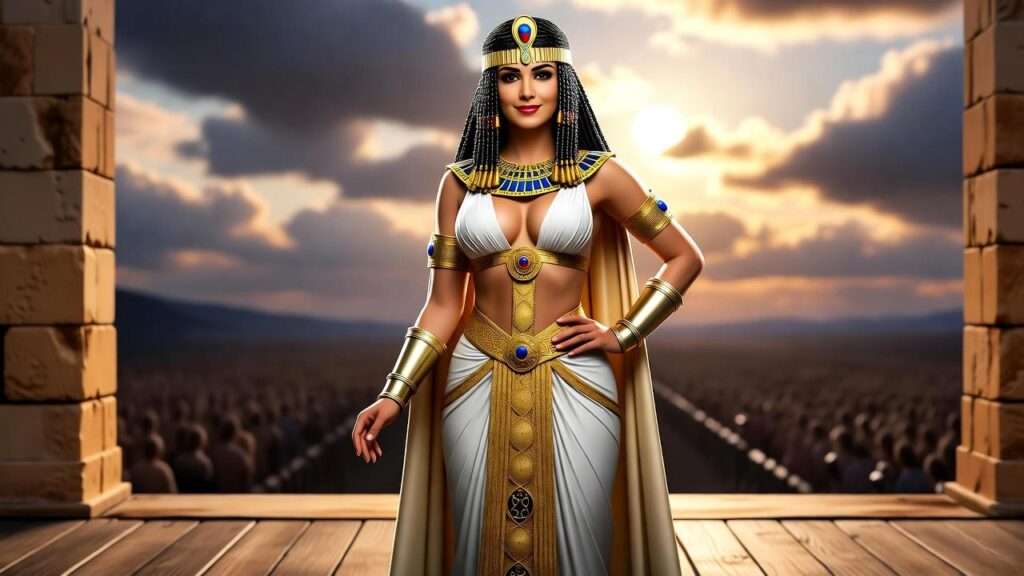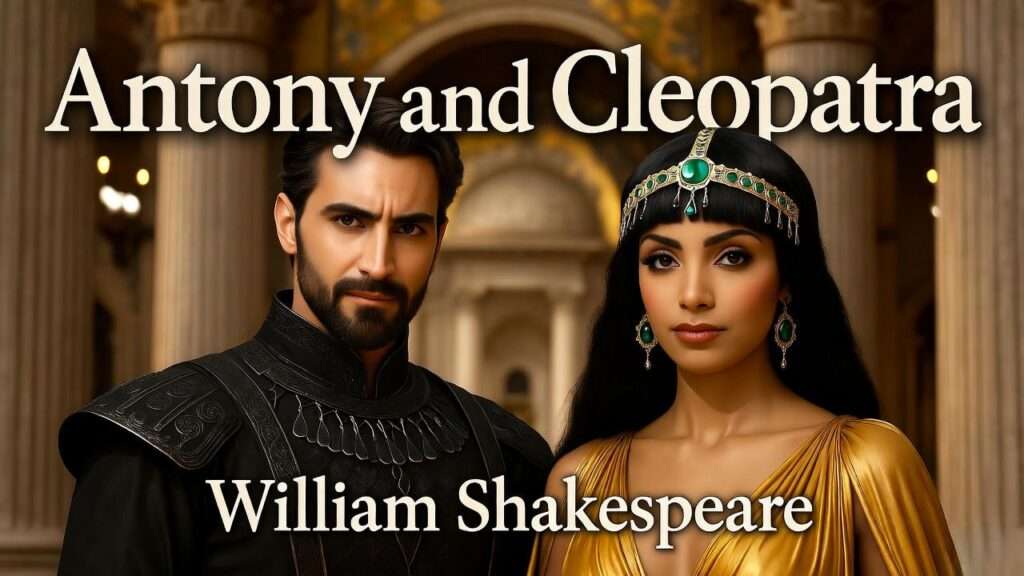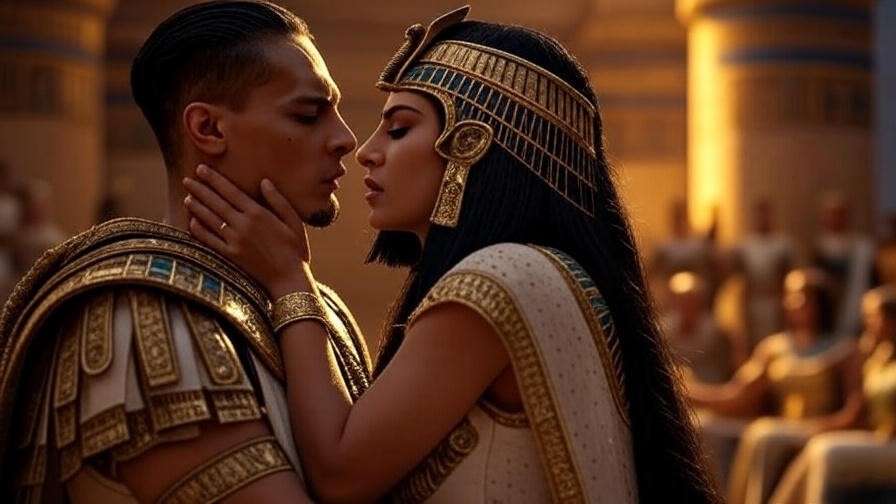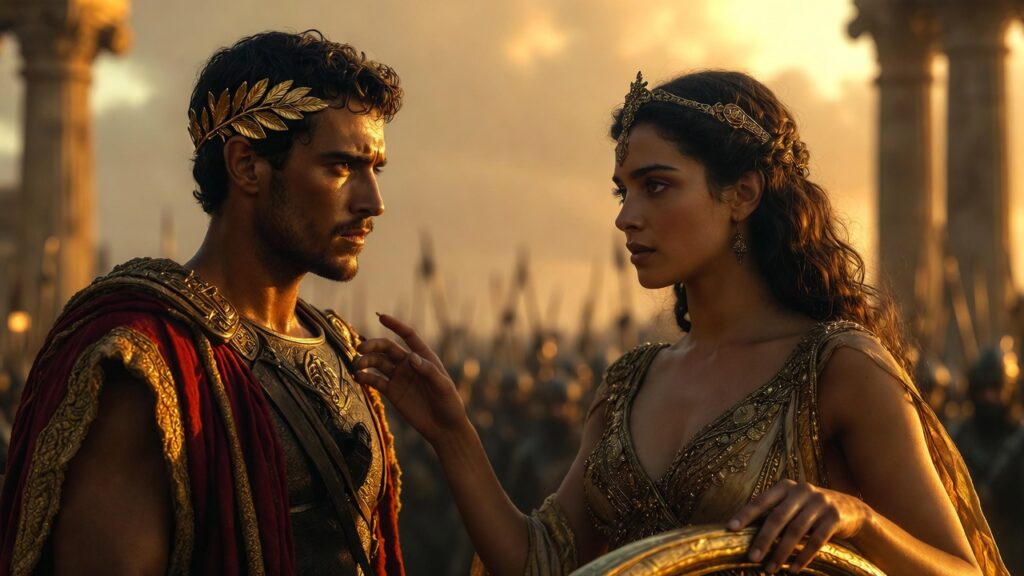
“Age cannot wither her, nor custom stale / Her infinite variety.” These immortal lines from Enobarbus capture the mesmerizing essence of Cleopatra, the woman whose allure reshapes empires and destinies. In Antony and Cleopatra, William Shakespeare crafts one of his most ambitious tragedies, weaving historical grandeur with intimate human frailty. The focus keyword “antony and cleopatra review” often leads readers seeking a deep dive into this complex play—whether for academic study, theatrical appreciation, or personal insight into timeless conflicts of love versus duty. This tragedy stands apart from Shakespeare’s more tightly structured works like Hamlet or Othello, embracing a sprawling, episodic form that mirrors the chaotic clash between Roman discipline and Egyptian sensuality.
Shakespeare draws from Plutarch’s Life of Marcus Antonius, transforming dry biography into poetic drama. Here, passion triumphs over power in a tragic yet strangely affirming vision: Antony and Cleopatra’s flawed love elevates them to mythic status, defying the cold calculus of empire. This review explores why the play endures—its exploration of human contradiction, its subversive gender dynamics, and its relevance to modern audiences grappling with leadership, desire, and cultural divides. Readers seeking clarity on characters, themes, or why this “problem play” divides opinion will find a comprehensive analysis here, richer than standard summaries.
Historical Context and Sources – From Plutarch to Shakespeare’s Vision
Shakespeare’s primary source, Sir Thomas North’s 1579 translation of Plutarch’s Parallel Lives, provides the backbone of events: the Second Triumvirate’s power struggles, the Battle of Actium (31 BCE), and the lovers’ suicides. Plutarch, writing in the 2nd century CE, reflects Roman propaganda—Cleopatra as manipulative seductress, Antony as fallen hero—shaped by Octavian’s (later Augustus) need to justify his victory and vilify rivals.
The real historical figures differ from myth. Cleopatra VII, last Ptolemaic ruler, was a shrewd polyglot diplomat who secured Egypt’s independence through alliances with Caesar and Antony. Roman sources, biased against powerful foreign women, portrayed her as exotic temptress. Shakespeare nuances this: he amplifies Cleopatra’s theatricality and agency, while softening Plutarch’s harsher judgments. For instance, Plutarch details Cleopatra smuggling herself to Caesar in a mattress; Shakespeare echoes such cunning but elevates her to a figure of “infinite variety.”
In Elizabethan England, the play resonated with anxieties over female rule—Queen Elizabeth I’s long reign challenged patriarchal norms—and colonial “othering” of the East. Egypt represents sensuality and fluidity against Rome’s ordered masculinity. Shakespeare subtly critiques Roman imperialism, portraying Egypt’s vitality as a counter to rigid virtue, reflecting England’s own post-Reformation identity shifts.
The Central Conflict – Rome vs. Egypt: Duty, Reason, and Passion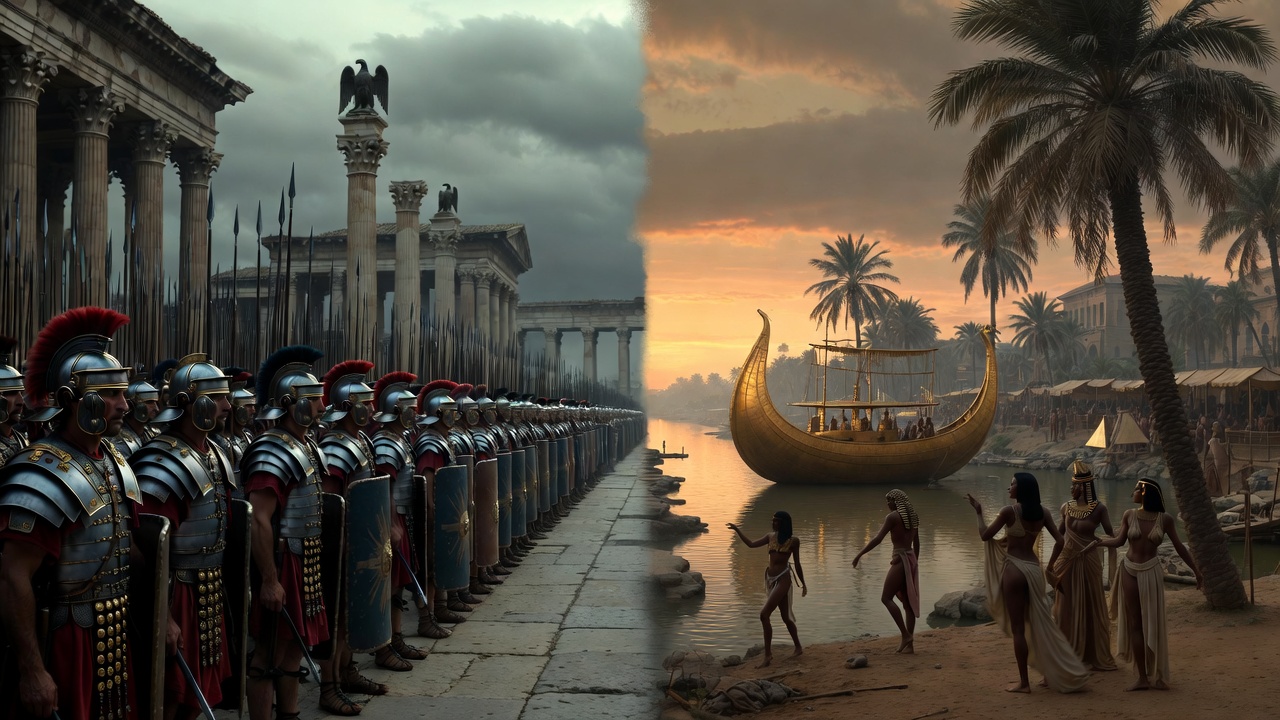
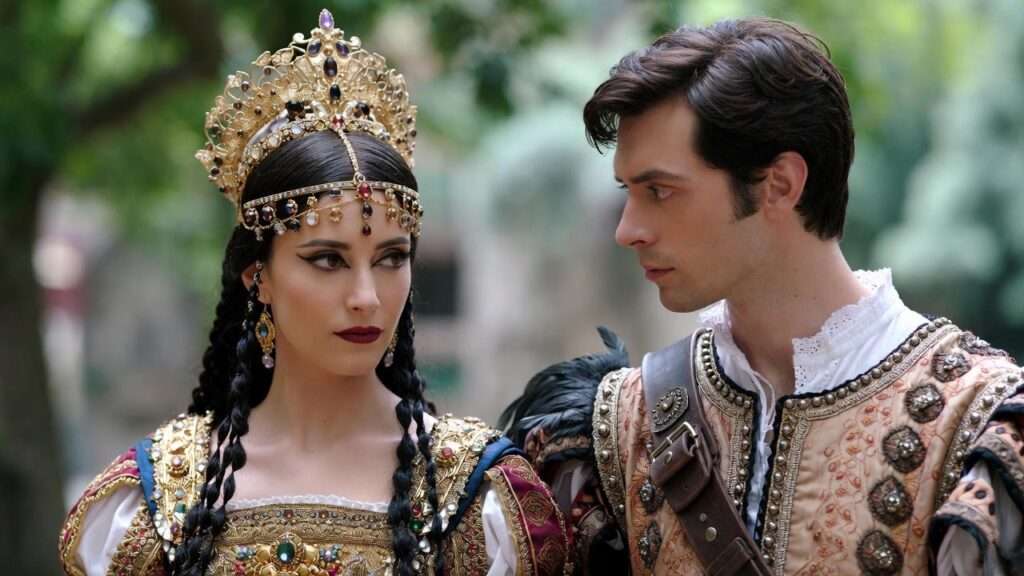
At the play’s heart lies the binary opposition: Rome (duty, reason, empire) versus Egypt (passion, imagination, pleasure). This isn’t simplistic good vs. evil but a tragic irreconcilability.
Rome as Discipline and Empire Octavius Caesar embodies cold pragmatism—calculating alliances, condemning Antony’s “dotage.” His lines drip with disdain: “Antony / Is not more manlike / Than Cleopatra” (1.4). Rome prioritizes honor, military glory, and political stability; Octavius’s rise foreshadows imperial order.
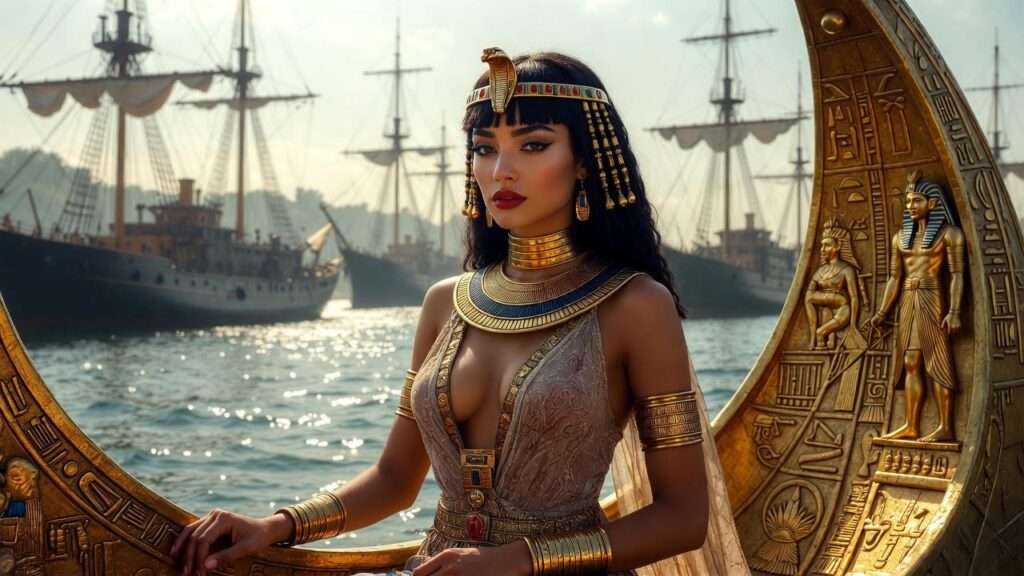
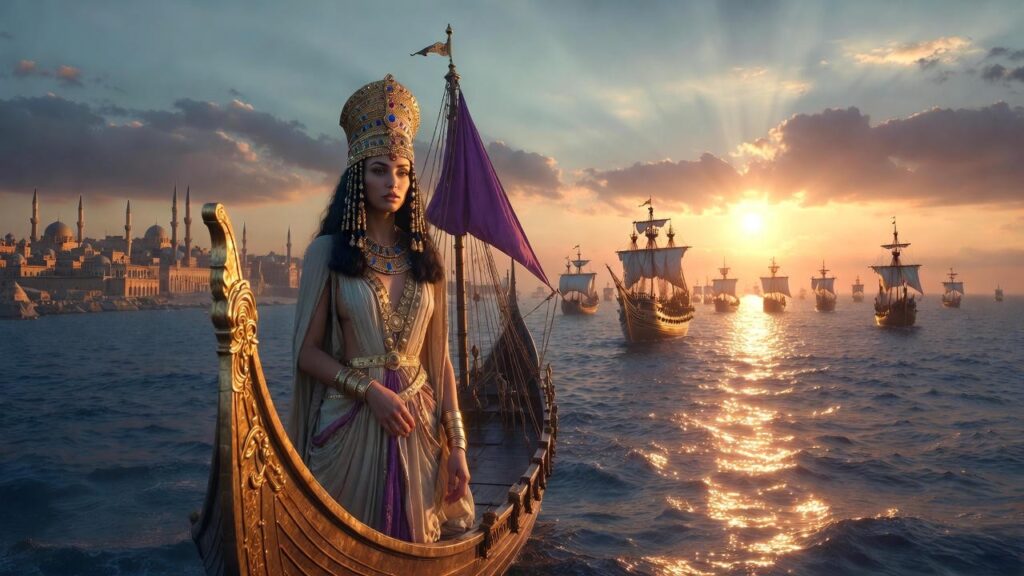
Egypt as Sensuality, Imagination, and Infinite Variety Cleopatra’s realm thrives on flux: revelry, eroticism, performance. Enobarbus’s barge speech (2.2) paints her as timeless enchantress: “Age cannot wither her…” Egypt offers escape from Roman restraint, where love defies measurement—”There’s beggary in the love that can be reckoned” (1.1).
Antony’s Tragic Division – The Man Torn Between Worlds Antony vacillates: “Let Rome in Tiber melt” (1.1) declares passion’s supremacy, yet Roman honor pulls him back. His internal war—heroic soldier vs. doting lover—makes him profoundly relatable. Unlike Othello’s decisive fall, Antony’s tragedy unfolds in fragments, mirroring life’s messiness.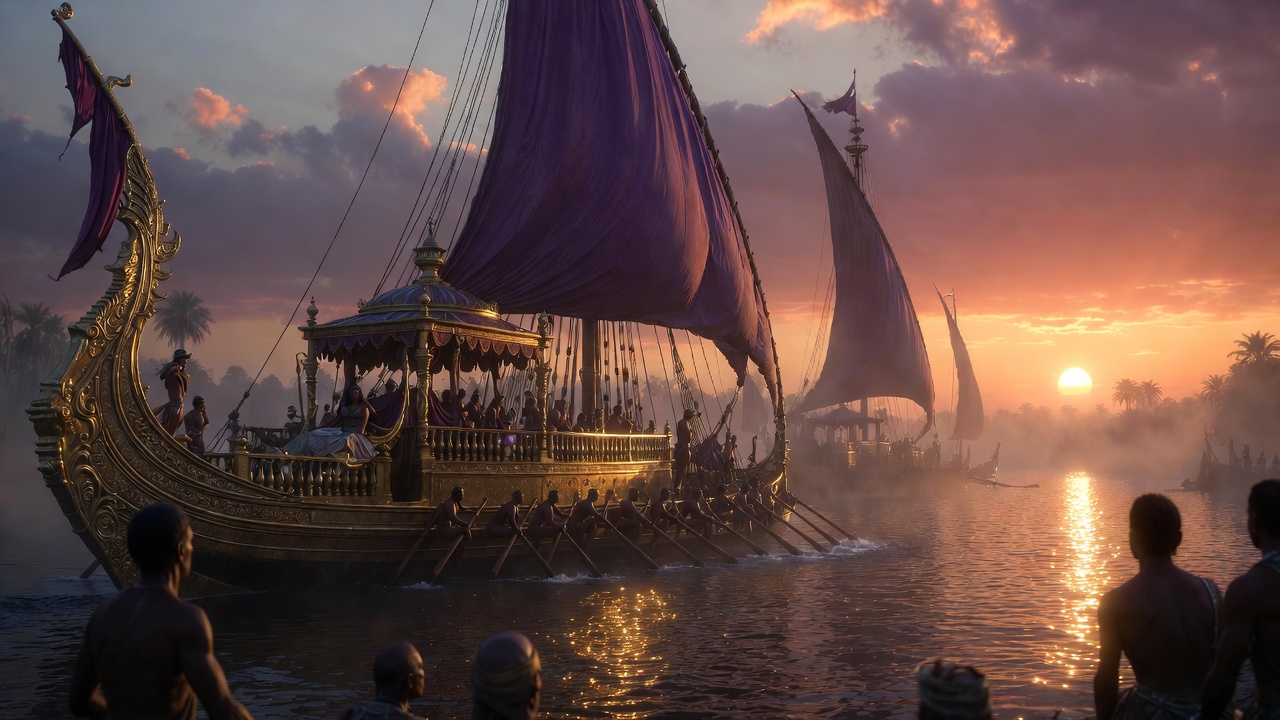
This conflict drives the plot: Antony’s return to Rome for politics (and marriage to Octavia), betrayal at Actium, and final reunion in death.
In-Depth Character Analysis – Beyond Stereotypes
Shakespeare’s characters defy easy labels, blending grandeur with human flaws.
Cleopatra – The Queen of Infinite Variety Often criticized as femme fatale, Cleopatra emerges as complex: manipulative yet devoted, histrionic yet sincere. Her “infinite variety” (2.2.277) allows constant reinvention—seductress, queen, mourner. Feminist readings celebrate her agency; she deconstructs binaries, her performativity challenging gender norms. Her dream of Antony (5.2)—”His face was as the heavens”—transcends mortality through imagination.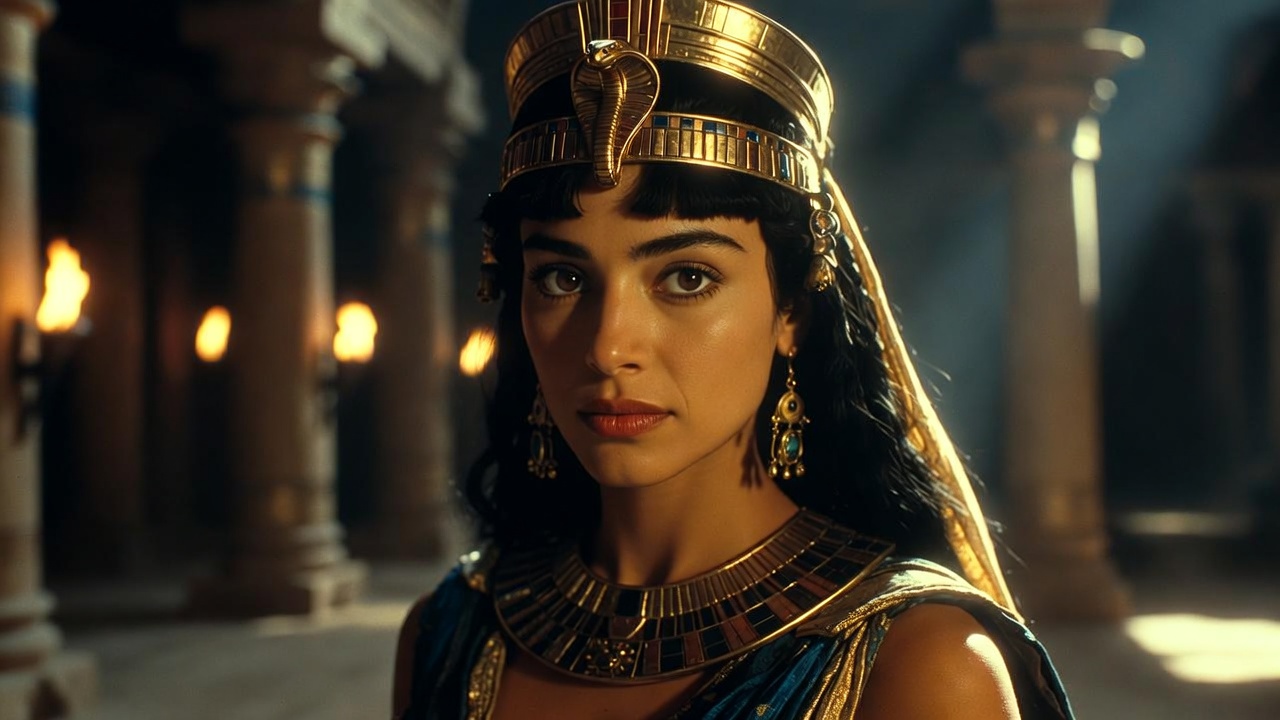
Mark Antony – Hero, Lover, and Flawed Mortal From “plated Mars” to self-doubting lover, Antony’s decline is poignant. His suicide restores honor (“I will be / A bridegroom in my death” 4.14), yet passion defines him. Critics note his tragedy lies in failing to reconcile identities.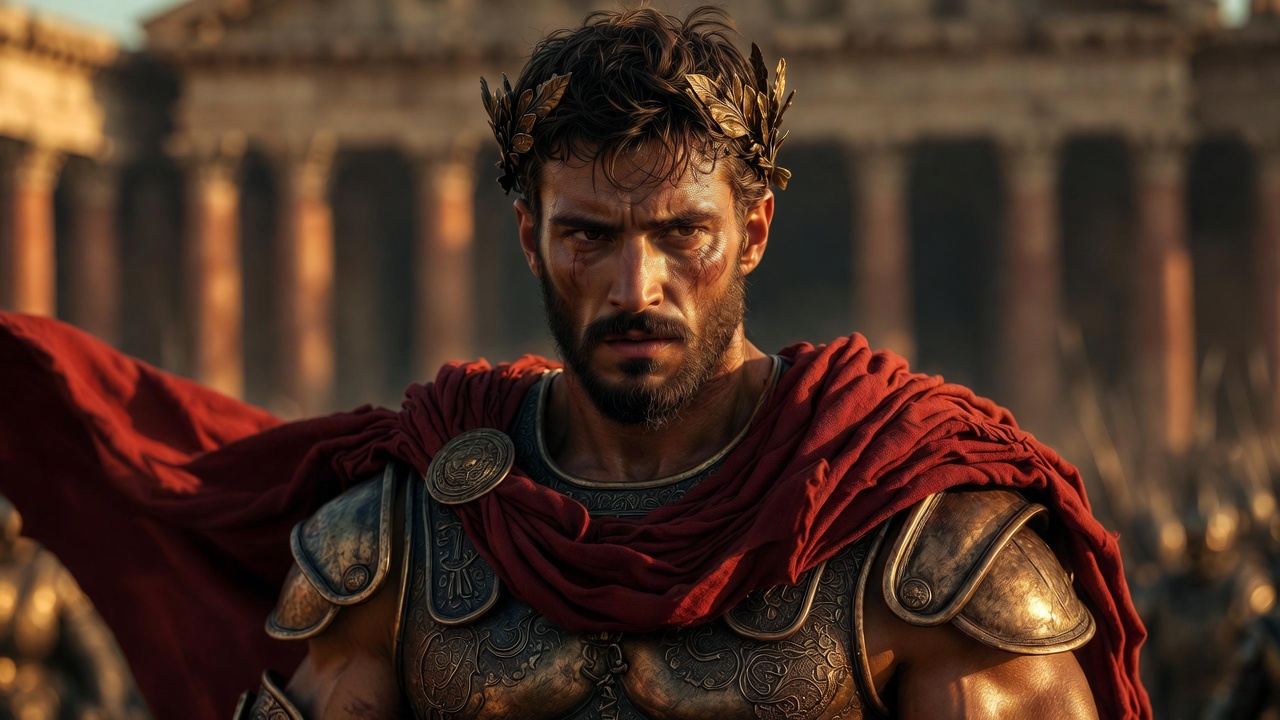
Supporting Characters – Enobarbus, Octavius, and Octavia Enobarbus serves as moral compass—his desertion and remorse (“I am alone the villain” 4.6) highlight loyalty’s cost. Octavius is foil: emotionless ambition triumphs politically. Octavia symbolizes restrained Roman virtue, her quiet dignity contrasting Cleopatra’s vibrancy.
Shakespeare’s Poetic Mastery – Language, Imagery, and Structure
Shakespeare’s language soars hyperbolic and mythic: Cleopatra’s eulogy—”His legs bestrid the ocean” (5.2)—elevates Antony to godlike scale. Imagery of melting, dissolving, and fluidity reflects thematic flux.
The structure—short, fragmented scenes—defies classical unity, evoking chaos. Irony abounds: Roman “virtue” appears limited, Egyptian excess affirming life.
Strengths and Criticisms – Why This Play Divides Opinion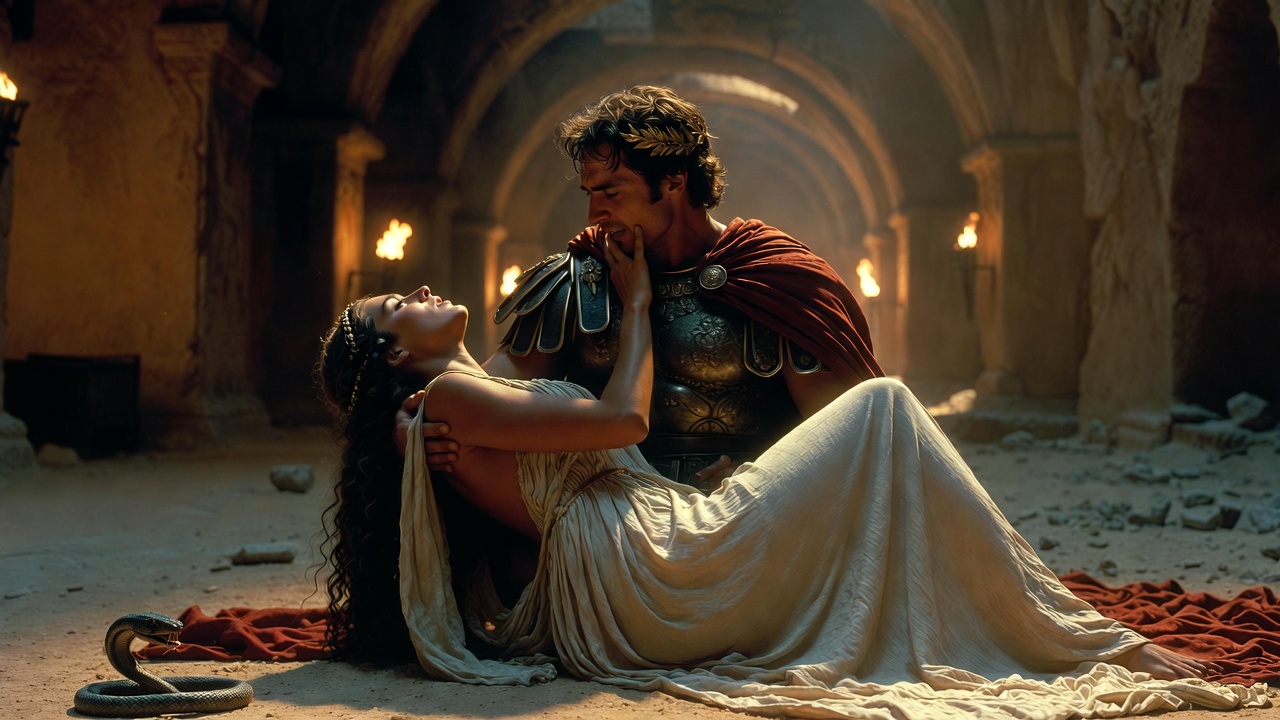
Praises – A Masterpiece of Passion and Humanity Emotional depth and character vitality shine; love affirms over empire. Janet Adelman notes mythic elements elevate tragedy.
Common Criticisms – Structural Loose Ends and Moral Ambiguity Samuel Johnson called it “a string of episodes.” Genre debates persist: tragedy, history, romance? Moral ambiguity—heroes flawed, victors cold—frustrates some.
Modern Reappraisals – From Colonial Critique to Queer and Feminist Readings Postcolonial views examine East-West dynamics; feminist lenses praise Cleopatra’s subversion; queer readings explore gender fluidity in cross-dressing and performativity.
Why Antony and Cleopatra Endures – Relevance Today
The play speaks to toxic power dynamics, celebrity relationships, cultural clashes, and passion’s cost in leadership. Adaptations challenge performers with its scope.
An Epic Affirmation of Tragic Love
In choosing imagination over empire, Antony and Cleopatra achieve immortality. Their suicides transcend defeat, affirming love’s redemptive power.
Key Quotes Roundup
- “Age cannot wither her…” (2.2) – Cleopatra’s allure.
- “Let Rome in Tiber melt…” (1.1) – Passion’s defiance.
- “His face was as the heavens…” (5.2) – Mythic vision.
FAQs
- What is the main theme of Antony and Cleopatra? Love vs. duty, Rome vs. Egypt.
- Is Cleopatra a villain or heroine? Neither—complex queen with agency.
- How does it compare to other Shakespeare tragedies? More expansive, less cathartic, emphasizing ambiguity.
- Why is it rarely performed? Length, scene shifts, and demands on actors.