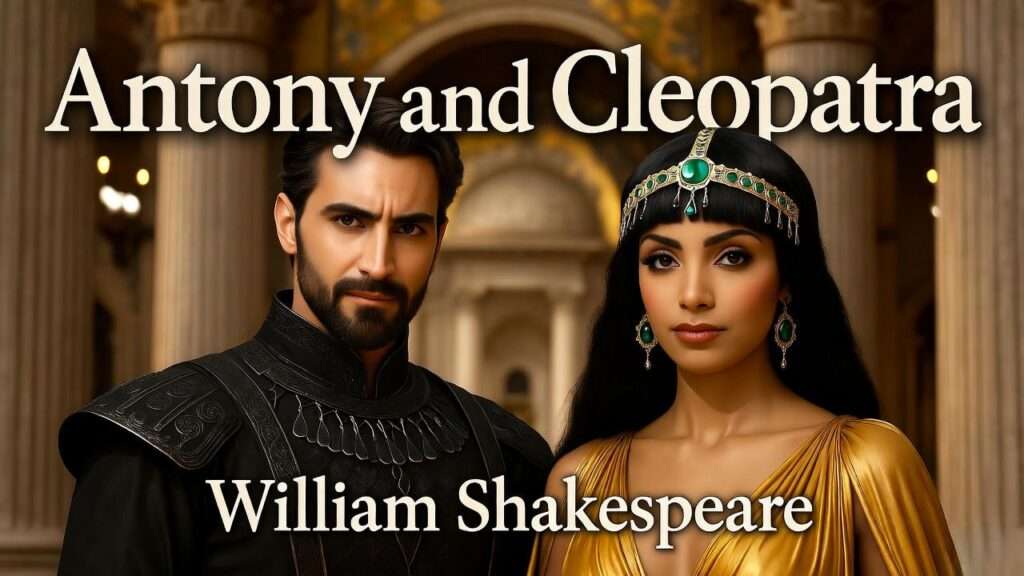
Imagine a love story so intense that it topples empires, a romance that pits raw passion against cold political calculation, and a queen whose charisma can make the most powerful man in the world forget his duty. William Shakespeare’s Antony and Cleopatra is exactly that—an epic tragedy of love, power, betrayal, and inevitable downfall. If you’re searching for Antony and Cleopatra SparkNotes, you’ve come to the right place. This comprehensive guide offers a full act-by-act summary, in-depth character analysis, exploration of major themes, key quotes with expert commentary, historical context, and critical insights designed to help students, educators, theater lovers, and lifelong Shakespeare enthusiasts truly understand and appreciate one of the Bard’s most ambitious and complex plays.
Written around 1606–1607, late in Shakespeare’s career, Antony and Cleopatra stands apart from his earlier tragedies. It sprawls across the Mediterranean, shifts rapidly between Rome and Egypt, and refuses to give audiences a single, clear hero or villain. Instead, it presents two flawed, magnetic lovers whose personal choices reshape history. Whether you’re preparing for an exam, writing an essay, directing a production, or simply diving deeper into Shakespeare’s works, this detailed resource will equip you with everything you need—and more.
Historical and Literary Context
To fully appreciate Antony and Cleopatra, it’s essential to understand its roots. Shakespeare drew primarily from Plutarch’s Lives of the Noble Grecians and Romans, specifically the parallel biographies of Mark Antony and Octavius Caesar, as translated by Sir Thomas North in 1579. North’s vivid, dramatic prose deeply influenced Shakespeare’s language; entire passages, such as Enobarbus’s famous description of Cleopatra on her barge, are near-direct adaptations.
The play belongs to Shakespeare’s group of Roman plays (Julius Caesar, Coriolanus), but it blends historical tragedy with elements of romance and political drama. Unlike the tightly structured Julius Caesar, Antony and Cleopatra features over 40 scenes, rapid location shifts, and a poetic style that contrasts the austere, martial rhetoric of Rome with the sensual, hyperbolic language of Egypt.
Historically, the events depict the final years of the Second Triumvirate (43–33 BC) and the rise of Octavian (later Augustus) as Rome’s first emperor. Shakespeare compresses time and dramatizes relationships, but the core political conflicts—Antony’s eastern alliances, the threat of Sextus Pompey, the Battle of Actium—are grounded in fact.
The play’s performance history reflects its challenges and rewards. Early productions at the Globe emphasized spectacle, while 19th- and 20th-century revivals often highlighted Cleopatra’s star power—iconic performances by actresses such as Sarah Siddons, Vivien Leigh, Peggy Ashcroft, and Judi Dench cemented her as one of Shakespeare’s greatest female roles. Modern productions continue to explore themes of colonialism, gender, race, and orientalism, making the play strikingly relevant today.
Complete Plot Summary
Antony and Cleopatra follows the tumultuous relationship between Roman triumvir Mark Antony and Egyptian queen Cleopatra VII as their love collides with the demands of empire. After Julius Caesar’s assassination, Antony shares power with Octavius Caesar and Lepidus. But Antony’s prolonged stay in Egypt, indulging in luxury and passion with Cleopatra, draws criticism in Rome.
News of his wife Fulvia’s rebellion and death, combined with threats from Pompey, forces Antony back to Rome. To solidify the triumvirate, he marries Octavius’s sister Octavia—a political move that quickly unravels when Antony returns to Cleopatra.
Tensions escalate into open war. At the Battle of Actium (31 BC), Cleopatra’s fleet prematurely retreats, and Antony follows, abandoning his army in a moment of devastating humiliation. Defeat follows defeat. Antony’s loyal lieutenant Enobarbus defects to Octavius out of despair, only to die of heartbreak. Antony, believing Cleopatra has betrayed him, attempts suicide and dies in her arms. Cleopatra, refusing to be paraded as a captive in Rome, stages a magnificent death by asp bite, achieving immortality on her own terms.
The play ends with Octavius admiring the lovers’ grandeur even in defeat, acknowledging that “the breaking of so great a thing should make / A greater crack.”
Act-by-Act Summary and Analysis
Act 1: The Pull of Passion vs. Roman Duty
The play opens in Alexandria with Roman soldiers criticizing Antony’s “dotage” over Cleopatra. Antony himself dismisses Roman obligations: “Let Rome in Tiber melt and the wide arch / Of the ranged empire fall!” (1.1). Cleopatra tests Antony’s devotion through theatrical jealousy, while messengers bring news of Fulvia’s death and Pompey’s naval threat.
Back in Rome, Octavius and Lepidus discuss Antony’s negligence. A soothsayer warns Antony that Octavius will overshadow him.
Analysis: Shakespeare immediately establishes the central conflict—Rome (duty, honor, restraint) versus Egypt (pleasure, excess, emotion). The rapid scene changes mirror the lovers’ volatile relationship. Cleopatra’s manipulative games reveal her political savvy as much as her passion.
Act 2: Political Alliances and Irresistible Allure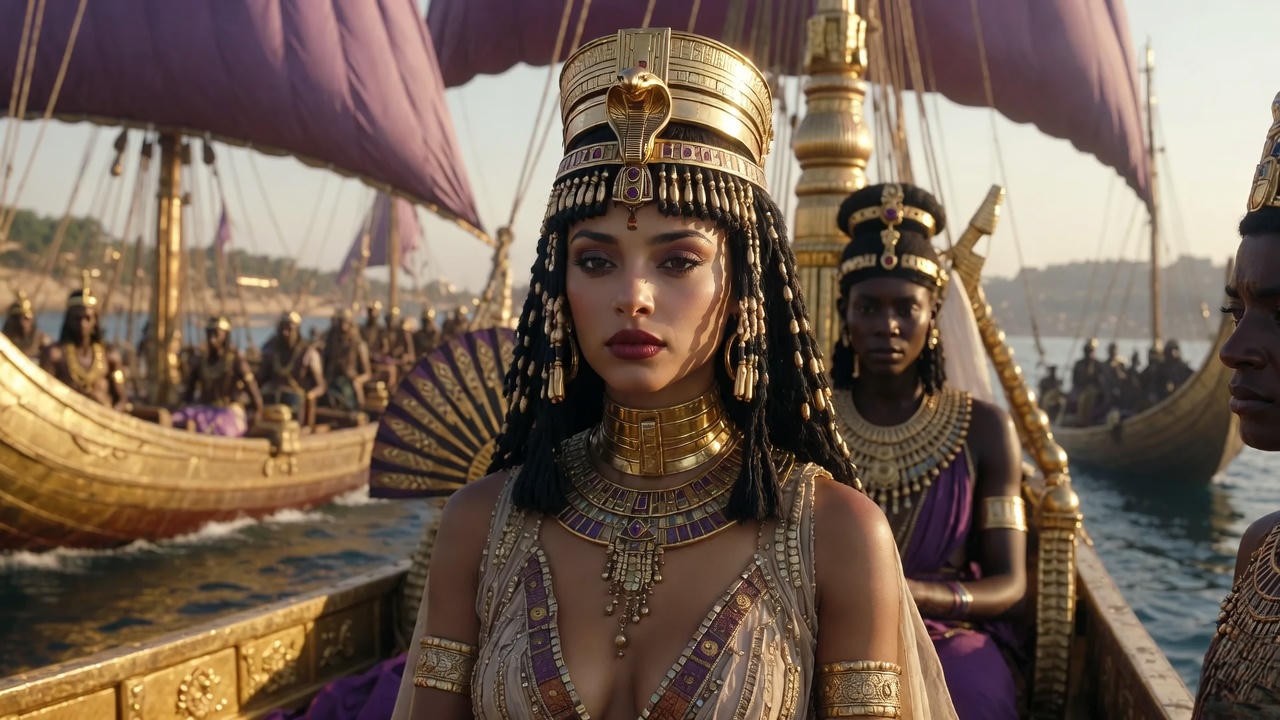
In Rome, Antony reconciles with Octavius, agreeing to marry Octavia to cement peace. A lavish feast on Pompey’s galley shows temporary unity among the triumvirs and Pompey, but underlying tensions simmer.
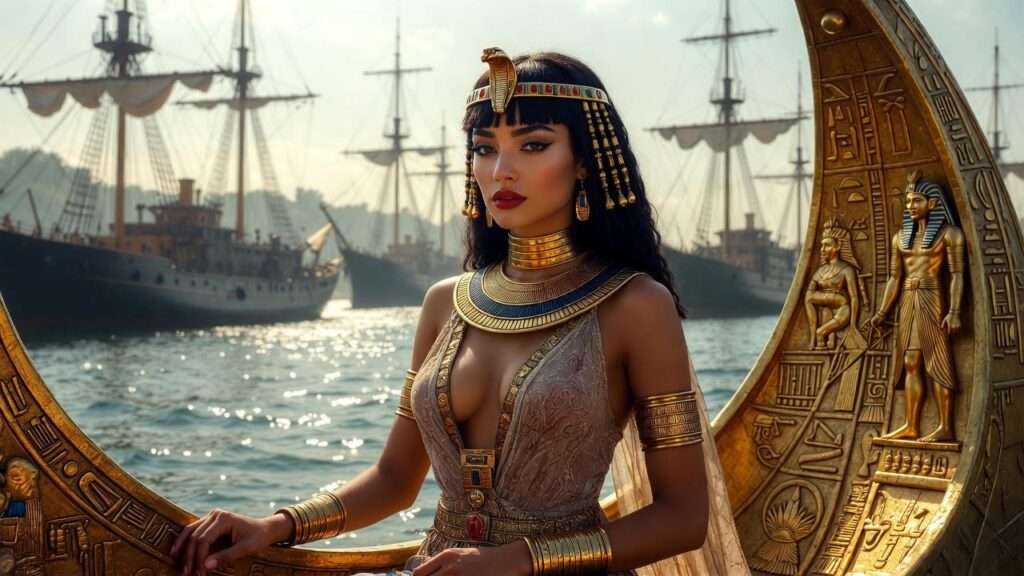
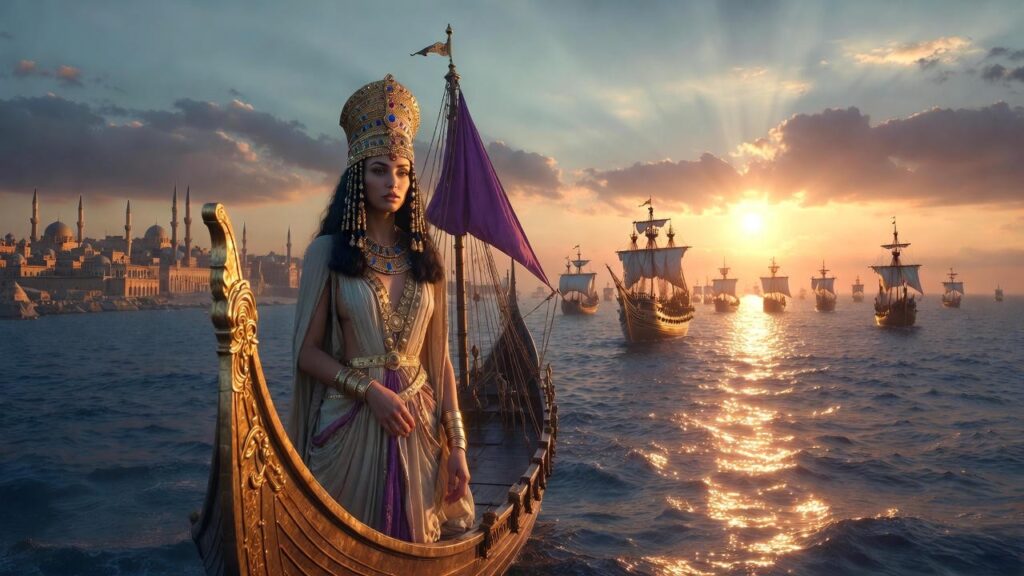
The act’s highlight is Enobarbus’s ecstatic description of Cleopatra on her golden barge: “The barge she sat in, like a burnished throne, / Burned on the water…” (2.2). Even pragmatic Enobarbus admits her infinite variety makes other women dull.
Analysis: The barge speech is one of Shakespeare’s most celebrated passages, blending sensuality and myth-making. Octavia’s quiet virtue contrasts sharply with Cleopatra’s theatricality, foreshadowing Antony’s inevitable return to Egypt. The drunken feast scene humanizes the politicians while hinting at fragile alliances.
Act 3: Rising Conflict and the Battle of Actium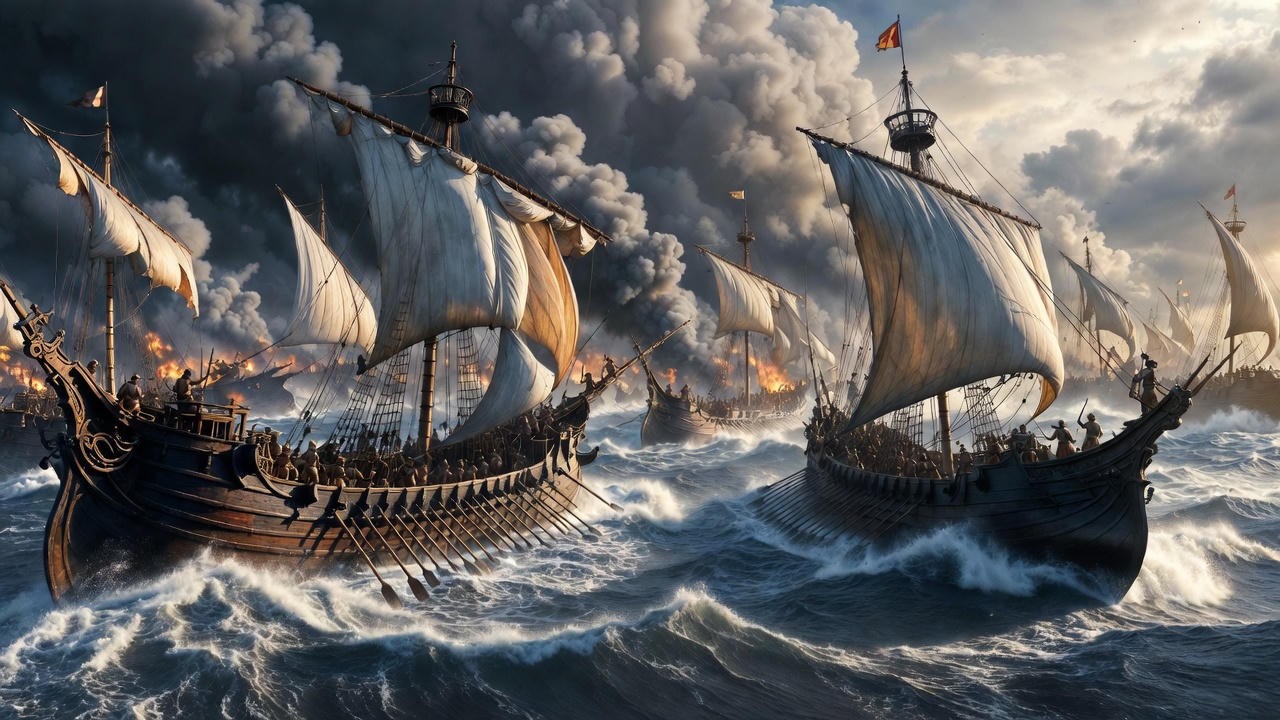
Antony’s marriage to Octavia quickly falters. He returns to Cleopatra, crowning her and their children as rulers of eastern territories—an act Octavius uses to justify war.
Cleopatra’s jealousy flares when she learns of the marriage. Enobarbus and others urge strategic caution, but Antony insists on fighting at sea, playing to Cleopatra’s strength.
The Battle of Actium is reported rather than staged. When Cleopatra’s fleet flees, Antony follows in shame: “Egypt, thou knew’st too well / My heart was to thy rudder tied by th’ strings” (3.11).
Analysis: Actium marks the turning point. Antony’s decision to follow Cleopatra prioritizes personal love over public honor, sealing his tragic fate. Shakespeare explores gender dynamics—Cleopatra’s agency in battle is both empowering and blamed by Romans as weakness.
Act 4: Defeat and Despair
After Actium, Antony’s forces crumble. He rages against Cleopatra, then reconciles in manic swings. Enobarbus, witnessing Antony’s generosity even toward his defector, deserts in guilt and dies of a broken heart: “I am alone the villain of the earth” (4.6).
Repeated defeats follow. Antony challenges Octavius to single combat—a romantic but outdated gesture rejected.
Analysis: Enobarbus’s defection and death represent the collapse of Roman honor. His remorse highlights loyalty as a core theme. Antony’s emotional volatility reaches its peak, blending heroism with self-destruction.
Act 5: Tragic Grandeur and Immortal Legacy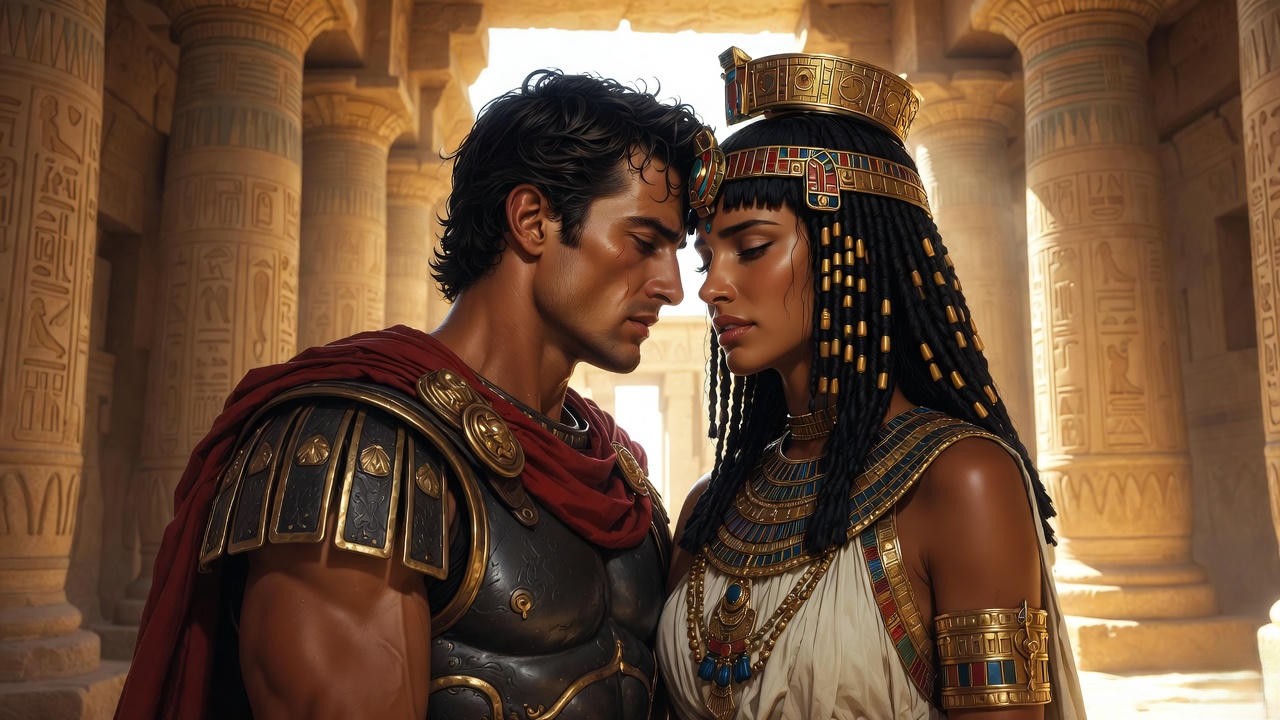
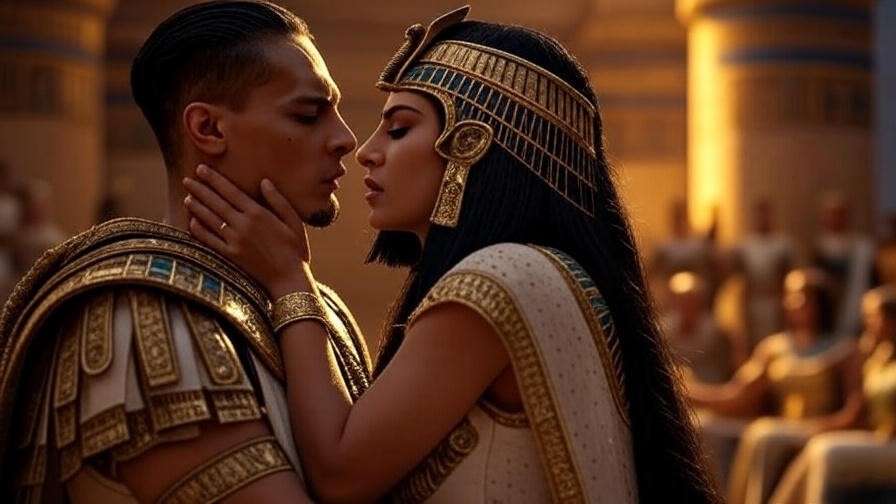
Antony’s final battle fails. Hearing false news that Cleopatra has killed herself, he attempts suicide but botches it, dying slowly in her monument. Their reunion is heartbreakingly tender: “I am dying, Egypt, dying” (4.15).
Cleopatra resolves to die rather than be exhibited in Rome. She dresses in royal regalia and applies asps: “Come, thou mortal wretch… / And let me rail no more against the great gods.” Octavius arrives too late, admiring her majesty even in death.
Analysis: The final act elevates the lovers to mythic status. Cleopatra’s suicide is an act of supreme agency—she authors her own narrative, turning defeat into triumph. Shakespeare grants them a transcendent love that outshines political victory.
In-Depth Character Analysis
Mark Antony: The Divided Hero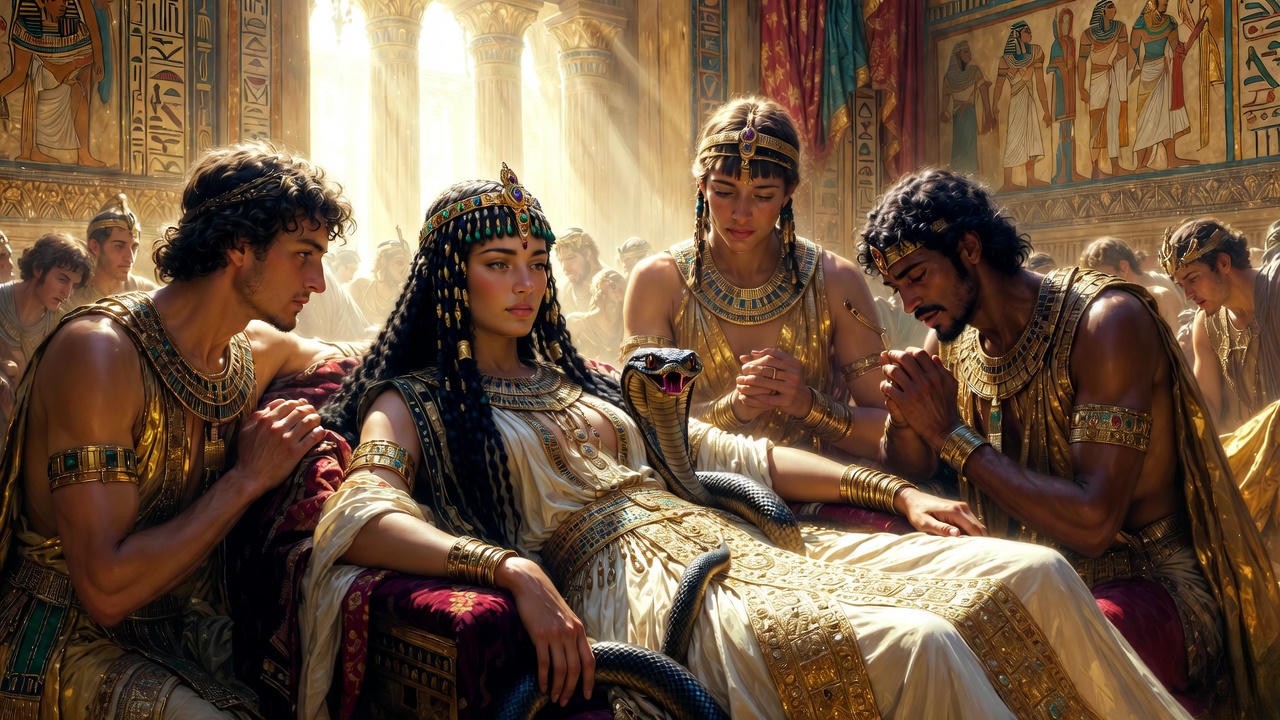
Antony is Shakespeare’s most ambivalent tragic hero. Once Julius Caesar’s greatest general—“the triple pillar of the world”—he is now transformed into “a strumpet’s fool” (1.1). His identity splits between Roman soldier and Egyptian lover.
Strengths: Charismatic leadership, generosity (he rewards Enobarbus even after defection), and genuine passion. Weaknesses: Indecision, susceptibility to emotion, and neglect of political reality.
Key quote: “I found you as a morsel cold upon / Dead Caesar’s trencher” (3.13)—Cleopatra’s accusation highlights his fall from grace, yet he accepts it.
Antony’s tragedy lies in his inability to reconcile the two halves of himself. Unlike Othello or Macbeth, his flaw is not jealousy or ambition but a refusal to choose between worlds.
Cleopatra: Shakespeare’s Most Complex Queen
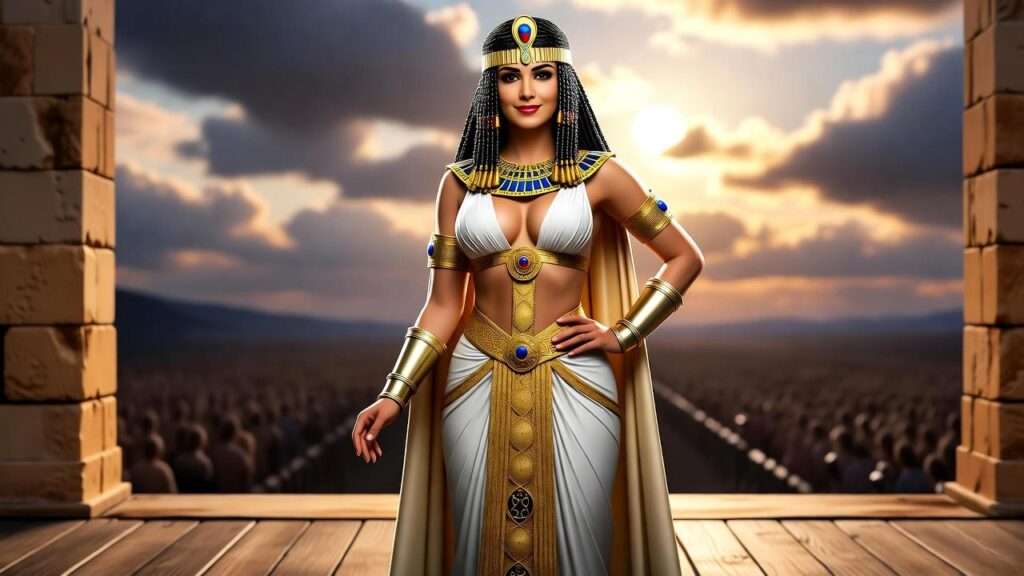
Cleopatra defies easy categorization. She is manipulative, theatrical, jealous, and capricious—yet profoundly intelligent, charismatic, and courageous.
Her “infinite variety” (2.2) keeps Antony (and audiences) perpetually fascinated. She stages moods like performances, but her love for Antony proves genuine in the final act.
As a ruler, she navigates Roman politics astutely while preserving Egyptian identity. Her suicide is the ultimate assertion of power—she denies Octavius his triumph.
Key quote: “Give me my robe. Put on my crown. I have / Immortal longings in me” (5.2). This line encapsulates her transformation from playful lover to eternal icon.
Critics debate whether Shakespeare portrays her through a Roman (patriarchal) lens or grants her genuine agency. Modern readings often celebrate her as a proto-feminist figure resisting colonial conquest.
Octavius Caesar: The Cold Architect of Empire
Octavius represents the future—disciplined, calculating, and unsentimental. He lacks Antony’s warmth but possesses ruthless efficiency.
Though victorious, he is not the villain. His admiration for the lovers’ grandeur (“she shall be buried by her Antony… / No grave upon the earth shall clip in it / A pair so famous”) reveals a flicker of humanity.
Enobarbus: The Voice of Reason and Tragedy’s Conscience
Enobarbus serves as chorus and everyman. His pragmatic commentary grounds the play’s excesses. His defection and death from remorse make him a secondary tragic figure, illustrating the cost of abandoning loyalty.
His barge speech reveals poetic sensitivity beneath his rough exterior.
Supporting Characters
- Octavia: Gentle, dutiful foil to Cleopatra; her brief marriage exposes Antony’s divided heart.
- Charmian and Iras: Loyal attendants who share Cleopatra’s fate, emphasizing female solidarity.
- Pompey and Lepidus: Political pawns highlighting the triumvirate’s fragility.
Major Themes and Motifs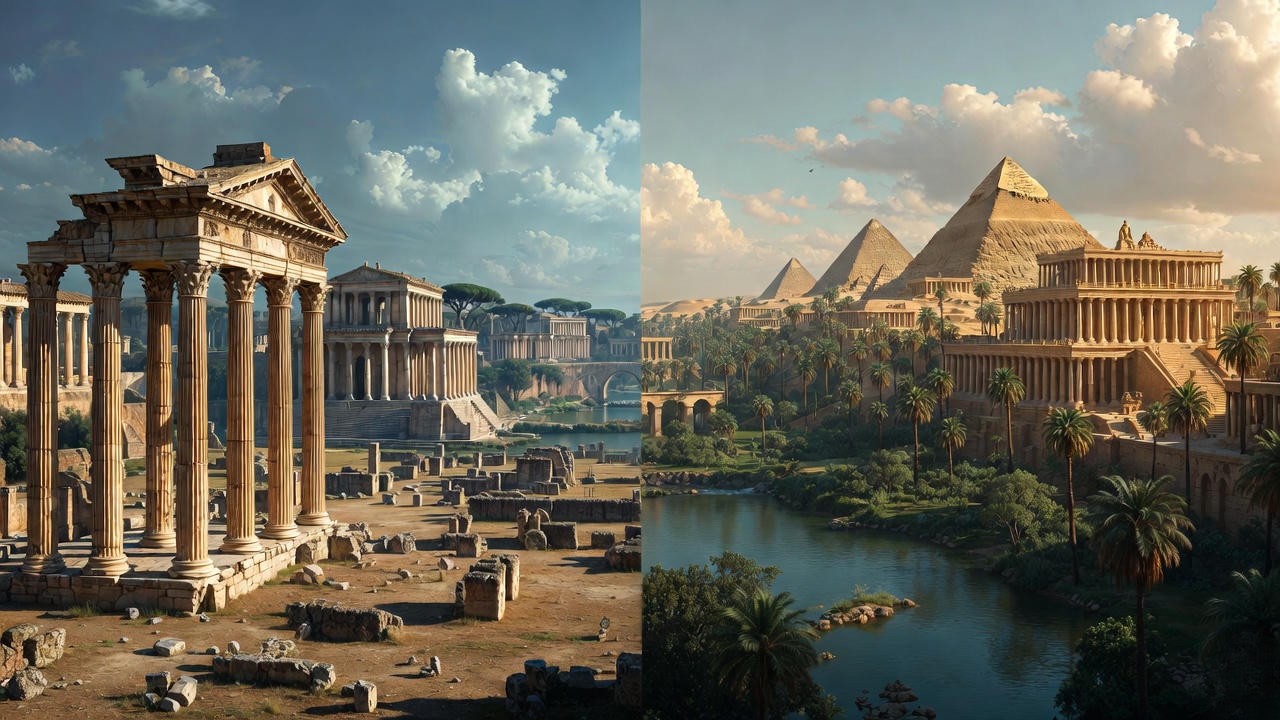
Love vs. Duty
The central conflict. Antony’s love for Cleopatra undermines his Roman duty, yet the play questions whether duty alone (embodied by Octavius) constitutes true greatness.
Power and Politics
Shakespeare examines how personal relationships shape empires. Alliances form and break over marriages, betrayals, and propaganda.
East vs. West / Egypt vs. Rome
Egypt symbolizes sensuality, abundance, and fluidity; Rome represents order, restraint, and martial virtue. These binaries reflect early modern European fascination and anxiety about the “orient.”
Performance and Theatricality
Cleopatra treats life as theater—she “plays” jealousy, suicide, even death. The play itself is highly meta-theatrical.
Mortality and Immortality
Through magnificent deaths, Antony and Cleopatra achieve mythic status, suggesting art and love can transcend political defeat.
Gender and Agency
Cleopatra subverts expectations of female passivity. Her final act reclaims narrative control from male conquerors.
Key Quotes with Expert Commentary
- “Age cannot wither her, nor custom stale / Her infinite variety” (2.2) Enobarbus’s line captures Cleopatra’s magnetic unpredictability—a quality that defies time and monotony.
- “I have fled myself” (3.11) Antony’s admission after Actium reveals profound self-alienation, the core of his tragedy.
- “Let’s do it after the high Roman fashion” (4.15) Antony’s botched suicide ironically fails the very Roman ideal he invokes.
- “His legs bestrid the ocean… realms and islands were / As plates dropped from his pocket” (5.2) Cleopatra’s eulogy mythologizes Antony, turning historical defeat into legend.
- “I dreamt there was an Emperor Antony” (5.2) Cleopatra’s dream sequence elevates their love to cosmic scale.
Why Antony and Cleopatra Endures
Few plays capture the intoxicating danger of all-consuming love while simultaneously dissecting imperial power. Shakespeare refuses moral simplicity—Antony and Cleopatra are flawed, yet their grandeur outshines Octavius’s sterile victory.
For students, the play offers rich material for essays on tragedy, gender, postcolonialism, and performance. For theatergoers, it demands charismatic leads capable of conveying both passion and pathos.