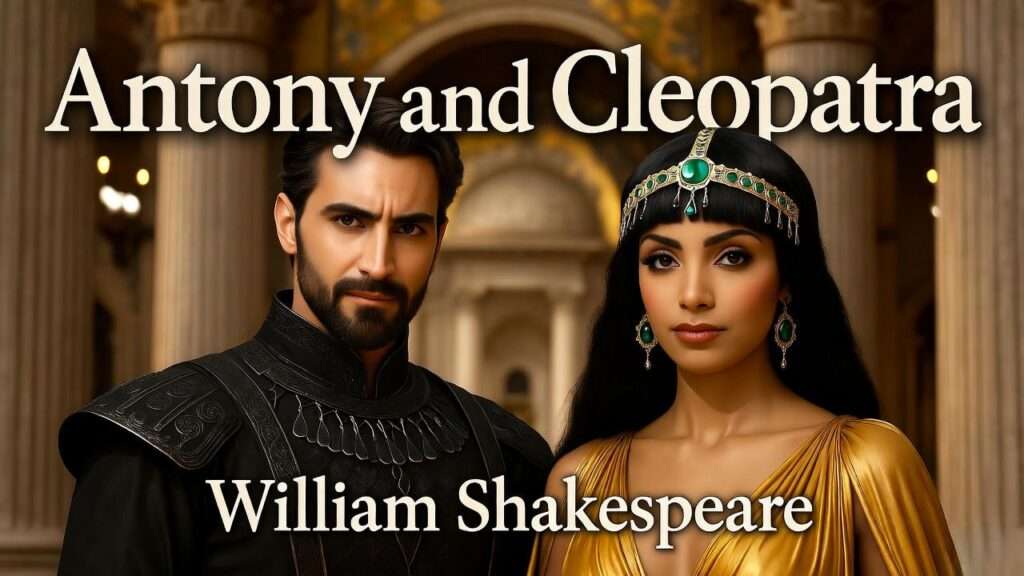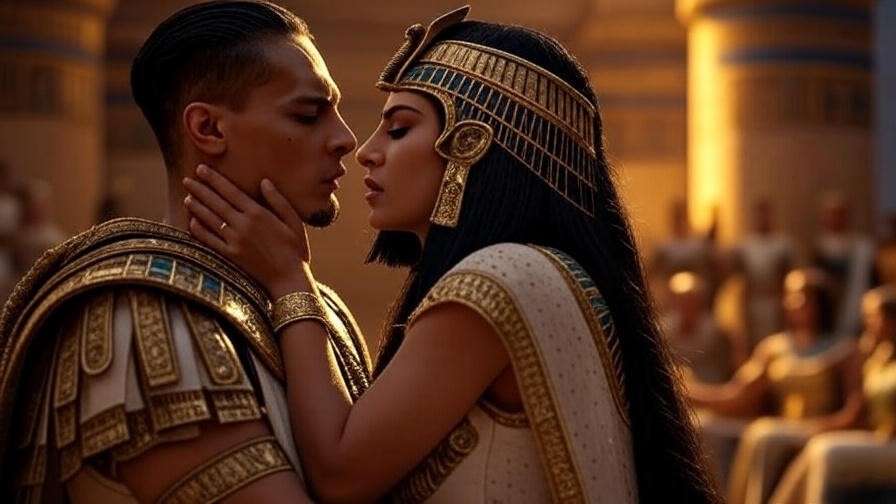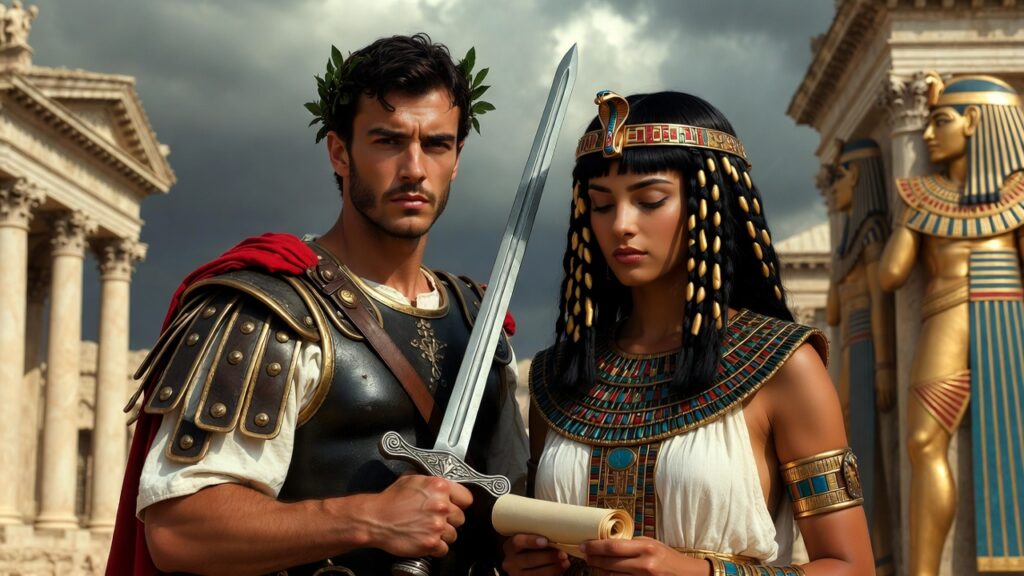
Imagine a world where the mightiest empire on earth trembles because one man chooses passion over power. In William Shakespeare’s Antony and Cleopatra, Mark Antony—once the heroic “triple pillar of the world”—declares, “Let Rome in Tiber melt, and the wide arch / Of the ranged empire fall! Here is my space” (1.1.33–34). With these words, he rejects the iron grip of Roman duty for the intoxicating embrace of love with Cleopatra, Queen of Egypt. This single line encapsulates the explosive tension at the heart of the play: the eternal struggle between love and duty, the clash between Rome and Egypt, and the tragic consequences of unchecked passion.
Shakespeare’s Antony and Cleopatra (written around 1606–1607) draws from Plutarch’s Lives but transforms historical events into a profound meditation on human nature. Antony and Cleopatra themes—particularly love versus duty, Rome versus Egypt, and the tragedy of passion—reveal a world where personal desire collides with political obligation, leading to inevitable downfall. Readers, students, teachers, and literature enthusiasts often struggle to unpack these complex, interwoven ideas for essays, exams, or deeper appreciation. This comprehensive guide provides detailed analysis, key quotes, scene breakdowns, critical perspectives (including feminist and postcolonial views), and modern relevance to help you master Shakespeare’s masterpiece—offering more depth and insight than standard summaries.
The Central Conflict: Love vs. Duty
At the core of Antony and Cleopatra lies the irreconcilable tension between love (personal passion, emotion, desire) and duty (political responsibility, honor, reason). This binary drives Antony’s tragic arc and permeates the entire play.
Antony’s Struggle with “Dotage” and Roman Expectations
From the opening scene, Roman soldiers view Antony’s devotion to Cleopatra as a shameful “dotage”—a foolish infatuation that erodes his masculinity and leadership. Philo laments that the once “plated Mars” has become “a strumpet’s fool” (1.1.4, 13). Antony himself fears this loss of self: “These strong Egyptian fetters I must break, / Or lose myself in dotage” (1.2.117–118).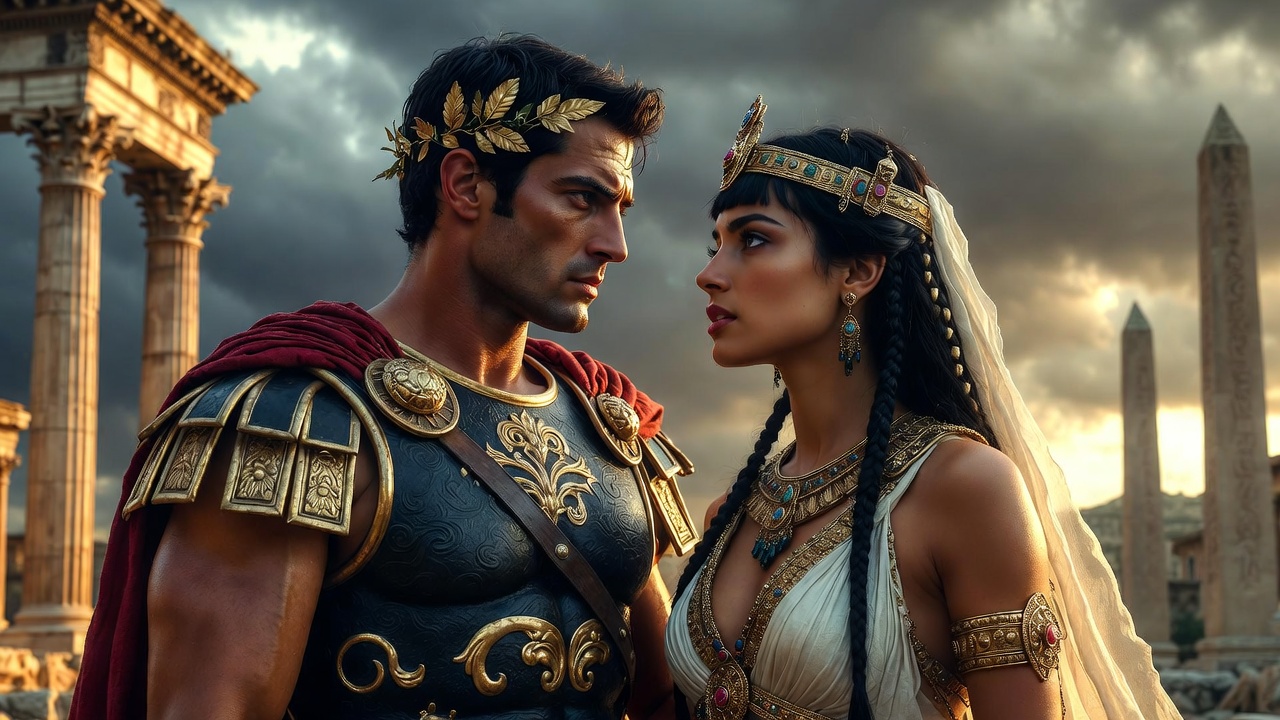
Yet passion repeatedly overrides duty. When news arrives of his wife Fulvia’s death and political unrest, Antony vows to return to Rome—”The strong necessity of time commands / Our services awhile” (1.1.136–137)—but his “full heart / Remains in use” with Cleopatra (1.1.44–45). His marriage to Octavia (Octavius Caesar’s sister) is a political alliance meant to secure duty, yet he abandons it for Egypt. The Battle of Actium becomes the ultimate test: Antony follows Cleopatra’s fleeing ships, sacrificing military honor for love.
This internal war highlights Shakespeare’s nuance—Antony is neither wholly heroic nor villainous. His passion elevates him to mythic status, yet it destroys his Roman identity.
Cleopatra’s Role in Blurring Boundaries
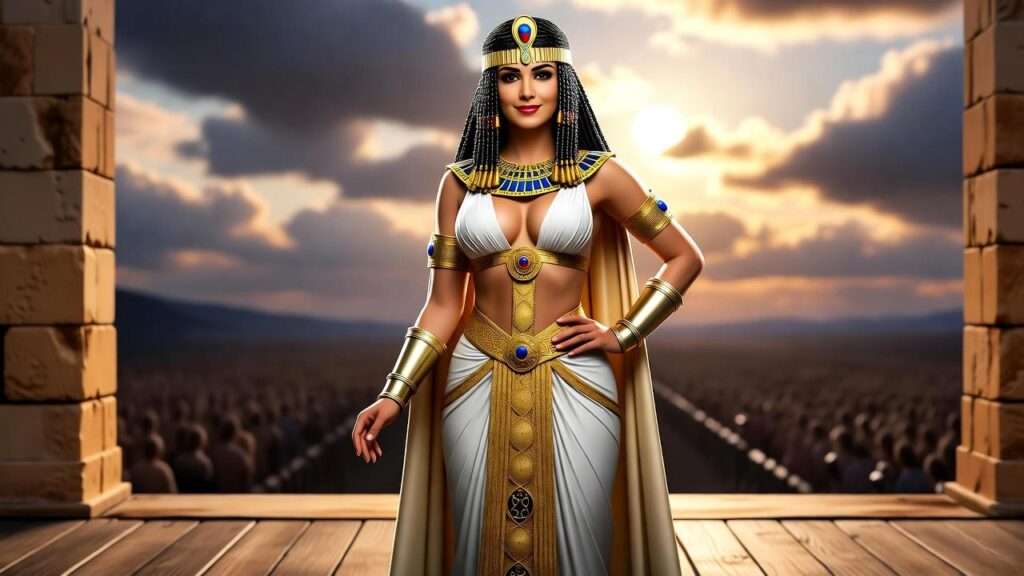
Cleopatra embodies passionate love, using her “infinite variety” (Enobarbus, 2.2.241) to captivate Antony. Is her affection manipulative or genuine? Scenes like her feigned death (to test Antony’s loyalty) suggest strategy, yet her final grief—”O Antony!” (4.15)—feels authentic. She subverts Roman expectations of female submission, wielding emotional power that rivals political might.
Modern Critical Views on Love vs. Duty
Feminist critics celebrate Cleopatra’s agency, viewing her as a proto-feminist figure who challenges patriarchal duty. Postcolonial readings see the conflict as imperial domination—Rome’s rational order suppressing Egypt’s sensual freedom. Shakespeare refuses easy resolution: passion offers transcendence, but duty provides structure. Neither fully triumphs, reflecting real human complexity.
Rome vs. Egypt: The Clash of Civilizations
Shakespeare constructs Rome and Egypt as symbolic opposites, representing conflicting worldviews that mirror Antony’s divided soul.
Roman Values – Discipline, Honor, and Political Power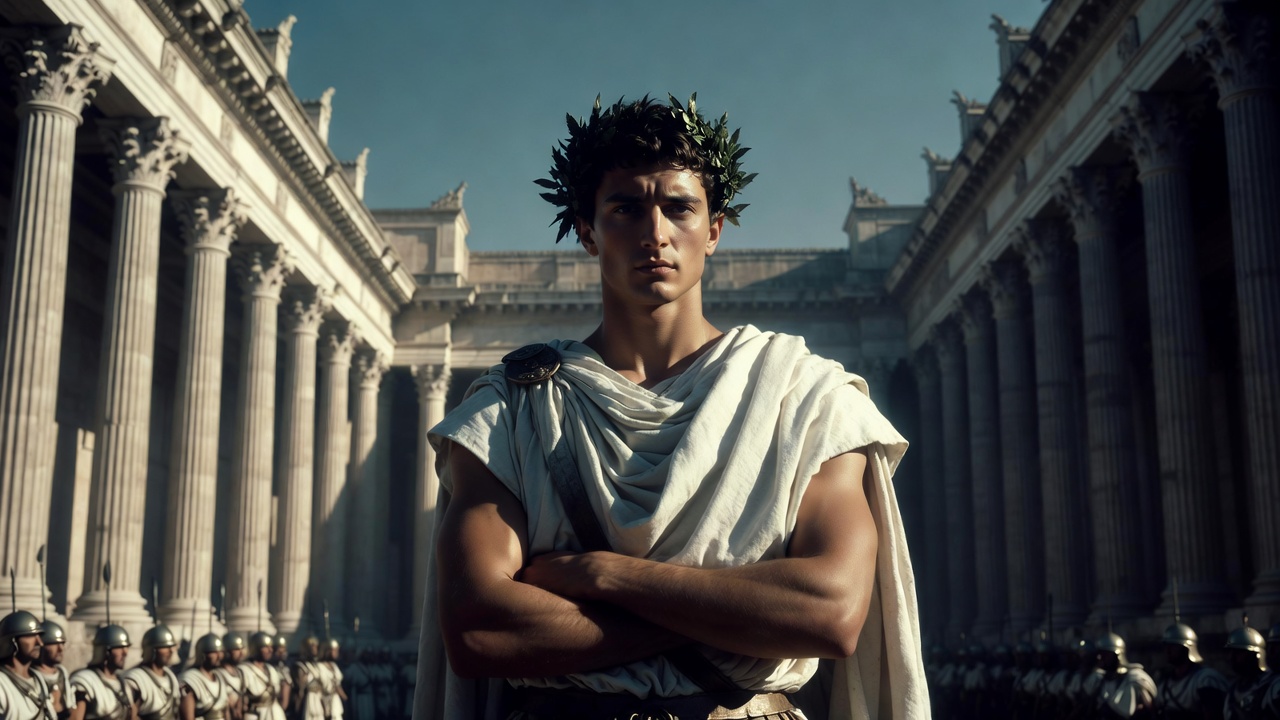
Rome embodies order, reason, masculinity, and empire-building. Octavius Caesar personifies these ideals: cold, calculating, and ambitious. He nostalgically recalls the heroic Antony who endured hardships—”drink / The stale of horses” and eat “strange flesh” (1.4.70–71, 77)—yet condemns his current “decline.” Octavius views Antony’s passion as emasculation, a betrayal of Roman honor.
The Roman world prizes duty above all: “If I lose mine honor, / I lose myself” (Antony to Octavia, 3.4.23–24). Pompey even frames his honor as optics, refusing assassination for appearance’s sake.
Egyptian Sensuality and “Infinite Variety”
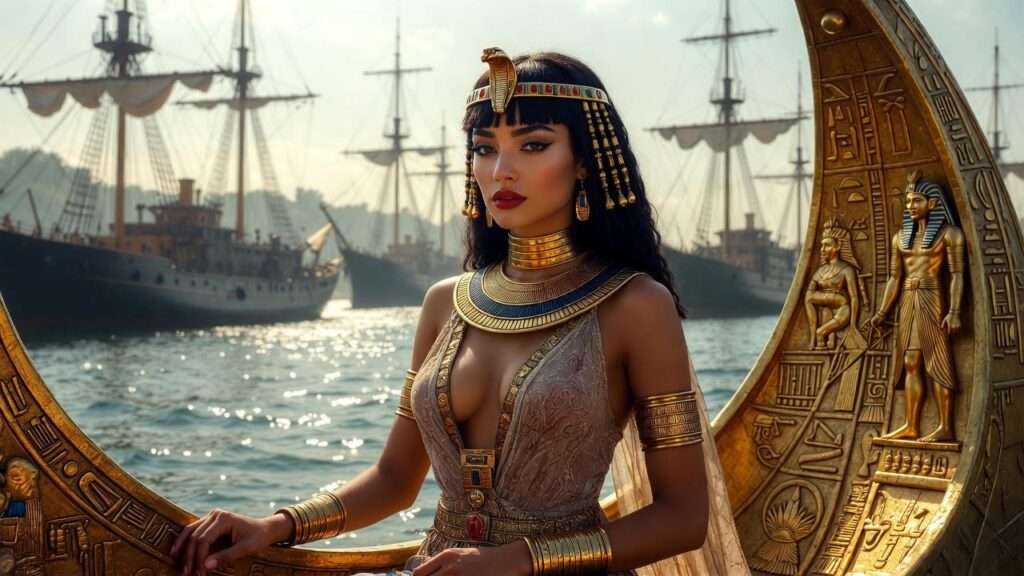
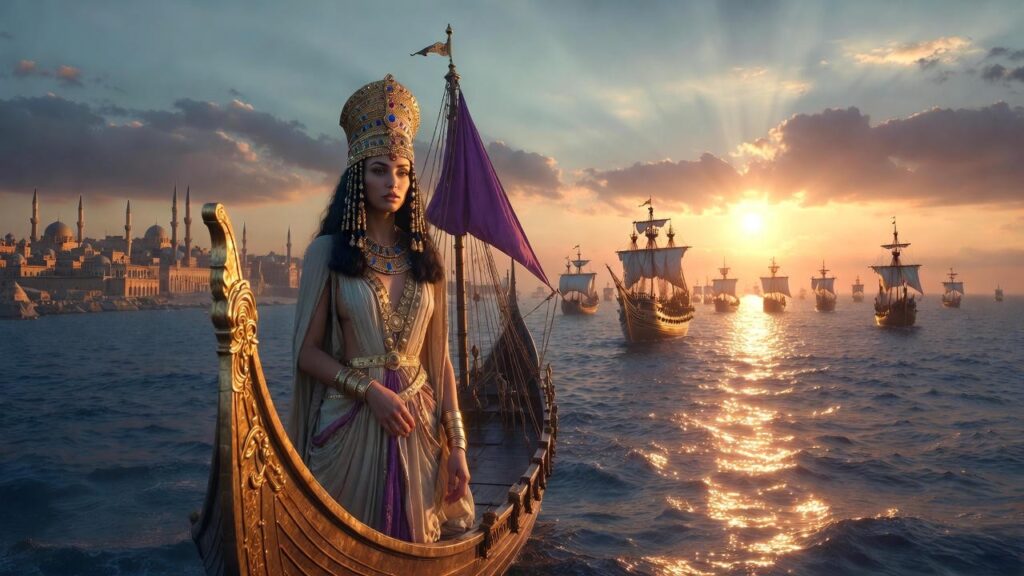
Egypt contrasts with excess, pleasure, fluidity, and femininity. Cleopatra’s court overflows with feasts, the Nile’s fertility, and erotic play. Enobarbus describes Cleopatra’s barge: “The barge she sat in, like a burnish’d throne” (2.2.190), evoking opulent decadence. Egypt liberates emotion but risks chaos—Cleopatra’s “infinite variety” makes her eternally captivating yet unpredictable.
How the Binary Breaks Down
Shakespeare subverts the opposition. Antony embodies hybridity, torn between worlds. Enobarbus defects to Rome but dies of remorse, regretting his betrayal. Postcolonial critics highlight Orientalism: Rome’s “civilized” West exoticizes and demonizes the East. Yet Egypt exposes Rome’s rigidity—Caesar’s victory feels hollow without passion’s vitality.
Expert Insight: Shakespeare shows no clear superiority. Rome’s discipline builds empires but stifles humanity; Egypt’s freedom fosters joy but invites ruin.
The Tragedy of Passion – Power, Betrayal, and Downfall
Passion elevates Antony and Cleopatra to legendary status but destroys them through excess.
Passion’s Double Edge – Ecstasy and Destruction
Their love transcends ordinary bounds—”Eternity was in our lips and in our eyes” (Cleopatra, 1.3.35)—defying empire. Yet it leads to catastrophe: Antony’s flight at Actium, mutual suicides. Passion becomes tragic when it overrides reason.
Honor, Loyalty, and Betrayal
Enobarbus’ betrayal (joining Caesar) and remorseful death (“I am alone the villain,” 4.6) underscore loyalty’s fragility. Cleopatra’s supposed betrayal at Actium shatters Antony, though her actions stem from survival.
Power Dynamics and Manipulation
Caesar masters political strategy; Cleopatra wields emotional power. Gender roles invert—Cleopatra “unmans” Antony, subverting patriarchy. Feminist views praise her dominance; others see it as cautionary.
Expert Insight: The tragedy arises because passion cannot coexist with Roman order—yet their union creates mythic immortality.
Additional Interconnected Themes
Fate, Omens, and Historical Inevitability
Omens abound: the Soothsayer warns Antony to beware Octavius (2.3). Events feel predestined, echoing Plutarch’s determinism.
Gender and Identity Transformation
Antony’s “unmanning” and Cleopatra’s agency challenge norms. Identities fluidly shift—Antony dons women’s attire in play.
Immortality Through Love and Legacy
Cleopatra’s vision—”I dreamt there was an Emperor Antony” (5.2.76)—immortalizes him. Their deaths triumph over Caesar’s conquest.
Key Scenes and Quotes for Deeper Analysis
- Act 1, Scene 1: “Let Rome in Tiber melt…” — Establishes love vs. duty.
- Act 2, Scene 2: Enobarbus’ barge speech — Celebrates Egyptian sensuality.
- Act 4, Scene 15: Antony’s suicide — Passion’s tragic end.
- Act 5, Scene 2: Cleopatra’s asp scene — Passionate defiance.
Students: Use these for essays—pair quotes with themes for strong arguments.
Why These Themes Still Matter Today
In a world of work-life imbalance, cultural globalization, and intense relationships, Antony and Cleopatra resonates. Love vs. duty mirrors career vs. personal fulfillment; Rome vs. Egypt reflects East-West tensions; tragic passion warns of unchecked emotion in toxic dynamics.
Shakespeare’s genius lies in refusing moral simplicity—passion may ruin, but suppressing it empties life. Their legend endures because it captures human contradictions.
In conclusion, Antony and Cleopatra weaves love versus duty, Rome versus Egypt, and the tragedy of passion into a timeless masterpiece. Re-read with these lenses; the play rewards deep engagement. Share your thoughts—what theme resonates most?
FAQs
What is the main theme of Antony and Cleopatra? The central theme is the conflict between personal passion (love) and public obligation (duty), symbolized by the Rome-Egypt divide.
How does Shakespeare portray the conflict between Rome and Egypt? Rome represents reason, order, and masculinity; Egypt sensuality, emotion, and femininity—yet both have flaws.
Why does Antony choose love over duty? Antony’s passion for Cleopatra overwhelms Roman honor, leading to his tragic fall.
Is Cleopatra a tragic heroine or manipulator? Both—her agency and variety make her heroic, yet manipulation serves survival.
How does the play compare to other Shakespeare tragedies? Unlike Hamlet‘s introspection or Othello‘s jealousy, it explores grand-scale passion and politics, with ambiguous heroism.