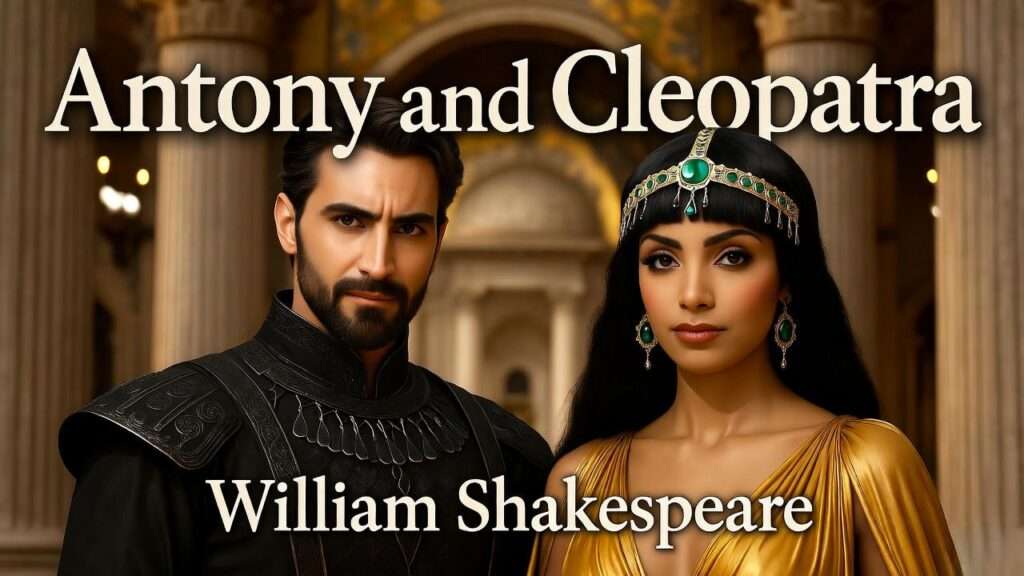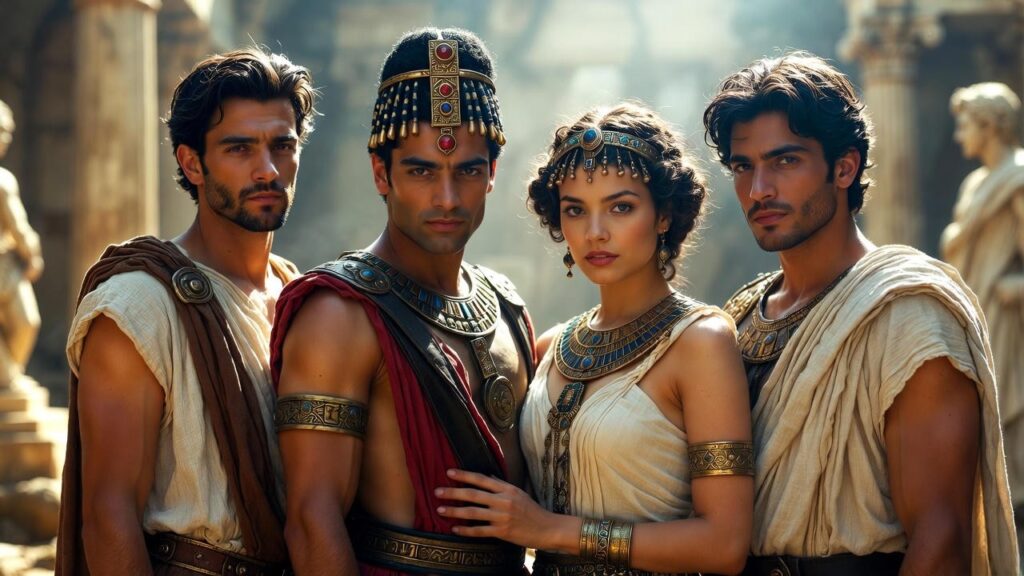
These haunting words, spoken as Antony bleeds in Cleopatra’s monument, capture the raw intensity of one of Shakespeare’s most passionate tragedies. In Antony and Cleopatra, written around 1607, the Antony & Cleopatra characters come alive with unparalleled complexity, blending epic political intrigue with intoxicating romance. Unlike simpler tragedies, this play features no clear hero or villain—its figures are profoundly human, flawed, and magnetic.
Whether you’re a student preparing for an exam, a teacher seeking deeper insights, a theater lover, or a reader tackling the play for the first time, understanding the characters is key to unlocking its power. This complete guide goes beyond basic summaries: we explore every major and minor figure, their motivations, key relationships, thematic significance, historical roots, and stage history. Backed by close textual analysis, quotes, and scholarly context, this resource aims to be your definitive companion to Shakespeare’s unforgettable cast.
Historical and Dramatic Context
To fully appreciate Shakespeare’s characters, we must understand their origins in history and how the playwright transformed them.
The Real Antony and Cleopatra
Shakespeare drew primarily from Parallel Lives by the Greek historian Plutarch (translated by Sir Thomas North in 1579). The historical Mark Antony was a Roman general and triumvir who allied with Cleopatra VII, the last Ptolemaic queen of Egypt, in the power struggles following Julius Caesar’s assassination. Their alliance produced children and challenged Octavius Caesar’s dominance, culminating in defeat at the Battle of Actium (31 BC) and their suicides.
However, Shakespeare dramatizes rather than documents history. The real Cleopatra was a shrewd politician fluent in multiple languages; Antony was ambitious but often impulsive. Shakespeare amplifies their passion, making love the driving force behind empire’s fall.
Shakespeare’s Sources and Innovations
Antony and Cleopatra belongs to Shakespeare’s late Roman plays (Julius Caesar, Coriolanus), but stands apart for its global scope—spanning Rome, Egypt, Athens, and beyond—and its poetic richness. Shakespeare compresses years into months, invents scenes (like the monument death), and heightens moral ambiguity. Where Plutarch is factual, Shakespeare is poetic, turning historical figures into timeless archetypes of desire, power, and mortality.
Major Characters: In-Depth Analysis
Shakespeare’s genius shines in his protagonists, often ranked among his most sophisticated creations.
Mark Antony
Mark Antony is one of the three triumvirs ruling Rome after Caesar’s death, a celebrated soldier whose life unravels through his love for Cleopatra.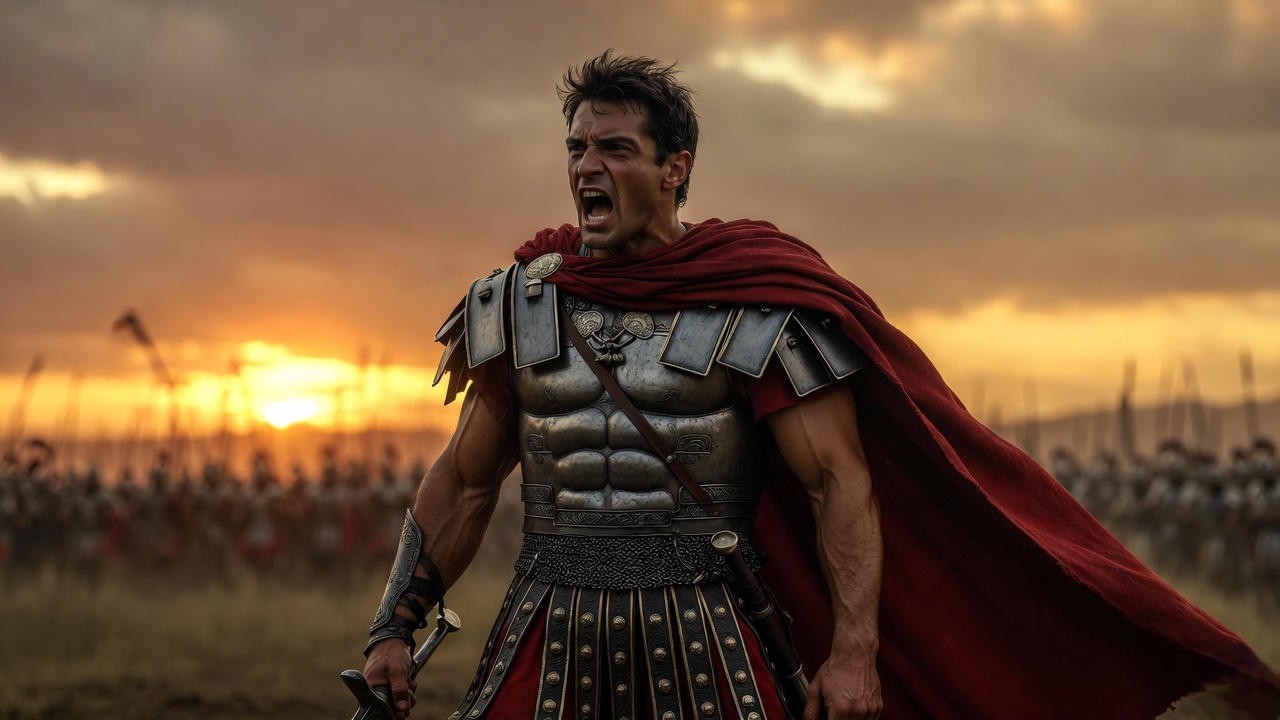
Personality and Development: Antony begins as a larger-than-life hero—”the triple pillar of the world”—confident and generous. Yet his tragic flaw is his division: the Roman soldier versus the Egyptian lover. His famous declaration, “Let Rome in Tiber melt and the wide arch of the ranged empire fall! Here is my space” (Act I, Scene 1), reveals how passion overrides duty.
As the play progresses, Antony declines. Defeats at sea erode his confidence; jealousy and rash decisions (fleeing Actium after Cleopatra) accelerate his fall. His suicide—botched, prolonged—mirrors his chaotic life, yet his final reunion with Cleopatra redeems him in transcendent love.
Key Quotes:
- “There’s beggary in the love that can be reckon’d” (Act I, Scene 1) — Highlights his boundless passion.
- “I am dying, Egypt, dying” (Act IV, Scene 15) — Poignant acceptance of fate.
Relationships: His bond with Cleopatra is volcanic—equal parts adoration and conflict. With Octavius, rivalry masks former friendship. His followers, especially Enobarbus, reflect his charisma and flaws.
Thematic Role: Antony embodies the conflict between reason (Rome) and sensation (Egypt), public duty and private desire. His tragedy questions whether true greatness lies in empire or love.
Cleopatra
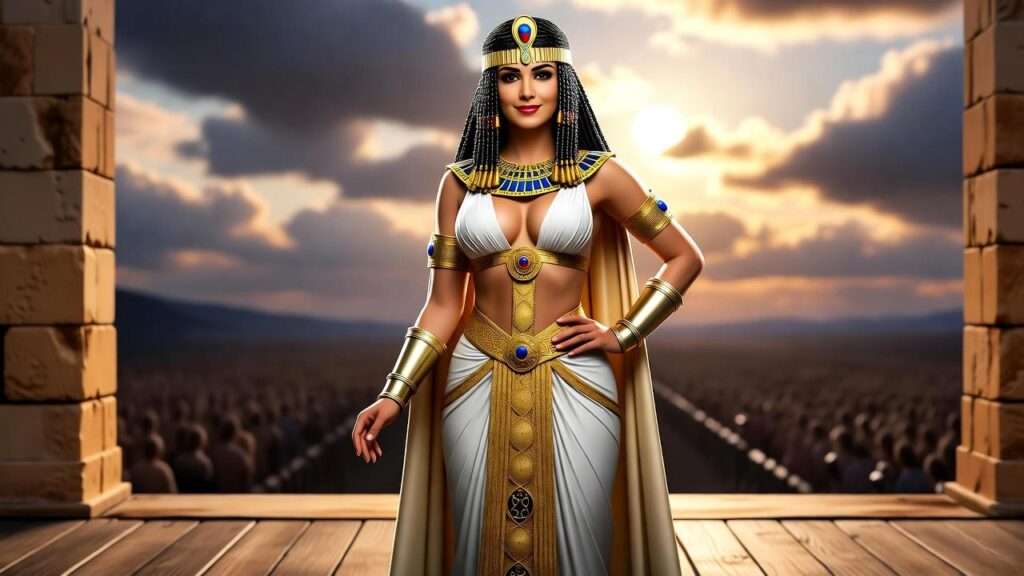
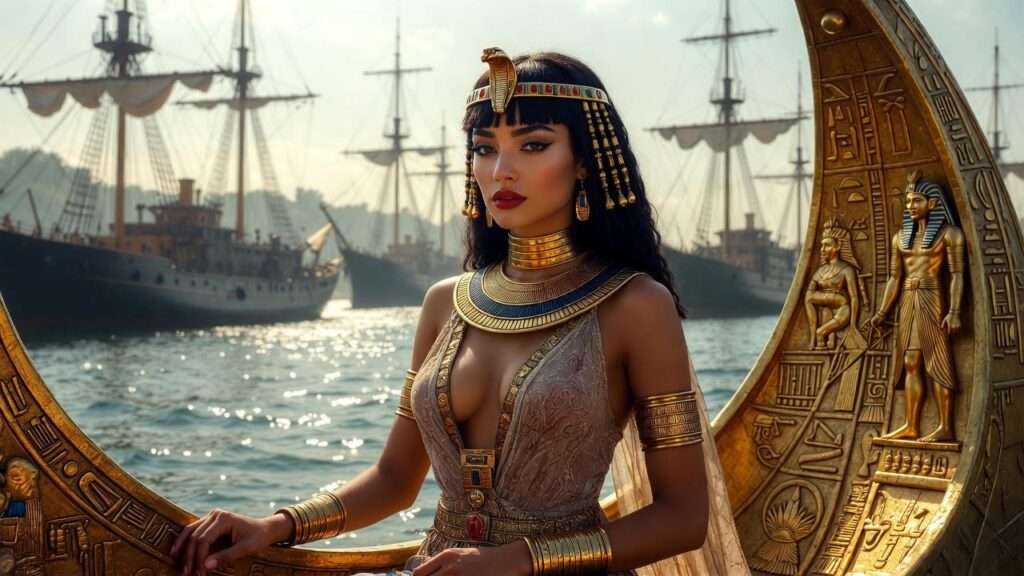
Cleopatra, Queen of Egypt, is arguably Shakespeare’s most complex female character—a mesmerizing blend of seductress, ruler, actress, and tragic heroine.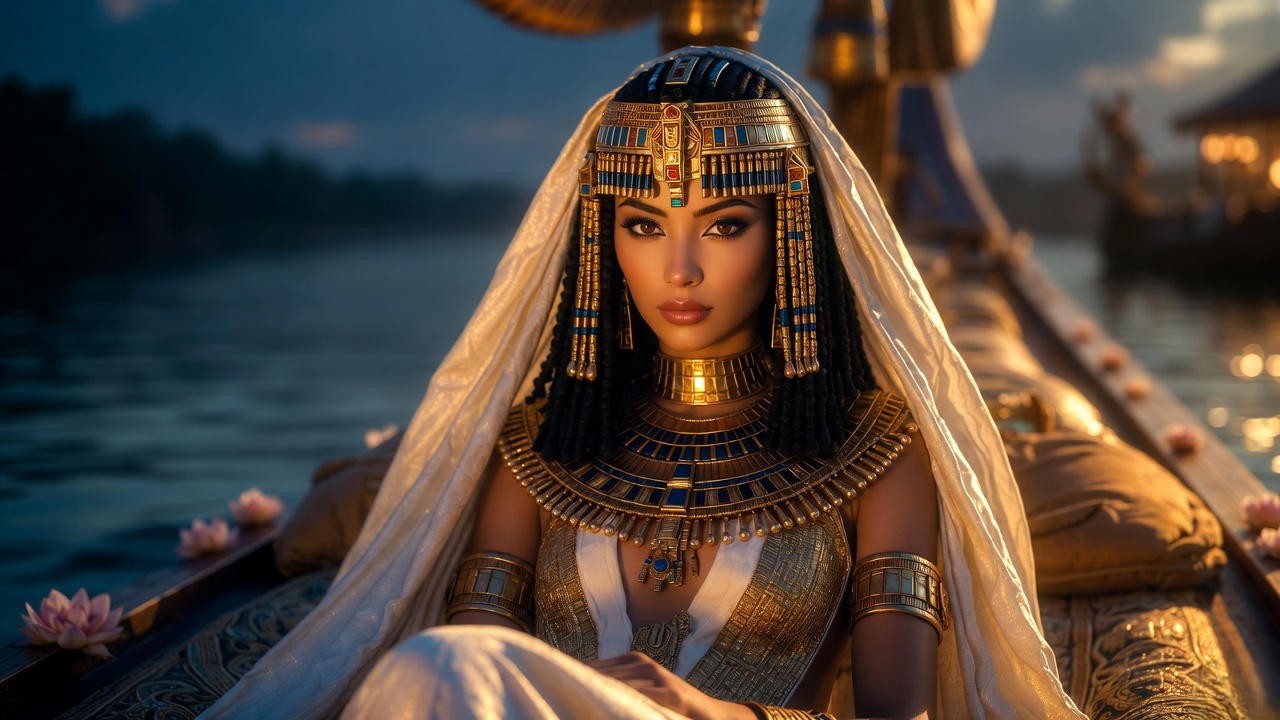
Personality and Development: Cleopatra is theatrical, capricious, intelligent, and fiercely independent. She manipulates yet genuinely loves; her moods swing from playful to furious. The play opens with her testing Antony’s devotion, but her depth emerges in vulnerability, especially after Actium.
Her evolution culminates in majestic suicide: dressing in royal robes, applying the asp, she achieves immortality—”I have immortal longings in me” (Act V, Scene 2).
Key Quotes:
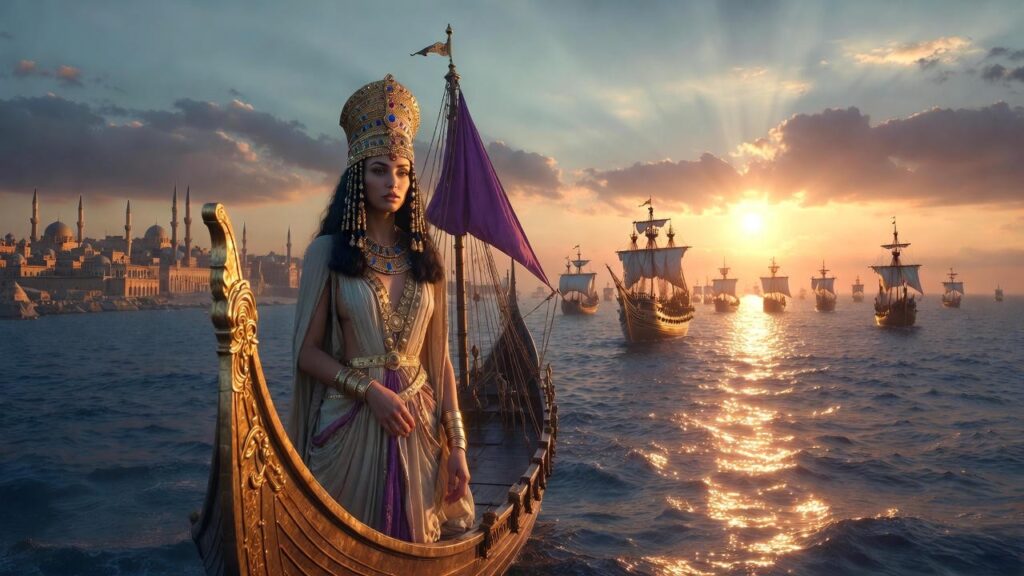
- The famous barge description by Enobarbus (Act II, Scene 2): “The barge she sat in, like a burnish’d throne, / Burn’d on the water…” — Captures her mythic allure.
- “Give me my robe, put on my crown; I have / Immortal longings in me” (Act V, Scene 2) — Transcendence through death.
Thematic Role: Cleopatra represents Egypt’s sensuality against Rome’s austerity, female agency in a male world, and the power of performance. Modern critics celebrate her as a postcolonial figure resisting Roman imperialism.
Octavius Caesar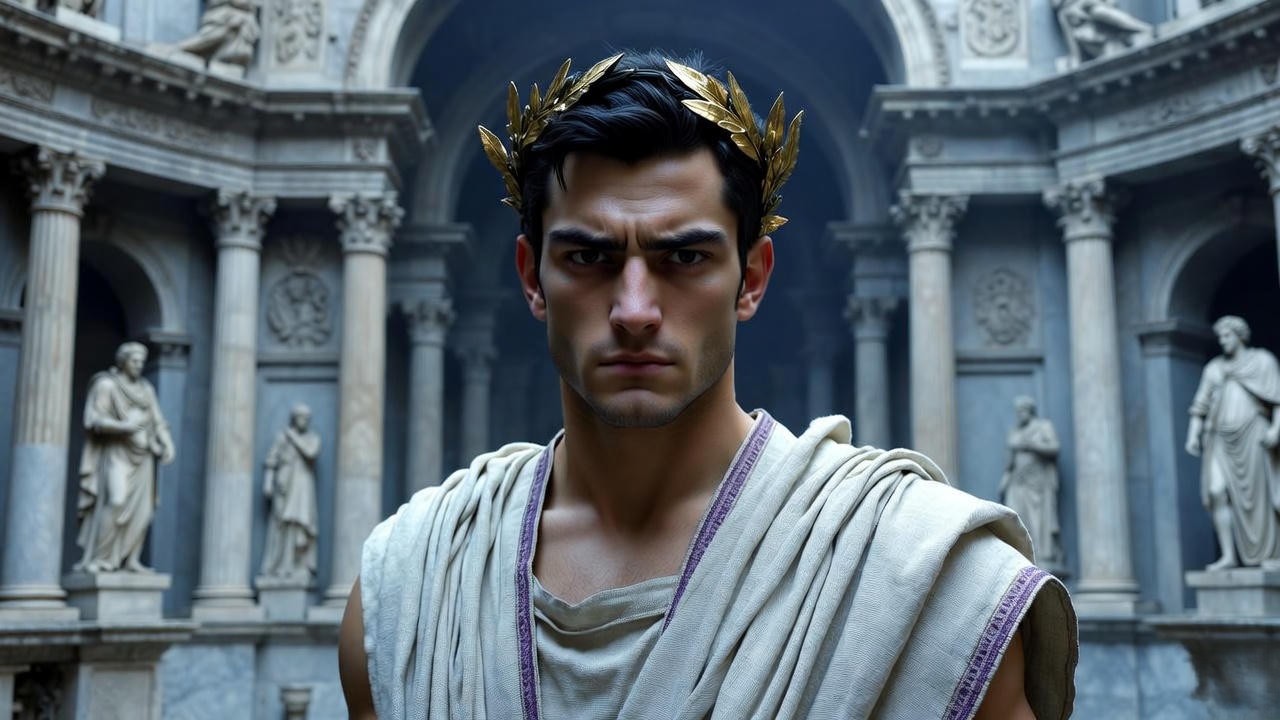
The future Emperor Augustus, Octavius is the play’s cold counterpoint to Antony’s heat.
Personality and Development: Calculated, disciplined, politically astute—Octavius wins through patience, not passion. He mourns Antony sincerely yet exploits his weaknesses. His victory establishes the Pax Romana.
Key Quotes:
- “The breaking of so great a thing should make / A greater crack” (Act V, Scene 1) — Reveals rare emotion.
Thematic Role: Embodiment of Roman order, restraint, and imperial destiny. He highlights how the new world suppresses the old heroic ideal.
Enobarbus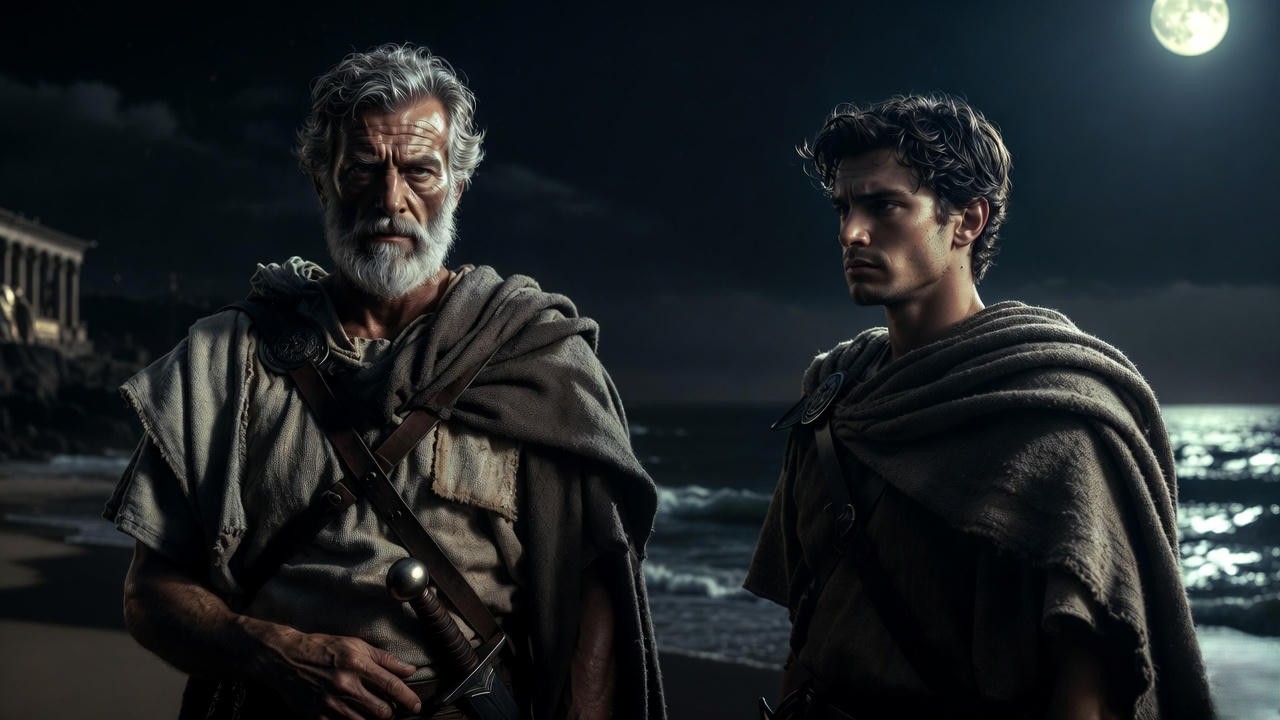
Antony’s loyal lieutenant and the play’s chorus-like commentator, Enobarbus provides some of its most poetic language.
Role and Significance: Pragmatic and witty, he admires Antony but sees his flaws clearly. His defection to Octavius—driven by reason—followed by remorseful death makes him a parallel tragic figure.
Key Moment: The barge speech (Act II, Scene 2), arguably Shakespeare’s finest descriptive passage.
Thematic Role: Represents the voice of rational loyalty, showing how even the wisest cannot escape the tragedy’s pull.
Supporting Characters: Roles and Significance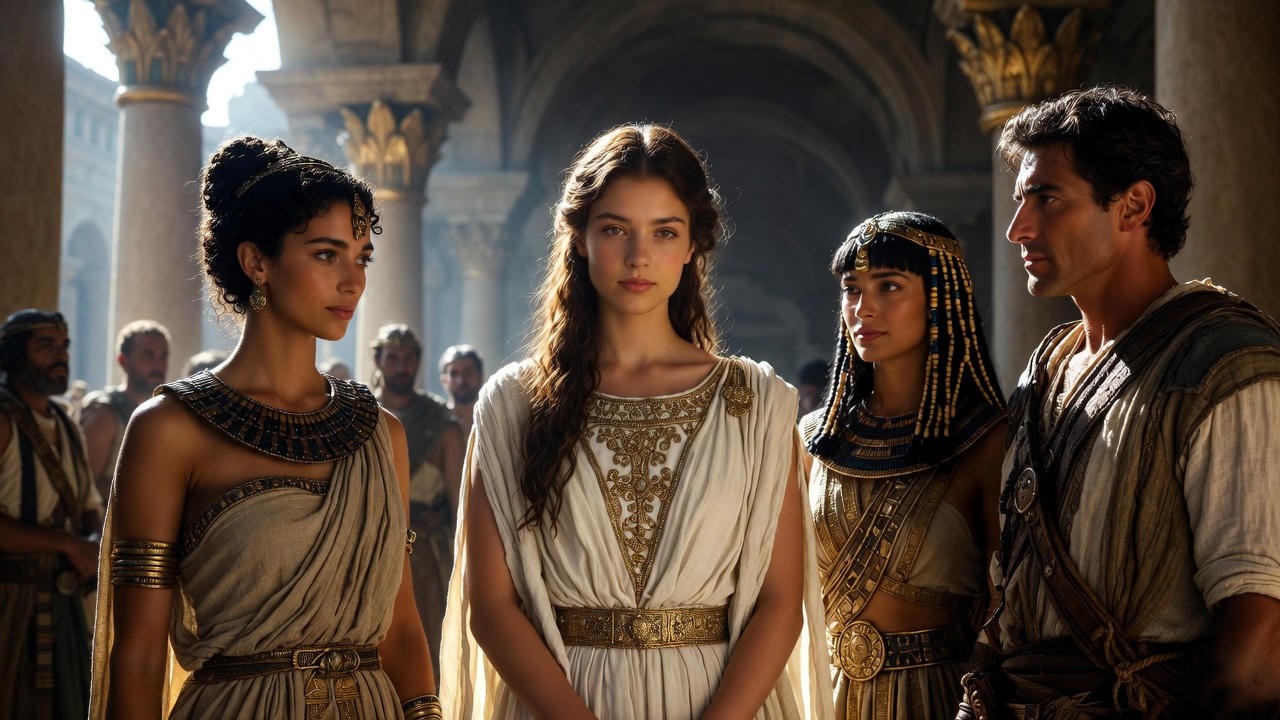
While the central quartet dominates, Shakespeare’s supporting characters add depth, contrast, and commentary.
Charmian and Iras
Cleopatra’s devoted attendants and confidantes, Charmian and Iras mirror their queen’s theatricality while providing grounding loyalty.
- They participate in Cleopatra’s moods and games, yet remain steadfast.
- Their deaths by asp alongside Cleopatra underscore themes of female solidarity and voluntary transcendence.
- Charmian’s final line—“Now boast thee, death, in thy possession lies / A lass unparalleled” (Act V, Scene 2)—is a defiant eulogy.
Octavia
Octavius’s sister, married to Antony as a political seal between the triumvirs.
- Embodiment of Roman virtue: modest, dutiful, gentle.
- Her brief appearance highlights the impossibility of reconciling Roman restraint with Egyptian passion.
- Antony’s quick abandonment of her exposes his divided nature and accelerates conflict.
Pompey (Sextus Pompeius)
Son of Pompey the Great, leader of a naval rebellion against the triumvirate.
- Represents lingering republican resistance to one-man rule.
- His near-victory and eventual assassination show how fragile alliances are.
- The banquet scene on his galley (Act II, Scene 7) reveals the triumvirs’ hypocrisy and Menas’s failed coup attempt.
Lepidus
The weakest of the three triumvirs.
- Often portrayed as drunken and ineffectual, providing comic relief.
- His rapid sidelining by Octavius foreshadows the inevitable concentration of power.
- Serves as a foil to the stronger personalities around him.
Other Notable Minor Characters
- Eros: Antony’s loyal servant who chooses suicide over killing his master—a poignant moment of honor.
- Menas: Pompey’s pirate lieutenant who proposes assassinating the triumvirs; his rejection shows Pompey’s limited ambition.
- Agrippa and Maecenas: Octavius’s capable lieutenants, representing efficient Roman administration.
- Dolabella: Young Roman officer who, moved by Cleopatra’s dignity, warns her of Octavius’s plans—hinting at humanity beneath Roman discipline.
- Scarus: Brave soldier who critiques Antony’s leadership after Actium.
- Seleucus: Cleopatra’s treasurer whose betrayal (revealing hidden wealth) prompts her final theatrical display of rage.
- Mardian the Eunuch and Alexas: Egyptian courtiers who facilitate messages and intrigue.
Quick-Reference Character Table
| Character | Role | Key Traits | Fate | Thematic Significance |
|---|---|---|---|---|
| Mark Antony | Triumvir, lover | Passionate, generous, divided | Suicide | Passion vs. duty, heroic excess |
| Cleopatra | Queen of Egypt | Theatrical, intelligent, regal | Suicide by asp | Female power, performance, transcendence |
| Octavius Caesar | Triumvir, future Augustus | Cold, calculating, disciplined | Victorious | Order, empire, restraint |
| Enobarbus | Antony’s follower | Witty, pragmatic, loyal | Dies of grief | Rational commentary, moral center |
| Octavia | Octavius’s sister | Virtuous, gentle | Abandoned | Roman ideal vs. Egyptian allure |
| Charmian & Iras | Cleopatra’s attendants | Loyal, playful | Suicide | Female solidarity |
| Pompey | Rebel leader | Ambitious, honorable | Assassinated | Republican resistance |
| Lepidus | Triumvir | Weak, drunken | Imprisoned | Fragility of power |
Character Relationships and Dynamics
The play’s tension arises from shifting alliances and emotional bonds:
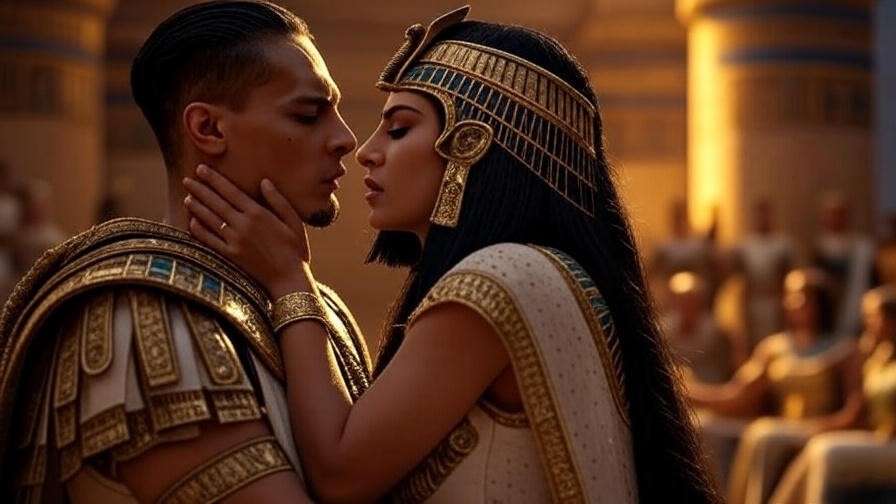
- Antony–Cleopatra: The central passionate relationship—mutual adoration mixed with jealousy and power struggles. Their love is performative yet genuine.
- Antony–Octavius: From uneasy partnership to open war; political necessity versus personal betrayal.
- Cleopatra–Octavius: Never meet on stage, but their opposition defines the cultural clash (Egypt vs. Rome).
- Enobarbus–Antony: Master–servant loyalty tested by reason; Enobarbus’s desertion and death reflect Antony’s tragedy in microcosm.
- Octavia as wedge: Her marriage briefly unites Antony and Octavius but quickly exposes irreconcilable differences.
These dynamics create a web of betrayal, reconciliation, and inevitable collapse.
Themes Reflected Through Characters
Shakespeare uses his characters to explore enduring questions:
- Love vs. Duty: Antony and Cleopatra choose love over empire; Octavius chooses duty.
- Public Image vs. Private Self: All major figures perform roles—Cleopatra most explicitly, but even Octavius manages his image.
- Empire and Colonialism: Rome’s rational imperialism versus Egypt’s sensual abundance; modern readings often highlight postcolonial tensions.
- Gender and Power: Cleopatra’s agency challenges Roman patriarchy; her suicide reclaims control.
Performance and Interpretation History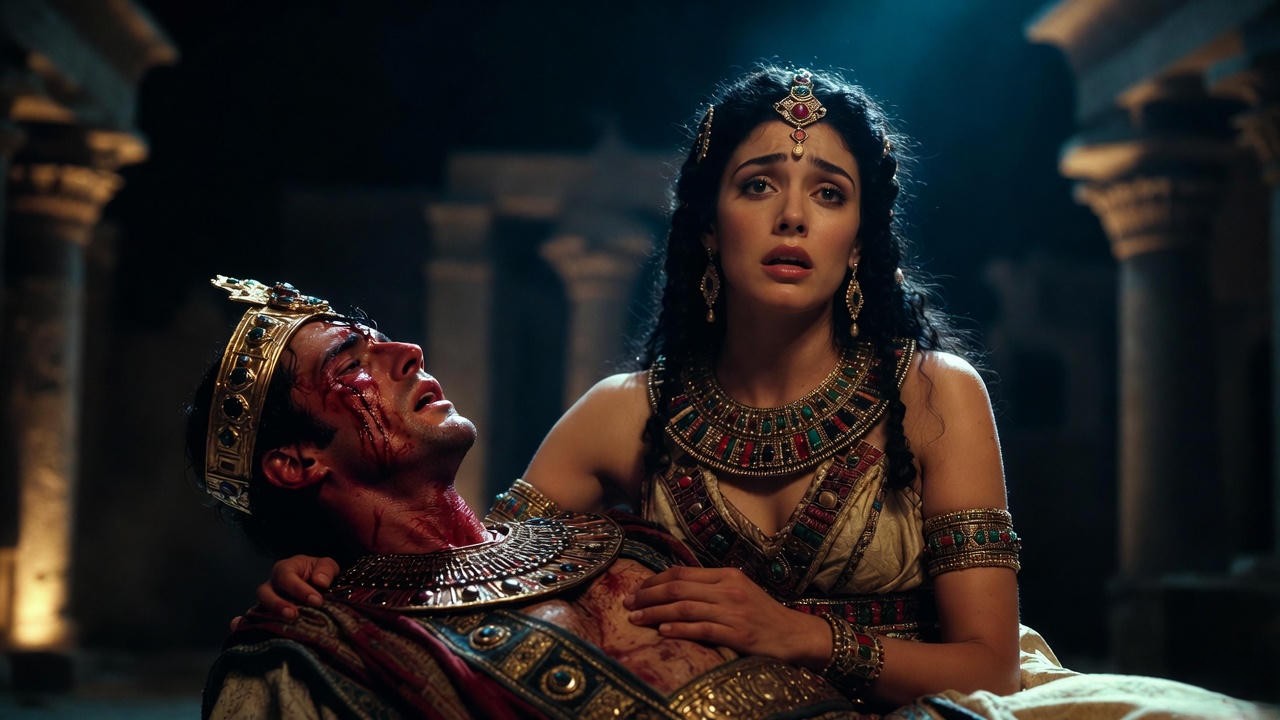
Antony and Cleopatra is notoriously difficult to stage due to its sprawling locations and demanding leads, yet it has yielded legendary productions.
- Early performances likely featured a boy actor as Cleopatra, emphasizing theatricality.
- 19th-century spectacles emphasized exotic Egypt.
- 20th-century highlights include Laurence Olivier and Vivien Leigh (alternating roles), Peggy Ashcroft’s regal Cleopatra, and Vanessa Redgrave’s passionate queen.
- Film versions include Charlton Heston’s 1972 adaptation and the 1963 Elizabeth Taylor–Richard Burton spectacle (more famous for off-screen drama than fidelity).
- Recent productions often explore diverse casting and postcolonial themes, with actors like Sophie Okonedo and Ralph Fiennes bringing fresh intensity.
The play rewards bold, charismatic pairings willing to embrace its emotional extremes.
Expert Tips for Students and Readers
- Trace character development through key speeches—note how Antony’s language shifts from confident hyperbole to despair.
- Compare Plutarch with Shakespeare to see dramatization in action (North’s translation is freely available online).
- Focus on Act II, Scene 2 (Enobarbus’s barge speech) and Act V, Scene 2 (Cleopatra’s death) for essay material.
- Consider performance choices: How does an actor convey Cleopatra’s rapid mood changes without caricature?
- Explore modern criticism: Janet Adelman’s The Common Liar or Ania Loomba’s postcolonial readings add depth.
Frequently Asked Questions
Who is the protagonist of Antony and Cleopatra? The play has dual protagonists—Antony and Cleopatra share the tragic focus, with the title reflecting their inseparable fates.
Is Cleopatra a villain or a hero? Neither and both. She is manipulative yet deeply loving, theatrical yet profoundly real—Shakespeare refuses easy categorization.
Why does Enobarbus die? Overcome by guilt after deserting Antony, he dies of a broken heart, illustrating loyalty’s enduring power.
How does Octavius Caesar differ from Mark Antony? Octavius embodies restraint, calculation, and future-oriented empire; Antony represents passion, generosity, and heroic individualism.
What is the significance of the barge speech? Enobarbus’s description mythologizes Cleopatra, showing how language creates reality and desire transcends fact.
Are there any comic characters in the play? Yes—scenes with Cleopatra’s court, the drunken banquet on Pompey’s galley, and Lepidus provide dark comedy amid tragedy.
How historical is Shakespeare’s portrayal? Loosely. He follows Plutarch broadly but compresses events, invents scenes, and prioritizes poetic drama over accuracy.
What are the best film adaptations to watch? The 1974 Royal Shakespeare Company version (with Richard Johnson and Janet Suzman) is highly regarded for fidelity and performances.
How does the play end for the main characters? Antony dies by suicide in Cleopatra’s arms; Cleopatra stages a majestic suicide with the asp, denying Octavius his triumph.
Why is Antony and Cleopatra considered difficult to stage? Its forty-plus scenes, rapid location changes, large cast, and emotionally demanding leads challenge directors and actors.
Shakespeare’s Antony and Cleopatra endures because its characters refuse simplification. Mark Antony’s grandeur, Cleopatra’s magnetism, Octavius’s cold precision, and Enobarbus’s tragic insight create a portrait of humanity at its most ambitious and vulnerable.
These iconic figures continue to challenge us with timeless questions: Can love and power coexist? What price do we pay for authenticity? How do we shape our legacies?
Whether you’re studying the play, teaching it, or experiencing it on stage, return to the text itself—its language remains unmatched. Let Cleopatra’s final words echo: “I am fire and air.” In Shakespeare’s masterful hands, so are all his unforgettable characters.