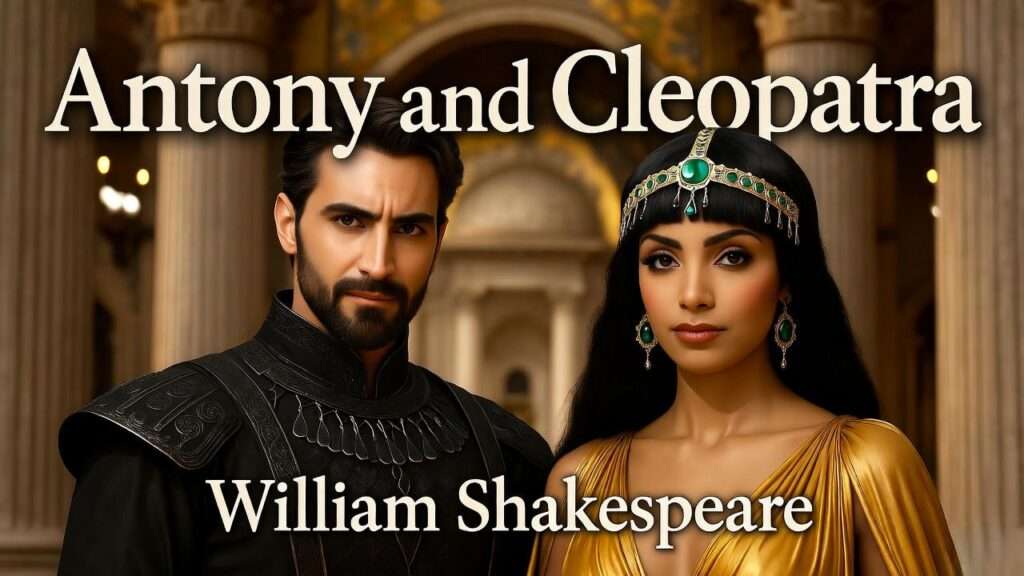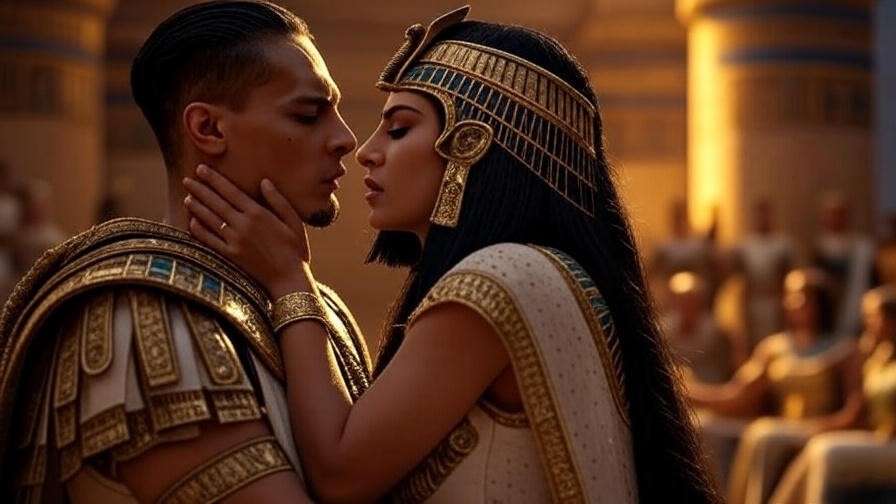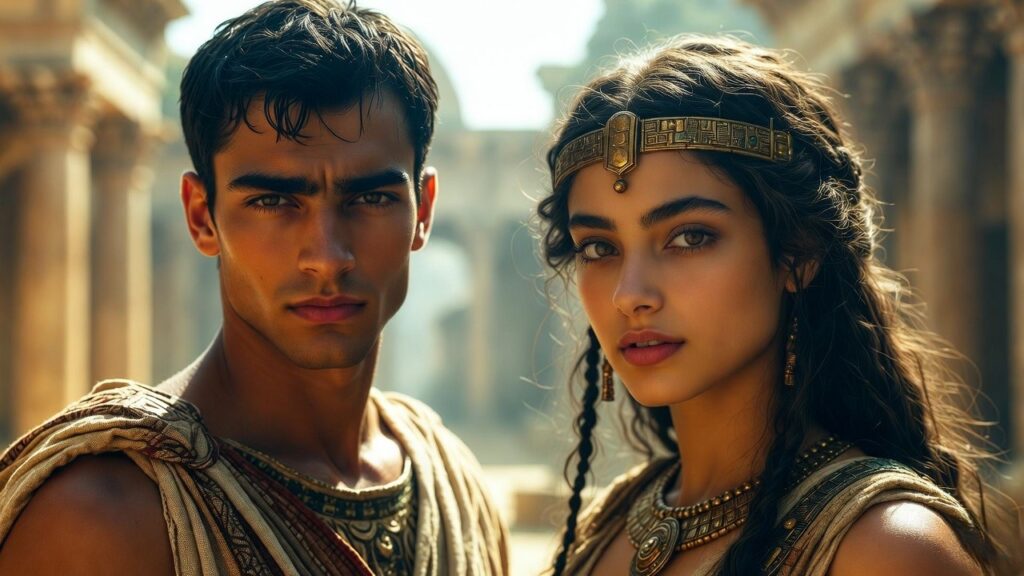
Imagine a world where empires rise and fall not just on battlefields, but in the intoxicating gaze between lovers. In William Shakespeare’s Antony and Cleopatra, the mighty Roman general Mark Antony—once a pillar of the empire—declares: “Let Rome in Tiber melt, and the wide arch / Of the ranged empire fall: here is my space.” With these words, he chooses passion over duty, Egypt over Rome, and Cleopatra over everything else. This is no ordinary love story; it’s a sweeping tragedy of power, desire, betrayal, and transcendent devotion set against the backdrop of the dying Roman Republic.
If you’re searching for Antony Cleopatra SparkNotes, you’re likely a student preparing for exams, writing an essay, or simply wanting to grasp this complex play without wading through the full text. This comprehensive guide delivers exactly that: a detailed plot summary, in-depth character analysis, exploration of major themes with textual evidence, key quotes explained, historical context, and practical study tips. Drawing from Shakespeare’s primary source—Thomas North’s 1579 translation of Plutarch’s Lives—this article goes deeper than standard summaries, offering expert insights to help you truly understand why this 1606–1607 tragedy remains one of Shakespeare’s most profound explorations of human nature.
Historical & Literary Context
Antony and Cleopatra is rooted in real events from the late Roman Republic (c. 40–30 BCE), following the assassination of Julius Caesar in 44 BCE. After Caesar’s death, power was shared by the Second Triumvirate: Mark Antony, Octavius Caesar (later Emperor Augustus), and Lepidus. Antony, a celebrated general, allied with Cleopatra VII, Queen of Egypt, whose relationship with Julius Caesar had already produced a son (Caesarion). Their alliance threatened Octavius, leading to civil war, the decisive Battle of Actium in 31 BCE, and the lovers’ suicides in 30 BCE.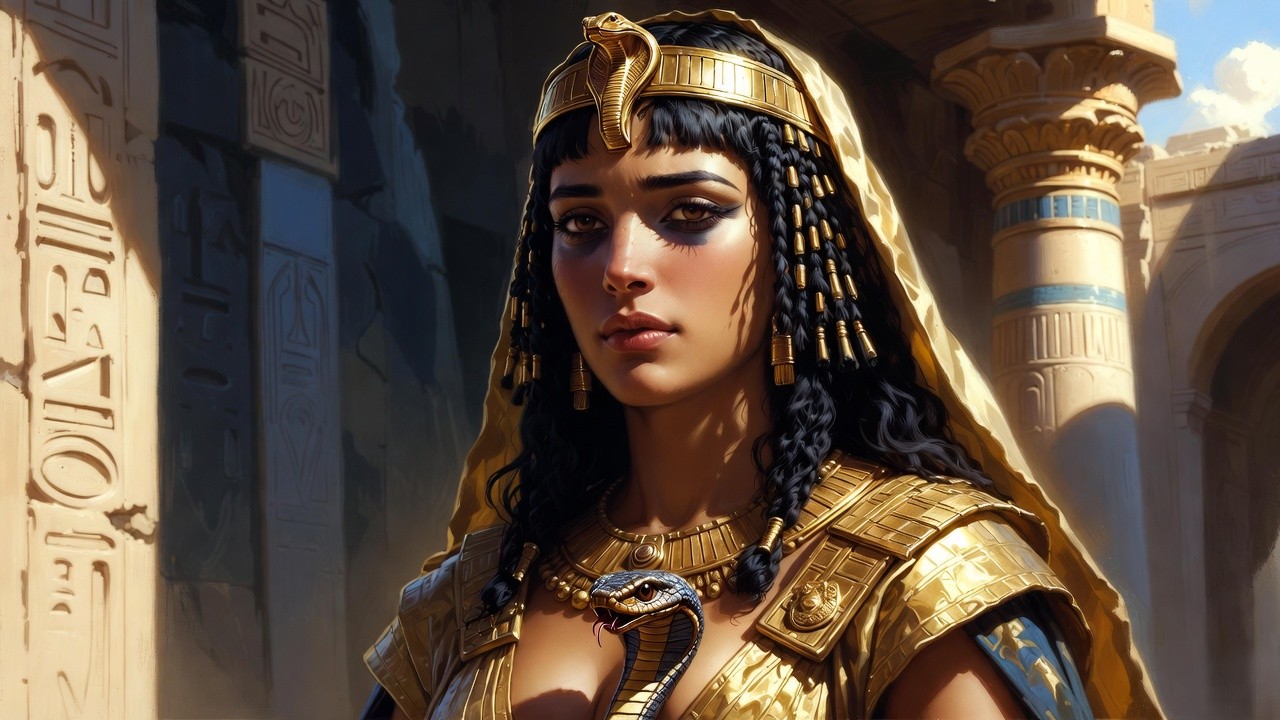
Shakespeare drew heavily from Plutarch’s parallel biographies in Lives of the Noble Grecians and Romans, which portray Antony’s military genius undermined by passion and Cleopatra as cunning yet charismatic. However, Shakespeare innovates: he compresses the timeline (events span years in history but feel immediate on stage), expands Enobarbus’s role for commentary and tragedy, and heightens the lovers’ grandeur. Unlike the more political Julius Caesar, this play blends Roman history with tragedy, featuring rapid scene shifts (over 40 locations) that mirror the chaotic clash of worlds.
Literarily, it’s a hybrid—tragedy of love, political drama, and meditation on empire. Written around 1606–1607, after King Lear and Macbeth, it showcases Shakespeare’s mature style: poetic richness, ambiguous morality, and no clear villain. The play questions whether passion destroys or elevates, and whether Rome’s stoic order or Egypt’s sensual excess truly triumphs.
Complete Plot Summary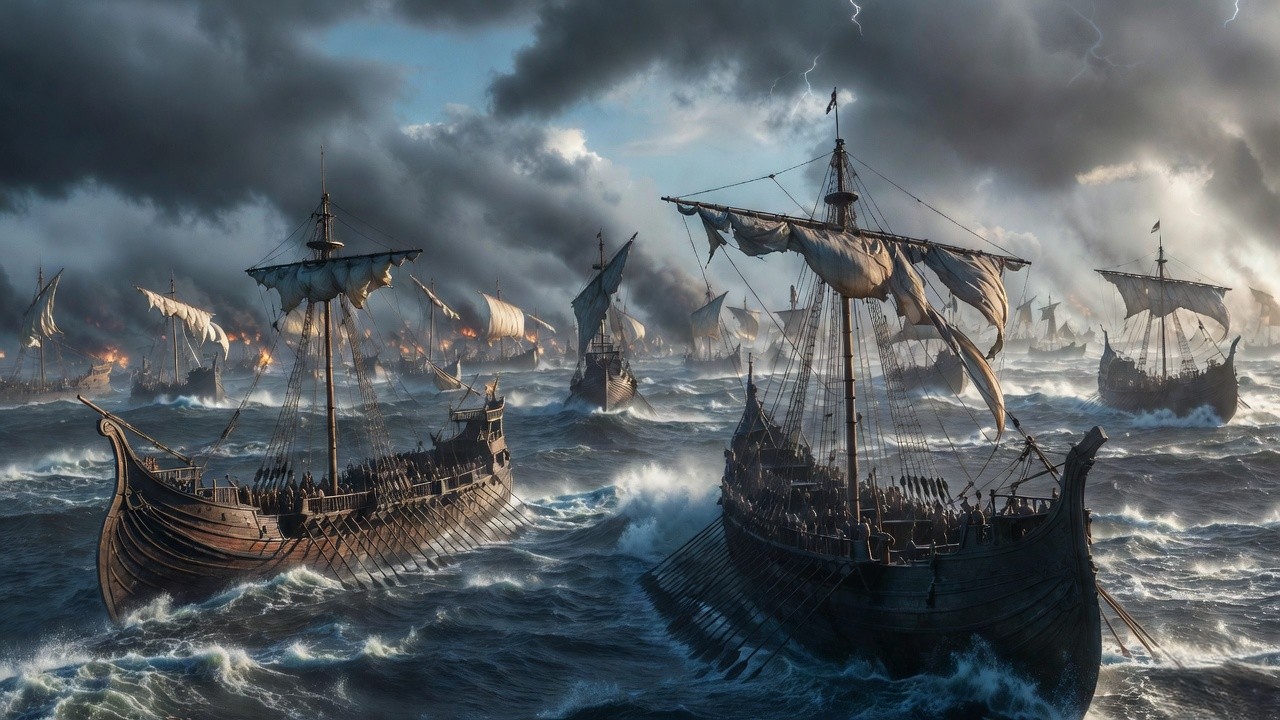
Shakespeare structures the play in five acts with swift, cinematic shifts between Rome, Egypt, and battlefields, emphasizing the lovers’ doomed entanglement.
Act 1: The play opens in Alexandria, where Roman soldiers Philo and Demetrius lament Antony’s “dotage” on Cleopatra. Antony ignores messengers from Rome until news arrives: his wife Fulvia has died after rebelling against Octavius, and Pompey threatens the triumvirate. Cleopatra teases Antony about his duties, but he resolves to return to Rome, assuring her of his love.
Act 2: In Rome, Octavius criticizes Antony’s excesses. The triumvirs reconcile with Pompey, and Antony marries Octavia (Octavius’s sister) to seal the alliance. Meanwhile, Enobarbus delivers the famous barge speech, describing Cleopatra as Venus-like: “Age cannot wither her, nor custom stale / Her infinite variety.” Cleopatra learns of the marriage and rages, but regains confidence upon hearing Octavia is plain.
Act 3: Tensions escalate. Antony returns to Egypt, abandoning Octavia. Octavius declares war. At Actium, Cleopatra’s fleet flees mid-battle; Antony follows, abandoning his men. Defeated, Antony blames Cleopatra, but they reconcile. Enobarbus deserts to Octavius, regretting it deeply.
Act 4: Antony wins a minor land victory but loses at sea again. Enobarbus dies of shame after returning Antony’s treasure. Antony, hearing false news of Cleopatra’s death, falls on his sword. Mortally wounded, he learns she’s alive and is carried to her monument, dying in her arms.
Act 5: Cleopatra negotiates with Octavius but refuses humiliation in Rome. She stages her death with asps (poisonous snakes), dying regally: “Give me my robe, put on my crown; I have / Immortal longings in me.” Octavius orders a noble funeral, acknowledging their greatness.
In-Depth Character Analysis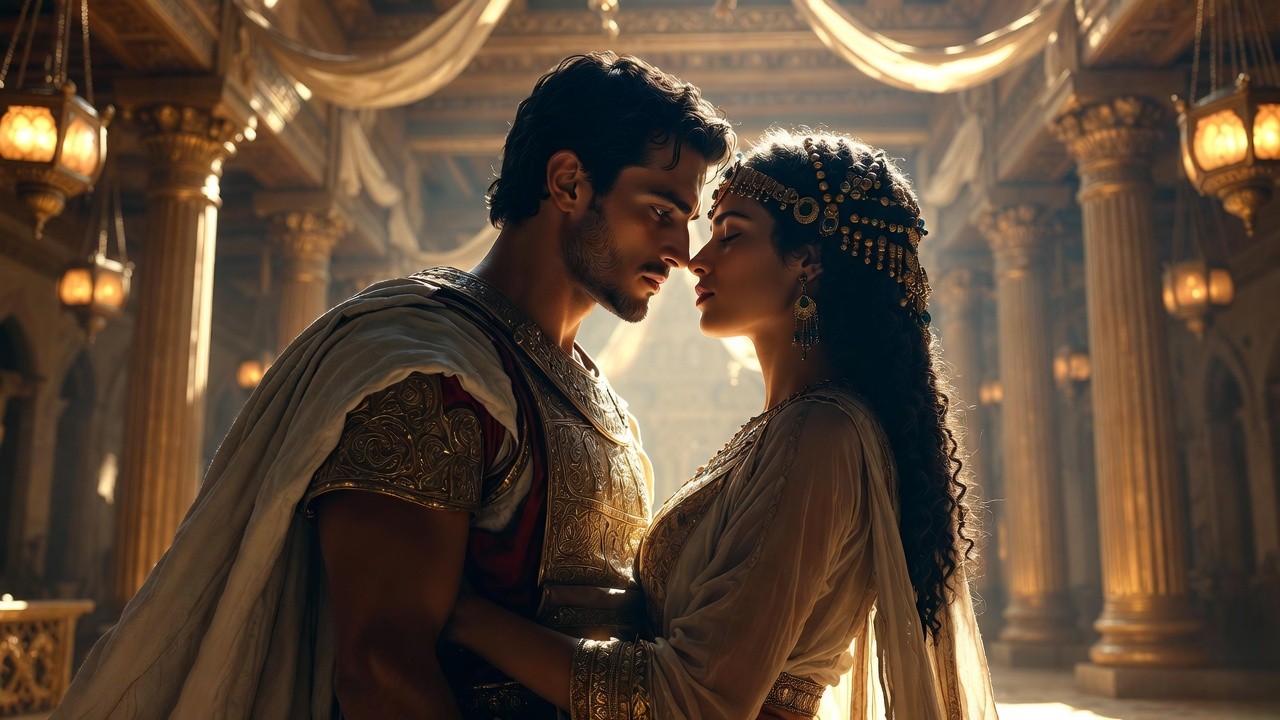
Shakespeare’s characters in Antony and Cleopatra are among his most psychologically complex, refusing simple moral categories. Below is a detailed breakdown of the major figures.
Mark Antony Antony is the quintessential Shakespearean tragic hero—flawed, larger-than-life, and ultimately destroyed by the very qualities that made him great. At the play’s opening, Roman soldiers already describe him as a fallen colossus: “Sometimes, when he is not Antony, / He comes too short of that great property / Which still should go with Antony.” His tragedy lies in the irreconcilable conflict between Roman virtus (military honor, stoic duty) and Egyptian sensuality. Antony is torn between his public role as triumvir and his private passion for Cleopatra. His repeated attempts to “be Roman” (returning to Rome, marrying Octavia) always collapse under the pull of desire. Yet even in defeat, he retains a heroic grandeur—his suicide is not cowardly but an attempt to follow Cleopatra into eternal union.
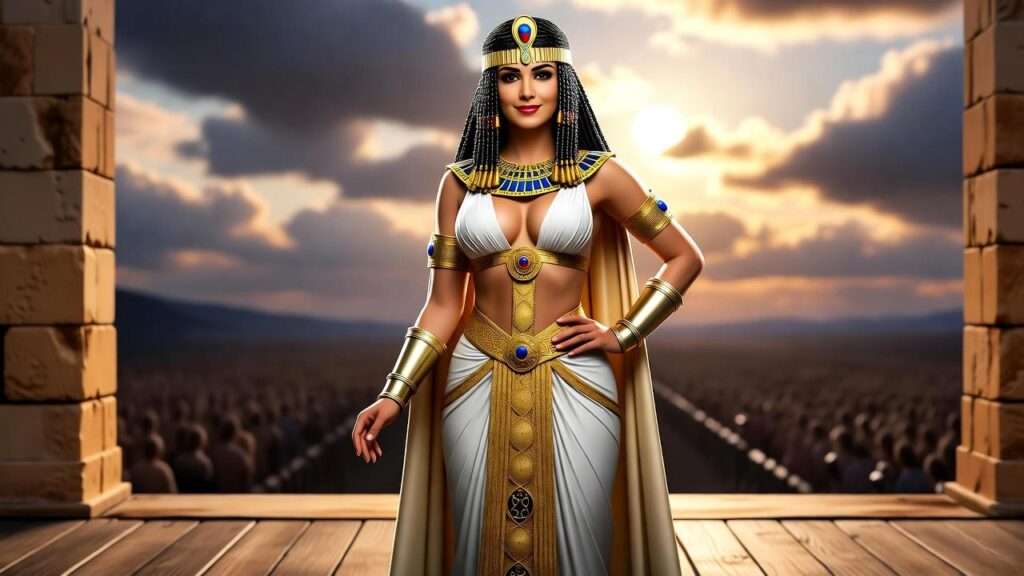
Cleopatra Cleopatra is one of Shakespeare’s most fascinating female characters—neither villain nor victim, but a woman of extraordinary agency, theatricality, and emotional depth. She is both politically shrewd (she manipulates Antony, negotiates with Octavius) and deeply passionate. Critics have long debated whether she is a destructive seductress or a liberated woman defying patriarchal control. Shakespeare gives her both: she is “cunning past man’s thought” yet capable of genuine love. Her final act—choosing death over humiliation in Rome—is her ultimate performance of majesty: “Show me, boy, my picture in the sky.” She transforms defeat into eternal triumph.
Octavius Caesar Octavius is the cold embodiment of Roman reason, discipline, and political calculation. Unlike Antony, he never wavers from his goal: absolute power. He speaks in measured, controlled prose, contrasting Antony’s passionate poetry. While he lacks warmth, he is not a cartoon villain. His final speech over the lovers’ bodies—“No grave upon the earth shall clip in it / A pair so famous”—reveals reluctant admiration. Octavius represents the triumph of empire over individual passion, but at the cost of emotional sterility.
Enobarbus Enobarbus serves as the play’s moral commentator and tragic foil. His famous description of Cleopatra on her barge (“The barge she sat in, like a burnished throne…”) is one of Shakespeare’s most lyrical passages, yet he himself is a pragmatist who deserts Antony when defeat seems certain. His remorse and death from shame (“I am alone the villain of the earth”) provide one of the play’s most poignant moments, showing that even cynical reason cannot escape the pull of loyalty and love.
Minor Characters
- Octavia: A symbol of political duty and feminine restraint. Her quiet dignity contrasts sharply with Cleopatra’s flamboyance.
- Charmian and Iras: Cleopatra’s loyal attendants who share her fate, emphasizing the queen’s personal magnetism.
- Pompey, Lepidus: Brief but important roles highlighting the instability of political alliances.
Major Themes Explained with Evidence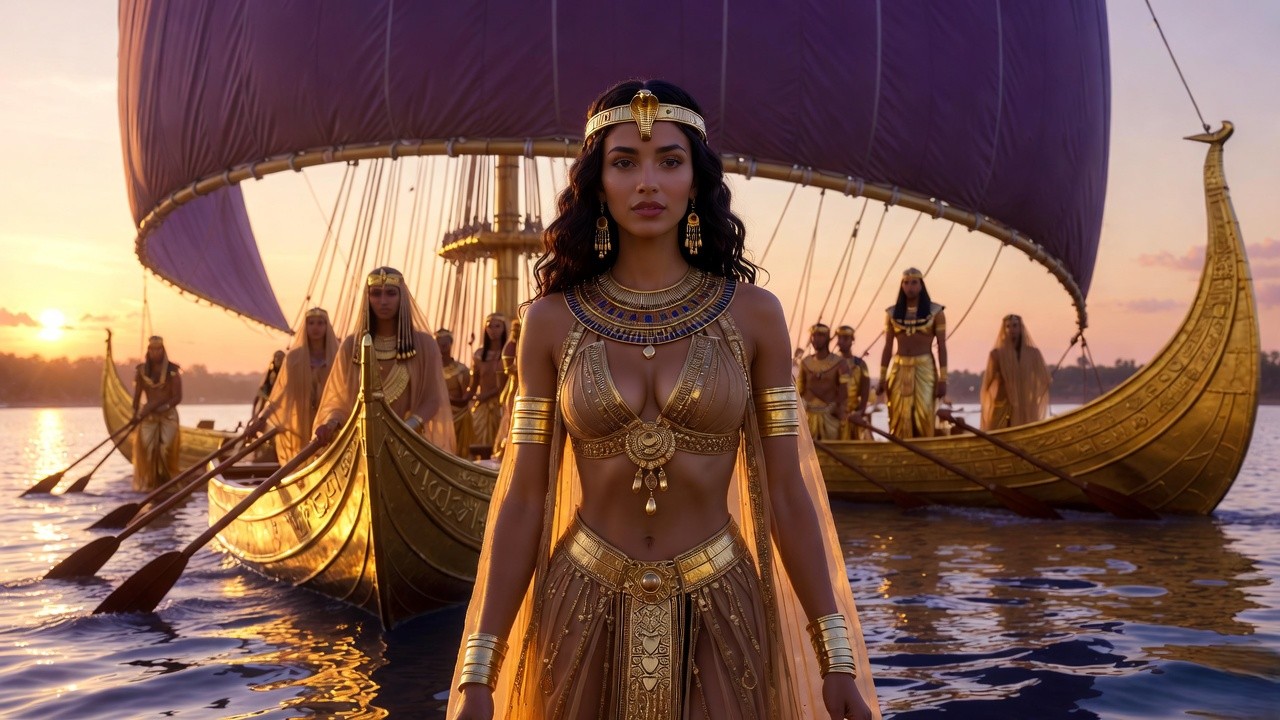
Shakespeare weaves several interlocking themes through the play, each reinforced by powerful textual evidence.
Love vs. Duty / Passion vs. Reason The central conflict. Antony’s declaration—“Let Rome in Tiber melt”—is the ultimate rejection of duty for love. Cleopatra’s question, “If you find him sad, / Say I am dancing,” shows how deliberately she uses passion to keep Antony. The tragedy lies in the impossibility of reconciling the two: passion destroys Antony’s political power, while duty (marriage to Octavia) cannot extinguish his desire.
Rome vs. Egypt (West vs. East) Shakespeare constructs a stark cultural opposition:
- Rome = masculine, stoic, ordered, militaristic
- Egypt = feminine, sensual, fluid, luxurious
This binary is not simplistic—Egypt is associated with imagination and emotional richness, while Rome is sterile and calculating. Cleopatra’s “infinite variety” embodies the East’s vitality, while Octavius’s cold rationality represents the West’s triumph.
Power, Politics & Betrayal The play is filled with shifting alliances: Antony betrays Octavius, Enobarbus betrays Antony, Cleopatra appears to betray Antony at Actium. Yet betrayal is often born of survival rather than malice. Power is shown as inherently unstable—Antony’s military greatness cannot survive without political loyalty.
Gender & Performance Both Antony and Cleopatra “perform” their identities. Antony struggles to maintain masculine Roman honor; Cleopatra constantly stages her femininity (“I am fire and air”). The play questions rigid gender roles—Cleopatra’s power comes precisely from her theatricality and refusal to conform.
Tragedy & Transcendence Unlike Hamlet or Othello, the lovers’ deaths are not pitiful but triumphant. Cleopatra’s suicide is a regal performance that elevates her above Octavius’s political victory. Their love achieves a kind of immortality through legend.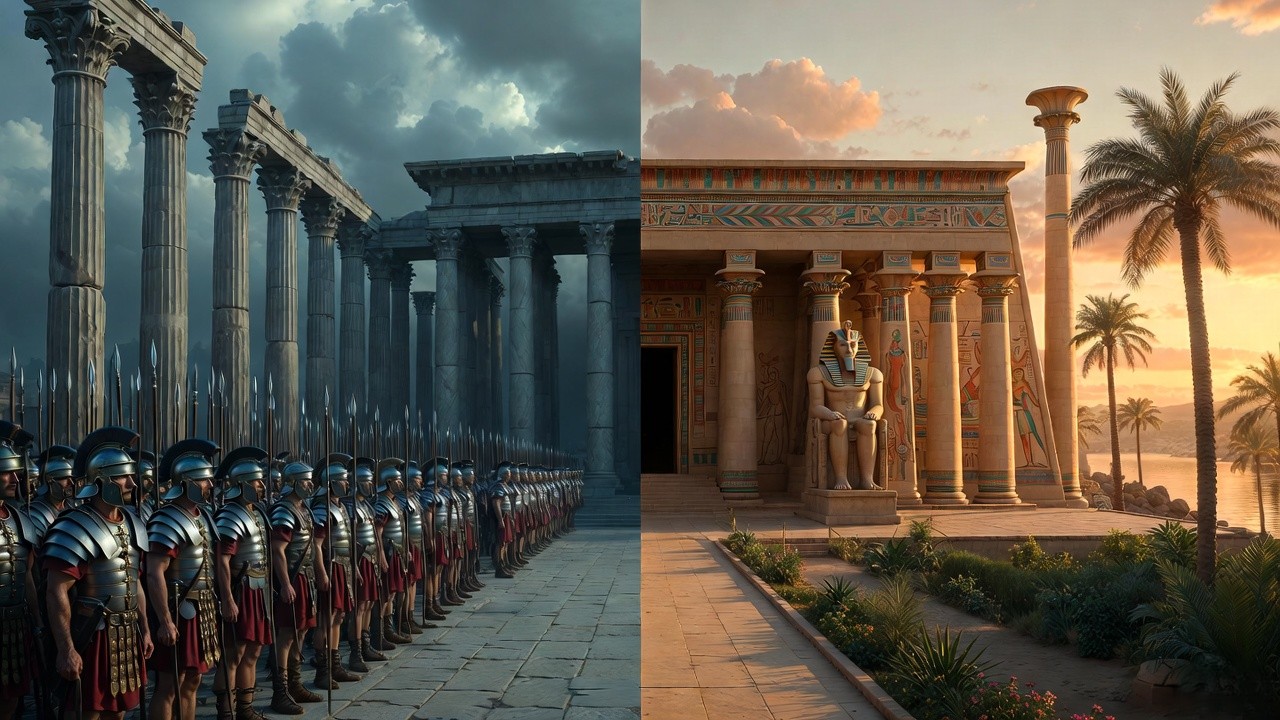
Key Quotes & Analysis
Here are some of the play’s most important passages with brief analysis:
- “Age cannot wither her, nor custom stale / Her infinite variety” (Enobarbus, II.ii) → Celebrates Cleopatra’s eternal allure; one of Shakespeare’s most famous lines.
- “Let Rome in Tiber melt, and the wide arch / Of the ranged empire fall: here is my space” (Antony, I.i) → The moment Antony chooses love over empire.
- “Give me my robe, put on my crown; I have / Immortal longings in me” (Cleopatra, V.ii) → Her final regal transformation before death.
- “My salad days, / When I was green in judgment” (Cleopatra, I.v) → Self-aware reflection on her youthful affair with Caesar.
- “I am fire and air; my other elements / I give to baser life” (Cleopatra, V.ii) → Her claim to transcend mortality.
Study Tips, Essay Ideas & Exam Prep
This section is designed specifically for students who need to turn understanding into high-scoring essays, exams, or class discussions.
How to Approach the Play’s Unique Structure The play’s 42 scenes and frequent location changes can feel chaotic at first. Treat the rapid shifts as deliberate: they mirror the instability of empire and the lovers’ inability to remain fixed in one identity. Study tip: Track the role of messengers and rumour. Almost every major turning point (Fulvia’s death, Antony’s marriage, false reports of Cleopatra’s suicide) arrives through second-hand information. This technique shows how fragile political and personal reality is in the play.
Common Essay Prompts & How to Answer Them
- “Antony and Cleopatra is more a tragedy of politics than of love.” Discuss. → Strong thesis: It is both. The political world (triumvirate, Actium, Octavius’s rise) provides the external pressure, but the tragedy is internal—the lovers’ inability to reconcile passion with duty. Use Antony’s line “Here is my space” and Cleopatra’s monument scene as evidence.
- Compare the presentation of Cleopatra with that of other Shakespearean female characters (Lady Macbeth, Desdemona, Rosalind). → Cleopatra stands apart: she combines Lady Macbeth’s political intelligence with Rosalind’s wit, but adds genuine sexual and emotional power. Unlike Desdemona, she is never passive.
- How does Shakespeare present the conflict between Rome and Egypt? → Use the binary: masculine/feminine, reason/passion, order/chaos. But show it is not one-sided—Egypt offers vitality and imagination that Rome lacks.
Quick Revision Checklist
- Key turning points: Reconciliation in Rome, Actium, Enobarbus’s desertion, double suicide
- Central contrast: Antony’s Roman honour vs. Egyptian excess
- Cleopatra’s final transformation from manipulator to tragic queen
- 8–10 essential quotes (listed earlier)
- One-line definitions: “infinite variety”, “dotage”, “salad days”, “immortal longings”
Modern Relevance (Great for Conclusion Paragraphs) In 2026, the play speaks powerfully to contemporary tensions: the conflict between personal desire and professional/political responsibility, the performance of identity in the age of social media, and the clash between different cultural values in a globalized world.
Frequently Asked Questions (FAQ)
Is Antony and Cleopatra a true tragedy? Yes, but unconventional. Unlike Othello or King Lear, there is no single catastrophic flaw leading to inevitable downfall. Instead, the tragedy arises from an irreconcilable conflict between two valid ways of being (Roman duty vs. Egyptian passion). The lovers die, but they achieve a kind of spiritual victory over Octavius’s political triumph.
Why does Cleopatra flee at the Battle of Actium? Shakespeare leaves it ambiguous. Plutarch suggests cowardice or treachery; Shakespeare makes it more complex. Cleopatra may have panicked, or she may have believed the battle lost and tried to save herself and Antony. Her later remorse (“O my lord, forgive my fearful sails!”) shows genuine regret.
How does the play connect to Julius Caesar? Antony and Cleopatra is a sequel. It begins shortly after Caesar’s assassination and shows the consequences of that event: the collapse of the Republic and rise of the Empire under Octavius (Augustus). Characters like Octavius and Antony appear in both plays, but are significantly older and changed.
What is the significance of the asp? The asp (Egyptian cobra) is a symbol of both death and royalty. Cleopatra chooses it deliberately as a “baby” at her breast, turning suicide into a perverse maternal act. It allows her to die painlessly and regally, denying Octavius the spectacle of her humiliation in Rome.
Which film adaptations are worth watching?
- 1972 version starring Charlton Heston and Hildegard Neil (very faithful, but dated)
- 1963 epic with Elizabeth Taylor and Richard Burton (lavish, but long and melodramatic)
- 1981 BBC version with Jane Lapotaire (excellent for textual fidelity)
- Modern stage productions (especially National Theatre or RSC) often offer fresh interpretations
Antony and Cleopatra is Shakespeare’s most expansive and generous tragedy. Unlike the claustrophobic intensity of Othello or the cosmic despair of King Lear, this play spans continents, cultures, and centuries. It refuses easy judgments: we are asked neither to condemn the lovers for their passion nor to celebrate Octavius’s cold efficiency. Instead, Shakespeare invites us to marvel at the sheer scale of human feeling—at a love so powerful it can make “Rome in Tiber melt.”
In the final moments, Cleopatra’s death is not defeat but apotheosis. She dresses for eternity, declares “I am fire and air,” and claims immortality through legend. Antony, too, dies attempting to join her. Together they transcend the petty calculations of empire.
More than four hundred years later, their story still speaks: of the terrible beauty of passion, of the cost of power, and of the human longing to be something greater than politics or history can contain.