What word instantly comes to mind when you think of the opposite of life? For most, it’s death. Yet while dictionaries offer straightforward antonyms for life—death, nonexistence, lifelessness—William Shakespeare transforms this simple opposition into one of the most profound philosophical explorations in literature. Death, in Shakespeare’s hands, is not merely the absence of life but its eternal counterpart: a shadow that gives shape, urgency, and meaning to our fleeting existence.
In an age plagued by disease, political intrigue, and high mortality, Shakespeare repeatedly returned to the tension between vitality and mortality. His plays and sonnets don’t just list antonyms for life; they dramatize how contemplating death sharpens our appreciation of living. This article offers an in-depth, expert analysis of Shakespeare’s reflections on death as life’s ultimate antonym, drawing on key works, historical context, and scholarly insights. Whether you’re a student, literature enthusiast, or someone seeking timeless wisdom on existence, you’ll discover how the Bard’s meditations remain strikingly relevant today.
Understanding Antonyms for Life: Beyond the Dictionary
At its most basic linguistic level, an antonym is a word with the opposite meaning. According to authoritative sources like Merriam-Webster and Oxford English Dictionary, the primary antonyms for “life” include:
- Death: The cessation of biological functions.
- Nonexistence: The state of not being.
- Lifelessness or inanimate: Lacking vitality or animation.
- Extinction: Complete ending, often of a species or lineage.
These definitions are clear and functional for everyday use. However, literature—especially Shakespeare’s—elevates the concept far beyond lexicon. Death is not simply “not life”; it is life’s defining boundary, the force that imbues every moment with significance.
Shakespeare, writing in the late 16th and early 17th centuries, lived in a world where death was omnipresent. The average life expectancy was around 35–40 years, plagues ravaged London repeatedly (including closures of theaters), and personal tragedies struck the Bard himself—his son Hamnet died at age 11 in 1596. These experiences infused his work with a deep awareness of mortality as life’s mirror.
To illustrate the contrast between literal and Shakespearean antonyms:
| Antonym | Dictionary Meaning | Shakespearean Context Example |
|---|---|---|
| Death | End of life | Personified as a rival, conqueror, or gentle sleep |
| Nonexistence | Absence of being | Explored in existential soliloquies like “To be or not to be” |
| Lifelessness | Without vitality | Contrasted with life’s “brief candle” or fleeting stage performance |
| Extinction | Total annihilation | Fear of forgotten legacy in sonnets |
Shakespeare rarely uses death as a flat opposite; instead, he personifies it, debates it, and even courts it, revealing layers of philosophical depth absent from mere thesaurus entries.
Death as Life’s Mirror in Shakespeare’s Philosophy
Shakespeare’s treatment of mortality aligns with the medieval and Renaissance tradition of memento mori—”remember you must die.” This motif reminded people to live virtuously amid inevitable death. Yet Shakespeare complicates this: his characters grapple with fear, defiance, acceptance, and even embrace of death.
A core insight from Shakespearean scholarship (e.g., works by critics like Helen Vendler, Stephen Greenblatt, and Jan Kott) is that death functions as life’s “eternal counterpart.” It provides contrast: without the darkness of mortality, life’s light would be dimmer. As Prospero reflects in The Tempest, our lives are “such stuff as dreams are made on,” rounded by sleep—implying death as both end and frame.
Consider these iconic lines:
-
From Julius Caesar (Act II, Scene II):
“Cowards die many times before their deaths; The valiant never taste of death but once. Of all the wonders that I yet have heard, It seems to me most strange that men should fear, Seeing that death, a necessary end, Will come when it will come.”
Here, Caesar downplays death’s terror, portraying excessive fear as a form of living death—cowards experience multiple “deaths” through anxiety.
-
From Hamlet (Act I, Scene II):
“All that lives must die, Passing through nature to eternity.”
Queen Gertrude’s words normalize death as a natural passage, yet Hamlet’s grief reveals its emotional devastation.
Shakespeare avoids dogmatic religious assurances about the afterlife prevalent in his era. Instead, he focuses on existential questions: What does death reveal about life’s value? How should awareness of mortality shape our actions?
This philosophical depth distinguishes Shakespeare’s exploration from superficial antonym lists, offering readers tools for personal reflection in an age still grappling with anxiety over mortality.
Iconic Plays Where Death Stands as the Antonym to Life
Shakespeare’s tragedies and late romances are rich battlegrounds where life and death clash dramatically. Below, we examine key works with detailed textual analysis.
Hamlet – The Undiscovered Country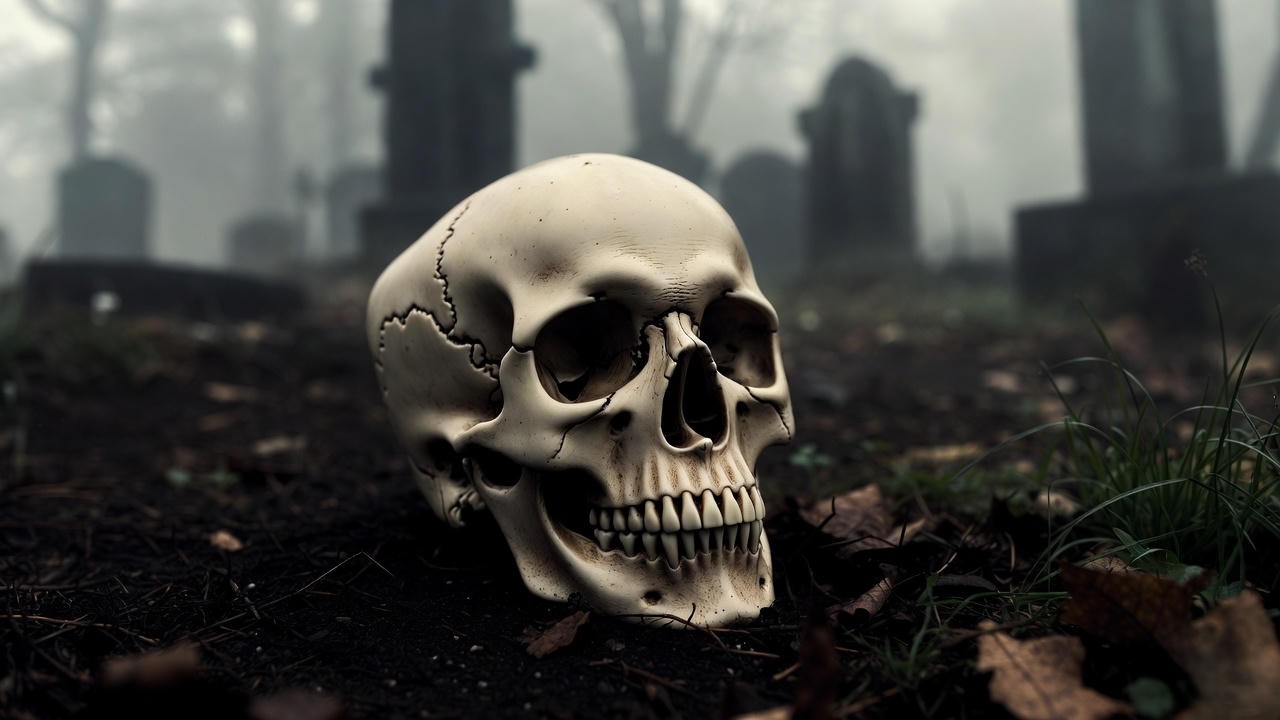
No play interrogates the life-death opposition more intensely than Hamlet. The Prince of Denmark’s melancholy stems from his father’s murder and his mother’s hasty remarriage, but it expands into universal contemplation of existence versus nonexistence.
The famous “To be or not to be” soliloquy (Act III, Scene I) directly pits life against its antonym:
“To be, or not to be: that is the question: Whether ’tis nobler in the mind to suffer The slings and arrows of outrageous fortune, Or to take arms against a sea of troubles, And by opposing end them? To die: to sleep; No more; and by a sleep to say we end The heart-ache and the thousand natural shocks That flesh is heir to, ’tis a consummation Devoutly to be wish’d.”
Hamlet equates death with sleep—a temporary relief—but fears the “undiscovered country from whose bourn no traveller returns.” This uncertainty makes death a terrifying unknown, amplifying life’s burdens yet also its potential nobility.
Later, in the graveyard scene (Act V, Scene I), Hamlet holds Yorick’s skull:
“Alas, poor Yorick! I knew him, Horatio: a fellow of infinite jest, of most excellent fancy… Where be your gibes now? your gambols? your songs?”
The skull symbolizes death’s democratizing power: kings, jesters, and beauties all reduce to bone, underscoring life’s transience and death’s inevitability as its true opposite.
Scholarly consensus, including analyses by Harold Bloom and A.C. Bradley, views Hamlet as Shakespeare’s deepest meditation on mortality, likely influenced by the death of his son Hamnet.
Macbeth – Life’s Brief Candle and Walking Shadow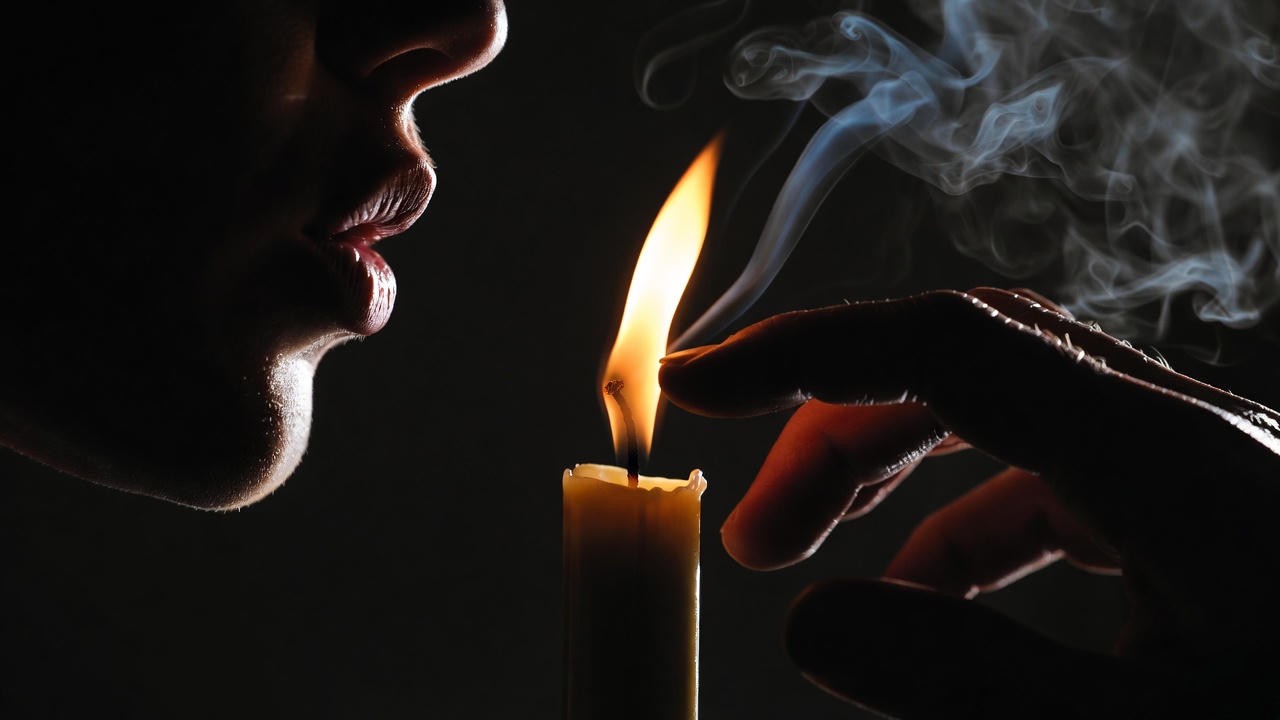
In Macbeth, ambition accelerates the slide from vibrant life to moral and physical death. Macbeth’s reflection after learning of Lady Macbeth’s death (Act V, Scene V) is one of literature’s most poignant statements on life’s futility:
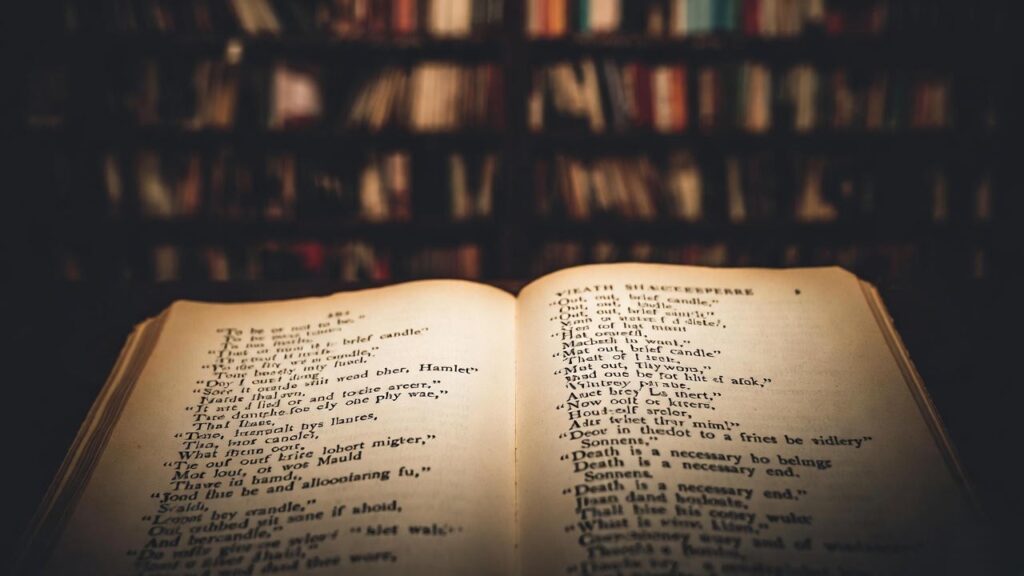
“She should have died hereafter; There would have been a time for such a word. To-morrow, and to-morrow, and to-morrow, Creeps in this petty pace from day to day To the last syllable of recorded time, And all our yesterdays have lighted fools The way to dusty death. Out, out, brief candle! Life’s but a walking shadow, a poor player That struts and frets his hour upon the stage And then is heard no more: it is a tale Told by an idiot, full of sound and fury, Signifying nothing.”
Here, life is ephemeral—a candle snuffed out, a shadow, a meaningless performance. Death triumphs not just physically but existentially. Macbeth’s earlier moral “death” through regicide foreshadows this nihilism, showing how guilt erodes vitality long before the body fails.
Lady Macbeth’s sleepwalking scene further illustrates living death: her mind torments her while her body lives on, a haunting inversion of life’s energy.
Romeo and Juliet – Love Defying Death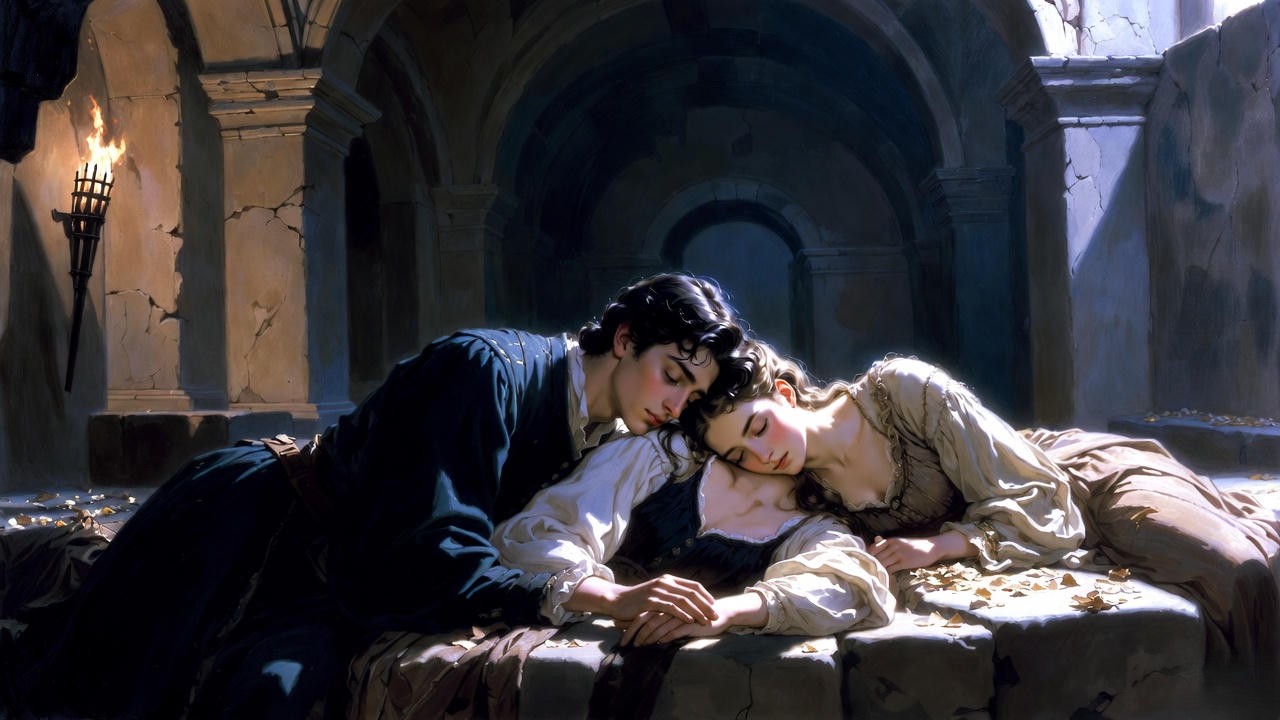
In the tragic romance Romeo and Juliet, death is personified as a rival to youthful passion. Juliet declares:
“My bounty is as boundless as the sea, My love as deep; the more I give to thee, The more I have, for both are infinite.”
Yet death interrupts this boundless life-force. Romeo, believing Juliet dead, cries:
“Death, that hath suck’d the honey of thy breath, Hath had no power yet upon thy beauty.”
The lovers’ feigned and real deaths highlight irony: their attempt to escape societal constraints leads to actual extinction. Ultimately, their union in death immortalizes their love, suggesting that true vitality sometimes transcends physical life.
Other Plays: Julius Caesar, King Lear, and The Tempest
- Julius Caesar: Brutus reflects on the timing of death:
“There is a tide in the affairs of men Which, taken at the flood, leads on to fortune…” Missing it leads to ruin, framing death as consequence of poor living.
- King Lear: On the storm-swept heath, Lear confronts mortality’s equality:
“When we are born, we cry that we are come To this great stage of fools.” His reconciliation with Cordelia offers fleeting redemption before death claims them.
- The Tempest: Prospero’s epilogue acknowledges life’s dream-like quality:
“Our revels now are ended. These our actors… Are melted into air, into thin air… We are such stuff As dreams are made on, and our little life Is rounded with a sleep.”
These works collectively reinforce death as life’s framing counterpart.
Shakespeare’s Sonnets: Immortalizing Life Against Death’s Tide
While plays dramatize mortality, the sonnets wage a quieter war against time and death. The “procreation sonnets” (1–17) urge a young man to marry and beget children:
“From fairest creatures we desire increase, That thereby beauty’s rose might never die…” (Sonnet 1)
Biological continuation defies extinction. Later, the “Fair Youth” sequence celebrates poetry’s power:
“Shall I compare thee to a summer’s day? Thou art more lovely and more temperate… So long as men can breathe or eyes can see, So long lives this, and this gives life to thee.” (Sonnet 18)
Sonnets 64 and 73 meditate on time’s devastation:
“When I have seen by Time’s fell hand defaced The rich proud cost of outworn buried age…” (Sonnet 64)
“That time of year thou mayst in me behold When yellow leaves, or none, or few, do hang…” (Sonnet 73)
Art becomes the ultimate victory: verse outlives flesh, granting immortality against death’s devouring tide.
Expert Insights: Why Shakespeare’s View Resonates Today
Modern scholars like Greenblatt (Will in the World) link Shakespeare’s mortality obsession to the secularizing Renaissance and personal grief. His refusal of easy consolation prefigures existentialists like Camus and Sartre.
In our era—of pandemics, climate anxiety, and existential uncertainty—Shakespeare’s insights encourage mindful living. Contemplating death as life’s antonym doesn’t paralyze; it motivates. As psychiatrist Irvin Yalom notes in Staring at the Sun, confronting mortality reduces fear and enriches daily experience.
Practical Tips for Readers:
- Journal responses to key quotes like “To be or not to be.”
- Reread one mortality-focused play annually.
- Discuss with others—Shakespeare’s universality sparks profound conversations.
Frequently Asked Questions
What are the main antonyms for life in English? Primary: death. Secondary: nonexistence, lifelessness, extinction, inanimate.
How does Shakespeare personify death? As a conqueror (Macbeth), sleep (Hamlet), rival to love (Romeo and Juliet), or gentle closer (The Tempest).
Which Shakespeare play best explores life vs. death? Hamlet offers the deepest philosophical treatment, though Macbeth provides the starkest nihilism.
Is death always negative in Shakespeare’s works? No—sometimes it’s release (Hamlet’s “consummation devoutly to be wish’d”), equality, or pathway to legacy.
How can Shakespeare’s reflections on mortality help modern readers? They foster acceptance, urgency to live meaningfully, and appreciation for beauty amid transience.
Shakespeare transforms the simple antonym “death” into life’s profound mirror and motivator. From Hamlet’s existential dread to the sonnets’ defiant verse, his works remind us that awareness of mortality heightens vitality.
As we navigate our own “brief candle,” let Shakespeare’s wisdom guide us: live valiantly, love deeply, create enduringly. Death may be life’s eternal counterpart, but in embracing this truth, we burn brighter.
Which Shakespearean reflection on mortality resonates most with you? Share in the comments, and consider revisiting Hamlet or the sonnets for renewed insight.