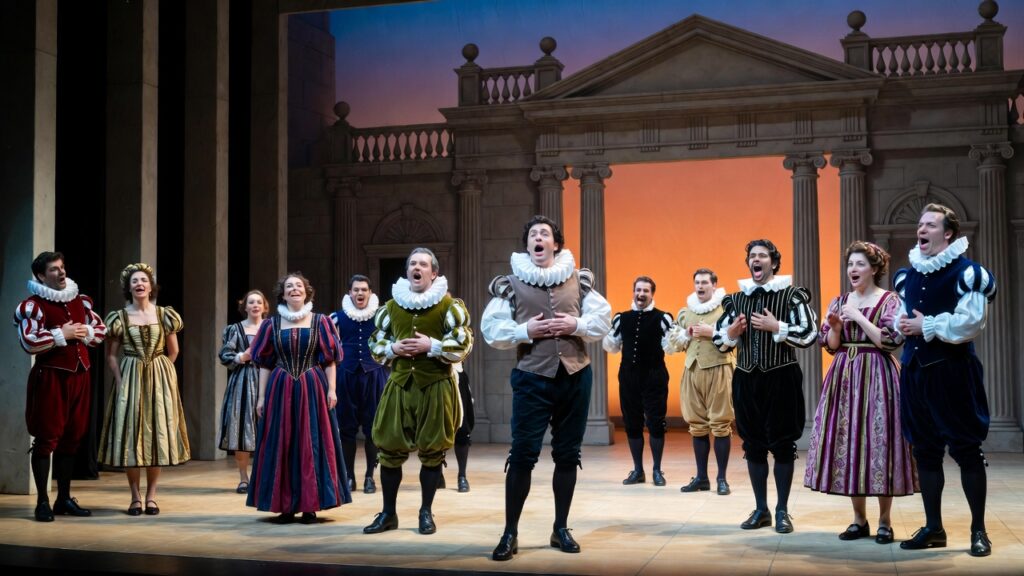
Imagine the final scene of Macbeth: the stage littered with bodies, ambition reduced to ashes, a noble figure undone by his own fatal flaw. The air is thick with despair, the audience left in stunned silence as the wheel of fortune turns inexorably downward. Now picture the closing moments of A Midsummer Night’s Dream: lovers reunited, fairies blessing the unions, laughter echoing through the theater as harmony triumphs over chaos. These contrasting endings capture the essence of two dramatic worlds that William Shakespeare mastered like no other playwright.
If tragedy plunges characters—and audiences—into suffering, loss, and inevitable catastrophe, what lifts us back toward light, resolution, and joy? What are the true antonyms of tragedy? In everyday language, dictionaries and thesauri offer words like blessing, fortune, success, prosperity, joy, and triumph as opposites of tragedy (as seen in sources like Merriam-Webster and Thesaurus.com). These capture the reversal of misfortune in real life. Yet in the realm of literature and drama—particularly Shakespeare’s unparalleled canon—comedy stands as the supreme, structural, and thematic antonym. It transforms sorrow into celebration, disorder into order, and death into renewal.
This exploration delves into why comedy reigns supreme as tragedy’s opposite in Shakespeare’s world. Drawing on classical theory, Shakespeare’s own Folio classifications, and close readings of his plays, we’ll uncover the profound contrasts that make understanding these genres essential for appreciating the Bard’s genius. Whether you’re a literature student analyzing dramatic structure, a theater enthusiast seeking deeper insight, or simply curious about literary opposites, this guide provides comprehensive clarity on the antonyms of tragedy—with Shakespeare at the center.
Understanding Tragedy: The Foundation of Its Antonyms
To grasp why comedy serves as tragedy’s primary opposite, we must first define tragedy itself. The term originates from the Greek tragōidia (“goat song”), linked to ancient rituals and formalized by Aristotle in his Poetics (c. 335 BCE). Aristotle described tragedy as an imitation of an action that is serious, complete, and of a certain magnitude, evoking pity and fear to achieve catharsis—the purging of these emotions.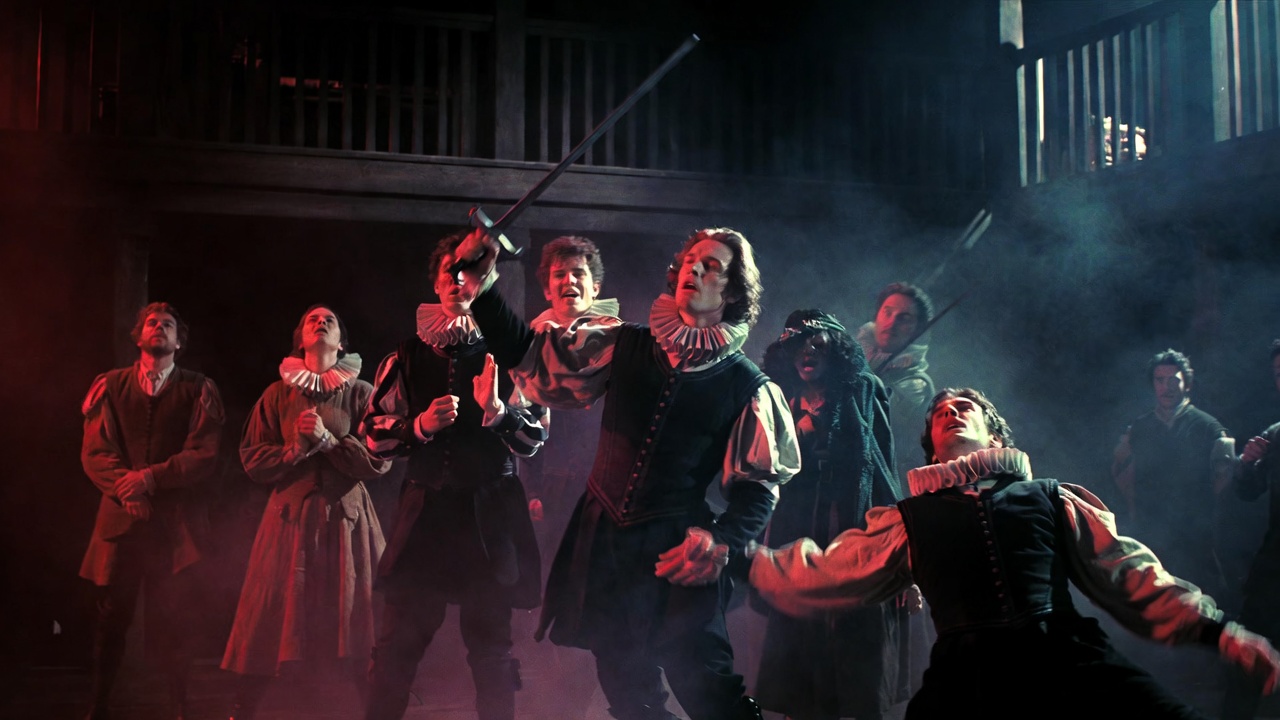
Shakespearean tragedy builds on this foundation but adapts it to Elizabethan-Jacobean sensibilities. Key characteristics include:
- A noble protagonist with a hamartia (tragic flaw or error in judgment)—ambition in Macbeth, jealousy in Othello, indecision in Hamlet.
- Peripeteia (reversal of fortune) and anagnorisis (moment of recognition), leading to catastrophic downfall.
- Multiple deaths, often including the hero, emphasizing human frailty, fate, and moral consequences.
- Somber tone laced with irony, soliloquies revealing inner turmoil, and a sense of inevitability.
Consider Hamlet: The prince’s quest for revenge spirals into widespread destruction, ending with a poisoned cup, a poisoned blade, and a stage full of corpses. Or King Lear: Pride and poor judgment fracture a kingdom, culminating in heartbreak and death. These plays evoke profound sorrow and reflection on the human condition—precisely what makes their opposites so restorative.
Tragedy forces us to confront mortality, hubris, and the limits of human agency. Its emotional payoff is cathartic release through pity and fear. Understanding this depth reveals why a mere “happy event” doesn’t suffice as an antonym in dramatic terms; we need a form that structurally and thematically inverts the tragic arc.
The Primary Antonym – Comedy as Tragedy’s Mirror Opposite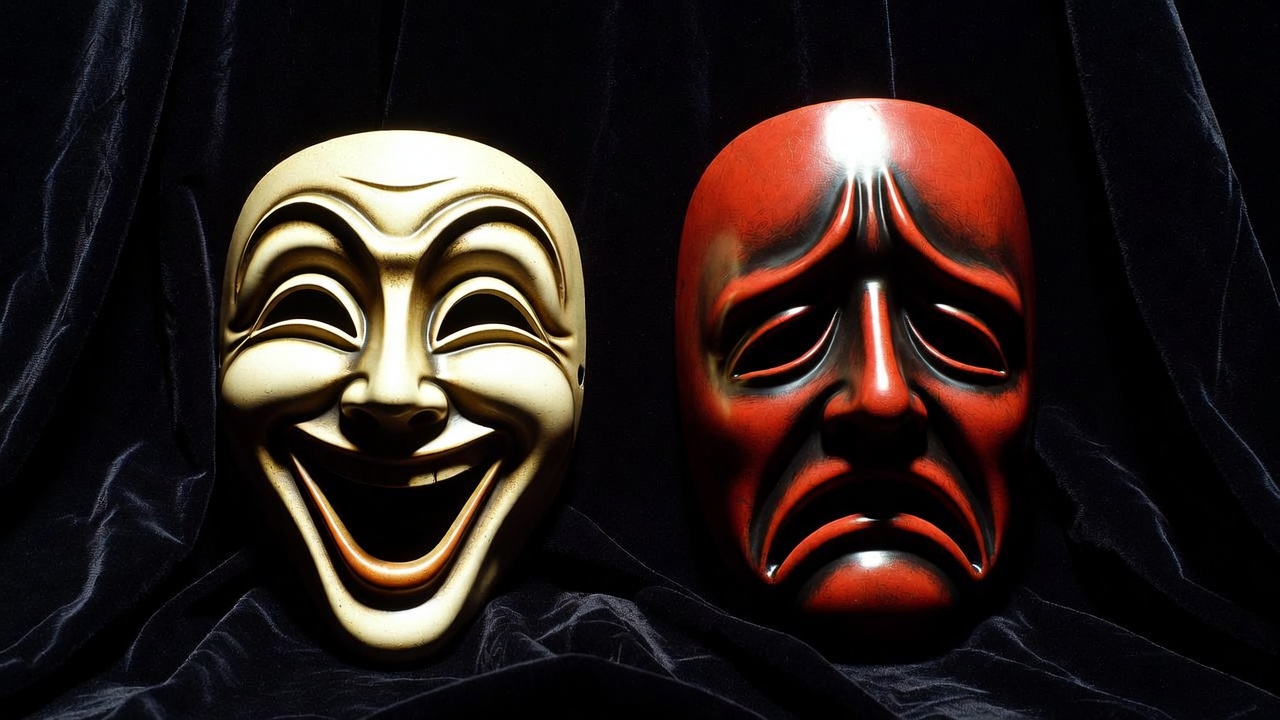
In literary theory and Shakespeare’s practice, comedy is not just an alternative—it’s the deliberate counterpoint to tragedy. Aristotle hinted at the contrast (though his full treatment of comedy is lost), and Renaissance dramatists codified the division. The 1623 First Folio organized Shakespeare’s plays into Comedies, Histories, and Tragedies—a classification that endures today.
Shakespearean comedy inverts tragic elements point by point:
- Happy resolutions vs. catastrophic endings: Comedies typically conclude with marriages, reunions, and social harmony.
- Mistaken identities, disguises, and witty banter replace fatal flaws and deadly deceptions.
- Playful irony and wordplay supplant tragic irony and fatal misjudgments.
- Celebration of life, love, and community counters tragedy’s focus on isolation, death, and despair.
Northrop Frye, in his influential Anatomy of Criticism (1957), described comedy’s movement toward a “green world”—a space of renewal (often a forest or festive setting)—where conflicts resolve in integration and fertility. Tragedy, by contrast, isolates the hero and ends in expulsion or annihilation.
Even within Shakespeare’s oeuvre, the genres bleed into each other for dramatic effect: the Porter’s comic interlude in Macbeth provides momentary relief amid horror, while “problem comedies” like Measure for Measure carry darker undertones. Yet the core opposition remains: comedy affirms life’s resilience where tragedy exposes its fragility.
Key Structural and Thematic Differences Between Tragedy and Comedy
To visualize the inversion, consider this comparison:
| Aspect | Tragedy | Comedy |
|---|---|---|
| Ending | Death, downfall, chaos | Marriage, reunion, harmony |
| Protagonist | Noble figure with fatal flaw | Often ordinary or romantic figures |
| Tone | Somber, ironic, reflective | Playful, witty, celebratory |
| Resolution | Catastrophic, irreversible | Restorative, reconciliatory |
| Purpose | Catharsis via pity and fear | Catharsis via laughter and joy |
| View of Humanity | Frail, doomed by fate/hubris | Resilient, capable of renewal |
| Key Device | Soliloquy revealing inner torment | Disguise, mistaken identity, banter |
These contrasts highlight comedy’s role as tragedy’s true dramatic antonym—offering not just a different mood, but a complete structural mirror.
Shakespeare’s Comedies – Living Proof of Tragedy’s Antonym in Action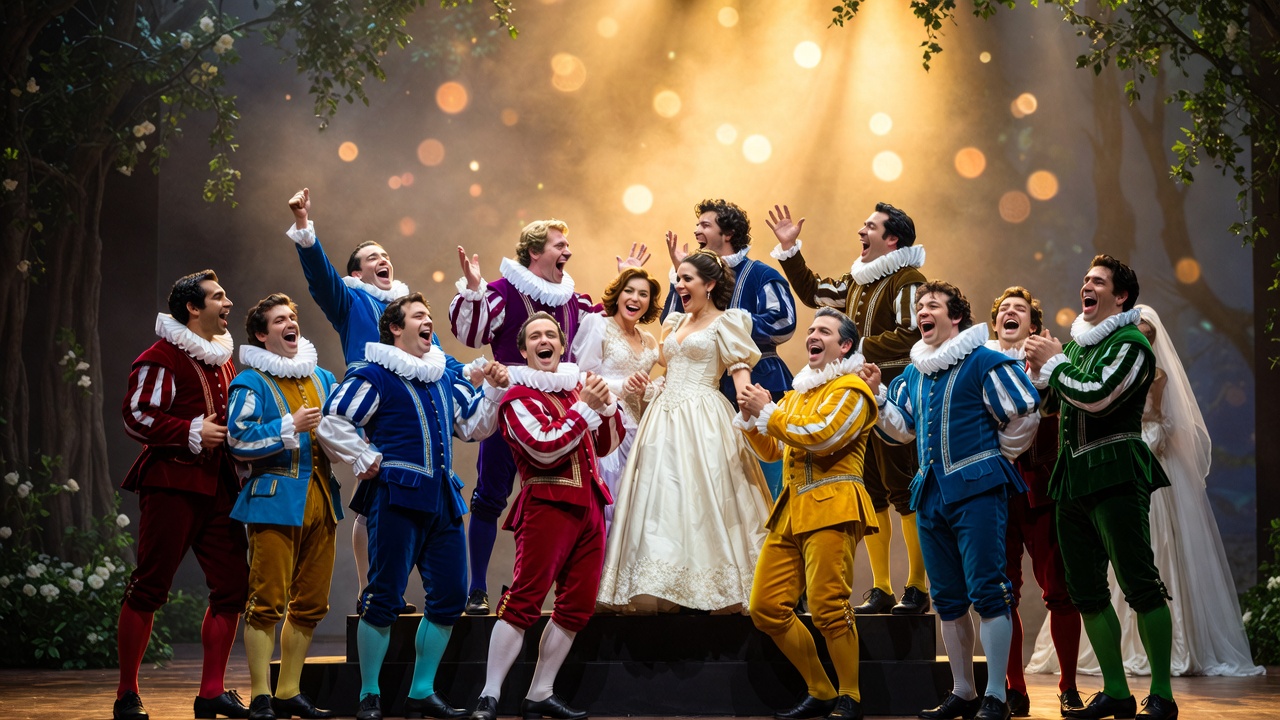
Shakespeare’s comedies provide the most vivid, practical demonstration of why comedy functions as tragedy’s true opposite. While his tragedies expose the destructive power of human flaws and fate, his comedies showcase the redemptive force of wit, love, forgiveness, and social reintegration. Let’s examine several key examples to see this inversion at work.
A Midsummer Night’s Dream (c. 1595–1596) This quintessential comedy begins in near-tragic territory: forbidden love, patriarchal oppression, and the threat of death (Theseus warns Hermia she must obey her father or face execution or a nunnery). Yet the play swiftly pivots into the magical “green world” of the Athenian forest, where fairy mischief, mistaken identities, and love potions create delightful chaos. By the final act, all confusions are resolved, four weddings take place, and even the rude mechanicals’ play-within-a-play ends in communal laughter rather than bloodshed.
Contrast this with Romeo and Juliet (often classified as tragedy despite its early comic elements): young lovers are destroyed by feuding families, miscommunication, and fate, ending in double suicide. Midsummer takes similar romantic obstacles and transforms them into joyful affirmation—proving comedy’s capacity to heal what tragedy shatters.
Twelfth Night (c. 1601–1602) Here, disguise and mistaken identity drive the plot. Viola, shipwrecked and believing her twin brother dead, adopts male attire and enters the service of Duke Orsino. Romantic triangles, cross-dressing, and sharp verbal sparring ensue. The play culminates in joyful reunions (Viola and Sebastian embrace), multiple marriages, and the exposure of Malvolio’s petty cruelty—yet even he is invited back into the festive circle (albeit grudgingly).
Compare this to Othello (1603–1604), where Iago’s deception and manipulation also revolve around mistaken perceptions—but lead to murder, suicide, and irreparable loss. In Twelfth Night, deception becomes a tool for romantic fulfillment rather than destruction.
As You Like It (c. 1599) Exile to the Forest of Arden mirrors the storm-tossed heath of King Lear, but the outcome could not be more different. In tragedy, Lear’s exposure to the elements reveals his isolation and madness. In comedy, the forest becomes a liberating space where Rosalind (disguised as Ganymede) orchestrates love matches, Jaques philosophizes comically, and the usurping Duke Frederick undergoes a sudden conversion. The play closes with four weddings and a restored social order.
The Merchant of Venice (c. 1596–1597) – A “Problem Comedy” This darker comedy tests the boundary between genres. Shylock’s demand for a pound of flesh echoes tragic cruelty, and his forced conversion carries real pain. Yet the resolution—Portia’s courtroom ingenuity, mercy triumphing over strict justice, and three marriages—ultimately aligns with comic restoration rather than tragic ruin.
These plays illustrate comedy’s core promise: no matter how tangled the knots of human folly, love, ingenuity, and community can untie them. Shakespeare’s genius lies in showing both extremes of experience—tragedy’s abyss and comedy’s ascent—often within the same theatrical universe.
Beyond Comedy – Other Antonyms of Tragedy in Broader Contexts
While comedy reigns as the dramatic and literary antonym, everyday usage and other fields offer additional opposites worth noting:
- Blessing – The direct reversal of tragic misfortune (e.g., “What a blessing” vs. “What a tragedy”).
- Fortune or Good fortune – Emphasizing luck or favorable outcome.
- Success, Triumph, Victory – Focusing on positive achievement.
- Joy, Happiness, Prosperity – Capturing emotional uplift.
- Eucatastrophe – J.R.R. Tolkien’s coined term (in “On Fairy-Stories,” 1947) for the sudden joyous turn that rescues a story from disaster—the “sudden happy ending” that provides profound relief.
These terms suit non-dramatic contexts (news headlines, personal narratives, moral philosophy), but they lack the structural depth of comedy as a genre. A “blessing” or “triumph” describes an event; comedy enacts a complete narrative arc that systematically counters tragedy’s.
In modern storytelling—Hollywood rom-coms, sitcoms, feel-good films—the comedy-as-antonym pattern persists. Romantic comedies invert dramatic tension with laughter and happy endings, much as Shakespeare did four centuries ago.
Why This Matters – Deepening Your Appreciation of Shakespeare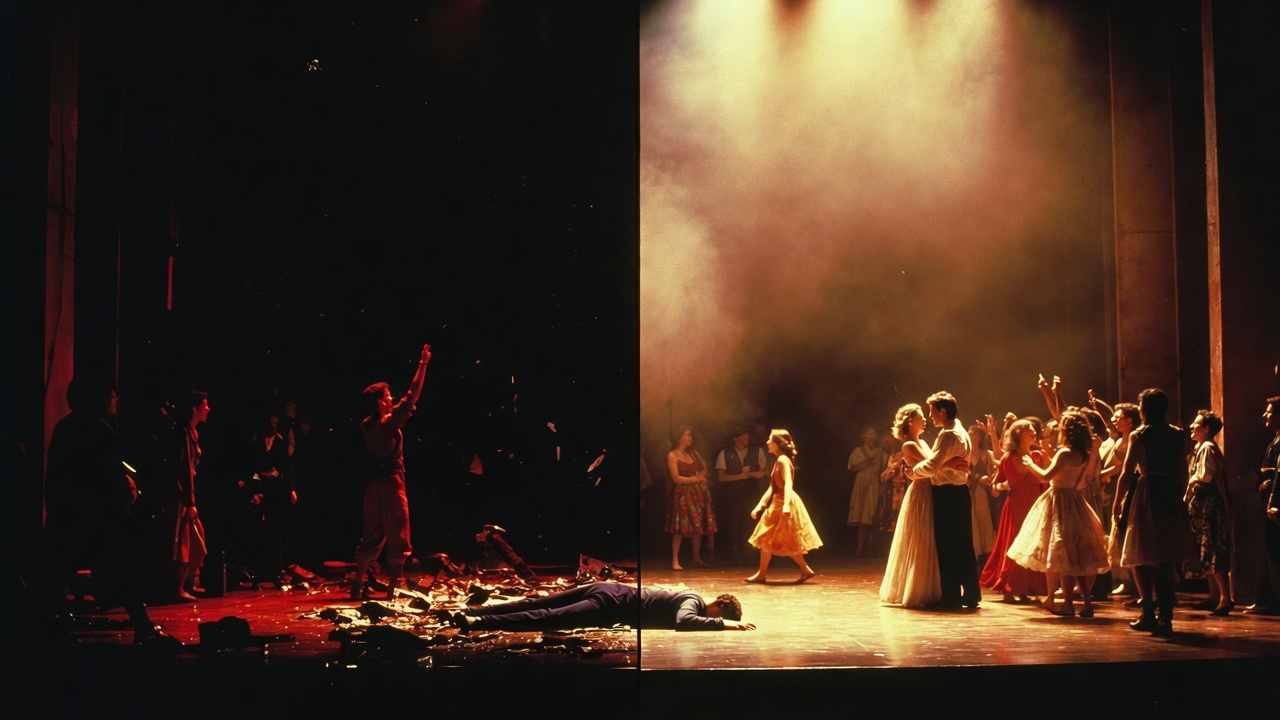
Understanding comedy as tragedy’s antonym enriches every encounter with Shakespeare:
- For students and readers — Pairing plays reveals the playwright’s full range. Read Romeo and Juliet alongside A Midsummer Night’s Dream to see how similar ingredients (young love, parental opposition) yield opposite outcomes.
- For actors and directors — Mastering comic timing and tragic gravity requires recognizing how each genre uses language, pace, and physicality differently. The Porter scene in Macbeth isn’t mere relief—it highlights the abyss by briefly stepping outside it.
- For life — Shakespeare shows humanity capable of both ruin and redemption. Tragedy reminds us of vulnerability; comedy affirms resilience, forgiveness, and the possibility of renewal.
In an era of polarized discourse and heavy news cycles, returning to Shakespeare’s comedies offers a powerful antidote—not escapism, but a reminder that joy, harmony, and laughter can ultimately prevail.
The antonyms of tragedy extend beyond single words. In daily speech, blessing, fortune, and joy serve well. But in the realm of dramatic literature—and especially in William Shakespeare’s extraordinary body of work—comedy stands unrivaled as the true opposite. Where tragedy exposes the fragility of human ambition and the inevitability of loss, comedy celebrates the power of love, wit, and community to mend what is broken.
Shakespeare’s First Folio division into Comedies and Tragedies was no arbitrary grouping; it reflected a profound understanding of human experience as dual-natured. To fully appreciate his genius, one must embrace both sides: weep with Hamlet, laugh with Rosalind, and recognize that the same creative mind gave us both the darkest nights and the brightest dawns.
Next time you finish a Shakespeare tragedy, consider picking up one of his comedies. The contrast will not only clarify the antonyms of tragedy—it will deepen your wonder at the playwright who captured the full spectrum of what it means to be human.
FAQs
What is the antonym of tragedy? In literature and drama, especially Shakespeare’s plays, the primary antonym is comedy. In general usage, common antonyms include blessing, fortune, success, joy, and prosperity.
Is comedy always the opposite of tragedy in literature? Not invariably—some works blend elements (tragicomedies, problem plays)—but in classical and Shakespearean tradition, comedy serves as the clearest structural and thematic opposite.
What are some antonyms of tragedy besides comedy? Blessing, good fortune, triumph, success, happiness, prosperity, and (in Tolkien’s terms) eucatastrophe.
How do Shakespeare’s tragedies and comedies differ? Tragedies end in death and downfall, driven by fatal flaws; comedies resolve in marriage and harmony, propelled by wit and disguise. See the comparison table above for details.
Can a play be both tragic and comic? Yes—Shakespeare frequently blended tones. The Porter scene in Macbeth provides comic relief, while The Merchant of Venice and Measure for Measure mix dark themes with comic structure.