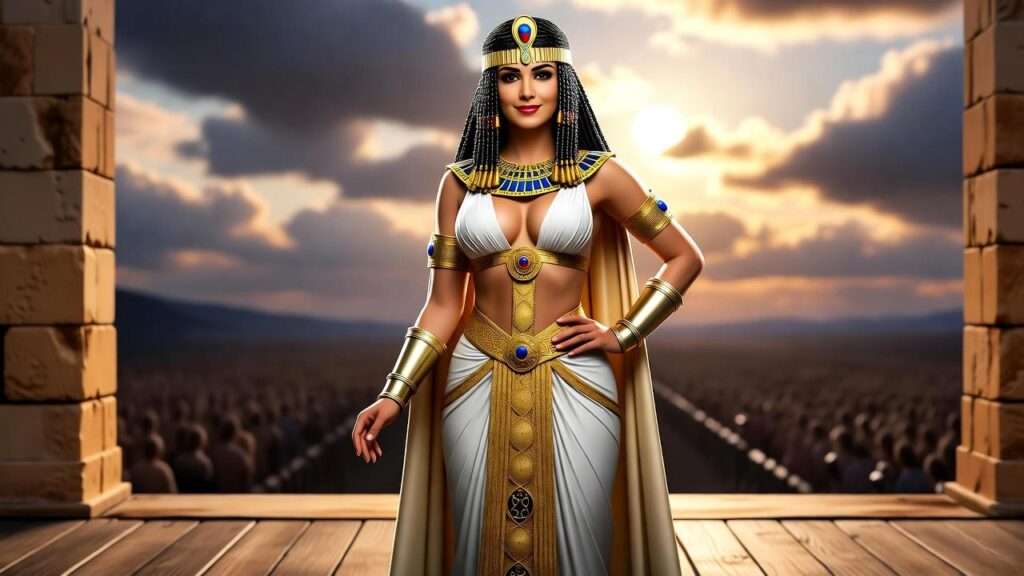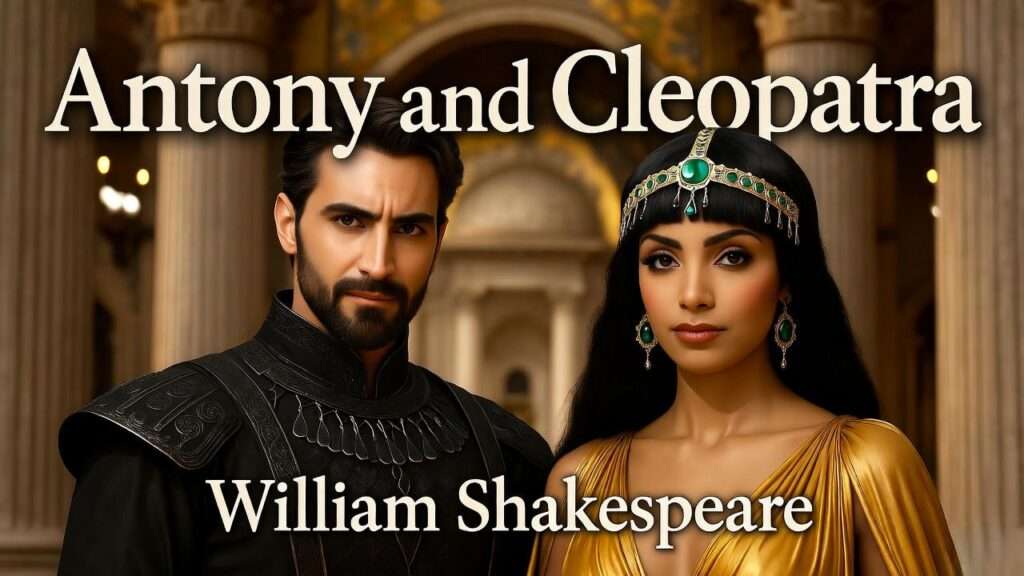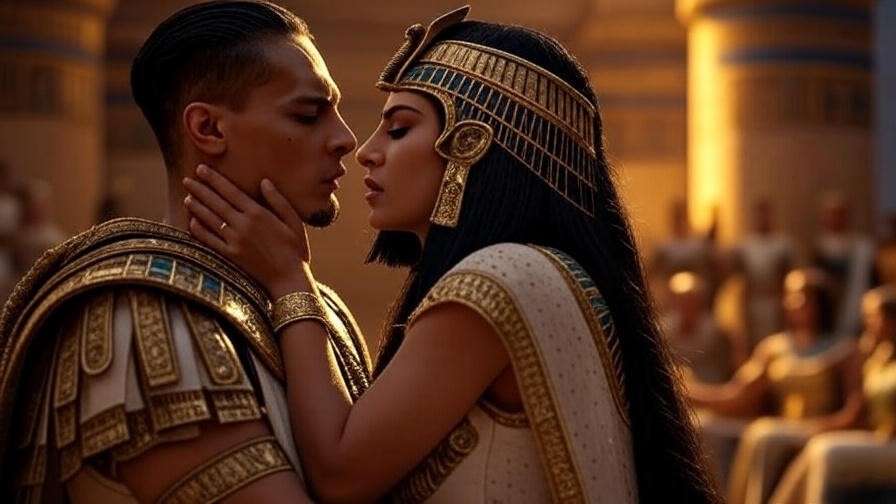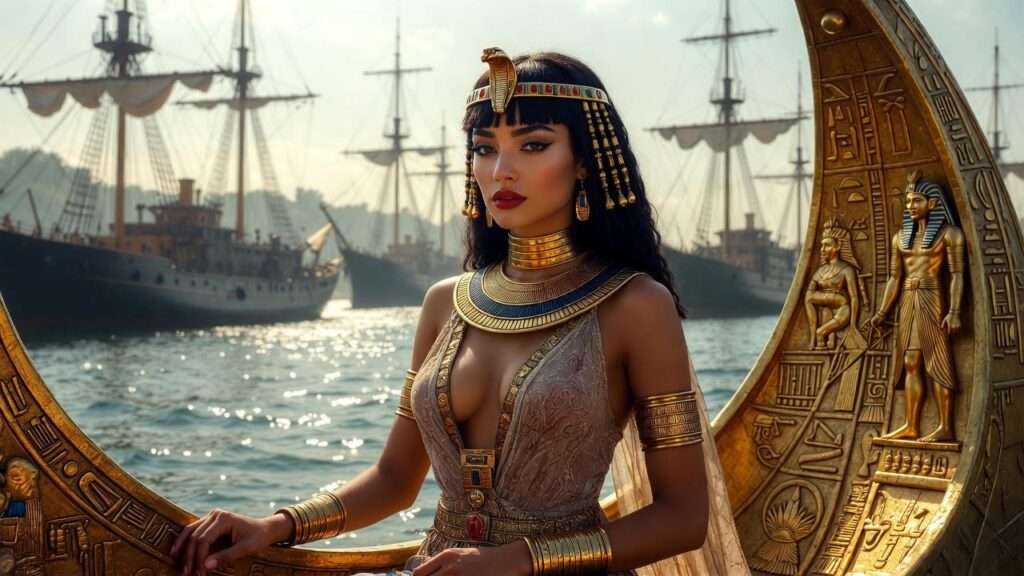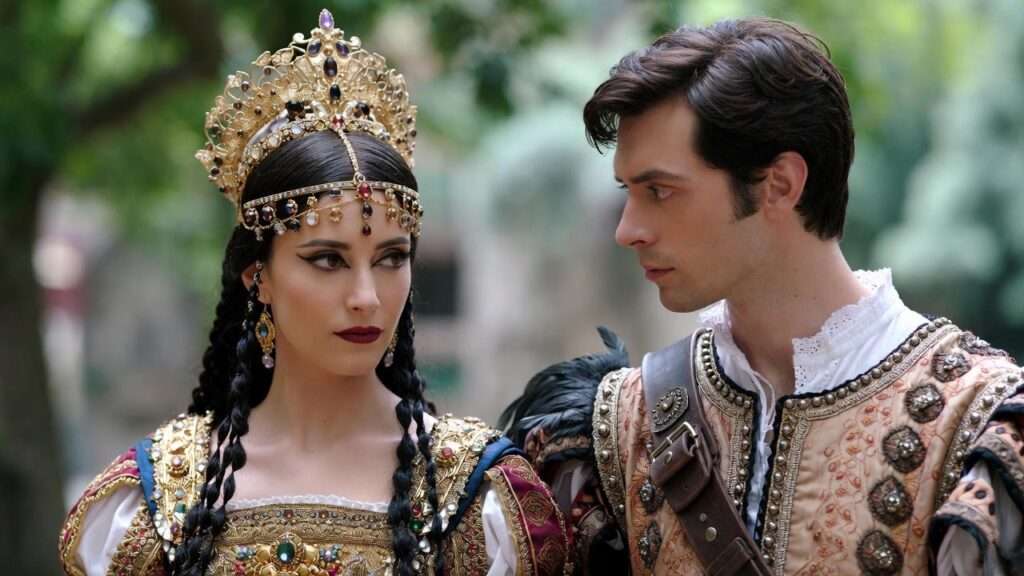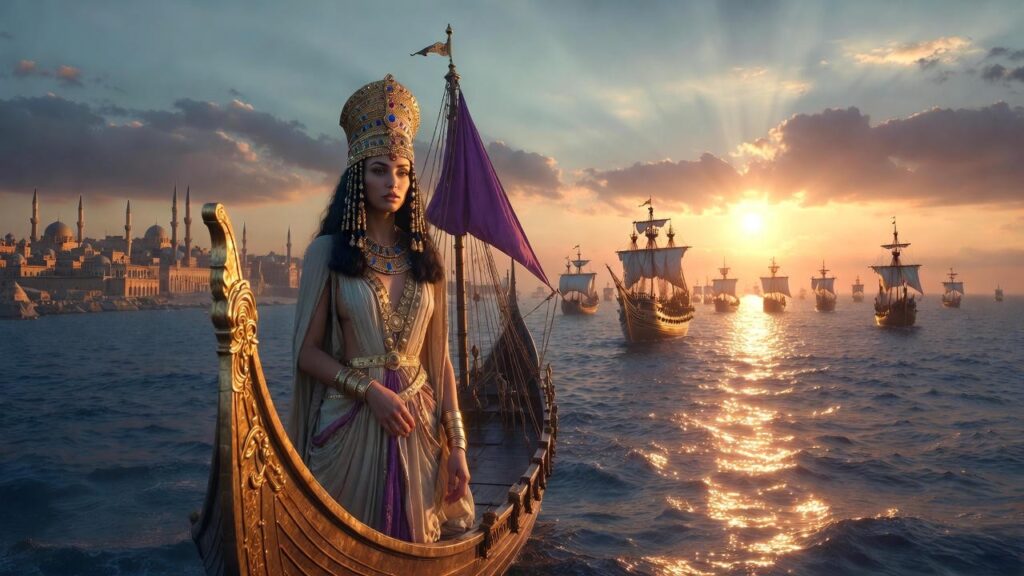
In the opening lines of William Shakespeare’s Antony and Cleopatra, a Roman soldier named Philo laments the fall of a great man: the “triple pillar of the world” has been transformed “into a strumpet’s fool.” Yet, when Mark Antony himself speaks, his words burn with unapologetic intensity. “Let Rome in Tiber melt, and the wide arch / Of the ranged empire fall,” he declares to Cleopatra. “Here is my space.” Antony’s love for Cleopatra is no mere dalliance—it is a force that defies empires, reshapes identities, and ultimately consumes everything in its path. This boundless passion, often described as infinite devotion, stands at the heart of one of Shakespeare’s most complex tragedies.
For readers, students, and lovers of Shakespeare, understanding Antony’s love means grappling with a timeless question: Can love truly transcend duty, honor, and the demands of power? Or does such devotion inevitably lead to ruin? In Antony and Cleopatra (c. 1606–1607), Shakespeare explores this through Antony’s all-consuming romance with the Egyptian queen, blending historical fact with poetic invention to create a portrait of passion that is both magnificent and destructive. This article delves deeply into the nature of Antony’s love, its conflicts with Roman duty, key moments of devotion and betrayal, iconic quotes, historical contrasts, thematic layers, and enduring relevance—offering a comprehensive analysis that goes beyond surface summaries to provide genuine insight into one of literature’s most iconic relationships.
The Nature of Antony’s Love: Passion Beyond Measure
Shakespeare portrays Antony’s love as something immeasurable and transcendent, defying the rational boundaries that define Roman identity. From the play’s earliest scenes, Antony rejects quantification in matters of the heart.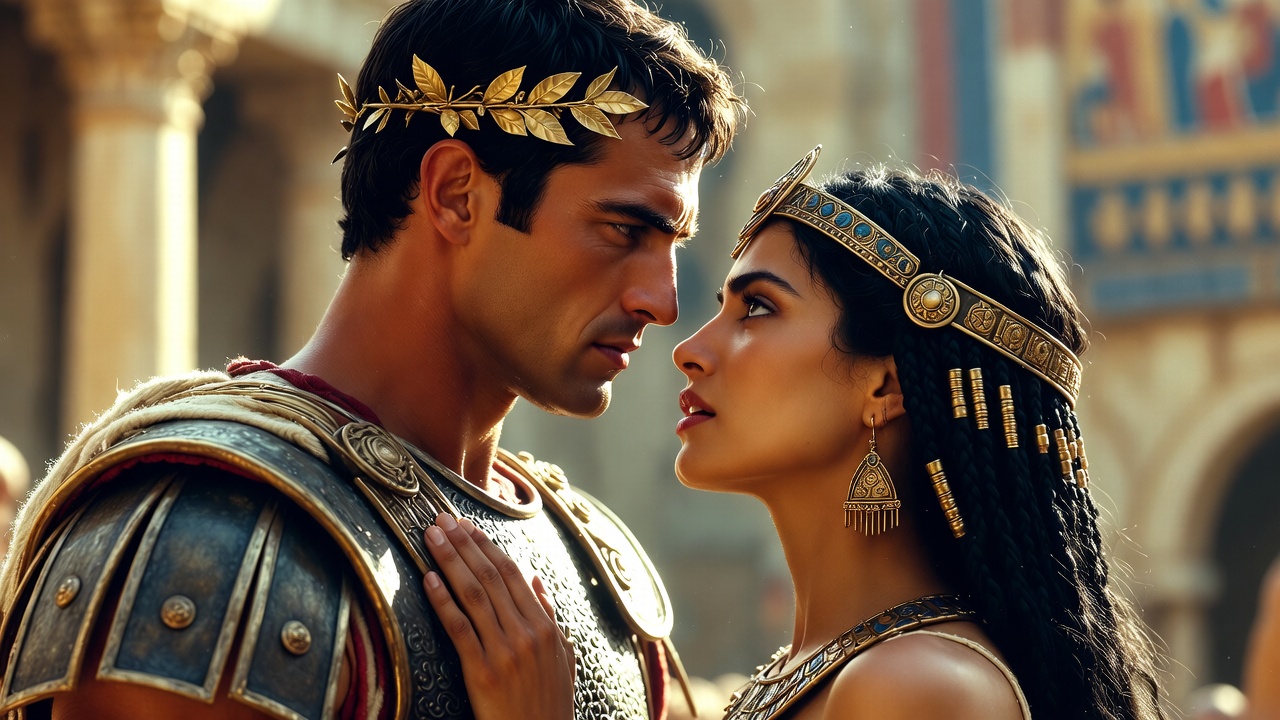
From Roman Hero to Egyptian Devotee
Antony begins as one of Rome’s mightiest figures—a triumvir sharing power with Octavius Caesar and Lepidus, a warrior whose victories echo the glory of Philippi. Yet Cleopatra’s presence quickly erodes this stoic facade. In Act 1, Scene 1, Philo and Demetrius decry Antony’s “dotage,” his foolish infatuation that makes him neglect empire for pleasure. Antony, however, embraces the shift: his “space” is no longer the battlefield or Senate, but Cleopatra’s arms. This transformation highlights a core tension—love as liberation from rigid Roman masculinity, yet also as a surrender that Romans view as emasculation.
The Language of Boundless Love
Antony’s declarations emphasize infinity. When Cleopatra playfully demands, “If it be love indeed, tell me how much,” Antony replies: “There’s beggary in the love that can be reckoned.” He insists true love cannot be measured; it requires “new heaven, new earth.” This language elevates their bond to cosmic proportions, echoing Renaissance ideas of Platonic eros while subverting Roman pragmatism. Love here is not contractual or dutiful—it is ecstatic, overflowing, and dangerously absolute.
Cleopatra’s Infinite Variety and Its Hold on Antony
Enobarbus’s famous speech in Act 2, Scene 2 immortalizes Cleopatra: “Age cannot wither her, nor custom stale / Her infinite variety. Other women cloy / The appetites they feed, but she makes hungry / Where most she satisfies.” This paradox captures why Antony remains enthralled—Cleopatra’s unpredictability fuels endless desire. She is not merely beautiful; she is performative, mercurial, and endlessly renewing. For Antony, this variety transforms love into addiction, where satisfaction only heightens hunger. Scholars note this as Shakespeare’s genius: Cleopatra embodies Egypt’s sensuality, pulling Antony into a world where passion overrides reason.
The Conflict Between Love and Duty: Rome vs. Egypt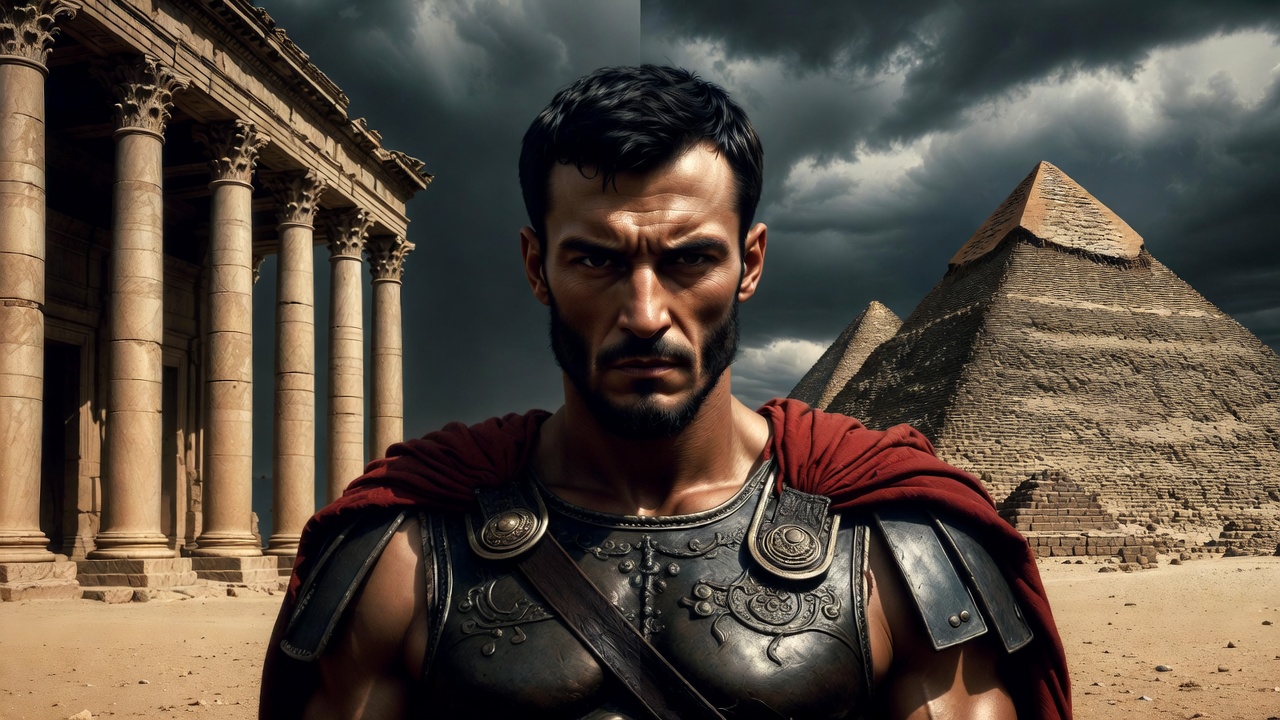
The play’s central tragedy arises from Antony’s impossible position between two irreconcilable worlds.
Roman Honor and Masculinity
Rome represents order, duty, military prowess, and stoic self-control. Octavius Caesar embodies these virtues—cold, calculating, and empire-focused. He criticizes Antony’s “voluptuousness” as a betrayal of honor. Antony himself feels this pull: “If I lose mine honour, / I lose myself,” he tells Octavia. Roman masculinity equates honor with discipline; passion for Cleopatra feminizes Antony in their eyes, reducing him to a “strumpet’s fool.”
Egyptian Sensuality and Freedom
Egypt, by contrast, symbolizes pleasure, emotional authenticity, and flux—like the Nile’s floods. Here, love flourishes without Roman restraint. Antony oscillates: he marries Octavia for political alliance but returns to Cleopatra, declaring “i’ th’ east my pleasure lies.” Egypt offers freedom from duty, but at the cost of power and reputation.
How Love Undermines Political Power
Antony’s devotion directly sabotages his ambitions. At Actium, he follows Cleopatra’s fleeing ships, dooming his fleet. Enobarbus deserts him, lamenting the loss of Roman honor. Love becomes destructive—Antony’s passion clouds judgment, alienates allies, and accelerates his downfall.
Key Moments of Devotion and Betrayal in Their Relationship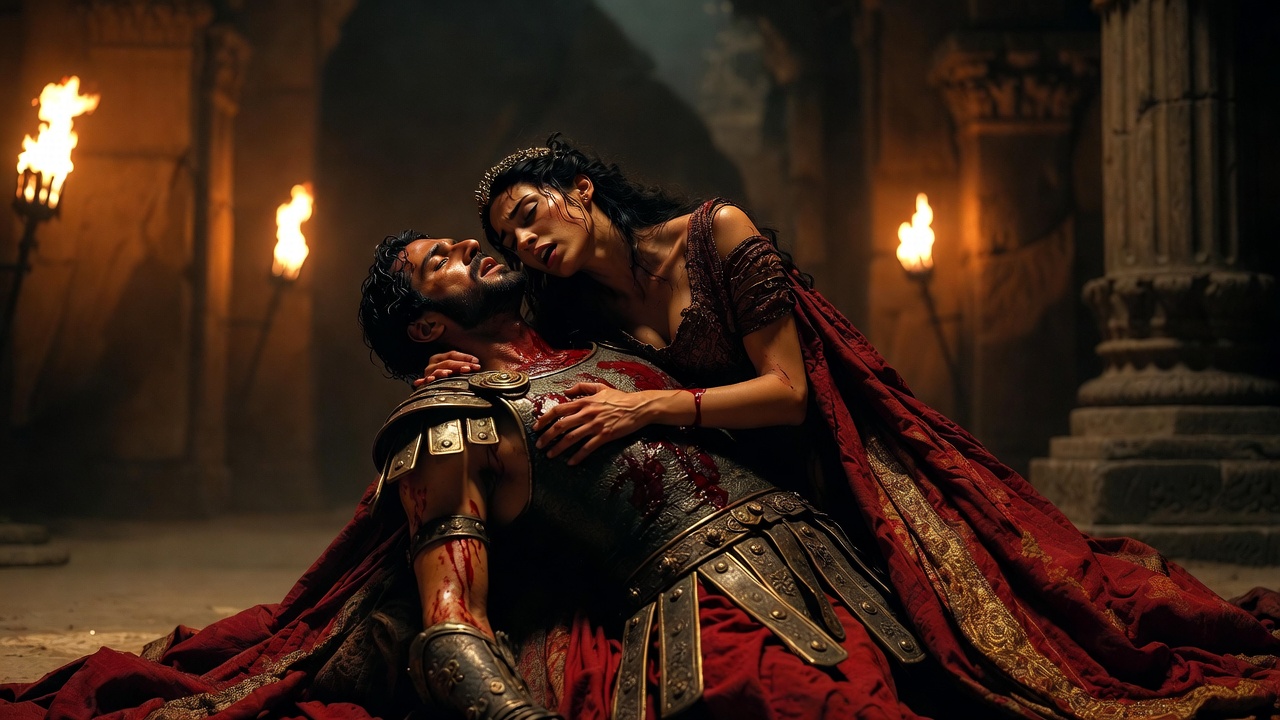
Shakespeare traces their bond chronologically, revealing its volatility.
Early Ecstasy and Playful Banter (Acts 1–2)
Their early interactions mix jealousy, teasing, and mutual fascination. Cleopatra feigns illness to test Antony’s devotion; he indulges her whims. This phase shows love as joyful excess, with banter masking deeper attachment.
Separation, Jealousy, and Reconciliation (Acts 3–4)
Political pressures force separation. Antony’s rage erupts when Cleopatra appears to betray him (e.g., flirting with Thidias). False news of her death prompts his botched suicide. Reconciliation scenes highlight forgiveness amid chaos—love endures betrayal.
The Tragic Climax: Mutual Sacrifice (Act 5)
Antony dies believing Cleopatra dead, inspired by devotion. Cleopatra, in turn, stages her death as regal spectacle: “Give me my robe, put on my crown. I have / Immortal longings in me.” Their suicides affirm love’s triumph over defeat—eternal union in death.
Iconic Quotes That Capture Antony’s Infinite Devotion
Shakespeare’s poetry elevates their love to legend. Here are key examples with analysis:
- “Let Rome in Tiber melt…” (1.1): Passion over empire.
- “There’s beggary in the love that can be reckoned” (1.1): Love defies measurement.
- “New heaven, new earth” (1.1): Transcendent vision.
- Enobarbus on Cleopatra: “Her infinite variety…” (2.2): Endless allure.
- “My heart was to thy rudder tied by th’ strings” (3.11): Total surrender.
- Cleopatra’s dream: “His legs bestrid the ocean…” (5.2): Mythic elevation.
- Antony’s dying words: “I am dying, Egypt, dying” (4.15): Final devotion.
- Cleopatra’s eulogy: “The crown o’ th’ earth doth melt” (4.15): World diminished without him.
These lines showcase Shakespeare’s mastery—love as cosmic, tragic, and immortal.
Historical vs. Shakespearean Antony: Real Love or Dramatic Invention?
Shakespeare drew from Plutarch’s Life of Antony (via North’s translation), but amplified the romance. Historically, Antony and Cleopatra’s alliance was political—strategic against Octavius—with children and years of marriage to Octavia. Plutarch portrays Cleopatra as calculating; Shakespeare heightens emotional depth, making love genuine and tragic. He compresses timelines, glosses over details, and invents poetic grandeur (e.g., barge scene inspired by Plutarch but dramatized). This elevates history to myth, focusing on passion’s redemptive and ruinous power.
Themes and Symbolism in Antony’s Love
Love as Transcendence vs. Destruction
Love redeems Antony from Roman rigidity, offering authenticity—but destroys empires and lives.
Gender, Power, and Performance
Cleopatra wields agency through performance; Antony’s “emasculation” critiques rigid masculinity.
The East-West Divide
Rome (West: reason, order) vs. Egypt (East: sensuality, chaos) reflects Orientalist stereotypes, yet Shakespeare sympathizes with the lovers.
Why Antony’s Love Still Resonates Today
In an era of work-life imbalance, Antony’s struggle mirrors modern conflicts between ambition and relationships. Their doomed passion echoes toxic dynamics or transcendent romance in films (Cleopatra 1963) and literature. Scholars praise Shakespeare’s sympathy—love subverts Roman victory, celebrating complexity over austerity.
Antony’s love for Cleopatra is tragic yet magnificent: a passion so infinite it defies empires, yet so consuming it leads to ruin. In Cleopatra’s final vision—”His face was as the heavens”—Antony achieves mythic immortality. Shakespeare celebrates love’s power to transcend death, even as it destroys. Revisit the play; reflect on where duty ends and devotion begins. What does infinite love mean in your world?
Key Takeaways
- Antony’s devotion is boundless, rejecting measurable love.
- Core conflict: passion (Egypt) vs. duty (Rome).
- Love elevates yet destroys—tragic grandeur.
- Quotes immortalize their bond.
- Shakespeare transforms history into timeless myth.
FAQs
What is the main conflict in Antony’s love for Cleopatra? The clash between personal passion and Roman political/military duty, embodied in Rome vs. Egypt.
Is Antony truly in love, or is it lust? Shakespeare presents genuine devotion—transcendent and mutual—beyond mere lust, though Romans see it as dotage.
How does Shakespeare’s portrayal differ from history? He amplifies emotional depth, shortens timelines, and focuses on romance over politics, drawing from Plutarch but inventing poetic intensity.
Best quotes about Antony’s devotion? “Let Rome in Tiber melt,” “There’s beggary in the love that can be reckoned,” and Cleopatra’s dream eulogy.