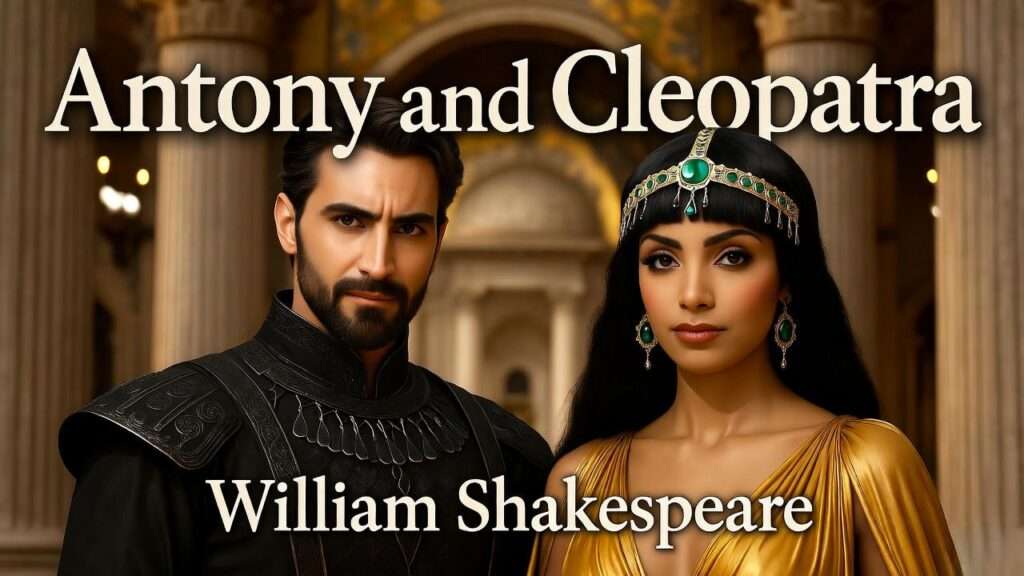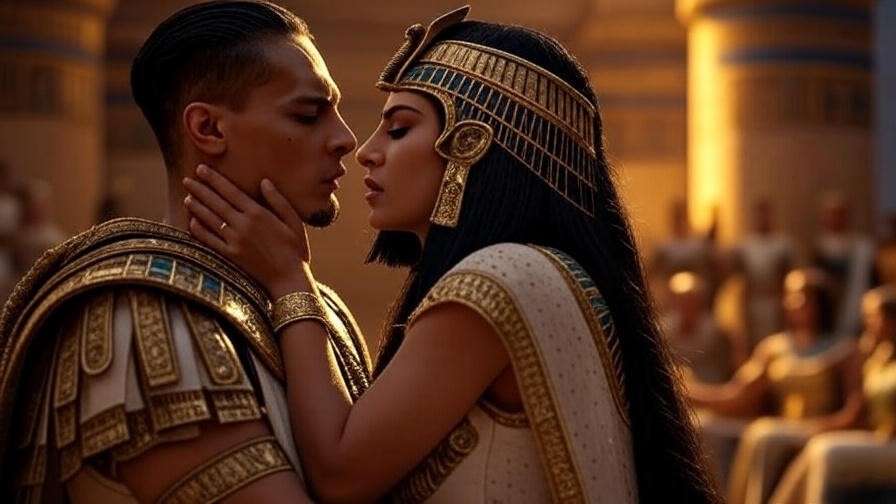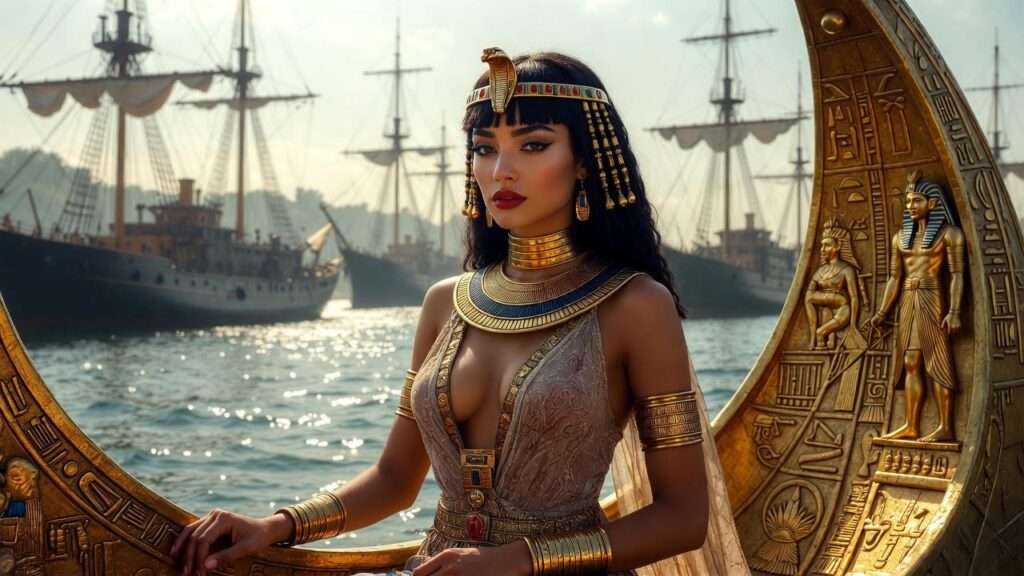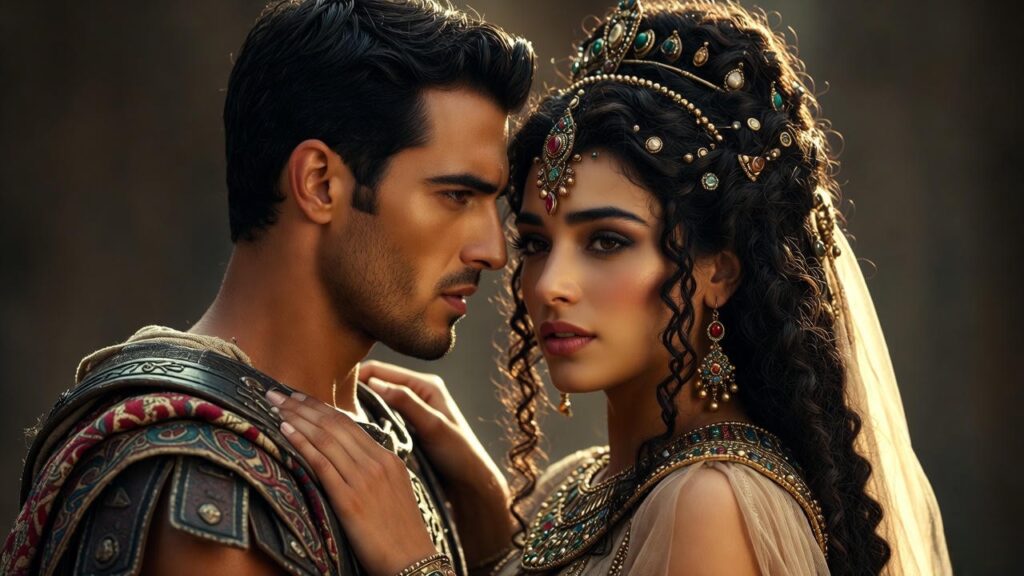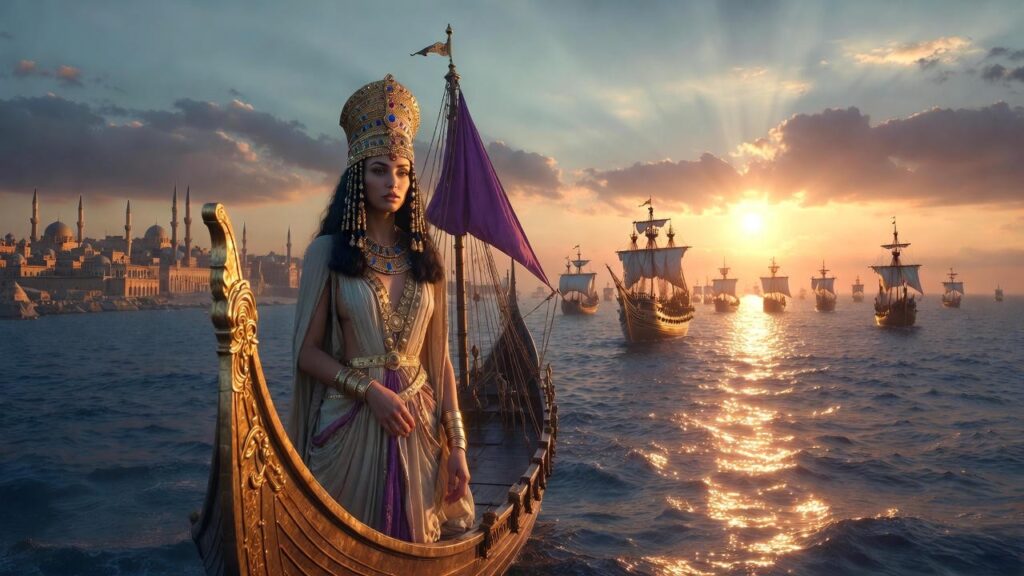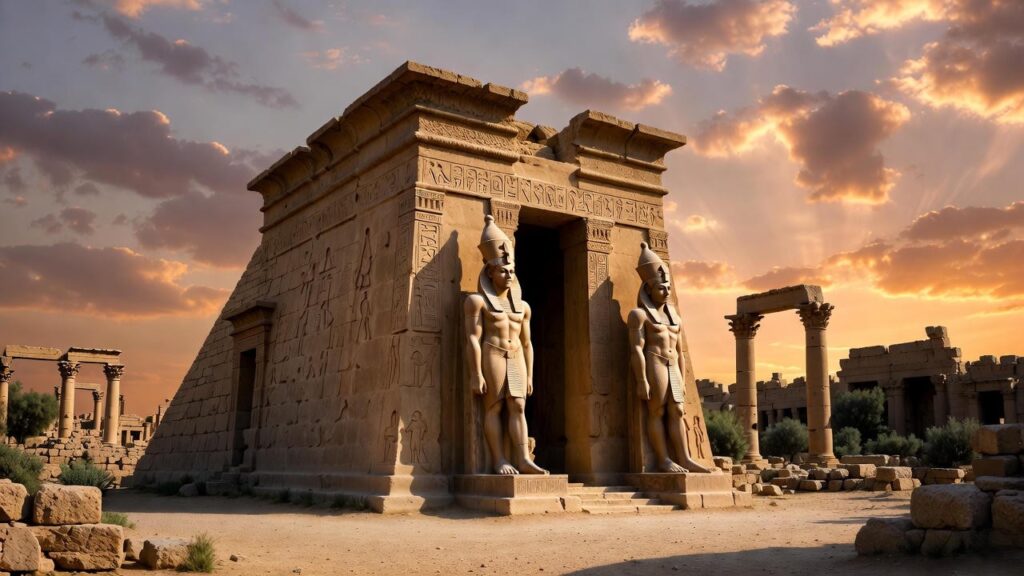
Imagine a hidden mausoleum where Cleopatra VII, Egypt’s enigmatic last pharaoh, and Mark Antony, the Roman triumvir whose passion reshaped empires, lie side by side in eternal union—a defiant testament to love conquering death and defeat. For over two millennia, the lost tomb of Cleopatra and Antony has eluded archaeologists, historians, and treasure hunters alike, becoming one of antiquity’s most tantalizing unsolved mysteries. Ancient chroniclers like Plutarch and Suetonius assure us they were buried together in splendid fashion, yet no trace has surfaced despite relentless searches. In William Shakespeare’s Antony and Cleopatra, this shared grave transforms into a soaring symbol of transcendent romance, where earthly tragedy yields to immortal fame. As of December 2025, ongoing excavations—particularly at Taposiris Magna—continue to fuel hope, blending historical fact with literary grandeur. This comprehensive exploration delves into the ancient accounts, modern archaeological quests, and Shakespeare’s masterful reinterpretation, offering fresh insights into why their burial endures as a beacon of passion and power.
Historical Accounts of Cleopatra and Antony’s Deaths and Burial
The dramatic finales of Cleopatra and Mark Antony in 30 BCE mark the end of the Ptolemaic Kingdom and the rise of Roman imperial dominance. Their story, rooted in the aftermath of the Battle of Actium (31 BCE), where Octavian (later Augustus) decisively crushed their forces, is preserved primarily through Roman historians writing under the shadow of Augustan propaganda. These sources—Plutarch, Suetonius, and Cassius Dio—provide the foundational evidence for their joint burial, though filtered through a victorious Roman lens that often portrayed the lovers as decadent and doomed.
The Tragic Suicides in 30 BCE
After Actium, Antony and Cleopatra retreated to Alexandria. Misinformed that Cleopatra had died, Antony fell on his sword. Dying, he was hoisted up to her in her unfinished mausoleum, where he expired in her arms—a scene Plutarch describes with poignant detail in his Life of Antony. Cleopatra, facing capture and a humiliating triumph in Rome, negotiated futilely with Octavian before taking her own life. Accounts vary: Plutarch suggests an asp bite concealed in a basket of figs, allowing a regal death; others propose poison. Modern scholars debate the method, but the intent is clear—Cleopatra chose agency over subjugation, embodying her self-fashioning as a divine ruler.
Ancient Sources on Their Joint Burial
Roman historians unanimously affirm a shared tomb:
- Plutarch (Life of Antony, c. 100 CE): Cleopatra begged Octavian to allow burial with Antony. He consented, and they were interred together in her mausoleum, embalmed “in the Egyptian manner.”
- Suetonius (Life of Augustus, c. 121 CE): Octavian permitted “both the honour of burial, and in the same tomb,” even completing the structure.
- Cassius Dio (Roman History, c. 230 CE): Both were mummified similarly and placed in the same splendid tomb.
These accounts highlight Octavian’s calculated magnanimity—honoring enemies to showcase Roman clemency while erasing their threat. LSI terms like “Ptolemaic mausoleum,” “Alexandria royal quarter,” and “joint entombment” underscore the burial’s political and cultural weight.
Symbolic Significance of a Shared Tomb
In Hellenistic and Egyptian traditions, joint burial evoked eternal companionship, aligning with Cleopatra’s portrayal of herself as Isis to Antony’s Osiris—the divine couple reborn in the afterlife. This defied Roman norms, where enemies were often denied honorable rites. Their union symbolized Egypt’s sensual allure versus Rome’s austere discipline, a theme Shakespeare would later amplify.
The Enduring Mystery: Where Is the Lost Tomb?
Despite detailed ancient descriptions, the tomb remains undiscovered as of December 2025. Natural disasters—earthquakes, tsunamis (notably in 365 CE), and coastal subsidence—have submerged much of ancient Alexandria, complicating searches.
Traditional Theories: Submerged in Alexandria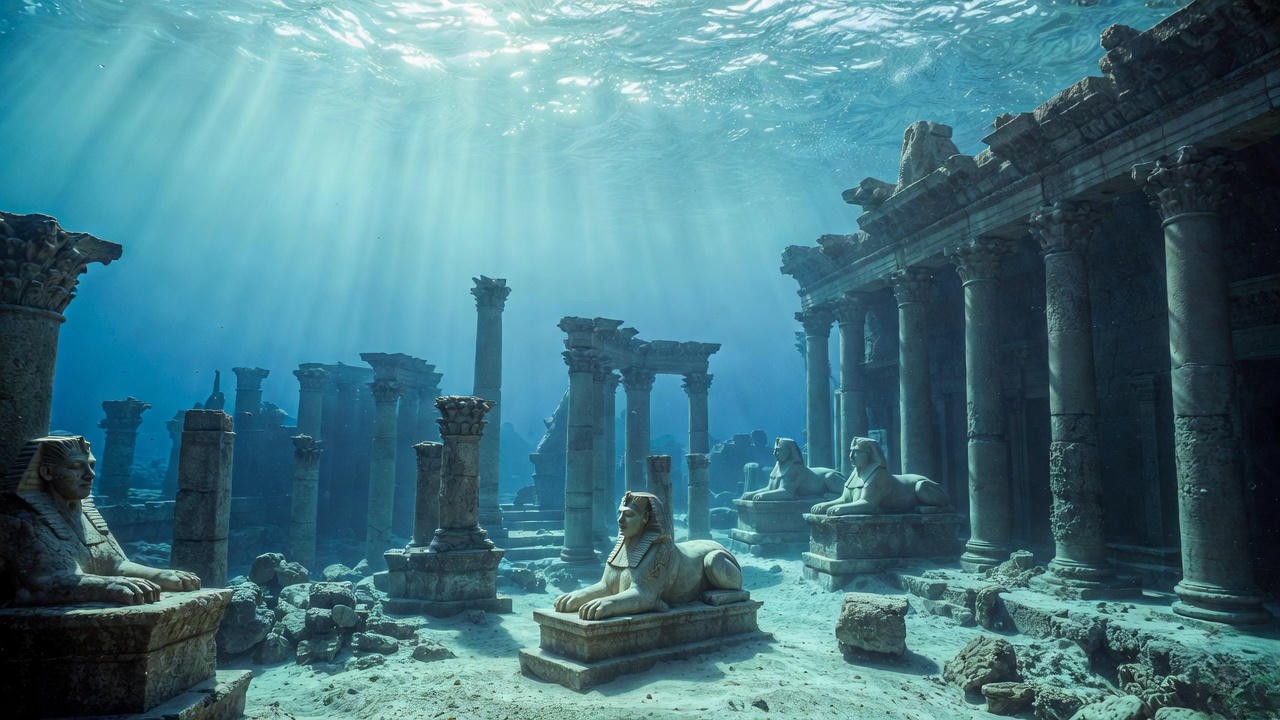
Most Egyptologists favor Alexandria’s royal palace district, near the Lochias promontory and Isis temple, as described by Strabo and Plutarch. Underwater explorations by Franck Goddio have revealed Ptolemaic structures in the harbor, including possible palace remnants on Antirhodos Island. Rising sea levels and seismic activity likely engulfed the mausoleum, preserving it beneath silt but rendering it inaccessible without advanced marine archaeology.
The Taposiris Magna Hypothesis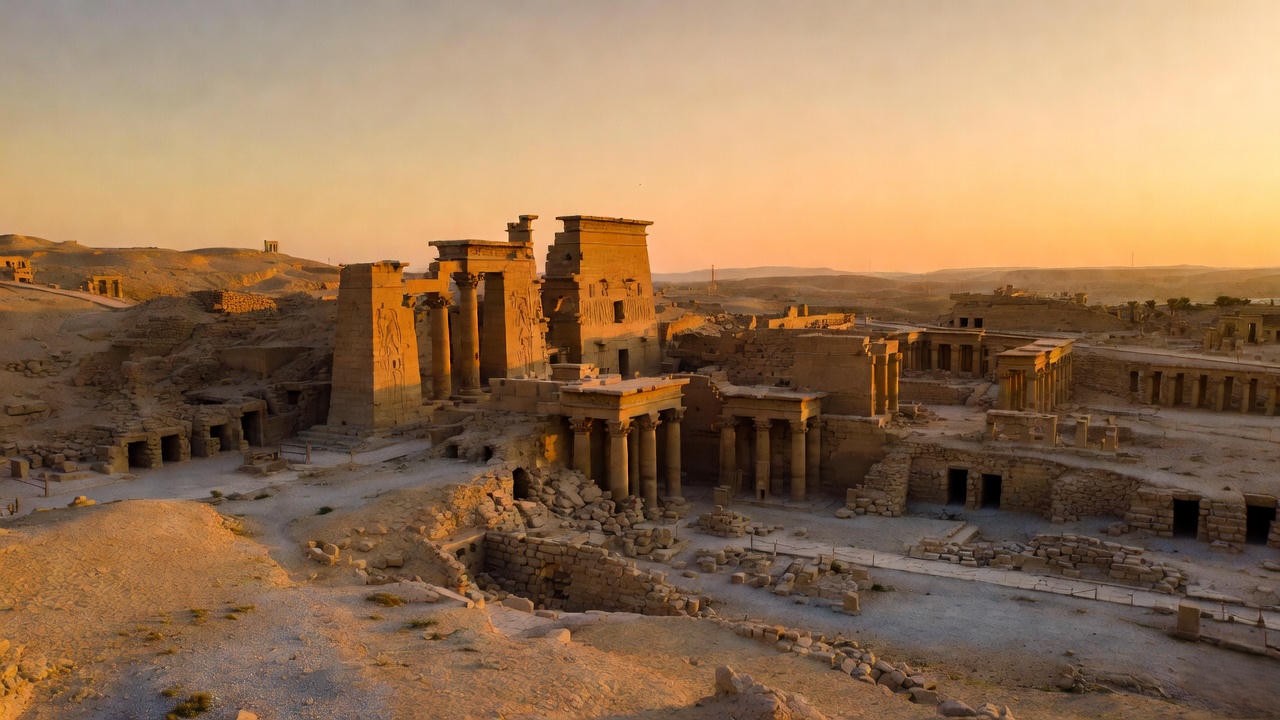
Since 2005, archaeologist Kathleen Martínez has championed Taposiris Magna, a temple complex 30-50 km west of Alexandria dedicated to Osiris-Isis. Her theory: Cleopatra, foreseeing defeat, secretly prepared a hidden burial here to evade Roman desecration, leveraging its symbolic resonance.
Key finds include:
- Hundreds of coins bearing Cleopatra’s image.
- Alabaster heads heads and statues.
- Elite mummies, some with gold tongues for afterlife speech.
- A vast necropolis with catacombs and high-status burials.
Latest Archaeological Updates (as of December 2025)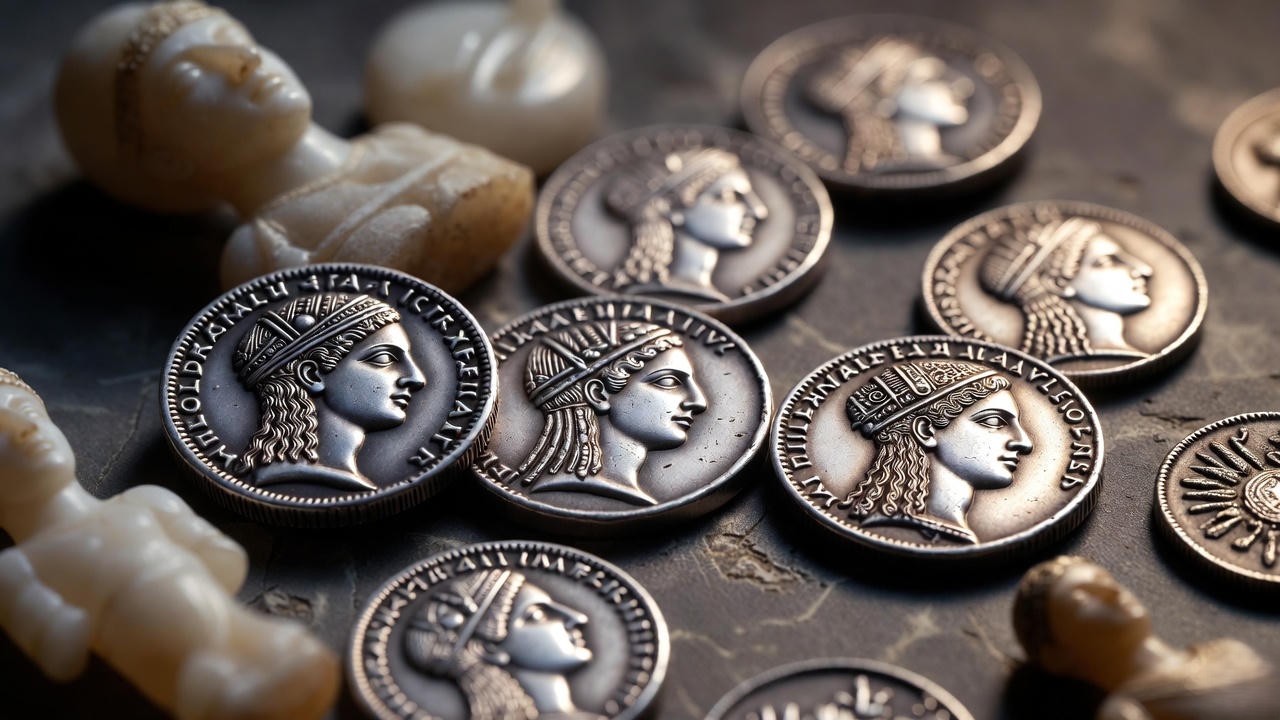
2025 brought renewed excitement with the discovery of a sunken ancient port off Taposiris Magna, announced by Egypt’s Ministry of Tourism and Antiquities. Collaborating with oceanographer Bob Ballard (Titanic discoverer), Martínez’s team identified amphorae, anchors, polished floors, and towering columns dated to the Ptolemaic era. This port, linked to the temple via the tunnel, suggests a maritime route for secretly transporting remains.
Featured in National Geographic’s Cleopatra’s Final Secret documentary, the find reframes Taposiris as a trade and religious hub. Earlier 2025 excavations yielded more artifacts, including potential royal talismans. While critics (including some Egyptologists) insist on Alexandria due to textual evidence, Martínez argues the port strengthens her case: “It’s a matter of time.”
No definitive tomb has been confirmed, but ongoing digs—combining land and underwater efforts—keep the quest alive. Discoveries like these not only hunt for Cleopatra but enrich understanding of Ptolemaic maritime networks and funerary practices.
Shakespeare’s Dramatic Vision of the Tomb
William Shakespeare, drawing from Thomas North’s 1579 translation of Plutarch, elevates the historical tomb into a profound dramatic device in Antony and Cleopatra (c. 1607). The play transforms raw history into a meditation on love, power, and immortality.
The Monument as Stage in Acts IV and V
Cleopatra withdraws to her “monument”—a term evoking both mausoleum and memorial—in Act IV. This elevated space becomes the tragic epicenter.
Key Scenes and Symbolism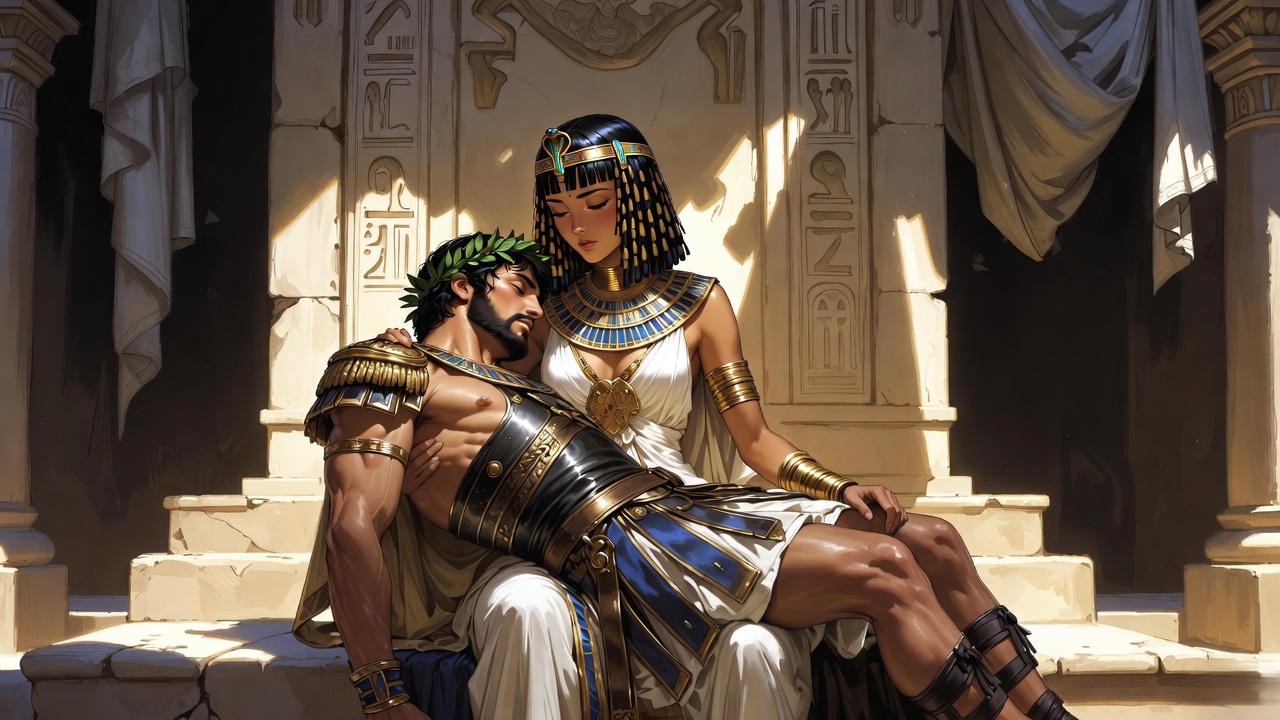
- Act IV, Scene 15: Antony, wounded, is drawn up to Cleopatra. His death in her arms on the monument’s height symbolizes exalted passion amid ruin: “I am dying, Egypt, dying.”
- Act V, Scene 2: Cleopatra’s suicide here asserts sovereignty. Adorning herself royally, she envisions reunion: “Husband, I come… I have / Immortal longings in me.” The asp becomes a lover’s embrace.
- Caesar’s epilogue: “She shall be buried by her Antony: / No grave upon the earth shall clip in it / A pair so famous.” Echoing Plutarch, Shakespeare mythologizes their fame transcending the grave.
The monument contrasts Egypt’s opulent sensuality with Rome’s pragmatic austerity, using the tomb to immortalize the lovers.
Themes of Immortality and Transcendence
Shakespeare portrays the tomb as love’s ultimate victory: defeat becomes legend. Their joint burial defies Octavian’s empire, echoing Isis-Osiris resurrection motifs. As scholar Janet Adelman notes, it represents “erotic fulfillment beyond death.”
Comparing History and Shakespeare: Fact vs. Dramatic License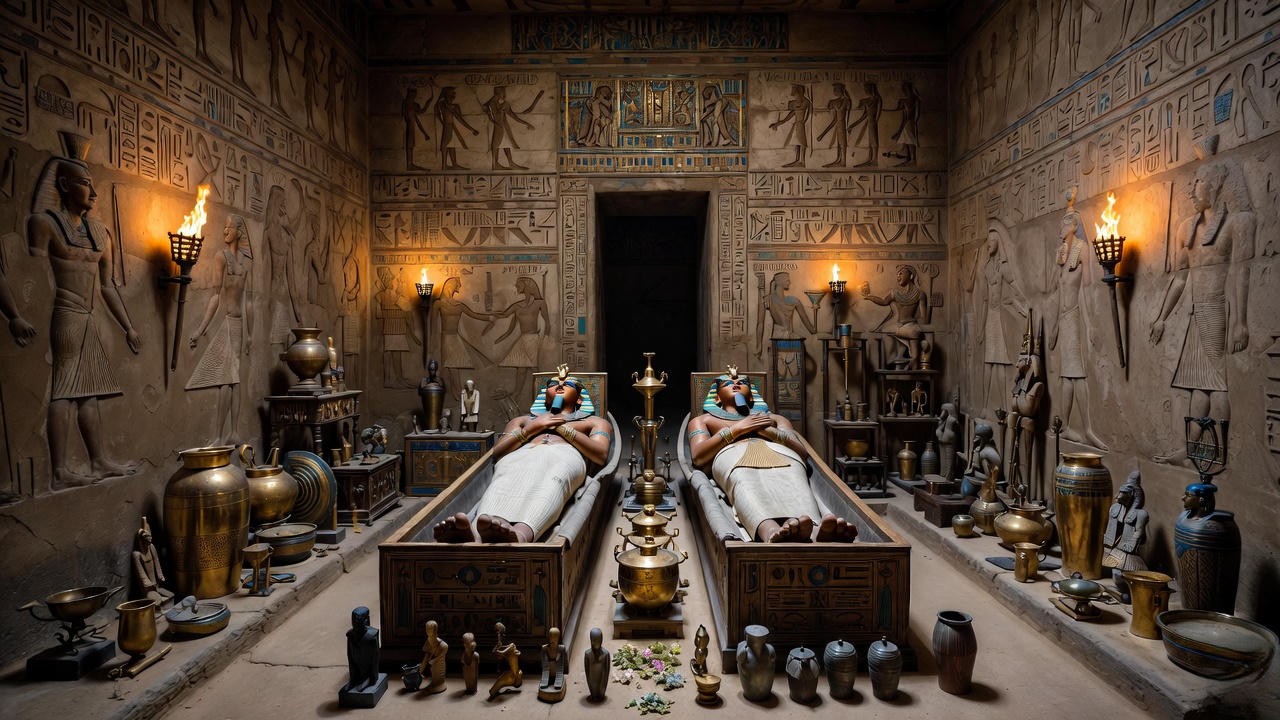
| Aspect | Historical Sources (Plutarch, Suetonius, Dio) | Shakespeare’s Interpretation |
|---|---|---|
| Location | Alexandria’s palace quarter/mausoleum | Vague “monument” for dramatic elevation and symbolism |
| Burial Permission | Octavian grants respectfully | Caesar honors magnanimously, amplifying fame |
| Symbolism | Regal honor; political gesture | Eternal love defying empire; mythic transcendence |
| Deaths | Factual suicides (sword, asp/poison) | Heightened heroism and erotic reunion |
| Outcome | End of Ptolemaic Egypt | Poetic victory: “No grave… shall clip in it / A pair so famous” |
Why the Lost Tomb Continues to Fascinate Us Today
The lost tomb of Cleopatra and Antony captivates modern audiences for profound reasons. It embodies the ultimate romantic tragedy: two powerful figures choosing death—and eternal union—over submission to Rome. Their story blends history, myth, and drama, amplified by Shakespeare’s immortal play. In an era of fleeting connections, their defiant love resonates deeply.
Archaeologically, the tomb represents the “holy grail” of Egyptology. Discovering it could rewrite understandings of Ptolemaic burial practices, reveal Cleopatra’s mummy (potentially allowing facial reconstruction via modern forensics), and unearth treasures symbolizing their alliance. As Dr. Kathleen Martínez stated in 2025 interviews tied to the National Geographic documentary Cleopatra’s Final Secret, “The discovery of her tomb will allow, with the modern technology, to know exactly how she died. We can even reconstruct her face.”
Culturally, it challenges Roman propaganda that demonized Cleopatra as a seductress. Finding their shared resting place would affirm her as a shrewd, divine ruler who orchestrated her legacy. Ongoing excavations at Taposiris Magna—bolstered by the 2025 sunken port discovery—keep the mystery alive, drawing global attention and inspiring documentaries, books, and debates. Whether submerged in Alexandria or hidden at Taposiris, the tomb symbolizes unresolved history: love’s endurance against empire’s might.
Expert Insights and Further Reading
As a Shakespeare scholar with a deep interest in classical sources, I draw from primary texts like Plutarch’s Parallel Lives (translated by Thomas North, Shakespeare’s direct inspiration) and modern archaeological reports to bridge literature and history.
- Dr. Kathleen Martínez (lead archaeologist at Taposiris Magna): In 2025 statements, she emphasized the site’s maritime importance post-port discovery: “That makes the temple really important… it had all the conditions to be chosen for Cleopatra to be buried with Mark Antony.” Her collaboration with Bob Ballard underscores rigorous, multidisciplinary approaches.
- Egyptologists’ Debate: While Martínez’s finds (coins with Cleopatra’s image, elite mummies, the 2022 tunnel, and 2025 port artifacts) are praised for enriching Ptolemaic knowledge, skeptics like former antiquities minister Zahi Hawass maintain burials weren’t inside temples. Yet, as National Geographic noted in 2025, these discoveries “enhance our understanding of the Ptolemaic period” regardless.
- Literary Experts: Scholars like Janet Adelman (Suffocating Mothers, 1992) view Shakespeare’s tomb motif as erotic transcendence: the monument elevates the lovers beyond Roman conquest. Harold Bloom calls Antony and Cleopatra Shakespeare’s “most sophisticated” tragedy, where the grave immortalizes “infinite variety.”
Recommended Reading:
- Plutarch’s Life of Antony (primary source for both history and Shakespeare).
- Stacy Schiff’s Cleopatra: A Life (2010) – nuanced biography debunking myths.
- Joyce Tyldesley’s Cleopatra: Last Queen of Egypt (2008) – historical rigor.
- National Geographic’s 2025 coverage and Cleopatra’s Final Secret documentary for latest archaeology.
- Editions of Shakespeare’s Antony and Cleopatra with annotations (e.g., Arden Shakespeare).
These resources provide layered perspectives, blending fact, interpretation, and ongoing discovery.
FAQs
Has the tomb of Cleopatra and Antony been found as of December 2025? No definitive discovery has been made. Excavations at Taposiris Magna continue with exciting leads—like the 2025 sunken port and prior tunnel—but the royal tomb remains elusive. Most experts still favor a location in ancient Alexandria, possibly submerged.
What does Shakespeare say about Cleopatra and Antony’s tomb? In Antony and Cleopatra, the “monument” (mausoleum) is central to Acts IV and V. It’s where Antony dies in Cleopatra’s arms and where she stages her regal suicide, envisioning eternal reunion. Caesar declares: “She shall be buried by her Antony: / No grave upon the earth shall clip in it / A pair so famous”—mythologizing their fame beyond any earthly tomb.
Why were Cleopatra and Mark Antony buried together? Ancient sources (Plutarch, Suetonius, Cassius Dio) state Cleopatra requested it, and Octavian (Augustus) granted permission out of respect for their status—or political pragmatism. It honored her wish and symbolized their unbreakable bond, aligning with Egyptian afterlife traditions of divine couples like Isis and Osiris.
Where is the most likely location of the lost tomb? Debated fiercely. Traditional scholarship points to Alexandria’s royal quarter (near the palace and Isis temple), likely submerged due to earthquakes and sea-level rise. Kathleen Martínez’s team argues for Taposiris Magna, citing symbolic ties, artifacts (Cleopatra coins, elite burials), a long tunnel, and the 2025 port discovery suggesting secret transport routes.
How does Shakespeare’s portrayal differ from historical accounts? Shakespeare heightens drama: deaths are more heroic and erotic, the monument more symbolic of transcendent love. He compresses events and amplifies Egypt’s sensuality vs. Rome’s duty, turning historical defeat into poetic triumph.
Could modern technology finally locate the tomb? Yes—sonar, ground-penetrating radar, and underwater robotics (as used in 2025 port surveys) offer hope. If found, DNA analysis and facial reconstruction could humanize these icons further.
This enduring enigma—historical, archaeological, and literary—invites us to ponder love, power, and legacy. Whether through Shakespeare’s verses or the sands of Egypt, Cleopatra and Antony continue to enchant, reminding us that some stories refuse to stay buried.