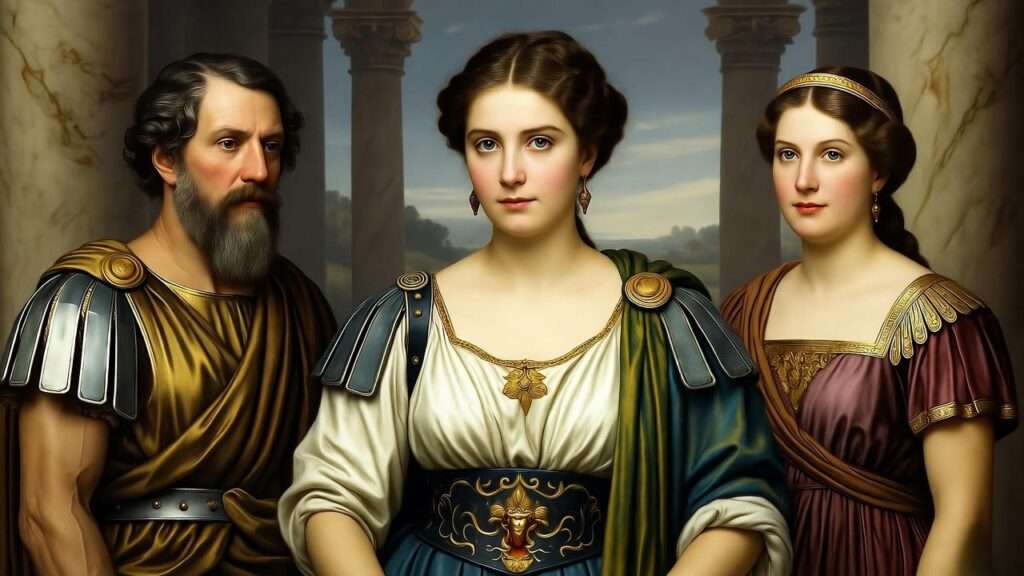
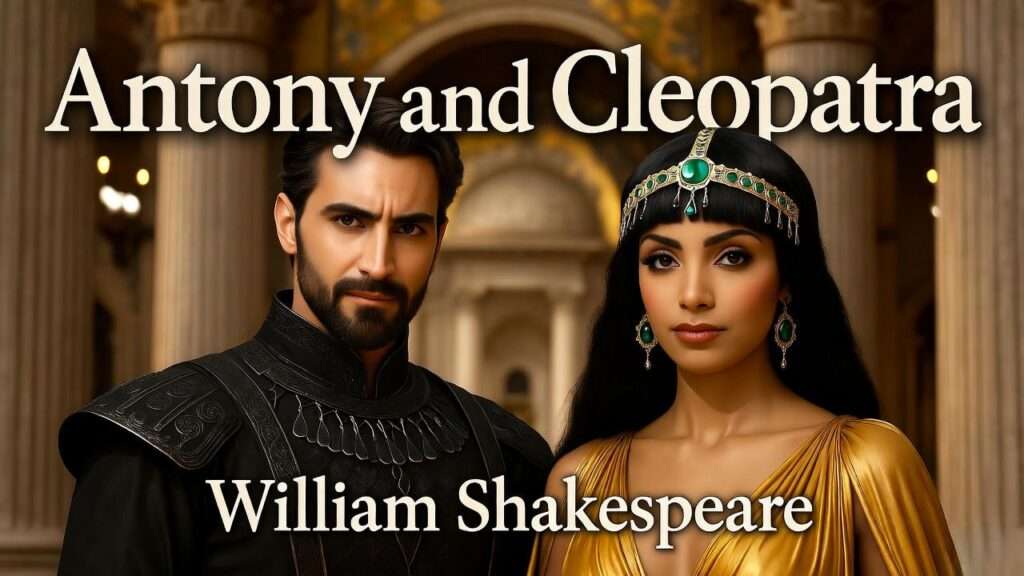
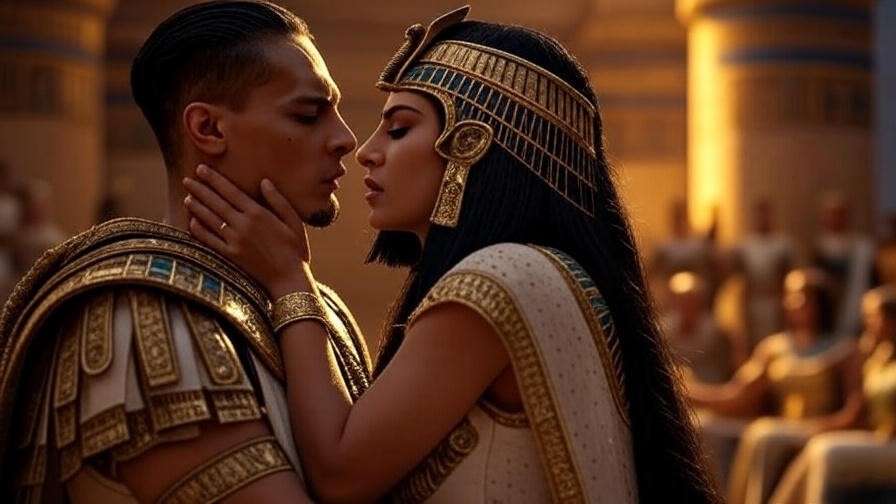
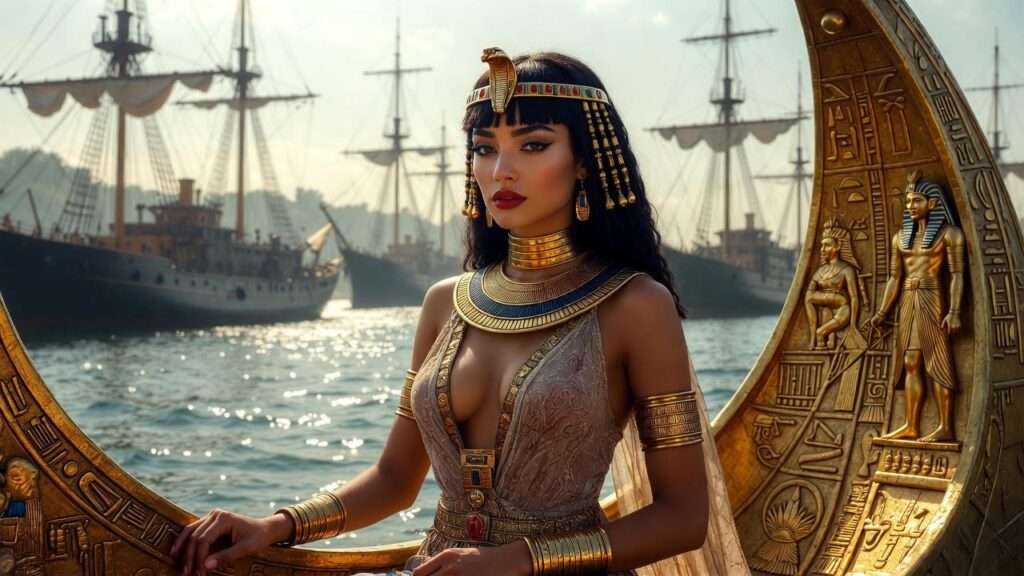
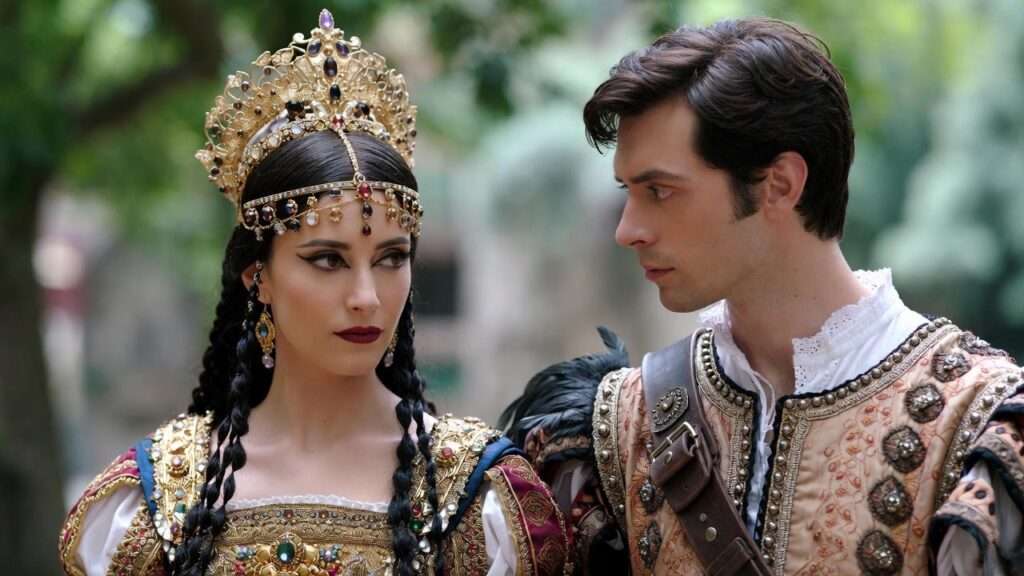
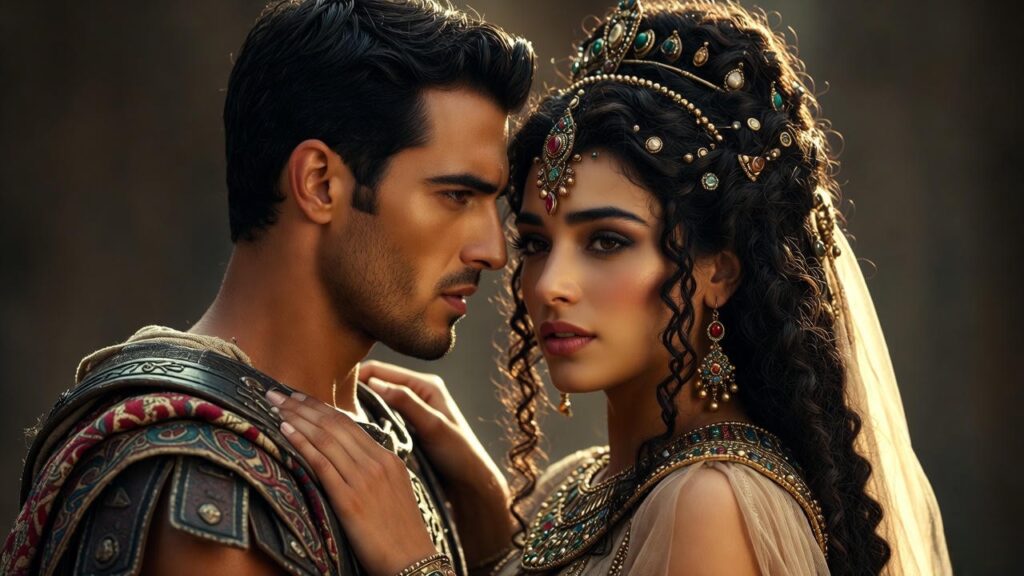
Imagine arriving at your next Halloween party, Renaissance fair, or Shakespeare festival as the ultimate power couple from antiquity: Cleopatra, the seductive and cunning Queen of the Nile, paired with Julius Caesar, the formidable Roman dictator whose ambition reshaped the world. A Cleopatra and Julius Caesar costume isn’t just a fun outfit—it’s a dramatic statement that blends history, romance, and tragedy, drawing crowds and sparking conversations wherever you go.
Their real-life alliance in the 1st century BC was a whirlwind of politics and passion: Caesar helped restore Cleopatra to the Egyptian throne, fathered her son Caesarion, and brought her to Rome in triumph. Though their story ended tragically with Caesar’s assassination on the Ides of March, it lives on vividly in literature—most notably in William Shakespeare’s masterful plays Julius Caesar and Antony and Cleopatra. Shakespeare transforms historical facts into timeless drama, portraying Caesar as a god-like leader haunted by hubris and Cleopatra as a woman of “infinite variety,” whose charisma captivates empires.
In this comprehensive guide, we’ll explore authentic Cleopatra and Julius Caesar costume ideas inspired directly by Shakespeare’s historical dramas. Whether you’re a theater enthusiast recreating stage productions from the Royal Shakespeare Company (RSC) or a couple seeking standout Halloween looks, these ideas go beyond generic store-bought options. We’ll cover historical accuracy, theatrical interpretations, DIY tips, sourcing materials, and expert advice to help you create costumes that are opulent, commanding, and true to the Bard’s vision. By the end, you’ll have everything needed to conquer any event with regal flair.
The Historical and Shakespearean Connection: Bringing Drama to Life
To create truly inspiring costumes, start with the source material. Shakespeare’s Roman plays aren’t strict history lessons—they’re poetic explorations of power, betrayal, and love, heavily influenced by Plutarch’s Parallel Lives. In Julius Caesar (written around 1599), Caesar appears as a triumphant yet vulnerable conqueror, warned by soothsayers and ultimately stabbed by conspirators. His relationship with Cleopatra is only hinted at, but it sets the stage for Antony and Cleopatra (c. 1607), where the queen’s allure is celebrated in one of literature’s most famous descriptions: Enobarbus’ speech about her golden barge on the River Cydnus, “purple the sails, and so perfumed that / The winds were love-sick with them.”
While George Bernard Shaw’s 1898 play Caesar and Cleopatra directly dramatizes their romance (portraying a young, clever Cleopatra and an older, paternal Caesar), Shakespeare’s works provide richer visual inspiration for costumes. Elizabethan actors wore modified contemporary Elizabethan clothing—doublets, hose, and ruffs—with Roman accents like togas draped over them. This “universal” approach emphasized themes over period accuracy, a tradition that continues in modern productions.
For instance, the Royal Shakespeare Company’s productions often blend opulent Egyptian motifs for Cleopatra (flowing silks, gold jewelry evoking the Nile) with austere Roman military garb for Caesar’s era. In the RSC’s 2013 production directed by Tarell Alvin McCraney, Cleopatra’s costumes evoked vibrant colors and textures, while Roman elements remained disciplined and structured.
This theatrical flexibility allows your costume to be authentic yet adaptable. As a long-time researcher of Shakespearean performance history, having studied productions from the Globe Theatre to modern adaptations, I recommend drawing from these sources for depth—your outfit will feel educated and immersive, setting it apart from basic Halloween fare.
Key Elements of an Authentic Cleopatra Costume
Cleopatra VII, the last Ptolemaic ruler of Egypt, was of Greek Macedonian descent but embraced Egyptian iconography to legitimize her rule. Shakespeare amplifies her exotic allure, describing her as surpassing Venus in beauty. Stage costumes reflect this: luxurious fabrics symbolizing wealth, symbolic animals like the cobra (asp), and bold makeup for dramatic presence.
Essential Components
- Dress or Gown: Opt for a flowing white or gold pleated linen-style dress, mimicking ancient kalasiris gowns. Add sheer overlays for movement—think chiffon or organza in teal, gold, or emerald to evoke the Nile. A broad pectoral collar (wesekh) is iconic: craft one from cardboard, cover in gold foil, and adorn with faux gems or painted hieroglyphs.
- Headpiece and Wig: The cobra diadem or uraeus is non-negotiable, symbolizing divine protection. Pair with a straight black bob wig beaded with gold strands or braids. For theatrical flair, add a nemes-style headdress (striped cloth crown) inspired by pharaonic regalia.
- Jewelry and Accessories: Layer heavy gold cuffs, collars, anklets, and necklaces with scarab beetles, lotuses, or ankh symbols. An asp armband or belt adds tragic foreshadowing—Cleopatra’s legendary suicide by snake bite.
- Makeup and Footwear: Heavy kohl eyeliner (winged for drama), gold eyeshadow, contoured cheeks, and crimson lips. Strappy gold sandals complete the look.
Variations Inspired by Stage Productions
- Classic Historical/Egyptian: White sheath dress with animal prints and broad collar, as seen in opera and film adaptations influenced by Shakespeare (e.g., Elizabeth Taylor’s 1963 portrayal echoes Enobarbus’ description).
- Shakespearean Theatrical: Vibrant, sensual silks in deep purples or oranges—RSC productions like 2017’s emphasized Cleopatra’s “infinite variety” with changeable gowns and layered fabrics.
- Modern Twist: Metallic lamé fabrics or asymmetrical cuts for contemporary parties, while maintaining regal posture and symbolic elements.
These elements ensure your Cleopatra exudes power and seduction, aligning with Shakespeare’s portrayal of a queen who “makes hungry / Where most she satisfies.”
Crafting a Commanding Julius Caesar Costume
In Shakespeare’s Julius Caesar, the title character is depicted as a larger-than-life figure: a military genius crowned with laurels, yet marked by physical frailty (deaf in one ear, epileptic). His costume should convey authority, triumph, and subtle vulnerability—think clean lines, symbolic crowns, and hints of Roman military might.
Core Pieces
- Toga or Tunic: The classic Roman toga is essential—a large white or off-white sheet draped elegantly over a shorter tunic. For accuracy, use a tunic with a purple or red border (signifying senatorial or imperial status). In stage terms, the toga symbolizes civic power, while a shorter chiton allows mobility.
- Armor Accents: To evoke Caesar the conqueror (fresh from Gaul), add a molded breastplate (muscle cuirass) or leather pteruges (fringed straps). Many productions include a red military cloak (paludamentum) for dramatic sweeps across the stage.
- Headwear: A golden laurel wreath is the defining symbol of victory and divinity—Caesar refused a crown but accepted wreaths. Craft one from artificial leaves sprayed gold or use wire and faux greenery.
- Footwear and Props: Roman caligae (sandals) or boots for a military look. Props like a scroll (edict), dagger, or short sword enhance authenticity without being dangerous for parties.
Theatrical Adaptations
- Traditional Roman: Simple draped toga over modern white shirt and pants for Elizabethan-style universality—easy for beginners.
- Dramatic Stage: Full lorica segmentata armor influences from later emperors but adapted for Caesar’s era, as in modern Julius Caesar productions emphasizing his god-like status.
- Subtle Vulnerability: Some directors (like Orson Welles in 1937) dress Caesar richly but with hints of age—gray streaks in hair or a limp—to foreshadow his fall.
This balanced approach makes Caesar commanding yet human, perfect for couples dynamics where Cleopatra’s vibrancy contrasts his stoicism.
Couples Costume Ideas: Harmonizing the Duo
The true appeal of a Cleopatra and Julius Caesar costume lies in the interplay: Egypt’s lavish excess against Rome’s disciplined grandeur. This contrast mirrors Shakespeare’s thematic tensions—East vs. West, passion vs. reason.
Budget-Friendly DIY Options
For under $50–75 per person:
- Cleopatra: Thrift a white maxi dress, add gold spray-painted accessories and a DIY collar from poster board.
- Caesar: Use a bedsheet as toga over dark pants; laurel wreath from dollar-store leaves.
- Shared touches: Gold body paint for unified shimmer; practice Roman/Egyptian poses together.
Mid-Range Ready-Made Suggestions
Invest $100–200 each:
- Purchase Cleopatra sets with pre-made collars and headpieces from reputable costume retailers.
- Pair with quality Caesar tunics and molded armor pieces available online.
- Enhance with coordinated fabrics—gold accents on both for visual harmony.
Premium Theatrical-Level Builds
For immersive events or performances ($300+):
- Commission custom gowns with hand-beaded Egyptian motifs.
- Source replica Roman armor from historical reenactment suppliers.
- Group Extension: Include friends as Mark Antony (leather armor) or Octavius (youthful toga) for a full Shakespearean tableau.
Whatever your budget, focus on contrast: flowing vs. structured, colorful vs. muted, ornate vs. simple.
Accessories, Makeup, and Posing Tips for Maximum Impact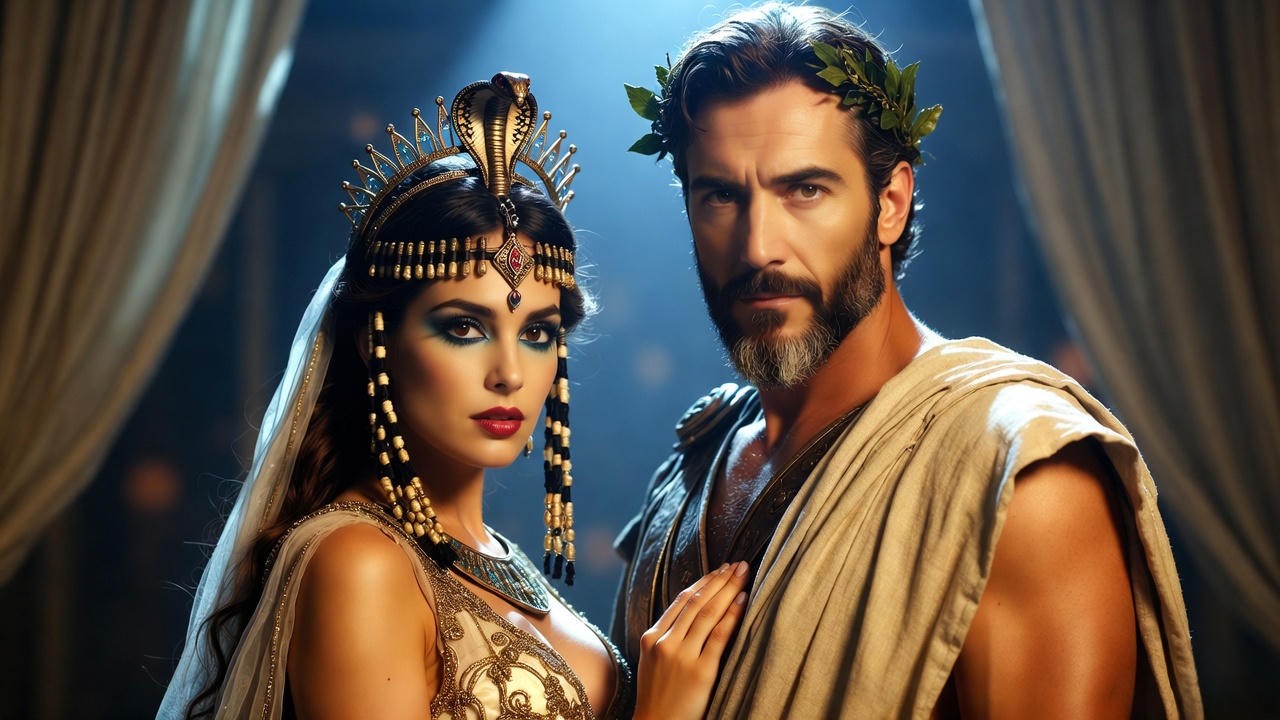
Elevate your costumes with thoughtful details.
- Shared Props: A small “barge” prop (decorated tray) or intertwined snake and eagle motifs symbolizing Egypt and Rome.
- Makeup Tutorial:
- Cleopatra: Start with foundation, heavy black liquid liner extended into wings, gold shadow to brow bone, false lashes, deep red lips.
- Caesar: Contoured jawline for strength, subtle aging lines if desired, clean-shaven or short beard.
- Posing Like the Pros: Practice scenes—Caesar’s triumphant entry with Cleopatra at his side, or her seductive reclining pose. Maintain regal posture: shoulders back, chin high.
Where to Source Materials and Inspiration
- Fabrics & Basics: Joann Fabrics, Amazon, or local thrift stores for sheets and gold trim.
- Specialty Items: Etsy for custom cobra headpieces; historical suppliers like Museum Replicas for accurate Roman gear.
- Inspiration Resources: Read Plutarch’s Lives (free online translations); watch RSC or Globe productions on streaming platforms; study costume design books like Shakespeare in Performance series.
Common Mistakes to Avoid and Expert Tips
- Mistake: Over-sexualizing Cleopatra—Shakespeare emphasizes her intelligence and power, not just beauty.
- Mistake: Sloppy toga draping—practice proper folds for Caesar to avoid looking like a bedsheet ghost.
- Expert Tip: Layer fabrics for comfort (essential for long events) and test movement—Cleopatra’s gown should flow, Caesar’s toga stay secure.
- Tip: Incorporate quotes—carry cards with lines like “Age cannot wither her” for interactive fun.
FAQs
What if we’re on a tight budget? Focus on DIY basics: bedsheets, gold spray paint, cardboard accessories, and bold makeup. The drama comes from your performance, not expense.
How does this tie into Shakespeare’s plays? Directly from Antony and Cleopatra‘s opulent descriptions and Julius Caesar‘s symbols of Roman power—perfect for theater lovers.
Is this suitable for kids or groups? Absolutely—tone down makeup and props for children; expand to include senators, Egyptian attendants, or the Soothsayer for group fun.
Best events for this costume? Halloween parties, Renaissance fairs, Shakespeare festivals, toga parties, historical reenactments, or New Year’s Eve triumphs.
Can we adapt for different body types or genders? Yes—Shakespeare’s plays have seen gender-swapped productions; focus on symbols (laurel vs. cobra) rather than strict forms.
Et Tu, Ready to Conquer the Night?
A Cleopatra and Julius Caesar costume inspired by Shakespeare’s historical dramas is more than dress-up—it’s an embodiment of enduring themes: ambition, love, betrayal, and legacy. With the ideas, tips, and insights in this guide, you’ll craft outfits that are historically informed, theatrically rich, and personally memorable. Whether you channel the grandeur of Enobarbus’ barge speech or the tension of the Senate scene, you’ll turn heads and ignite conversations.