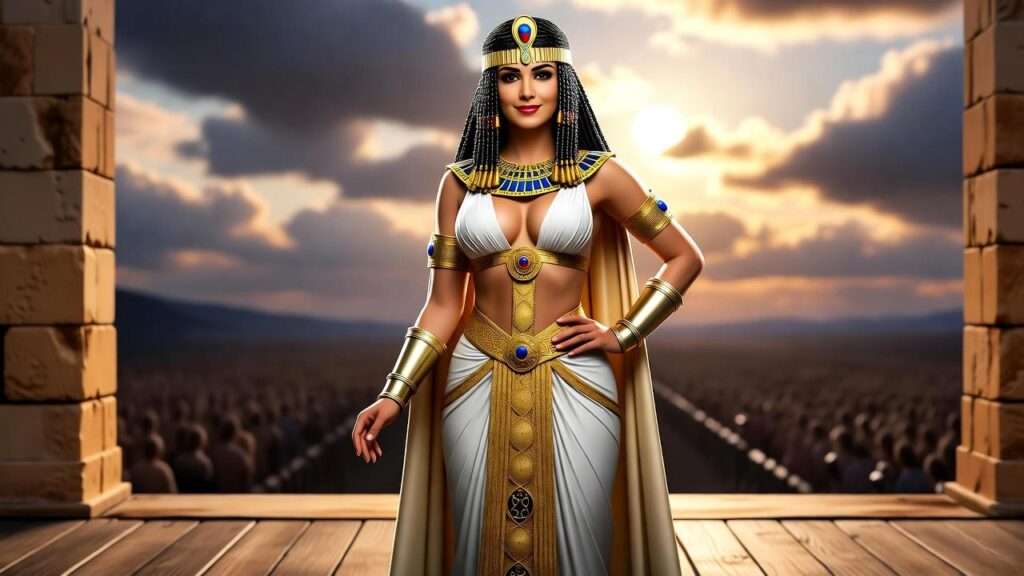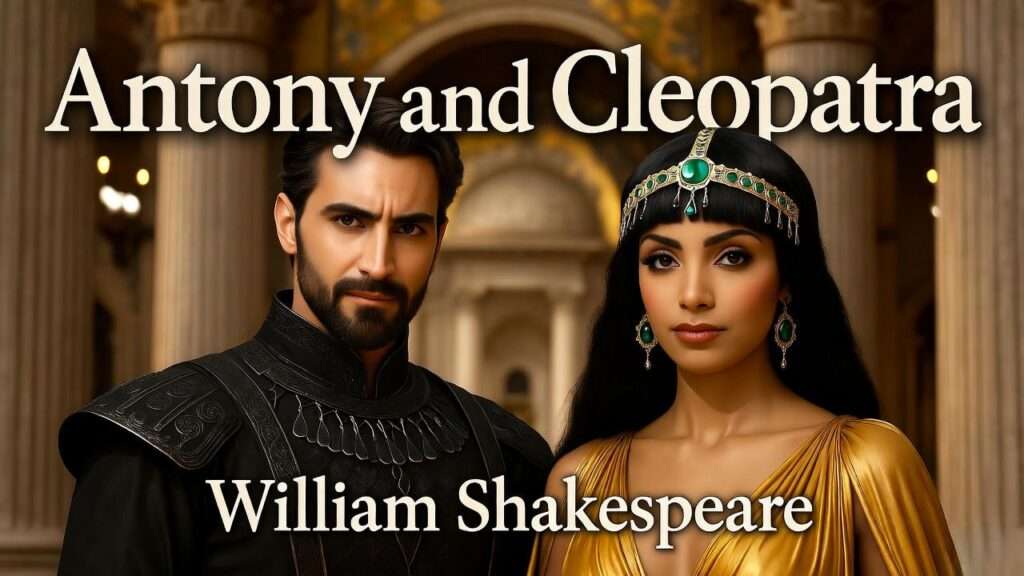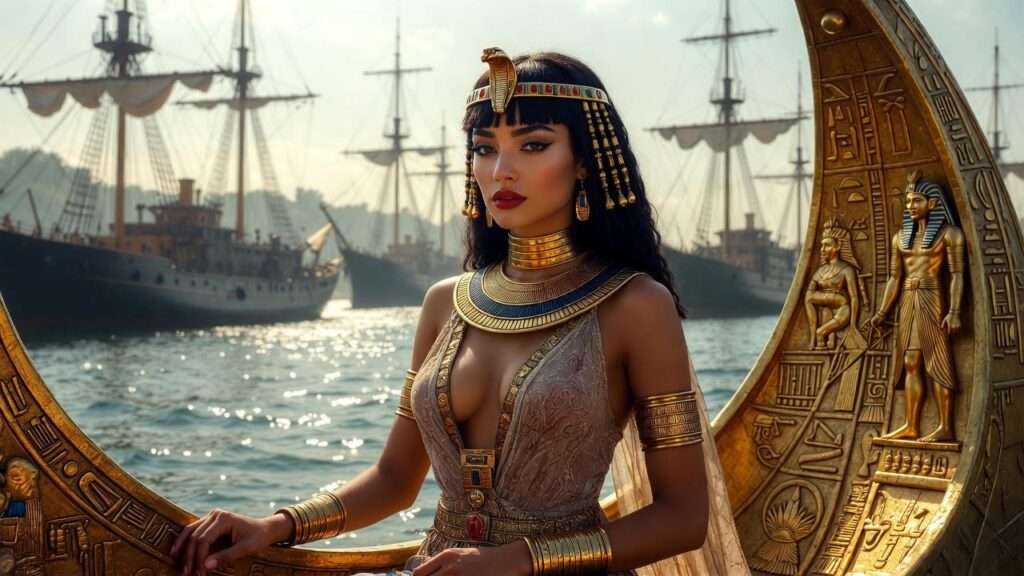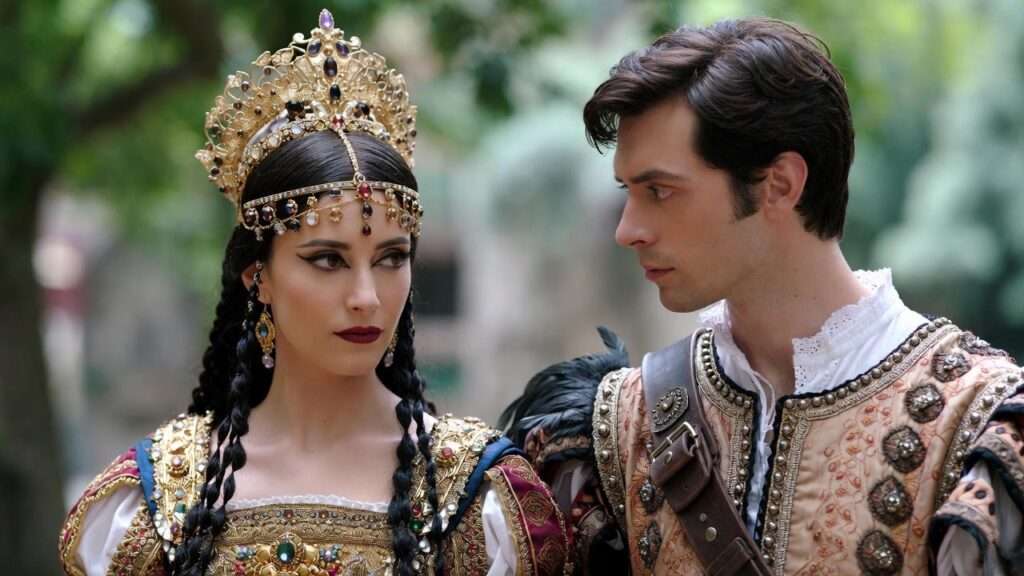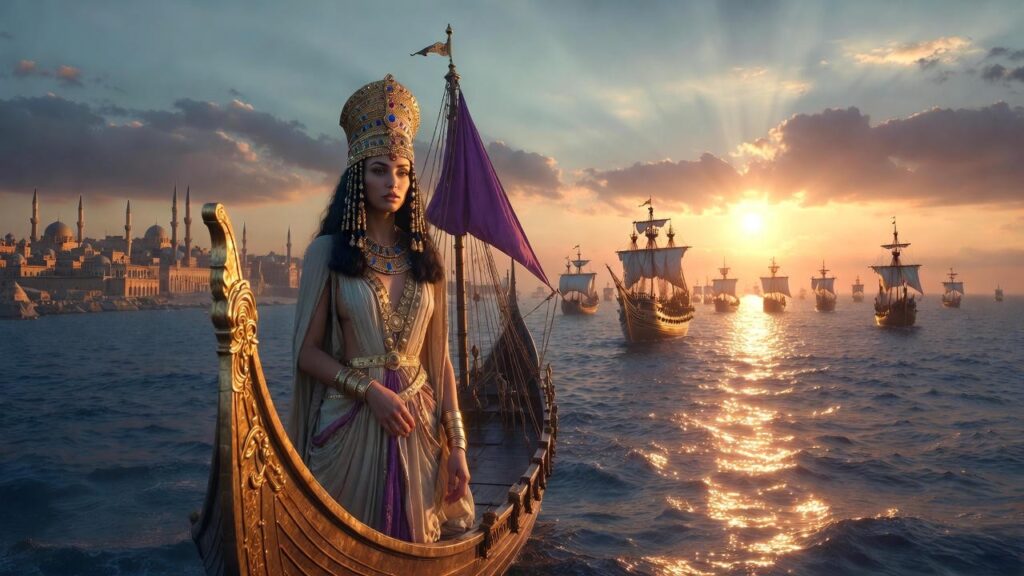
“Age cannot wither her, nor custom stale / Her infinite variety.” These immortal words, spoken by Enobarbus in Act 2, Scene 2 of Antony and Cleopatra, capture the essence of one of William Shakespeare’s most mesmerizing creations. The Cleopatra character stands as a pinnacle of dramatic complexity—a woman of boundless passion, sharp intellect, and unyielding sovereignty who defies easy categorization. In Shakespeare’s late tragedy, written around 1606–1607, Cleopatra emerges not merely as a historical seductress but as a fully realized tragic heroine whose emotional depth and “infinite variety” continue to captivate readers, scholars, and audiences centuries later.
This in-depth exploration delves into the multifaceted Cleopatra character in Antony and Cleopatra, tracing her evolution from historical figure to Shakespearean icon. By examining her sources, traits, relationships, iconic moments, and enduring themes, we uncover why she remains Shakespeare’s most enigmatic and empowering female protagonist. Whether you’re a student analyzing the play, a theater enthusiast preparing for a performance, or a lifelong Shakespeare lover seeking fresh insights, this comprehensive analysis reveals the tragic grandeur and human vulnerability that make Cleopatra eternally compelling.
Historical Cleopatra vs. Shakespeare’s Cleopatra: From Plutarch to the Stage
To fully appreciate Shakespeare’s Cleopatra character, we must distinguish between the historical Cleopatra VII Philopator and the dramatized queen who dominates the stage.
The Real Cleopatra VII: Queen, Strategist, and Survivor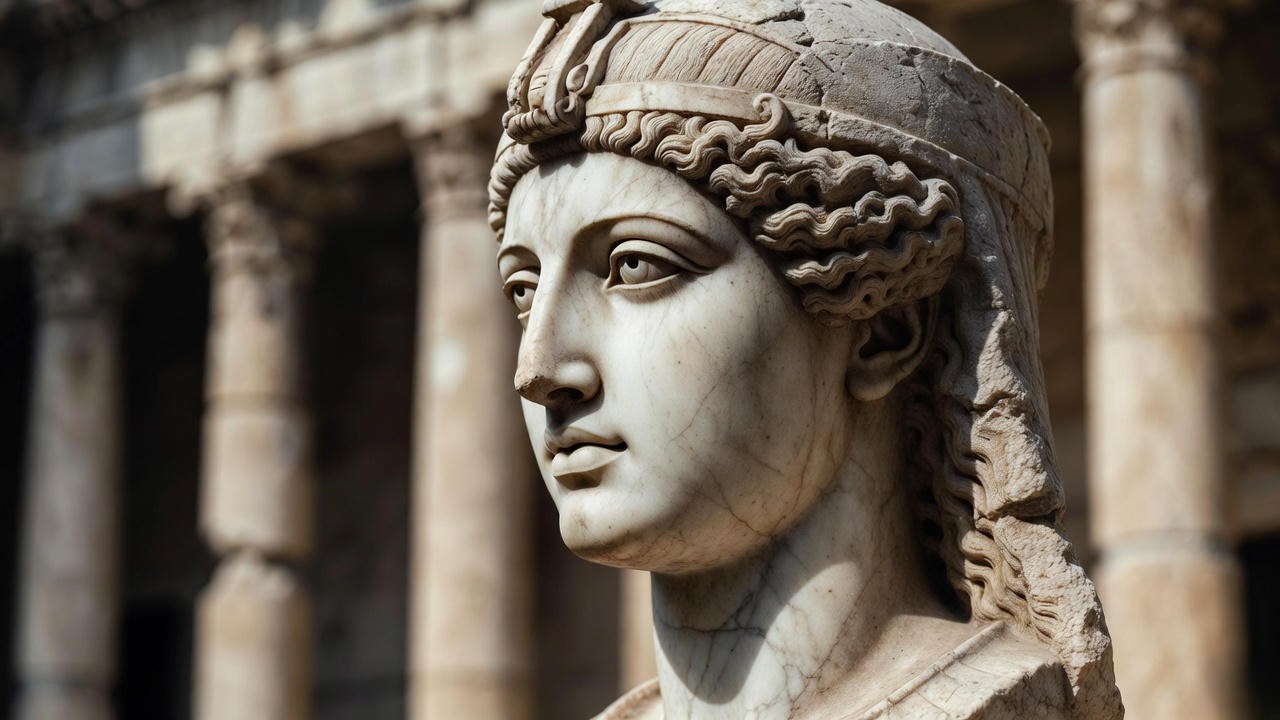
Cleopatra VII (69–30 BC) was the last active ruler of the Ptolemaic Kingdom of Egypt. A descendant of Ptolemy I, one of Alexander the Great’s generals, she was of Macedonian Greek origin. Fluent in multiple languages—including Egyptian, a rarity among her dynasty—she was a shrewd diplomat who forged alliances with Julius Caesar and later Mark Antony to preserve Egypt’s independence amid Rome’s expanding empire.
Historical accounts, primarily from Roman sources like Plutarch, Suetonius, and Dio Cassius, portray her as intellectually brilliant and politically astute. She bore children with both Caesar (Caesarion) and Antony (Alexander Helios, Cleopatra Selene II, and Ptolemy Philadelphus). Yet Roman propaganda, especially under Octavian (later Augustus), painted her as a dangerous enchantress who corrupted Roman leaders—a narrative that influenced Elizabethan views of “Eastern” exoticism.
Shakespeare’s Sources and Innovations
Shakespeare drew heavily from Plutarch’s Parallel Lives, specifically the Life of Marcus Antonius, translated by Sir Thomas North in 1579. North’s vivid prose provided the backbone for many scenes, including Enobarbus’s famous description of Cleopatra’s barge.
However, Shakespeare innovates profoundly. He compresses timelines, invents domestic interactions, and amplifies Cleopatra’s emotional range. Unlike Plutarch’s more restrained account, Shakespeare’s queen is volatile, theatrical, and deeply passionate—transforming her from a clever politician into a tragic figure whose love rivals the grandeur of empires.
Key Differences in Portrayal
While history emphasizes Cleopatra’s strategic maneuvers (e.g., her alliances for power), Shakespeare foregrounds passion and performance. He explores her “otherness” through Elizabethan lenses: Egypt as a realm of sensuality and excess contrasting Rome’s discipline and restraint. Racial and cultural interpretations vary, but Shakespeare’s Cleopatra transcends stereotypes, embodying universal human contradictions.
The Essence of Cleopatra’s “Infinite Variety”: A Character of Endless Contradictions
At the heart of the Cleopatra character lies her “infinite variety”—a phrase that encapsulates her refusal to be pinned down. She is never static; her moods shift like the Nile’s floods, making her unpredictable and irresistibly alive.
Theatricality and Performance
Cleopatra is a master performer, treating life as a stage. She manipulates appearances to wield power, as seen in Act 1, Scene 3, when she feigns illness to draw Antony back or stages dramatic fainting spells. This theatricality reflects Shakespeare’s meta-commentary on acting itself—Cleopatra “plays” the queen even in private moments.
Passionate Volatility and Emotional Depth
Her emotions swing from playful banter to furious jealousy, from tender devotion to despair. In Act 1, Scene 1, she challenges Antony: “If it be love indeed, tell me how much.” This volatility isn’t mere caprice; it reveals profound insecurity and the intensity of her love, humanizing her amid her regal facade.
Sensuality and Power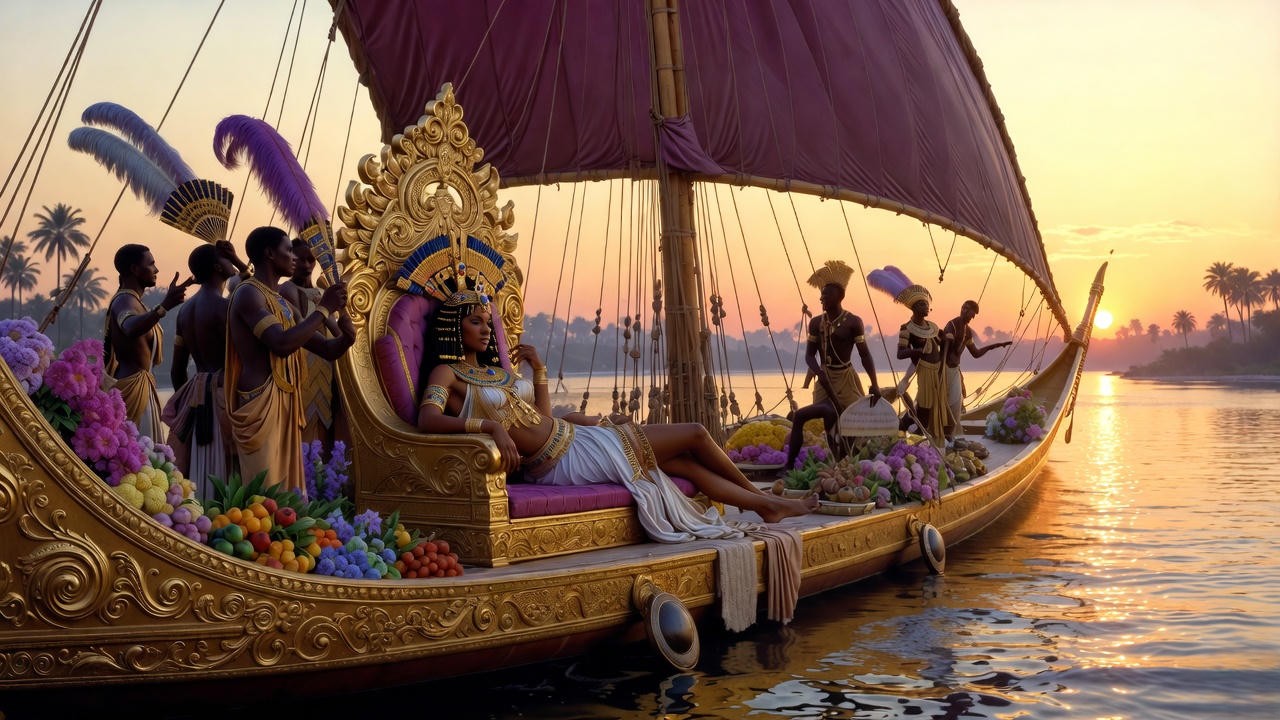
Cleopatra embodies Egypt’s bounty: fertile, overflowing, erotic. Enobarbus’s barge speech (Act 2, Scene 2) paints her as a living goddess: “The barge she sat in, like a burnish’d throne, / Burn’d on the water… / For her own person, / It beggar’d all description.” Her sensuality is a source of power, not weakness—contrasting Roman austerity.
Key Traits of the Cleopatra Character: Analysis Through the Play
Shakespeare endows Cleopatra with traits that make her one of his most dynamic female characters.
Intelligence and Political Acumen
Far from a mere temptress, Cleopatra is intellectually formidable. She commands navies, negotiates with Caesar, and displays sharp wit in court banter. Her multilingualism (implied in the play) and strategic mind echo the historical queen.
Manipulation and Jealousy
She employs manipulation masterfully—sending false messages of her death to test Antony or raging over his marriage to Octavia. Her jealousy stems from genuine fear of loss, adding layers to her possessiveness.
Loyalty and Devotion in Love
Despite flaws, her love for Antony is profound. She declares, “I am fire and air” in her final moments (Act 5, Scene 2), elevating their bond to cosmic significance.
Courage and Autonomy in Tragedy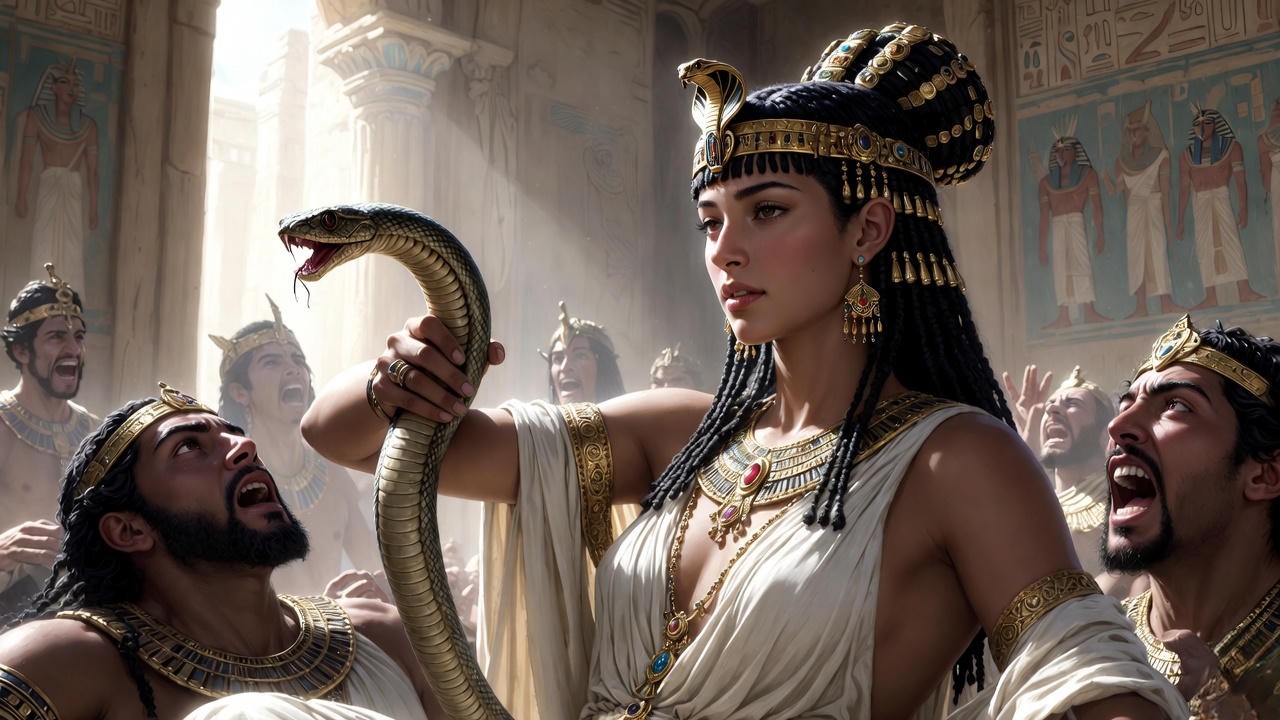
Cleopatra’s suicide is an act of defiant autonomy. Refusing to be paraded as Caesar’s trophy, she stages her death royally: “Give me my robe, put on my crown; I have / Immortal longings in me.”
Cleopatra’s Relationships: Mirrors of Her Complexity
Cleopatra’s interactions reveal different facets of her character, reflecting her ability to adapt and dominate in every sphere.
With Mark Antony: Passion, Conflict, and Mutual Destruction
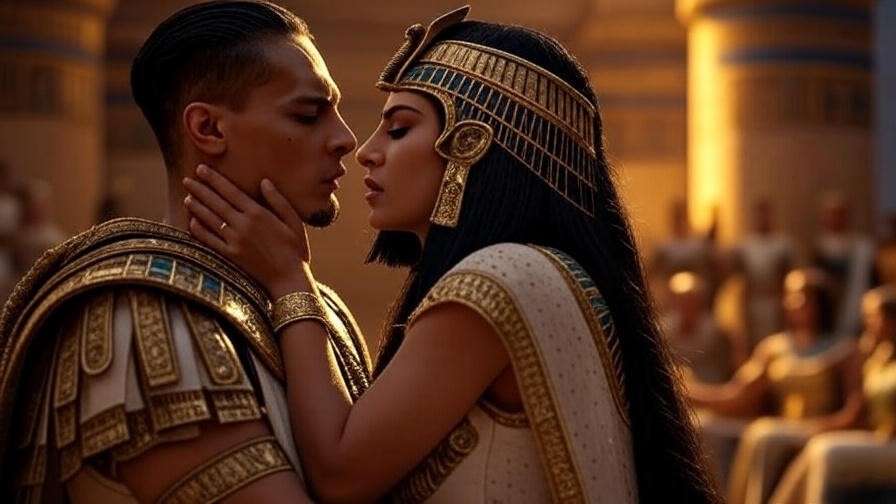
The relationship between Cleopatra and Antony is the emotional core of the play—a union of equals marked by ecstasy and catastrophe. They are both larger-than-life figures whose love is as destructive as it is transcendent. Key moments include their playful banter in Alexandria, the disastrous defeat at Actium (partly blamed on Cleopatra’s flight), and the heartbreaking reunion after Antony’s false report of her death. When Antony dies in her arms (Act 4, Scene 15), Cleopatra’s grief is raw and visceral: “The crown o’ the earth doth melt.” Their bond illustrates mutual dependency—neither is complete without the other.
With Her Court: Charmian, Iras, and Enobarbus
Cleopatra’s attendants—Charmian, Iras, and the eunuch Mardian—highlight her charisma and loyalty-inspiring leadership. They mirror her moods, participate in her games, and ultimately share her fate, dying alongside her. Enobarbus, Antony’s soldier turned observer, provides the most objective view of Cleopatra’s allure. His defection and subsequent death from guilt underscore her magnetic hold even on skeptics.
With Romans: Octavius Caesar and the Clash of Worlds
Octavius Caesar views Cleopatra as a political threat and moral corrupter—”the arm of Antony” and a “whore.” In contrast, she sees herself as an empress worthy of respect. Their final confrontation (Act 5) showcases her cunning: she withholds full treasure lists and feigns submission, only to outmaneuver Caesar by choosing death on her own terms.
Iconic Quotes That Define Cleopatra’s Character
Shakespeare’s language brings Cleopatra vividly to life. Here are some of the most defining quotations, with context and analysis:
- “If it be love indeed, tell me how much.” (Act 1, Scene 1) Cleopatra’s opening challenge to Antony reveals her insecurity and demand for absolute devotion.
- “My salad days, / When I was green in judgment: cold in blood.” (Act 1, Scene 5) Reflecting on her affair with Julius Caesar, she acknowledges her growth into passionate maturity.
- Enobarbus’s barge description (Act 2, Scene 2): “The barge she sat in, like a burnish’d throne, / Burn’d on the water… O’erpicturing that Venus where we see / The fancy outwork nature.” This set-piece immortalizes her supernatural allure.
- “I dreamt there was an Emperor Antony.” (Act 5, Scene 2) Her visionary speech elevates Antony to godlike status, revealing the depth of her love.
- “Give me my robe, put on my crown; I have / Immortal longings in me.” (Act 5, Scene 2) In her final moments, she reclaims regal dignity and chooses immortality through death.
- “I am fire and air; my other elements / I give to baser life.” (Act 5, Scene 2) A transcendent declaration as she prepares to join Antony in the afterlife.
These lines showcase Shakespeare’s poetic mastery in capturing emotional and psychological nuance.
Themes Embodied in Cleopatra: Love, Power, Gender, and Empire
Cleopatra serves as a vessel for some of Shakespeare’s richest themes.
Love vs. Duty: Rome and Egypt
The play contrasts Rome’s stoic duty, honor, and restraint with Egypt’s sensual pleasure, excess, and emotion. Cleopatra represents the irresistible pull of private passion against public responsibility.
Gender Roles and Subversion
In a patriarchal world, Cleopatra wields power through intellect, sexuality, and performance. She adopts “masculine” traits (commanding armies) while embracing feminine allure, subverting Elizabethan gender expectations.
Immortality Through Myth
Though defeated politically, Cleopatra achieves mythic immortality. Her death transforms her into a timeless icon, outlasting Caesar’s earthly triumph.
Cleopatra’s Tragic Depth: From Flawed Queen to Immortal Icon
Her Flaws and Humanity
Cleopatra is deeply flawed—impulsive (fleeing Actium), manipulative, and jealous. These imperfections make her relatable and human, elevating her beyond caricature.
Elevation in Death
The play’s final act belongs to Cleopatra. The monument scenes display grandeur, reconciliation with Antony’s memory, and serene acceptance of death. Shakespeare grants her a tragic apotheosis rare for female characters.
Modern Interpretations and Relevance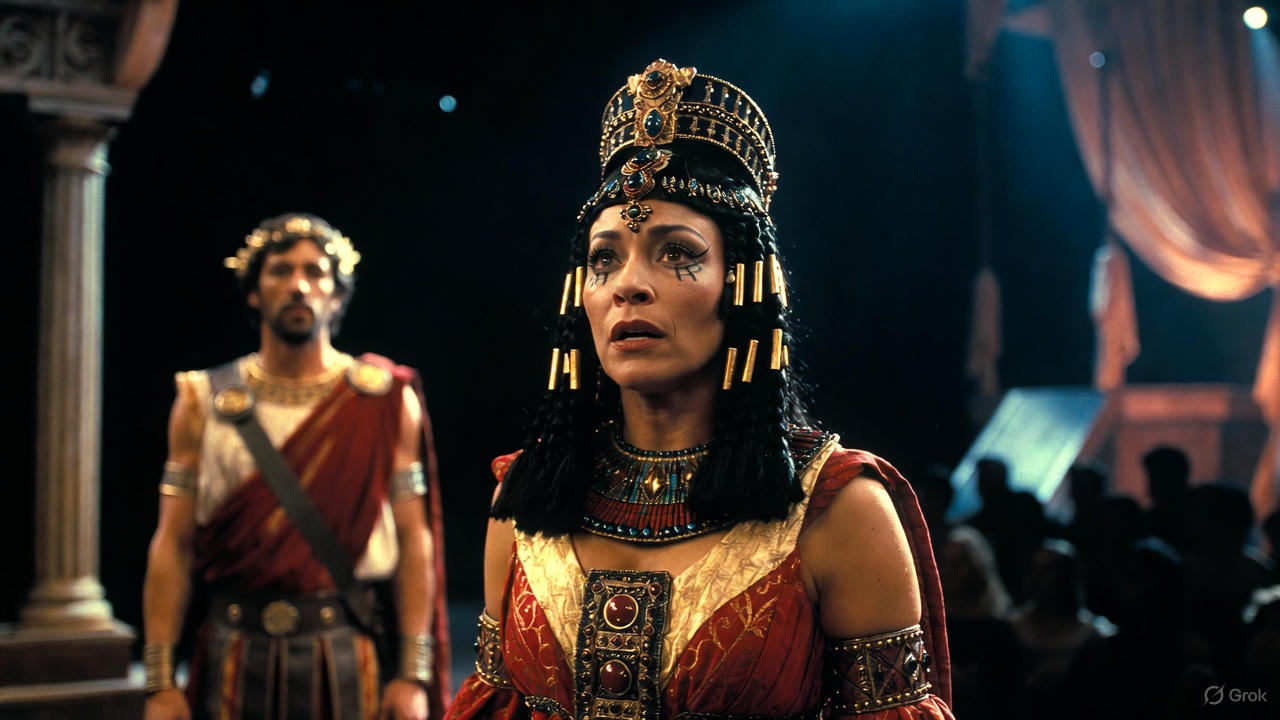
Contemporary readings often approach Cleopatra through feminist, postcolonial, and queer lenses. She has been portrayed as a strong woman of color reclaiming agency, a victim of imperial propaganda, or a queer icon. Notable stage productions (e.g., Royal Shakespeare Company, Globe Theatre) and films (Elizabeth Taylor’s 1963 portrayal, though campy) continue to reinterpret her complexity.
Expert Insights: Why Cleopatra Endures in Literature and Performance
Compared to other Shakespearean heroines—Lady Macbeth’s ambition, Rosalind’s wit, or Juliet’s youthful passion—Cleopatra stands apart for her maturity, sovereignty, and emotional range. At around 40 years old, she is one of Shakespeare’s few middle-aged female leads.
Her influence extends to modern literature, opera (Samuel Barber’s Antony and Cleopatra), and popular culture. For actors, capturing her “infinite variety” requires extraordinary versatility—shifting from comedy to tragedy in moments.
Tips for readers and performers:
- Read aloud her speeches to feel the rhythmic shifts mirroring her moods.
- Note how Shakespeare uses imagery of dissolution (melting, dissolving) to convey emotional intensity.
- Study contrasting productions to see how directors emphasize different aspects (political vs. romantic).
FAQs: Common Questions About Cleopatra’s Character in Shakespeare’s Play
Is Shakespeare’s Cleopatra historically accurate? No, but it’s grounded in Plutarch. Shakespeare dramatizes and romanticizes her, adding emotional depth and theatricality absent from historical accounts.
What does “infinite variety” really mean? It refers to Cleopatra’s ever-changing moods, roles, and allure—her refusal to become boring or predictable, keeping Antony (and audiences) perpetually enchanted.
Why does Cleopatra commit suicide? To preserve her dignity, avoid humiliation in Rome, and reunite with Antony in death. It’s an assertion of autonomy over Caesar’s control.
How does Cleopatra compare to Antony as a tragic figure? Both are tragic heroes, but Antony’s tragedy is self-divided (Rome vs. Egypt), while Cleopatra’s is more unified—she embraces her identity fully and triumphs in defeat.
Is Cleopatra a villain or heroine? Neither—she’s profoundly human. Shakespeare avoids moral judgment, presenting her flaws alongside her grandeur.
Why is the play called Antony and Cleopatra rather than just one name? It emphasizes their interdependence; the tragedy belongs to both.
How should modern audiences view Cleopatra’s race and ethnicity? The historical Cleopatra was Greco-Macedonian, but Shakespeare exoticizes her as “Egyptian.” Contemporary productions often cast diversely, reclaiming her as a woman of color.
What makes Cleopatra Shakespeare’s greatest female character? Her psychological complexity, linguistic richness, and agency set her apart.
Embracing Cleopatra’s Infinite Variety
Cleopatra remains Shakespeare’s most extraordinary female creation because she defies reduction. She is queen and lover, strategist and performer, flawed human and mythic icon. Her “infinite variety” mirrors the boundless possibilities of human experience—passionate, contradictory, and transcendent.
Reread Antony and Cleopatra with fresh eyes, or seek out a production, and you’ll discover new layers in this timeless character. In an age that still grapples with power, gender, love, and empire, Cleopatra speaks as vividly as ever—reminding us that true greatness lies in embracing our full, unfiltered complexity.