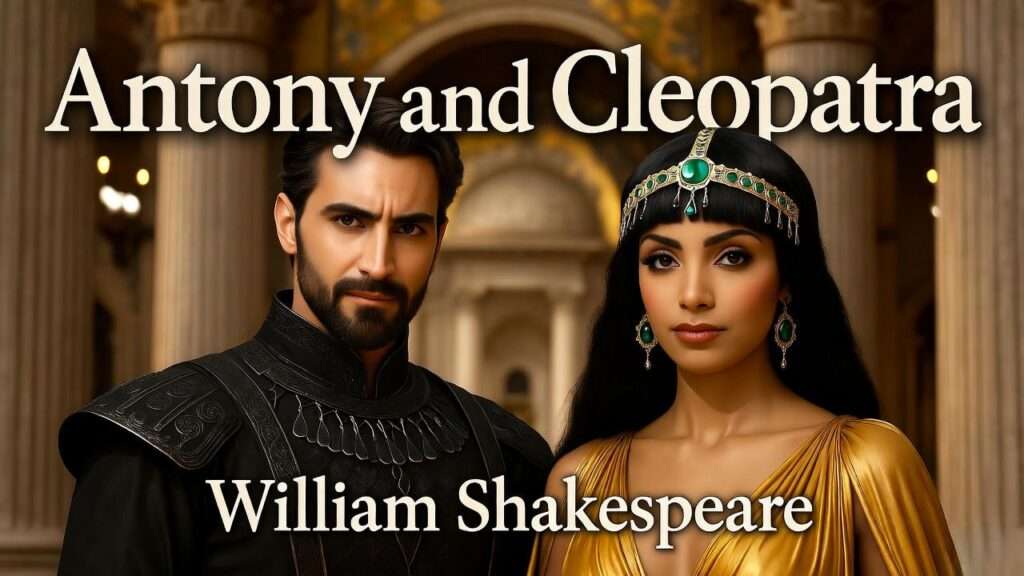
“Age cannot wither her, nor custom stale / Her infinite variety.” These immortal words, spoken by Enobarbus in Act 2, Scene 2 of William Shakespeare’s Antony and Cleopatra, capture the essence of one of literature’s most enigmatic and powerful female figures. For centuries, readers, scholars, students, and theater enthusiasts have searched for a cleopatra website — a reliable, in-depth resource that delves beyond surface-level summaries or Hollywood glamour to reveal the profound complexity of Shakespeare’s Cleopatra.
If you’re here because you’re studying the play for school, preparing for a performance, writing an essay, or simply drawn to the timeless allure of this Egyptian queen, you’ve come to the right place. This comprehensive guide serves as your dedicated hub for understanding Shakespeare’s portrayal of Cleopatra — not as the historical seductress of legend, but as a multifaceted character embodying passion, political cunning, theatricality, and tragic grandeur.
Shakespeare’s Antony and Cleopatra (written around 1606–1607) transforms the historical figures of Mark Antony and Cleopatra VII into symbols of a larger clash: Roman duty versus Egyptian sensuality, empire versus individuality, reason versus emotion. Cleopatra stands at the heart of this drama, challenging stereotypes and defying easy judgment. Unlike the real Cleopatra — a brilliant Macedonian-Greek ruler, polyglot strategist, and mother of four who ruled Egypt for 21 years — Shakespeare’s version amplifies her sensuality, performativity, and emotional volatility while compressing historical events drawn primarily from Plutarch’s Life of Marcus Antonius.
This article goes deeper than standard study guides (such as those from SparkNotes, LitCharts, or Folger) by offering close textual analysis, key quotes with context, critical perspectives including feminist and postcolonial readings, performance history, and practical insights for modern readers. By the end, you’ll have the tools to appreciate why Cleopatra remains one of Shakespeare’s most celebrated — and debated — creations, a queen whose “infinite variety” continues to captivate audiences worldwide.
Historical and Literary Context
To fully grasp Shakespeare’s Cleopatra, we must first distinguish her from the historical figure and understand the sources that shaped her dramatic incarnation.
The Real Cleopatra vs. Shakespeare’s Version
The historical Cleopatra VII Philopator (69–30 BCE) was no mere temptress. Born into the Ptolemaic dynasty of Macedonian Greek origin, she ascended the throne at 18, spoke nine languages (including Egyptian, a rarity for her lineage), and proved a shrewd politician. She allied with Julius Caesar to secure her rule, bore him a son (Caesarion), and later formed a strategic partnership — and romance — with Mark Antony, producing three children. Her suicide by asp bite (or poison) came after Antony’s defeat at Actium, as Octavian (future Augustus) closed in.
Shakespeare, however, draws heavily from Plutarch’s moralistic biography (via Sir Thomas North’s 1579 English translation), which emphasizes Antony’s downfall through passion. The playwright heightens Cleopatra’s sensuality and caprice while downplaying her administrative prowess and portraying her as more theatrical and emotionally unpredictable. For instance, historical accounts show Cleopatra as a capable naval commander at Actium; Shakespeare reduces her role to fleeing the battle, amplifying Roman views of her as a distracting “gypsy” or “strumpet.”
This artistic choice serves Shakespeare’s thematic purposes: Cleopatra embodies the exotic, fluid East against Rome’s rigid order, making her a foil for Antony’s internal conflict.
Shakespeare’s Place in the Canon
Antony and Cleopatra occupies a unique spot in Shakespeare’s oeuvre — a late tragedy (following Julius Caesar as a loose sequel) that blends history, romance, and elements of problem play. Unlike the clear moral arcs of Macbeth or Othello, it resists simple categorization, with shifting perspectives and no single protagonist dominating.
Cleopatra distinguishes herself among Shakespeare’s women. Compare her to Lady Macbeth’s ruthless ambition or Rosalind’s witty disguise: Cleopatra wields power through charm, intellect, and performance, subverting expectations of female passivity. Her complexity — vain yet regal, manipulative yet deeply loving — makes her a precursor to modern explorations of gender fluidity and agency.
Cleopatra’s Character: Layers of Complexity
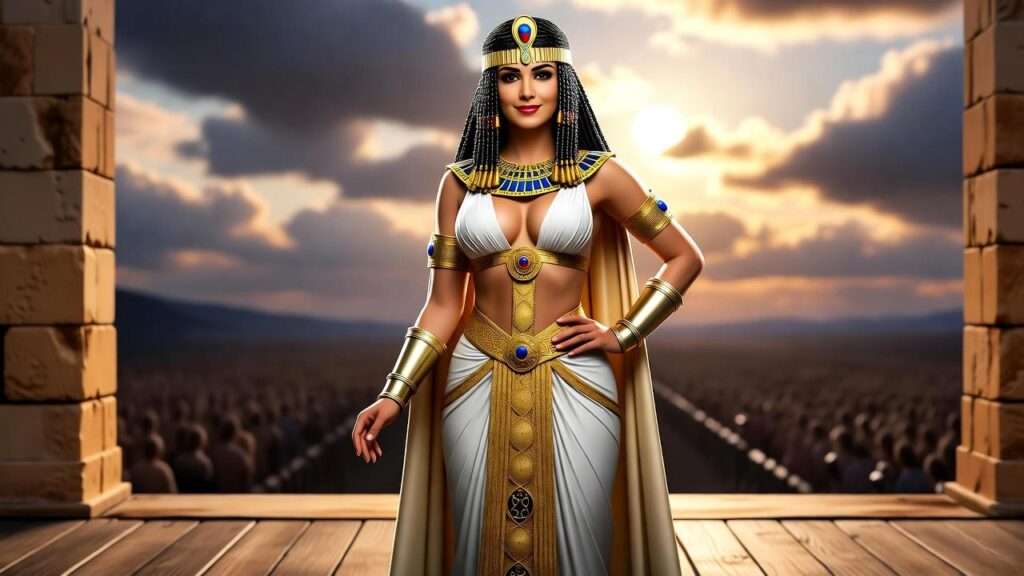
Shakespeare’s Cleopatra is famously described as having “infinite variety” — a phrase that encapsulates her refusal to be pinned down. She is lover, queen, actress, strategist, and tragic heroine all at once.
The “Infinite Variety” – Enobarbus’s Barge Speech as Cornerstone
No passage better defines Cleopatra than Enobarbus’s iconic description in Act 2, Scene 2:
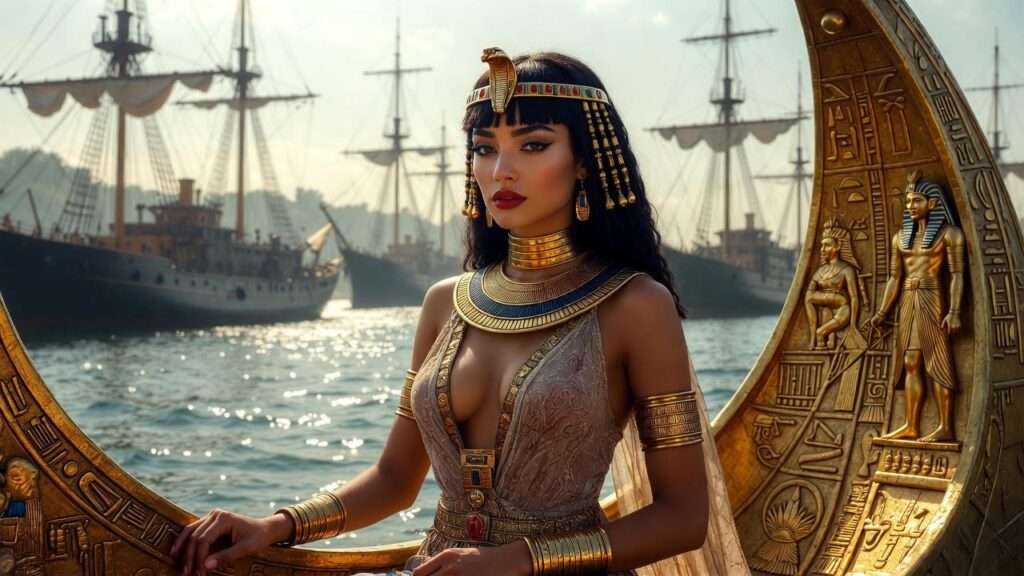
“The barge she sat in, like a burnish’d throne, Burn’d on the water: the poop was beaten gold; Purple the sails, and so perfumèd that The winds were love-sick with them; the oars were silver, Which to the tune of flutes kept stroke, and made The water which they beat to follow faster, As amorous of their strokes.”
This speech transforms Cleopatra into a mythic Venus-like figure, her arrival an erotic spectacle that captivates even cynical Romans. It establishes her as larger than life — not just a woman, but a force of nature whose sensuality bends reality itself. Enobarbus, Antony’s loyal friend, delivers this despite his Roman loyalties, underscoring her irresistible power.
Strengths and Agency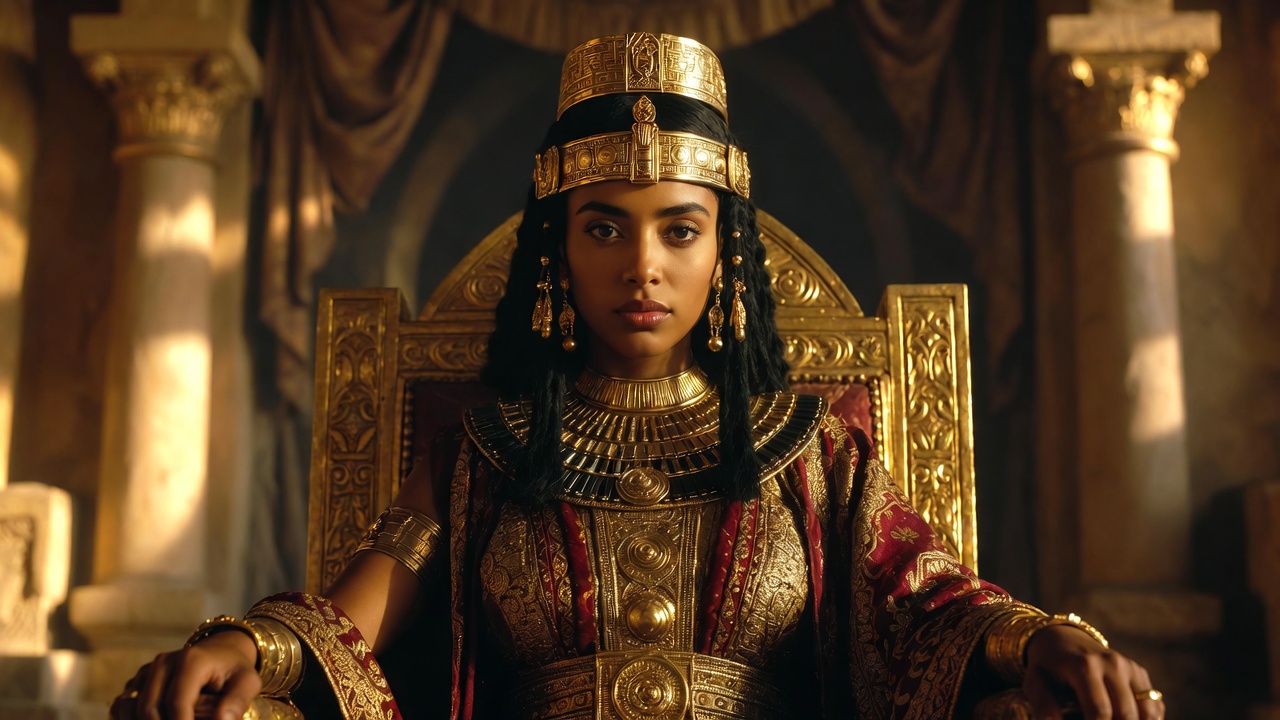
Cleopatra’s political acumen shines through her manipulation of powerful men for Egypt’s benefit. She stages emotions masterfully: feigning illness to keep Antony near, testing his loyalty, or using charm to negotiate with Caesar. Her performativity is power — she “acts” love and rage as tools of statecraft.
Modern feminist readings celebrate this agency. Scholars like Coppélia Kahn highlight how Cleopatra resists patriarchal containment, embodying a fluid femininity that challenges Roman masculinity.
Flaws and Contradictions
Yet Shakespeare humanizes her with flaws: jealousy (berating the messenger about Octavia’s appearance), vanity, and capriciousness. In Act 1, Scene 3, she shifts from playful banter to sharp accusations, revealing insecurity beneath the queenly facade.
These contradictions avoid caricature; they make her relatable. As SparkNotes notes, she is “vain and histrionic” yet invested with tragic grandeur, provoking scorn and admiration simultaneously.
Gender and Power Dynamics
Cleopatra subverts expectations: Caesar mocks Antony as “not more manlike than Cleopatra,” inverting gender norms. She embodies Eastern sensuality against Roman stoicism, resisting the colonial gaze. Postcolonial critics view her as a symbol of resistance to imperial domination, her suicide a final act of self-determination.
Key Themes Through Cleopatra’s Lens
Shakespeare uses Cleopatra not merely as a character but as the living embodiment of several central conflicts and ideas that drive the tragedy forward. Examining these themes through her perspective reveals why the play feels so modern and psychologically rich.
Love vs. Duty / Passion vs. Politics
At its core, Antony and Cleopatra dramatizes the tension between private desire and public responsibility. Cleopatra personifies passion in its most intoxicating and dangerous form. When Antony declares, “Let Rome in Tiber melt, and the wide arch / Of the ranged empire fall!” (Act 1, Scene 1), he is surrendering to Cleopatra’s gravitational pull. She, in turn, revels in this power: “If you find him sad, / Say I am dancing; if in mirth, report / That I am sudden sick” (Act 1, Scene 3). This deliberate theatricality keeps Antony emotionally tethered to Egypt, even as Rome demands his return.
Yet the play refuses to judge passion as wholly destructive. Cleopatra’s love, though volatile, is genuine — her despair at Antony’s death is wrenching. Shakespeare thus presents a mature view: love and duty are not neatly separable, and the attempt to reconcile them often leads to catastrophe.
East vs. West – Cultural Clash
Cleopatra stands as the supreme representative of the East — luxurious, sensual, polytheistic, and emotionally expressive — in opposition to Rome’s austere, disciplined, patriarchal order. Roman characters repeatedly use derogatory language (“tawny front,” “gypsy,” “Egyptian dish”) to reduce her to stereotype, revealing their own anxiety about cultural contamination.
From a postcolonial perspective, Cleopatra can be read as a figure of resistance. Her refusal to submit quietly to Octavian’s triumph — choosing instead a spectacular, self-authored death — asserts Egyptian sovereignty even in defeat. As scholar Ania Loomba has argued, the play both exoticizes the East and grants it a kind of moral and aesthetic superiority over Roman coldness.
Performance and Identity
Cleopatra is perhaps Shakespeare’s most meta-theatrical character. She constantly performs: staging scenes of jealousy, illness, rage, and reconciliation. This performativity reaches its climax in her suicide, where she dresses in royal regalia and delivers lines worthy of a final soliloquy:
“Give me my robe, put on my crown. I have Immortal longings in me… I am fire and air; my other elements I give to baser life.” (Act 5, Scene 2)
Here she transforms death into a performance of apotheosis, refusing to be led in chains through Rome. The play asks: Is authentic identity possible, or are we all actors on a stage?
Mortality and Legacy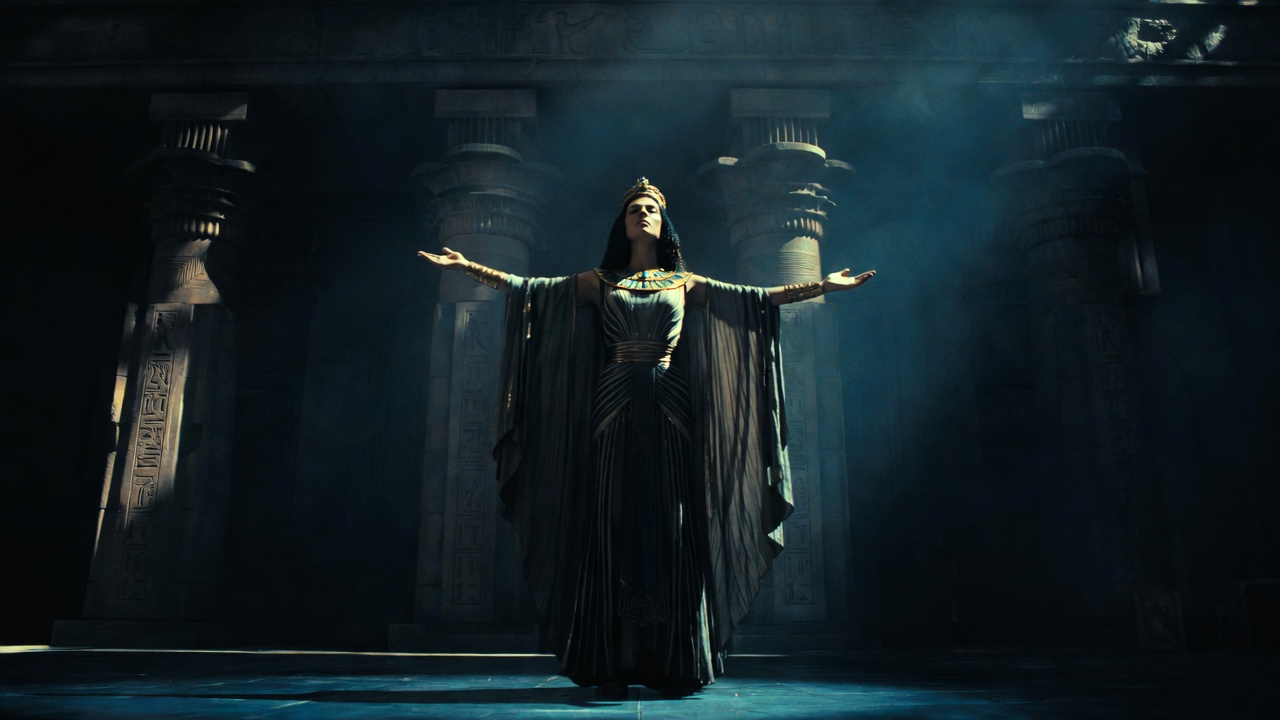
Cleopatra’s death is not defeat but triumph. Unlike Antony, who botches his suicide, she achieves a “swift and certain” end on her own terms. Her final vision — “I shall see some squeaking Cleopatra boy my greatness / I’ th’ posture of a whore” — shows acute awareness of how history and theater will distort her. Yet by choosing how she dies, she seizes control of her legacy.
Pivotal Scenes and Quotes Featuring Cleopatra
To bring Cleopatra to life, let’s examine some of the play’s most revealing moments through her words and actions.
Act 1, Scene 3: Playful Banter Turning to Conflict
Cleopatra’s first extended scene showcases her emotional range and strategic mind. She teases Antony about his Roman duties, then pivots to jealousy and manipulation when he announces his departure. Key quote:
“Charmian, / Is this certain? … He was disposed to mirth, but on the sudden / A Roman thought hath struck him.”
This demonstrates her quicksilver shifts — from flirtation to accusation — that keep Antony off-balance.
Act 2, Scene 2: The Barge Scene
Enobarbus’s speech (quoted earlier) remains one of the most celebrated passages in all of Shakespeare. It does not show Cleopatra directly but mythologizes her through Roman eyes, proving that her power operates even in absence.
Act 5, Scene 2: Final Monologue and Suicide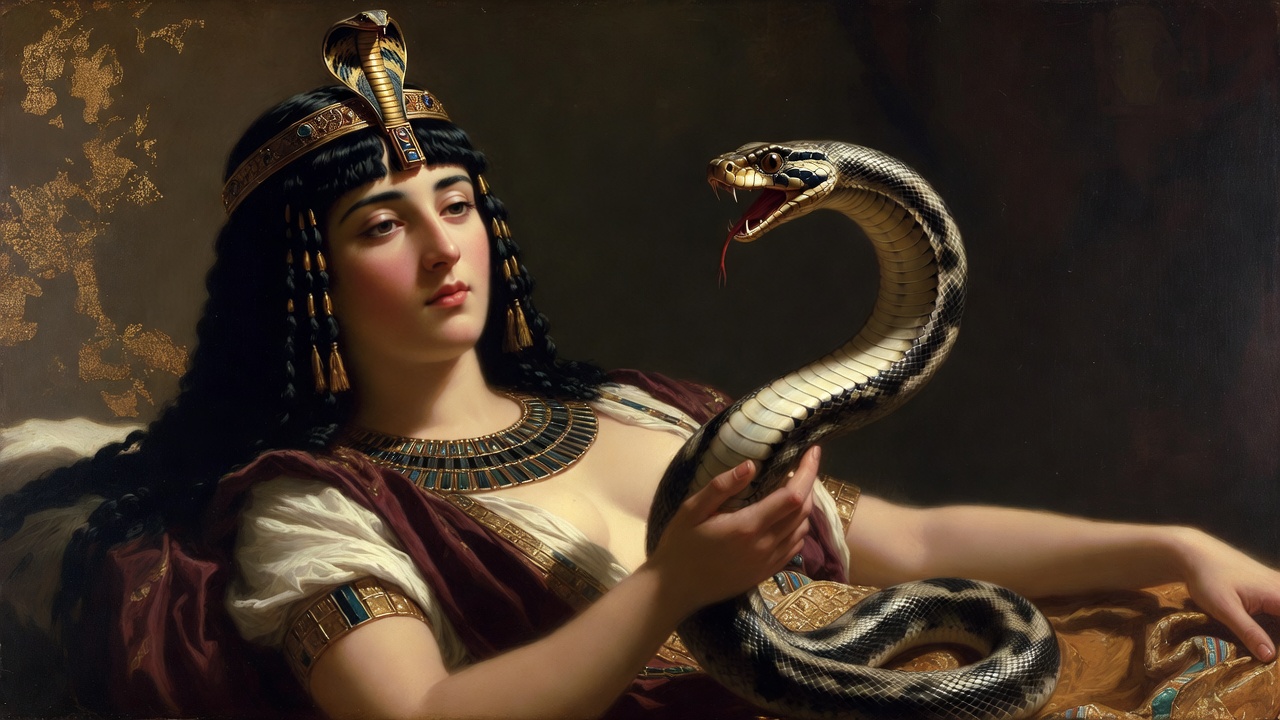
The play’s emotional and dramatic climax. Cleopatra’s interactions with the clown who brings the asps are darkly comic, contrasting with her regal farewell:
“Farewell, kind Charmian, / I will not be long gone… Peace, peace! / Dost thou not see my baby at my breast, / That sucks the nurse asleep?”
The image of the asp as a nursing child transforms poison into maternal intimacy — one of Shakespeare’s most audacious and moving metaphors.
Here are additional landmark quotes for quick reference:
- “My salad days, / When I was green in judgment, cold in blood” (1.5) – self-aware reflection on youthful passion.
- “O, never was there queen / So mightily betrayed!” (4.15) – grief after Antony’s death.
- “His face was as the heavens” (5.2) – idealizing Antony even in loss.
Critical Perspectives and Interpretations
Over four centuries, Cleopatra has inspired diverse readings.
- Romantic Era: Viewed as the ultimate femme fatale — beautiful, destructive, exotic.
- 20th Century: Feminist scholars (e.g., Janet Adelman in The Common Liar) emphasize her linguistic and sexual power as subversive.
- Postcolonial Lens: Critics like Loomba and Jyotsna Singh see her as colonized subject who nevertheless claims agency.
- Performance Studies: Directors frequently highlight her theatricality — from Vanessa Redgrave’s 1973 RSC performance to modern productions emphasizing racial and gender complexity.
Contemporary theater often casts actors of color in the role, challenging the play’s original racial coding and enriching its exploration of otherness.
Cleopatra’s Legacy in Performance and Culture
Cleopatra has transcended the page. Elizabeth Taylor’s 1963 film (with Richard Burton) remains the most famous cinematic version, though it leans heavily on spectacle over Shakespeare’s text. Stage productions — from Peggy Ashcroft (1953) to Sophie Okonedo (2018) opposite Ralph Fiennes — continue to reinterpret her.
In popular culture, she symbolizes timeless allure, political cunning, and tragic romance. For students writing essays, actors preparing roles, or readers seeking deeper insight, approaching the play today means recognizing Cleopatra’s relevance to contemporary discussions of gender, power, race, and performance.
Shakespeare’s Cleopatra is not a historical figure frozen in time, nor a simple romantic heroine. She is a living contradiction — passionate and calculating, regal and vulnerable, Eastern and universal. Her “infinite variety” ensures that every generation discovers something new in her: a mirror for our own complexities, a challenge to rigid categories, and a reminder that great art refuses easy answers.
Whether you’re analyzing the play for an exam, directing a production, or reading for pleasure, return to the text itself. Let Cleopatra speak in her own voice. In Shakespeare’s hands, she is not just a queen — she is eternity in motion.
If this exploration has deepened your appreciation of Shakespeare’s most fascinating female character, explore more Shakespeare insights here on the blog — from analyses of Julius Caesar to themes of power and betrayal across the tragedies.
FAQs
What makes Shakespeare’s Cleopatra different from the historical figure? Shakespeare amplifies her sensuality, emotional volatility, and theatricality while downplaying her political and administrative achievements. He draws from Plutarch but reshapes her to serve the play’s themes of passion versus duty.
Is Cleopatra a tragic hero in Antony and Cleopatra? Yes — though the play is unusual in having two tragic figures. Cleopatra’s arc follows a tragic pattern: hubris, reversal, recognition, and a noble death that affirms her dignity.
What does “infinite variety” mean in the play? Enobarbus’s phrase captures Cleopatra’s refusal to be defined or predictable. She constantly shifts moods, roles, and strategies, making her endlessly fascinating and impossible to fully possess.
How does Cleopatra die in Shakespeare’s version? She applies an asp (poisonous snake) to her breast, dying with regal composure and poetic imagery, transforming suicide into a final act of self-assertion.
What are the best modern adaptations of Antony and Cleopatra? Notable productions include the 1972 RSC version with Janet Suzman, the 2018 National Theatre staging with Sophie Okonedo, and the 2021 Almeida Theatre production. For film, the 1972 Charlton Heston version stays closer to the text than the famous 1963 Taylor/Burton epic.