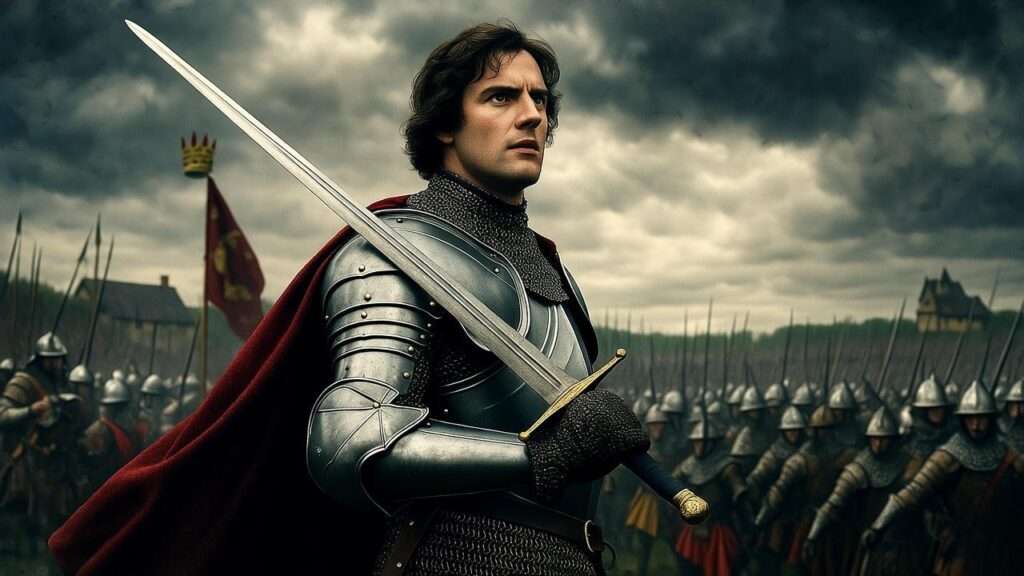
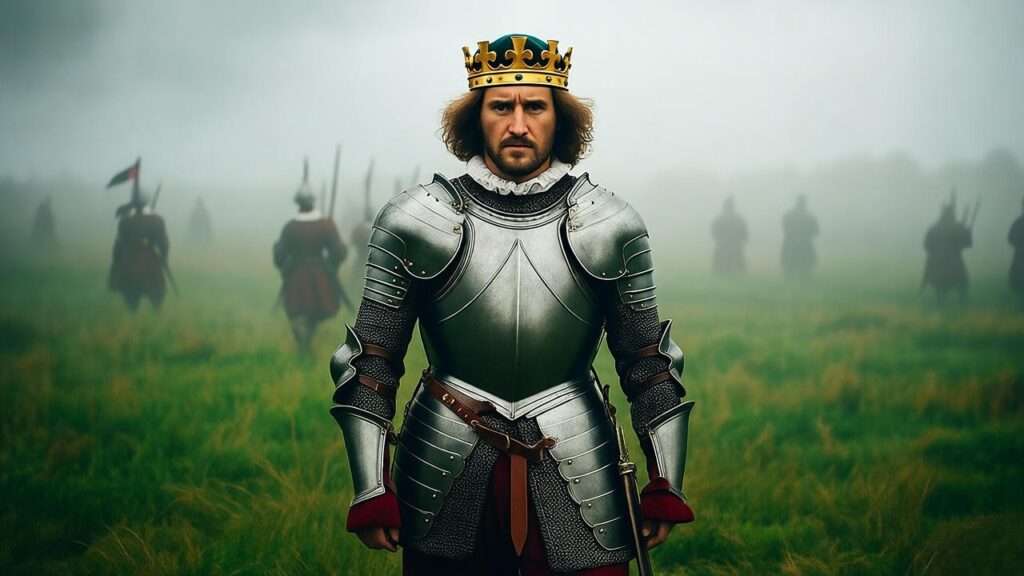
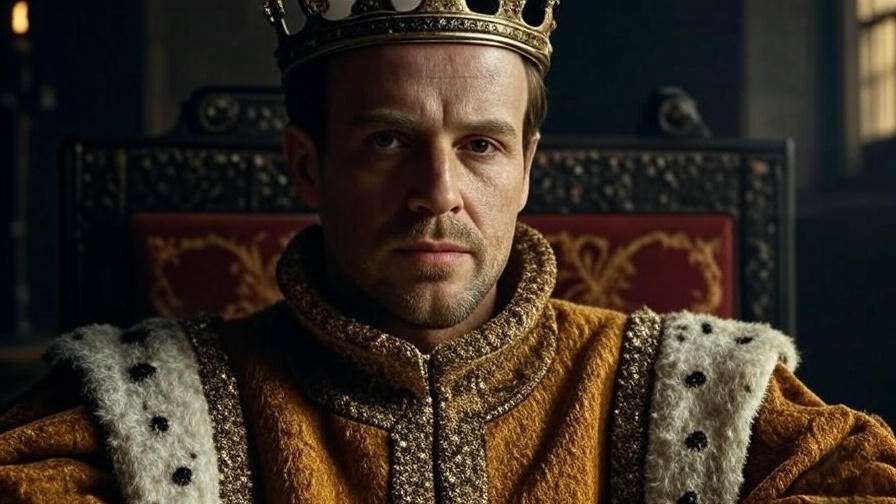
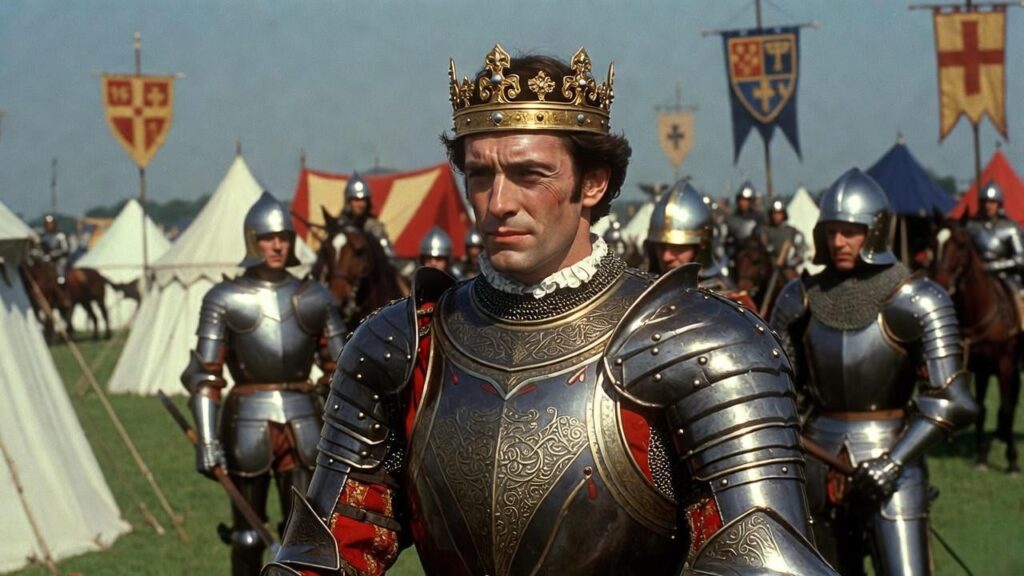
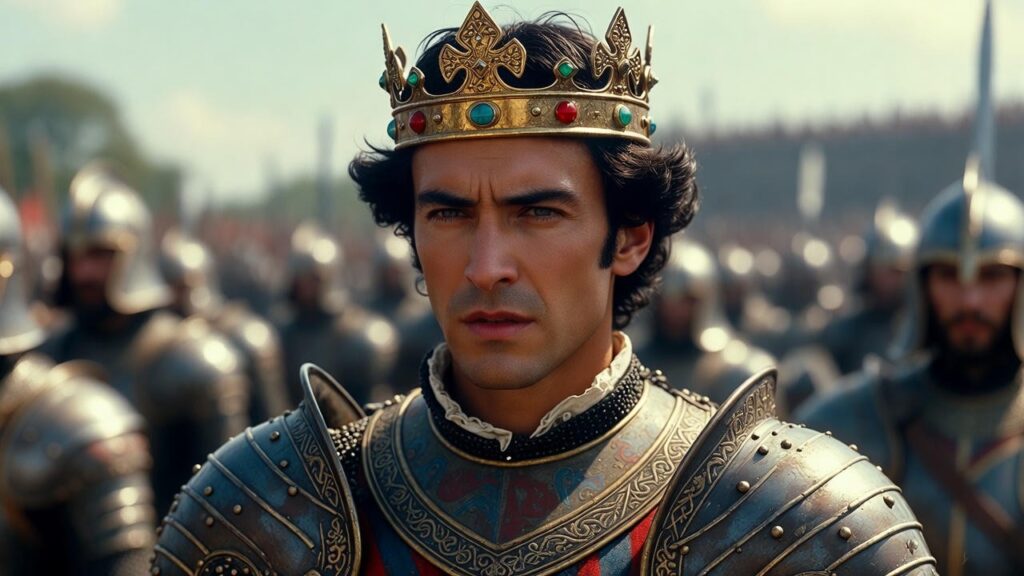
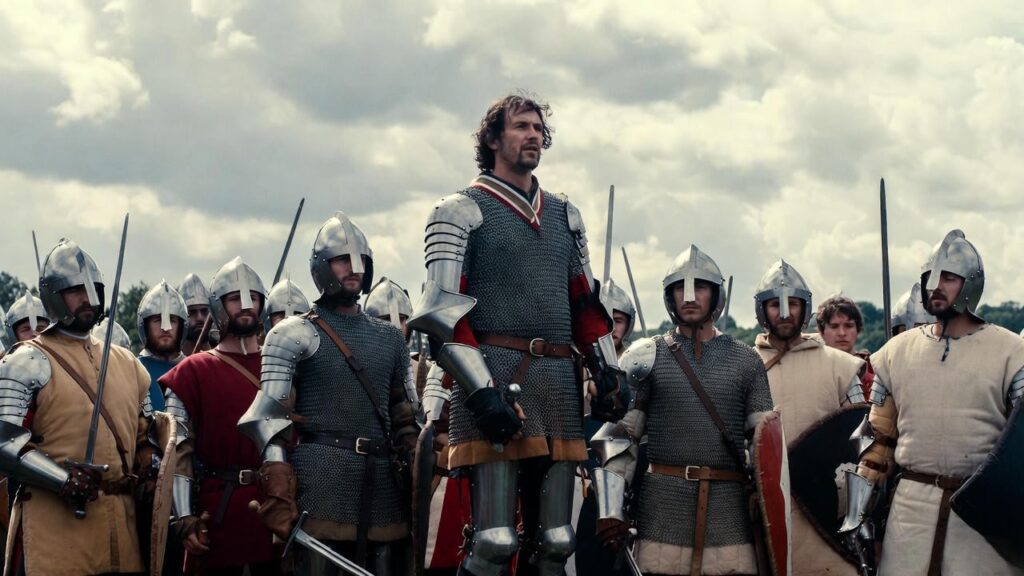
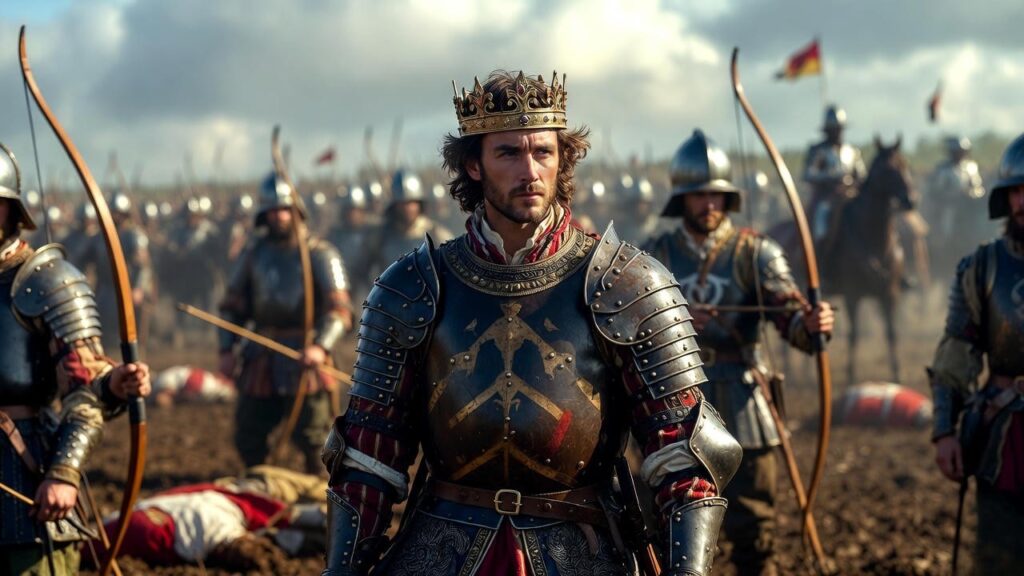
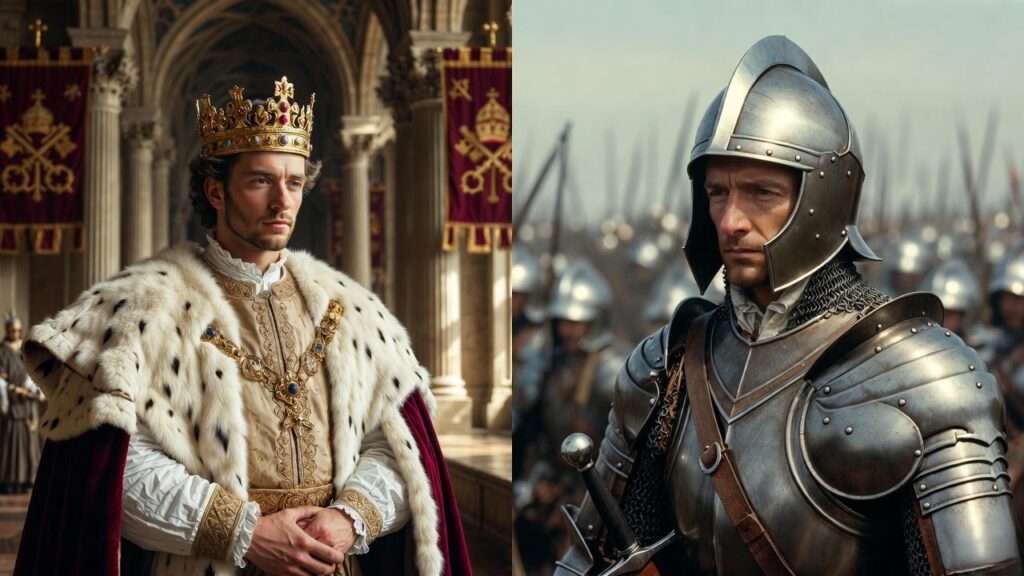
Imagine a 16-year-old prince charging into battle, only to be struck in the face by an arrow that burrows six inches into his skull. He refuses to leave the field, fighting on amid the chaos, blood streaming down his cheek. This is no dramatic invention from a playwright’s pen—it’s the real story of Prince Henry at the Battle of Shrewsbury in 1403. Yet for centuries, we’ve known a different version: the roistering “Prince Hal” of Shakespeare’s plays, carousing in Eastcheap taverns with Falstaff, only to miraculously reform into the heroic King Henry V. Dan Jones’s acclaimed 2024 biography, Henry V: The Astonishing Triumph of England’s Greatest Warrior King, shatters this myth, revealing a far more compelling figure—a devout, battle-hardened leader forged in hardship from youth.
In this article, we’ll draw on Jones’s rigorous research to separate Shakespeare’s legendary hero from the historical warrior king. For Shakespeare enthusiasts and history lovers alike, understanding the real Henry V enriches our appreciation of the plays while uncovering timeless lessons in leadership, piety, and pragmatism during the tumultuous Hundred Years’ War.
Who Is Dan Jones and Why His Biography Matters
Dan Jones is one of today’s most acclaimed popular historians, known for bestselling works like The Plantagenets, The Templars, and Powers and Thrones. His books have sold millions worldwide, blending meticulous archival research with gripping narrative storytelling. In 2024, Jones turned to biography for the first time with Henry V: The Astonishing Triumph of England’s Greatest Warrior King, earning rave reviews from outlets like The New York Times, The Telegraph, and historians such as Simon Sebag Montefiore, who called it “the best biography yet of England’s greatest king.”
Jones employs an innovative present-tense style—”Henry runs, rides, tries to decide”—to immerse readers in the medieval world, transforming dry records into a vivid portrait. Reviewers note its focus on Henry’s formative years (the first 26 of his 35-year life), often glossed over in prior biographies. Drawing on primary sources like chronicles and parliamentary records, Jones debunks longstanding myths, presenting Henry as a “complicated young monarch”: pious yet pragmatic, brilliant yet brutal, bookish yet battle-scarred.
For readers of Shakespeare’s Henriad (Henry IV Parts 1 and 2, and Henry V), Jones’s work is essential. He directly confronts the “wild Prince Hal” fiction, showing how Shakespeare’s dramatic arc served Tudor propaganda needs rather than historical truth. This makes Jones’s biography the perfect bridge between literary legend and medieval reality.
The Making of a Warrior Prince: Henry’s Early Life Before the Crown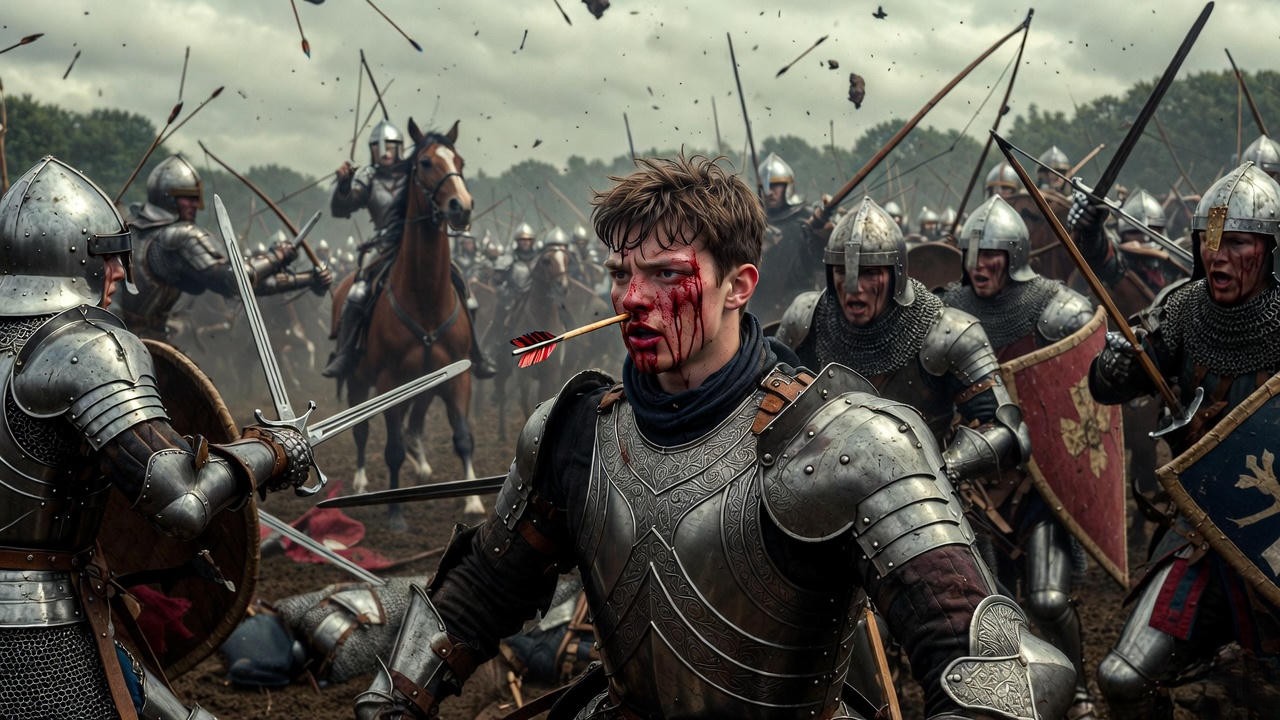
Henry V was born in 1386 (or possibly 1387) into a world of political turmoil. As the eldest son of Henry Bolingbroke (later Henry IV) and Mary de Bohun, he entered a Lancastrian dynasty shadowed by usurpation and rebellion.
Born into Turmoil – The Lancastrian Usurpation
Henry’s early childhood coincided with the tyrannical reign of Richard II, his cousin. Richard’s erratic rule—marked by exile of nobles and harsh punishments—culminated in 1399 when Bolingbroke seized the throne, deposing and likely murdering Richard. Young Henry, then about 13, became Prince of Wales overnight. This usurpation instilled lifelong lessons in betrayal, legitimacy, and the fragility of power. Jones emphasizes how Henry’s lineage—grandson of John of Gaunt—placed him at the heart of England’s fractured politics.
Baptism by Fire – Battles of Shrewsbury and Wales
Far from Shakespeare’s tavern-haunting youth, Henry’s teens were defined by warfare. In 1403, at age 16, he fought at Shrewsbury against rebels led by Henry “Hotspur” Percy. During the fierce archery barrage, an arrow struck Henry’s face beside his nose, penetrating deep into his skull. The shaft broke, leaving the bodkin point embedded. Refusing retreat, Henry continued fighting.
Surgeon John Bradmore later extracted the arrowhead using an innovative tool: threaded tongs inserted into the wound, expanded to grip the point, and carefully withdrawn. Honey served as antiseptic, wine for cleansing. Miraculously, Henry survived, though scarred for life—portraits often show him in profile on the unmarred side.
Jones highlights how this near-death experience, combined with campaigns against Welsh rebel Owain Glyndŵr, forged a serious, militarily adept prince. No evidence supports dissolute behavior; Henry was devout, scholarly (an avid reader of Chaucer and religious texts), and musically talented.
Tensions with Henry IV
Relations with his father were strained. Rumors swirled of plots to displace Henry in favor of his brothers. As Prince of Wales, he governed parts of the realm but faced political alienation. These years taught pragmatism and resilience, shaping the decisive king to come.
Shakespeare’s Greatest Myth: The Wild Prince Hal Transformation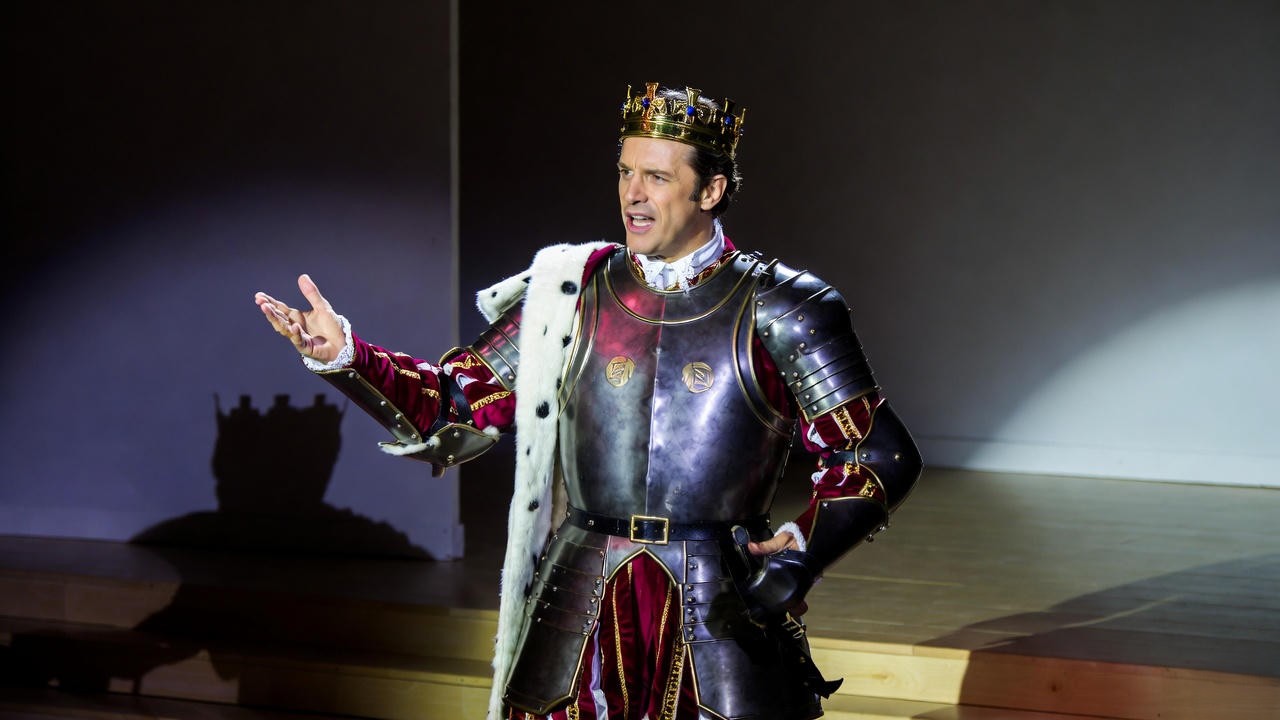
Shakespeare’s depiction of Henry V is one of his most enduring creations, but it prioritizes dramatic arc over historical accuracy. The transformation from reckless youth to ideal monarch forms the emotional core of the Henriad tetralogy.
Origins of the Legend
Shakespeare drew heavily from Raphael Holinshed’s Chronicles and earlier anonymous plays like The Famous Victories of Henry V. These sources contained embellished anecdotes of a wayward prince who robbed travelers and associated with low company. Shakespeare amplified this into the charismatic but flawed Prince Hal, whose rejection of Falstaff symbolizes personal and national renewal.
Key Inaccuracies Debunked by Dan Jones
Dan Jones systematically dismantles the myth:
- No Dissolute Youth: Contemporary records show Henry as pious and responsible from adolescence. He patronized religious foundations, commissioned music, and collected books—including works by Chaucer and Thomas Hoccleve.
- Falstaff and Eastcheap Companions: Largely fictional. Falstaff draws loose inspiration from Sir John Oldcastle, a Lollard knight executed for heresy under Henry V—not a jolly tavern companion.
- The “Reformation” Scene: Shakespeare’s coronation rejection of old friends has no historical basis. Henry ascended smoothly in 1413, already respected for his governance.
| Aspect | Shakespeare’s Portrayal | Historical Reality (per Dan Jones) |
|---|---|---|
| Youthful Behavior | Tavern-roistering, thieving | Devout, scholarly, battle-tested |
| Relationship with Father | Rebellious, rumored to steal crown | Strained but professional; no major rebellion |
| Companions | Falstaff, Poins, Bardolph | Knights and nobles; no low-life associates |
| Coronation Change | Dramatic rejection of past life | Continuity; already regal and responsible |
Why Shakespeare Altered History
Writing under Elizabeth I, Shakespeare crafted an idealized monarch to flatter Tudor legitimacy—descended from Henry’s Lancastrian line. The redemption arc mirrored Christian themes and justified the dynasty’s violent origins. It also provided rich dramatic contrast, turning history into timeless theater.
King Henry V – Triumphs, Brutalities, and Leadership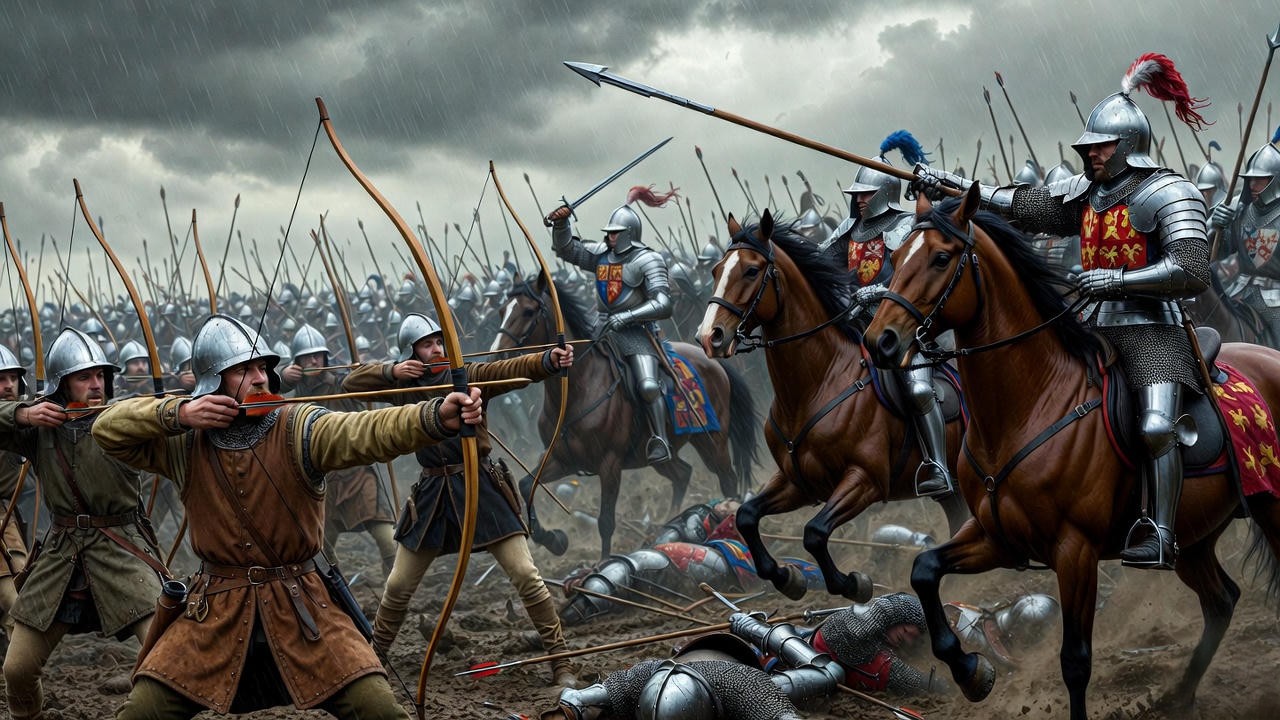
Henry’s nine-year reign (1413–1422) was defined by renewed war with France, domestic consolidation, and personal piety.
Ascension and Domestic Reforms (1413)
Upon Henry IV’s death, the new king moved swiftly to unify a divided realm. He rehabilited Richard II’s memory (reinterring his body honorably), pardoned former enemies, and pursued financial prudence. Jones describes Henry as a hands-on administrator, reforming justice and promoting English as an official language.
The Agincourt Campaign (1415)
Henry’s bold invasion claimed the French throne via Salic law disputes. The siege of Harfleur cost dearly in dysentery casualties, but the march to Calais culminated in Agincourt. Outnumbered (estimates vary from 3:1 to 6:1), English longbowmen decimated French knights in muddy terrain.
Jones provides nuance: Victory owed as much to French disarray and English discipline as divine favor. Henry’s order to execute prisoners—fearing a counterattack—was pragmatic but brutal by modern standards.
Later Conquests and the Treaty of Troyes (1420)
Subsequent campaigns normalized English rule in Normandy. The 1420 Treaty of Troyes, sealed by marriage to Catherine of Valois, named Henry heir to Charles VI. At his death, he ruled much of France more effectively than the French king himself.
The Darker Side – Pragmatism or Cruelty?
Henry suppressed heresy harshly, burning his former friend Sir John Oldcastle in 1417. Southampton Plot conspirators were executed without mercy. Jones contextualizes these within medieval norms: Henry was neither exceptionally cruel nor lenient—he was effective in a brutal age.
Henry V in Shakespeare’s Play vs. Historical Record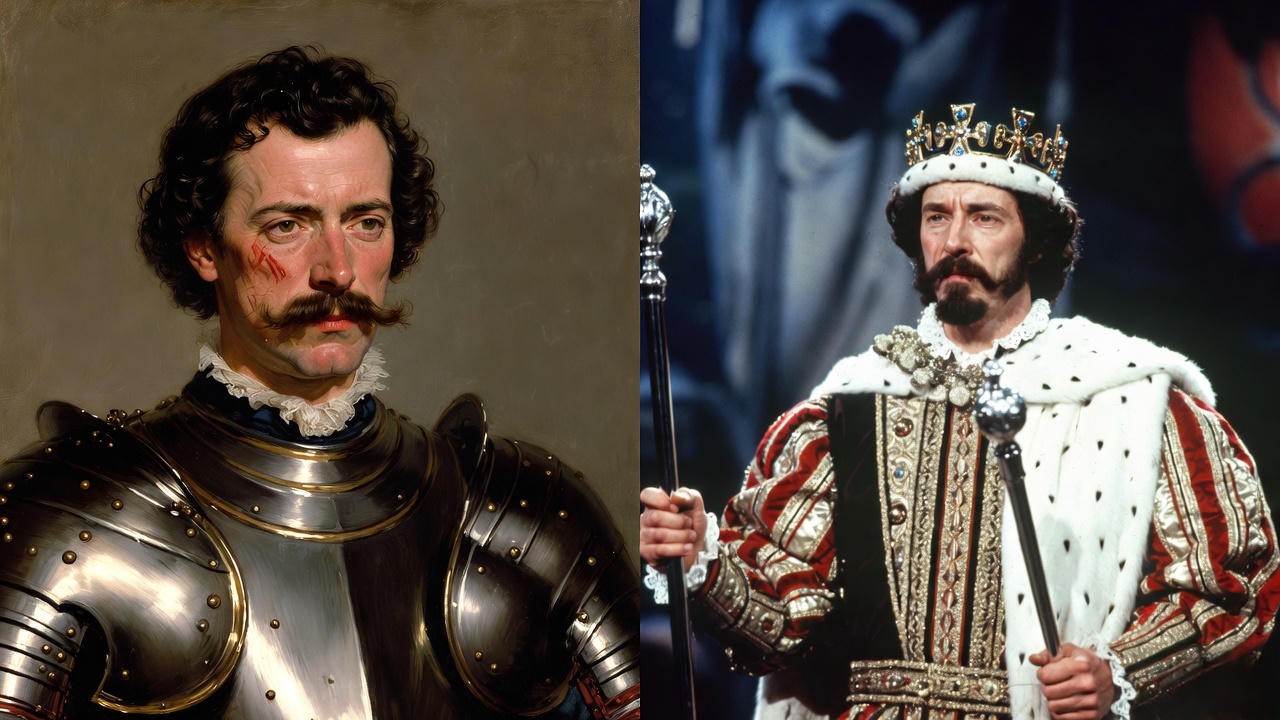
Shakespeare’s Henry V captures the king’s charisma while embellishing for effect:
- Tennis Balls Insult: Exaggerated diplomatic slight becomes motivational spark.
- Harfleur Speech: “Once more unto the breach” is pure invention, though Henry did exhort troops.
- St. Crispin’s Day: Inspired by chronicles but amplified into oratorical masterpiece.
- Wooing Katherine: Charming but ahistorical—diplomatic marriage, not romance.
Overall, Shakespeare remains surprisingly faithful to events while inflating nationalism and heroism to suit Elizabethan audiences.
Legacy – England’s Greatest King or Flawed Conqueror?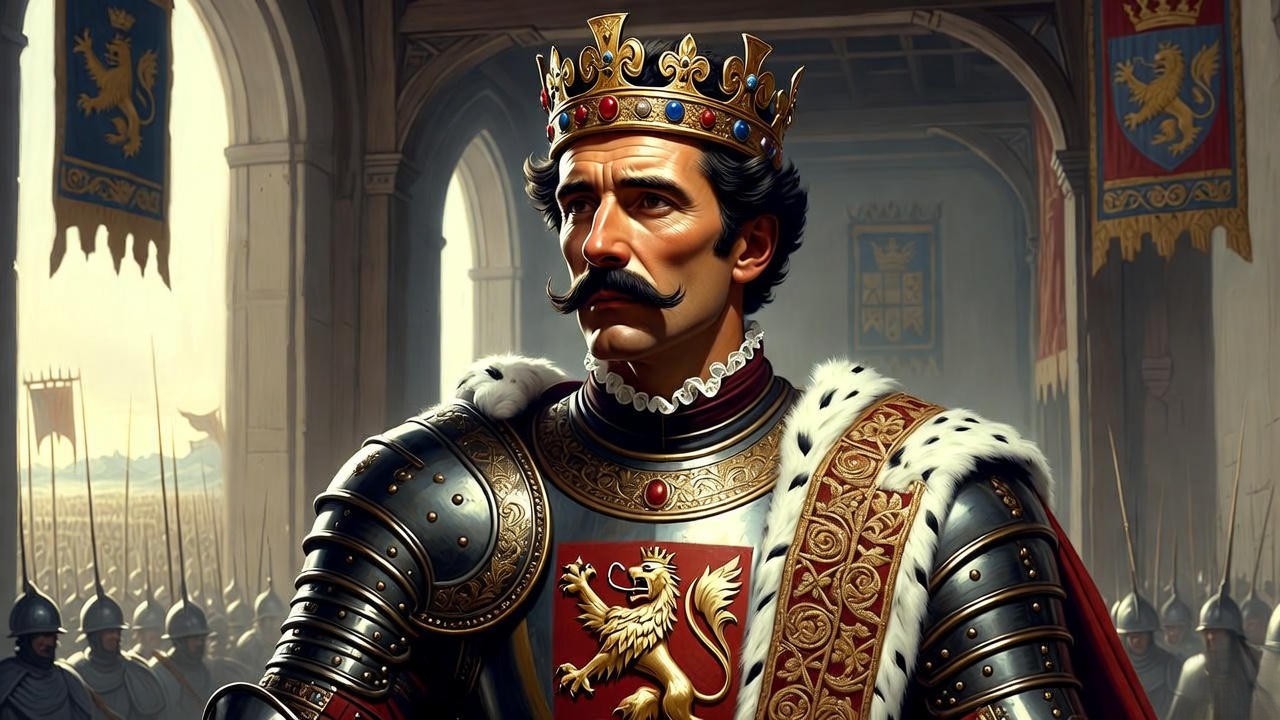
Henry died suddenly in 1422 at age 35, likely from dysentery contracted during siege. His infant son Henry VI inherited dual crowns, but regents’ mismanagement sparked the Wars of the Roses.
Dan Jones argues Henry deserves recognition as England’s greatest warrior king for stabilizing a usurped throne and achieving unprecedented conquests. Yet the empire proved unsustainable. His legacy endures in leadership ideals: decisiveness, piety, and the performative power of monarchy.
Modern assessments vary—Churchill invoked Agincourt in WWII; critics note war’s human cost. Jones’s balanced portrait reveals a man of his time: brilliant, devout, ruthless, and ultimately tragic.
Dan Jones’s Henry V strips away centuries of Shakespearean gloss to reveal a more nuanced, compelling figure than the legendary hero. The real Henry was no reformed rake but a lifelong warrior-prince whose triumphs and flaws reflect the harsh realities of medieval kingship.
For Shakespeare readers, this historical grounding deepens the plays’ irony and tragedy. For history enthusiasts, it restores a remarkable leader too often overshadowed by myth. Ultimately, separating fact from fiction doesn’t diminish Henry—it makes him human, and all the more astonishing.