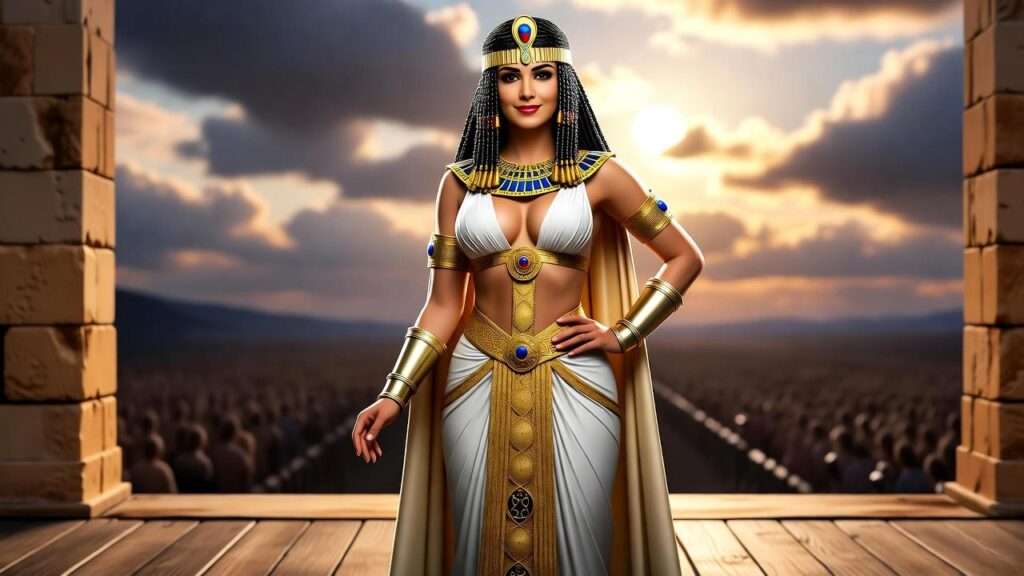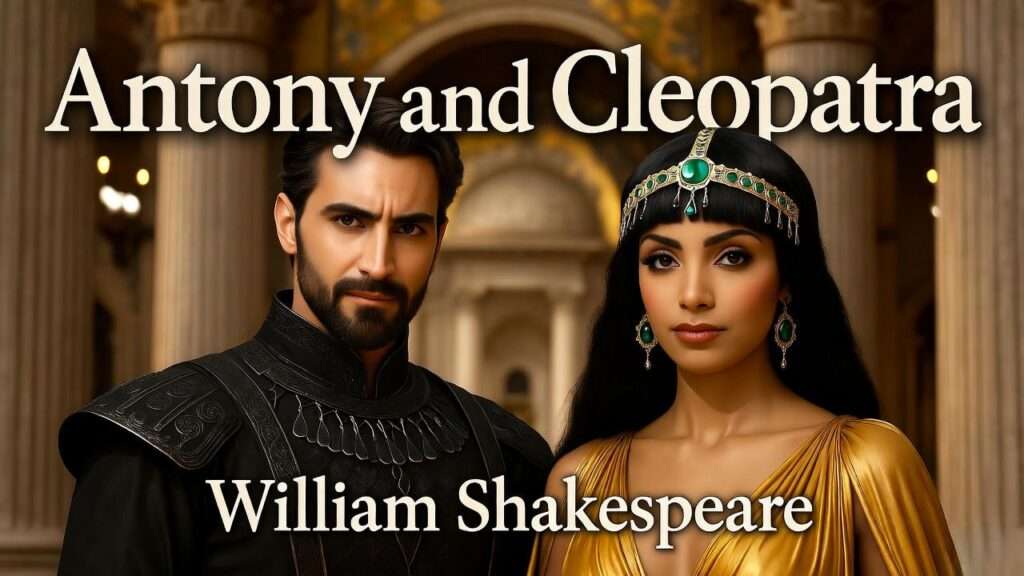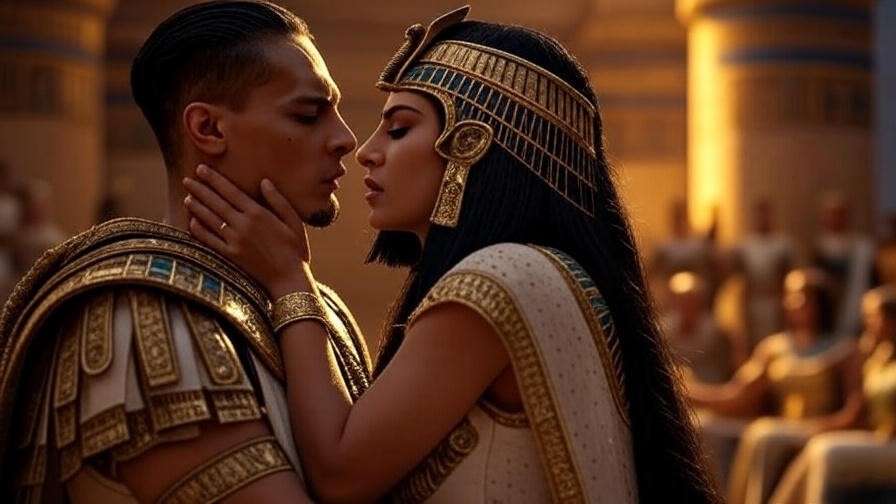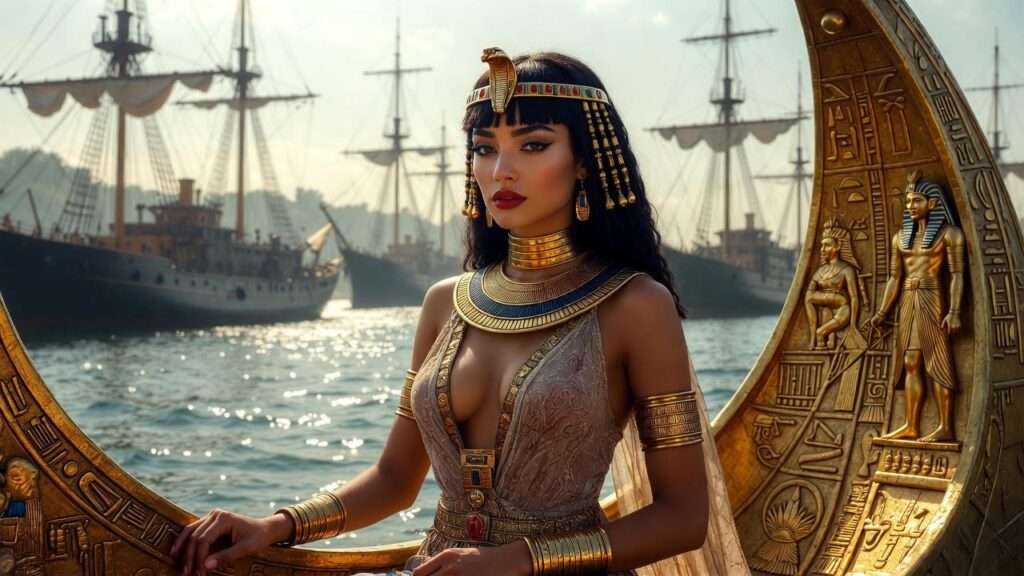
Few historical figures have captured the human imagination quite like Cleopatra VII of Egypt. Seductress, strategist, ruler, lover, and tragic icon — she remains one of the most written-about women in history. Yet it is William Shakespeare’s Antony and Cleopatra (written around 1606–1607) that gave her the most enduring and poetic voice in the English language.
When people search for famous quotes about Cleopatra, they are often looking for lines that capture her legendary allure, infinite complexity, political brilliance, and tragic grandeur. While many of the play’s most celebrated passages come from Cleopatra herself, the most quoted and culturally resonant descriptions of her — the ones that have echoed through centuries — are spoken about her by others, especially the Roman soldier Enobarbus.
In this in-depth exploration, we’ll examine the most famous quotes about Cleopatra from Shakespeare’s masterpiece, provide their full context, modern translations, literary analysis, and the reasons they continue to fascinate readers, scholars, actors, and audiences today.
Whether you’re a student writing an essay, a literature lover seeking deeper understanding, a theater enthusiast preparing for a production, or simply someone captivated by one of history’s most powerful women, these lines offer timeless insight into how Shakespeare transformed a historical queen into an immortal dramatic force.
Who Was Cleopatra in Shakespeare’s Antony and Cleopatra? A Brief Overview
To appreciate the famous quotes about Cleopatra, we must first understand how Shakespeare reimagined her.
The real Cleopatra VII Philopator (69–30 BCE) was the last active ruler of the Ptolemaic Kingdom of Egypt, a brilliant polyglot, skilled diplomat, and the only woman to rule Egypt in her own right for nearly three centuries. She famously allied herself first with Julius Caesar and later with Mark Antony in a desperate bid to preserve Egyptian independence against the rising power of Rome.
Shakespeare drew heavily on Thomas North’s 1579 translation of Plutarch’s Life of Antony (from the Greek Parallel Lives), but he radically transformed the material. Where Plutarch presents a calculating and manipulative queen, Shakespeare creates a far more complex, contradictory, and mesmerizing figure — a woman who is simultaneously regal and volatile, politically astute and emotionally extravagant, infinitely desirable and dangerously unpredictable.
In Antony and Cleopatra, Shakespeare deliberately contrasts the disciplined, rational world of Rome with the sensual, chaotic, passionate world of Egypt. Cleopatra becomes the living embodiment of Egypt itself — exotic, excessive, magnetic, and ultimately uncontainable by Roman order.
It is precisely this tension that makes the play’s descriptions of Cleopatra so powerful. Every major character who speaks about her reveals as much about their own values and worldview as about the queen herself.
The Most Iconic Quote About Cleopatra: Enobarbus’s Timeless Tribute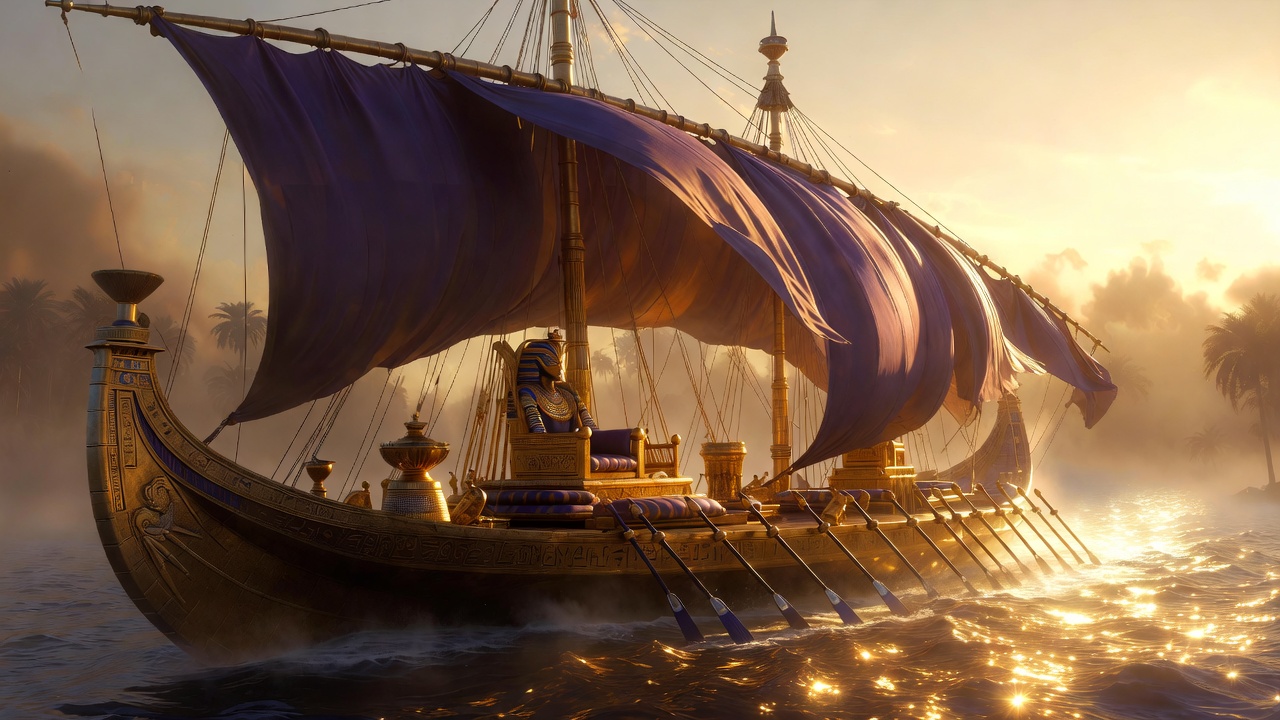
No discussion of famous quotes about Cleopatra can begin anywhere other than Enobarbus’s legendary speech in Act 2, Scene 2.
The scene takes place in Rome. Antony has returned from Egypt to answer Caesar’s accusations and negotiate peace. The cynical Roman soldiers Philo and Demetrius have been mocking Antony’s infatuation. Enobarbus, Antony’s loyal (and famously blunt) friend, responds with one of the most celebrated passages in all of Shakespeare:
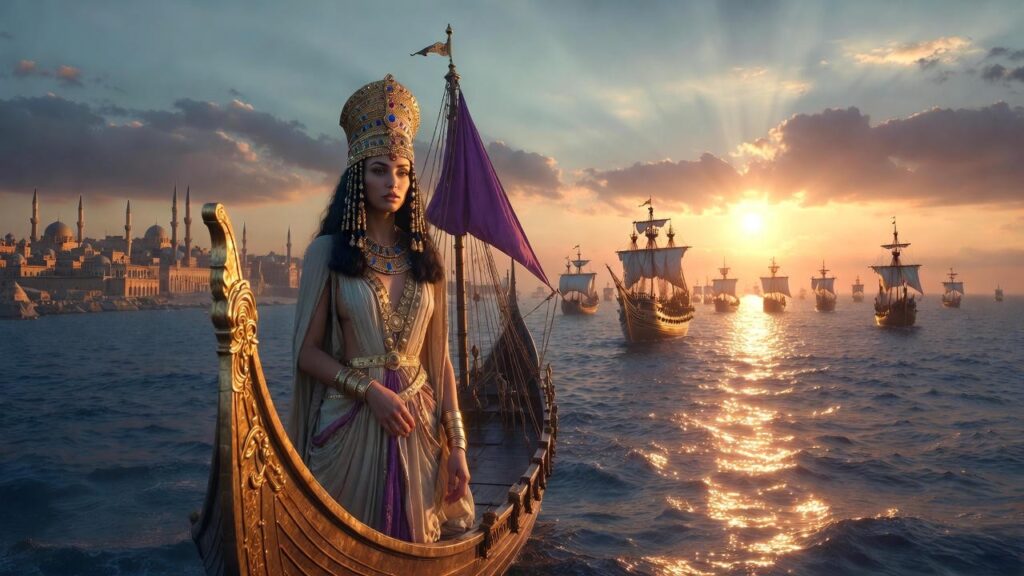
Enobarbus When she first met Mark Antony, she pursed up His heart, upon the river of Cydnus. … The barge she sat in, like a burnish’d throne, Burn’d on the water. The poop was beaten gold; Purple the sails, and so perfumed that The winds were love-sick with them; the oars were silver, Which to the tune of flutes kept stroke, and made The water which they beat to follow faster, As amorous of their strokes. For her own person, It beggar’d all description: she did lie In her pavilion—cloth-of-gold of tissue— O’er-picturing that Venus where we see The fancy outwork nature. On each side her Stood pretty dimpled boys, like smiling Cupids, With divers-colour’d fans, whose wind did seem To glow the delicate cheeks which they did cool, And what they undid did. … Age cannot wither her, nor custom stale Her infinite variety. Other women cloy The appetites they feed, but she makes hungry Where most she satisfies. For vilest things Become themselves in her, that the holy priests Bless her when she is riggish.
Modern English Translation & Breakdown
In plain language, Enobarbus describes Cleopatra’s first meeting with Antony on the river Cydnus:
- Her barge was like a burning golden throne floating on the water.
- The sails were purple and so heavily perfumed that even the winds seemed lovesick.
- Silver oars moved to the music of flutes, making the water itself seem eager to follow.
- Cleopatra herself was beyond description — more beautiful than any painting of Venus.
- Beautiful boys fanned her, and their fanning somehow made her cheeks glow rather than cool them.
- Most famously: “Age cannot wither her, nor custom stale / Her infinite variety.”
Even the most vulgar behavior becomes somehow sanctified when she does it.
Why This Is the Most Famous Quote About Cleopatra
The phrase “Age cannot wither her, nor custom stale / Her infinite variety” has become almost synonymous with Cleopatra herself.
It appears in books, films, academic papers, feminist theory, theater reviews, perfume advertisements, and countless social media captions. The line captures something essential about human desire: true fascination never fades. The more you experience it, the more you want.
Shakespeare achieves something remarkable here. Through Enobarbus — a rough, loyal, cynical soldier — he gives us the most lyrical, sensual, almost worshipful description of Cleopatra in the entire play. The soldier who should represent Roman pragmatism instead becomes her greatest poet.
Shakespeare deliberately makes Cleopatra absent from the stage during this speech. We never see her arrival on the Cydnus. Instead, we experience it through Enobarbus’s memory and imagination — which makes the vision even more powerful. The queen is constructed entirely through language, rumor, and desire.
Key literary techniques at work:
- Synaesthesia: The blending of senses (sight, smell, sound, touch). Purple sails are “perfumed” so strongly that “the winds were love-sick.” Oars make the water “amorous.” Even the fans seem to warm rather than cool Cleopatra’s cheeks.
- Hyperbole and excess: Everything is larger-than-life, golden, burning, perfumed, silver — deliberately overwhelming Roman restraint.
- Mythological allusion: Cleopatra is compared to Venus, and her attendants to Cupids. She becomes a goddess incarnate, not merely a mortal queen.
- Erotic paradox: The fans “undo” (cool) her cheeks but also “do” (make them glow). Desire is never satisfied; it is perpetually renewed.
This paradox is crystallized in the famous closing lines: “Other women cloy / The appetites they feed, but she makes hungry / Where most she satisfies.”
Here Shakespeare articulates one of the deepest truths about erotic fascination: true allure does not diminish with familiarity — it grows. Cleopatra is addictive. She defies the ordinary laws of satiation.
Scholars and theater directors often note that this speech is the emotional and poetic high point of the first half of the play. After this moment, everything else feels like a falling away from that impossible, radiant vision.
Other Powerful Descriptions of Cleopatra’s Allure and Power
While Enobarbus’s speech stands alone as the most celebrated, Shakespeare scatters other unforgettable lines about Cleopatra throughout the play. Each reveals a different facet — or a different speaker’s bias.
“O happy horse, to bear the weight of Antony! … For so he calls me [serpent of old Nile]”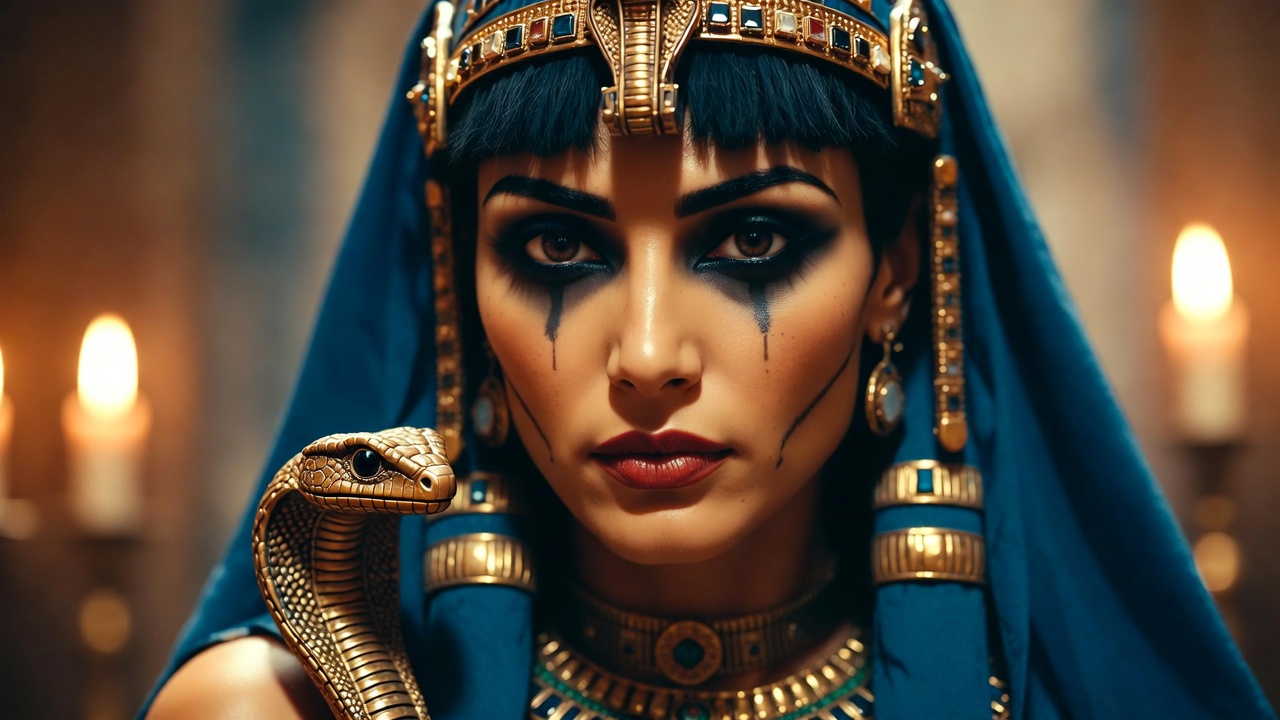
(Cleopatra quoting Antony to herself, Act 1, Scene 5)
In a moment of private longing, Cleopatra recalls Antony’s pet names for her:
Cleopatra … Think on me, That am with Phoebus’ amorous pinches black, And wrinkled deep in time? Broad-fronted Caesar, When thou wast here above the ground, I was A morsel for a monarch; and great Pompey Would stand and make his eyes grow in my brow; There would he anchor his aspect, and die With looking on his life. … O happy horse, to bear the weight of Antony! … For so he calls me. That I might sleep out this great gap of time My Antony is away.
Later she adds:
“My salad days, / When I was green in judgment” (referring to her youthful affair with Caesar).
But the most striking self-description comes when she imagines Antony’s affectionate nickname: “the serpent of old Nile.”
This line is extraordinary because Cleopatra embraces the dangerous, exotic, serpentine image the Romans fear. She turns insult into intimacy. The serpent is seductive, venomous, ancient, and royal — all qualities she claims for herself.
Roman Scorn — “The triple pillar of the world transformed / Into a strumpet’s fool”
(Philo, Act 1, Scene 1)
The play opens with the harsh Roman judgment of Philo:
Philo Nay, but this dotage of our general’s O’erflows the measure. Those his goodly eyes, That o’er the files and musters of the war Have glowed like plated Mars, now bend, now turn The office and devotion of their view Upon a tawny front. His captain’s heart, Which in the scuffles of great fights hath burst The buckles on his breast, reneges all temper, And is become the bellows and the fan To cool a gipsy’s lust. … The triple pillar of the world transformed / Into a strumpet’s fool.
This is the Roman view at its most misogynistic and xenophobic: Cleopatra is a “tawny” (dark-skinned) “gipsy” and “strumpet” who has unmanned the great Antony.
Yet even here, Shakespeare plants the seeds of admiration. The language is so vivid, so hyperbolic, that it inadvertently magnifies Cleopatra’s power. She has done what no army could: she has conquered Rome’s greatest general.
Cleopatra Through Her Own Words: Self-Descriptions That Echo Her Legend
While the most quoted famous quotes about Cleopatra come from other characters, the queen herself delivers several lines that powerfully define her character and contribute to her mythic status. These self-reflections reveal her intelligence, theatrical self-awareness, pride, vulnerability, and tragic foresight.
“My salad days, / When I was green in judgment” (Act 1, Scene 5)
In one of her most human and self-deprecating moments, Cleopatra reminisces about her youthful affair with Julius Caesar:
Cleopatra My salad days, When I was green in judgment, cold in blood, To say as I said then. But come, away, Get me ink and paper. He shall have every day a several greeting, Or I’ll unpeople Egypt.
The phrase “salad days” has entered the English language as a synonym for youth and inexperience. Shakespeare gives Cleopatra a moment of gentle self-mockery that makes her more relatable — even the great seductress was once naïve.
Yet the line also underscores her growth: she now understands power, desire, and politics far more deeply than in her “green” youth.
“Antony / Shall be brought drunken forth, and I shall see / Some squeaking Cleopatra boy my greatness / I’ th’ posture of a whore” (Act 5, Scene 2)
In the final act, facing defeat and capture by Octavius Caesar, Cleopatra imagines the ultimate humiliation: being paraded through Rome in a triumph, mocked by the crowds, and worst of all — impersonated on stage by a boy actor:
Cleopatra … the quick comedians Extemporally will stage us, and present Our Alexandrian revels; Antony Shall be brought drunken forth, and I shall see Some squeaking Cleopatra boy my greatness I’ th’ posture of a whore.
This meta-theatrical moment is one of Shakespeare’s most brilliant strokes. Cleopatra, the supreme performer, dreads becoming a cheap theatrical parody of herself. The fear of being reduced to “some squeaking Cleopatra” (a high-pitched boy actor) reveals her profound awareness of image, reputation, and legacy.
It is precisely this fear that drives her to choose death on her own terms — dying “after the high Roman fashion” — to preserve her dignity and mythic stature forever.
These self-portraits show that Cleopatra is not merely the object of others’ descriptions; she actively shapes and defends her own legend.
Themes Revealed Through These Famous Quotes About Cleopatra
Shakespeare’s language about Cleopatra weaves together several profound and enduring themes:
- Infinite variety and the nature of desire Enobarbus’s lines establish that Cleopatra’s greatest power is psychological and emotional: she never becomes predictable or boring. In a world that values constancy (Roman virtus), she represents endless change and renewal — a quality both terrifying and irresistible.
- East vs. West / Egypt vs. Rome The play constantly contrasts Roman discipline, order, masculinity, and duty with Egyptian sensuality, fluidity, femininity, and pleasure. Every description of Cleopatra is also a description of Egypt itself — exotic, excessive, dangerous, and seductive.
- Gender, power, and performance Cleopatra is a ruler who must perform femininity strategically. She weaponizes her sexuality, theatricality, and emotional volatility. The play asks: Is this manipulation, or is it the only way a woman can wield power in a male-dominated world?
- Immortality through language Cleopatra dies, but the poetry spoken about her — and by her — ensures she lives forever. Shakespeare makes language itself the vessel of immortality, more enduring than empires or marble monuments.
Why These Quotes Still Resonate Today
More than four centuries after the play was written, these lines about Cleopatra remain powerful because they speak to timeless human experiences:
- The addictive quality of certain relationships and personalities
- The tension between duty and desire
- The complexity of powerful women in patriarchal societies
- The fear of being reduced, caricatured, or misunderstood by history
- The longing to be seen as endlessly fascinating rather than ordinary
In an era of social media personas, personal branding, and constant performance, Cleopatra’s “infinite variety” feels strikingly modern. She is a figure of empowerment for many, a cautionary tale for others, and an object of endless fascination for all.
For students and scholars, these quotes provide rich material for essays on gender, colonialism, Orientalism, performance theory, and tragic structure. For actors, they offer some of the most rewarding roles in the canon. For general readers, they offer beauty, insight, and a glimpse into one of literature’s greatest female characters.
Frequently Asked Questions (FAQs)
What is the most famous quote about Cleopatra in Shakespeare? The single most quoted and recognized line is: “Age cannot wither her, nor custom stale / Her infinite variety” (Enobarbus, Act 2, Scene 2).
Are there any famous quotes actually spoken by Cleopatra herself? Yes — lines such as “My salad days, when I was green in judgment” and her meta-theatrical speech about being impersonated by “some squeaking Cleopatra boy” are widely admired and frequently quoted.
How does Shakespeare’s Cleopatra differ from the historical figure? Shakespeare amplifies her sensuality, emotional volatility, and theatricality far beyond Plutarch’s more restrained portrait. He creates a character who is both politically brilliant and dangerously unpredictable — a deliberate dramatic choice.
Why do Romans call Cleopatra a “serpent” and “gypsy”? These are xenophobic and misogynistic slurs reflecting Roman fear of Egypt’s power and Cleopatra’s influence over Antony. She later reclaims the “serpent of old Nile” image as a term of endearment.
Is Antony and Cleopatra considered one of Shakespeare’s greatest tragedies? Yes — many scholars rank it among his finest works, alongside Hamlet, King Lear, and Othello, for its psychological depth, poetic richness, and complex portrayal of love, power, and mortality.
Shakespeare did not merely retell the story of Cleopatra and Antony; he gave the world a queen who transcends time through the sheer power of language. The famous quotes about Cleopatra — from Enobarbus’s ecstatic vision to her own defiant self-portraits — capture a woman who refuses to be fixed, diminished, or forgotten.
In the end, it is not marble statues or golden barges that keep Cleopatra alive: it is the words. As long as people read, speak, and feel the lines of Antony and Cleopatra, she remains what Enobarbus declared her to be: a figure whose variety is infinite, whose allure never fades.
Thank you for joining this deep dive into Shakespeare’s most mesmerizing female character. If you’d like to explore more of the play, other Shakespearean heroines, or the historical Cleopatra, continue the journey here on williamshakespeareinsights.