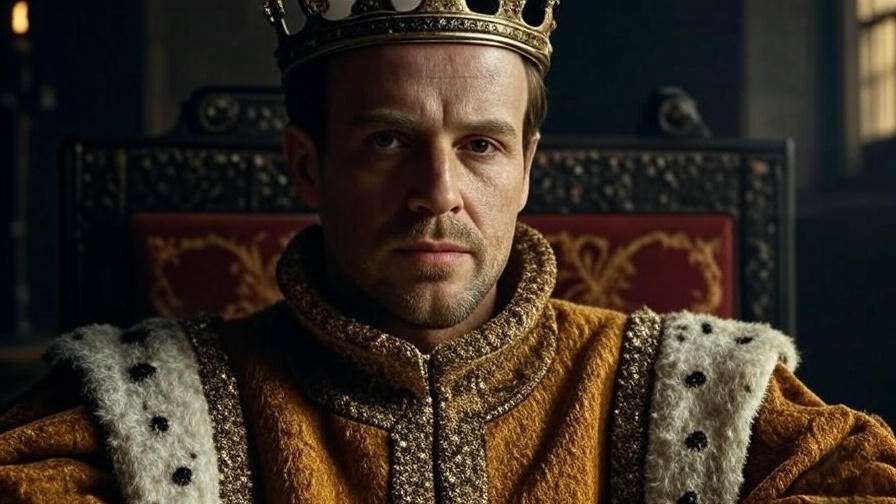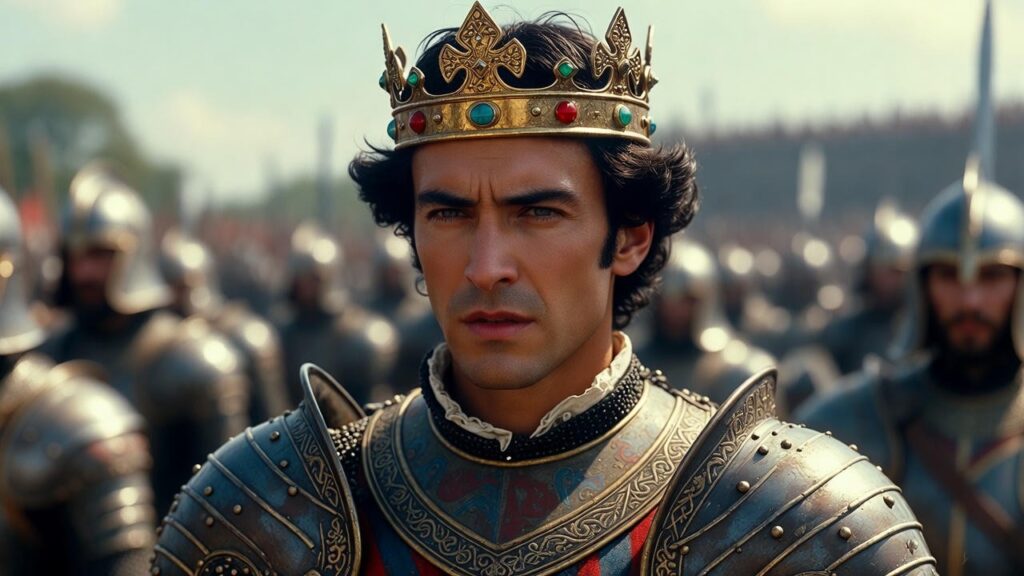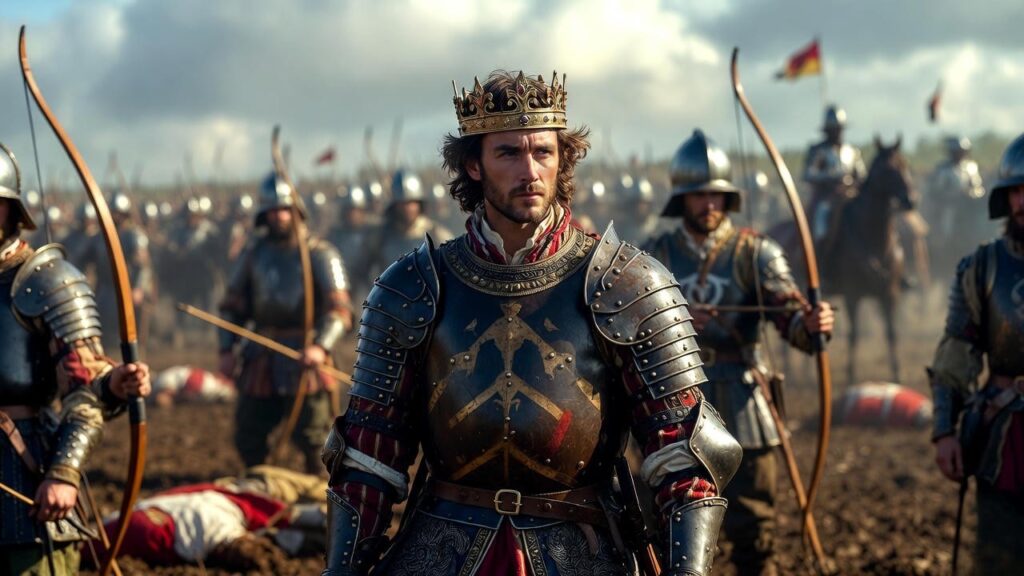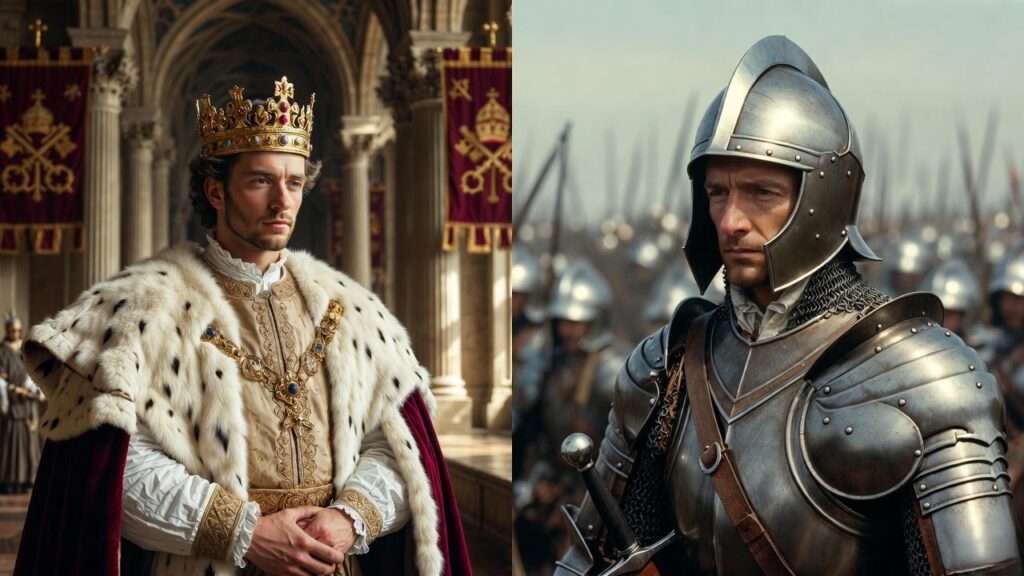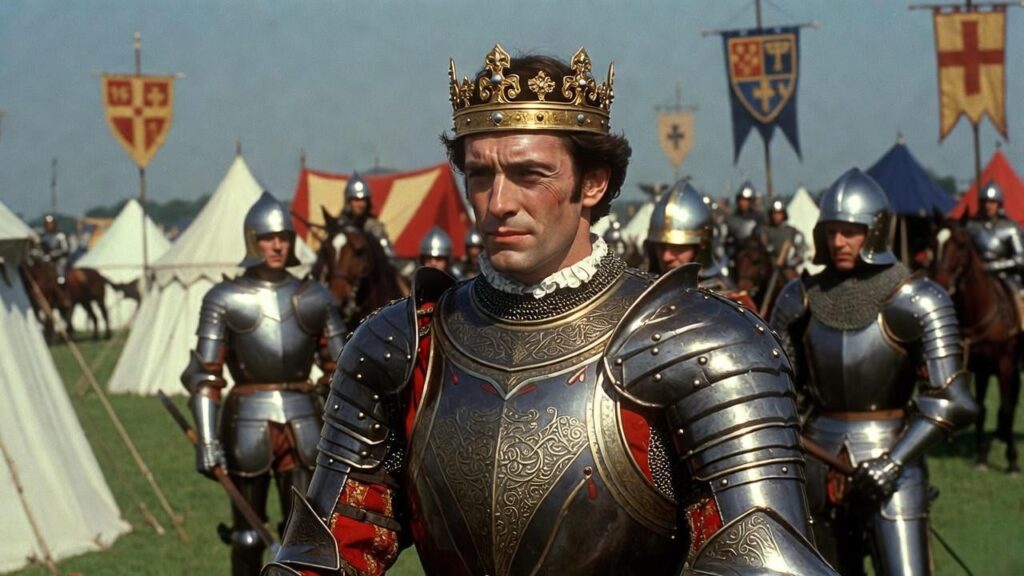
Imagine a 16-year-old prince on the battlefield, an arrow smashing into his face, embedding deep in his skull. He survives—barely—thanks to a pioneering surgeon’s daring operation. This isn’t the stuff of tavern tales or wild youth; it’s the gritty reality that forged one of England’s most formidable kings. Yet for centuries, we’ve known Henry V through William Shakespeare’s lens: the roistering Prince Hal who miraculously transforms into a heroic monarch. Historian Dan Jones, in his acclaimed 2024 biography Henry V: The Astonishing Triumph of England’s Greatest Warrior King, shatters this myth, revealing a far more complex, driven, and ruthless figure. Drawing on fresh insights from primary sources, Jones’s henry v dan jones exploration separates fact from fiction, offering Shakespeare enthusiasts and history lovers a deeper understanding of the man behind the legend.
Many readers turn to Shakespeare’s Henry V inspired by its rousing speeches and triumphant narrative, only to wonder: How much is true? Was there really a dissolute “Prince Hal”? Did Henry deliver that iconic “band of brothers” speech at Agincourt? Dan Jones’s biography addresses these questions head-on, providing a nuanced portrait grounded in medieval records. This article delves into Jones’s findings, comparing the historical Henry V—a pious, battle-hardened leader from adolescence—with Shakespeare’s dramatized ideal. By examining key differences in youth, leadership, and the Agincourt campaign, we’ll uncover a richer, more human story that enhances appreciation for both history and the Bard’s genius.
Who Was the Historical Henry V? Insights from Dan Jones’s Biography
Dan Jones’s biography stands out for its comprehensive scope, covering Henry’s full life (1386–1422) rather than fixating solely on Agincourt. Jones, a bestselling historian known for works like The Plantagenets and Powers and Thrones, writes with vivid immediacy—often in present tense—to bring the medieval world alive. His Henry emerges as a multifaceted leader: devoutly religious, strategically brilliant, culturally refined, yet capable of cold brutality in an era where mercy was often a luxury.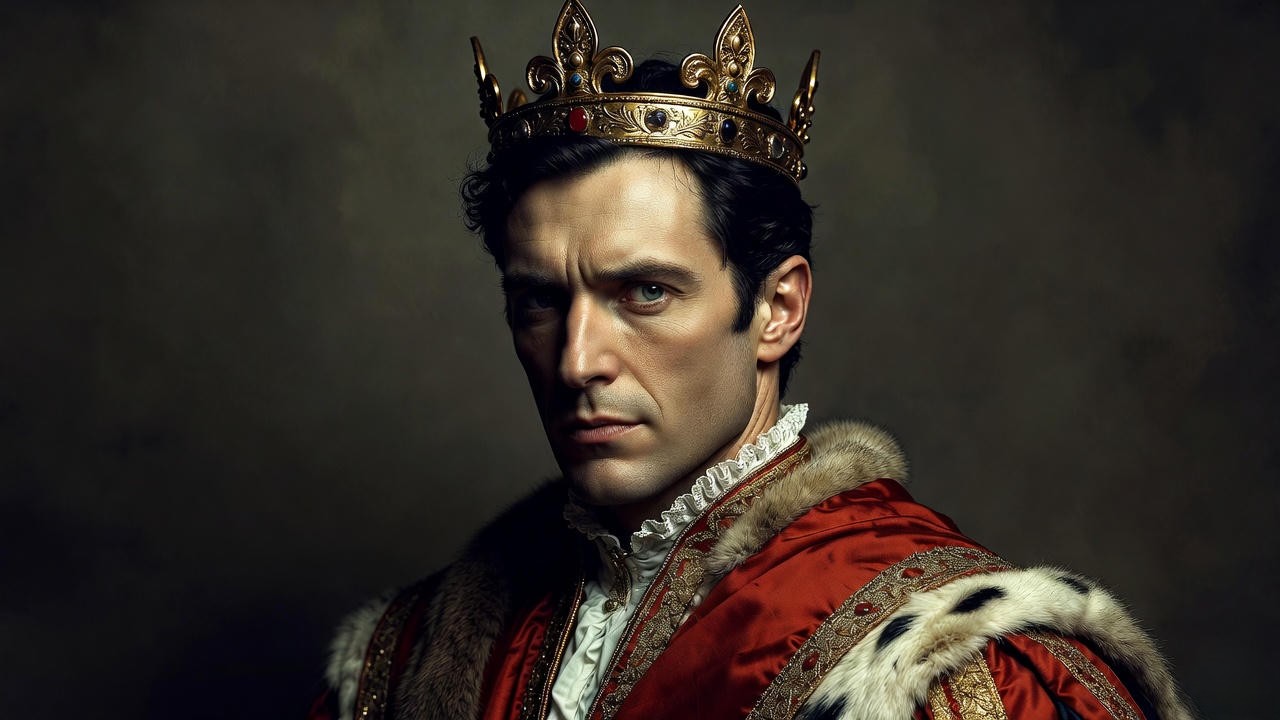
Born in 1386 as the son of Henry Bolingbroke (later Henry IV), young Henry grew up amid political turmoil following Richard II’s deposition. Jones emphasizes Henry’s early immersion in warfare and governance, painting him as a disciplined apprentice to power rather than a wayward youth.
Early Life and Apprenticeship in War
Henry’s childhood was marked by instability. As a boy, he was held hostage by Richard II during his father’s exile, witnessing the capricious king’s downfall firsthand. When Bolingbroke seized the throne in 1399, 13-year-old Henry became Prince of Wales.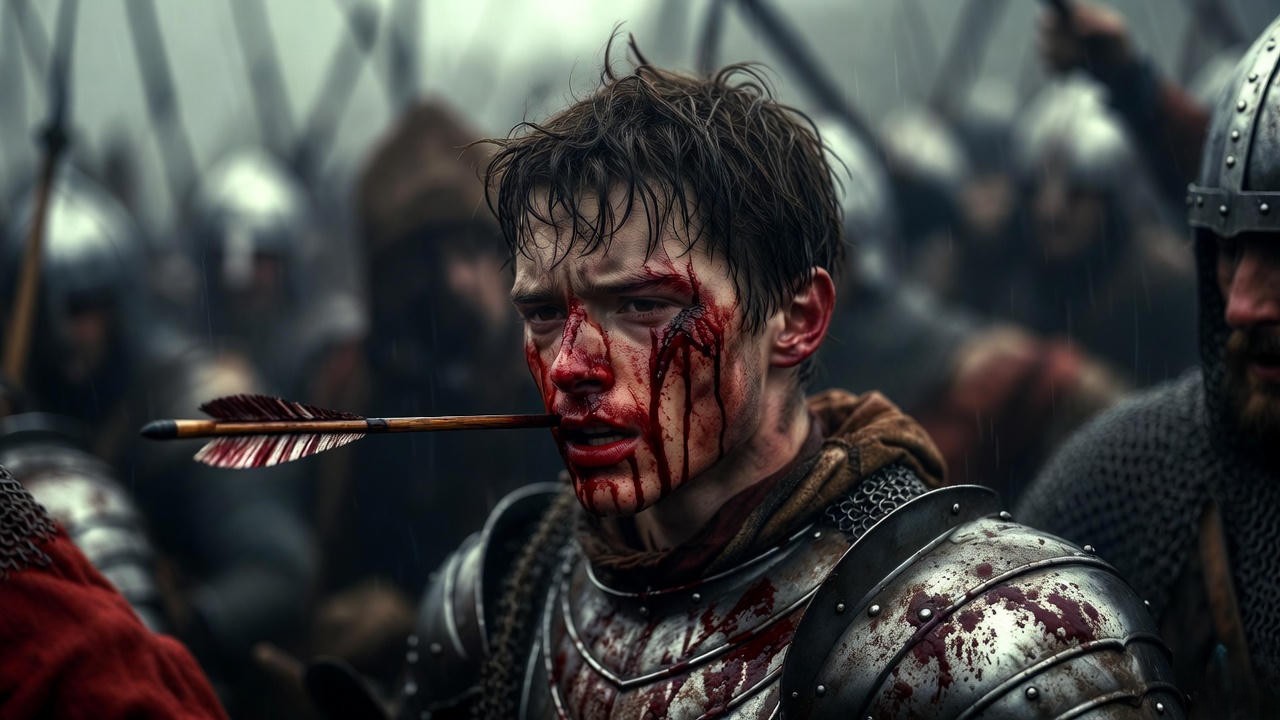
Far from Shakespeare’s tavern-haunting Hal, the real prince was thrust into command early. By age 14, he fought Welsh rebels under Owain Glyndŵr. The pivotal moment came at the Battle of Shrewsbury (1403), where 16-year-old Henry, commanding part of the royal army, took an arrow to the face. Jones vividly recounts the innovative surgery by John Bradmore, who used a custom tool to extract the arrowhead without killing the prince—a testament to Henry’s resilience and the era’s medical ingenuity.
This trauma, Jones argues, forged Henry’s character: pious, focused, and unafraid of hardship. No contemporary sources mention wild debauchery; instead, records show a sober, dutiful youth hardened by responsibility.
Ascension to the Throne and Domestic Reforms
Henry IV’s reign was plagued by rebellions and illness. Rumors of father-son tension arose when the prince reportedly gathered supporters in 1412, but Jones clarifies this as a misunderstanding resolved through reconciliation. Upon Henry IV’s death in 1413, Henry V ascended smoothly at age 26.
As king, Henry prioritized unity. He suppressed the Lollard heresy (executing leaders like Sir John Oldcastle, a former friend) and reformed finances, stabilizing a kingdom drained by civil strife. Jones portrays him as an innovative administrator who valued law and order, fostering loyalty through justice rather than fear alone.
Personal Traits Beyond the Battlefield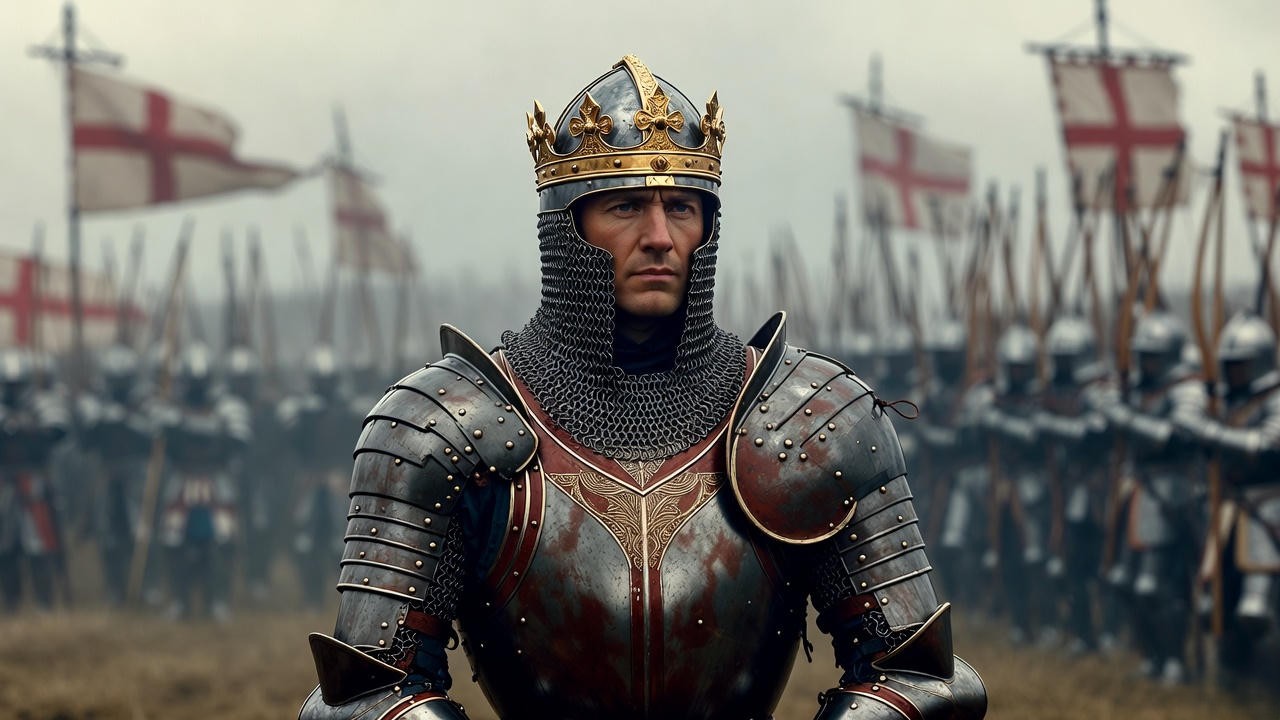
Jones humanizes Henry as a cultured monarch: an avid reader with a large library, a skilled musician (particularly fond of the harp), and a devout Christian who founded religious houses. Yet he was no saint—ruthless when necessary, executing perceived traitors without hesitation.
Shakespeare’s Henry V: The Myth of the Rebellious Prince Turned Hero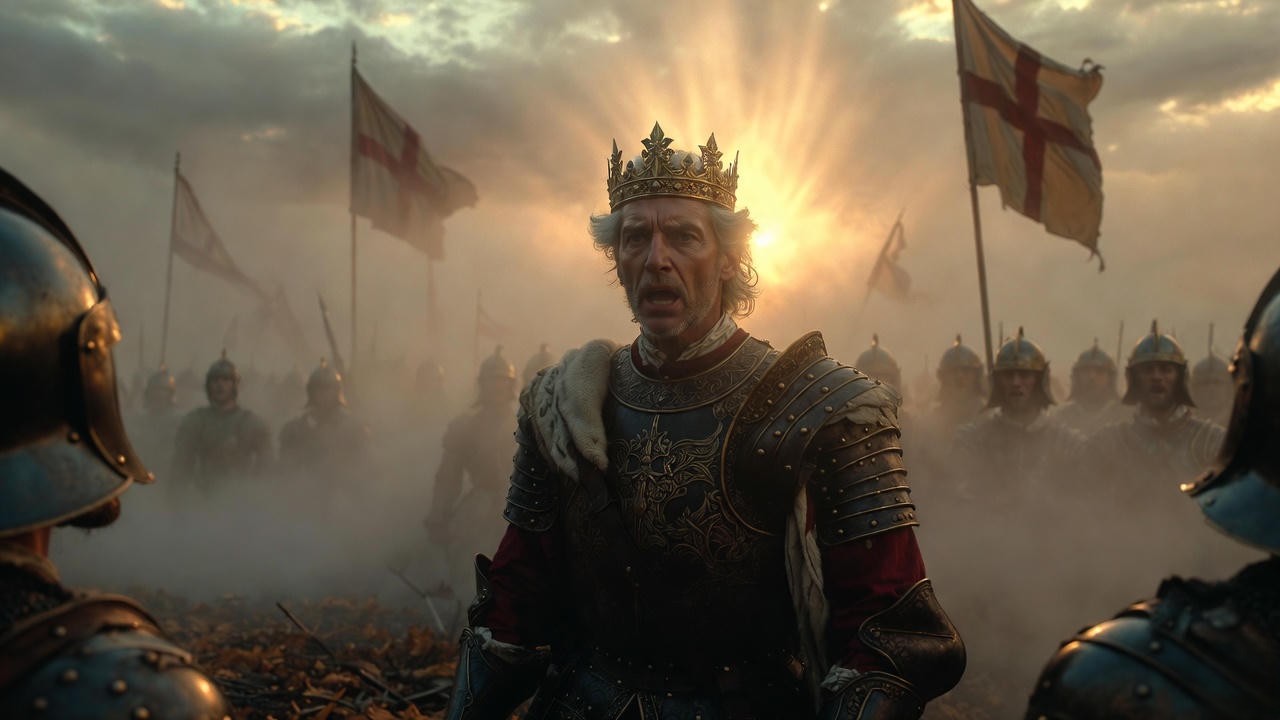
Shakespeare’s Henry V (c. 1599), part of his Henriad tetralogy, draws from chronicles like Holinshed’s but prioritizes drama. Written during Elizabethan England’s anxieties over succession and war with Spain, the play serves as patriotic propaganda, celebrating national unity.
The Invention of “Prince Hal”
In Henry IV Parts 1 and 2, Shakespeare invents a dissolute prince carousing with Falstaff in Eastcheap taverns. The rejection of Falstaff upon coronation symbolizes maturation. This redemption arc culminates in Henry V‘s heroic king, delivering inspirational oratory.
Jones and historians agree: No evidence supports this wild youth. The “madcap” tales likely stemmed from Henry’s brothers or Tudor-era embellishments to glorify the Lancastrian dynasty.
Why Shakespeare Altered History
Shakespeare needed conflict and character growth for the stage. The Hal-to-hero transformation mirrors moral plays, while Agincourt’s underdog triumph boosted Elizabethan morale. Iconic elements—like the tennis balls insult mocking Henry’s youth—amplify drama but distort timelines.
Later adaptations, like Laurence Olivier’s 1944 film (dedicated to WWII troops) and Kenneth Branagh’s 1989 version, reinforced the mythic hero during national crises.
Key Differences: Dan Jones’s Real Henry vs. Shakespeare’s Legend
Jones’s biography excels in debunking myths, using archival evidence to present a consistent, ambitious Henry from youth to kingship.
Youth and Character
- Myth (Shakespeare): Rebellious prince reformed by the crown.
- Reality (Jones): Battle-tested teen, pious and responsible; rowdy traits misattributed from siblings.
The Agincourt Campaign (1415)
Similarities abound: Henry’s invasion claimed the French throne, culminating in victory against odds.
Differences: Shakespeare compresses events for pace, exaggerating heroism. Real Henry faced dysentery-ravaged troops and logistical nightmares.
Claim to the French Throne and Motivations
Shakespeare uses the tennis balls as provocation; historically, Henry’s claim via Salic Law was genuine (though ambitious), driven by strategy, piety, and Lancastrian legitimacy.
Brutality and Leadership Style
- Shakespeare: Noble, merciful (e.g., fluent in French, wooing Catherine).
- Jones: Effective but ruthless—ordering prisoner executions at Agincourt (medieval norm amid threats), burning heretics.
| Aspect | Shakespeare’s Portrayal | Historical Evidence from Jones |
|---|---|---|
| Youth | Tavern reveler, rejects Falstaff | Dutiful commander from age 14 |
| Agincourt Speech | “We few, we happy few…” | Likely simple encouragement; one chronicle mentions practical words |
| Leadership | Inspirational, merciful hero | Strategic genius, pious but brutal |
| Motivations | National glory, personal honor | Divine right, unification, legacy |
| Legacy | Triumphant conqueror | Overextension sowing Wars of the Roses seeds |
The Battle of Agincourt: History vs. Dramatic Triumph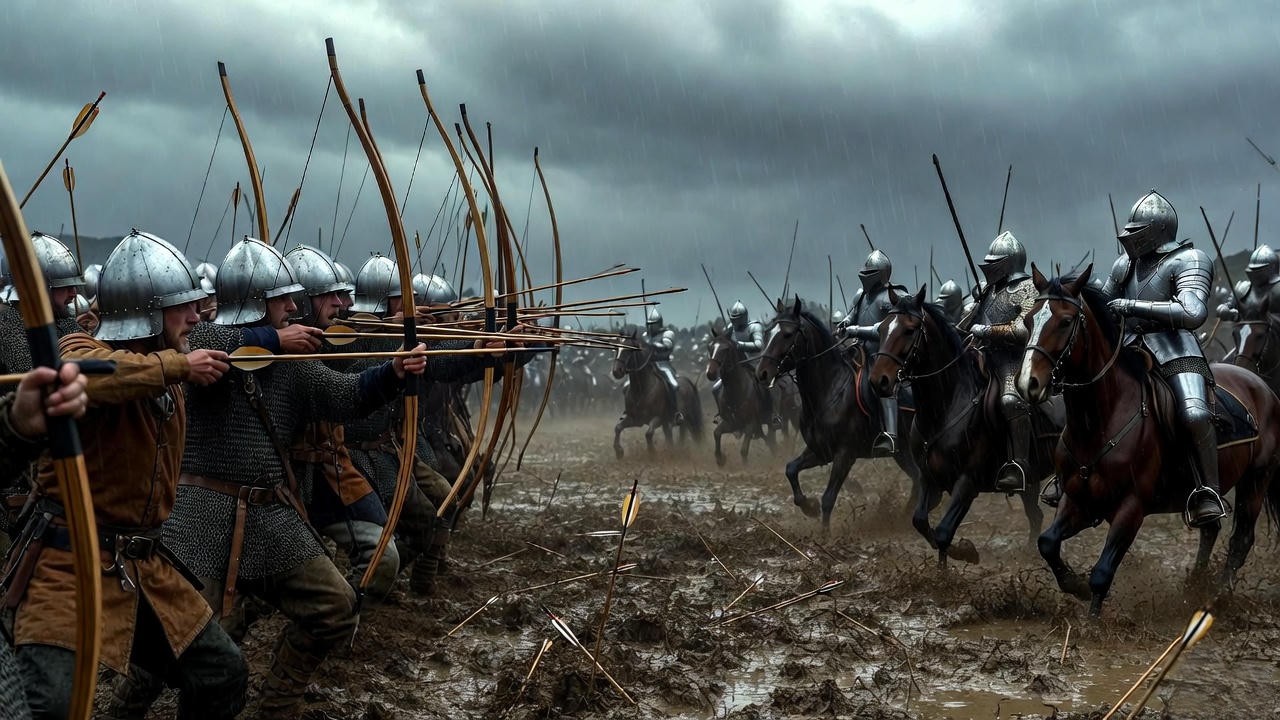
The Battle of Agincourt on October 25, 1415, remains Henry’s defining achievement—and the heart of both Shakespeare’s play and Jones’s narrative.
What Really Happened
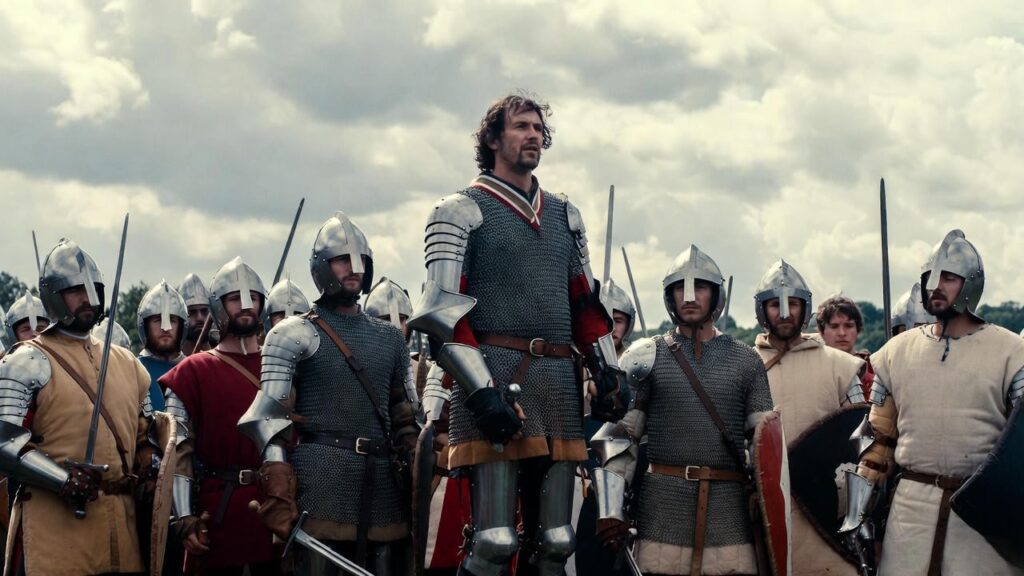
Henry’s army, reduced to about 6,000–9,000 men (mostly longbowmen) by disease and desertion, faced a French force of 20,000–30,000. Heavy rain turned the field to mud, neutralizing French heavy cavalry. English longbows decimated charges; when knights advanced on foot, they bogged down, becoming easy targets.
The victory was stunning: English losses numbered in the hundreds; French casualties reached thousands, including much of the nobility. Jones stresses factors beyond heroism—terrain, tactics, and French overconfidence.
Shakespeare’s Enhancements
Shakespeare immortalizes the battle with the St. Crispin’s Day speech, rallying troops as a “band of brothers.” While Henry likely encouraged his men, no record matches Shakespeare’s eloquence. The play also downplays the order to kill prisoners—a pragmatic decision when faced with a potential French counterattack.
Lessons from Jones
Jones portrays Agincourt as Henry’s masterpiece of preparation and adaptability, but also luck. The king’s personal courage was real—he fought in the melee—but victory came from disciplined archers, not divine favor alone.
Henry’s Later Conquests, Marriage, and Untimely Death
Agincourt opened France to conquest. By 1417–1420, Henry systematically subdued Normandy, capturing Rouen after a brutal siege. The 1420 Treaty of Troyes recognized him as heir to Charles VI, disinheriting the Dauphin.
His marriage to Catherine of Valois sealed the alliance, producing one son (future Henry VI). Shakespeare romanticizes the wooing scene; in reality, it was diplomatic necessity.
Tragedy struck in 1422: campaigning at age 35, Henry died of dysentery (likely camp fever). Jones laments the timing—had he lived longer, the dual monarchy might have endured. Instead, his infant son’s reign led to instability and the Wars of the Roses.
Henry’s Enduring Legacy: Warrior King or Flawed Conqueror?
Henry V shaped English identity as a martial nation. Henry VIII admired him; Churchill invoked Agincourt in 1940. Yet modern historians, including Jones, offer balance: a brilliant leader whose ambition overreached, draining England’s resources for a fragile empire.
Jones concludes Henry was neither flawless hero nor villain, but a product of his violent age—devout, innovative, and unrelenting.
Why Read Dan Jones’s Biography Today?
Released in 2024, Jones’s book has been praised for its narrative drive and fresh research. Unlike older works focused narrowly on Agincourt (e.g., Juliet Barker’s classic), Jones covers Henry’s entire arc, from scarred teenager to dying conqueror. His accessible style makes medieval history gripping, while avoiding sensationalism.
For Shakespeare fans, it provides essential context: understanding the real man deepens the play’s tragedy and irony.
Expert Tips: How to Separate Shakespearean Myth from History
- Consult primary sources like the Gesta Henrici Quinti or parliamentary rolls.
- Recognize Tudor propaganda—Henry VII and VIII needed Lancastrian legitimacy.
- Read chronicles critically (Holinshed mixed fact with rumor).
- Pair Shakespeare’s plays with modern biographies like Jones’s for layered insight.
Key Quotes Comparison
- Shakespeare’s St. Crispin’s Day: “We few, we happy few, we band of brothers…”
- Historical parallel (from a chronicle): Henry reportedly said something practical like “In the name of Almighty God and St George, advance banners!”
- Shakespeare’s wooing: Charming, awkward English.
- Reality: Diplomatic marriage; little evidence of romance.
FAQs
Was the wild “Prince Hal” real? No. Contemporary records show a serious, martial prince from early teens. The dissolute youth was Shakespeare’s invention.
Did Henry V really win Agincourt against impossible odds? Yes, but odds were closer to 1:3 or 1:4, not the play’s exaggeration. Longbows, terrain, and French errors were decisive.
How accurate is Shakespeare’s Henry V overall? Dramatically brilliant but historically loose—great for themes of leadership and war, poor as biography.
What makes Dan Jones’s book stand out? Full-life coverage, vivid storytelling, and balanced judgment—neither hagiography nor debunking for its own sake.
Why is Henry V still relevant in modern leadership discussions? He exemplifies charisma, strategy, and moral complexity—qualities leaders today grapple with in crisis.
Dan Jones’s masterful biography reveals a Henry V far more compelling than Shakespeare’s archetype: a scarred survivor, devout visionary, and ruthless conqueror whose triumphs carried the seeds of tragedy. By stripping away centuries of myth, Jones allows us to see the real man—a figure of astonishing drive whose story resonates across six centuries.
Whether you’re revisiting Shakespeare’s play, teaching the Henriad, or simply fascinated by medieval kingship, pairing the drama with Jones’s history enriches both. The legendary king endures on stage; the historical Henry V, thanks to scholars like Dan Jones, now commands our attention in all his flawed, fascinating humanity.