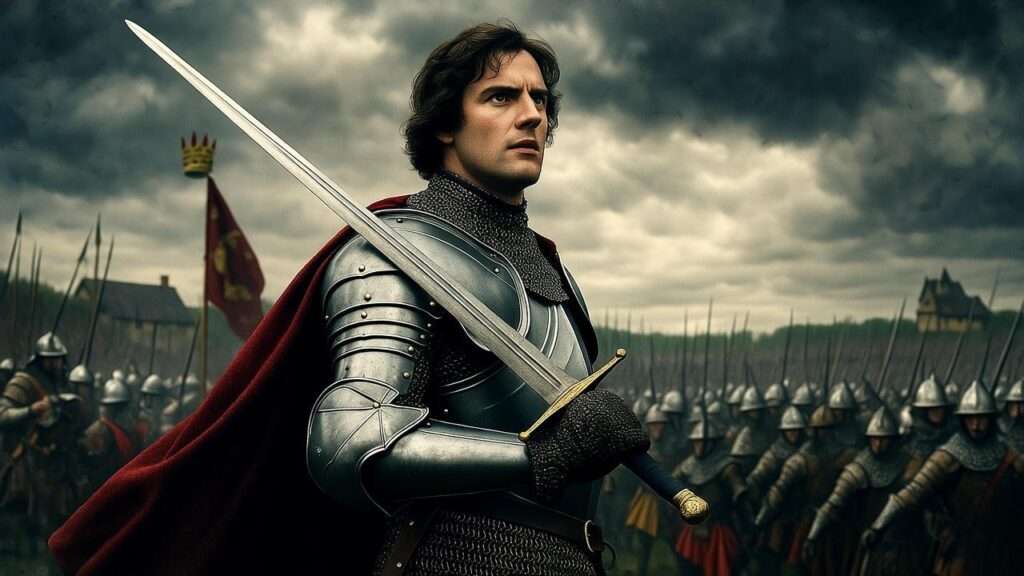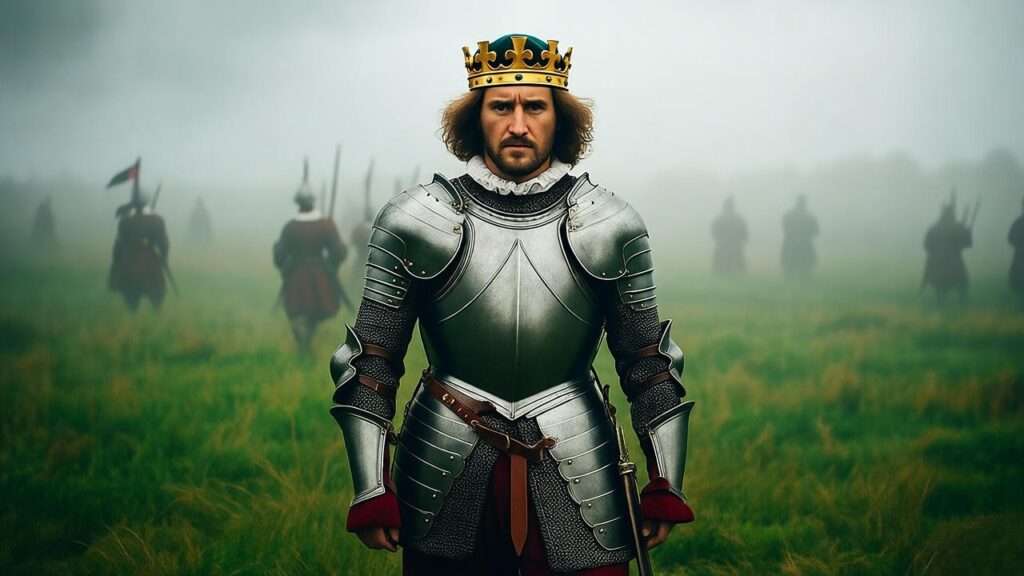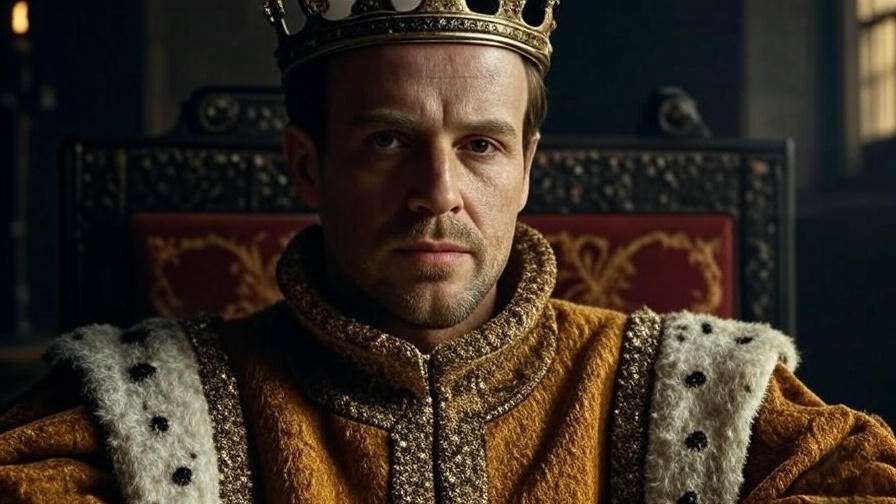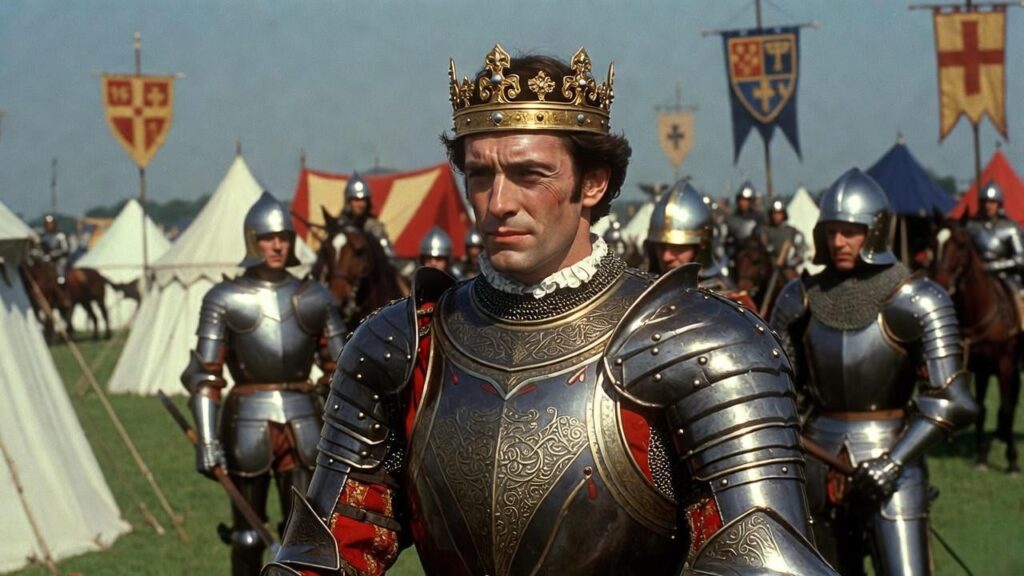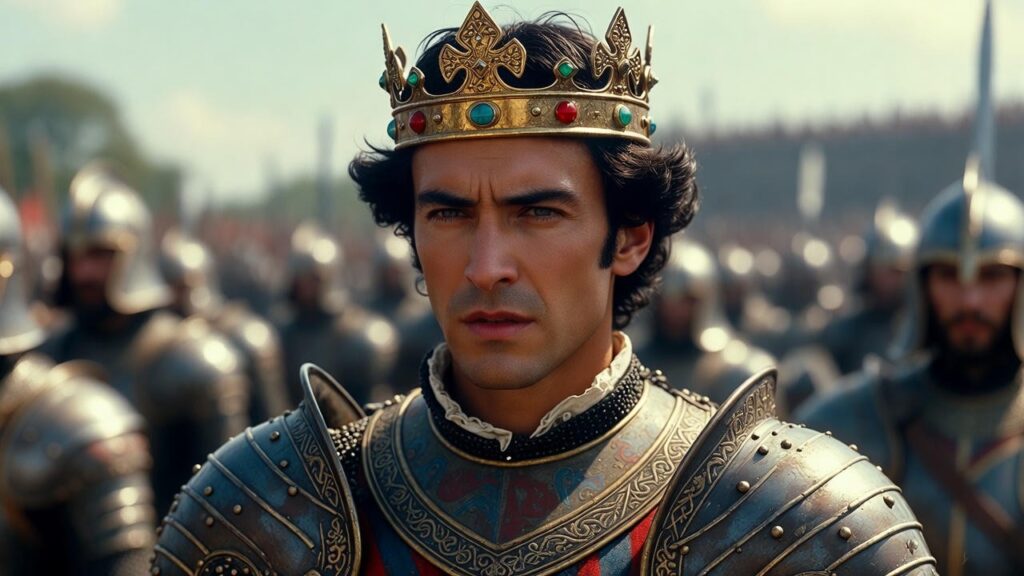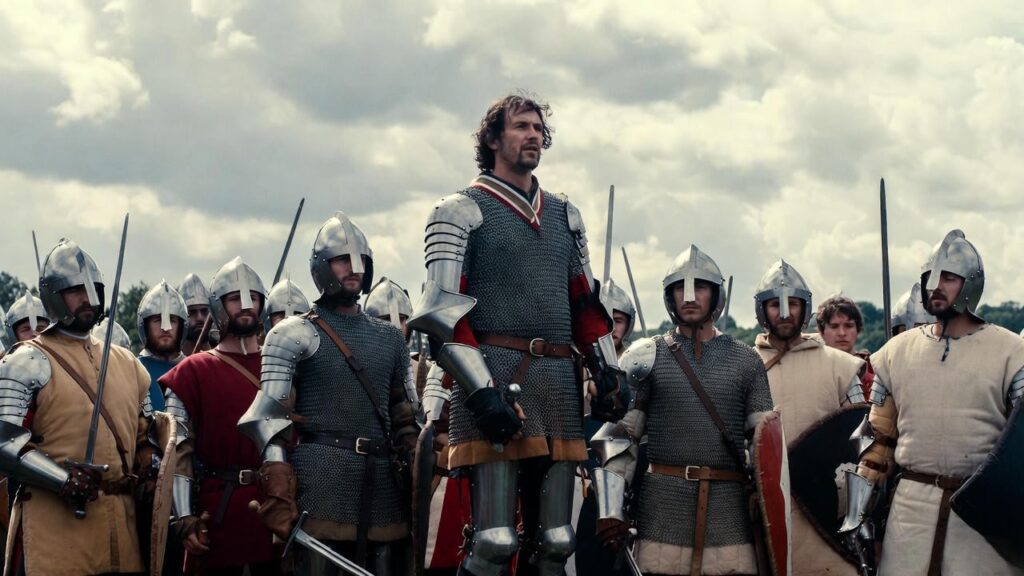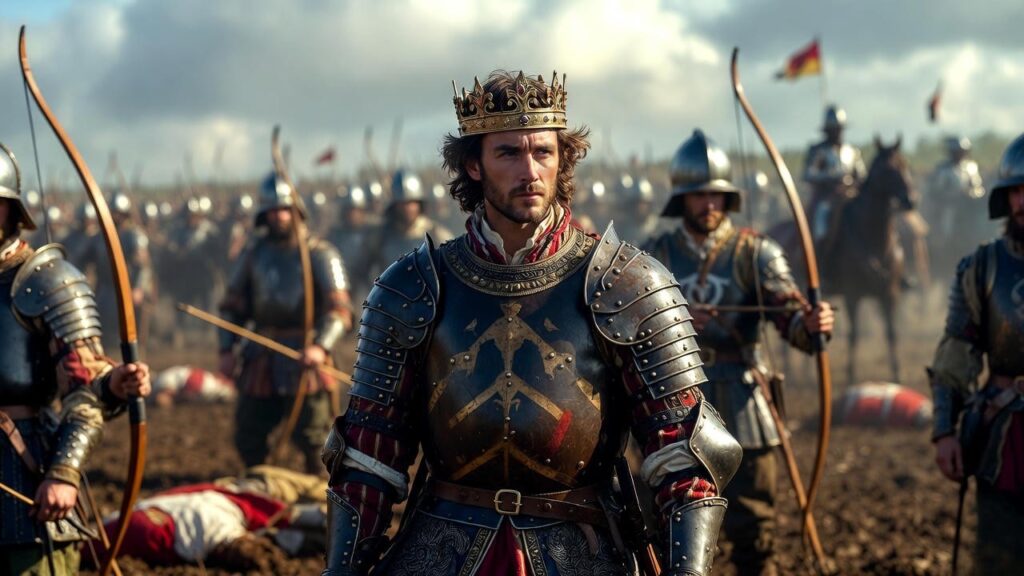
Imagine a young king standing before his outnumbered troops on the muddy fields of Agincourt in 1415. Rain has soaked the ground, the French vastly outnumber the English, and yet this commander delivers one of the most rousing speeches in literary history: “We few, we happy few, we band of brothers.” His physical presence alone seems to tower over the moment. For centuries, readers and audiences have wondered: how tall is King Henry—specifically the legendary Henry V immortalized by William Shakespeare?
This question sits at the intersection of history, literature, and cultural imagination. Shakespeare enthusiasts searching “how tall is King Henry” are often looking for more than a number. They want to understand how the real medieval monarch’s stature influenced the Bard’s dramatic hero, and what that reveals about power, leadership, and the art of storytelling.
In this comprehensive guide, we explore the historical evidence for Henry V’s height, analyze Shakespeare’s portrayal across the Henriad, compare fact with dramatic license, and examine why physical presence mattered so deeply in both medieval kingship and Elizabethan theater. Whether you’re a student, theater lover, or history buff, this article delivers the depth and context missing from shorter online pieces—helping you appreciate Henry V on a richer level.
Who Is “King Henry”? Clarifying the Shakespeare Connection
Shakespeare’s history plays, collectively known as the Henriad, focus primarily on two English monarchs named Henry: Henry IV and his son, Henry V. When most people ask “how tall is King Henry” in a Shakespearean context, they refer to Henry V—the charismatic warrior-king who transforms from the wayward Prince Hal into a model of resolute leadership.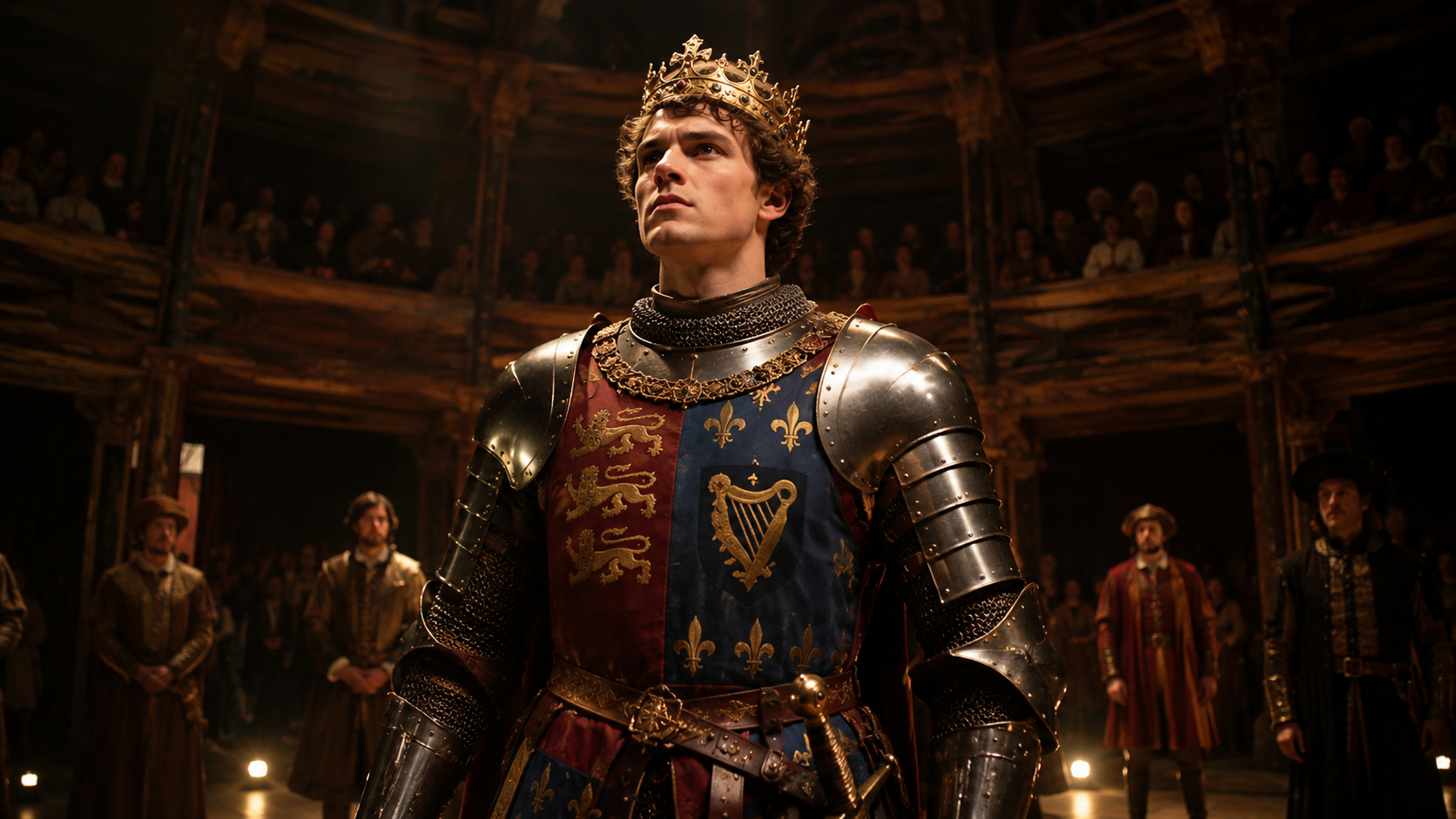
The Henriad – Henry IV Parts 1 & 2 and Henry V
Shakespeare wrote these plays between 1596 and 1599. Henry IV, Part 1 and Part 2 show the prince’s wild youth alongside the larger-than-life Sir John Falstaff. By Henry V, the character has matured into a king who unites his nation through rhetoric, strategy, and personal valor. The plays form a tetralogy (with Richard II) that examines the burdens and glories of kingship during the late medieval period.
Why Henry V Stands Out as Shakespeare’s Ideal (Flawed) King
Henry V embodies the Renaissance ideal of the complete ruler: scholar, soldier, diplomat, and orator. Shakespeare presents him as a man of exceptional presence—physically commanding even when not explicitly measured in inches. This portrayal served both artistic and political purposes during the reign of Queen Elizabeth I, whose Tudor dynasty traced its legitimacy back to Henry V’s Lancastrian line.
It’s worth distinguishing this figure from Henry VIII, whom Shakespeare portrayed later in Henry VIII (also known as All Is True). While Henry VIII was famously tall and imposing in his prime (around 6’2″ before health issues), the “King Henry” most associated with Shakespeare’s greatest history play is the earlier warrior of Agincourt.
Historical Evidence: How Tall Was King Henry V Really?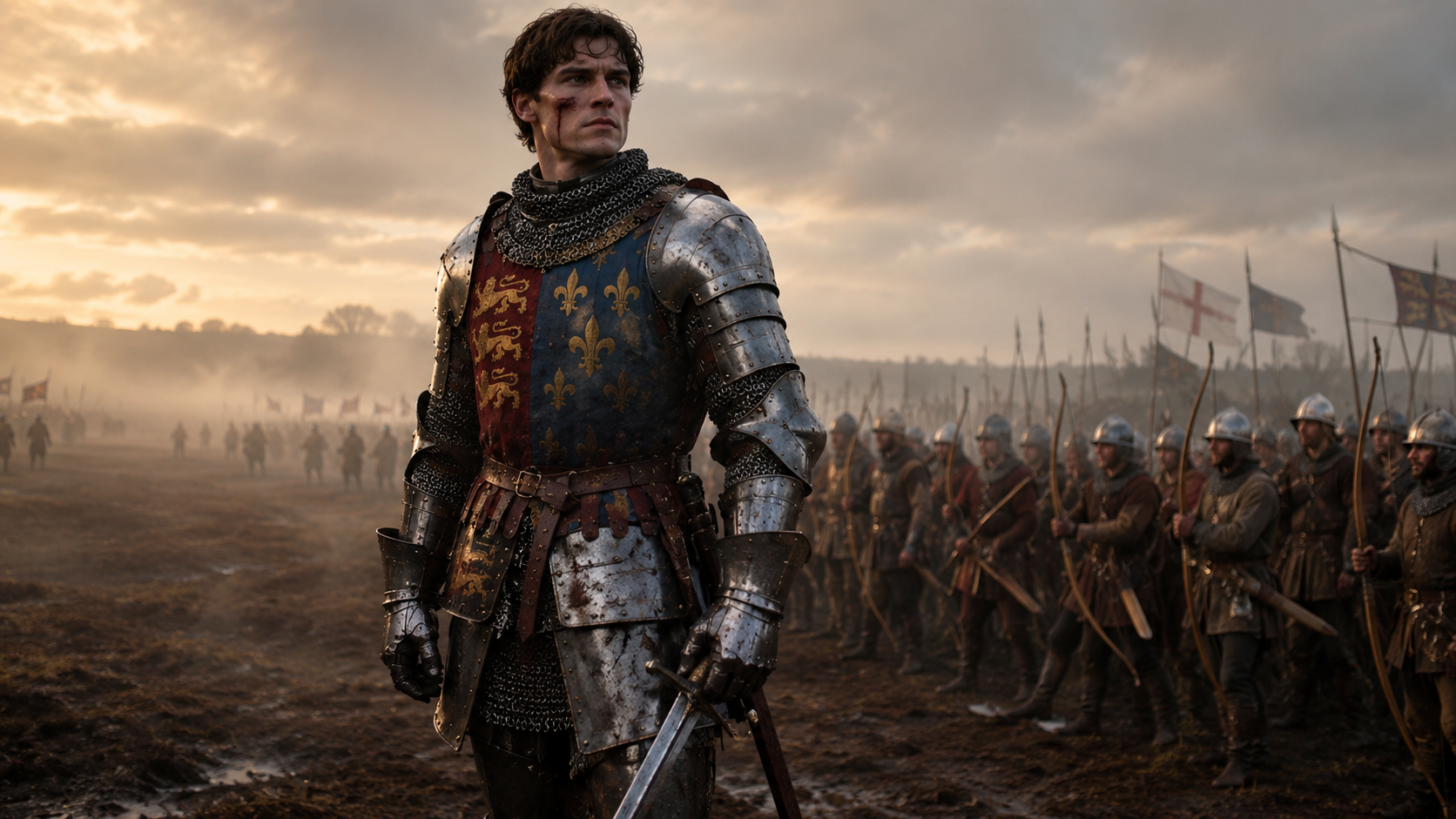
Contemporary and near-contemporary sources consistently describe Henry V as exceptionally tall for his era.
Contemporary and Near-Contemporary Descriptions
The most frequently cited description comes from 15th- and 16th-century chronicles: Henry V was “very tall (6 feet 3 inches), slim, with dark hair cropped in a ring above the ears, and clean-shaven.” His complexion was ruddy, his face lean with a prominent nose, and his eyes could shift “from the mildness of a dove’s to the brilliance of a lion’s” depending on his mood.
To put this in perspective, the average height for a male in medieval England was approximately 5’7″. Royalty and nobility, benefiting from superior nutrition and genetics, tended to be taller—often around 5’9″ to 5’11”. At 6’3″, Henry V would have stood out dramatically, literally head and shoulders above most of his subjects and even many fellow nobles.
Physical Description Beyond Height
Henry was not just tall but athletic and energetic. He was known as a swift runner and skilled warrior. A scar on his face from an arrow wound at the Battle of Shrewsbury in 1403 added to his formidable appearance. These details paint a picture of a king whose body matched his ambitious spirit.
How Do We Know? Sources, Skepticism, and Modern Analysis
Primary sources include chronicles by writers like Thomas Walsingham and the Gesta Henrici Quinti. While some descriptions may contain elements of idealization (kings were often flattered in official records), the consistency across multiple accounts lends credibility. Modern historians cross-reference these with surviving armor, effigies, and artistic representations. No confirmed skeletal remains of Henry V exist for direct measurement, but the written record remains the strongest evidence.
Comparison with Other English Kings
Henry V’s height aligns with a pattern among Plantagenet and Tudor monarchs. His descendant Henry VIII reportedly reached 6’2″ in youth before illness and injury affected his frame. Edward I (“Longshanks”) was said to be around 6’2″ as well. Tall stature in medieval royalty often symbolized divine favor and martial capability—qualities Henry V embodied both in life and in Shakespeare’s retelling.
Shakespeare’s Portrayal of Henry: Tall in Character, Implied in Stature
One of the most interesting aspects of “how tall is King Henry” in Shakespeare studies is that the playwright rarely gives explicit measurements. Instead, he conveys physical and moral stature through language, action, and contrast.
Physical References (or Lack Thereof) in the Plays
In Henry V, Shakespeare focuses more on the king’s voice, courage, and presence than on specific inches. The Chorus describes him as a “star of England,” and characters react to his commanding aura. In contrast, Falstaff’s enormous physicality and gluttony serve as a foil, highlighting Henry’s disciplined transformation.
The Dramatic Technique – Heroic Idealization
Shakespeare uses vivid rhetoric to imply Henry’s imposing nature. Lines like “Once more unto the breach, dear friends” project a voice and bearing that demand attention. The evolution from carefree Prince Hal—mocked for his tavern-haunting—to the resolute king at Agincourt underscores internal growth made visible through external authority.
Symbolism of Physicality and Kingship
In Elizabethan England, a tall, athletic king symbolized national strength. Shakespeare leverages this cultural association. Height becomes a metaphor for Henry’s elevated sense of duty, his ability to rise above youthful folly, and his moral leadership.
Shakespeare vs. History – Key Differences and Artistic License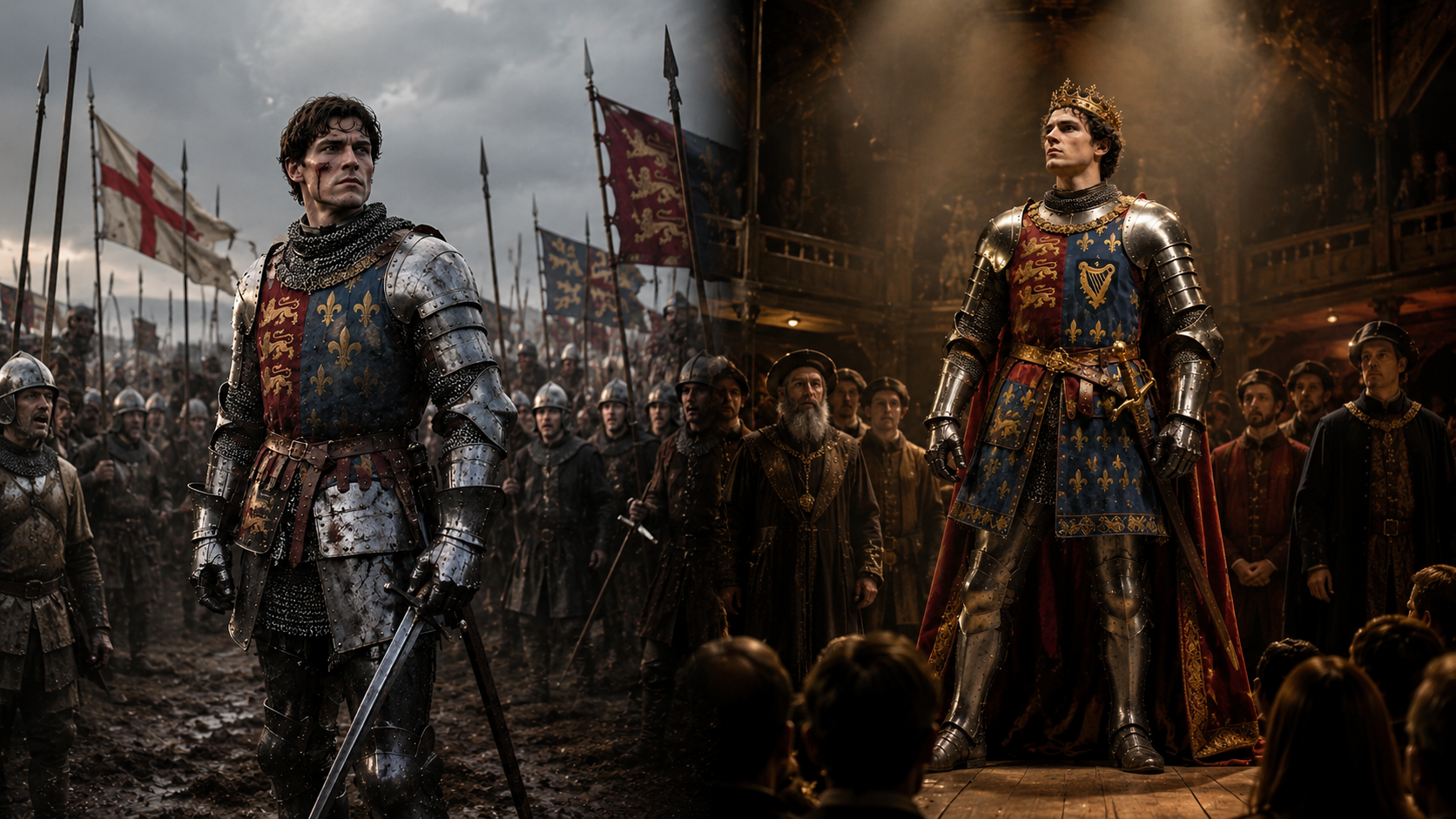
Shakespeare compressed timelines, invented or combined characters, and emphasized certain traits for dramatic effect. While Henry V’s core achievements—especially the victory at Agincourt—are historically grounded, the plays amplify his personal charisma and rhetorical brilliance.
Elizabethan audiences expected history plays to entertain while subtly supporting Tudor legitimacy. Portraying Henry V as a near-ideal king (despite real historical controversies, such as the execution of prisoners at Agincourt) served this purpose. Shakespeare’s Henry appears taller than life in spirit, even if specific height is never stated.
Expert Insight: Shakespeare scholars note that the playwright drew from sources like Raphael Holinshed’s Chronicles, which included physical descriptions. By implying rather than declaring height, Shakespeare allowed actors of varying statures to embody the role convincingly on stage.
The Science of Height in Medieval England
Nutrition played a major role. The English elite consumed more protein and calories than peasants, leading to greater average height. Henry V’s athletic lifestyle—hunting, jousting, and warfare—further developed his physique.
Modern forensic anthropology confirms that medieval royalty often exceeded population averages. Studies of royal tombs and armor provide indirect confirmation of these advantages.
Cultural Impact and Modern Interpretations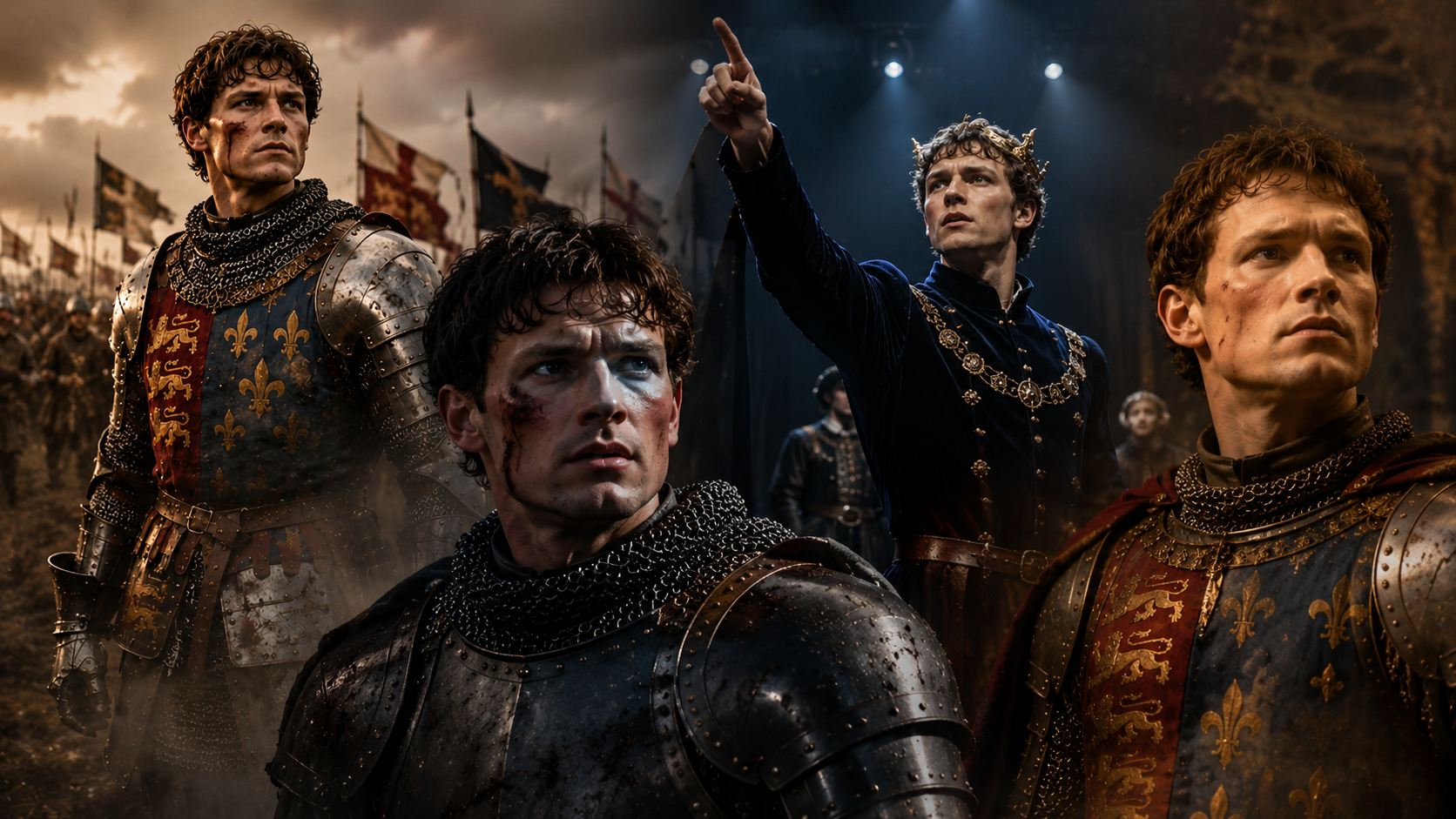
Stage and Screen Portrayals
- Laurence Olivier’s 1944 film presented a heroic, commanding Henry.
- Kenneth Branagh’s 1989 version emphasized gritty realism while maintaining physical presence.
- More recent interpretations, such as Tom Hiddleston in The Hollow Crown or theatrical productions with diverse casting, show how directors adapt the role’s physical demands to focus on charisma over literal height.
These adaptations prove that Shakespeare’s Henry transcends exact measurements—his “tallness” lies in leadership and eloquence.
How Height Influences Audience Perception of Leadership Today
Psychological studies show that taller individuals are often perceived as more authoritative. Shakespeare intuitively understood this centuries ago, using it to craft a memorable king.
Why This Matters – Deeper Insights for Shakespeare Enthusiasts
Understanding the interplay between historical Henry V’s documented 6’3″ frame and Shakespeare’s dramatic version enriches your experience of the plays. It highlights how great literature blends fact and fiction to explore timeless themes: the weight of responsibility, the power of words, and the making of legends.
Practical Tips:
- Read the Henriad in sequence for full character arc.
- Watch multiple adaptations to see varying physical interpretations.
- Visit sites like Westminster Abbey or Agincourt battlefield (virtually or in person) for historical connection.
The question “how tall is King Henry” opens a fascinating window into both medieval history and Shakespeare’s genius. Historically, Henry V stood an impressive 6’3″—a giant among men of his time. In Shakespeare’s hands, he becomes even taller: a towering figure of English drama whose presence continues to inspire audiences four centuries later.
By separating historical reality from dramatic art, we gain not just facts, but a deeper appreciation for why these stories endure. The real King Henry and Shakespeare’s version together remind us that true leadership combines physical capability with moral and rhetorical strength.
FAQ
How tall was King Henry V exactly? Contemporary sources describe him as 6 feet 3 inches, significantly above the medieval average.
Did Shakespeare ever mention Henry’s height directly? No. He implies commanding physical presence through action and language rather than specific measurements.
Was Henry VIII taller than Henry V? Henry VIII was around 6’2″ in his prime, making the two kings comparably tall.
Which actor best captured Henry V’s physical presence? Opinions vary, but Kenneth Branagh and Tom Hiddleston are frequently praised for blending athleticism with rhetorical power.
Are Shakespeare’s history plays accurate? They blend fact with artistic license, offering valuable insight when read alongside historical sources.