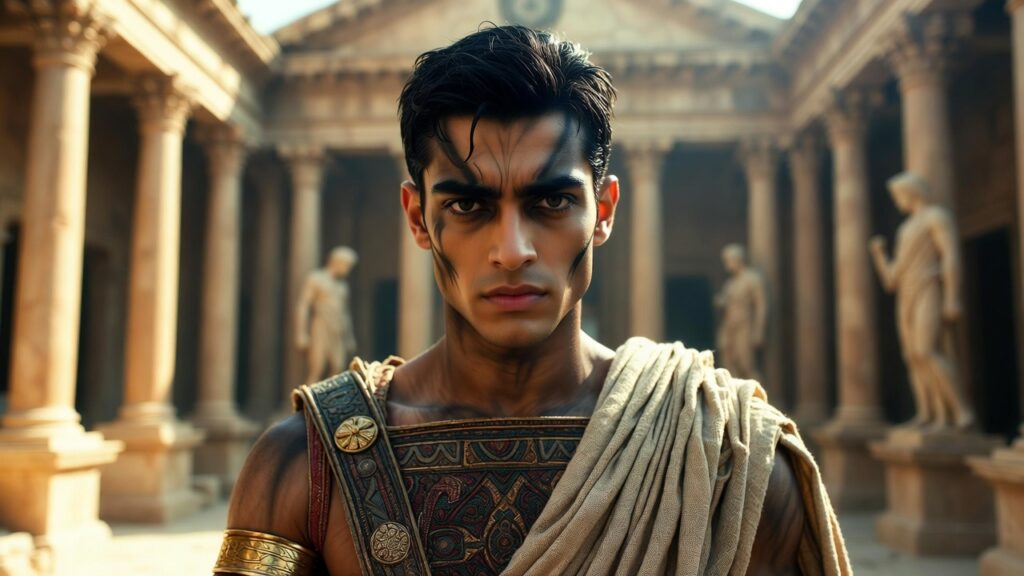
“Friends, Romans, countrymen, lend me your ears.” These immortal words, spoken by Mark Antony in William Shakespeare’s Julius Caesar, ignite one of the most electrifying moments in all of drama. With masterful rhetoric, Antony turns a mourning crowd into a revolutionary mob, avenging Caesar’s assassination and reshaping the fate of Rome. Yet this same charismatic orator, this loyal lieutenant, later becomes the tragic hero of Antony and Cleopatra — a man undone by passion, declaring, “Let Rome in Tiber melt” as he surrenders empire for love.
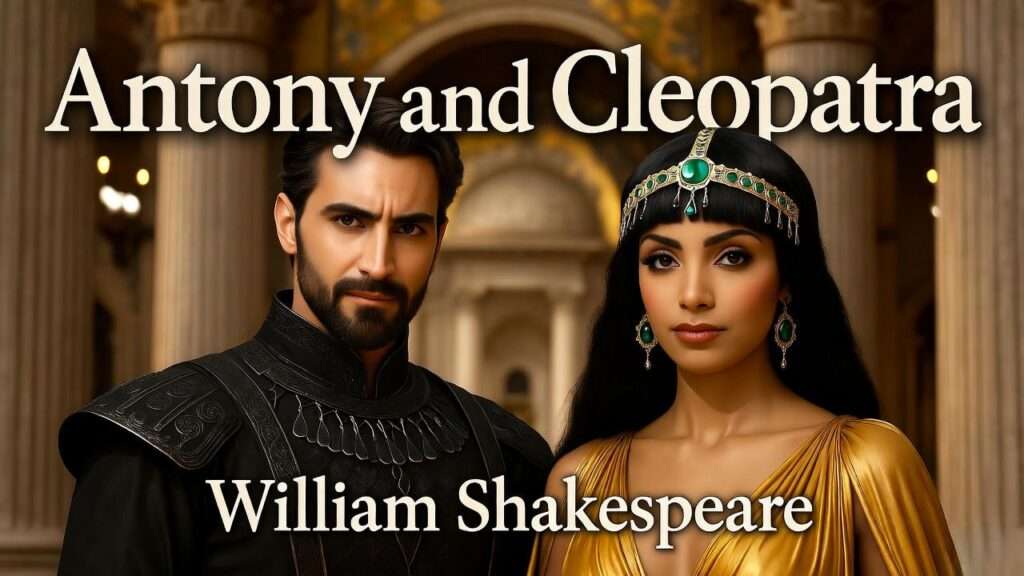
The mark antony book that truly defines this larger-than-life figure is not a single historical biography, but Shakespeare’s two interconnected Roman tragedies: Julius Caesar (1599) and Antony and Cleopatra (c. 1607). Together, they form the definitive literary portrait of Mark Antony — the cunning politician, the heroic warrior, the devoted lover, and ultimately the flawed titan whose personal desires clash catastrophically with political duty.
For students, theater enthusiasts, literature lovers, and anyone intrigued by Shakespeare’s Roman world, this comprehensive guide unpacks Antony’s evolution across both plays. We explore his historical roots, key scenes, profound themes, iconic quotes, recommended editions, and enduring relevance. By the end, you’ll understand why Shakespeare’s Antony remains one of the most human — and heartbreaking — characters in the canon, torn between the demands of Rome and the allure of Egypt.
Who Was the Historical Mark Antony? Context Before Shakespeare
To appreciate Shakespeare’s genius, we must first understand the real Marcus Antonius (83–30 BCE), the Roman general whose life inspired the plays.
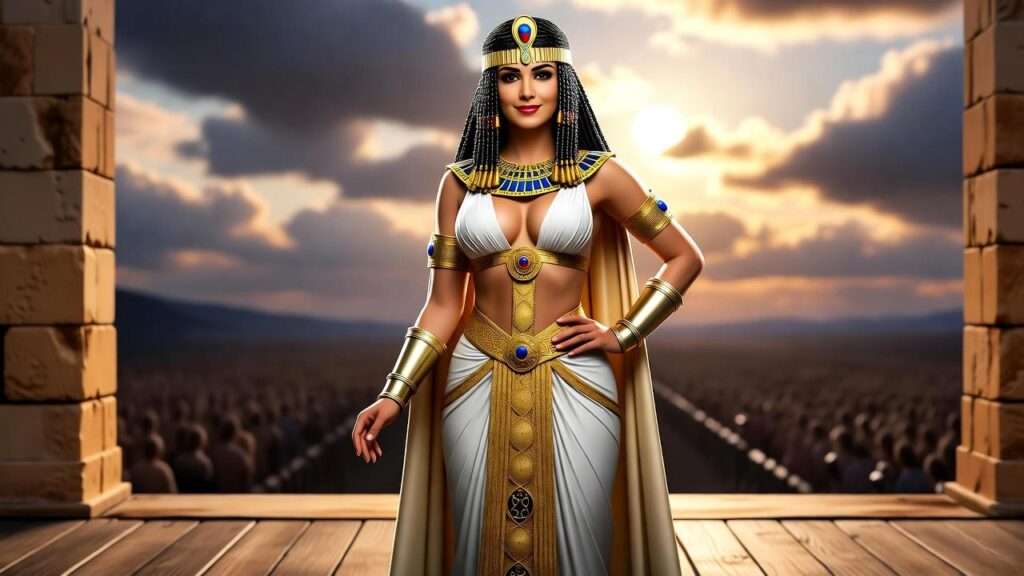
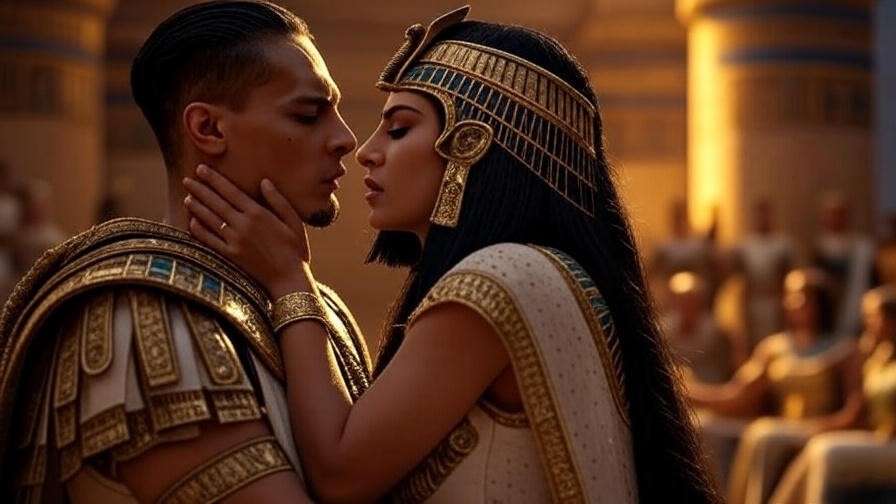
After Julius Caesar’s assassination in 44 BCE, Antony joined the Second Triumvirate with Octavius (future Augustus) and Lepidus to avenge Caesar and divide the Republic. A brilliant military leader, Antony controlled the wealthy eastern provinces, where he formed a legendary alliance — and romance — with Cleopatra VII of Egypt. Their relationship produced children and political alliances, but provoked Octavius’s propaganda portraying Antony as a traitor seduced by Eastern decadence.
The decisive Battle of Actium (31 BCE) saw Antony’s forces defeated after he followed Cleopatra’s fleeing ships, leading to their suicides in 30 BCE and Octavius’s rise as sole ruler.
Shakespeare drew primarily from Plutarch’s Parallel Lives (via Thomas North’s 1579 translation), which portrays Antony as generous, brave, yet indulgent and prone to excess. Shakespeare adapts this history selectively: he compresses timelines, amplifies personal tragedy over politics, and infuses poetic grandeur. The result? Antony becomes not just a historical figure, but a timeless symbol of human conflict between passion and responsibility.
Mark Antony in Julius Caesar – The Rising Hero and Master Manipulator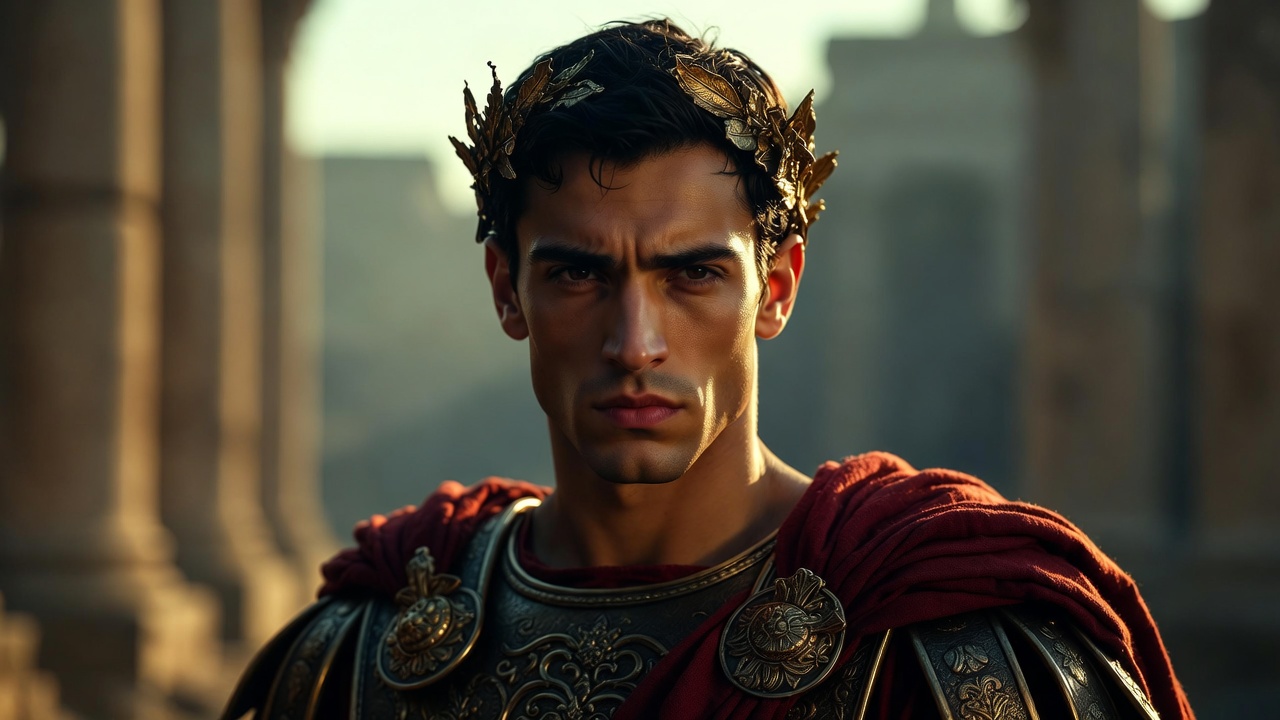
In Julius Caesar, Antony appears as a secondary yet pivotal character — Caesar’s loyal deputy whose actions propel the play’s tragic momentum.
Antony’s Early Portrayal – Loyal Lieutenant to Caesar
From the outset, Antony is depicted as Caesar’s devoted follower. During the Lupercal festival, he offers Caesar a crown (though Caesar refuses it thrice), signaling his willingness to support absolute power — a detail that alarms the conspirators. His physical vigor and obedience contrast with Brutus’s philosophical restraint.
The Funeral Oration – Rhetoric as Power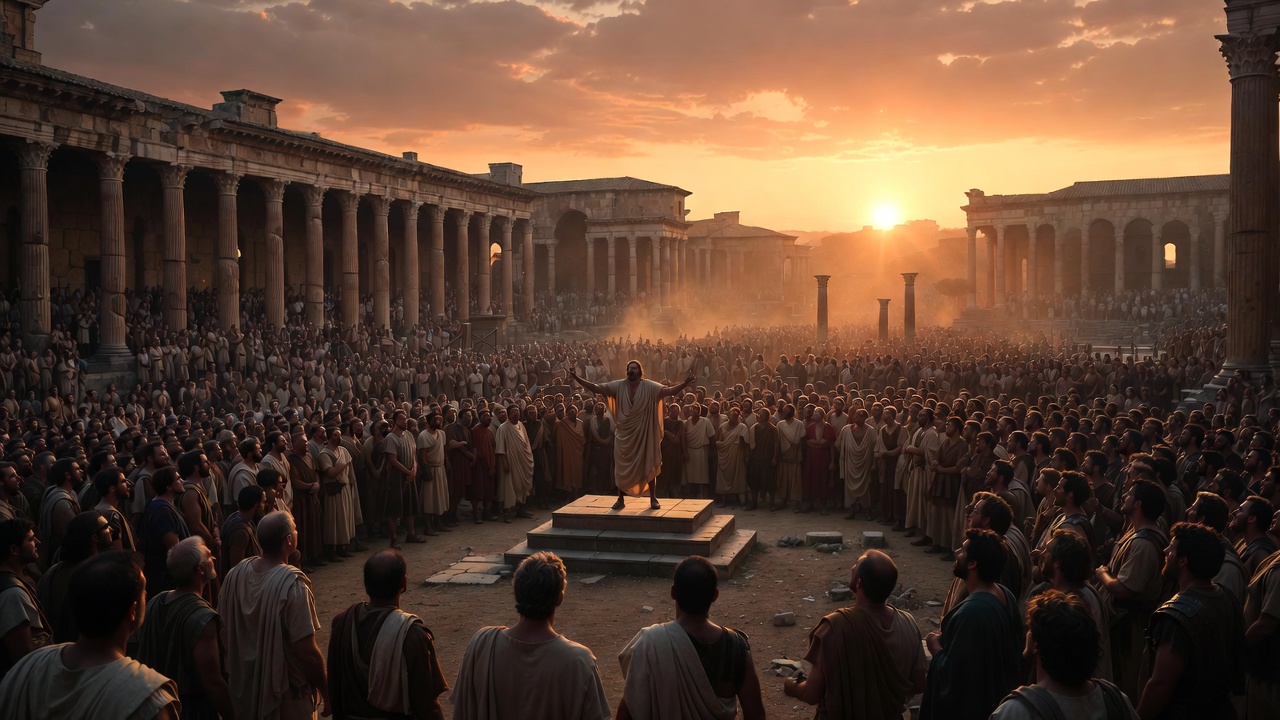
The play’s turning point arrives in Act III, Scene II. Left alone with Caesar’s body, Antony delivers the famous oration beginning “Friends, Romans, countrymen, lend me your ears.” Through ironic repetition (“Brutus is an honourable man”), emotional appeals, and dramatic use of Caesar’s will and bloody mantle, Antony masterfully inverts public opinion. What begins as apparent praise for the conspirators becomes a devastating condemnation.
This speech showcases Antony’s greatest strength: rhetorical genius. He manipulates emotion where Brutus appeals to reason, transforming grief into rage and sparking civil war.
Character Traits Revealed
Antony emerges as charismatic, cunning, and fiercely loyal — qualities that make him dangerous. Yet Shakespeare plants seeds of future flaws: his ambition, sensuality, and tendency toward excess. As a foil to Brutus (reason vs. passion), Antony represents the emotional force that republican ideals cannot contain.
Expert insight: Many scholars view Antony here as a pragmatic politician rather than a pure villain, whose loyalty to Caesar is genuine yet opportunistic.
The Evolution – From Julius Caesar to Antony and Cleopatra
Shakespeare’s brilliance lies in the natural progression between plays. Set roughly two years after Julius Caesar‘s events, Antony and Cleopatra presents an older, more world-weary Antony.
Continuity is clear: the same magnetic charisma, military prowess, and loyalty persist. Yet change dominates. Success has bred complacency; passion now erodes discipline. The man who once manipulated Rome’s crowds now finds himself manipulated by love and desire.
This evolution feels psychologically authentic. Shakespeare’s Antony is no static archetype but a dynamic character whose flaws — overconfidence, sensuality, generosity — amplify with age and circumstance. The “triple pillar of the world” becomes a man “transformed / Into a strumpet’s fool,” yet retains heroic grandeur.
Mark Antony in Antony and Cleopatra – The Tragic Lover and Fallen Titan
The later play elevates Antony to tragic protagonist, exploring his internal war between Roman duty and Egyptian passion.
Antony’s Internal Conflict – Rome vs. Egypt
Antony’s soul is divided: “These strong Egyptian fetters I must break, / Or lose myself in dotage.” Yet he declares, “Let Rome in Tiber melt, and the wide arch / Of the ranged empire fall! Here is my space.” This tension between political empire and personal fulfillment defines his tragedy.
Key Scenes and Turning Points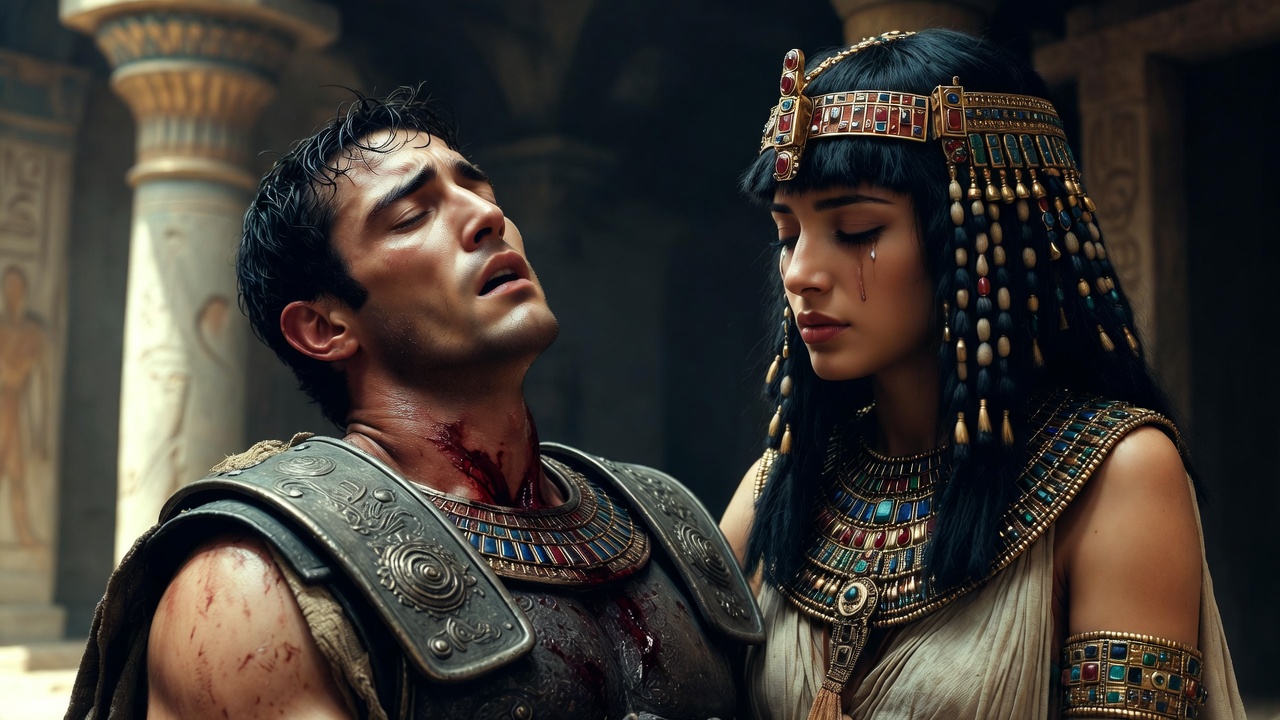
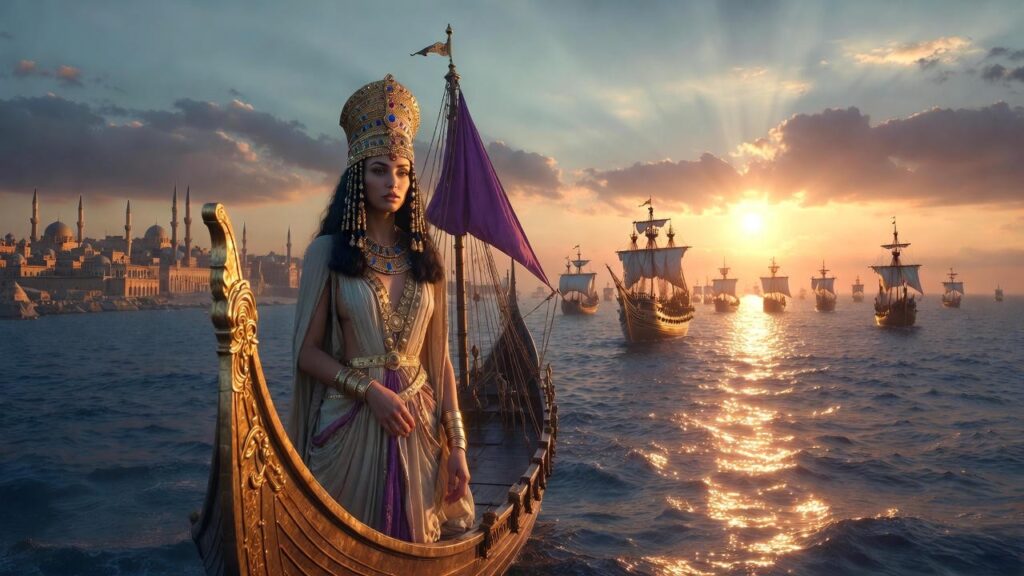
- The barge scene (Enobarbus’s description): Cleopatra’s seductive power is mythic — “Age cannot wither her, nor custom stale / Her infinite variety.”
- Marriage to Octavia: A political union meant to bind Antony to Rome, yet doomed by his heart’s pull eastward.
- Battle of Actium: Antony’s fatal decision to follow Cleopatra’s fleeing ships marks his military downfall.
- Suicide and reunion: Mortally wounded, Antony is carried to Cleopatra, uttering the poignant “I am dying, Egypt, dying.”
Tragic Flaws and Grandeur
Antony’s hamartia includes overconfidence, sensuality, and generosity — traits that make him heroic yet doomed. Like Othello or Achilles, he is larger-than-life, his downfall evoking pity and awe.
Major Themes Through Mark Antony’s Lens
Love vs. Duty (Passion vs. Politics) Antony’s romance with Cleopatra pits personal desire against imperial responsibility, questioning whether love can coexist with power.
East vs. West – Orientalism and Roman Values Shakespeare contrasts austere Rome (duty, order) with sensual Egypt (pleasure, chaos), reflecting Elizabethan anxieties about foreign influence.
Power, Empire, and Personal Identity Antony’s identity fractures as he loses political control, highlighting how empire-building destroys the self.
Gender, Sexuality, and Infinite Variety Cleopatra’s influence transforms Antony, challenging Roman masculinity and celebrating fluid desire.
Modern relevance: Antony’s dilemmas mirror contemporary issues — leadership crises, midlife reckonings, toxic relationships, and the tension between career and personal life.
Iconic Quotes from Mark Antony – With Expert Analysis
Shakespeare gives Mark Antony some of the most memorable and emotionally charged lines in the entire canon. Here are the most significant quotes from both plays, presented with context and close textual analysis to reveal the depth of his character.
-
From Julius Caesar – Act III, Scene II “Friends, Romans, countrymen, lend me your ears; I come to bury Caesar, not to praise him.”
This opening is a masterclass in ironic understatement. Antony immediately establishes credibility by appearing humble and deferential, while setting up the devastating reversal that follows. The repetition of “honourable men” later in the speech becomes a weapon of sarcasm.
-
“O, pardon me, thou bleeding piece of earth, / That I am meek and gentle with these butchers!” (Julius Caesar, Act III, Scene I) Spoken privately over Caesar’s body, this reveals Antony’s genuine grief and barely contained rage — a stark contrast to his public composure.
-
“This was the most unkindest cut of all.” (Julius Caesar, Act III, Scene II) Referring to Brutus’s stab, the double superlative “most unkindest” intensifies the emotional betrayal and turns the crowd against the conspirators.
-
From Antony and Cleopatra – Act I, Scene I “Let Rome in Tiber melt, and the wide arch Of the ranged empire fall! Here is my space.”
This is Antony at his most defiant and passionate — rejecting the entire Roman world for Cleopatra. The cosmic imagery elevates personal love to mythic proportions.
-
“These strong Egyptian fetters I must break, Or lose myself in dotage.” (Act I, Scene II) Here Antony acknowledges his addiction to Cleopatra as a dangerous bondage, yet he cannot (or will not) escape.
-
“Age cannot wither her, nor custom stale Her infinite variety.” (Act II, Scene II – Enobarbus describing Cleopatra, but reflecting Antony’s obsession) Though spoken by Enobarbus, this famous line captures why Antony is so helplessly enthralled.
-
“I have offended reputation. / A most unnoble swerving.” (Act III, Scene XI) After Actium, Antony confronts his own disgrace — a rare moment of self-awareness and shame.
-
“I am dying, Egypt, dying.” (Act IV, Scene XV) Repeated twice in quick succession, this simple, heartbreaking line conveys both physical agony and emotional surrender. The repetition mirrors the rhythm of fading life.
-
“Unarm, Eros. The long day’s task is done, / And we must sleep.” (Act IV, Scene XIV) Just before his suicide, Antony speaks with weary acceptance — the soldier’s day is over, and rest (death) is the only remaining duty.
These lines showcase Shakespeare’s unparalleled ability to blend grandeur with vulnerability, making Antony feel simultaneously mythic and deeply human.
Best Editions and Resources for Reading the “Mark Antony Book”
For serious readers wanting to experience Shakespeare’s full portrayal of Mark Antony, the choice of edition matters enormously. Here are the most respected and reader-friendly options:
- Folger Shakespeare Library Editions (Simon & Schuster) Best for most readers, including students and general enthusiasts. Features facing-page modern English translation, excellent notes on the page, and accessible introductions. Highly recommended starting point.
- Arden Shakespeare Third Series (Bloomsbury) The gold standard for scholars and advanced readers. Extremely detailed footnotes, extensive critical introductions, and textual variants. Ideal if you want to dive deep into editorial debates and historical sources.
- Norton Critical Edition (of Antony and Cleopatra or Julius Caesar separately) Includes the complete play plus a rich selection of critical essays, historical documents (including excerpts from Plutarch), and performance history. Perfect for comparative study.
- Royal Shakespeare Company (RSC) Edition Modernized spelling and punctuation with clear stage directions and actor-friendly notes.
Free digital options:
- MIT Shakespeare (shakespeare.mit.edu) – clean, searchable full texts
- Folger Digital Texts – high-quality, free, with annotations
Companion reading:
- Plutarch’s Life of Antony (North’s translation) – the direct source
- Modern biographies: Adrian Goldsworthy’s Antony and Cleopatra (2010) or Stacy Schiff’s Cleopatra: A Life (2010) for historical context
Modern Interpretations and Performances
Shakespeare’s Mark Antony continues to resonate on stage and screen:
- 1972 film (directed by Charlton Heston) – Heston himself plays Antony with heroic physicality, though the film struggles with Cleopatra’s scale.
- 1974 BBC Television Shakespeare – Patrick Stewart’s commanding Antony in Antony and Cleopatra.
- Royal Shakespeare Company productions (especially 2018 with Ralph Fiennes) – Fiennes brought world-weary gravitas and emotional fragility.
- 2017 National Theatre Live (with Ralph Fiennes again) – Widely praised for balancing political intrigue with erotic tension.
Contemporary directors often emphasize Antony’s midlife crisis, toxic masculinity, or the destructive nature of power couples — making him strikingly relevant to modern audiences.
Why Shakespeare’s Mark Antony Still Captivates
Mark Antony stands as one of Shakespeare’s most compelling creations: a man who contains multitudes. In Julius Caesar he is the brilliant opportunist who turns grief into revolution. In Antony and Cleopatra he becomes the tragic lover whose passion destroys an empire — yet in his downfall, he achieves a strange, transcendent nobility.
Shakespeare gives us not a historical record, but a profound meditation on the human condition: the eternal conflict between duty and desire, reason and passion, empire and the individual soul. Antony is heroic precisely because he is flawed, magnificent precisely because he falls.
Reading these two plays together is the closest we come to a true “Mark Antony book” — a rich, poetic biography of a soul caught between Rome and Egypt, power and love, life and death.
FAQs
Is Antony and Cleopatra a direct sequel to Julius Caesar? Not strictly, but yes in spirit. The events occur roughly two years later, and characters (including Antony, Octavius, and Lepidus) carry over with consistent personalities.
What is Mark Antony’s tragic flaw? His hamartia is a combination of overconfidence, sensuality, and excessive generosity — traits that make him heroic yet fatally vulnerable to passion and manipulation.
How does Shakespeare portray Antony differently in the two plays? In Julius Caesar, he is younger, more politically calculating, and triumphant. In Antony and Cleopatra, he is older, more self-aware, and tragically divided — his flaws magnified by love and age.
Which modern translation or edition is best for beginners? The Folger Shakespeare Library edition — clear, annotated, and affordable.
Did Shakespeare invent the “infinite variety” line about Cleopatra? Yes — it’s original to the play, though inspired by Plutarch’s general description of her charm.
Thank you for reading this deep dive into Shakespeare’s Mark Antony. Which moment from his journey resonates most with you — the funeral oration, the Actium disaster, or the final farewell? Share your thoughts in the comments below!