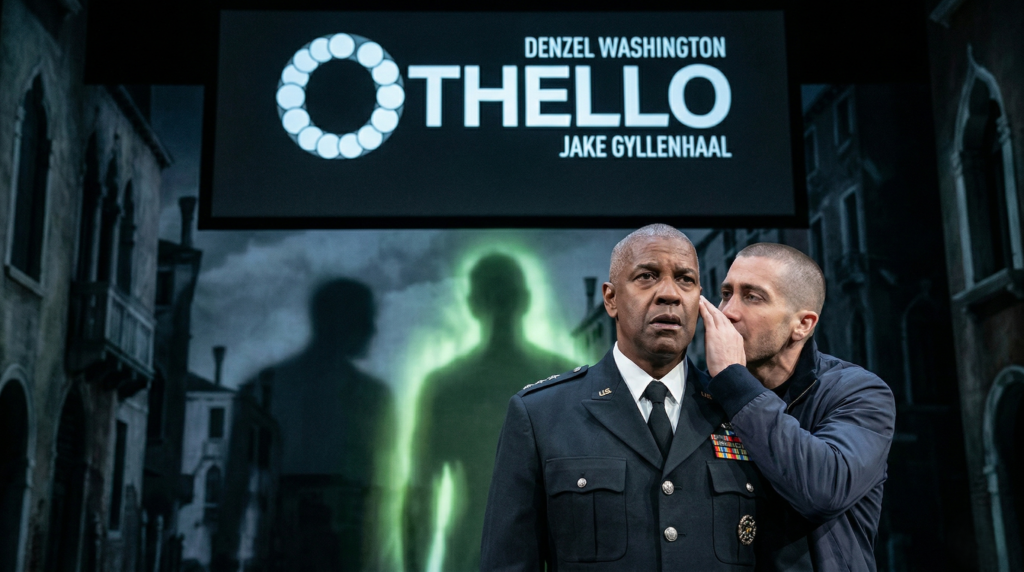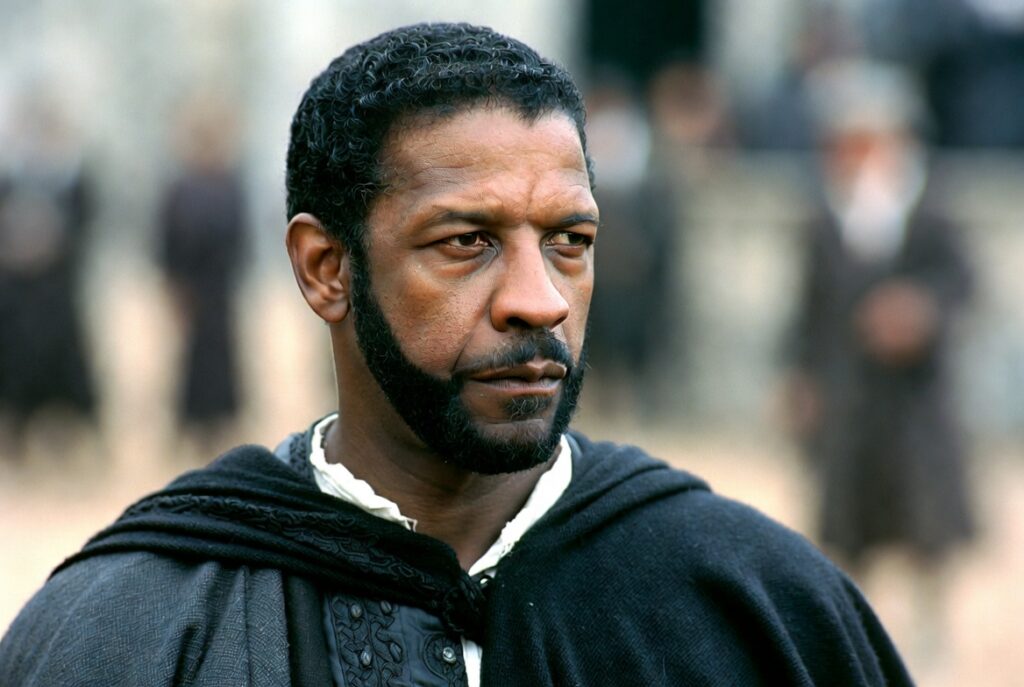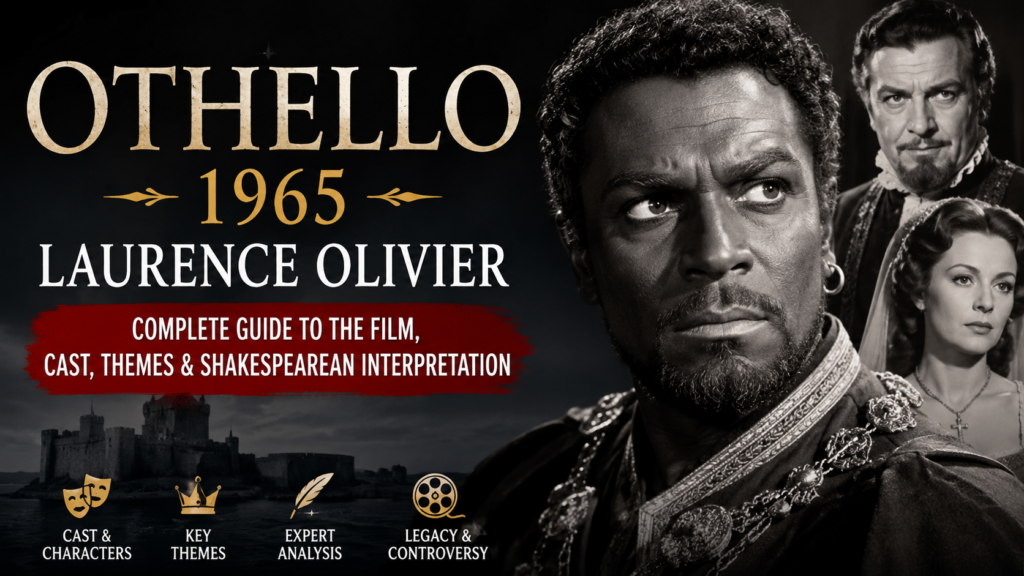
Few Shakespeare adaptations have sparked as much admiration—and discomfort—as othello 1965 laurence olivier. Celebrated for its powerful performances and criticized for its deeply problematic choices, this film sits at the crossroads of theatrical brilliance and cultural controversy. For students, scholars, and Shakespeare enthusiasts, understanding this adaptation is not optional—it’s essential.
Why does this version still matter decades later? Because it offers a rare window into mid-20th-century Shakespearean performance, while also forcing modern audiences to confront difficult questions about race, representation, and artistic legacy.
In this complete expert guide, you’ll gain:
- A clear, insightful breakdown of the film’s plot and themes
- A critical analysis of Laurence Olivier’s performance
- An honest discussion of its controversies
- A comparison with other adaptations
- Practical tips to help you study or watch the film with deeper understanding
Whether you’re preparing for exams, writing an analysis, or simply exploring Shakespeare on screen, this guide will give you everything you need—without confusion or fluff.
What Is Othello (1965)? A Quick Overview
Production Background
Othello (1965), directed by Stuart Burge, is a film adaptation of the National Theatre’s stage production of Shakespeare’s tragedy. Unlike many cinematic adaptations, this version retains a distinctly theatrical style, preserving much of the original staging and dialogue.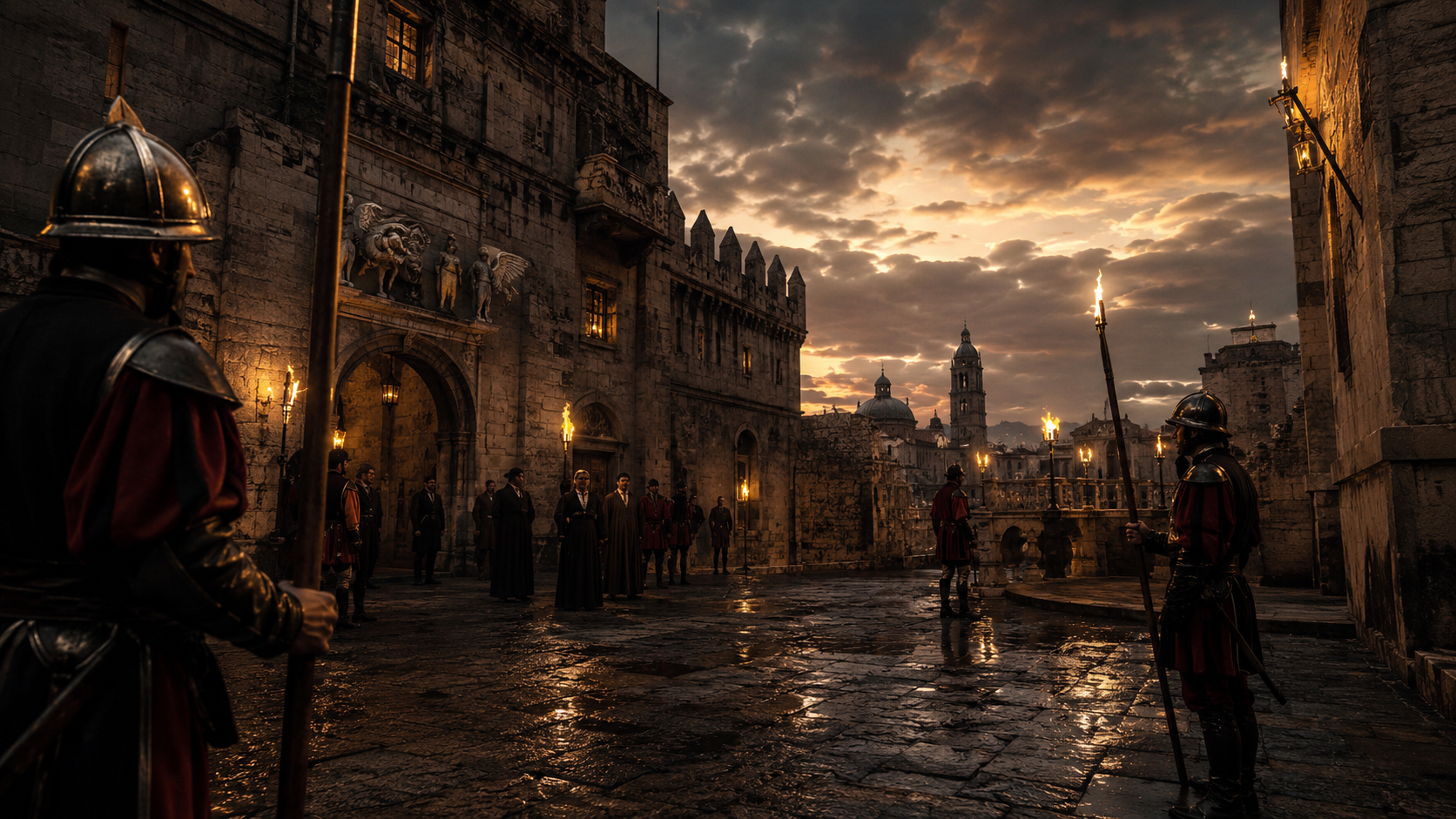
The film stars:
- Laurence Olivier as Othello
- Frank Finlay as Iago
- Maggie Smith as Desdemona
- Michael Gambon as Cassio
Released during a time when Shakespeare adaptations were gaining renewed attention in cinema, the film aimed to bring a celebrated stage performance to a wider audience.
Why This Adaptation Still Matters Today
Despite newer and more visually dynamic adaptations, Othello (1965) continues to be studied in:
- Literature and drama courses
- Film studies programs
- Shakespearean performance analysis
Its significance lies in two key areas:
- Performance Excellence – Particularly Frank Finlay’s Oscar-nominated portrayal of Iago
- Historical Context – It reflects how Shakespeare was interpreted in the 1960s, both artistically and culturally
However, its lasting relevance is equally tied to the critical debates it generates—making it a powerful case study in both art and ethics.
Laurence Olivier as Othello: Performance Analysis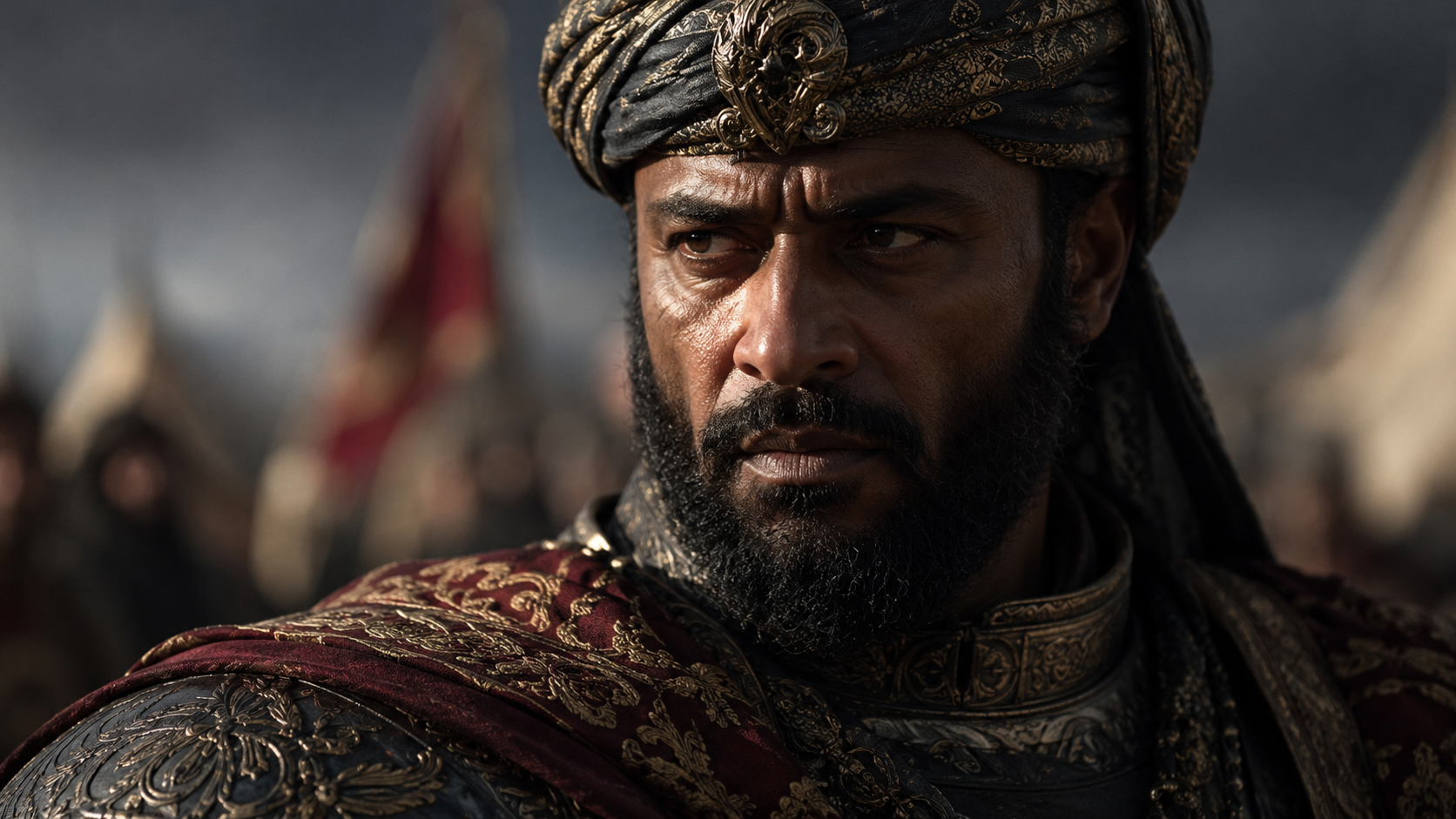
Acting Style and Interpretation
Laurence Olivier, widely regarded as one of the greatest actors of the 20th century, approached Othello with a deeply theatrical sensibility. His performance is rooted in:
- Classical stage training
- Strong vocal projection and rhythmic delivery
- Emphasis on physical transformation
Olivier’s Othello is commanding, intense, and emotionally volatile. He portrays the character not just as a tragic hero, but as a man gradually consumed by insecurity and manipulation.
Strengths of Olivier’s Performance
There’s no denying the technical brilliance of Olivier’s work. Key strengths include:
1. Vocal Mastery
His delivery of Shakespearean language is precise and powerful, making complex lines more accessible.
2. Emotional Range
From dignified general to broken lover, Olivier captures Othello’s psychological collapse with striking intensity.
3. Stage Presence
Even on film, his performance retains a magnetic, larger-than-life quality.
Criticism and Controversy
However, any serious analysis must confront the film’s most controversial aspect: Olivier’s use of blackface.
While it was not uncommon in earlier theatrical traditions, this choice is widely criticized today for:
- Reinforcing racial stereotypes
- Excluding authentic representation
- Creating discomfort for modern audiences
This raises an important question:
Can artistic brilliance be separated from ethical responsibility?
For contemporary viewers, the answer is complex—and deeply personal.
Expert Insight: How Does Olivier Compare to Modern Othellos?
Compared to later portrayals—such as those by actors of African descent—Olivier’s performance often feels:
- Technically impressive but culturally outdated
- Emotionally intense but lacking lived authenticity
Modern interpretations tend to emphasize:
- Realistic emotional nuance
- Cultural identity
- Psychological depth without theatrical exaggeration
Still, Olivier’s performance remains historically significant, offering insight into how Shakespeare was once performed at the highest level.
Full Cast Breakdown and Character Analysis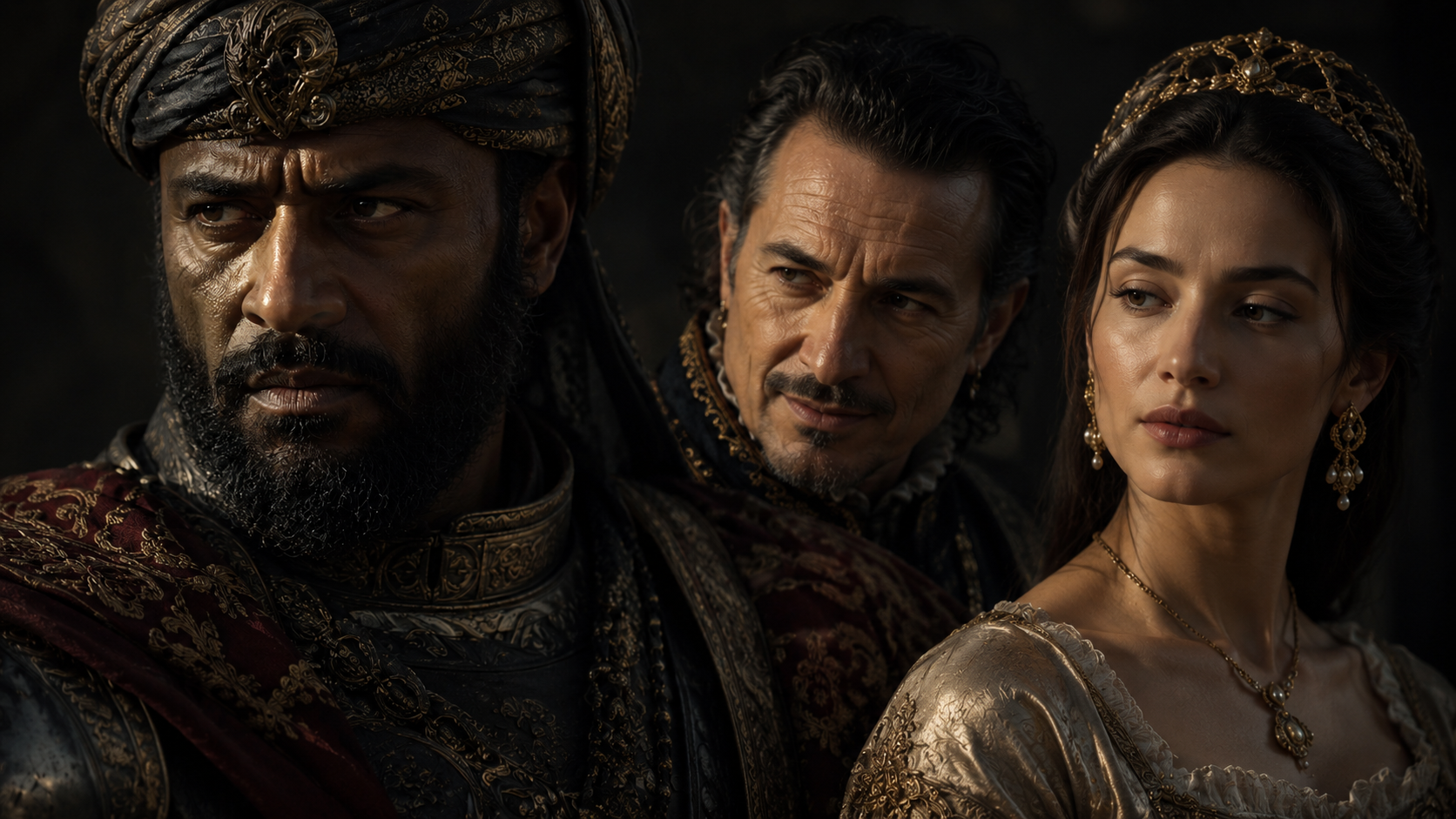
Frank Finlay as Iago
If Olivier dominates the stage, Frank Finlay steals the psychological spotlight.
His Iago is:
- Subtle yet chilling
- Intelligent and calculating
- Disturbingly believable
Finlay’s performance earned him an Academy Award nomination, and for good reason. He avoids overacting, instead presenting Iago as a quiet manipulator whose calm demeanor makes his actions even more terrifying.
Maggie Smith as Desdemona
Maggie Smith delivers a delicate and emotionally resonant performance as Desdemona.
Her portrayal highlights:
- Innocence without naivety
- Emotional vulnerability
- Quiet strength
Rather than being a passive victim, Smith’s Desdemona feels human and deeply sympathetic, making her tragic fate even more impactful.
Supporting Cast Highlights
- Michael Gambon (Cassio) – Brings youthful charm and sincerity
- Supporting roles contribute to the film’s cohesive theatrical atmosphere
While the production is actor-driven, each performance supports the central tragedy effectively.
Plot Summary of Othello (1965) – Clear and Insightful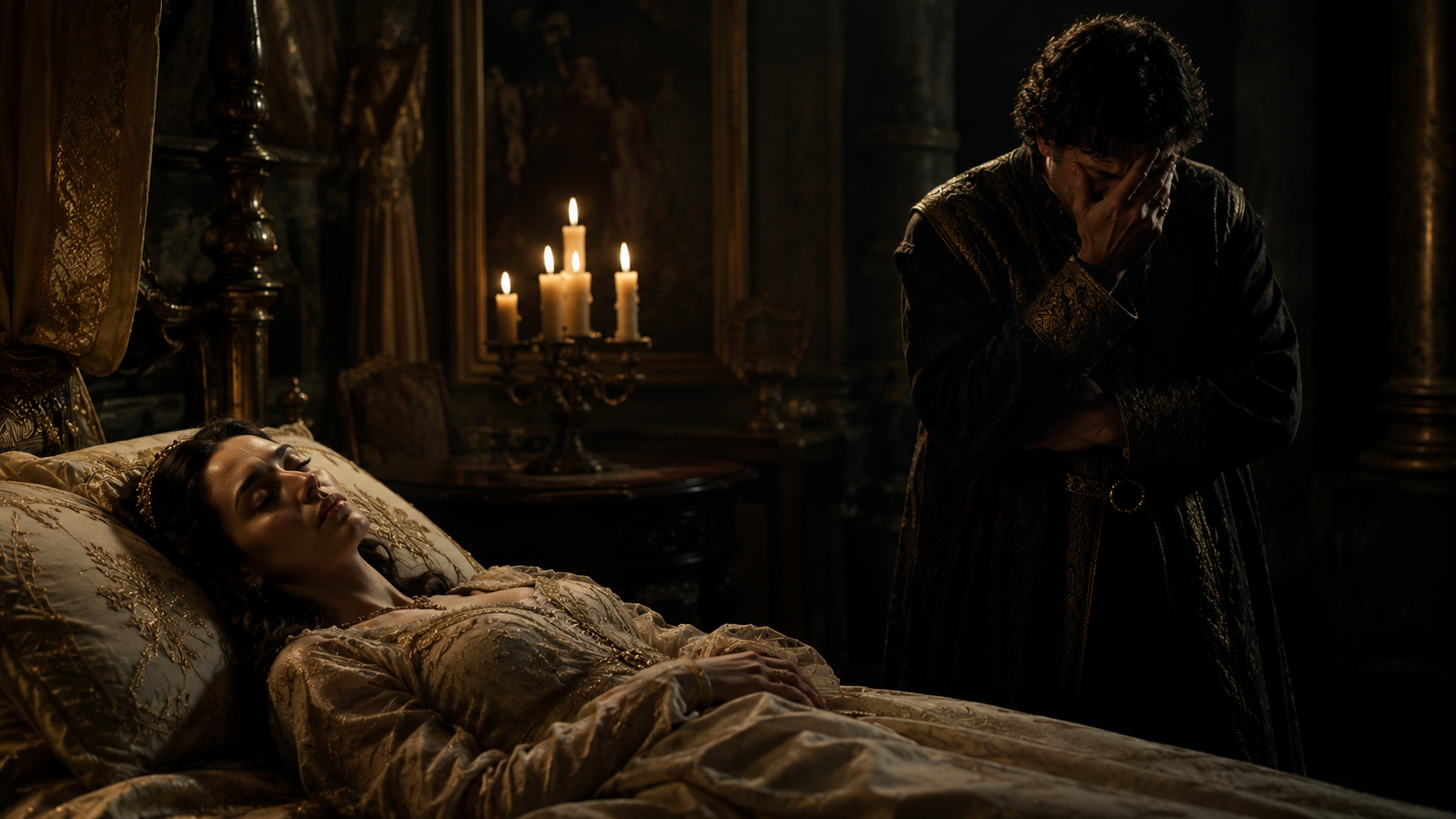
For those unfamiliar with the story, here’s a streamlined yet meaningful summary:
Othello, a respected Moorish general in the Venetian army, secretly marries Desdemona. His trusted ensign, Iago, becomes resentful after being passed over for promotion in favor of Cassio.
Driven by jealousy and ambition, Iago orchestrates a devastating plan:
- He manipulates Othello into believing Desdemona is unfaithful
- He uses deception, lies, and psychological manipulation
- Othello gradually succumbs to jealousy and paranoia
The tragedy reaches its climax when:
- Othello murders Desdemona in a fit of misguided rage
- The truth is revealed too late
- Othello, consumed by guilt, takes his own life
The film remains largely faithful to Shakespeare’s narrative, emphasizing emotional intensity over cinematic spectacle.
Key Themes in Othello 1965 Laurence Olivier
Jealousy and Psychological Manipulation
At its core, Othello is a study of how jealousy can destroy even the strongest minds.
- Iago acts as the catalyst
- Othello becomes the victim of his own insecurities
- The tragedy unfolds not through action, but through psychological erosion
Race and Identity
This theme is central—and deeply complicated in this adaptation.
- Othello’s identity as an outsider shapes his vulnerability
- The film reflects outdated racial portrayals
- Modern viewers must interpret it critically
Love, Trust, and Betrayal
The relationship between Othello and Desdemona begins with trust—but collapses under manipulation.
- Love becomes fragile under suspicion
- Trust, once broken, cannot be restored
- Betrayal—real or imagined—drives the tragedy
Power and Control
Iago’s power lies not in status, but in influence.
- He controls others through language and deception
- Othello loses control over his emotions
- The imbalance of power leads to destruction
How Faithful Is the Film to Shakespeare’s Original Play?
Key Similarities
- Retains much of Shakespeare’s original dialogue
- Follows the same narrative structure
- Preserves the play’s central themes
Notable Differences
- Some scenes are condensed
- Greater emphasis on theatrical delivery rather than cinematic realism
- Limited use of film techniques compared to modern adaptations
Expert Evaluation
While not visually innovative, the film succeeds as:
- A performance-focused adaptation
- A record of a historic stage production
However, it may feel static or dated for viewers expecting cinematic storytelling.
Cinematography, Direction, and Production Quality
Visual Style
The film’s style is deliberately theatrical:
- Minimalistic sets
- Controlled lighting
- Focus on actors rather than visuals
Direction by Stuart Burge
Burge’s direction prioritizes:
- Faithfulness to the stage production
- Actor-driven storytelling
While this preserves authenticity, it limits cinematic dynamism.
Costume and Set Design
- Costumes reflect period authenticity
- Sets are functional rather than immersive
- Symbolism is subtle but present
Critical Reception Then vs Now
Initial Reception (1965)
At the time of release:
- The film was praised for its performances
- Frank Finlay received an Oscar nomination
- Olivier’s portrayal was widely respected
Modern Reassessment
Today, critics reassess the film through a different lens:
- Greater awareness of racial representation
- Increased scrutiny of blackface
- More emphasis on authenticity and inclusivity
Audience Perspective Today
Modern viewers often find the film:
- Educational but challenging
- Historically valuable but ethically complex
Major Controversies Explained Clearly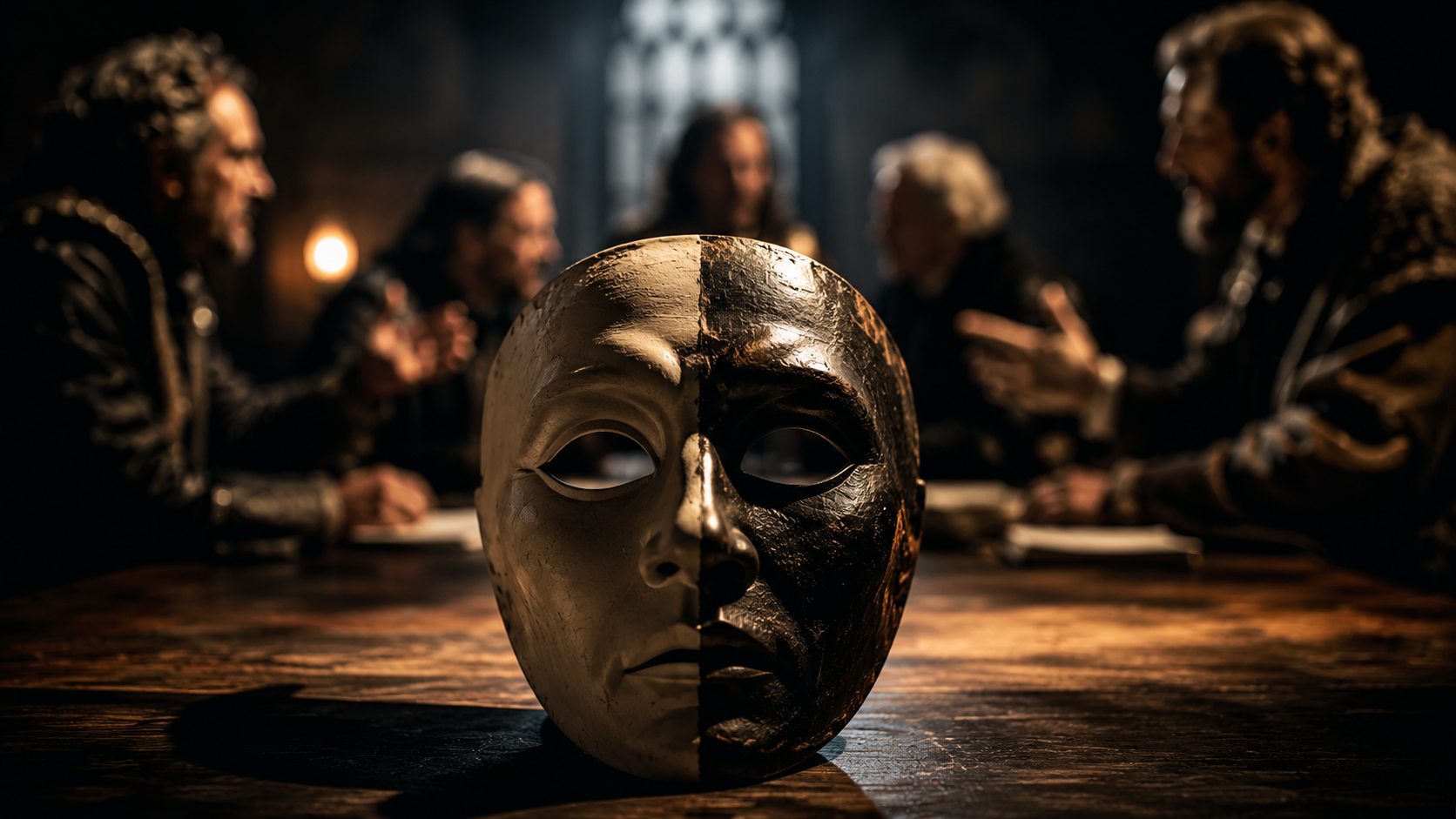
Blackface and Cultural Sensitivity
Olivier’s portrayal is the film’s most debated aspect.
Why it matters:
- It reflects outdated practices
- It can be offensive and exclusionary
- It shapes how audiences interpret the character
Ethical Viewing in Modern Times
To engage with the film responsibly:
- Understand its historical context
- Acknowledge its flaws
- Use it as a learning tool rather than pure entertainment
Comparison with Other Othello Adaptations
Understanding othello 1965 laurence olivier becomes far easier—and far more meaningful—when you place it alongside other major adaptations. Each version reflects not only Shakespeare’s text, but also the cultural values and artistic priorities of its time.
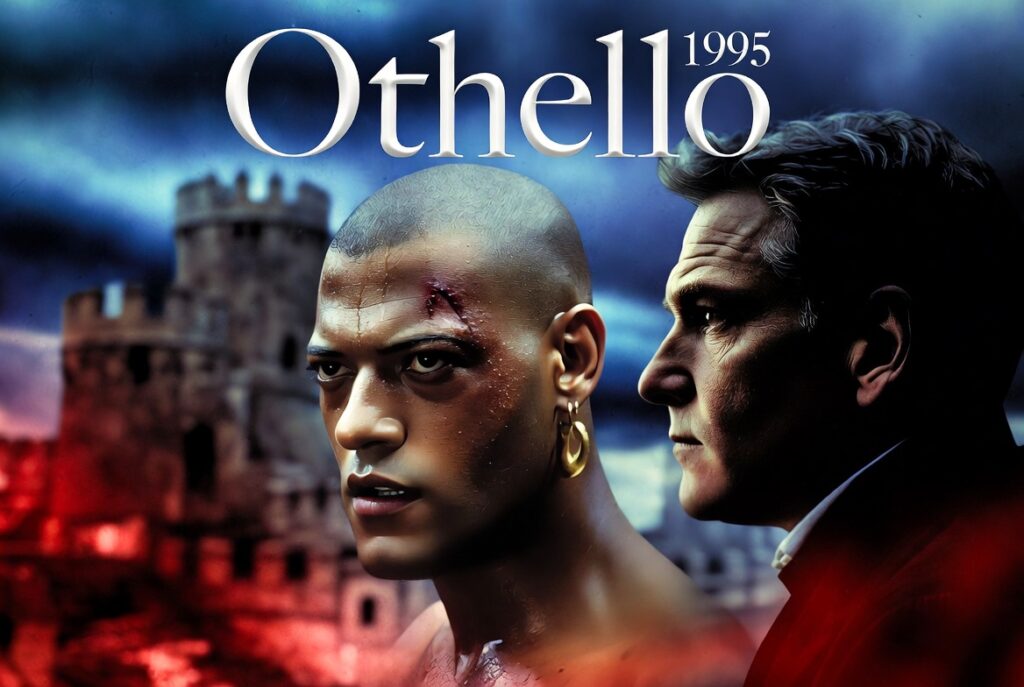
The 1995 Film Starring Laurence Fishburne
The 1995 adaptation, directed by Oliver Parker, offers a striking contrast to the 1965 version.
Key differences include:
- Authentic Casting: Fishburne, an African American actor, brings lived experience and cultural authenticity to Othello
- Cinematic Style: Rich visuals, dynamic camera work, and immersive settings
- Emotional Realism: Less theatrical, more grounded in naturalistic acting
Why it matters:
This version addresses one of the biggest criticisms of the 1965 film—representation—while making Shakespeare more accessible to modern audiences.
Stage vs Film Interpretations
The 1965 adaptation sits in a unique position: it is essentially a filmed stage performance rather than a fully cinematic reinterpretation.
Stage-style strengths:
- Powerful, uninterrupted performances
- Faithful delivery of Shakespearean language
- Strong emphasis on dialogue and character
Film-style limitations:
- Limited visual storytelling
- Less immersive world-building
- Reduced emotional subtlety compared to modern film acting
Which Version Should You Watch?
It depends entirely on your goal:
- For academic study → Othello (1965)
- For modern viewing and accessibility → Othello (1995)
- For performance analysis → Both, for comparison
Expert recommendation:
Watch the 1965 version first to understand traditional performance, then follow with a modern adaptation to see how interpretations have evolved.
Who Should Watch Othello 1965 Laurence Olivier?
This film is not for everyone—but for the right audience, it is incredibly valuable.
Ideal Viewers:
- Literature and HSC/college students studying Shakespeare
- Theatre enthusiasts interested in classical acting
- Film historians exploring adaptation styles
- Scholars analyzing race and representation in media
Viewers Who Should Proceed with Caution:
- Those unfamiliar with Shakespearean language
- Viewers sensitive to outdated racial portrayals
- Anyone expecting fast-paced, modern storytelling
Bottom line:
This is a study text, not casual entertainment—and it rewards viewers who approach it with patience and critical awareness.
Expert Tips for Understanding the Film Better
If you want to truly benefit from this adaptation, a passive viewing won’t be enough. Here’s how to engage with it like an expert:
1. Watch with Subtitles
Shakespeare’s language can be dense. Subtitles help you:
- Follow complex dialogue
- Catch important nuances
- Improve comprehension quickly
2. Read the Play Before or Alongside Watching
Familiarity with the text allows you to:
- Recognize key scenes and speeches
- Identify deviations or interpretations
- Deepen your analytical insight
3. Focus on Character Psychology
Instead of just following the plot, ask:
- Why does Othello trust Iago so easily?
- What motivates Iago’s manipulation?
- How does Desdemona respond to suspicion?
4. Observe Theatrical Techniques
Pay attention to:
- Body language and posture
- Vocal delivery and pauses
- Use of space and staging
These elements are central to understanding Olivier’s performance style.
5. Watch Critically, Not Passively
Engage with the film by questioning:
- What works—and what doesn’t?
- How does context affect interpretation?
- What would be done differently today?
Frequently Asked Questions (FAQs)
Is Othello 1965 Laurence Olivier historically accurate?
Not entirely. While the film is faithful to Shakespeare’s text, it reflects the theatrical conventions and cultural attitudes of the 1960s rather than historical realism or modern standards of representation.
Why is this version controversial?
The primary controversy lies in Laurence Olivier’s use of blackface, which is now widely regarded as offensive and inappropriate. This has led to ongoing debates about how the film should be viewed today.
Is it still worth watching today?
Yes—but with context. The film is valuable for:
- Studying Shakespearean performance
- Understanding historical approaches to adaptation
- Engaging in discussions about art and ethics
However, it should not be viewed uncritically.
How does it compare to modern adaptations?
Modern adaptations tend to be:
- More visually dynamic
- More culturally sensitive
- More emotionally naturalistic
The 1965 version, by contrast, is:
- More theatrical
- More text-focused
- More historically rooted in stage tradition
Final Verdict: Is Othello 1965 Laurence Olivier Worth Watching Today?
The answer is not simple—and that’s precisely why this film remains important.
On one hand, othello 1965 laurence olivier stands as:
- A powerful example of classical Shakespearean acting
- A record of a celebrated stage production
- A valuable academic resource
On the other hand, it raises serious concerns about:
- Racial representation
- Cultural sensitivity
- The ethical responsibilities of artists
The Balanced Conclusion
This is not a film you watch for comfort or casual enjoyment. It is a film you study, question, and reflect upon.
If approached critically, it offers:
- Deep insight into Shakespeare’s tragedy
- A masterclass in theatrical performance
- An opportunity to engage with complex cultural issues
Final Recommendation
- Watch it if you are serious about Shakespeare, literature, or film studies
- Approach it thoughtfully, with awareness of its historical context and limitations
- Pair it with modern adaptations to gain a complete understanding