What happens when one of the greatest tragedies ever written meets the raw intensity of stage performance on film? The answer lies in Othello 1965—a powerful yet often overlooked adaptation that continues to intrigue students, scholars, and Shakespeare enthusiasts alike.
If you’ve ever struggled to fully grasp the emotional depth of William Shakespeare’s Othello, or wondered which film version best captures the original play’s intensity, this guide is designed for you. Othello 1965 is not just another adaptation—it is a theatrical experience preserved on screen, offering a unique lens into Shakespeare’s timeless themes of jealousy, manipulation, and tragic downfall.
In this comprehensive guide, you’ll discover:
- A clear breakdown of the film’s cast and performances
- A detailed, easy-to-follow plot summary
- Deep thematic analysis tailored for students and literature lovers
- Expert insights into how this version interprets Shakespeare differently
Whether you’re preparing for exams, writing an essay, or simply exploring Shakespearean cinema, this article will give you everything you need to understand Othello 1965 at a deeper level.
What Is Othello 1965? (Quick Overview)
Production Background
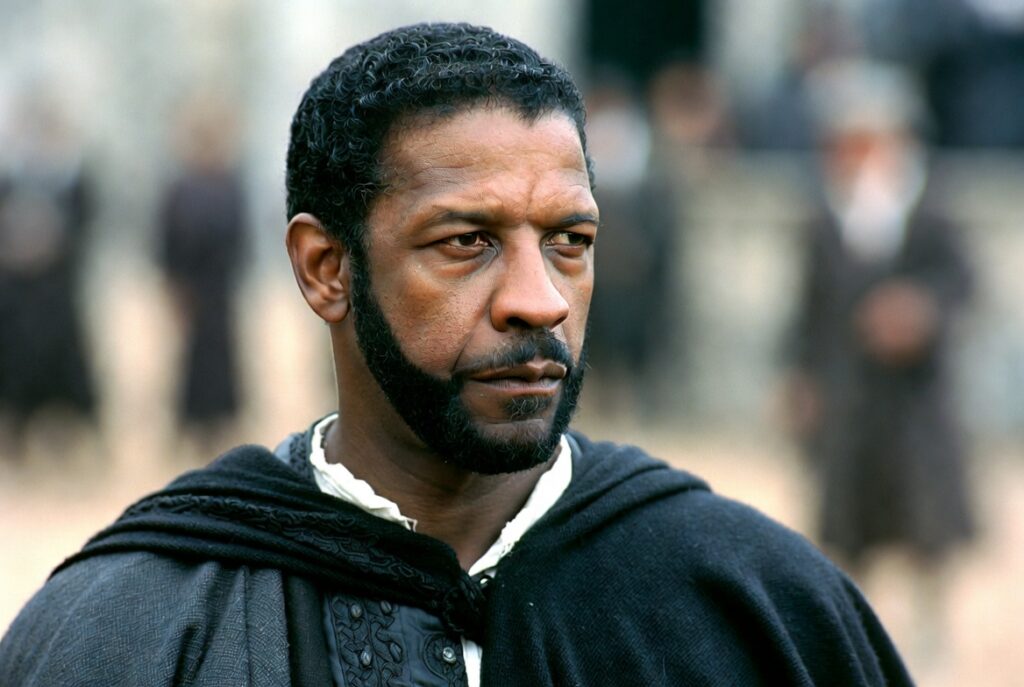
Othello 1965 is a film adaptation directed by Stuart Burge, based on the acclaimed stage production by the National Theatre Company. Unlike many cinematic adaptations, this version retains a strong theatrical essence, making it feel closer to a live performance than a traditional film.
The movie features legendary actor Laurence Olivier in the title role, alongside Maggie Smith as Desdemona and Frank Finlay as Iago. Notably, their performances were already celebrated on stage before being captured on film.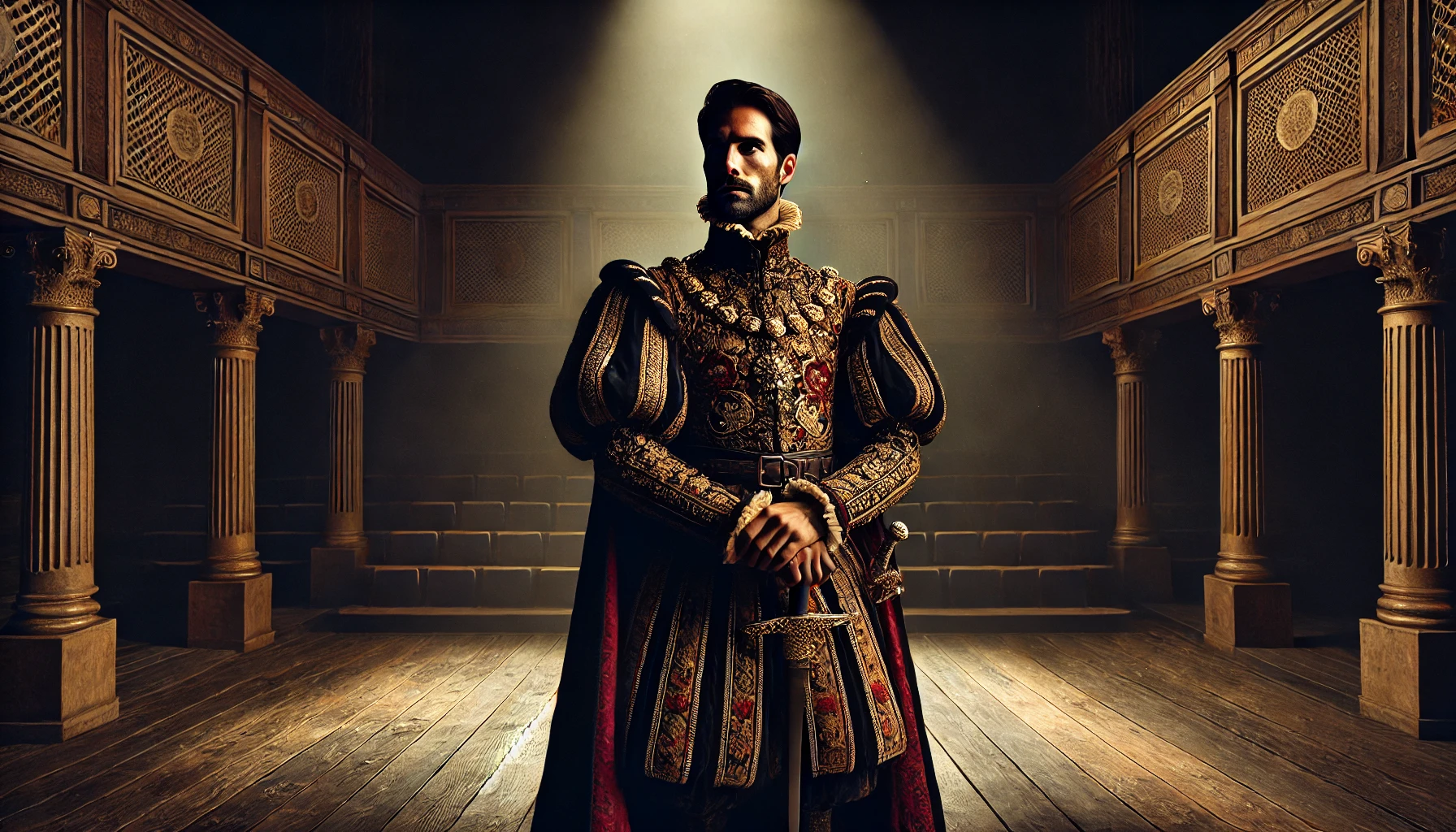
Historical and Cultural Context
The 1960s marked a significant era for Shakespeare adaptations in cinema. Directors were experimenting with ways to make classical texts more accessible while preserving their artistic integrity. Othello 1965 stands out because it does not attempt to modernize or reinterpret the play heavily—instead, it preserves the original dialogue and staging.
However, it also reflects the cultural attitudes of its time, particularly in its portrayal of race and identity—an aspect that modern viewers often analyze critically.
Why This Adaptation Is Important
Among the many versions of Othello, this adaptation holds a unique place because:
- It bridges the gap between theatre and cinema
- It features award-winning performances
- It is widely used in academic settings for studying Shakespeare
For students, this version is especially valuable because it stays close to the original text, making it easier to follow alongside the play.
Full Cast of Othello 1965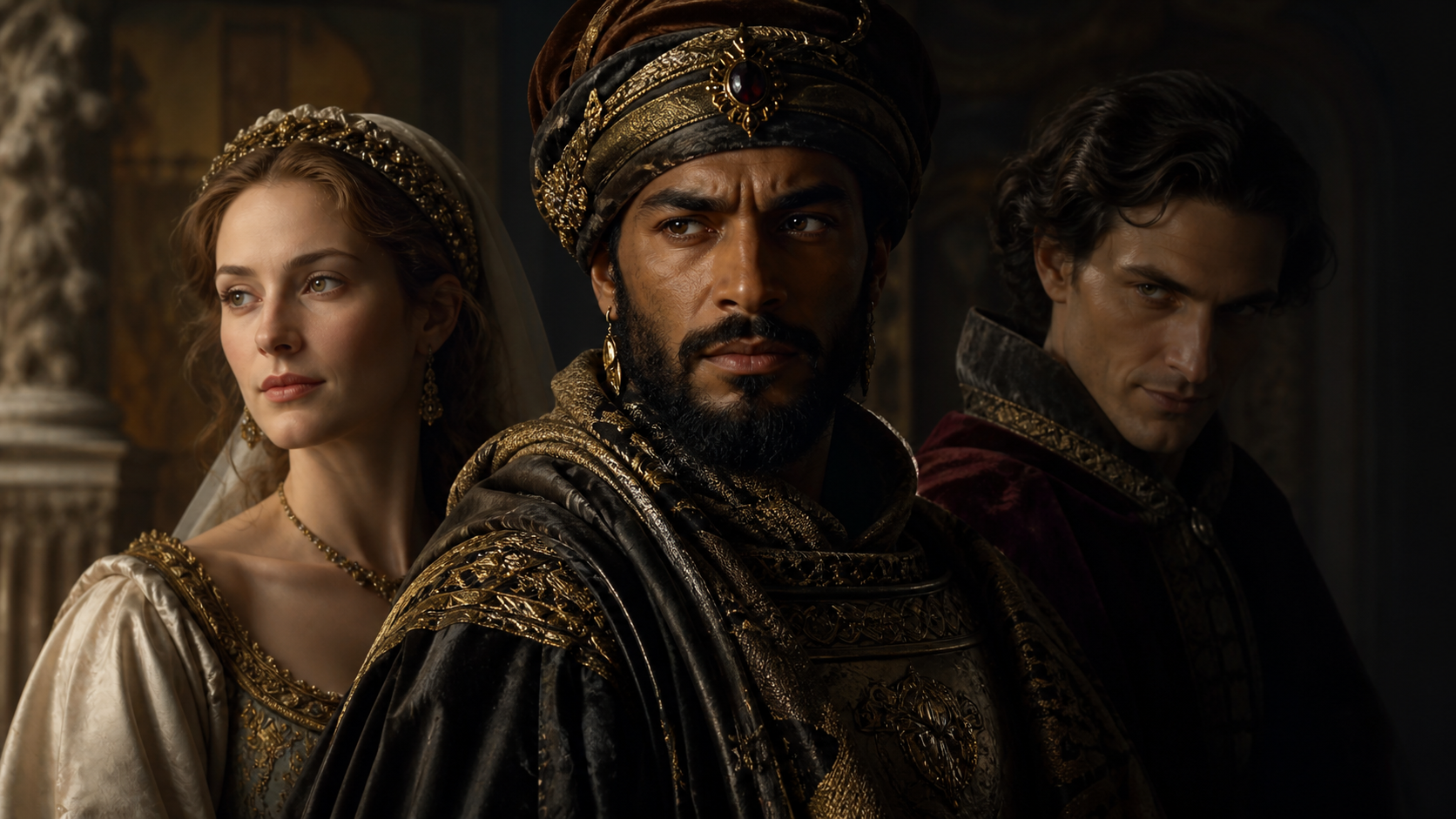
Lead Characters and Performances
- Othello – Laurence Olivier
Olivier delivers a deeply intense performance, capturing Othello’s transformation from a confident general to a man consumed by jealousy. His portrayal is powerful, though controversial by modern standards. - Iago – Frank Finlay
Finlay’s Iago is subtle yet chilling. Rather than portraying him as overtly villainous, he presents Iago as calculating and disturbingly believable. - Desdemona – Maggie Smith
Smith brings emotional depth and vulnerability to Desdemona, making her tragic fate even more heartbreaking.
Supporting Cast Breakdown
- Cassio – Derek Jacobi (early in his career)
- Emilia – Joyce Redman
- Brabantio – Anthony Nicholls
- Roderigo – Robert Lang
Each supporting character contributes to the unfolding tragedy, reinforcing the central themes of deception and loyalty.
Performance Analysis
One of the defining features of Othello 1965 is its theatrical acting style. Unlike modern films that rely on subtle expressions and naturalistic dialogue, this adaptation embraces:
- Dramatic delivery of lines
- Exaggerated emotional intensity
- Stage-like blocking and movement
Strengths:
- Faithful to Shakespeare’s language
- Powerful vocal performances
- Strong emotional clarity
Limitations:
- May feel overly dramatic for modern viewers
- Limited cinematic realism
Plot Summary of Othello 1965 (Scene-by-Scene Breakdown)
Act 1–2: Love, War, and Deception Begins
The story begins with Othello, a respected Moorish general in the Venetian army, secretly marrying Desdemona. This union sparks anger in her father, Brabantio, and sets the stage for conflict.
Meanwhile, Iago—passed over for promotion—begins plotting revenge against Othello. He manipulates Roderigo and plants the seeds of suspicion.
When the setting shifts to Cyprus, the external threat of war fades, allowing internal tensions to take center stage.
Act 3: The Turning Point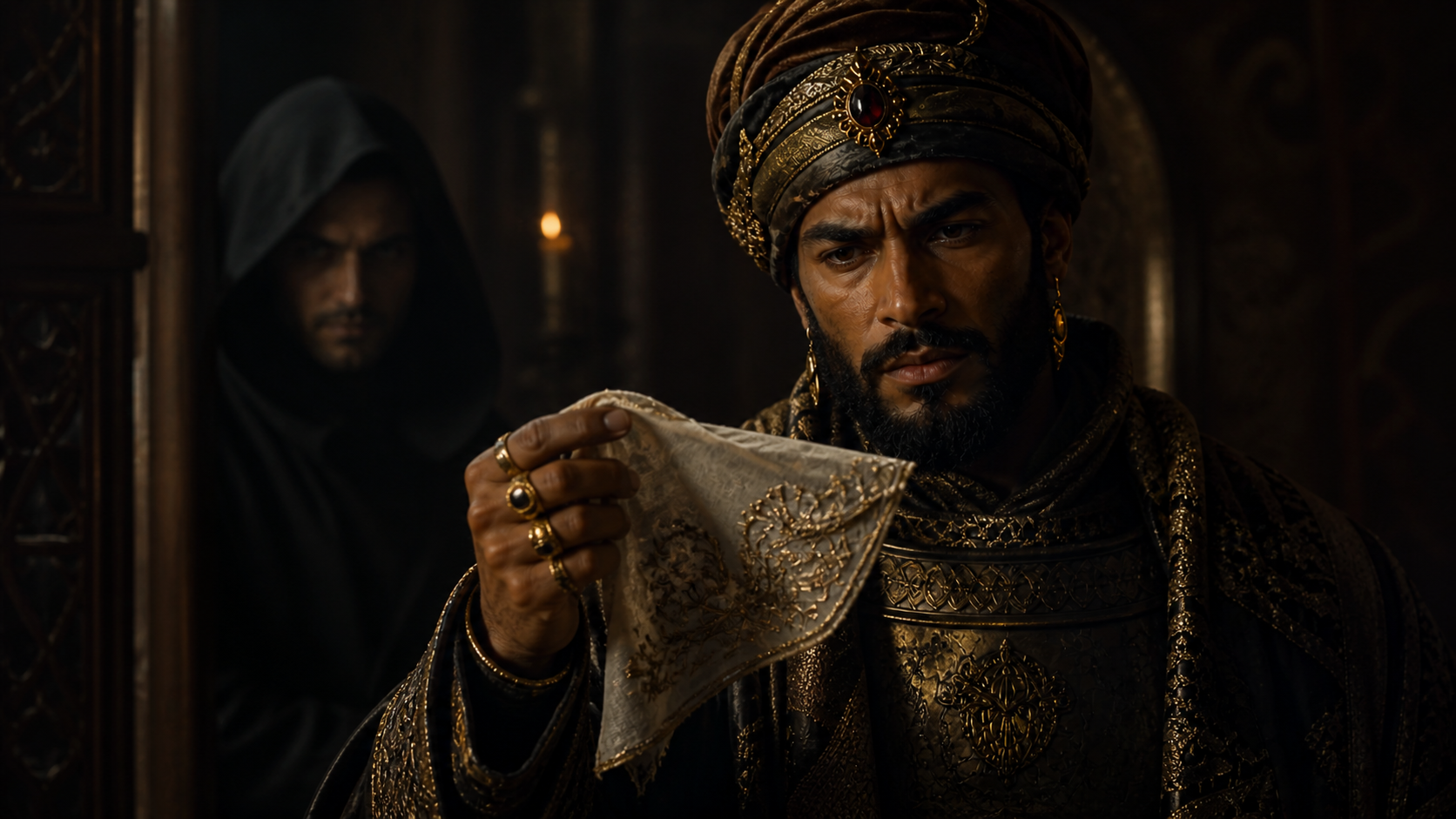
This is where the tragedy truly begins.
Iago subtly convinces Othello that Desdemona is unfaithful with Cassio. The infamous handkerchief, a symbol of love and trust, becomes the key piece of “evidence.”
Othello’s psychological transformation is chilling:
- From rational leader
- To সন্দেহপ্রবণ (suspicious) husband
- To emotionally unstable figure
Act 4–5: Tragedy Unfolds
Othello becomes completely consumed by jealousy. Under Iago’s manipulation, he believes murder is justified.
In the final act:
- Othello kills Desdemona
- Emilia exposes Iago’s deceit
- Othello realizes the truth too late
- He takes his own life
The ending is devastating, reinforcing the destructive power of unchecked emotion.
Key Themes in Othello 1965
Jealousy as a Destructive Force
Often described as the “green-eyed monster,” jealousy is the central theme of Othello. The 1965 adaptation vividly portrays how quickly trust can turn into suspicion.
Othello’s downfall is not caused by external enemies—but by his own inability to control his emotions.
Race and Identity
Othello’s identity as an outsider plays a crucial role in the story. The film highlights:
- His vulnerability in a predominantly white society
- The subtle insecurities that Iago exploits
Modern viewers often critique the portrayal, making this theme highly relevant for contemporary analysis.
Manipulation and Deception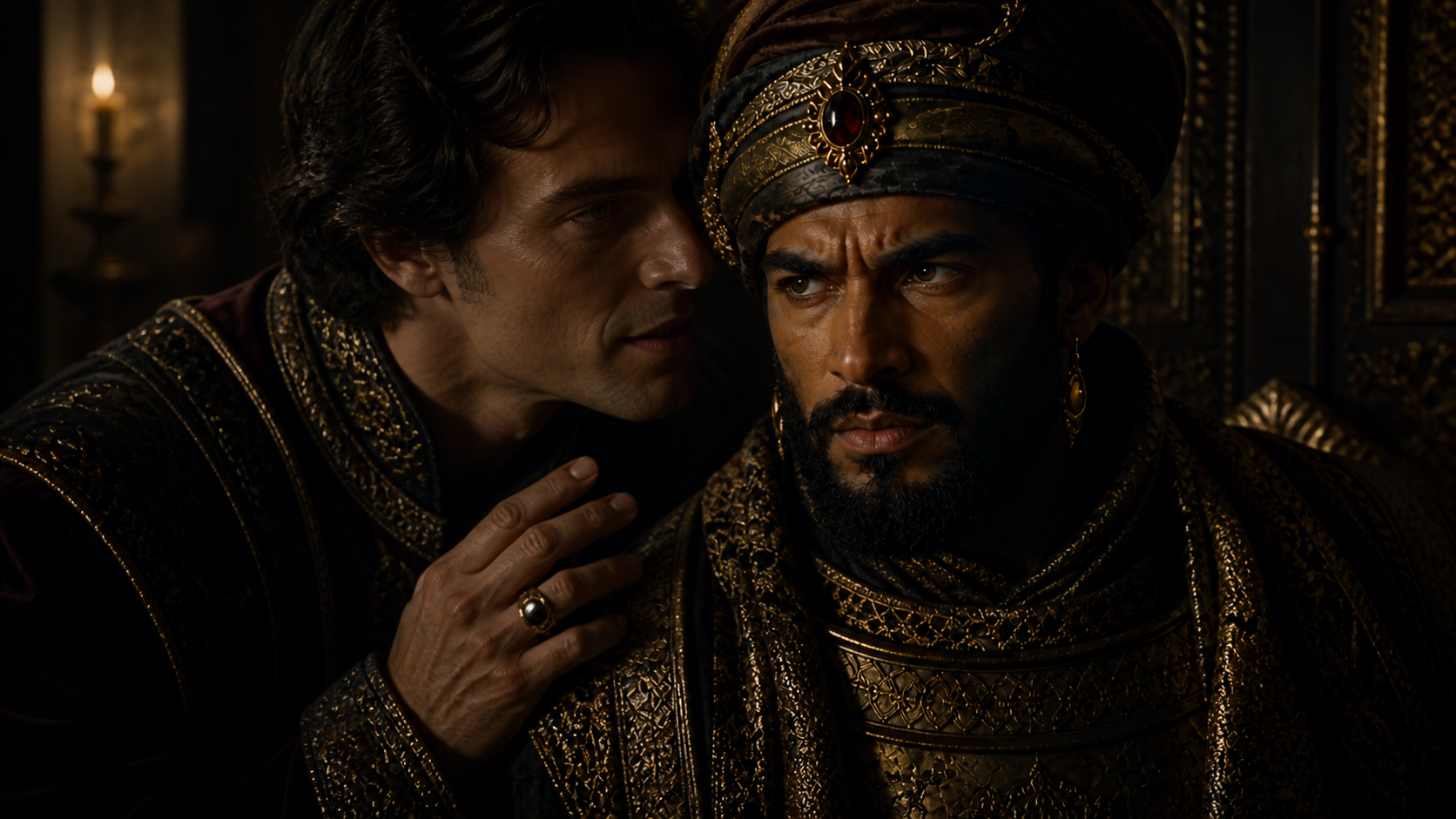
Iago is one of Shakespeare’s most complex villains. His ability to manipulate others without clear motivation makes him terrifying.
The film emphasizes:
- Psychological manipulation
- The power of suggestion
- The fragility of trust
Love vs. Possession
Othello’s love for Desdemona gradually turns into control and suspicion. The film raises an important question:
Is it truly love if it lacks trust?
How Othello 1965 Interprets Shakespeare Differently
Faithfulness to the Original Text
Unlike many modern adaptations, this version remains highly faithful:
- Original Shakespearean dialogue is preserved
- Scene structure closely follows the play
This makes it ideal for academic study.
Cinematic Techniques vs. Stage Influence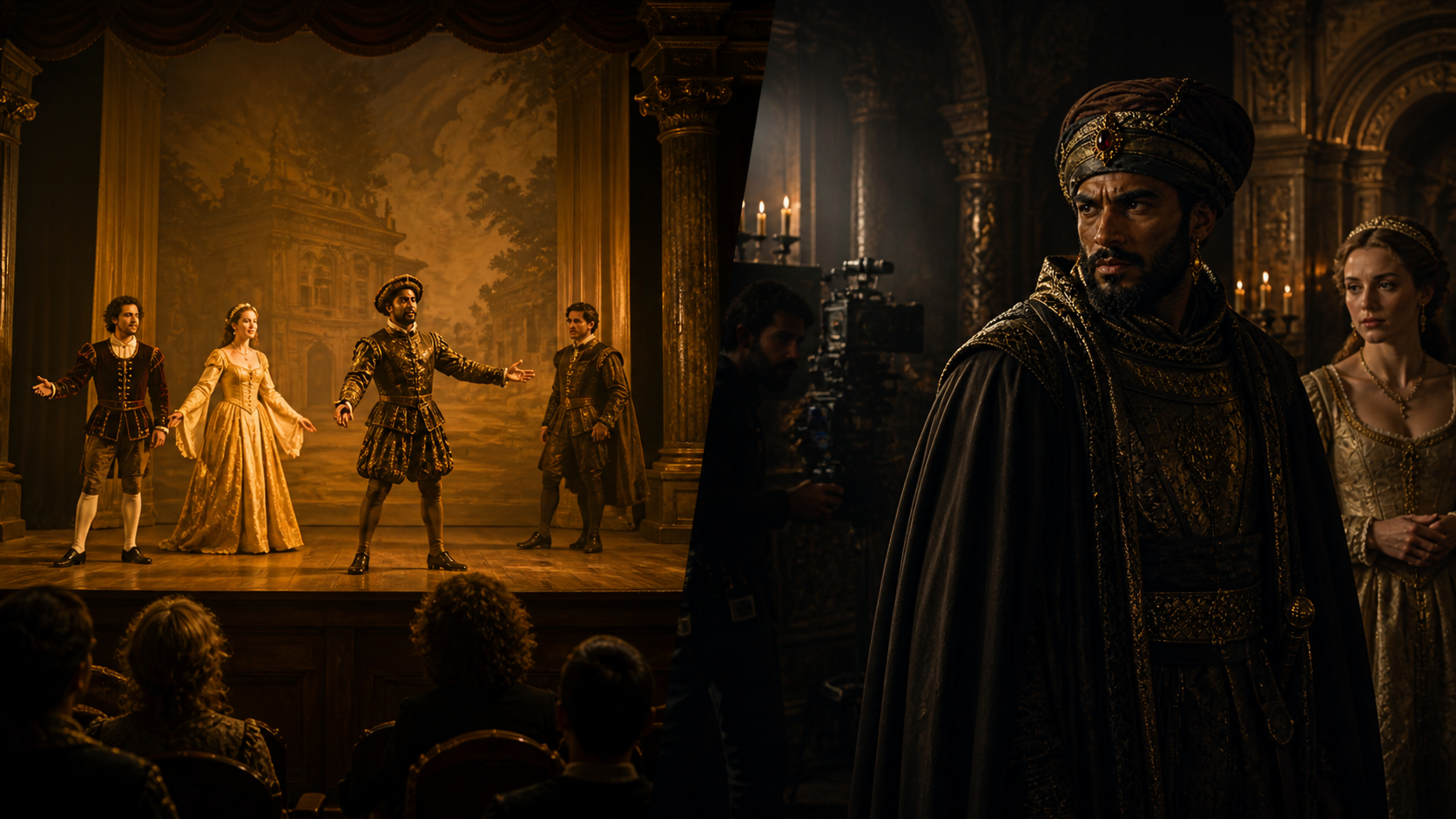
The film feels almost like a recorded stage performance:
- Minimalistic sets
- Limited camera movement
- Focus on dialogue and acting
While this may feel outdated, it allows viewers to focus entirely on the language and performances.
Key Differences from the Play
Though largely faithful, some changes include:
- Slightly condensed scenes
- Emphasis on certain emotional moments
- Visual interpretation of key symbols
Comparison with Other Othello Adaptations
1965 vs. Other Notable Versions
Compared to later adaptations:
- More theatrical
- Less visually dynamic
- More text-focused
Strengths and Weaknesses
Strengths:
- Authentic Shakespearean experience
- Strong performances
- Educational value
Weaknesses:
- Slow pacing
- Less cinematic appeal
Which Version Should You Watch?
- Students: 1965 version (for accuracy)
- Casual viewers: Modern adaptations
- Scholars: Both, for comparison
Critical Reception and Legacy
Reviews at the Time of Release
The film received critical acclaim, particularly for:
- Laurence Olivier’s performance
- Faithful adaptation of the text
Modern Re-evaluation
Today, the film is viewed through a more critical lens, especially regarding:
- Representation of race
- Acting style
Academic Importance
Othello 1965 remains a staple in literature and film studies due to its:
- Fidelity to Shakespeare
- Strong performances
- Clear thematic presentation
Expert Insights: What Students Often Miss About Othello 1965
- Iago rarely lies directly—he manipulates through implication
- The handkerchief symbolizes trust, not just love
- Othello’s downfall is internal, not external
Is Othello 1965 Worth Watching Today?
For Students
Absolutely essential for understanding the original play.
For Shakespeare Enthusiasts
A fascinating blend of theatre and cinema.
For General Viewers
Challenging but rewarding.
Practical Viewing Tips for Better Understanding
- Use subtitles
- Watch key scenes twice
- Read the play alongside the film
FAQs About Othello 1965
Is Othello 1965 faithful to Shakespeare’s original play?
Yes, it is one of the most faithful adaptations available.
Who played Othello in the 1965 version?
Laurence Olivier.
Why is the 1965 adaptation controversial?
Mainly due to its portrayal of race.
Is this version suitable for students?
Yes—especially for academic purposes.
Where can I watch Othello 1965 today?
Availability varies by region; check major streaming platforms or academic libraries.
Final Thoughts on Othello 1965
Othello 1965 is not just a film—it is a preserved theatrical masterpiece that offers a deep and faithful interpretation of Shakespeare’s tragedy. While it may not appeal to everyone, especially modern audiences seeking fast-paced storytelling, its value lies in its authenticity and emotional power.
For students and serious readers of Shakespeare, this adaptation is not optional—it is essential.