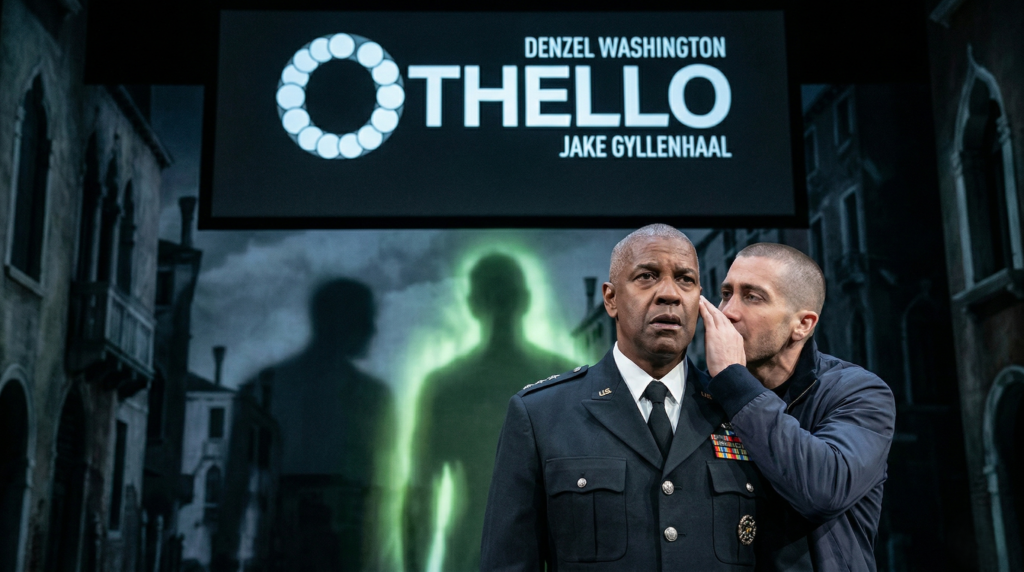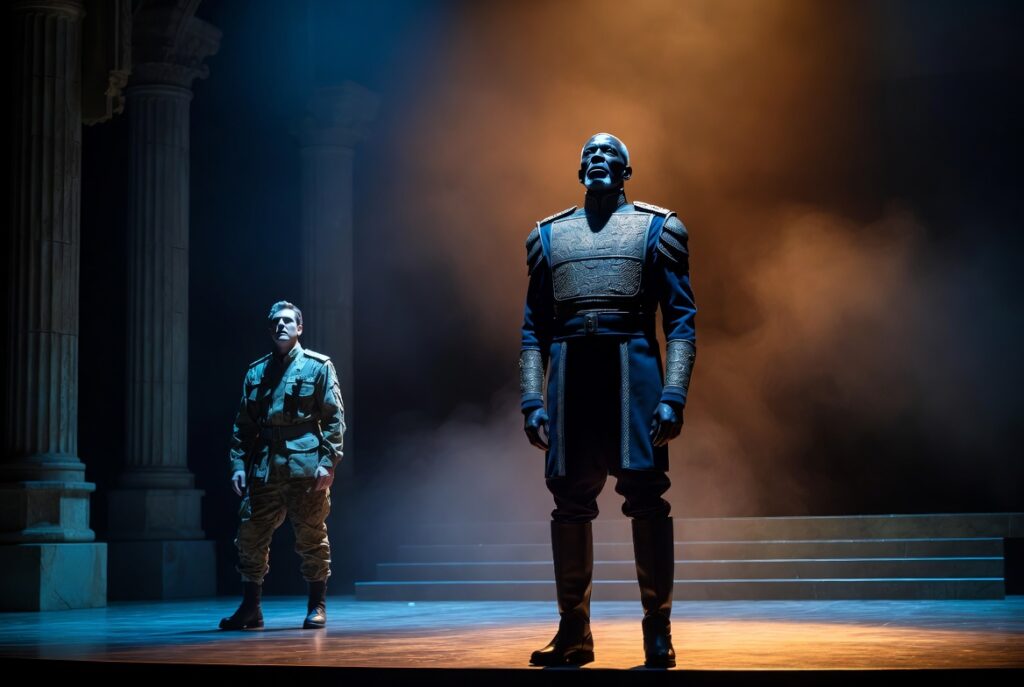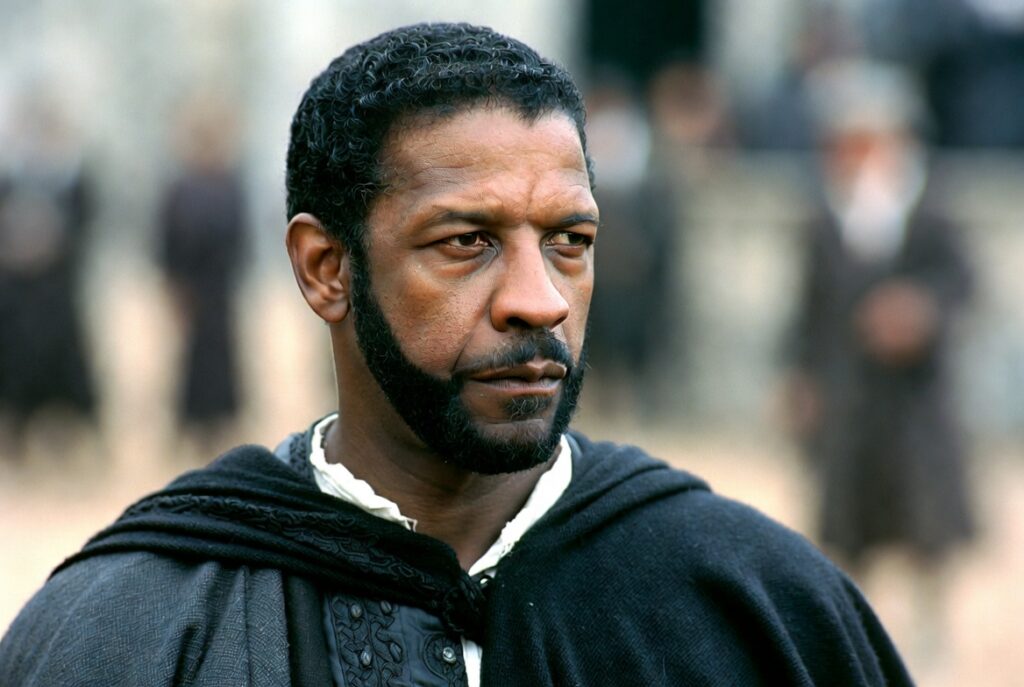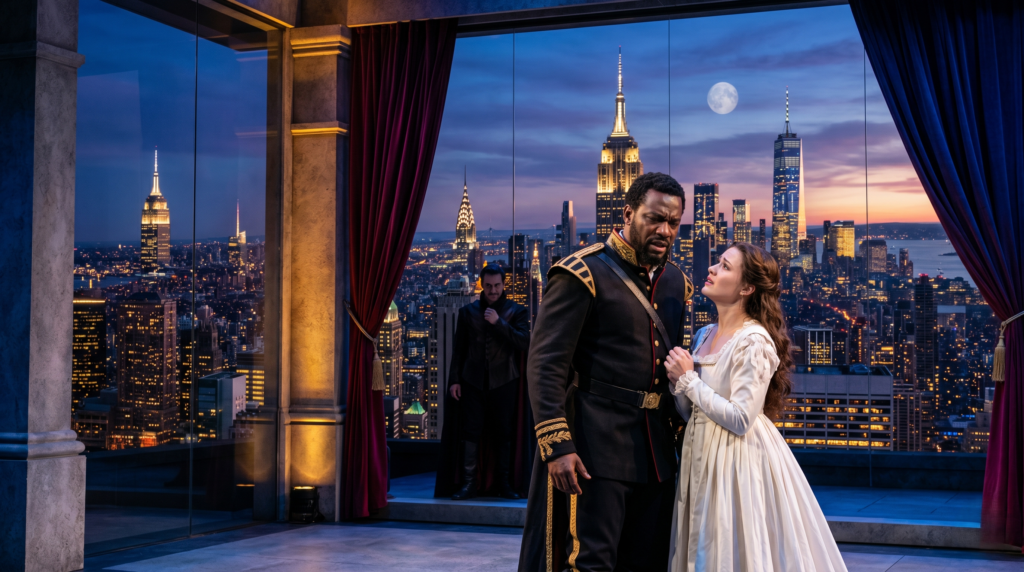
From the free stages of Central Park to Broadway’s grandest houses, here is everything you need to know about seeing Othello in New York — past, present, and future.
Few theatrical experiences match the power of watching Othello unfold live on a New York City stage. Whether you are searching for Othello NYC productions currently in season, hoping to catch a free Shakespeare in the Park performance, or simply trying to understand why this 1603 tragedy continues to captivate modern audiences, you have come to the right place. New York has long been the most important city in the English-speaking world for serious Shakespeare, and Othello — with its searing exploration of jealousy, race, manipulation, and self-destruction — has found no more compelling home than the five boroughs.
This guide covers everything: the play’s enduring themes, the city’s most celebrated productions, the venues that regularly stage it, how to get tickets at every price point, and how to prepare yourself for a genuinely transformative night at the theatre.
Why Othello Resonates So Deeply in New York City
New York is a city built on ambition, diversity, and the tension between belonging and exclusion — the precise fault lines Shakespeare excavates in Othello. The play follows Othello, a Moorish general of great distinction in Venetian society, whose marriage to Desdemona is systematically poisoned by his ensign Iago, one of literature’s most frighteningly plausible villains. Themes of racial identity, institutional prejudice, misogyny, and the weaponization of trust make the tragedy feel urgently contemporary rather than remotely historical.
In a city as racially and culturally complex as New York, productions of Othello carry particular weight. Casting choices alone become statements. When Liev Schreiber and Keith David traded Othello and Iago in the Public Theater’s landmark productions, or when Don Cheadle brought a modern naturalism to the role, each interpretation sparked genuine civic conversation well beyond theatre circles.
The Shakespearean dramatic tradition in New York stretches back to the 18th century. Ira Aldridge, the first great Black actor to play Othello to wide acclaim, was born in New York City in 1807 — a fact that gives the city a deep, often underacknowledged connection to the play’s history of racial representation on stage.
A Brief Guide to the Play Itself
If you are new to Othello or returning after years away, a quick orientation will sharpen your enjoyment of any live performance.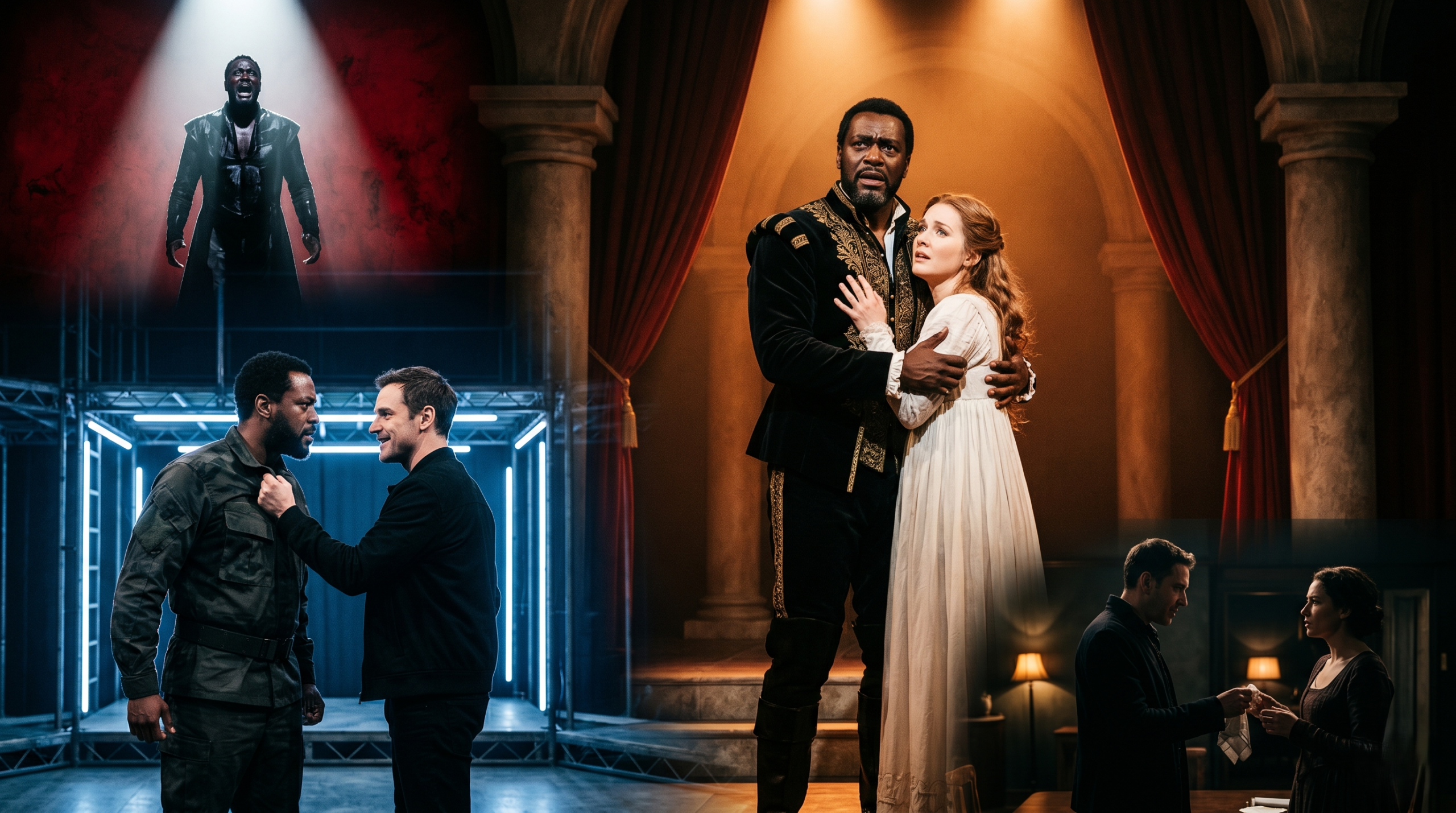
The plot in brief
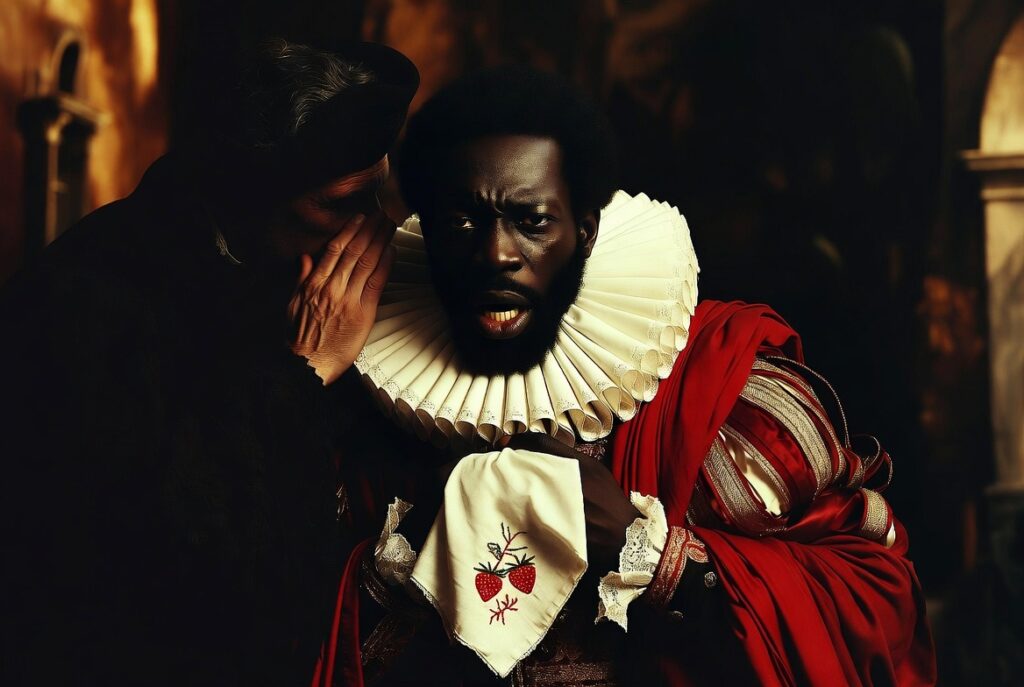
Set in Venice and Cyprus, the play opens with Iago — passed over for promotion by Othello in favor of Cassio — vowing revenge. He engineers a campaign of disinformation, convincing Othello that Desdemona has been unfaithful with Cassio. The tragedy is not simply one of jealousy; it is a study in how a man of genuine greatness can be undone by a trusted subordinate who understands exactly which insecurities to exploit. The final scene, in which Othello smothers Desdemona and then recognizes his catastrophic error, is among the most devastating in all of dramatic literature.
Key characters to know
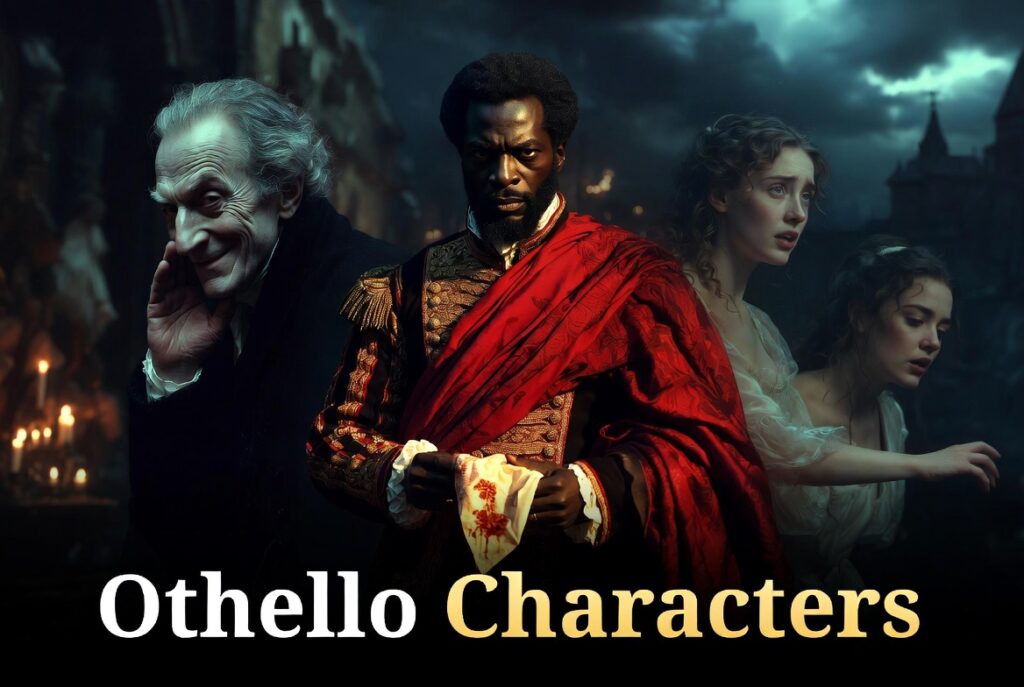
Othello — The Moorish general. Eloquent, commanding, deeply in love, and ultimately vulnerable to the manipulation of those he trusts most. Desdemona — Othello’s wife, whose steadfast loyalty makes her fate all the more harrowing. Iago — The play’s engine of destruction; a consummate actor and liar who has fascinated actors, scholars, and psychologists for four centuries. Cassio — Othello’s lieutenant, an innocent pawn in Iago’s scheme. Emilia — Iago’s wife and Desdemona’s attendant, who delivers the play’s most electrifying moment of moral clarity.
Core themes for a modern audience
Productions in New York consistently highlight jealousy as a manufactured rather than natural emotion — something Iago builds and administers like a poison. They also foreground questions of race and belonging that Shakespeare embedded in the text with remarkable sophistication. The “otherness” imposed on Othello by Venetian society — and eventually internalized by Othello himself — resonates with contemporary debates about identity, assimilation, and institutional racism in ways that keep productions fresh and contentious.
The Most Important Othello NYC Productions in Recent History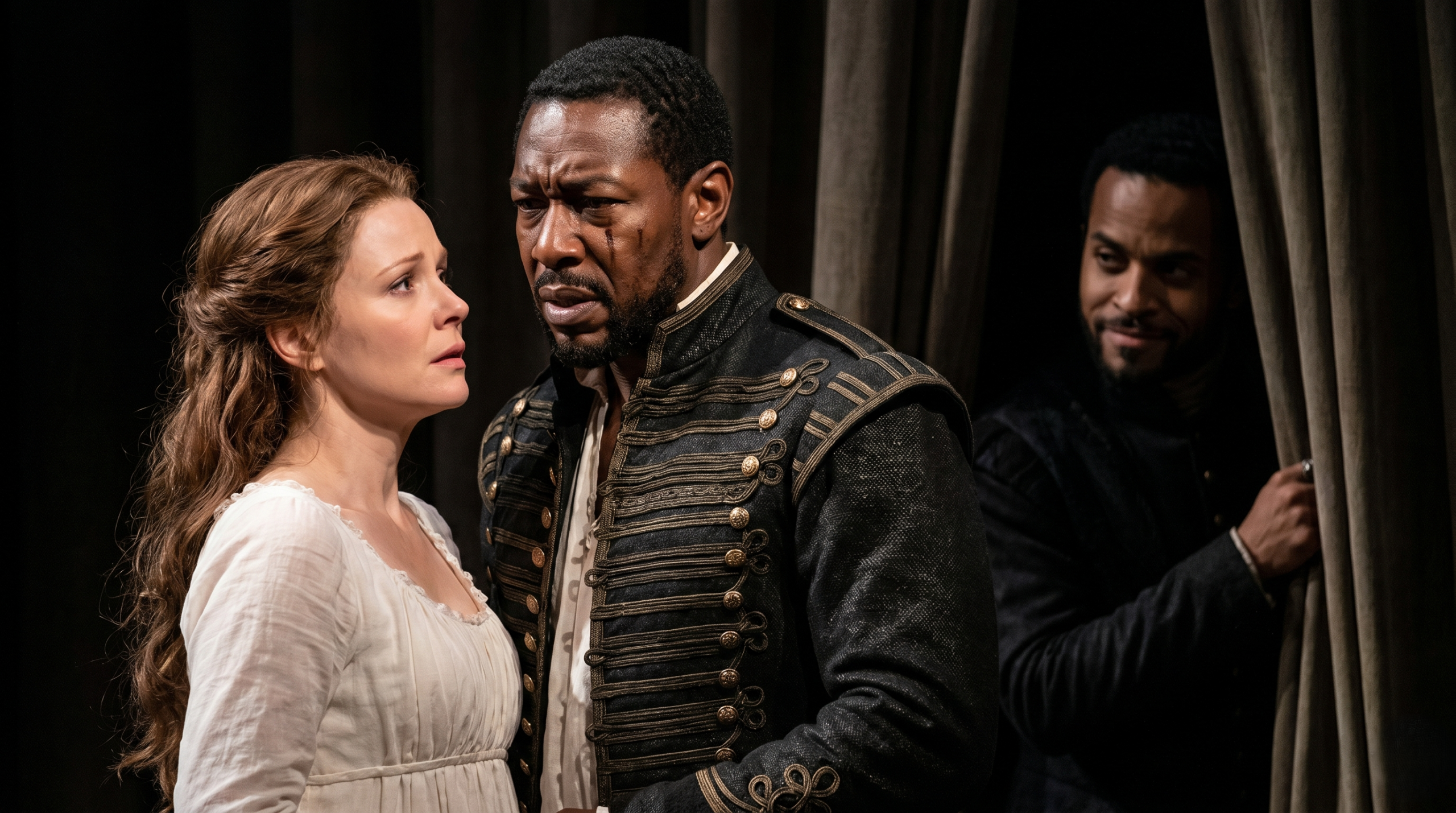
New York’s theatrical history with Othello is rich enough to fill several volumes. The following productions are the benchmarks against which future stagings will be measured.
The Public Theater / Shakespeare in the Park productions
The Public Theater, founded by Joseph Papp in 1954, has produced Othello multiple times in the open-air Delacorte Theater in Central Park. These free summer productions — part of the beloved Shakespeare in the Park program — have included some of the most important American interpretations of the play. The combination of the park setting, free admission, and the Public’s commitment to diverse casting has made these productions cultural touchstones for generations of New Yorkers.
Broadway revivals
Broadway has hosted Othello periodically across the decades, with productions importing acclaimed runs from the National Theatre in London as well as originating homegrown stagings. The challenge of casting Othello on Broadway has always been central to a production’s identity — the role demands an actor of enormous physical and vocal authority who can also convey profound vulnerability.
Off-Broadway and downtown productions
Some of the most formally adventurous interpretations have come from smaller New York companies. Productions that have set the play in contemporary military contexts, reimagined it through the lens of hip-hop culture, or staged it with gender-fluid casting have all found homes in downtown and off-Broadway spaces, adding vital dimensions to the ongoing conversation about what Othello means to American society.
Where to See Othello in New York City: Key Venues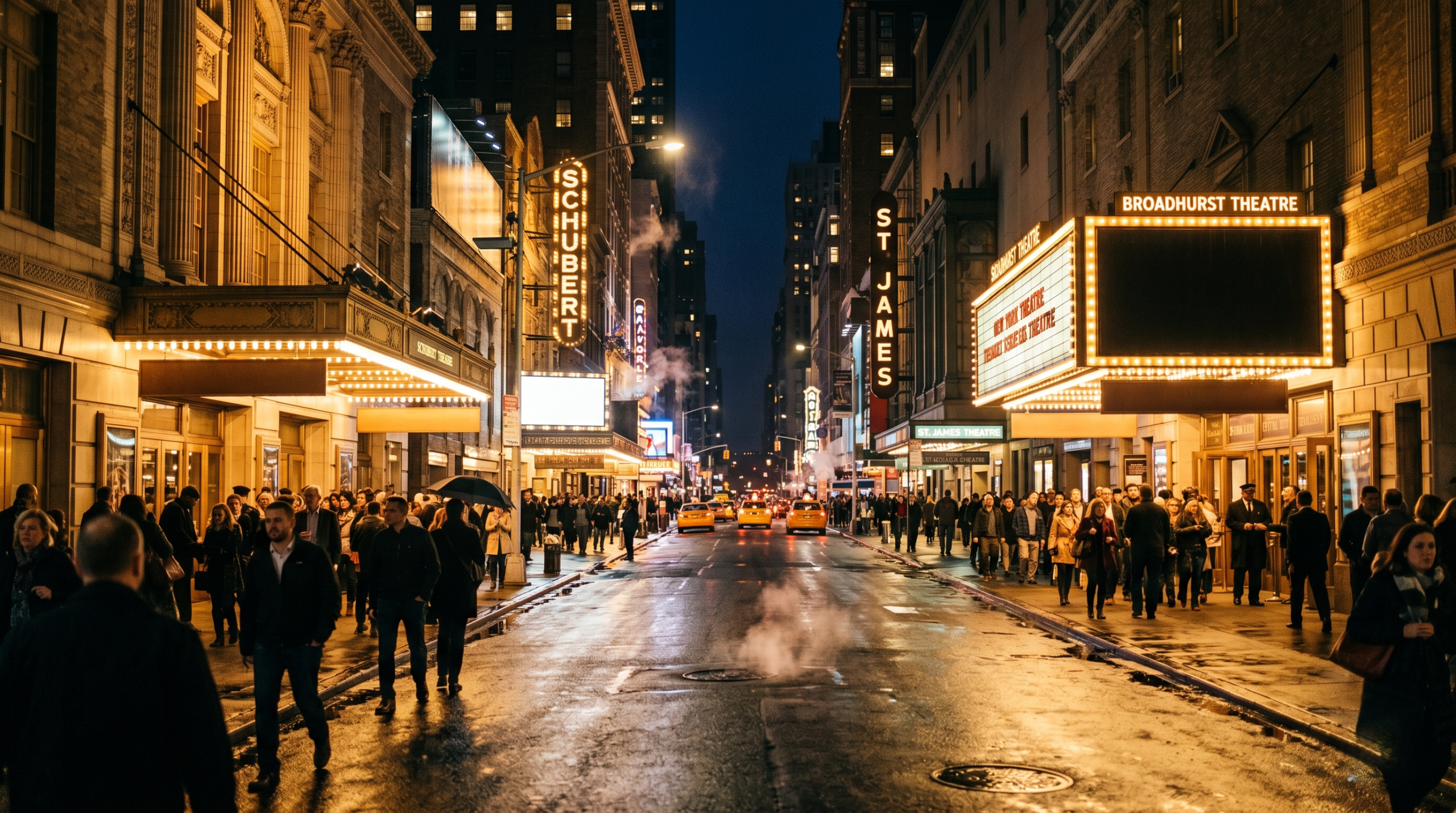
How to Get Tickets: From Free to Premium
Shakespeare in the Park — free tickets
Every summer, the Public Theater offers free tickets to Shakespeare in the Park performances at the Delacorte Theater. There are two primary methods: the same-day in-person queue at the Delacorte (arrive as early as practical — lines form from the morning), and the Public’s mobile lottery app, which opens for entries the day before each performance. Both methods are genuinely free; no purchase is required. A small number of tickets are also set aside for community outreach programs across all five boroughs.
Rush tickets and student discounts
Most New York theatres offer rush or student discount programs for Othello productions. Off-Broadway venues like the Public typically offer day-of rush tickets at the box office for a fraction of the standard price. Broadway productions vary — check each production’s official website for current offers, as digital lottery programs (TodayTix, the production’s own app) have become increasingly common.
Standard and premium tickets
For Broadway productions, standard ticket prices for Othello typically range from around $79 to $200 or more for premium orchestra seats, depending on the production’s scale and the stature of the cast. Off-Broadway tickets run considerably lower — often between $25 and $90. TFANA in Brooklyn offers a range of accessible price points and operates a pay-what-you-wish program for select performances.
For any Shakespeare in New York, weeknight performances are almost always easier to attend than weekends. For the Shakespeare in the Park lottery, submitting your entry the moment the window opens gives you the best statistical chance — entries are drawn randomly, not in submission order, but early entry confirms your submission is included.
Midweek Broadway performances also tend to have better seat availability and, occasionally, lower dynamic pricing for premium locations.
Preparing for the Performance: 7 Ways to Get More From Othello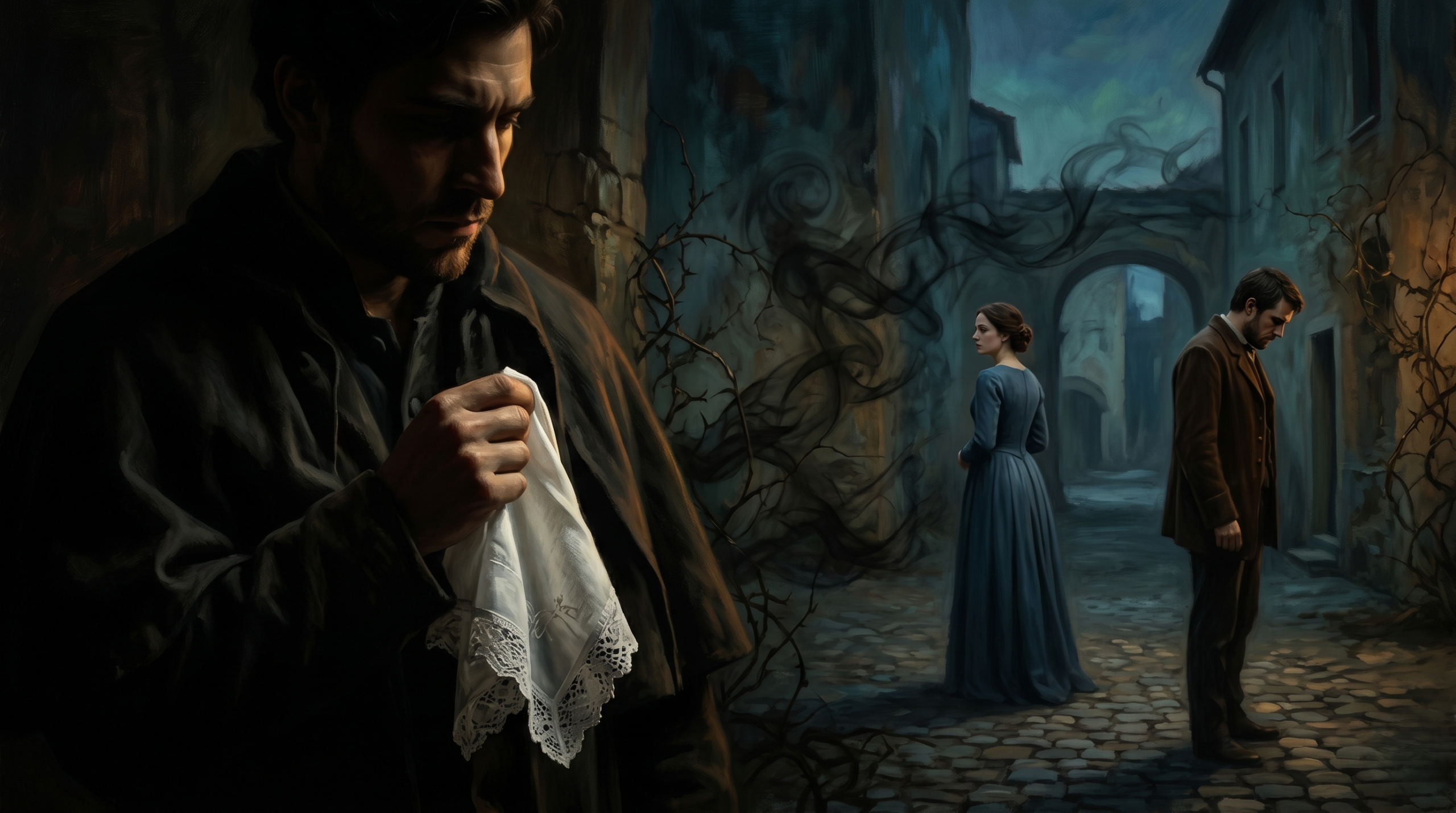
- 01Read a plot synopsis or watch a brief video summary before attending — not to spoil the story, but to free your attention for language and performance rather than plot-tracking.
- 02Identify the actor playing Iago before you go. His performance will shape the entire evening. Read an interview or review to understand their interpretive approach.
- 03Pay attention to Emilia. Many first-time audience members are unprepared for her dramatic centrality in the final act, and her scenes hit harder when you are watching her closely throughout.
- 04For outdoor performances at the Delacorte, bring layers. New York summer evenings cool quickly after sunset, and performances run approximately three hours.
- 05Arrive early enough to read the programme. Directors’ notes often illuminate the specific interpretive choices — casting decisions, design choices, textual cuts — that will define the production you are about to see.
- 06After the performance, seek out the talkbacks that many New York productions offer. The Public Theater in particular regularly hosts post-show conversations with cast and creative team members that are among the most intellectually rich free events the city offers.
- 07Consider pairing the live experience with a filmed production. The National Theatre‘s filmed Othello with Adrian Lester and Rory Kinnear is widely considered among the best screen versions available and provides a compelling point of comparison.
The Question of Race and Casting in New York Productions
No serious discussion of Othello in New York — or anywhere — can avoid the question of how the title role is cast. For centuries, white actors in blackface played Othello, a practice that persisted in some productions well into the 20th century and is now universally rejected. The transition to Black actors in the lead role did not happen gradually or peacefully; it was contested territory, and the names of those who fought for the right to play the role — from Ira Aldridge in the 19th century to Paul Robeson, whose 1943 Broadway run with José Ferrer as Iago was a landmark in American theatrical history — deserve to be remembered as part of the city’s cultural record.
Contemporary New York productions have expanded the conversation further. Directors have explored what it means to cast a South Asian actor as Othello in a predominantly white company, or to set the play in contemporary America where its racial dynamics map differently than they do onto Renaissance Venice. There are no settled answers, but New York’s theatre community has been among the most willing in the world to ask the questions publicly and rigorously.
Beyond the Stage: Othello-Related Experiences in New York
The Folger Shakespeare Library’s New York presence
While the Folger’s primary collection is in Washington D.C., it collaborates regularly with New York institutions on exhibitions, lectures, and educational programming related to Shakespeare’s works including Othello. Watch their programming calendar for New York events.
The New York Public Library for the Performing Arts
Located at Lincoln Center, the NYPL for the Performing Arts holds one of the world’s great theatre archives. Researchers and enthusiasts can access production photographs, promptbooks, recorded performances, and critical materials related to every major New York Othello production. The reading rooms are open to the public by appointment.
Academic and lecture series
Columbia University, NYU, and the CUNY Graduate Center all maintain active Shakespeare studies programs and regularly host public lectures, symposia, and seminars around major productions. These are free or low-cost and often timed to coincide with high-profile stagings of the play.
How to Stay Informed About Upcoming Othello NYC Productions
New York’s theatrical landscape moves quickly. A production can be announced, open, and close within weeks. The most reliable ways to track upcoming Othello productions in the city are as follows.
The Public Theater (publictheater.org) — Subscribe to their season announcement emails. Shakespeare in the Park programming is typically announced in early spring.
Theatre for a New Audience (tfana.org) — TFANA announces seasons in late spring for the following year. Their programming skews classical and frequently includes Shakespeare.
Broadway World NYC — Comprehensive daily coverage of Broadway and off-Broadway announcements, casting news, and reviews.
The New York Times Arts section — The Times remains the city’s most authoritative source for production reviews, and its critics’ picks are reliable guides to which productions merit priority attention.
TodayTix and Broadway.com — Both aggregate ticket availability across Broadway and off-Broadway and are useful for monitoring what is currently running.
Final Thoughts: Why Othello NYC Is Worth Your Time
There is a reason that Othello has never left the repertoire of the world’s great theatre cities, and New York is no exception. The play’s examination of how jealousy is manufactured and deployed as a weapon, how institutional racism shapes even those who believe themselves immune to it, and how love can be turned against itself by a calculating mind — these are not historical curiosities. They are living concerns, and they are felt with particular intensity in a city as diverse, ambitious, and contested as New York.
Whether you catch a free summer evening at the Delacorte, pay for a Broadway seat opposite a major film star in the title role, or discover the play for the first time in a 99-seat black box theatre in Brooklyn, the experience of Othello in New York City is unlike anything else the cultural calendar offers. It is Shakespeare at his most visceral, staged in the city most capable of doing justice to his ambition.
Plan your visit, secure your tickets early, and go prepared to be genuinely disturbed — in the best possible way.