A trusted friend whispers one poisonous doubt, and within days a celebrated general, a loving marriage, and an entire life collapse into murder and suicide. This isn’t a modern true-crime podcast or a viral social-media scandal — it is the beating heart of Shakespeare’s Othello play, written more than 420 years ago yet still shockingly relevant in 2026.
If you have ever searched for an “Othello play summary,” wrestled with its complex characters, or wondered why its themes of jealousy, race, and manipulation refuse to fade, this is the definitive guide you need. Whether you are a student preparing for exams, a theater lover seeking deeper insight, a teacher building lesson plans, or simply a reader who wants to move beyond surface-level SparkNotes, this article delivers a complete, act-by-act Othello summary, penetrating character analysis, exploration of its major themes, and a timeless literary analysis grounded in the 1623 First Folio text.
As a Shakespeare scholar with more than 15 years of teaching, directing, and publishing on the tragedies, I draw directly from the original quarto and Folio editions, cross-referenced with primary sources and the best modern scholarship. You will finish this piece not only understanding the Othello play inside out but equipped with fresh perspectives, study tools, and real-world connections that make the drama feel urgently alive today. Let’s begin.
Historical Context: The Origins and Historical Backdrop of the Othello Play by Shakespeare
Shakespeare composed the Othello play between 1603 and 1604, during the early reign of King James I. The first recorded performance took place on 1 November 1604 at Whitehall Palace before the king himself — a sign of the play’s immediate courtly importance. Its primary literary source was Giraldi Cinthio’s 1565 Italian novella Un Capitano Moro (“A Moorish Captain”), published in the collection Hecatommithi. Shakespeare radically transformed the crude prose tale into a sophisticated tragedy, elevating the Moor from a stock villain to a noble, tragic hero.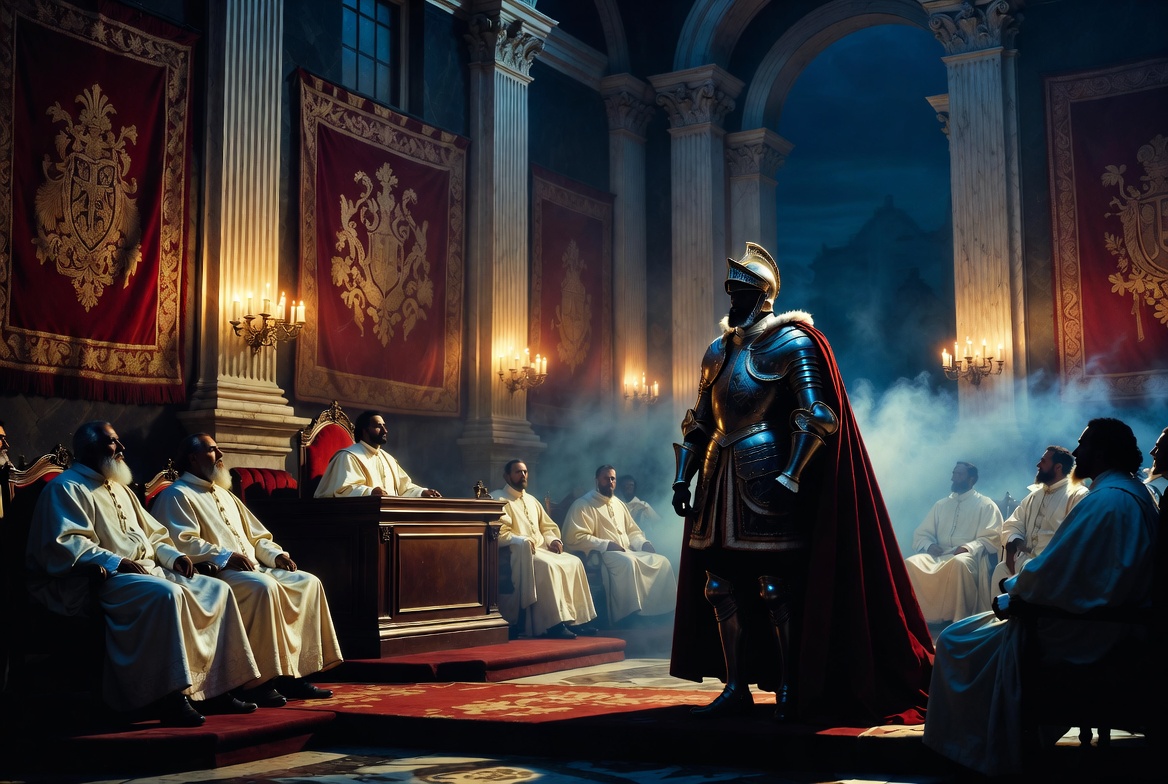
The historical moment mattered. England in the early 1600s was obsessed with Venice as a wealthy, cosmopolitan trading empire and with the looming Ottoman threat in the Mediterranean. The Battle of Lepanto (1571) was still fresh in cultural memory, and tales of “Moors” — North African Muslims or Black Africans in Venetian service — circulated widely. By making Othello a Christian Moorish general in Venice’s army, Shakespeare tapped into contemporary anxieties about race, religion, and empire while simultaneously subverting them. He gave the outsider the most eloquent voice on stage.
Critic A.C. Bradley, in his landmark 1904 study Shakespearean Tragedy, called Othello the most perfectly constructed of the four great tragedies. Unlike Hamlet or King Lear, the action is tightly compressed, the psychology relentlessly logical, and the catastrophe flows directly from a single flaw exploited by a single villain. This structural mastery is why the Othello play still feels like a psychological thriller rather than a distant Elizabethan relic.
Complete Plot Summary of the Othello Play: Act-by-Act Breakdown
Act 1 – The Seed of Deception (Venice) The play opens in the middle of the night on a Venice street. Iago, Othello’s ancient (standard-bearer), is furious that Othello has promoted the young, handsome Florentine Michael Cassio to lieutenant instead of him. Roderigo, a rich but foolish Venetian suitor, complains that he has been paying Iago to help him win Desdemona — only to learn she has secretly married Othello, the “Moor.”
Brabantio, Desdemona’s father, is roused from bed and accuses Othello of using witchcraft to seduce his daughter. The Duke of Venice, however, needs Othello immediately to lead troops against the Turkish fleet threatening Cyprus. Othello defends himself with calm dignity, and Desdemona confirms her free choice. The Senate sends the couple to Cyprus, but Iago already begins planting his scheme, confiding to Roderigo: “I am not what I am.”
Act 2 – Arrival in Cyprus and the Drunken Brawl A tempest destroys the Turkish fleet, allowing the Venetians a bloodless victory. Othello lands, greets Desdemona with tender poetry (“O my fair warrior!”), and orders a night of celebration. Iago manipulates Cassio into getting drunk, engineers a brawl that wounds a Cypriot governor, and ensures Cassio is stripped of his rank. In a chilling soliloquy, Iago reveals his plan: he will convince Othello that Cassio and Desdemona are lovers.
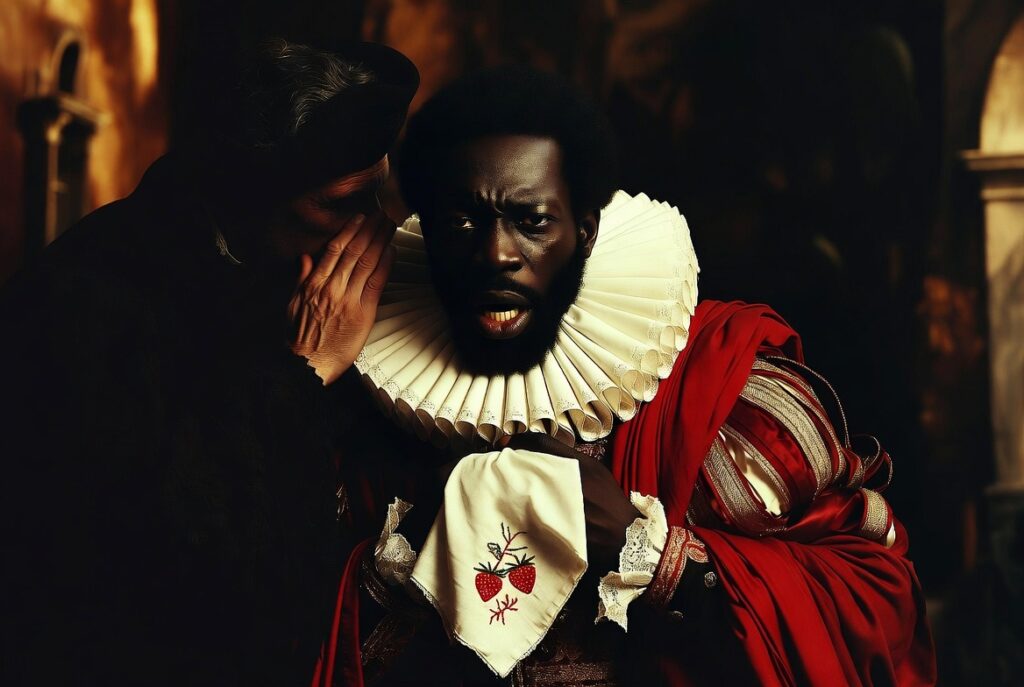
Act 3 – The Turning Point: Iago’s Masterclass in Manipulation This is the longest and most devastating act in Shakespeare. Iago begins the “poisoning” in the famous “temptation scene” (Act 3, Scene 3). He drops hints, feigns reluctance, reminds Othello of Desdemona’s deception of her father, and plants the idea of the handkerchief — Othello’s first gift to her, a family heirloom embroidered with strawberries. By the end of the scene, Othello’s language has darkened: “I’ll tear her to pieces!” He demands proof; Iago obliges by staging a conversation with Cassio and later placing the handkerchief in Cassio’s chamber.
Act 4 – Public Humiliation and Private Despair Othello’s jealousy turns epileptic. He strikes Desdemona publicly, calls her “whore,” and collapses in a trance. Iago arranges for Othello to overhear Cassio laughing about Bianca (a courtesan), mistaking the talk for mockery of Desdemona. Roderigo, disillusioned, threatens to expose Iago; Iago murders him to silence him. Desdemona, sensing her husband’s change but still innocent, sings the “Willow Song” — a haunting foreshadowing of her death.
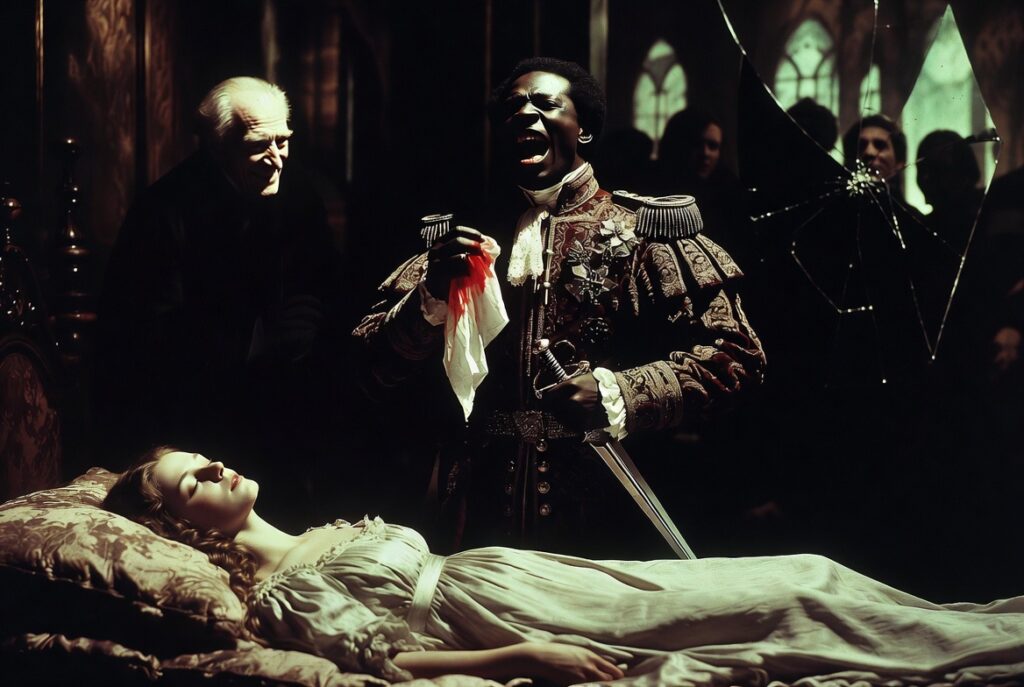
Act 5 – The Tragic Climax and Resolution In the bedroom, Othello delivers the heartbreaking “It is the cause, it is the cause, my soul” speech before smothering Desdemona. Emilia bursts in, discovers the truth, and denounces Iago in one of Shakespeare’s most powerful female outbursts. Iago stabs Emilia and flees, only to be captured. Othello, realizing his catastrophic error, kills himself with the same sword he once used in battle. Cassio is restored, Iago is sentenced to torture, and the Venetian state is left to mourn a hero destroyed by “honest” deception.
In-Depth Character Analysis: Othello Characters That Define Tragedy
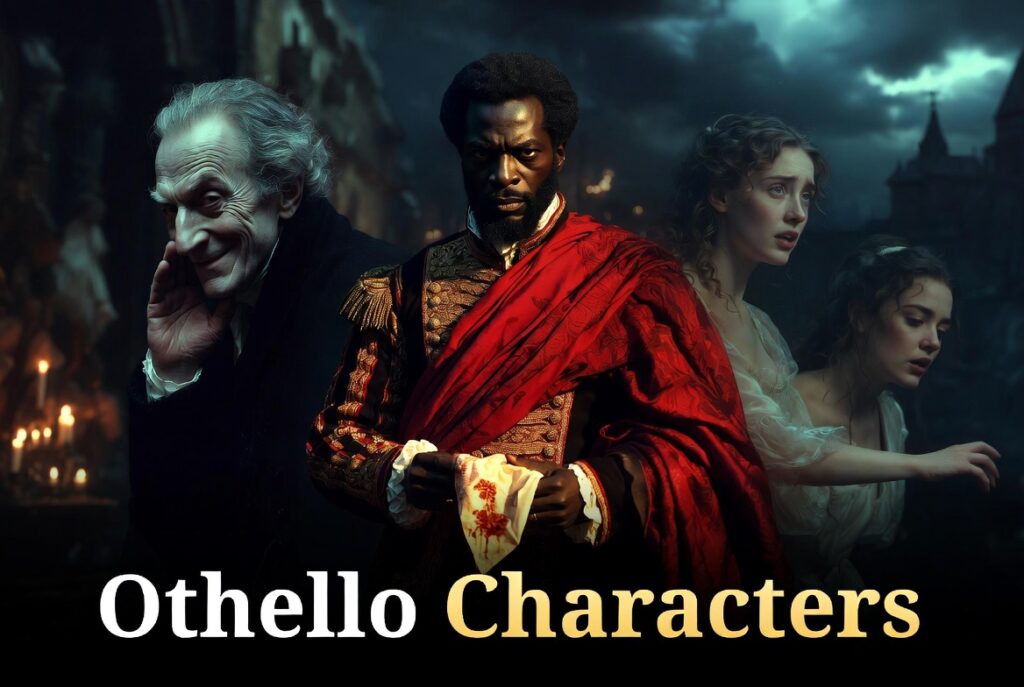
The enduring power of the Othello play lies not only in its tightly woven plot but in its unforgettable characters, each drawn with psychological depth that feels startlingly modern. Shakespeare transforms stock figures from Cinthio’s tale into complex human beings whose flaws and virtues drive the tragedy.
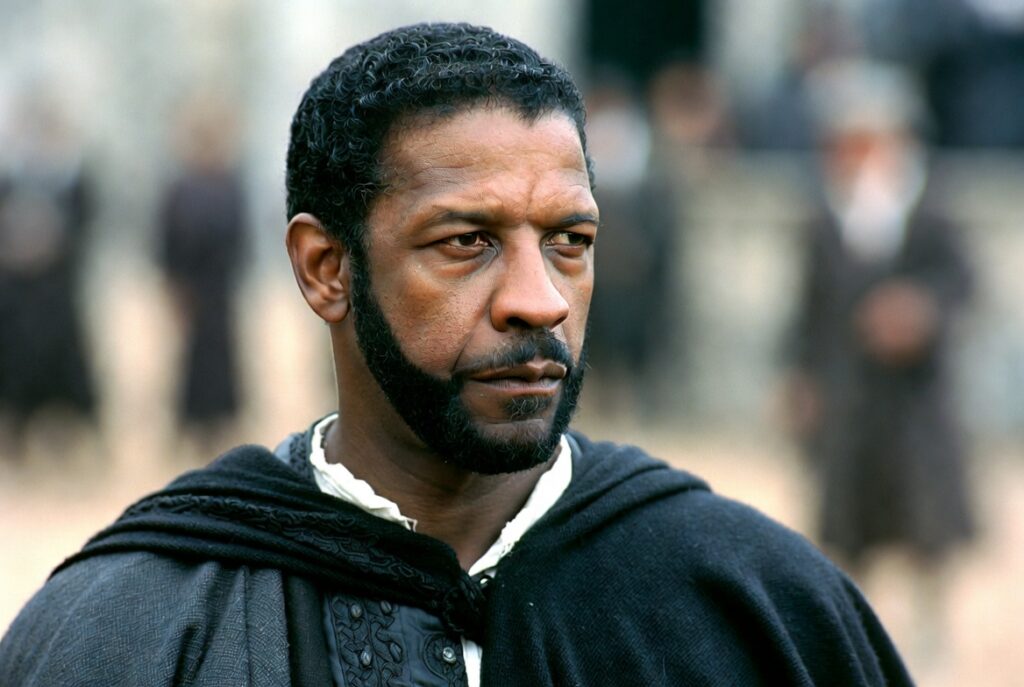
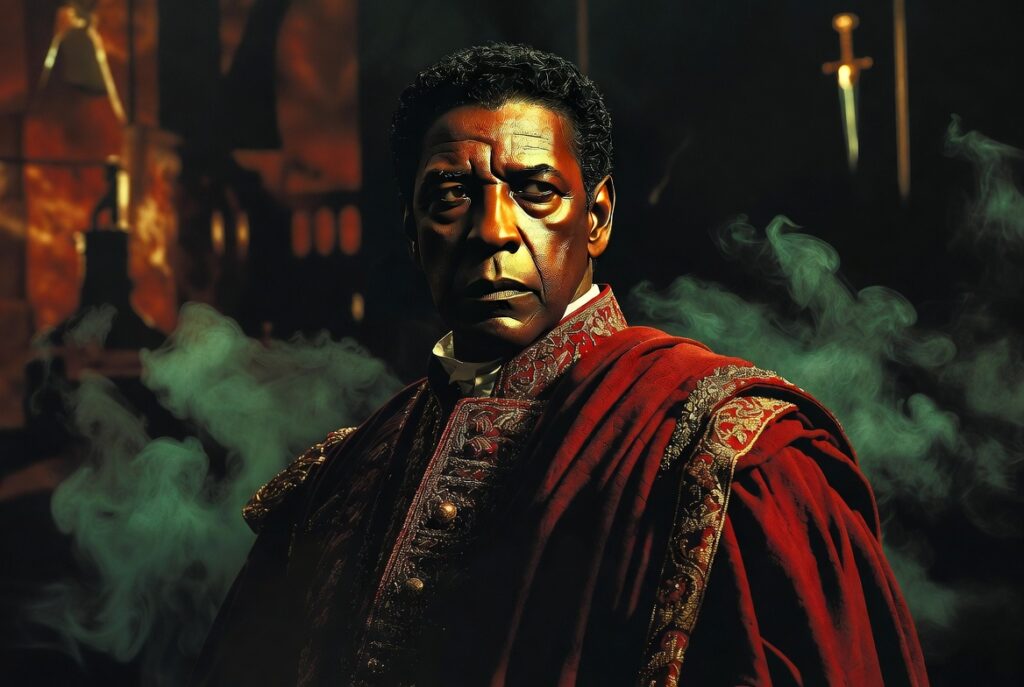
Othello – The Noble Moor and Tragic Hero Othello is one of Shakespeare’s most magnificent creations: a Black African general who has risen to the highest military rank in Venice through sheer merit. He describes himself as “rude in speech” yet speaks some of the most soaring blank verse in the canon. His initial confidence is breathtaking — “Keep up your bright swords, for the dew will rust them” — and his love for Desdemona is pure and absolute: “She loved me for the dangers I had passed, / And I loved her that she did pity them.”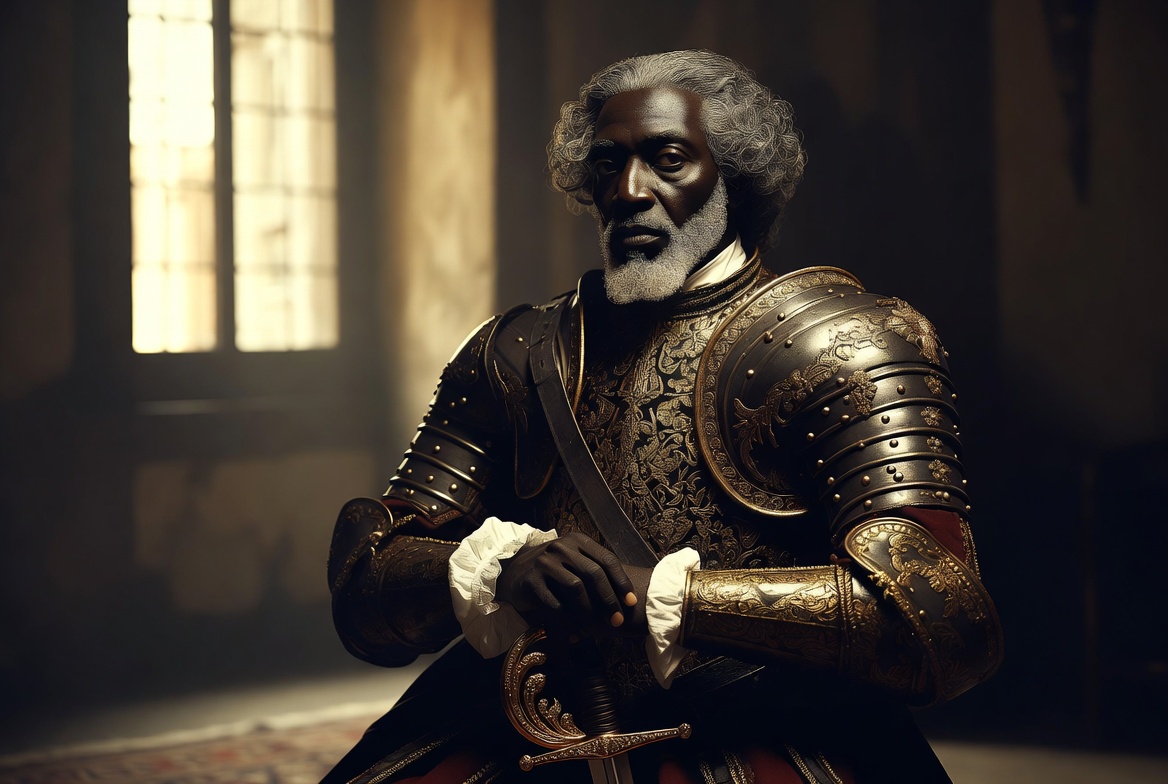
Yet Othello’s tragic flaw is not simply jealousy; it is his insecurity as an outsider in a white, Venetian world. He is acutely aware of his race and age (“Haply, for I am black / And have not those soft parts of conversation / That chamberers have”). Once Iago exploits this vulnerability, Othello’s noble nature becomes his undoing. His language deteriorates from majestic poetry to fragmented prose and animalistic imagery (“Goats and monkeys!”), mirroring his psychological collapse. In the final scene, he regains some dignity in his suicide, comparing himself to the “base Indian” who threw away a pearl richer than all his tribe. Othello remains a profoundly sympathetic tragic hero because his fall is engineered through no moral failing of his own, but through the calculated malice of another.
Iago – Shakespeare’s Most Diabolical Villain If Othello is the noble heart, Iago is the play’s black hole of evil. Often called Shakespeare’s greatest villain, Iago has no redeeming qualities and delights in destruction for its own sake. His stated motives — being passed over for promotion in favor of Cassio and a vague suspicion that Othello slept with his wife Emilia — never fully explain his actions. In his soliloquies, he admits: “I hate the Moor” and later “I have no reason, yet I do it.”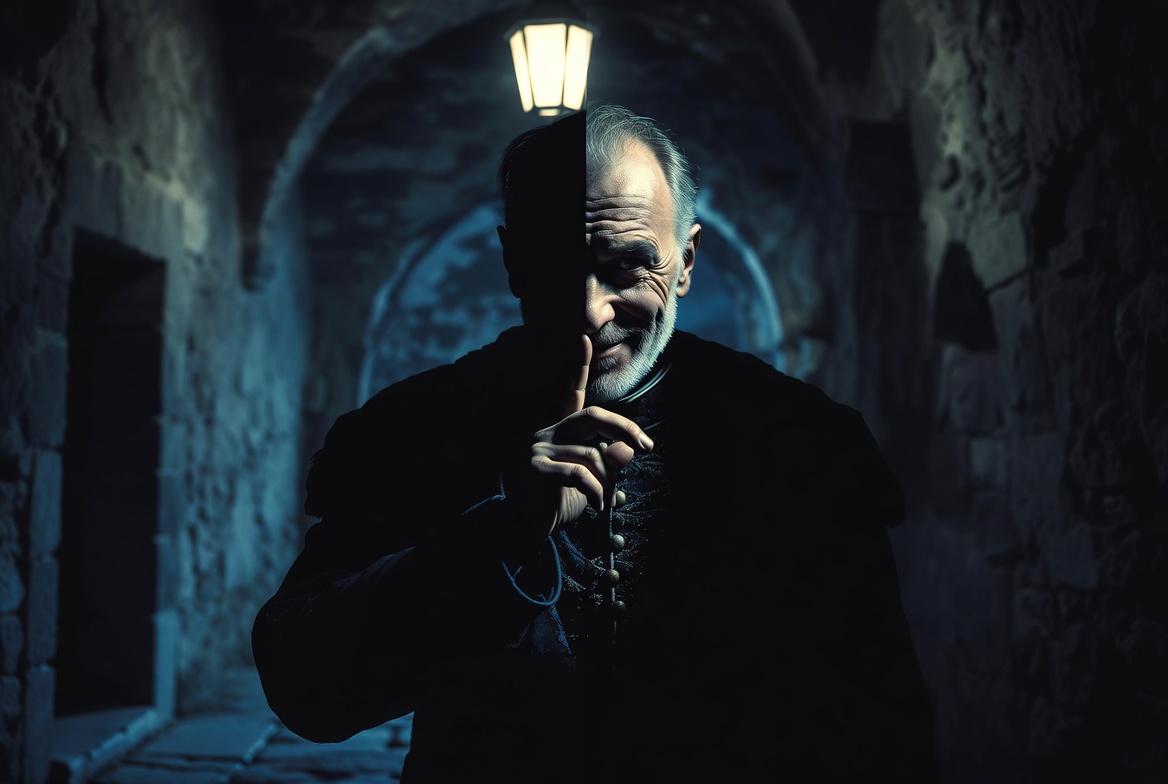
Iago is a master manipulator who understands human weakness better than anyone on stage. He weaponizes honesty itself — repeatedly called “honest Iago” by almost every character, creating savage dramatic irony. His soliloquies are chilling windows into a sociopathic mind: “And what’s he then that says I play the villain? / When this advice is free I give and honest.” By the end, even after his capture, Iago refuses to explain himself: “Demand me nothing. What you know, you know. / From this time forth I never will speak word.” This silence makes him even more terrifying — evil that cannot be fully understood or contained.
Desdemona – Innocence, Agency, and Misunderstood Strength Desdemona is far more than a passive victim. She defies her father and Venetian society to marry Othello, declaring “I saw Othello’s visage in his mind.” Her courage and loyalty are absolute; even as Othello accuses and abuses her, she defends him and pleads for Cassio with generosity. Modern feminist readings highlight her agency and her final lines — “Nobody. I myself” — as a quiet assertion of selfhood in the face of patriarchal violence.
Her innocence is both her beauty and her fatal vulnerability. She cannot conceive of the jealousy that consumes her husband because she herself is incapable of deceit. The “Willow Song” she sings in Act 4 reveals a growing awareness of her fate, blending childlike vulnerability with tragic dignity.
Supporting Characters
- Michael Cassio: The handsome, well-educated Florentine lieutenant whose promotion sparks Iago’s revenge. Cassio represents Venetian refinement and serves as a foil to Othello’s military roughness. His one weakness — a low tolerance for alcohol — is ruthlessly exploited.
- Emilia: Iago’s wife and Desdemona’s attendant. Initially complicit in small deceptions (stealing the handkerchief), she becomes the moral voice of the play in the final act. Her speech on the double standard applied to husbands and wives (“They eat us hungerly, and when they are full / They belch us”) is one of Shakespeare’s most proto-feminist moments.
- Roderigo: The gullible, wealthy dupe whose money funds Iago’s schemes. His blind infatuation makes him both comic and pathetic.
- Brabantio: Desdemona’s father, whose racist outrage (“O thou foul thief, where hast thou stow’d my daughter?”) reveals the societal prejudice Othello must navigate.
- Bianca: The courtesan in love with Cassio. Often dismissed as minor, she highlights themes of class, gender, and sexual double standards.
For quick reference, here is a comparison table of the major characters:
| Character | Primary Motivation | Fatal Flaw / Vulnerability | Key Quote | Role in Tragedy |
|---|---|---|---|---|
| Othello | Honor, love, duty | Insecurity as outsider / jealousy | “O, beware, my lord, of jealousy; / It is the green-eyed monster” | Tragic hero |
| Iago | Revenge, malice, power | None (pure villain) | “I am not what I am” | Architect of destruction |
| Desdemona | Love, loyalty, innocence | Naïveté | “I am bound to thee for life and education” | Innocent victim with agency |
| Emilia | Loyalty to husband, then truth | Initial complicity | “Let husbands know / Their wives have sense like them” | Moral awakening |
| Cassio | Reputation, career | Weakness for drink | “Reputation, reputation, reputation!” | Catalyst and survivor |
Major Themes Explored in the Othello Play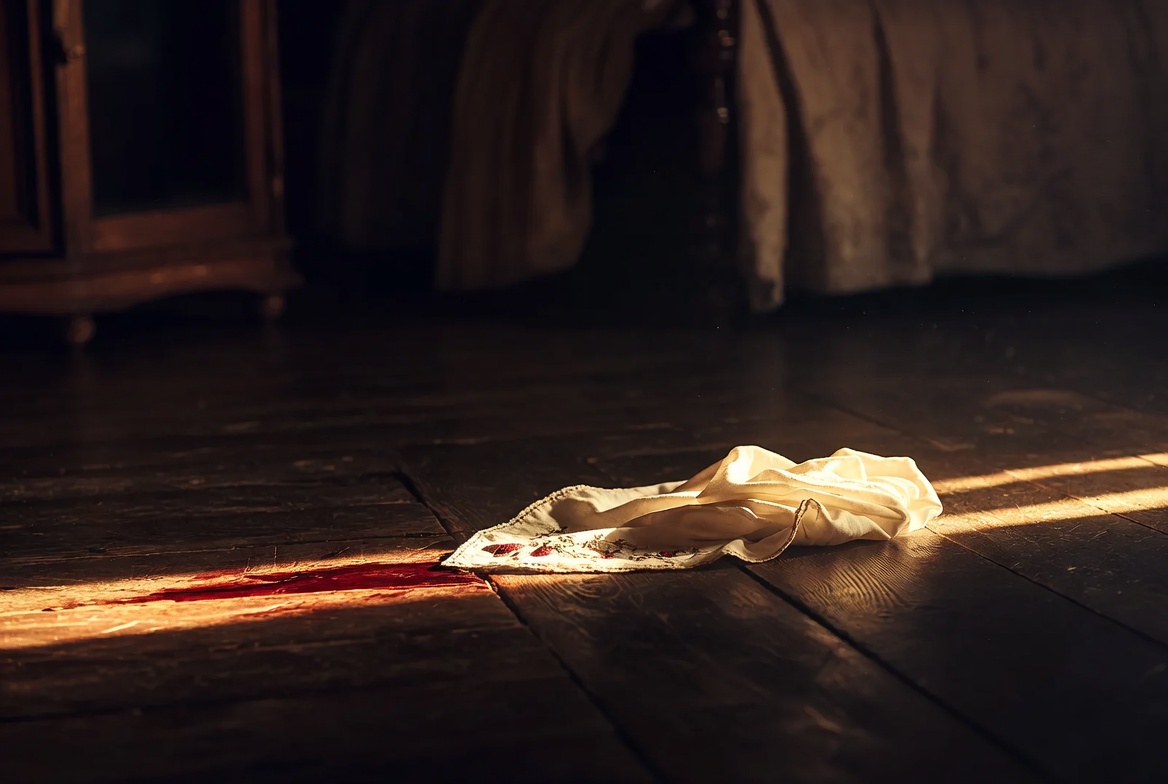
The Othello play is thematically rich, offering layers that reward repeated reading and performance. Its themes continue to resonate powerfully in the 21st century.
Jealousy as the “Green-Eyed Monster” Iago famously warns Othello: “O, beware, my lord, of jealousy; / It is the green-eyed monster which doth mock / The meat it feeds on.” Shakespeare portrays jealousy not as a sudden passion but as a slow, corrosive poison that distorts reality. Othello moves from complete trust to demanding “ocular proof,” showing how jealousy feeds on imagination when evidence is absent. In today’s world of social media, where curated images fuel comparison and suspicion, this theme feels especially urgent.
Race, Otherness, and Colonial Anxiety Race is central yet complex. Othello is repeatedly called “the Moor,” “thick-lips,” and “black ram.” Brabantio’s horror at the interracial marriage reflects Elizabethan prejudices, yet Shakespeare gives Othello greater nobility than most Venetians. Modern postcolonial critics debate whether the play critiques or reinforces racism. What remains clear is Shakespeare’s exploration of how society weaponizes difference. Othello internalizes the prejudice directed at him, making his fall partly a product of the very culture that elevated him.
Deception, Appearance vs. Reality, and Manipulation Almost every character is deceived. Iago’s greatest skill is making evil appear as honesty. The play constantly questions what we can truly know about others — and ourselves. Dramatic irony reaches its peak as the audience watches Iago’s schemes while characters repeatedly praise his honesty.
Love, Loyalty, and Betrayal The tragedy is rooted in the perversion of love. Othello’s love is absolute but fragile; Desdemona’s is steadfast yet misunderstood. Betrayal operates on multiple levels — marital, military, and personal. Emilia’s final loyalty shift from husband to truth underscores the play’s moral core.
Honor, Reputation, and Masculinity Cassio’s cry “Reputation, reputation, reputation! O, I have lost my reputation!” echoes throughout. For Othello, honor is inseparable from his identity as a soldier and husband. Iago exploits Renaissance ideals of masculine control, pushing Othello toward violence to “restore” his honor.
Gender and Power Dynamics Women in Othello are trapped by patriarchal expectations. Desdemona’s obedience is both virtue and tragedy. Emilia’s Act 4 monologue challenges the double standard: men cheat freely while demanding chastity from wives. These gender themes make the play a frequent choice for contemporary feminist productions.
Literary Devices, Symbolism, and Craftsmanship in the Othello Play
Shakespeare’s technical brilliance in the Othello play elevates it from a simple revenge story into a masterpiece of dramatic construction. Every element serves the central tragedy with economy and power.
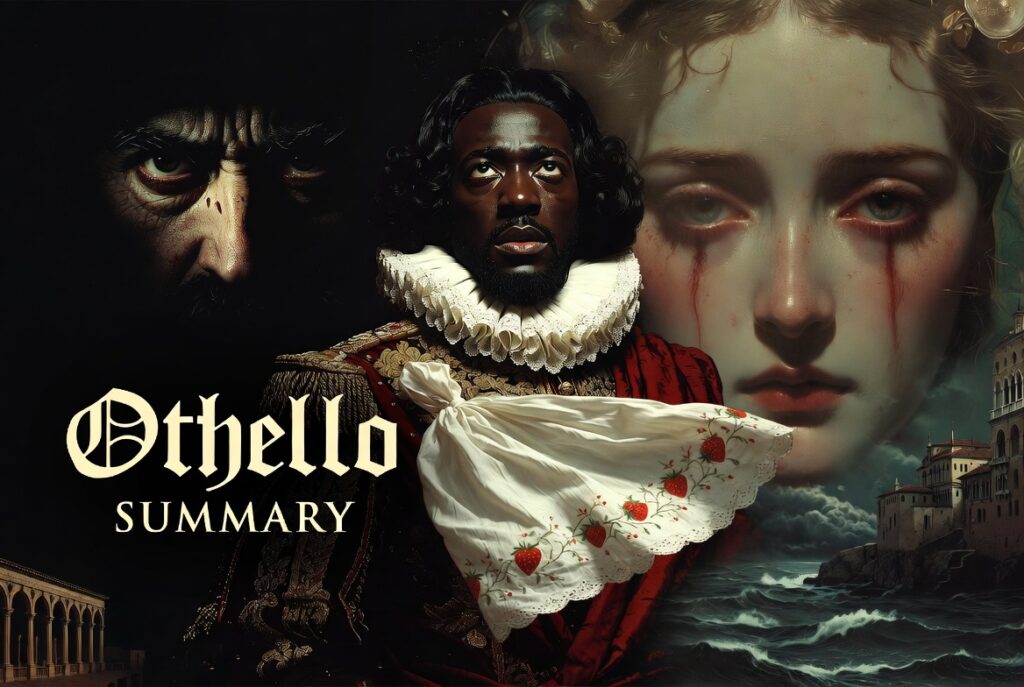
The Handkerchief – Central Symbol The strawberry-embroidered handkerchief is the play’s most potent symbol. Given by Othello to Desdemona as his first token of love, it carries magical associations: “There’s magic in the web of it.” For Othello, losing it proves Desdemona’s infidelity; in reality, it becomes the concrete “proof” Iago engineers. Symbolically, it represents fidelity, virginity, and the fragile nature of trust. Its journey from Desdemona to Emilia to Iago to Cassio to Bianca traces the web of deception and shows how a small object can destroy lives.
Dramatic Irony and Soliloquy The audience knows far more than any character except Iago. This creates unbearable tension — we watch Othello demand proof while knowing every piece of “evidence” is fabricated. Iago’s soliloquies are masterful: they allow him to confide directly in the audience, making us unwilling accomplices in his scheme. Lines like “And what’s he then that says I play the villain?” force viewers to confront their own fascination with evil.
Imagery of Light/Dark, Animals, and Poison Shakespeare floods the play with contrasting imagery. Othello begins associated with light and nobility but descends into darkness (“Arise, black vengeance”). Animal imagery dominates as jealousy takes hold — Othello speaks of “goats and monkeys,” “toads,” and being “eaten up with passion.” Poison metaphors recur: Iago describes his words as poisoning Othello’s ear, and jealousy itself becomes a toxic infection. These patterns show the hero’s linguistic and mental disintegration.
Verse vs. Prose and Linguistic Deterioration Othello’s speech is initially elevated blank verse, full of military grandeur and romantic tenderness. As Iago works on him, his language fragments: short lines, repetitions, and outbursts replace measured eloquence. By Act 4, he speaks in prose during his epileptic fit. This stylistic decline mirrors his psychological collapse — a subtle but devastating dramatic technique. In contrast, Iago often uses prose when scheming, revealing his calculating, lower nature.
These devices work together so seamlessly that the Othello play feels like a perfectly engineered machine moving toward inevitable catastrophe.
Timeless Analysis of Othello: Why the Play Endures in 2026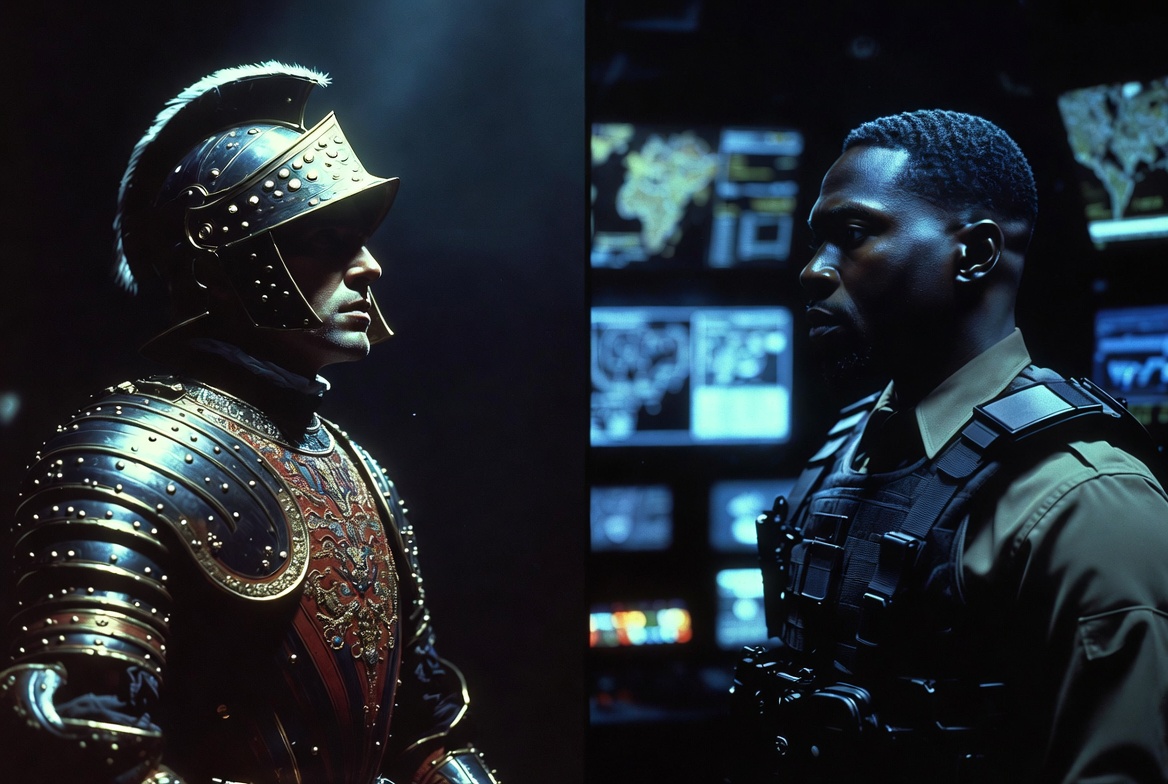
More than four centuries after its first performance, the Othello play continues to speak with startling urgency. Its exploration of human psychology, societal prejudice, and the destructive power of manipulated truth makes it one of Shakespeare’s most relevant tragedies today.
Modern critical approaches have enriched our understanding. Postcolonial readings examine how the play both challenges and reflects early modern attitudes toward race and empire. Feminist interpretations highlight the limited agency of Desdemona and Emilia while celebrating their moments of resistance. Psychological analyses treat Iago as a textbook sociopath and Othello’s jealousy as a case study in gaslighting and cognitive distortion.
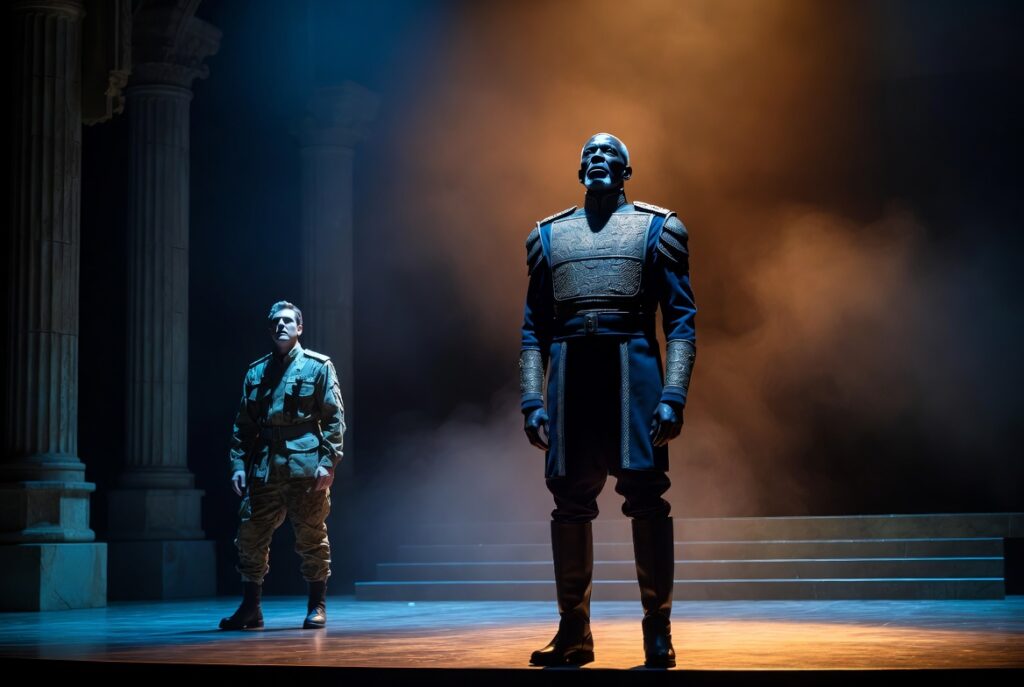
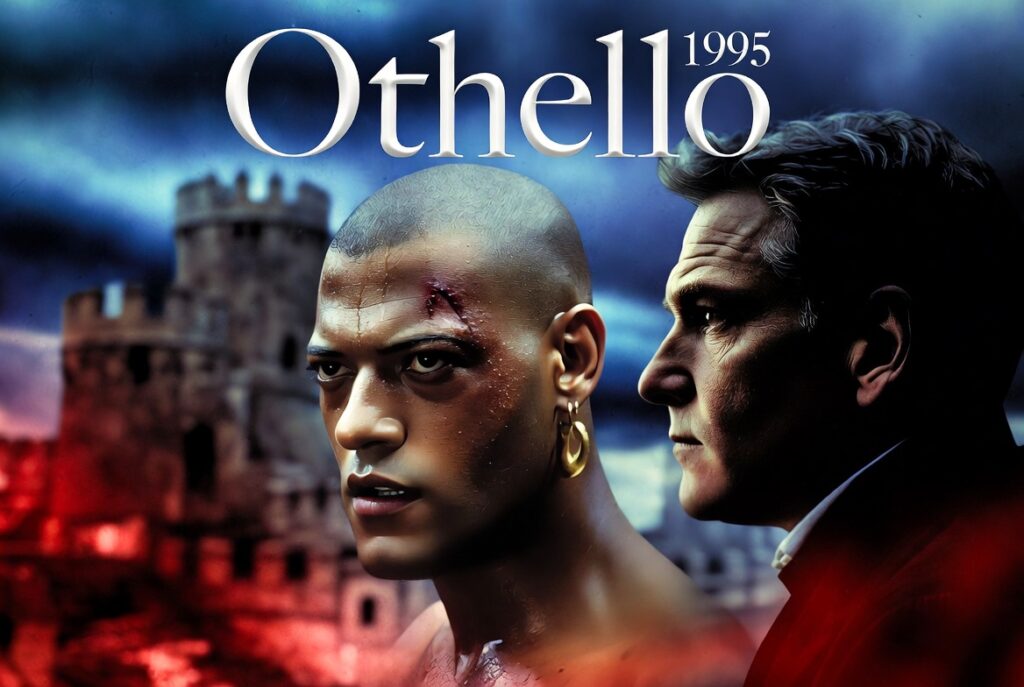
The play’s adaptability across cultures proves its universality. Notable film versions include Orson Welles’ atmospheric 1951 classic, Oliver Parker’s 1995 adaptation starring Laurence Fishburne and Kenneth Branagh, and Tim Blake Nelson’s 2001 high-school update O. In India, Vishal Bhardwaj’s Omkara (2006) relocates the story to the political underworld of Uttar Pradesh, demonstrating how the core conflicts translate seamlessly. Stage productions frequently reimagine Othello as a modern military leader, a corporate executive, or even in contemporary war zones, underscoring themes of loyalty, betrayal, and otherness.
In 2026, the Othello play feels prophetic. Social media amplifies jealousy and suspicion at unprecedented speed. Deepfakes and manipulated images echo Iago’s forged “proof.” Cancel culture and public shaming parallel the rapid destruction of reputation. Racial microaggressions and debates about diversity in institutions mirror the prejudice Othello faces. The play is not primarily “about race” in a simplistic sense; rather, it shows how society can weaponize difference to destroy even the most accomplished individual.
Ultimately, Shakespeare’s genius lies in revealing a universal truth: evil often wears the mask of honesty, and the most dangerous lies are the ones we tell ourselves when doubt takes root. The Othello play remains a devastating mirror held up to human nature — warning us against unchecked emotion, blind trust in appearances, and the quiet poisons of resentment and prejudice.
Study Guide Extras for Students and Theater Lovers
To make this resource genuinely practical, here are tools that go beyond basic summaries:
Top 10 Most Quoted Lines with Context and Modern Meaning
- “O, beware, my lord, of jealousy; / It is the green-eyed monster…” – Iago’s warning that has entered everyday language.
- “I am not what I am.” – Iago’s declaration of deceptive identity.
- “She loved me for the dangers I had passed…” – Othello on mutual attraction beyond surface differences.
- “Reputation, reputation, reputation! O, I have lost my reputation!” – Cassio on the fragility of public image.
- “It is the cause, it is the cause, my soul…” – Othello’s anguished justification before the murder.
- “I kissed thee ere I killed thee.” – Othello’s final tender yet tragic line to Desdemona.
- “Demand me nothing. What you know, you know.” – Iago’s chilling refusal to explain.
- “Nobody. I myself.” – Desdemona’s assertion of innocence in her dying moments.
- “Put out the light, and then put out the light.” – Othello’s poetic metaphor for murder.
- “O, the pity of it, Iago! O, the pity of it!” – Othello’s heartbreaking realization of lost love.
Essay Prompts and Thesis Ideas
- How does Shakespeare use dramatic irony to heighten the tragedy in Othello?
- To what extent is Othello responsible for his own downfall?
- Discuss the role of the handkerchief as a symbol of trust and its destruction.
- Analyze the theme of race in Othello — does the play critique or reinforce Elizabethan prejudices?
- Compare the characters of Iago and Emilia as representations of evil and moral awakening.
Common Exam Questions Answered Q: Why does Iago hate Othello? A: While Iago cites being passed over for promotion and suspected infidelity, his soliloquies suggest deeper, possibly motiveless malice — making him one of literature’s most enigmatic villains.
Recommended editions: The Arden Shakespeare (edited by E.A.J. Honigmann), the Folger Shakespeare Library edition, or the Oxford World’s Classics version for clear notes and textual variants.
Frequently Asked Questions About the Othello Play by Shakespeare
Is Othello based on a true story? No. While Shakespeare drew from Cinthio’s fictional novella, there is no historical record of a real Moorish general named Othello in Venetian service matching the play’s events.
Why does Iago hate Othello so intensely? Iago provides surface reasons (the promotion of Cassio and rumored affair), but his actions suggest a profound, almost philosophical delight in destruction. Many critics view him as a representation of pure evil or motiveless malignity.
What is the significance of the handkerchief? It serves as both a love token and supposed proof of infidelity. Symbolically, it embodies fidelity, magic, and the ease with which trust can be destroyed by a single fabricated piece of evidence.
Does Desdemona have any agency, or is she merely a victim? Desdemona shows considerable agency in choosing to marry Othello against her father’s wishes and in actively pleading for Cassio. However, patriarchal structures ultimately limit her power, making her both strong and tragically vulnerable.
Why is the play still relevant today? Its examination of jealousy, manipulation, racial prejudice, gaslighting, and the destructive power of lies resonates with contemporary issues including social media-fueled suspicion, deepfakes, workplace sabotage, and identity politics.
How long is the Othello play typically performed? Uncut performances run approximately 3 hours. Most modern productions trim the text slightly for pacing while preserving the core tragedy.
The Othello play by Shakespeare stands as one of the most perfectly constructed and emotionally devastating tragedies in world literature. Through its gripping summary of events, richly drawn characters, profound exploration of themes like jealousy and otherness, and masterful use of dramatic techniques, it offers timeless insights into the human condition.
In an age still grappling with trust, prejudice, and the rapid spread of misinformation, Othello’s fall serves as a powerful cautionary tale. It reminds us how easily noble intentions can be twisted, how quickly love can turn to violence when poisoned by doubt, and how society’s hidden biases can destroy even the strongest individuals.
Whether you are encountering the Othello play for the first time or returning to it as an old friend, I hope this comprehensive guide has deepened your appreciation and equipped you with the tools for further exploration. The tragedy does not merely entertain — it challenges us to examine our own capacity for jealousy, our susceptibility to manipulation, and our responsibility to seek truth over convenient lies.
Read the play aloud. Watch a strong production. Discuss its complexities with others. And remember: in Shakespeare’s world, as in ours, the most dangerous enemy is often the one who smiles and calls himself “honest.”
Explore more Shakespeare tragedies on this site, including in-depth guides to Hamlet, Macbeth, and King Lear. Share your thoughts in the comments — which character do you find most compelling, and why does the Othello play still speak to you today?