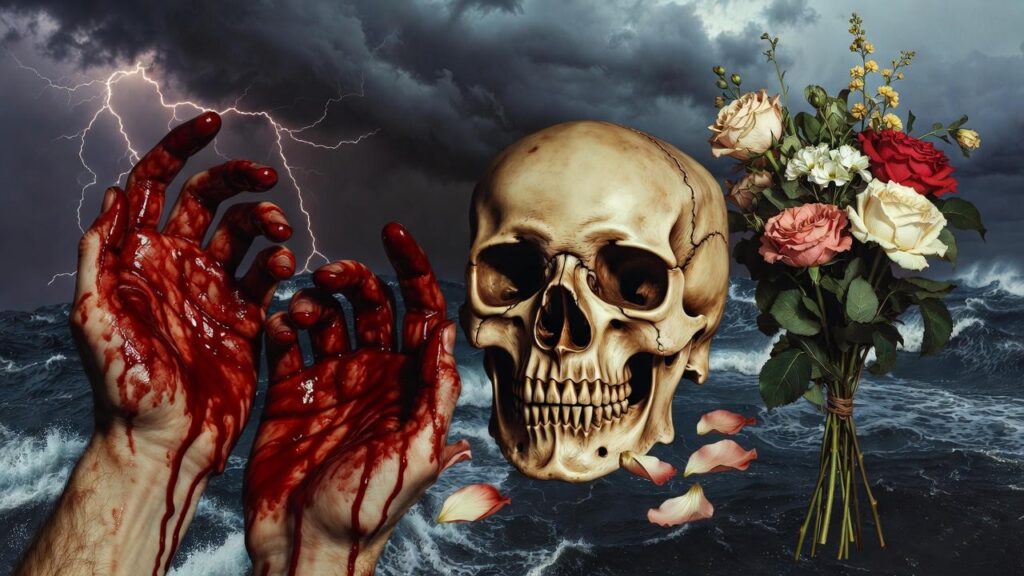
Imagine watching Macbeth on stage. The lights dim, and Lady Macbeth enters, frantically rubbing her hands and crying, “Out, damned spot! Out, I say!” You feel an immediate chill — not just from her madness, but from the overwhelming presence of blood that has haunted the play from the moment Duncan was murdered. That visceral reaction is no accident. William Shakespeare was a master of symbolism, layering his dialogue, imagery, and stage directions with deeper meanings that reveal profound truths about ambition, guilt, love, mortality, and the human condition.
Understanding Shakespeare symbols transforms a surface-level reading or viewing into a rich, rewarding experience. These recurring motifs — blood, light and darkness, flowers, poison, storms, clothing, skulls, and birds — appear across his tragedies, comedies, histories, and sonnets, creating a unified artistic vision that has captivated audiences for over 400 years. In this comprehensive guide, we will unlock the hidden meanings behind the most important Shakespeare symbols, explore their appearances in major works, and equip you with practical tools to identify and interpret them yourself.
Whether you’re a student preparing for an exam, a teacher designing lesson plans, a theater enthusiast, or a lifelong reader seeking deeper insight, this exploration will illuminate why Shakespeare’s imagery remains timeless and universally powerful.
Why Shakespeare Relied So Heavily on Symbolism
In the Elizabethan and Jacobean eras, theater companies operated with minimal scenery and props. The Globe Theatre, where many of Shakespeare’s plays premiered, relied primarily on the power of language to create worlds. Symbolism became an essential tool: a single spoken image could evoke an entire landscape, moral concept, or psychological state.
Shakespeare drew from multiple rich traditions. Renaissance emblem books — popular illustrated volumes that paired images with moral mottoes — influenced his visual thinking. Classical mythology, biblical allegory, medieval bestiaries, and contemporary heraldry all fed into his symbolic vocabulary. As scholar Caroline Spurgeon noted in her groundbreaking 1935 study Shakespeare’s Imagery and What It Tells Us, Shakespeare’s images cluster around specific themes in each play, revealing his subconscious preoccupations and deliberate artistic design.
Moreover, the Elizabethan worldview saw the universe as an ordered hierarchy reflecting divine will. Any disruption — moral, political, or natural — manifested symbolically through storms, diseased bodies, or unnatural animal behavior. Shakespeare exploited this cosmology to make abstract ideas dramatically visible.
These foundations produced a remarkably consistent symbolic language across his canon, allowing motifs to resonate from play to play and deepen with each recurrence.
The Most Powerful Recurring Shakespeare Symbols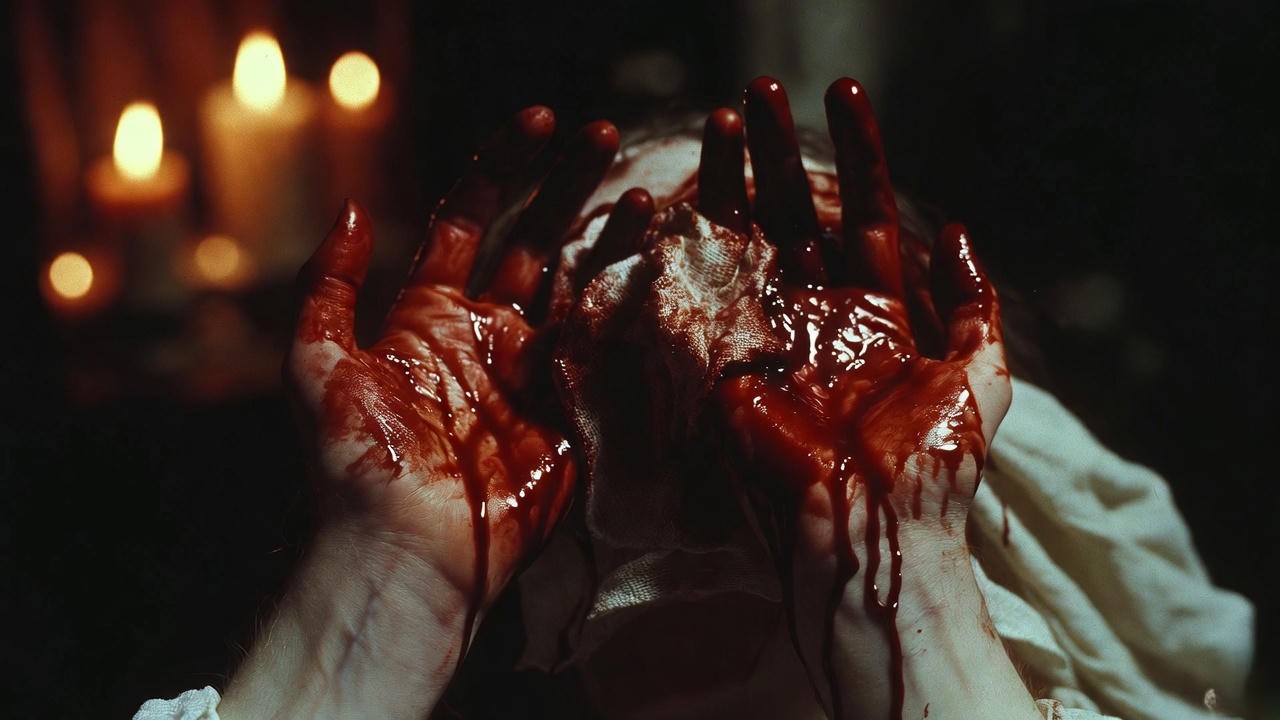
Shakespeare’s symbolism is both specific to individual works and remarkably recurrent. The following motifs appear most frequently and carry the heaviest thematic weight.
Blood – Guilt, Violence, and Heredity
Blood is arguably the most potent of all Shakespeare symbols, appearing in over half his plays. It represents not just physical violence but indelible guilt and the inescapable consequences of ambition.
In Macbeth, blood dominates from Duncan’s murder onward. Macbeth’s hallucinated dagger leads him to imagine “gouts of blood,” and afterward he asks, “Will all great Neptune’s ocean wash this blood / Clean from my hand?” (2.2). Lady Macbeth’s sleepwalking scene brings the symbol to its tragic climax as she tries in vain to cleanse imaginary bloodstains.
The motif extends to other tragedies. In Richard III, blood ties and bloodlines drive Richard’s murderous quest for the throne. Titus Andronicus descends into a literal bloodbath, while Hamlet opens with the “serpent” that stung King Hamlet pouring poison in his ear — a metaphorical spilling of corrupt blood into the body politic.
Biblical echoes abound: blood cries out for vengeance (Genesis 4:10), and Lady Macbeth’s “damned spot” recalls the impossibility of washing away sin without divine grace.
Light and Darkness – Good vs. Evil, Knowledge vs. Ignorance
Light and darkness form a foundational binary in Shakespeare’s symbolic system, often aligned with moral clarity versus deception.
Romeo and Juliet overflows with light imagery: Romeo declares Juliet “the sun” that kills “the envious moon” (2.2), and she is a “bright angel” and “lightning” that illuminates his world. By contrast, the lovers meet under cover of night, and their tragic deaths occur in the tomb’s darkness.
In Macbeth, darkness is actively invoked: “Come, seeling night, / Scarf up the tender eye of pitiful day” (3.2). The play begins with thunder and ends in moral blackout.
Othello uses light/dark imagery complexly. Othello calls Desdemona “my soul’s joy” and “light,” yet Iago poisons his mind until he extinguishes that light: “Put out the light, and then put out the light” (5.2).
The sonnets also employ seasonal light symbolism, contrasting summer’s brightness with winter’s decay.
Flowers and Gardens – Beauty, Transience, and Sexuality
Flowers symbolize youth, beauty, sexuality, and inevitable decay — themes central to both comedies and tragedies.
The most famous floral catalogue occurs in Hamlet when Ophelia distributes flowers in her madness: “There’s rosemary, that’s for remembrance… pansies, that’s for thoughts… fennel for you, and columbines… rue for you” (4.5). Each flower carried specific Elizabethan meanings — rue for regret, columbines for ingratitude — commenting bitterly on the court’s hypocrisy.
In The Winter’s Tale, Perdita’s great flower speech celebrates “nature’s bastards” and debates art versus nature through floral imagery. A Midsummer Night’s Dream features the magical “love-in-idleness” (pansy) juice that causes romantic chaos.
Sonnets repeatedly use flower imagery to meditate on time: “Rough winds do shake the darling buds of May” (Sonnet 18), warning that summer’s beauty is fleeting unless preserved in verse.
Poison and Disease – Corruption and Moral Decay
Disease and poison symbolize moral corruption spreading through individuals and states.
Hamlet famously declares “Something is rotten in the state of Denmark” (1.4). The play is saturated with infection imagery: Claudius pours literal poison in King Hamlet’s ear, and metaphorical poison (slander, false counsel) destroys relationships.
Romeo and Juliet ends with literal poison and dagger, while plague references underscore the lovers’ doomed fate. In Timon of Athens and Coriolanus, political bodies are described as diseased.
The histories frequently use “canker” (worm or ulcer) imagery for civil strife eating away at England’s body politic.
Clothing and Disguise – Identity, Deception, and Social Role
Clothes make — and unmake — the man in Shakespeare. Garments symbolize social status, deception, and fragile identity.
Comedies exploit disguise literally: Viola in Twelfth Night, Rosalind in As You Like It, and Portia in The Merchant of Venice all cross-dress, exploring gender fluidity and self-knowledge.
In tragedy, clothing imagery is more ominous. King Lear rages, “Through tattered clothes great vices do appear; / Robes and furred gowns hide all” (4.6), recognizing that status symbols conceal moral truth. When Lear strips himself naked on the heath, he symbolically sheds false identity.
Storms and Tempests – Chaos, Divine Wrath, and Inner Turmoil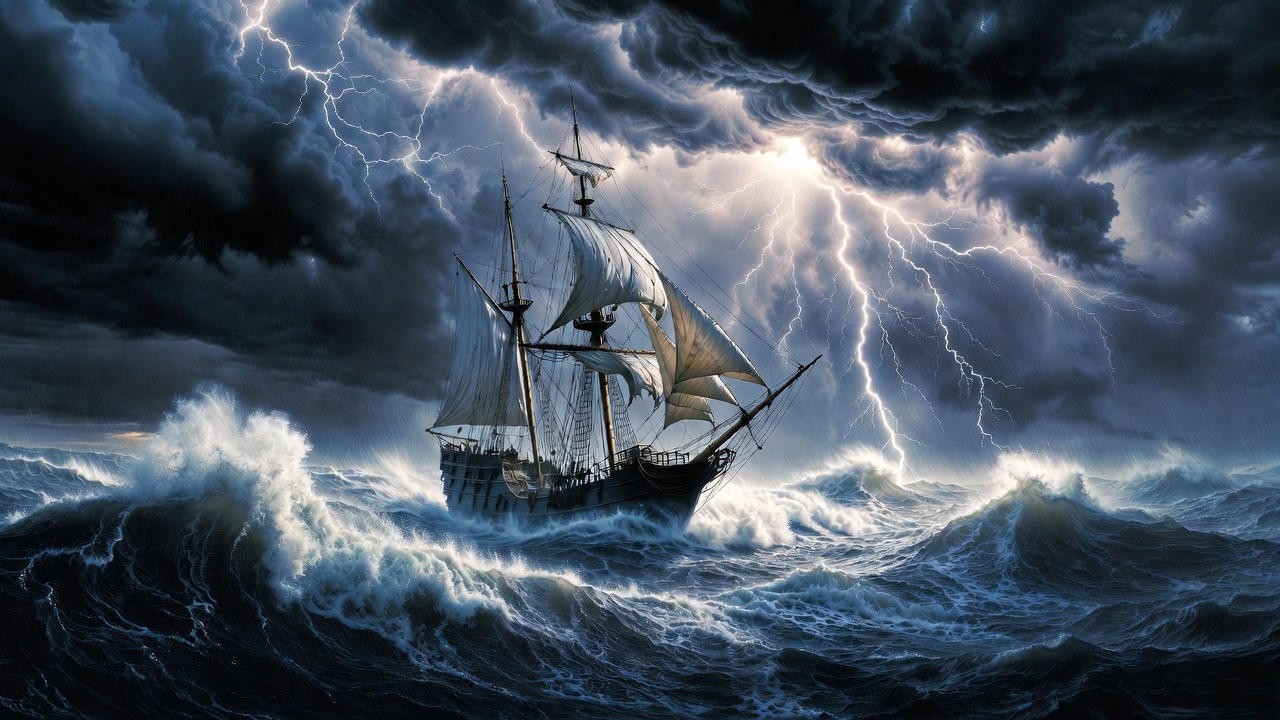
Storms represent cosmic disorder mirroring human chaos.
The Tempest begins with a literal shipwreck storm orchestrated by Prospero, symbolizing his regained control over fate. King Lear’s central heath scene places Lear in a raging storm that externalizes his madness and society’s breakdown: “Blow, winds, and crack your cheeks!” (3.2).
Julius Caesar opens with “strange eruptions” and tempests portending political upheaval.
Elizabethans believed storms signaled divine displeasure with human sin — a belief Shakespeare repeatedly dramatizes.
Skulls and Yorick’s Grave – Mortality and Memento Mori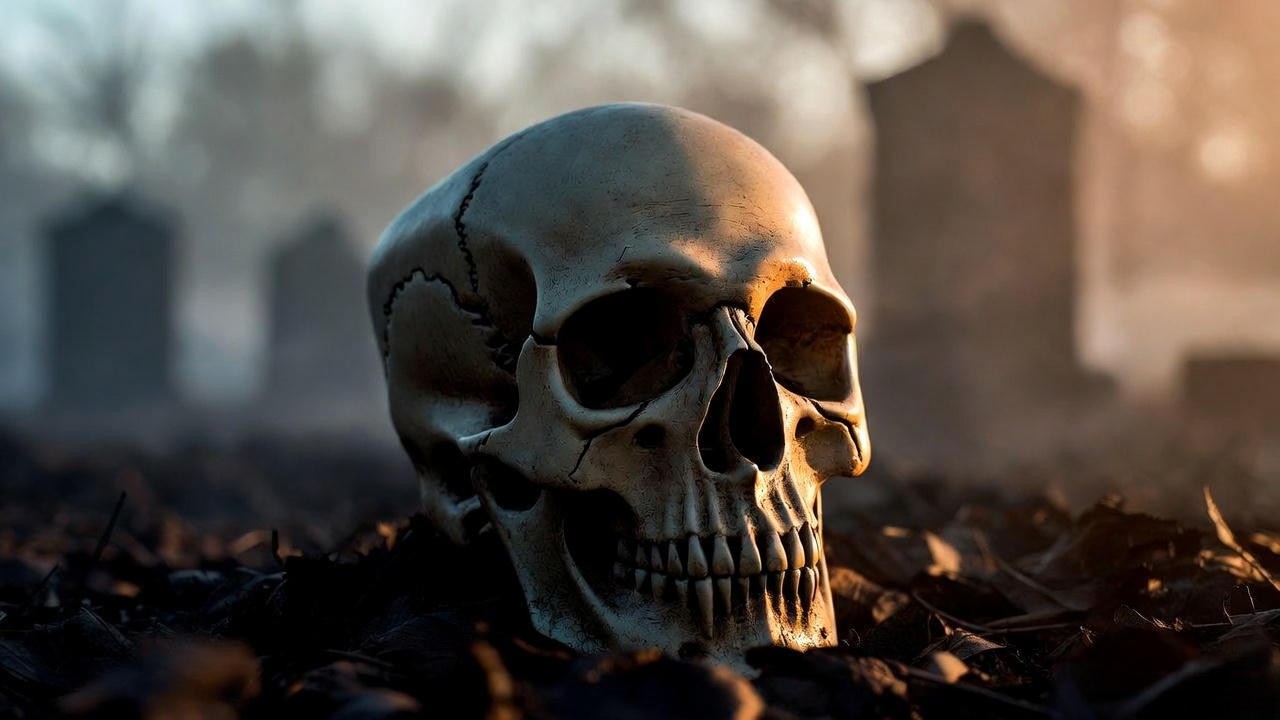
The ultimate symbol of mortality is the skull, most memorably in Hamlet’s graveyard scene: “Alas, poor Yorick! I knew him, Horatio” (5.1). Holding the jester’s skull forces Hamlet (and the audience) to confront universal decay: “Imperious Caesar, dead and turned to clay…”
Memento mori imagery appears elsewhere — ghosts, graves, funeral processions — reminding characters that “the wheel is come full circle.”
Birds (Especially Ravens, Doves, Falcons) – Omens, Freedom, and Predation
Birds carry rich symbolic freight. Ravens and owls are ill omens in Macbeth (“The raven himself is hoarse / That croaks the fatal entrance of Duncan” — 1.5). Doves represent love and peace (as in Romeo’s description of Juliet).
Falconry metaphors dominate “taming” plays: Petruchio in The Taming of the Shrew speaks of Kate as a hawk to be tamed, while Othello uses hawks and prey to describe jealousy.
Symbolism in Shakespeare’s Major Tragedies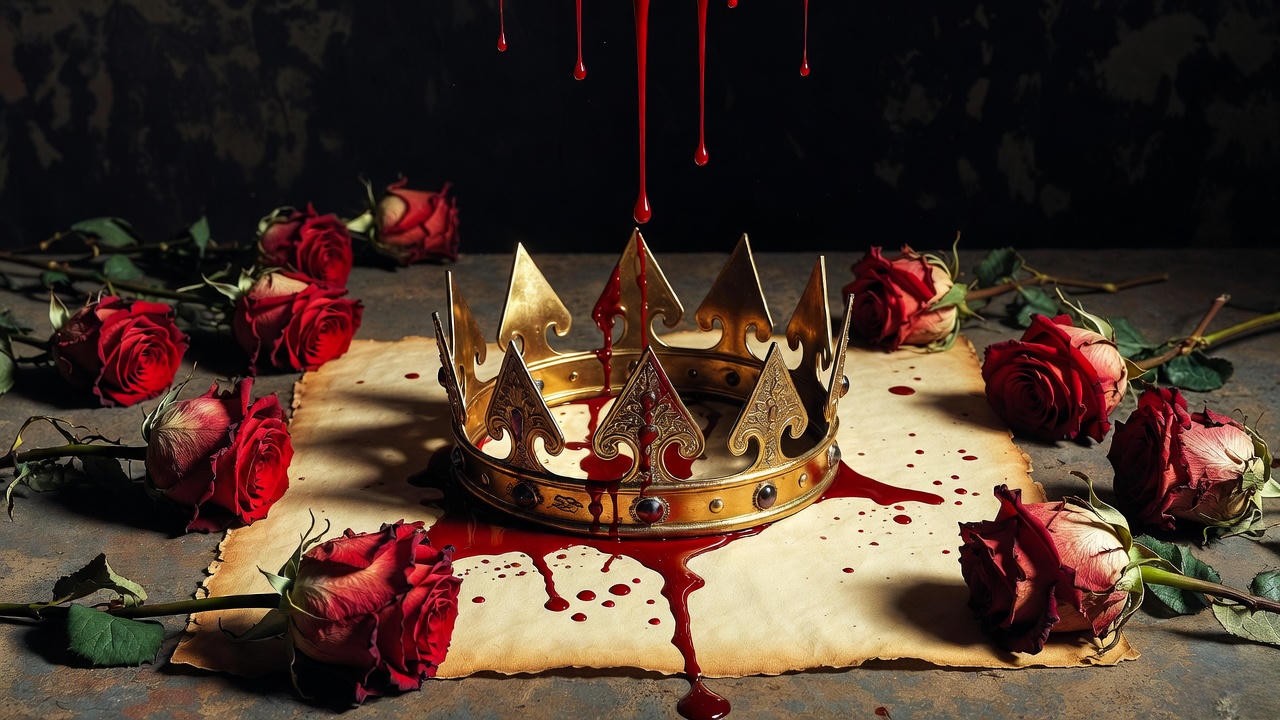
While recurring symbols appear throughout the canon, each tragedy develops them uniquely to serve its thematic core.
Macbeth – Blood, Sleep, and Equivocation
Macbeth weaves blood, darkness, and sleeplessness into a suffocating pattern. Sleep, “chief nourisher in life’s feast,” is murdered alongside Duncan. The weird sisters’ equivocation (“fair is foul”) mirrors the play’s moral inversion, symbolized by unnatural events: horses eating each other, owls killing falcons.
Hamlet – Poison, Ears, and Theatrical Performance
Poison spreads literally and figuratively. The ear — organ of hearing rumor, counsel, and poison — becomes central: Claudius poisons King Hamlet’s ear, and Hamlet stages “The Mousetrap” to “catch the conscience of the King” through theatrical performance. Mirrors and plays-within-plays symbolize self-examination and deception.
Othello – Handkerchief, Animals, and Black/White Imagery
The strawberry-spotted handkerchief functions as a miniature symbolic universe: gift of love, proof of fidelity, and ultimately evidence of betrayal. Iago reduces humans to animals (“goats and monkeys”), stripping Othello of civilized identity. Black/white imagery complicates racial and moral binaries.
King Lear – Eyesight, Nothingness, and Clothing
Lear’s tragic flaw is metaphorical blindness; Gloucester’s literal blinding forces true insight. “Nothing will come of nothing” echoes throughout, symbolized by the barren heath. Stripping clothes reveals essential humanity beneath social pretense.
Symbolism in the Comedies and Romances
Shakespeare’s comedies and late romances use symbolism more playfully than the tragedies, often to explore themes of transformation, reconciliation, and the restorative power of nature.
A Midsummer Night’s Dream – Moon, Love-in-Idleness Flower
The moon governs the play’s enchanted atmosphere, symbolizing changeable female mood (Titania’s quarrel with Oberon disrupts lunar cycles) and romantic madness. Puck’s magical flower, “love-in-idleness” (a pansy), represents love’s arbitrary, blinding power: its juice dropped on sleeping eyelids causes infatuation with the first sight upon waking. The flower motif underscores how love in the play is less rational choice than transformative spell.
The Tempest – Magic, Books, and the Sea
Prospero’s books symbolize intellectual power and colonial knowledge; drowning them marks his renunciation of control. The sea represents chaos, exile, and purification — the opening tempest cleanses the ship’s passengers of past sins. Ariel, an airy spirit, and Caliban, tied to earth and water, embody the play’s elemental symbolic framework drawn from Renaissance occult philosophy.
Twelfth Night – Rings, Letters, and Mistaken Identity
Objects like Olivia’s ring and Malvolio’s forged letter drive the plot while symbolizing miscommunication and self-deception. Viola’s disguise as Cesario explores gender as performative costume, echoing the broader clothing motif but with festive resolution rather than tragic exposure.
Symbols in the Sonnets – Time, Beauty, and Immortality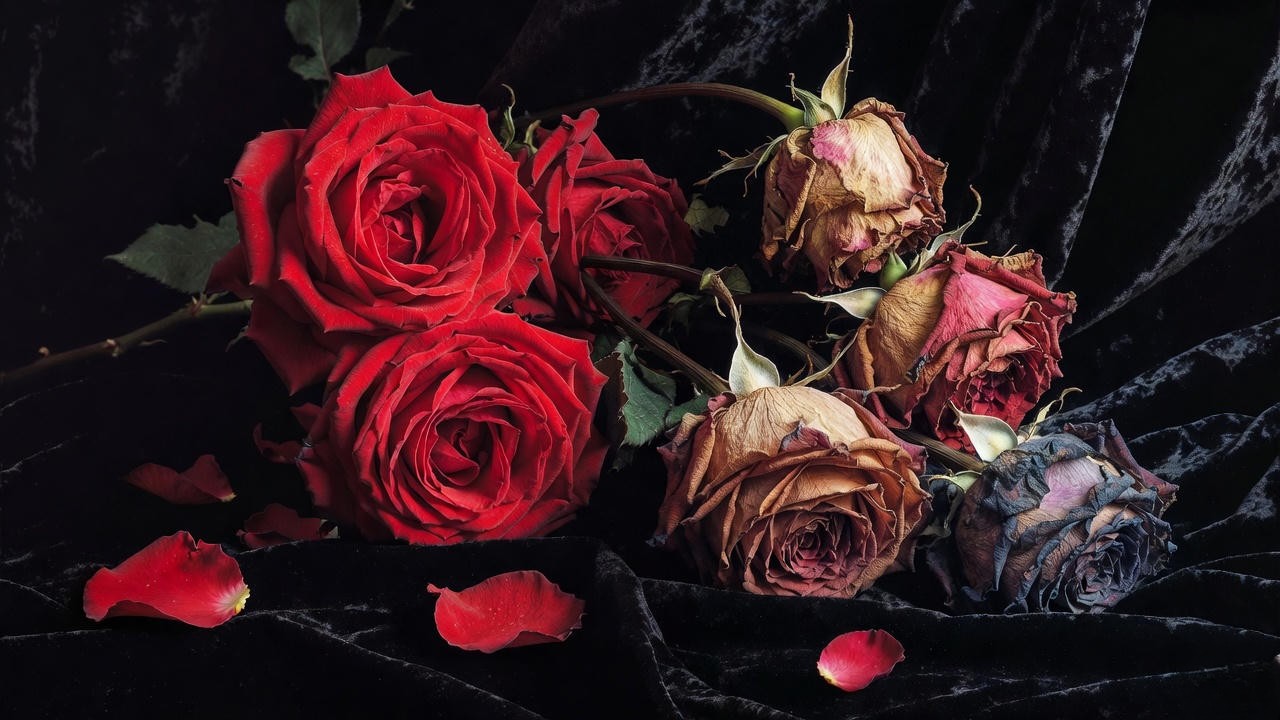
Shakespeare’s 154 sonnets form a symbolic sequence meditating on time’s destructiveness and art’s redemptive power.
The most famous symbols are floral and seasonal. The “darling buds of May” (Sonnet 18), roses, lilies, and marigolds represent youthful beauty vulnerable to “rough winds,” “summer’s lease,” and eventual decay. Sonnet 15 warns, “Everything that grows / Holds in perfection but a little moment.”
Time itself is personified as a destructive force: “Devouring Time” (Sonnet 19), a “bloody tyrant” (Sonnet 16), wielding sickle and hourglass. Against this, Shakespeare offers two symbolic defenses: procreation (Sonnets 1–17 urge the Fair Youth to marry and produce heirs) and poetry (“So long as men can breathe or eyes can see, / So long lives this, and this gives life to thee” – Sonnet 18).
The Dark Lady sonnets introduce contrasting symbols — black as beautiful rather than sinister, perfume masking corruption — challenging conventional Petrarchan imagery.
How to Analyze Shakespeare Symbols Yourself (Practical Guide)
Unlocking symbolism is a skill anyone can develop. Follow these steps:
- Track recurring images: As you read or watch a play, note repeated words or concepts (blood, eyes, weeds). Use a digital text search or annotated edition to highlight patterns.
- Consult historical context: Research Elizabethan emblem books (e.g., Geoffrey Whitney’s A Choice of Emblemes, 1586) or flower language dictionaries. The Folger Shakespeare Library’s online resources and the Oxford English Dictionary’s historical definitions are invaluable.
- Examine dramatic context: Ask who uses the symbol, when, and to what effect. Ophelia’s flowers mean differently in her mad scene than in a courtly garden.
- Compare across the canon: Notice how blood functions differently in the redemptive Henry V battle scenes versus the damning imagery of Macbeth.
- Consider performance choices: Modern directors may amplify or alter symbols (e.g., emphasizing the handkerchief in Othello productions). Reflect on how staging affects interpretation.
Recommended foundational texts: Caroline Spurgeon’s Shakespeare’s Imagery and What It Tells Us (for statistical image clusters), Jan Kott’s Shakespeare Our Contemporary (for modern symbolic readings), and the Arden or Folger editions’ extensive notes.
As critic Helen Vendler observes of the sonnets, “Shakespeare’s symbols are never static; they evolve through repetition and variation, creating emotional depth no single instance could achieve.”
Common Misinterpretations of Shakespeare Symbols
Modern readers sometimes over-sexualize floral imagery (reducing Ophelia’s flowers to mere Freudian symbols) while ignoring their documented herbal and emblematic meanings. Similarly, equating all darkness imagery with racial prejudice in Othello risks anachronism — Elizabethan light/dark symbolism primarily carried moral and cosmological weight, though racial elements undeniably complicate the motif.
Another frequent error is treating symbols as one-to-one allegories rather than multivalent images. Blood means guilt in Macbeth, royal legitimacy in the histories, and sacrificial redemption in biblical echoes. Context determines dominance.
Finally, avoid imposing 21st-century symbolic systems (e.g., Jungian archetypes) without acknowledging Shakespeare’s own cultural framework. Historical sensitivity enhances rather than limits interpretation.
Frequently Asked Questions
What is the most important symbol in Shakespeare’s works? No single symbol dominates, but blood and light/darkness appear most frequently and carry the broadest thematic range across genres.
Why does Shakespeare use so much blood imagery? Blood vividly dramatizes violence’s irreversibility and guilt’s psychological stain while echoing biblical notions of sin and atonement.
What do flowers symbolize in Hamlet? Ophelia’s flowers (rosemary for remembrance, pansies for thoughts, fennel for flattery, columbines for ingratitude, rue for regret) form a coded critique of the court’s corruption.
How do symbols differ between the plays and sonnets? Plays use symbols dramatically (objects on stage, visual spectacle), while sonnets employ them lyrically and conceptually, often personifying abstract forces like Time.
Are Shakespeare’s symbols universal or culturally specific? Both: mortality symbols (skulls, flowers) resonate universally, but their specific meanings draw from Elizabethan herbals, emblem books, and Christian allegory.
Can modern productions change symbolic meanings? Yes — directors reinterpret symbols through casting, design, and cuts. A minimalist Lear might emphasize “nothingness” over storm spectacle.
Where can I find reliable sources on Shakespeare symbolism? Start with the Folger Shakespeare Library, British Library digital collections, Arden Shakespeare editions, and scholarly works by Spurgeon, Frye, and Vendler.
Shakespeare’s symbols are far more than decorative flourishes — they form the very architecture of his dramatic and poetic vision. Blood that cannot be washed away, light extinguished by jealousy, flowers that bloom and wither in a single season — these images speak directly to enduring human experiences of guilt, love, loss, and transcendence.
By recognizing and interpreting these motifs, we gain deeper access to Shakespeare’s insight into the human soul. The next time you read Hamlet, watch The Tempest, or revisit Sonnet 18, pay attention to the recurring images. You’ll discover layers of meaning that continue to unfold with each encounter.