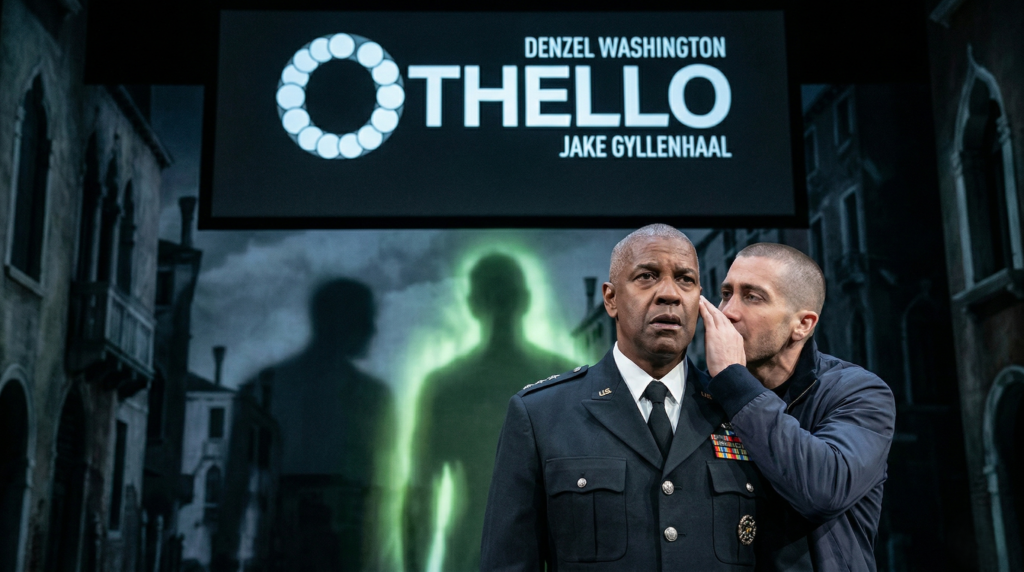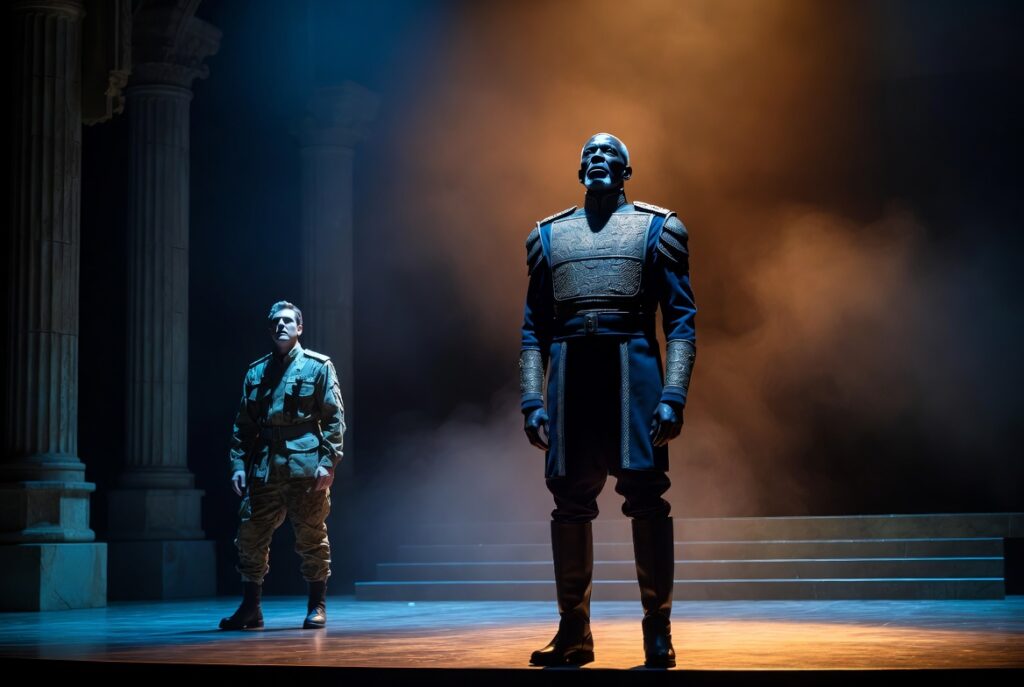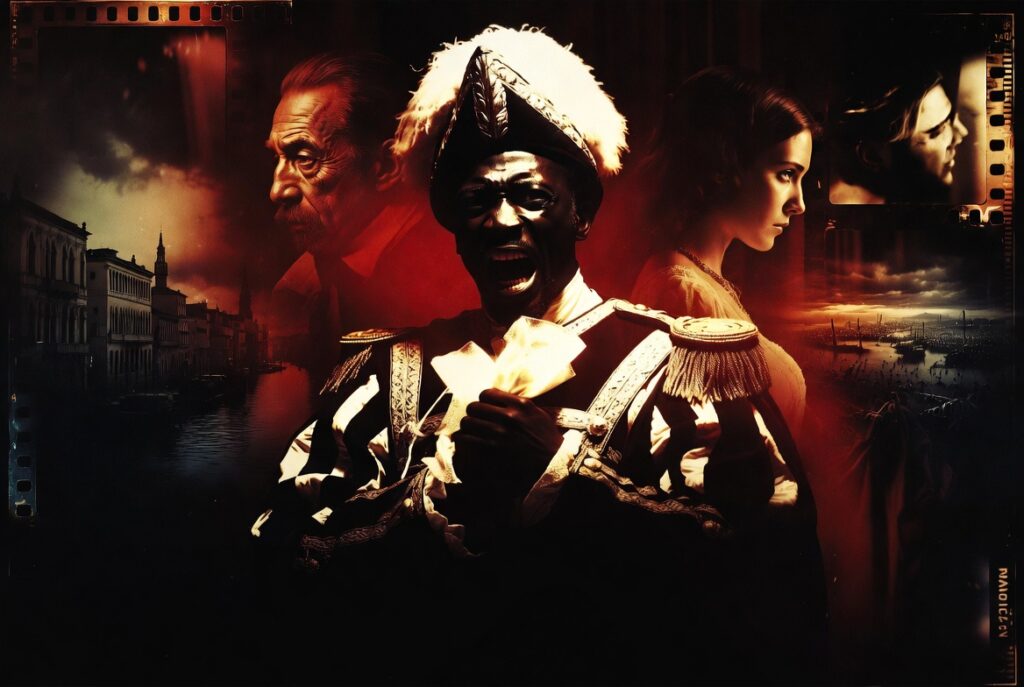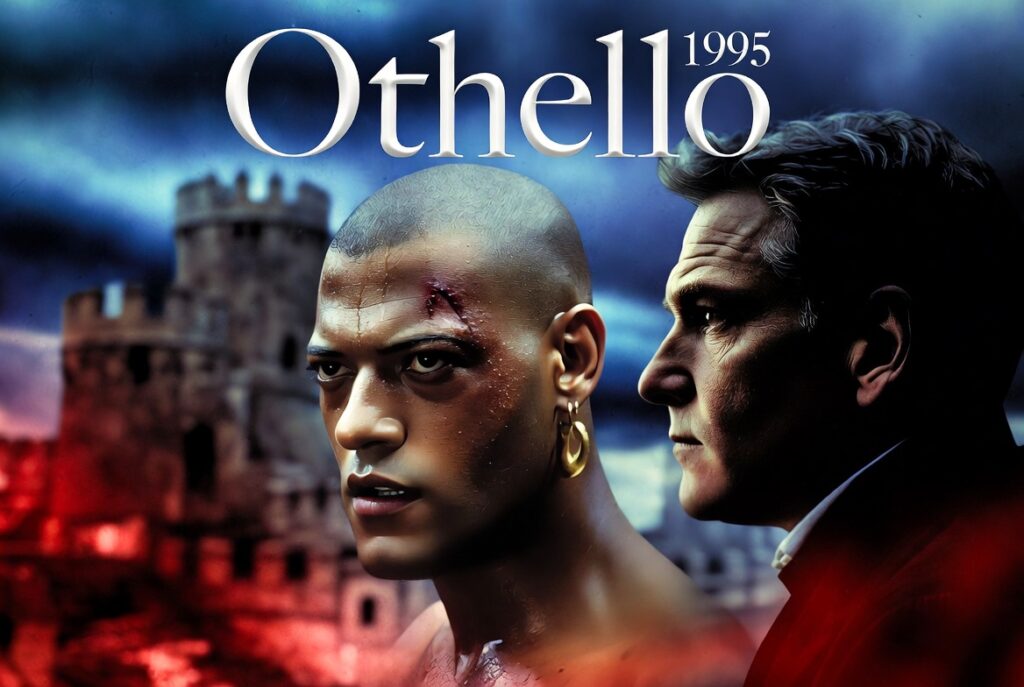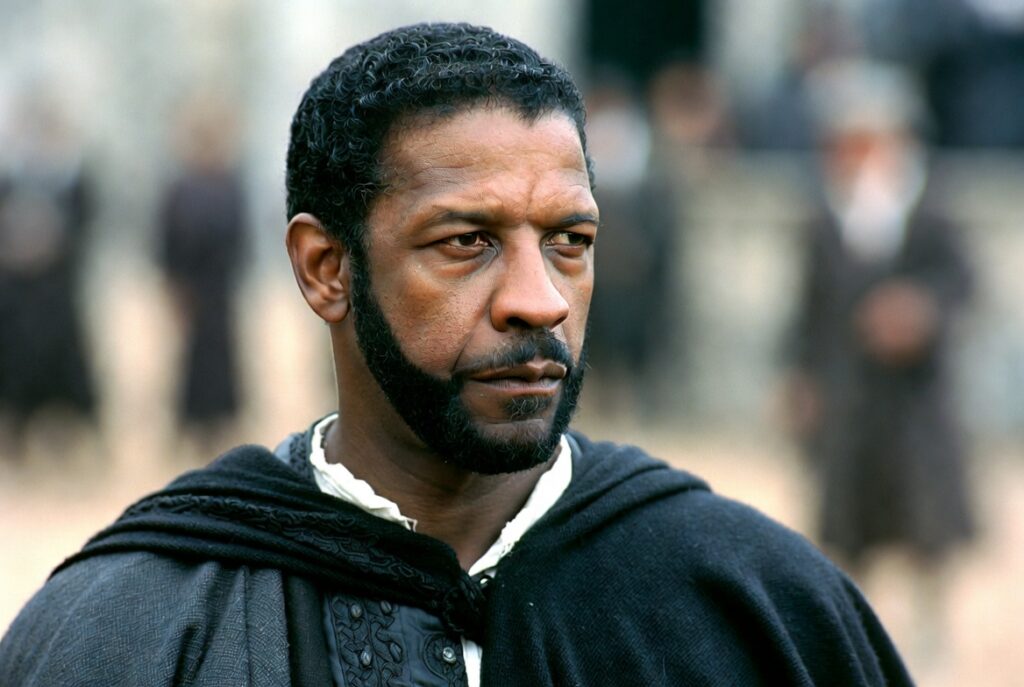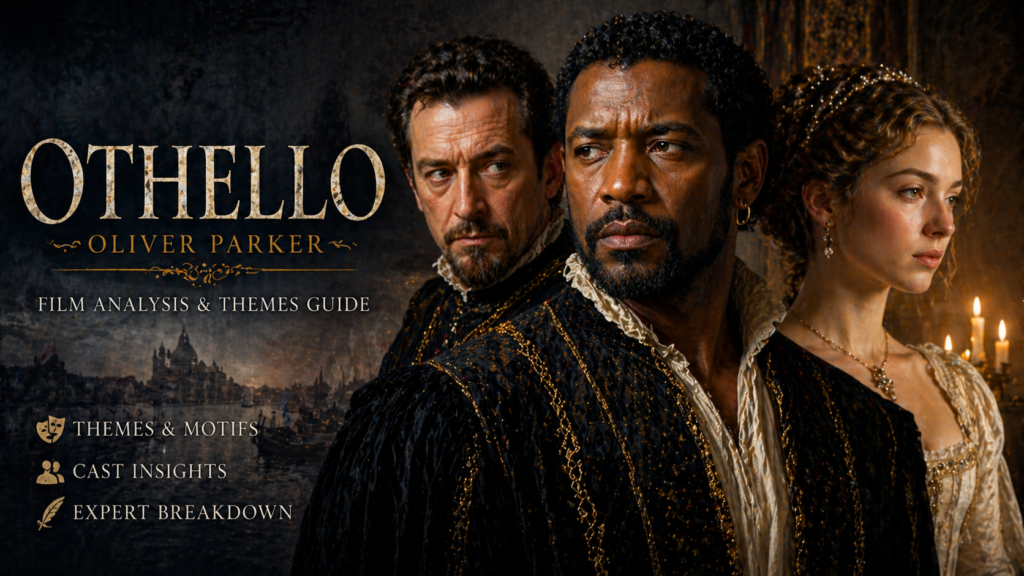
What makes a Shakespeare adaptation truly unforgettable—faithfulness to the text, powerful performances, or cinematic brilliance? The answer becomes strikingly clear when you watch othello oliver parker. Released in 1995, Othello stands as one of the most compelling screen adaptations of Othello, balancing poetic authenticity with gripping visual storytelling.
Unlike many Shakespeare films that either feel too theatrical or overly modernized, this version achieves a rare equilibrium. It preserves the emotional intensity and linguistic richness of the original play while making the story accessible to contemporary audiences. For students, literature enthusiasts, and film lovers alike, this adaptation offers not just a viewing experience—but a deeper understanding of Shakespeare’s tragic genius.
In this comprehensive guide, you’ll discover:
- A clear and insightful breakdown of the plot
- In-depth analysis of major themes like jealousy, race, and manipulation
- Expert evaluation of performances by Laurence Fishburne and Kenneth Branagh
- A comparison with other adaptations
- And ultimately, whether this version is worth your time
If you’ve ever struggled to fully grasp Othello or wondered which adaptation does it justice—this article is your definitive answer.
Overview of Othello (1995) Directed by Oliver Parker
Key Film Details
Directed by Oliver Parker, Othello (1995) is a cinematic adaptation of Shakespeare’s tragedy that remains remarkably faithful to the source material. With a runtime of approximately 123 minutes, the film falls within the historical drama genre while maintaining the psychological intensity of the original play.
Set against the backdrop of Renaissance Venice and Cyprus, the film tells the story of Othello, a respected Moorish general whose life unravels due to manipulation, insecurity, and tragic misjudgment.
Key highlights:
- Director: Oliver Parker
- Release Year: 1995
- Genre: Tragedy / Drama / Literary Adaptation
- Source: Shakespeare’s Othello
What distinguishes this film is its commitment to Shakespeare’s original dialogue. Unlike many adaptations that modernize the language, Parker retains much of the Elizabethan text—yet delivers it with clarity and emotional immediacy.
Why This Adaptation Matters
Among the many adaptations of Othello, Parker’s version occupies a unique position. It is widely regarded as one of the most accessible yet faithful interpretations of the play. For academic settings—especially for students preparing for exams like HSC or A-levels—this film serves as a powerful visual companion to the text.
But its importance goes beyond education.
This adaptation is notable for casting Laurence Fishburne as Othello, marking the first time a Black actor portrayed the role in a major film production. This decision adds authenticity and depth to the character’s experience as an outsider in Venetian society—an aspect often underexplored in earlier versions.
Plot Summary of Othello Oliver Parker (Concise but Insightful)
Act-by-Act Breakdown
Act 1–2: The Seeds of Jealousy
The film begins with Othello secretly marrying Desdemona, a noblewoman, much to the disapproval of her father. Meanwhile, Iago—Othello’s ensign—harbors resentment after being passed over for promotion.
From the outset, Iago begins weaving a web of deceit. His manipulation of Roderigo and subtle suggestions plant the first seeds of doubt in Othello’s mind.
Act 3: The Turning Point
This is where the tragedy truly intensifies. Iago cleverly exploits Othello’s insecurities, especially regarding Desdemona’s loyalty and his own racial and cultural differences.
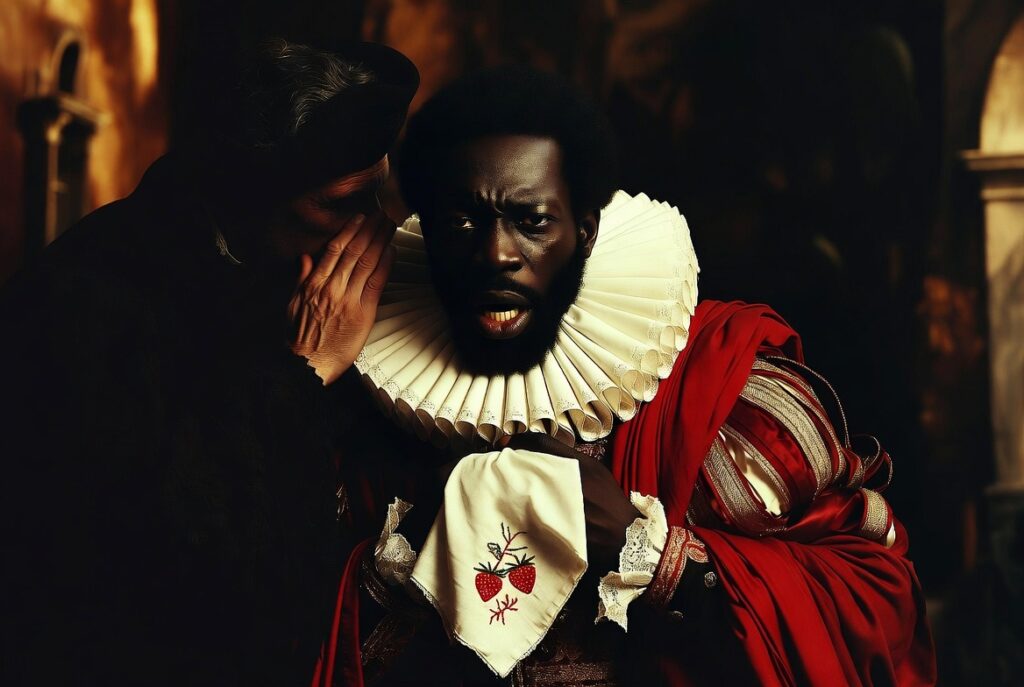
Through carefully staged “evidence,” including the symbolic handkerchief, Iago convinces Othello that Desdemona is unfaithful.
Act 4–5: The Tragic Climax
Consumed by jealousy and rage, Othello loses all sense of reason. In one of Shakespeare’s most devastating scenes, he kills Desdemona—only to realize too late that he has been deceived.
The truth about Iago’s treachery emerges, leading to Othello’s ultimate downfall and tragic end.
Key Differences from the Original Play
While Othello Oliver Parker remains largely faithful, some adaptations were necessary for cinematic storytelling:
- Condensed Dialogue: Certain speeches are shortened for pacing
- Visual Emphasis: Emotions are conveyed through facial expressions and cinematography rather than lengthy monologues
- Streamlined Narrative: Minor subplots are reduced or omitted
These changes do not dilute the story; instead, they enhance its accessibility for modern viewers.
Major Themes Explored in Othello Oliver Parker
Jealousy as a Destructive Force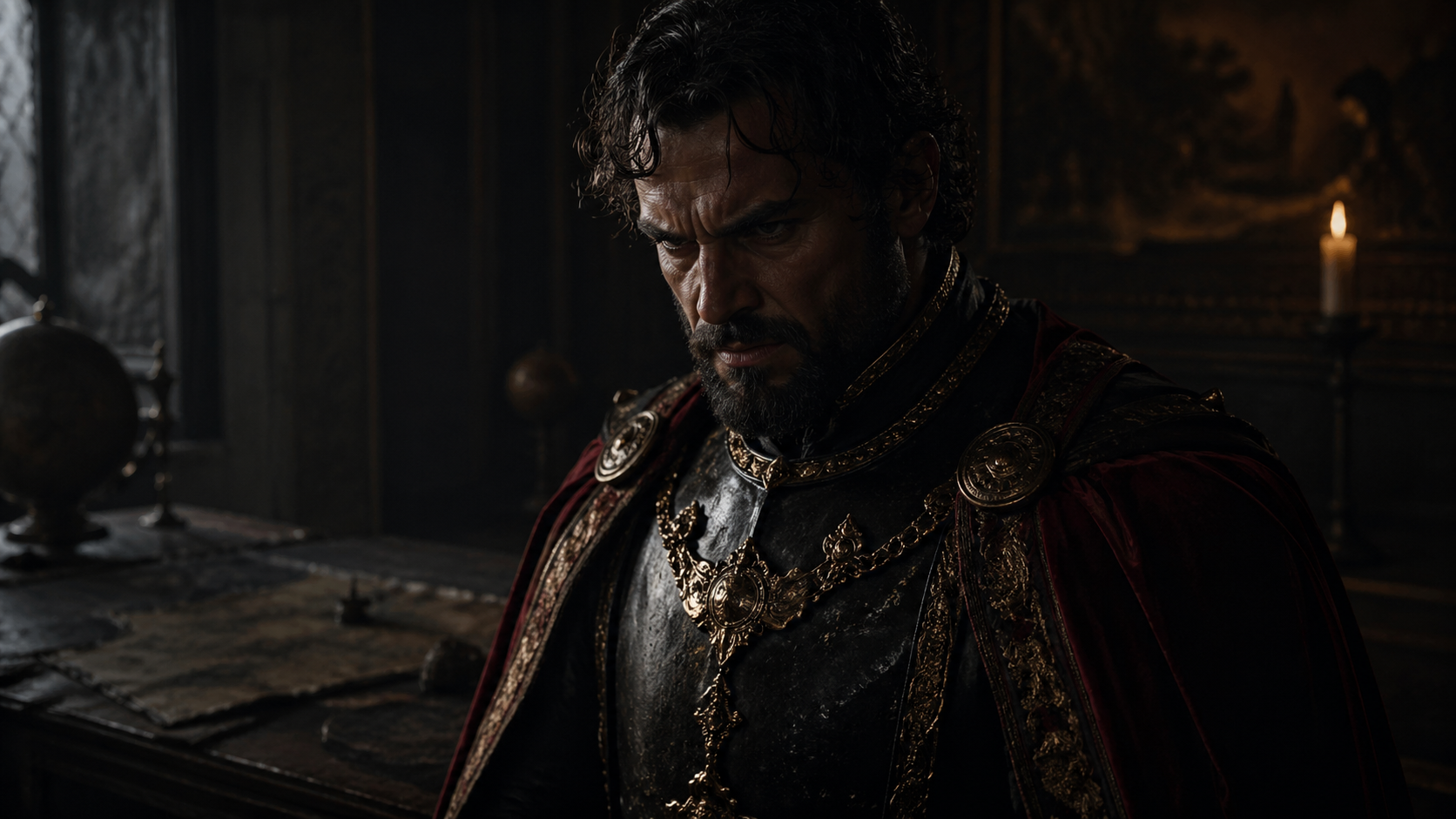
Jealousy is the central theme of Othello, and Parker’s film portrays it with haunting intensity.
Othello’s transformation—from a confident and composed leader to a man consumed by suspicion—is depicted through subtle changes in expression, tone, and body language. The camera often lingers on his face, allowing viewers to witness the psychological unraveling in real time.
This is not just jealousy—it is emotional corrosion, slowly destroying reason and love.
Manipulation and Deception
If Othello is the tragic victim, Iago is the mastermind behind the chaos.
Kenneth Branagh delivers a chilling portrayal of Iago, emphasizing quiet manipulation over overt villainy. His calm demeanor and calculated speech make his deception even more unsettling.
The film brilliantly uses:
- Close-up shots to capture subtle lies
- Strategic silences to build tension
- Body language to suggest hidden intentions
Iago’s manipulation feels disturbingly realistic—making the tragedy all the more impactful.
Race and Identity
One of the most powerful aspects of this adaptation is its treatment of race.
Othello is not just an outsider socially—he is visibly different in a society that quietly marginalizes him. By casting Laurence Fishburne, the film brings authenticity to this dimension of the story.
The tension is not always explicit—but it is always present.
This underlying discomfort contributes to Othello’s vulnerability, making Iago’s manipulation more effective.
Love vs Control
At its core, Othello is also a story about love—its beauty, fragility, and potential for destruction.
Othello and Desdemona’s relationship begins with genuine affection but gradually becomes overshadowed by control and suspicion. The film highlights how love, when tainted by insecurity, can transform into something dangerous.
Cast Analysis: Performances That Define the Film
Laurence Fishburne as Othello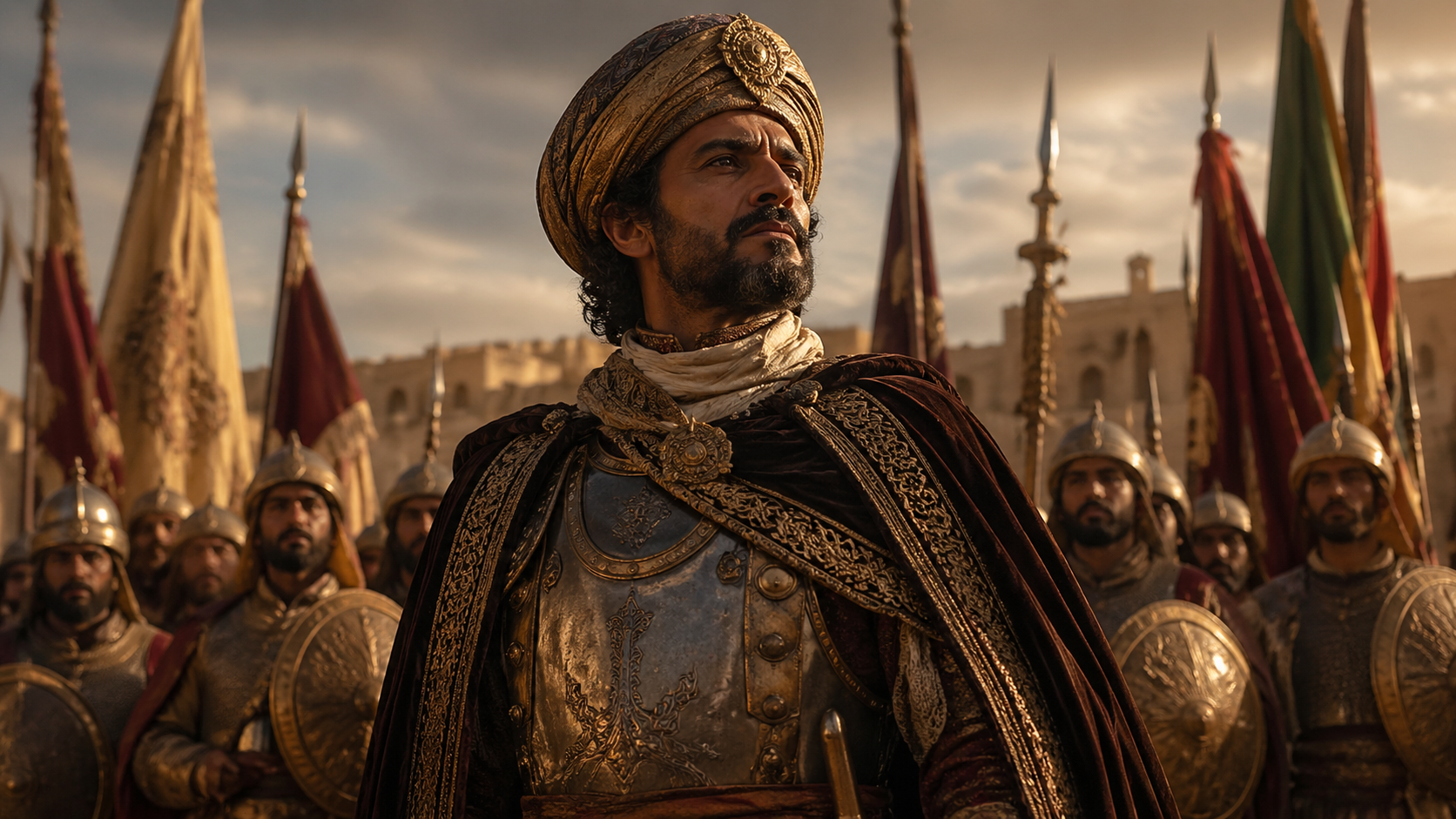
Laurence Fishburne delivers a performance that is both powerful and deeply human.
His portrayal captures:
- Authority and dignity in the early scenes
- Emotional vulnerability as doubt creeps in
- Raw intensity during the climax
Fishburne’s Othello is not just a tragic hero—he is a man torn apart by internal conflict.
Kenneth Branagh as Iago
Kenneth Branagh arguably steals the show.
His Iago is:
- Calm, controlled, and eerily persuasive
- Deceptive without appearing overtly villainous
- Intellectually dominant in every scene
Rather than portraying Iago as purely evil, Branagh presents him as disturbingly believable—a manipulator who thrives on psychological control.
Supporting Cast Highlights
The supporting characters add depth and emotional resonance:
- Desdemona embodies innocence and tragic vulnerability
- Emilia provides moral clarity and ultimately reveals the truth
- Cassio represents honor and integrity
Each performance contributes to the film’s layered storytelling.
Cinematic Techniques That Make This Adaptation Unique
Visual Storytelling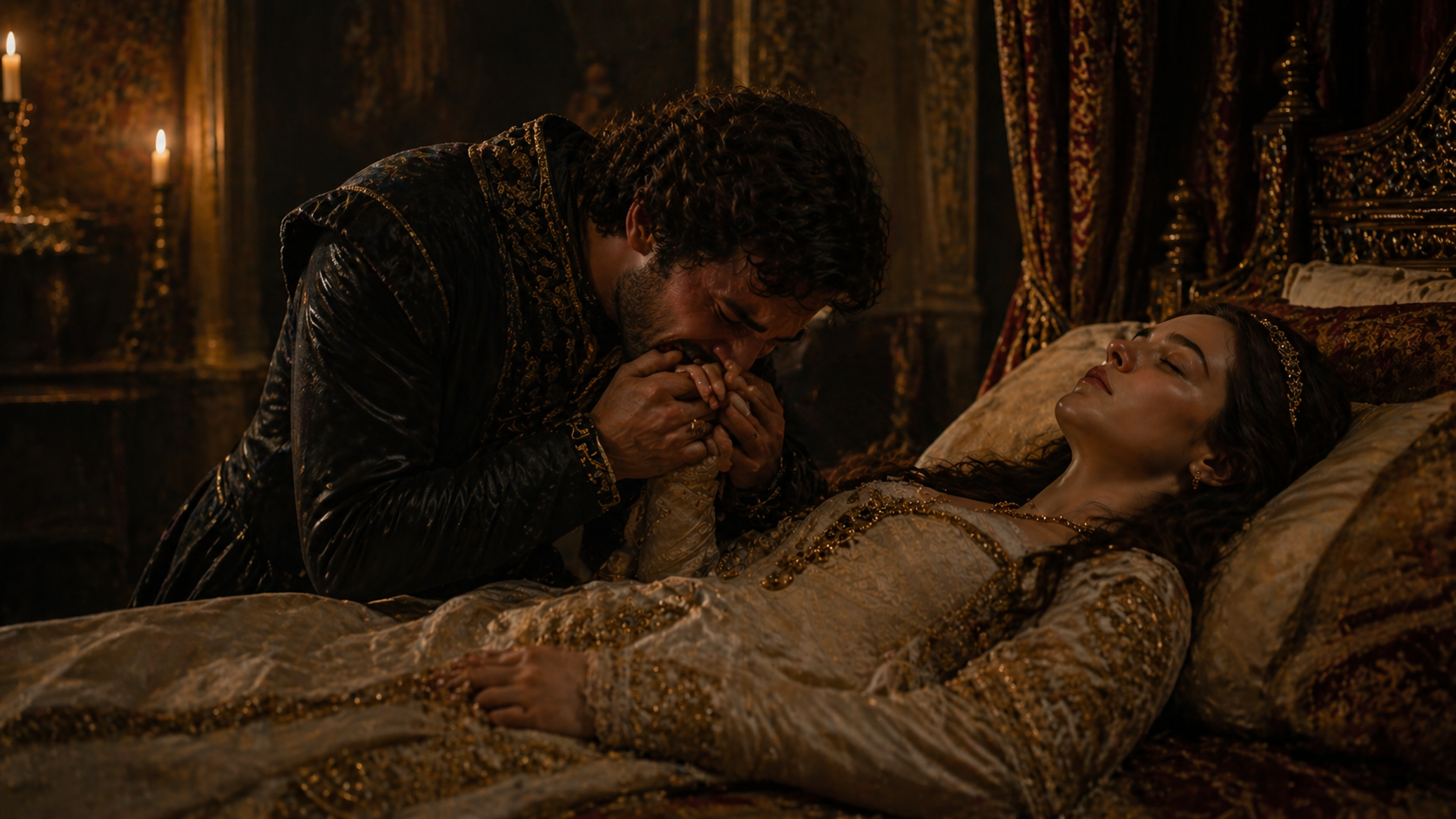
Oliver Parker uses cinematic tools to enhance Shakespeare’s narrative:
- Lighting: Shadows reflect moral ambiguity
- Close-ups: Reveal internal emotions
- Color palettes: Shift to match the tone of scenes
The result is a visually immersive experience that complements the dialogue.
Faithfulness to Shakespeare’s Language
Unlike many modern adaptations, this film retains much of Shakespeare’s original text.
Yet, it never feels inaccessible.
The actors deliver the lines with clarity and emotional authenticity, making the language feel natural rather than archaic.
Direction and Pacing
Parker strikes a careful balance between:
- Respecting the original structure
- Maintaining cinematic momentum
The film avoids the sluggishness often associated with Shakespeare adaptations while preserving its depth.
How Faithful Is Othello Oliver Parker to Shakespeare’s Original Play?
One of the most common questions readers and viewers ask is: “How accurate is this adaptation?” The answer is reassuring—Othello Oliver Parker is widely considered one of the most faithful screen versions of Shakespeare’s original tragedy, while still embracing the strengths of cinema.
What the Film Gets Right
At its core, the film preserves the spirit, structure, and emotional weight of Othello.
Key strengths include:
- Authentic Dialogue: Much of Shakespeare’s original language is retained, preserving poetic richness
- Character Integrity: Othello, Iago, and Desdemona remain true to their literary counterparts
- Thematic Accuracy: Jealousy, manipulation, race, and betrayal are explored with depth and nuance
This fidelity makes the film particularly valuable for students and literature enthusiasts who want a reliable visual interpretation of the play.
What Was Changed or Simplified
To adapt a stage play into a cinematic format, some adjustments were inevitable:
- Condensed Scenes: Lengthy speeches are shortened to maintain pacing
- Reduced Subplots: Minor characters and storylines receive less attention
- Visual Substitution: Instead of monologues, emotions are often conveyed through expressions and camera work
Importantly, these changes enhance clarity without compromising meaning—a hallmark of a strong adaptation.
Expert Insight: Why Adaptations Must Evolve
From a literary and cinematic perspective, no adaptation can—or should—be completely identical to its source.
Film allows for:
- Visual symbolism instead of verbal explanation
- Emotional immediacy through performance
- Broader accessibility for modern audiences
Oliver Parker’s approach respects Shakespeare while recognizing the demands of visual storytelling—resulting in a version that feels both authentic and engaging.
Comparison with Other Othello Adaptations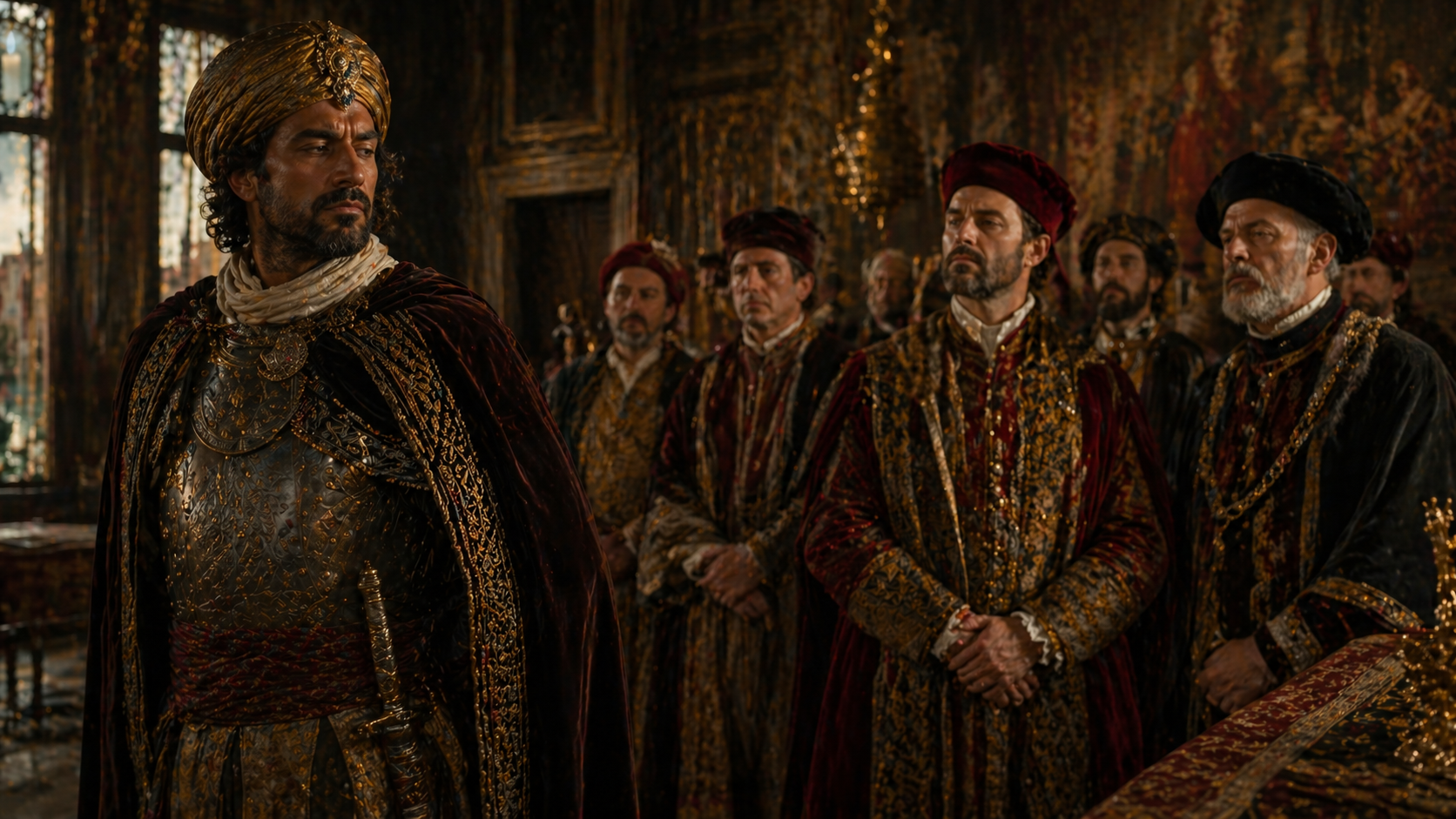
Understanding what makes this film unique becomes clearer when compared to other notable adaptations.
vs Othello (Laurence Olivier Version)
The 1965 version starring Laurence Olivier is historically significant but differs in key ways:
Differences include:
- Acting Style: Olivier’s performance is more theatrical; Fishburne’s is more naturalistic
- Portrayal of Race: The 1965 film controversially uses blackface, whereas the 1995 version offers authentic representation
- Cinematic Approach: Parker’s version feels more intimate and emotionally grounded
While Olivier’s performance is iconic, Parker’s adaptation is often seen as more accessible and culturally relevant today.
vs Modern Adaptations (e.g., O 2001)
Modern reinterpretations like O set the story in contemporary settings (e.g., high school environments).
Key contrasts:
- Setting: Modern vs Renaissance
- Language: Simplified vs original Shakespearean dialogue
- Audience Appeal: Broader mainstream vs literature-focused
While modern versions make the story relatable, Parker’s film retains the original artistic and linguistic depth of Shakespeare.
Critical Reception and Audience Response
Reviews from Critics
Upon release, Othello (1995) received generally positive reviews, especially for its performances and fidelity to the source material.
Critics praised:
- Kenneth Branagh’s nuanced portrayal of Iago
- Laurence Fishburne’s powerful and dignified Othello
- The film’s ability to make Shakespeare accessible without oversimplifying
Some critiques included:
- Occasional pacing issues
- Limited exploration of secondary characters
Overall, the film earned a reputation as a serious, intelligent adaptation rather than a purely commercial one.
Audience Perspective
For modern audiences, the film continues to hold strong appeal—especially among:
- Students studying Shakespeare
- Literature enthusiasts seeking deeper understanding
- Viewers interested in classic drama and psychological storytelling
However, casual viewers unfamiliar with Shakespearean language may need time to adjust.
Why You Should Watch Othello Oliver Parker Today
For Students and Literature Enthusiasts
If you’re studying Othello—especially at HSC, A-level, or university level—this film is an invaluable resource.
Benefits include:
- Visualizing complex scenes and character dynamics
- Understanding tone, emotion, and subtext
- Reinforcing key themes and quotes
It transforms abstract text into a tangible, memorable experience.
For Film Lovers
Even beyond academic use, this adaptation stands as a high-quality cinematic work.
- Strong performances
- Elegant direction
- Emotional depth
If you appreciate character-driven drama, this film delivers a compelling narrative with lasting impact.
Expert Insights: What Makes This Adaptation Stand Out
From an expert perspective, several factors elevate this film above many other Shakespeare adaptations:
- Balance Between Fidelity and Accessibility
It respects the original text while making it understandable for modern audiences - Performance-Driven Storytelling
The emotional weight rests on exceptional acting rather than spectacle - Visual Interpretation of Internal Conflict
The film uses cinematic techniques to externalize psychological struggles - Cultural and Historical Relevance
Its treatment of race and identity feels authentic and meaningful
These elements combine to create a version of Othello that is not only accurate—but deeply resonant.
Common Mistakes to Avoid When Interpreting Othello
Understanding Othello requires more than a surface-level reading. Here are common pitfalls to avoid:
Oversimplifying Othello as “Just Jealous”
Othello’s downfall is not merely about jealousy—it involves insecurity, manipulation, and societal pressure.
Ignoring Iago’s Psychological Complexity
Iago is not a one-dimensional villain. His motivations are layered and often ambiguous.
Overlooking the Theme of Race
Othello’s identity as an outsider plays a crucial role in his vulnerability.
Misreading Desdemona as Passive
Desdemona demonstrates courage and loyalty, even in the face of tragedy.
Avoiding these mistakes leads to a deeper, more accurate interpretation of the story.
FAQs About Othello Oliver Parker
Is Othello Oliver Parker faithful to the original play?
Yes, it is one of the most faithful adaptations, retaining much of Shakespeare’s original dialogue and themes.
Who gives the best performance in the film?
Both Laurence Fishburne and Kenneth Branagh deliver outstanding performances, with Branagh often highlighted for his portrayal of Iago.
Is this version suitable for students?
Absolutely. It is highly recommended for students due to its clarity, accuracy, and strong performances.
What makes this adaptation different from others?
Its balance of authenticity, emotional depth, and cinematic storytelling sets it apart.
Where can I watch Othello (1995)?
Availability varies by region, but it can often be found on streaming platforms, digital rental services, or educational libraries.
Final Verdict: Is Othello Oliver Parker Worth Watching?
In a word—yes.
This adaptation succeeds where many others struggle. It respects Shakespeare’s original vision while embracing the strengths of film. With powerful performances, thoughtful direction, and thematic depth, it offers an experience that is both intellectually enriching and emotionally compelling.