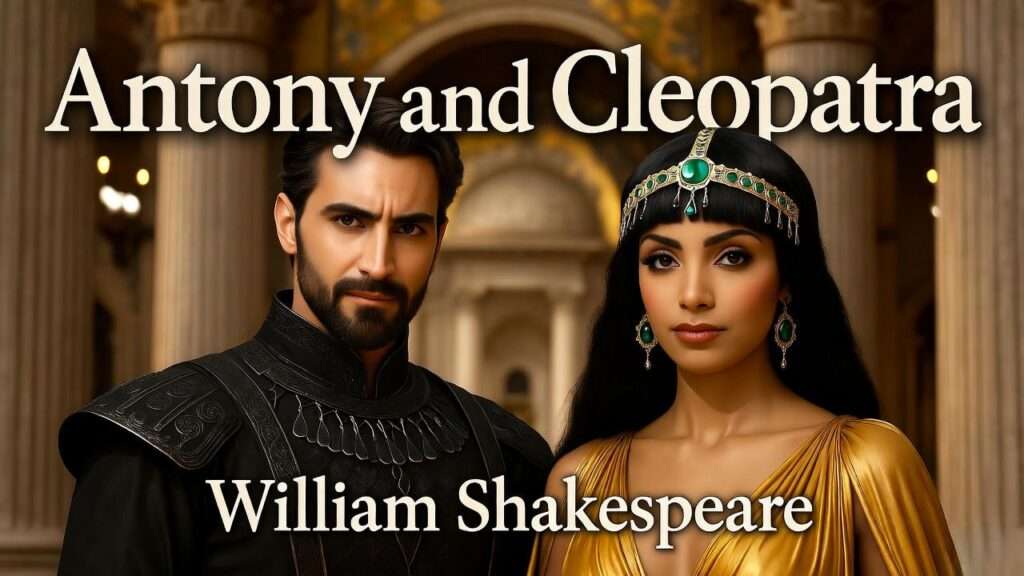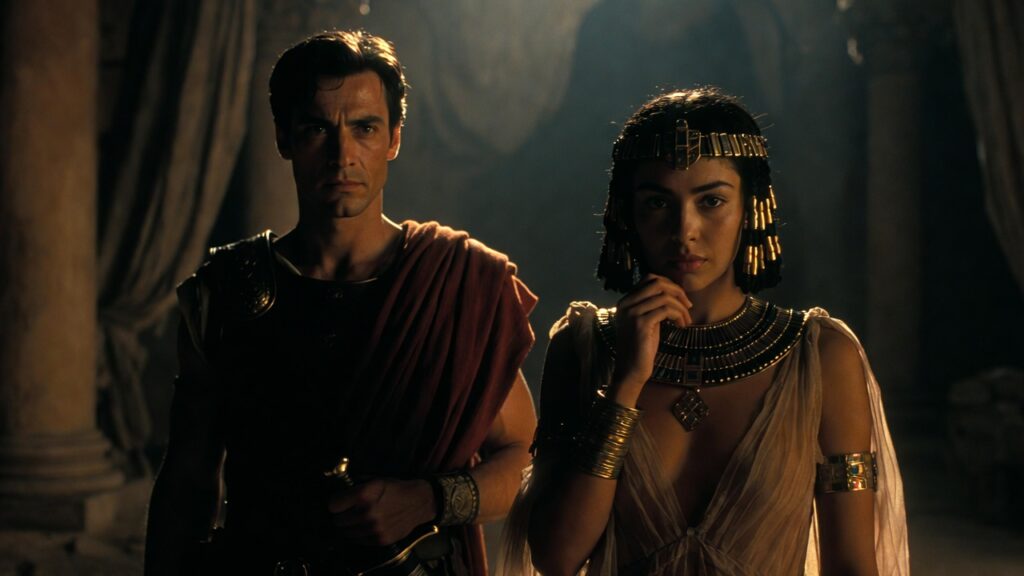
Imagine a world where the mightiest empire on earth hangs in the balance—not because of armies clashing on distant battlefields, but because one man’s heart is torn between duty to Rome and an all-consuming passion for the most enigmatic queen of the ancient world. In William Shakespeare’s Antony and Cleopatra, written around 1606–1607, this very conflict unfolds in breathtaking poetry and unrelenting drama. A summary of Antony and Cleopatra reveals far more than a historical romance; it exposes the raw collision between personal desire and political ambition, where love becomes both salvation and destruction.
This tragedy stands among Shakespeare’s greatest Roman plays, following Julius Caesar and preceding Coriolanus. Drawing primarily from Plutarch’s Parallel Lives (via Thomas North’s 1579 translation), Shakespeare transforms dry historical biography into a vivid exploration of human frailty. Readers and students often seek a clear, comprehensive overview to grasp the play’s complex plot, multifaceted characters, and enduring themes—whether for exam preparation, teaching, personal enjoyment, or deeper literary appreciation. This in-depth guide delivers exactly that: a detailed plot summary, character breakdowns, thematic analysis, key quotes, historical context, symbolism, and modern relevance, surpassing basic synopses by offering expert insights and nuanced interpretation.
At its core, Antony and Cleopatra challenges us to ask: What price do we pay when passion overrides reason, and can love truly conquer empire? While the lovers lose the world, they gain legendary immortality—perhaps the greatest triumph of all.
Historical and Literary Context
To fully appreciate Shakespeare’s masterpiece, we must understand its roots in real history. The play is set in the years following Julius Caesar’s assassination (44 BC), during the Second Triumvirate formed by Mark Antony, Octavius Caesar (the future Augustus), and Lepidus to rule the Roman Empire. Key events include Antony’s alliance with Cleopatra VII of Egypt, the decisive Battle of Actium in 31 BC, and the subsequent suicides of the titular lovers, paving the way for Octavius’s sole rule and the birth of the Roman Empire.
Shakespeare’s primary source was Plutarch’s Life of Marcus Antonius, which provided biographical details, anecdotes, and moral judgments. Plutarch portrays Antony as a flawed hero undone by excess and Cleopatra as cunning and seductive. Shakespeare innovates brilliantly: he amplifies the psychological depth, erotic tension, and moral ambiguity absent in the source. Where Plutarch emphasizes political maneuvering, Shakespeare foregrounds the lovers’ transcendent passion, making their downfall feel intimate and inevitable rather than merely historical.
The play defies easy categorization. It blends tragedy with elements of history and romance, featuring an unconventional structure—42 short, fluid scenes that shift rapidly between Rome’s disciplined order and Egypt’s sensual chaos. Unlike classical tragedies with focused action and unity of time/place, Shakespeare employs a panoramic scope, no onstage battles, and an extended fifth act centered on Cleopatra after Antony’s death. This structure mirrors the lovers’ fragmented world and underscores themes of instability and excess.
Scholars note Shakespeare’s fascination with empire and identity in his late Roman plays. Antony and Cleopatra reflects Elizabethan anxieties about power, gender, and foreign influence—Cleopatra as the exotic “other” threatening Roman masculinity—while celebrating flawed humanity over rigid virtue.
Detailed Act-by-Act Plot Summary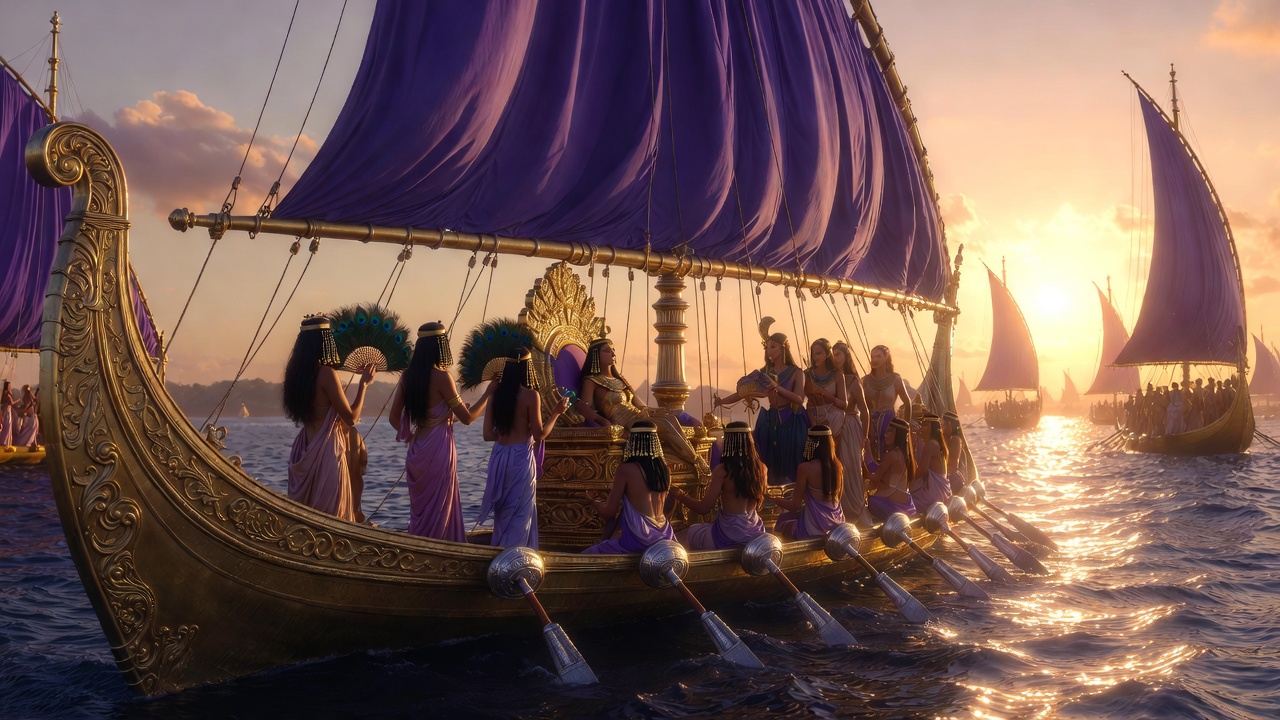
Shakespeare’s narrative unfolds across the Mediterranean, alternating between Rome’s marble austerity and Alexandria’s opulent excess.
Act 1: The Allure of Egypt and the Pull of Rome
The play opens in Alexandria with Roman soldiers Philo and Demetrius lamenting Antony’s “dotage”—his obsession with Cleopatra has transformed “the triple pillar of the world” into “a strumpet’s fool.” We meet the lovers in playful, sensual banter; Cleopatra teases Antony about his divided loyalties, demanding proof of his love. Messengers arrive with urgent news: Antony’s wife Fulvia has died, and Pompey threatens rebellion. Antony feels the tug of duty but resists, declaring, “Let Rome in Tiber melt, and the wide arch / Of the ranged empire fall!” Eventually, he decides to return to Rome, leaving Cleopatra in anguished uncertainty.
Act 2: Political Maneuvering and Fragile Alliances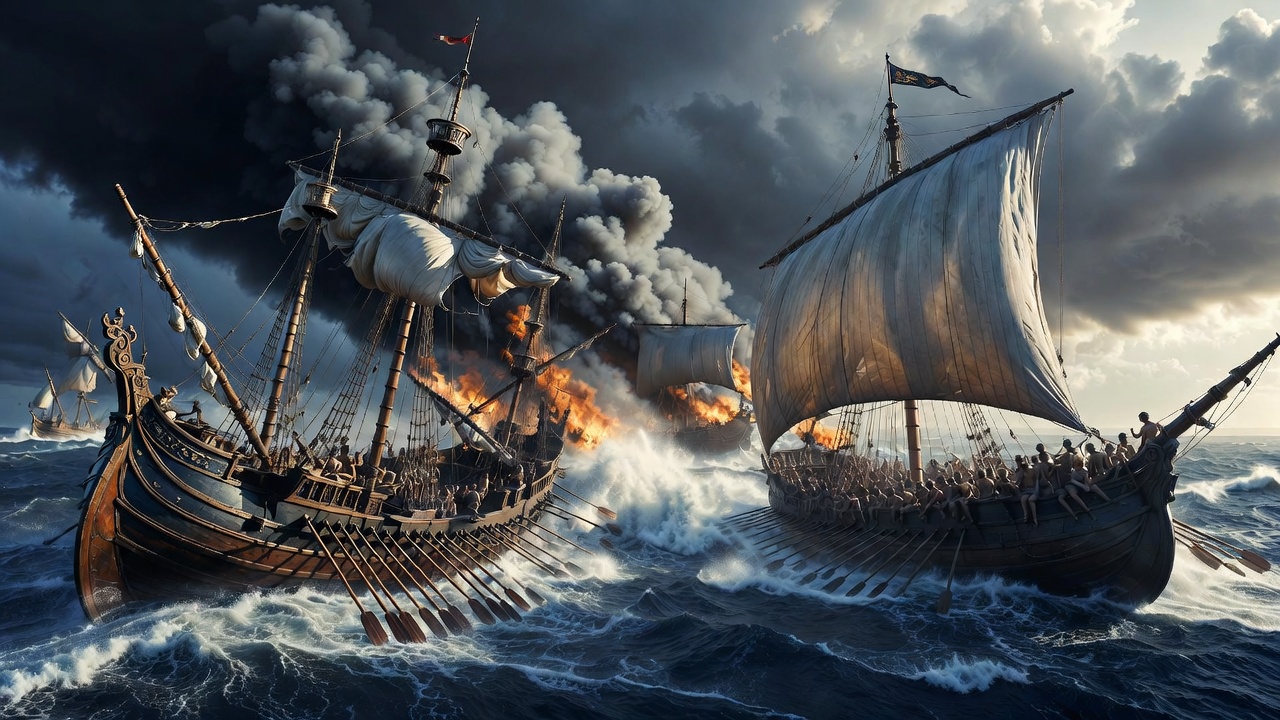
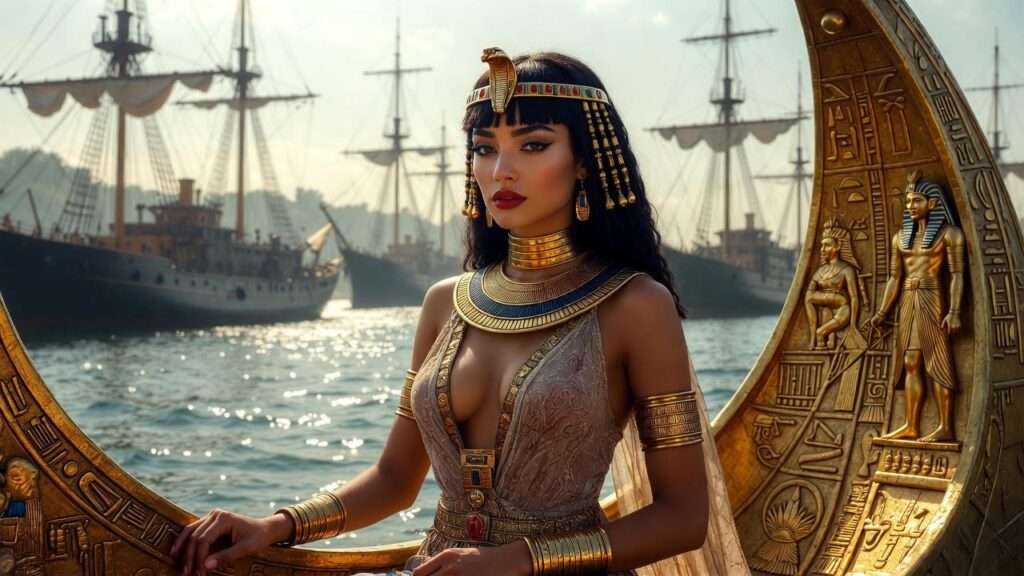
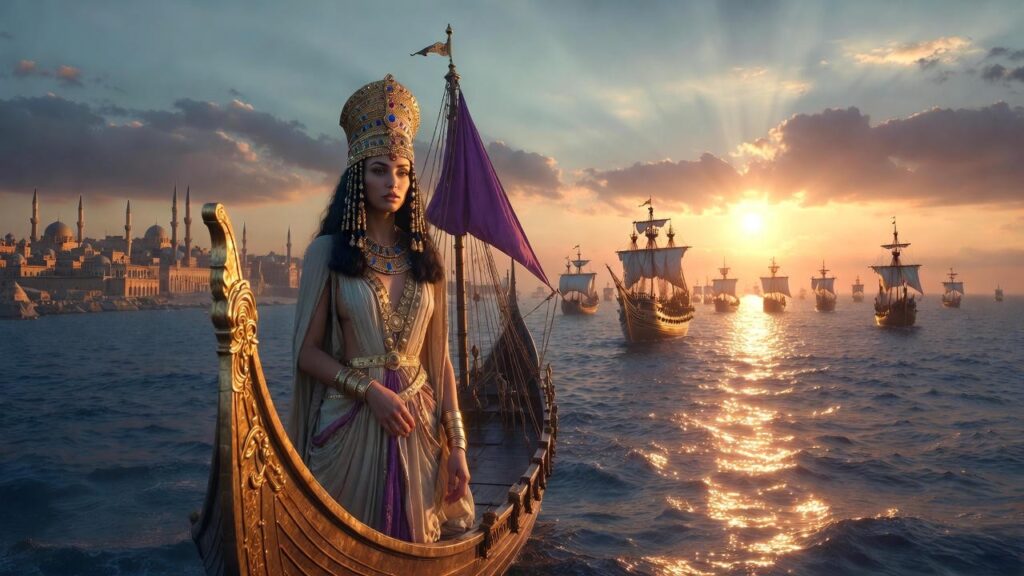
In Rome, Octavius Caesar and Lepidus discuss Antony’s absence and Pompey’s growing power. The triumvirs meet on a galley for a tense banquet. To seal peace, Antony agrees to marry Caesar’s sister Octavia—a pragmatic union that Cleopatra later learns of with fury. Meanwhile, Enobarbus delivers one of literature’s most famous descriptions: Cleopatra’s arrival on the Cydnus River in her golden barge, “like a burnish’d throne / Burn’d on the water,” purple sails perfumed, oars silver, evoking Venus herself. This speech captures Cleopatra’s irresistible allure and foreshadows the tragedy.
Act 3: Escalating Tensions and Betrayals
Antony returns to Egypt, forsaking Octavia and provoking Caesar’s wrath. War looms. At the Battle of Actium, Cleopatra’s fleet flees unexpectedly, and Antony follows— a moment of catastrophic betrayal in his eyes. Defeated, Antony rages at Cleopatra, calling her a “triple-turn’d whore.” Yet reconciliation follows amid despair. Enobarbus, witnessing Antony’s decline, defects to Caesar but later dies of shame and heartbreak.
Act 4: Despair, Defiance, and Final Battles
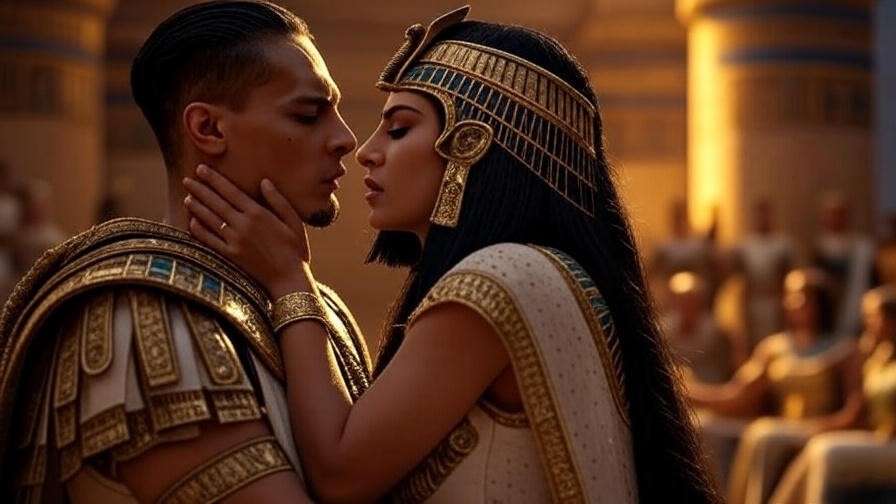
Antony’s forces crumble. Miscommunication abounds: Cleopatra feigns suicide to test Antony’s love; hearing the false report, he attempts suicide but survives long enough to be carried to her monument. In a poignant reunion, Antony dies in Cleopatra’s arms, urging her to seek honor with Caesar while preserving her dignity.
Act 5: Cleopatra’s Immortal Triumph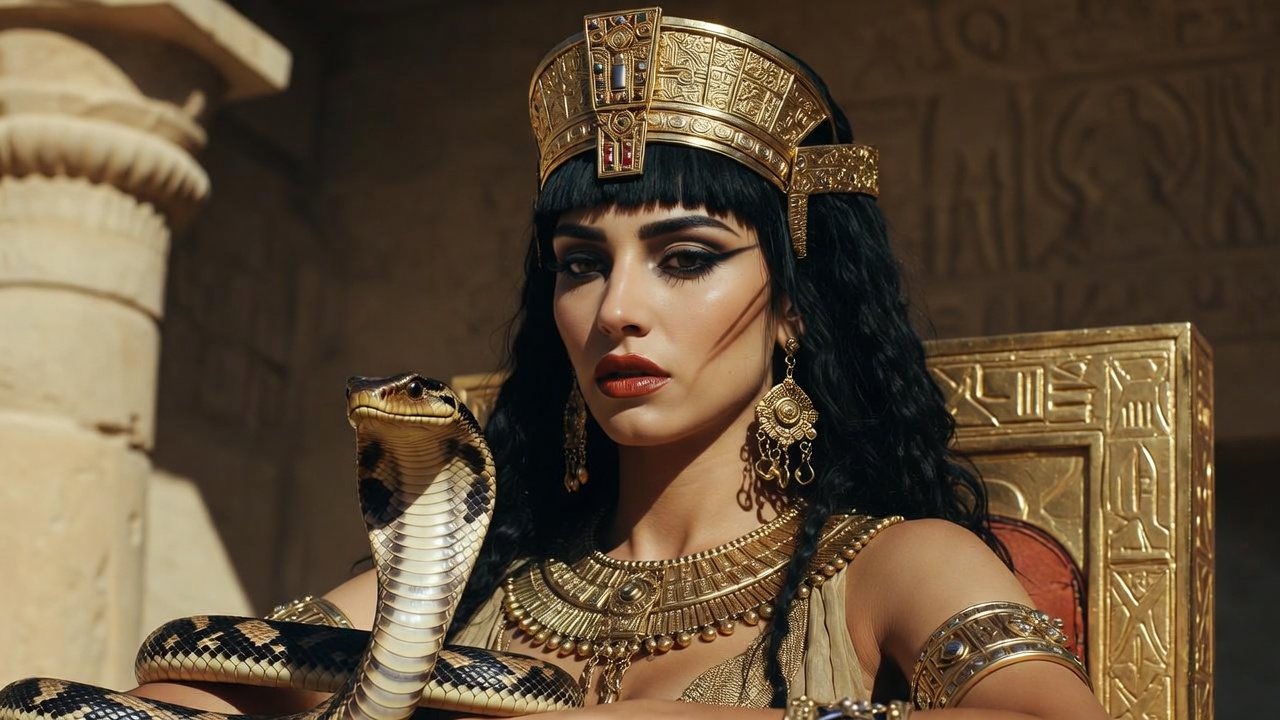
Cleopatra mourns but refuses Caesar’s captivity, fearing humiliation in Rome as a trophy. She stages her death with majestic theatricality, applying asps (poisonous snakes) to her breast. In her final soliloquy, she envisions reuniting with Antony in eternal bliss: “Give me my robe, put on my crown; I have / Immortal longings in me.” Caesar arrives too late, reflecting on their greatness even in defeat. The play closes on a note of awe rather than despair.
In-Depth Character Analysis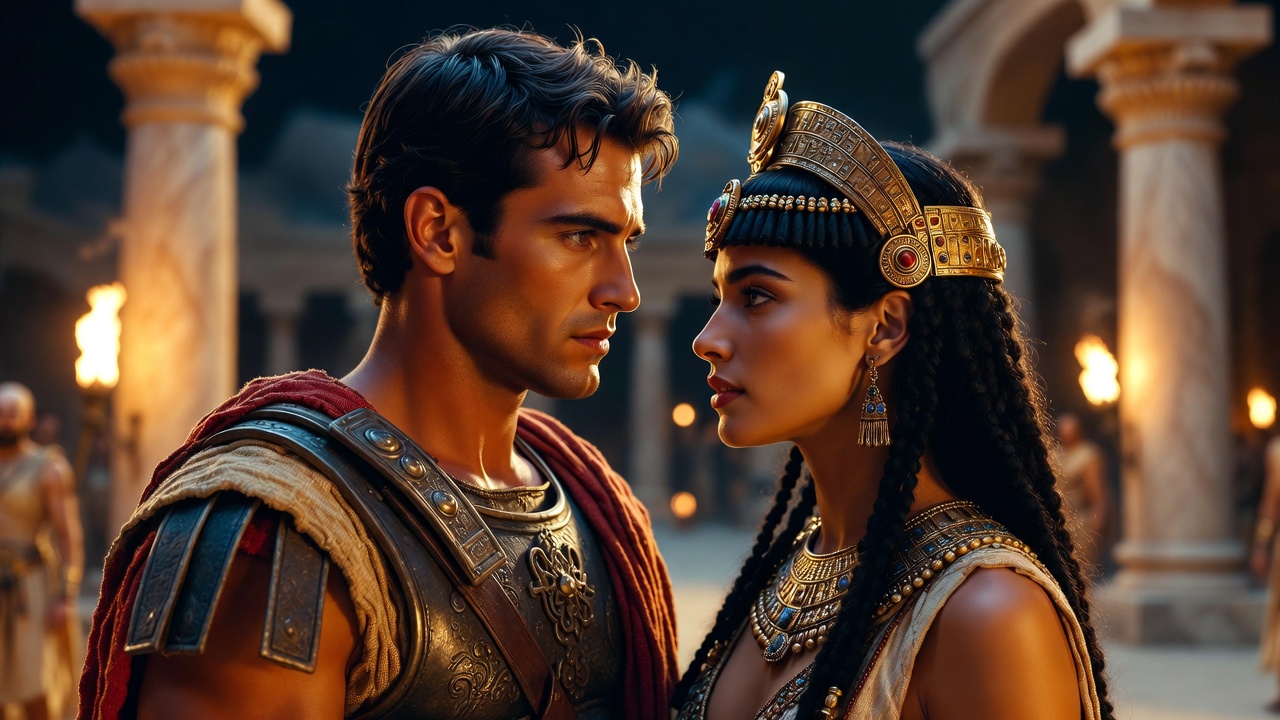
Shakespeare’s characters in Antony and Cleopatra are among his most psychologically complex, defying simple moral categories. Their contradictions drive the tragedy and elevate it beyond mere historical reenactment.
Mark Antony Antony begins as one of the “triple pillar[s] of the world,” a battle-hardened Roman general whose military prowess is legendary. Yet the play shows him in decline, caught in what Roman observers call “dotage.” His tragedy lies in his inability to reconcile two identities: the disciplined Roman soldier and the passionate lover enthralled by Cleopatra. Key moments reveal this fracture—his impulsive decision to follow Cleopatra at Actium, his explosive rage followed by tender reconciliation, and his botched suicide that leaves him dying in her arms. Antony is neither wholly heroic nor villainous; he is magnificently human. His final words—“I am / Antony yet”—assert identity even as he unravels, making his downfall profoundly moving.
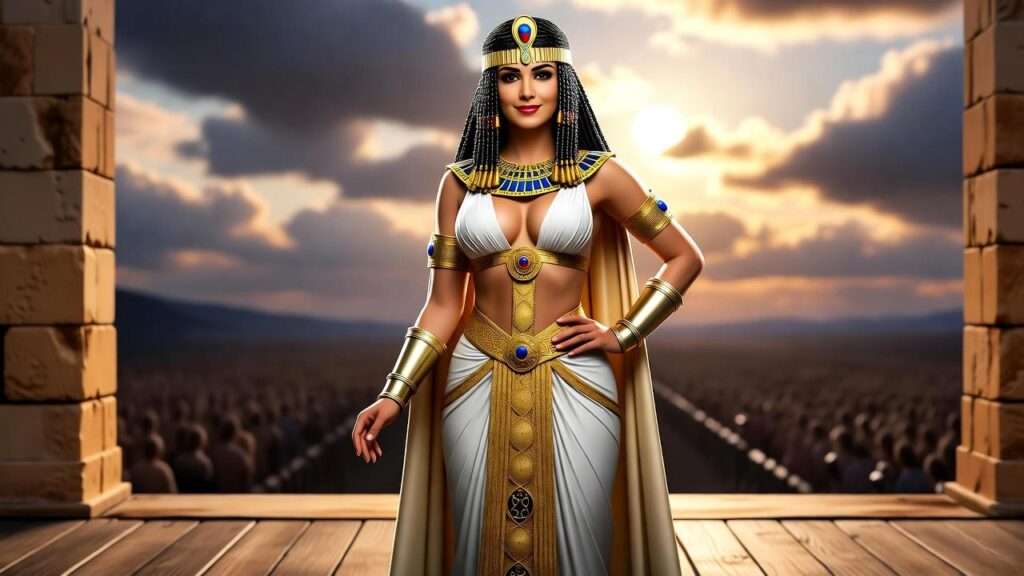
Cleopatra Cleopatra is Shakespeare’s most dazzling female creation. She is queen, seductress, actress, politician, mother, and mourner—all at once. Critics have long debated whether she is manipulative or genuinely in love, calculating or spontaneous. The truth is she is both, and more. Her volatility—teasing Antony, raging at messengers, feigning death, staging her suicide—can be read as theatricality, yet it also reveals profound agency. In a male-dominated world, she wields power through performance and emotion. Her death scene transforms her from “Egypt’s wanton queen” (as Caesar calls her) into a figure of mythic grandeur: “Give me my robe, put on my crown; I have / Immortal longings in me.” Cleopatra dies on her own terms, stealing the final act and ensuring her legend outlives Caesar’s victory.
Octavius Caesar Octavius (the future Augustus) serves as the cold, disciplined foil to Antony’s warmth and excess. He is ambition personified—methodical, humorless, and ruthlessly efficient. His language is clipped and legalistic; he views emotion as weakness. Yet Shakespeare subtly humanizes him: his grief at Antony’s death (“The breaking of so great a thing should make / A greater crack”) and his reluctant admiration for Cleopatra (“She shall be buried by her Antony”) reveal a flicker of awe beneath the politician’s mask. Caesar wins the empire but loses the play’s emotional center.
Enobarbus Antony’s loyal lieutenant provides the play’s moral and emotional commentary. His famous description of Cleopatra on the Cydnus is one of Shakespeare’s most lyrical passages, yet Enobarbus ultimately defects to Caesar, unable to bear Antony’s self-destruction. His guilt-ridden death—“I am alone the villain”—offers one of the tragedy’s most poignant subplots, illustrating the cost of divided loyalty.
Supporting Figures
- Octavia: The embodiment of Roman duty and restraint; her quiet dignity contrasts sharply with Cleopatra’s flamboyance.
- Charmian and Iras: Cleopatra’s devoted attendants, whose loyalty culminates in their own deaths beside their queen.
- Lepidus: A weak, drunken triumvir, used by Shakespeare for comic relief and to highlight the imbalance of power.
Major Themes Explored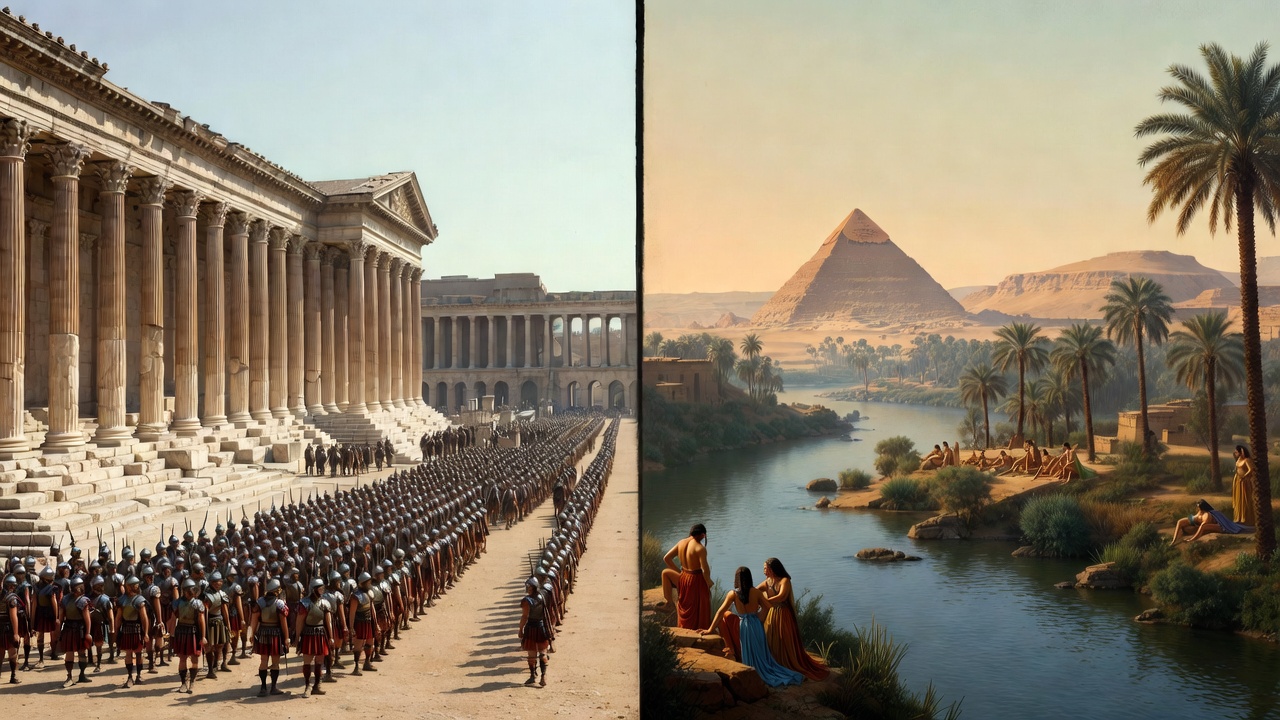
Love vs. Duty / Passion vs. Politics The central tension of the play. Rome represents order, reason, empire, and masculine virtue; Egypt symbolizes sensuality, fluidity, pleasure, and feminine power. Antony’s oscillation between these worlds destroys him, yet Shakespeare refuses to judge one as superior. The tragedy asks: Can love and empire coexist?
Power, Empire, and Betrayal Political alliances shift constantly—Antony marries Octavia for expediency, defects from her for love, and loses everything. Caesar’s cold pragmatism triumphs, but at the cost of human connection.
Gender Roles and Female Agency Cleopatra subverts patriarchal expectations. She commands armies, manipulates lovers, and engineers her own death. Her power lies not in physical strength but in language, performance, and desire—making her one of Shakespeare’s most subversive heroines.
Honor, Reputation, and Self-Image Characters obsess over how they are seen: Antony fears being “the strumpet’s fool,” Cleopatra dreads being paraded in Caesar’s triumph. Their suicides are final acts of self-definition.
Immortality Through Love and Legend Though defeated politically, the lovers achieve mythic status. Cleopatra’s death ensures “posterity” will speak of them forever—an artistic triumph over Caesar’s historical one.
Key Quotes and Literary Devices
Shakespeare’s language in this play is extraordinarily rich—lush, paradoxical, and imagistic. Here are some defining passages with brief analysis:
- Enobarbus on Cleopatra’s barge (Act 2, Scene 2) “The barge she sat in, like a burnish’d throne, / Burn’d on the water…” This speech turns reportage into poetry, blending sensuality and myth.
- Antony’s defiance (Act 1, Scene 1) “Let Rome in Tiber melt, and the wide arch / Of the ranged empire fall! Here is my space.” A breathtaking rejection of duty for love.
- Cleopatra’s final vision (Act 5, Scene 2) “I have immortal longings in me… Husband, I come: / Now to that name my courage prove my title!” She reclaims Antony as husband, elevating their bond beyond politics.
- Caesar’s epitaph (Act 5, Scene 2) “No grave upon the earth shall clip in it / A pair so famous.” Even the victor acknowledges their legendary status.
Shakespeare employs paradox (“make / As little as a crow” yet “infinite variety”), hyperbole, shifting perspectives, and water imagery (the Nile, the sea at Actium) to evoke fluidity and excess.
Symbolism and Motifs
- Rome vs. Egypt: Rigid marble vs. flowing Nile; discipline vs. sensuality.
- Water: Symbol of instability—rivers, seas, tears, dissolution.
- The asp: Deadly yet regenerative; Cleopatra’s instrument of death becomes her path to rebirth.
- Performance and role-playing: Both lovers constantly act roles—queen, general, lover, traitor—blurring authenticity and artifice.
Why Antony and Cleopatra Endures Today
The play speaks powerfully to modern audiences. Its exploration of work-life imbalance (duty vs. desire), toxic passion, power corruption, and gender dynamics feels strikingly contemporary. Films (notably the 1972 version with Charlton Heston and Hildegard Neil, or the 1983 BBC production) and recent stage revivals continue to reinterpret it.
Scholars argue it challenges Aristotelian tragedy: there is no single “error” or “fall,” but rather a beautiful, inevitable clash of values. Cleopatra’s final act—choosing death over subjugation—resonates as feminist defiance. In an age of political spectacle and personal branding, the play’s meditation on performance and legacy remains urgent.
FAQs
What is the main message of Antony and Cleopatra? There is no single message, but the play suggests that love, though destructive, can confer a kind of immortality that political victory cannot.
Is Antony and Cleopatra historically accurate? Shakespeare follows Plutarch closely for events but prioritizes emotional truth over factual precision, inventing dialogue and compressing timelines.
How does it differ from Julius Caesar? Julius Caesar focuses on republican ideals and assassination; Antony and Cleopatra explores the aftermath—personal passion versus emerging empire.
Why does Cleopatra use an asp? The asp (Egyptian cobra) was mythically associated with divine royalty. Her choice symbolizes both suicide and apotheosis.
Best ways to study or teach this play? Read alongside Plutarch excerpts; watch performances (Royal Shakespeare Company or 1972 film); analyze key speeches aloud; compare Rome/Egypt imagery.
Antony and Cleopatra is Shakespeare at his most expansive and most intimate. It is a tragedy of empire lost and love won in legend. Antony and Cleopatra sacrifice the world for each other, yet in doing so, they transcend history. Caesar may rule Rome, but the lovers rule posterity’s imagination.
For students, teachers, actors, or anyone captivated by Shakespeare’s Roman world, this play rewards repeated reading. Its poetry, its psychological depth, its refusal of easy judgment—these elements make it one of the richest experiences in all of literature.
If this summary has sparked your interest, dive into the text itself, watch a production, or explore related plays like Julius Caesar and Coriolanus. What aspect of the tragedy resonates most with you? Share your thoughts below—we’d love to continue the conversation.