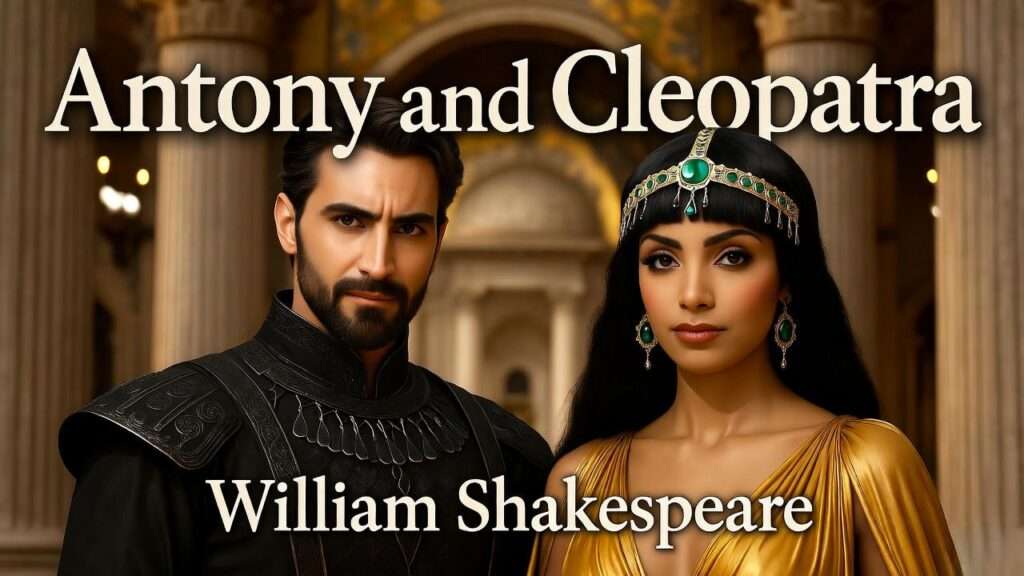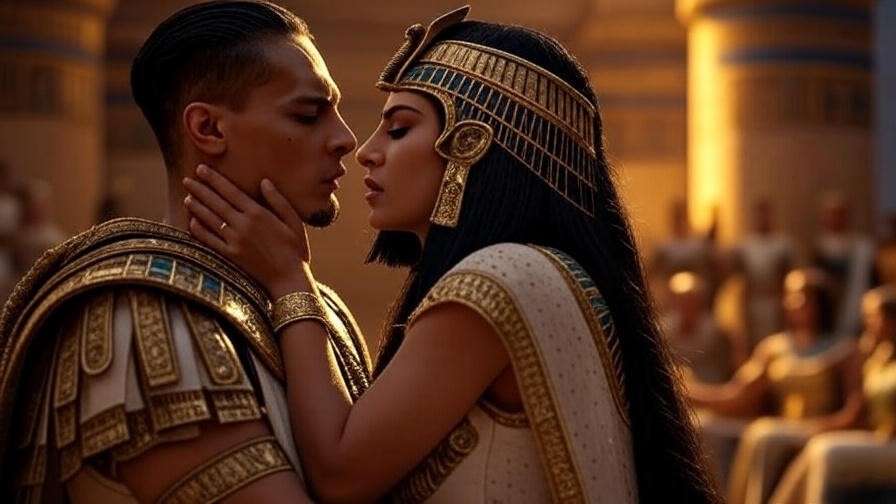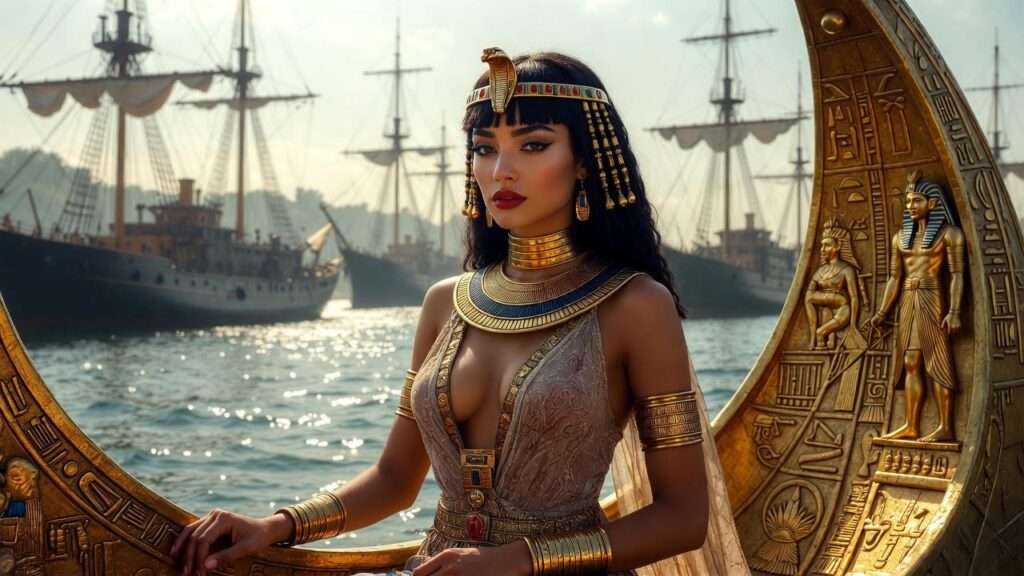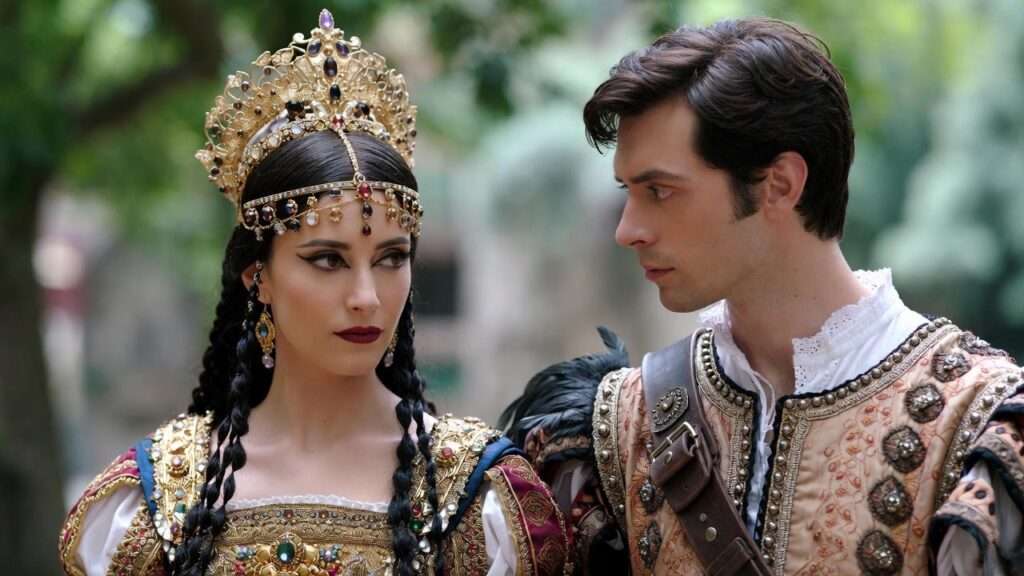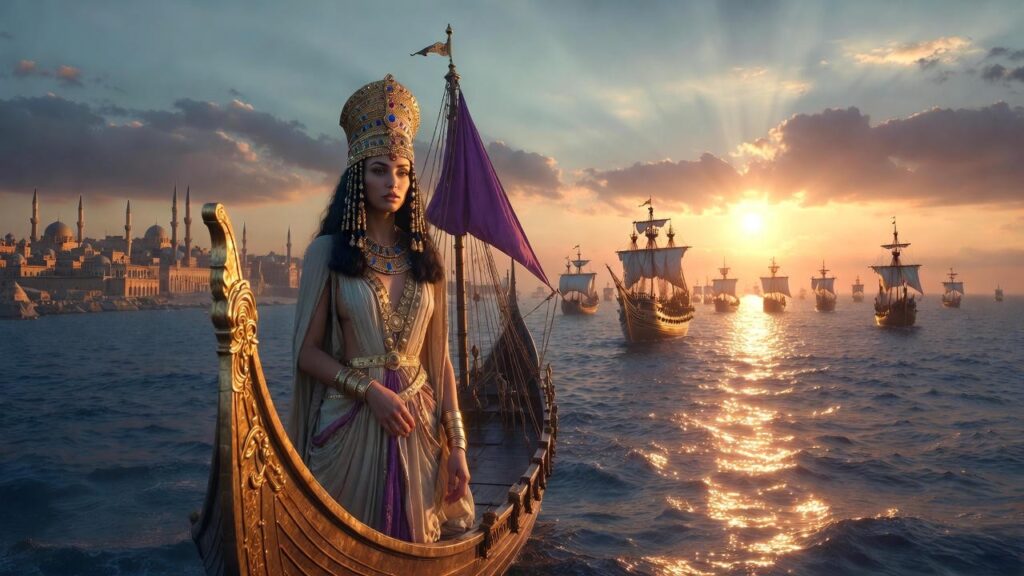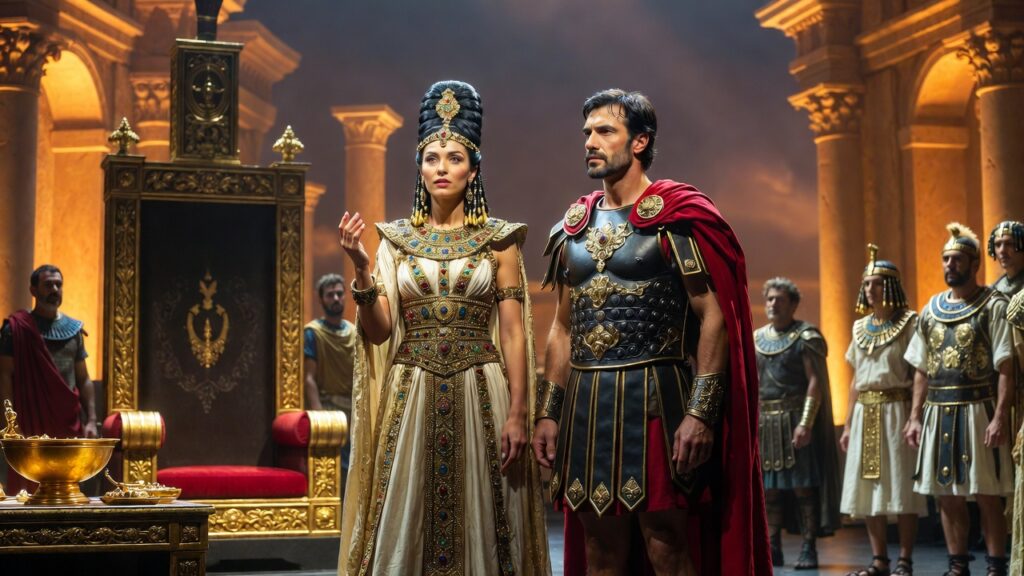
Imagine a stage where empires clash not with swords alone, but with the raw force of unspoken desire—where a queen’s glance can topple armies, and a general’s passion unravels the might of Rome. William Shakespeare’s Antony and Cleopatra remains one of his most intoxicating tragedies: a whirlwind of political intrigue, intoxicating romance, and tragic inevitability that has enthralled audiences since the early 17th century. In 2026, this epic tale feels strikingly contemporary, echoing themes of power struggles, personal sacrifice amid global chaos, and the perilous intersection of love and leadership.
If you’re searching for Antony and Cleopatra tickets, you’re not alone. Interest surges as innovative productions bring fresh life to the play—from wordless physical spectacles to free outdoor tours and bold dance interpretations. Finding the right performance, however, can feel overwhelming: sold-out runs, diverse styles (traditional verse vs. experimental movement), varying venues, and fluctuating prices make it hard to choose what truly delivers Shakespeare’s genius.
As a longtime scholar and enthusiast of Shakespeare’s works—having studied, taught, and attended countless stagings of his tragedies—this guide draws on deep textual insight, critical analysis, and up-to-date production details (as of March 2026) to help you secure the best Antony and Cleopatra tickets while enriching your experience. Whether you’re a first-time theatergoer, a devoted Bard aficionado, a student preparing for exams, or simply seeking cultural immersion, here you’ll find curated recommendations, practical buying advice, scene breakdowns, and literary context to make your night unforgettable.
Why See Antony and Cleopatra Live in 2026? The Enduring Power of Shakespeare’s Epic Tragedy
Shakespeare’s Antony and Cleopatra stands apart from his other Roman plays. Written around 1606–1607, it follows the historical fallout after Julius Caesar’s assassination: Mark Antony (a triumvir ruling the Roman Empire) becomes entangled with Cleopatra, Queen of Egypt, in a passionate affair that threatens Rome’s stability. Their love defies duty, geography, and politics, culminating in mutual destruction as Octavius Caesar consolidates power.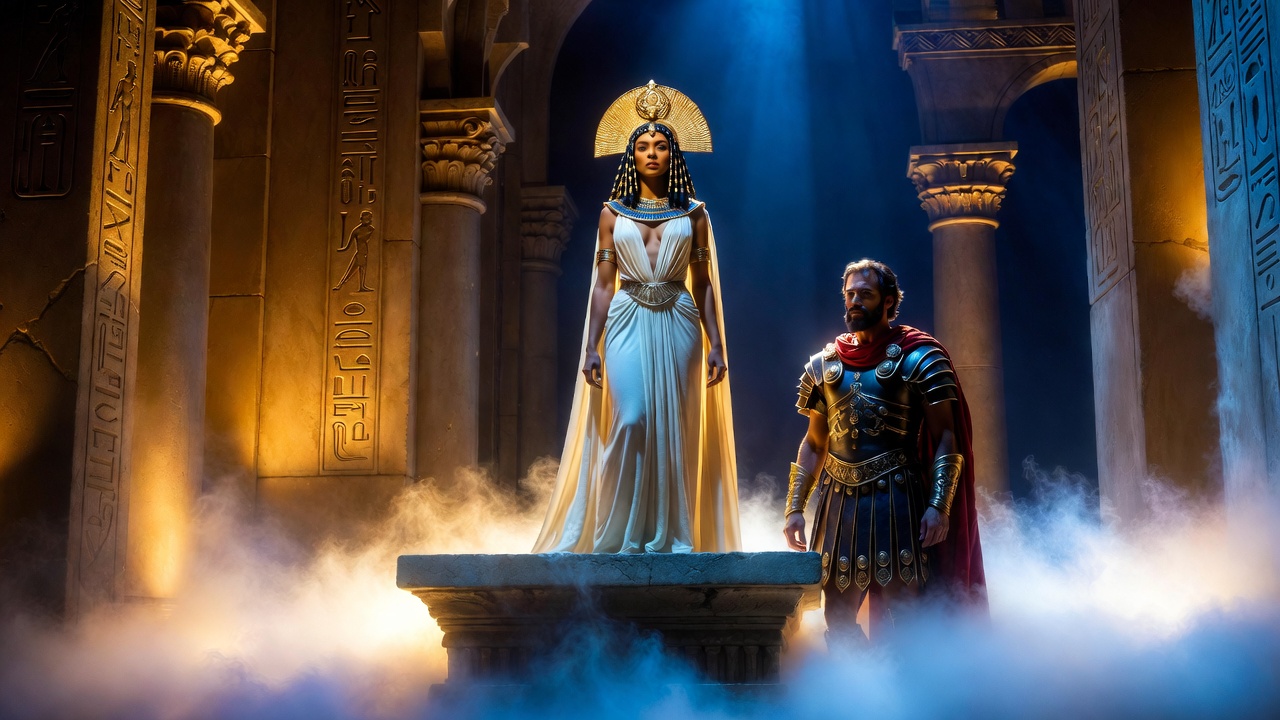
What elevates the play is its poetic density and thematic ambition. Antony’s famous line, “Let Rome in Tiber melt, and the wide arch / Of the ranged empire fall,” captures the intoxicating pull of desire over empire. Cleopatra’s mercurial nature—seductive, witty, regal, vulnerable—challenges stereotypes of female power. The tragedy explores East vs. West binaries, gender dynamics, and the cost of ambition, all rendered in Shakespeare’s richest blank verse and imagery.
On stage, the play’s challenges become strengths. Its sprawling scope (dozens of scenes across Rome, Egypt, and battlefields) demands inventive direction. Traditional productions preserve the language’s grandeur, while experimental ones—like physical theater or dance—amplify emotional intensity through movement, music, and visuals. In 2026, amid ongoing global discussions of leadership crises and personal vs. public duty, the play resonates more powerfully than ever.
Modern parallels abound: the seductive dangers of charismatic rulers, the tension between private passion and public responsibility, and how personal relationships can reshape geopolitics. Seeing it live transforms abstract themes into visceral experience—witnessing Antony’s torn loyalties or Cleopatra’s defiant final act leaves an indelible mark.
Top Current and Upcoming Productions of Antony and Cleopatra (2026 Guide)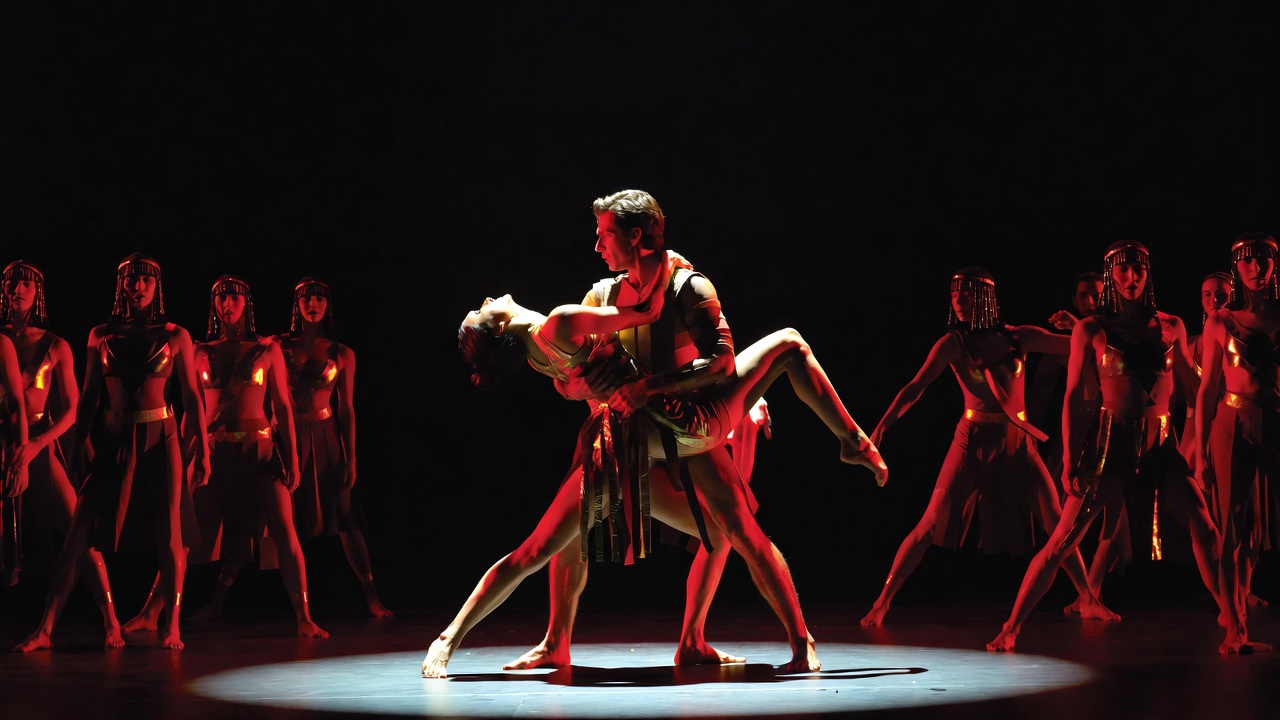
2026 offers diverse takes on the play. Here’s a curated selection of standout productions, focusing on those actively running or confirmed for the year.
Synetic Theater’s Wordless Masterpiece – Thomas Jefferson Theatre, Arlington, VA (February 21 – March 8, 2026) Synetic Theater’s signature silent adaptation returns triumphantly after a celebrated run at Shakespeare Theatre Company’s Klein Theatre (January 2026). Directed with epic choreography by Irina Tsikurishvili, this 95-minute, no-dialogue production uses physical theater, acrobatics, Georgian sword dancing, and stunning visuals to convey Shakespeare’s passion. Vato Tsikurishvili and Irina Kavsadze reprise their compelling leads as Antony and Cleopatra—critics praise the visceral intensity, operatic spectacle, and how movement captures the text’s poetry without words. Ideal for those who love innovative Shakespeare or want a fresh, emotionally charged experience. Tickets often sell quickly; check for $30-under-35 shows and discounts.
Long Beach Shakespeare Company – Helen Borgers Theatre, Long Beach, CA (March 7 – March 22, 2026) A bold new adaptation conceived and directed by Christian Lee Navarro, subtitled “Legends Among Us.” This reimagining strips the legend to raw intimacy, focusing on volatile love and collateral damage. The company emphasizes fresh interpretation in a season themed around enduring icons. Expect intimate staging that highlights character depth amid political chaos. Great for West Coast audiences seeking a contemporary lens on classic text. Tickets available via the company’s site; post-show talkbacks add educational value.
Gregory Hancock Dance Theatre – The Tarkington, Carmel, IN (June 5 – June 6, 2026) An epic dance adaptation with original music by Cory Gabel and choreography/costumes by Gregory Glade Hancock. This visual storytelling emphasizes power, passion, and timeless tragedy through movement. Student pricing at $30 makes it accessible; tickets start around $60. Perfect for dance enthusiasts or those wanting a non-verbal, highly theatrical take.
San Francisco Shakespeare Festival – Free Shakespeare in the Park (July – September 2026) Directed by Katja Rivera, this free outdoor tour explores empire and desire across Bay Area parks (Cupertino, Redwood City, San Francisco). Featuring Elizabeth Carter as Cleopatra and Jeremy Lee Ohta as Antony, it’s an accessible, community-focused production emphasizing duty vs. desire. No tickets needed—just show up early for prime spots. Ideal for families, newcomers, or budget-conscious fans.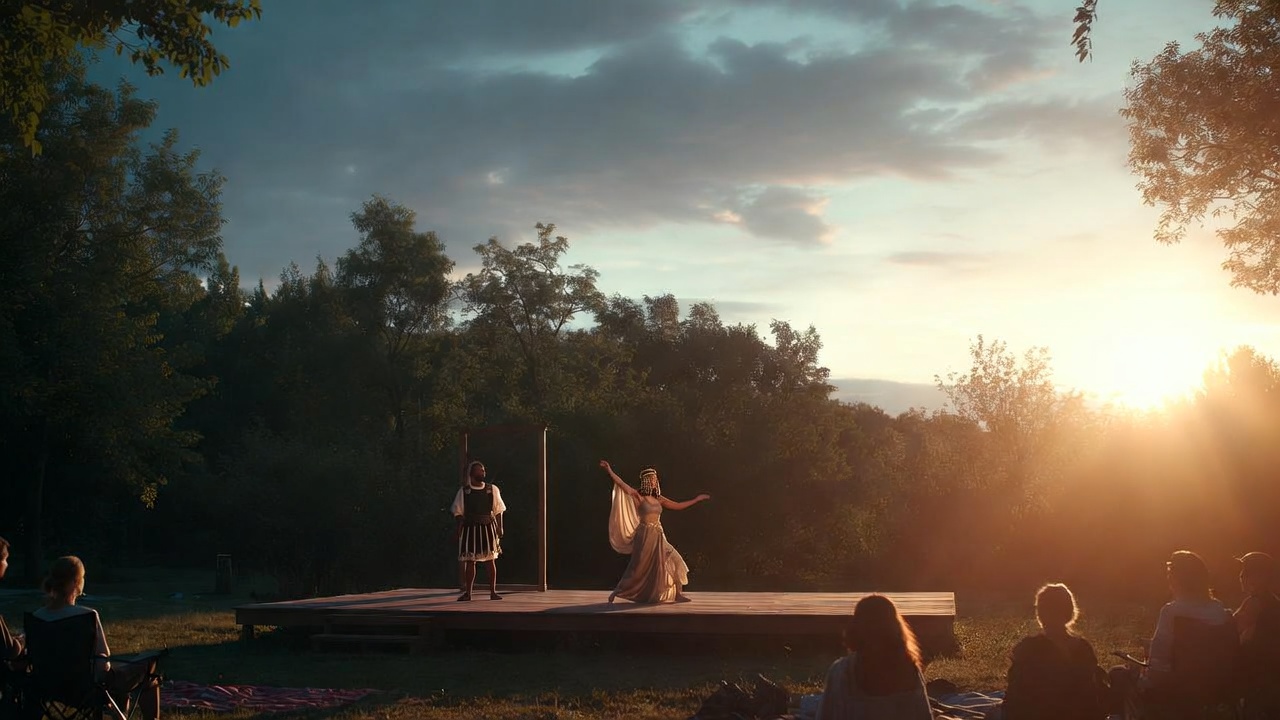
Other notable mentions include past echoes like John Adams’ opera (if revived) or smaller regional runs (e.g., Lancaster Shakespeare Theatre’s February–March staging). Watch for announcements—Shakespeare festivals often add pop-ups.
Where to Buy Antony and Cleopatra Tickets – Trusted Sources and Tips
Securing tickets starts with official channels for reliability and best pricing.
Official Venue Websites and Primary Sellers
- Synetic Theater: synetictheater.org or their Salesforce ticket portal—direct purchase ensures authenticity.
- Long Beach Shakespeare: lbshakespeare.org.
- Gregory Hancock: gregoryhancockdancetheatre.org or thecenterpresents.org.
- San Francisco Shakespeare: sfshakes.org (free—no purchase required). Use aggregators like TodayTix, AXS, or Vivid Seats only after checking primaries.
Discount and Accessibility Options Many offer student/senior/military deals (e.g., Synetic’s $30-under-35). Rush tickets, group rates, or TDF-style programs (in some cities) lower costs. For accessibility, contact venues for audio description, ASL, or relaxed performances.
Secondary Market Safety Platforms like StubHub or Vivid Seats offer resale when primaries sell out—verify seller ratings, use buyer guarantees, and track price drops. Avoid unverified scalpers.
International and Virtual Options Limited global tours in 2026, but check NT at Home or past recordings for virtual access. For live streaming, monitor festival announcements.
How to Choose the Right Production for You – Expert Comparison
With multiple Antony and Cleopatra productions running or scheduled in 2026, selecting the one that best matches your preferences, location, budget, and Shakespeare experience level is key to an unforgettable evening. Here’s a structured comparison to help you decide.
Traditional vs. Experimental – Which Style Suits Your Taste?
- Traditional spoken-text productions (e.g., Long Beach Shakespeare Company, San Francisco Shakespeare Festival, Lancaster Shakespeare Theatre) These preserve Shakespeare’s language in full or lightly adapted form. You’ll hear the soaring poetry—“Age cannot wither her, nor custom stale / Her infinite variety”—delivered by skilled actors in period or modern-dress costumes. Ideal if:
- You love the rhythm and beauty of Elizabethan English.
- You’re studying the play (for school, university, or personal enrichment) and want to experience the text as written.
- You prefer character-driven drama over visual spectacle.
- Experimental / Wordless / Dance-based productions (e.g., Synetic Theater, Gregory Hancock Dance Theatre) These distill the story through movement, choreography, music, lighting, and mime—often eliminating spoken dialogue entirely. Synetic’s version, for instance, uses Georgian martial dance, acrobatics, and intense physicality to convey betrayal, lust, and despair. Ideal if:
- You find Shakespeare’s dense language intimidating or prefer a more cinematic, visceral experience.
- You enjoy contemporary dance, physical theater, or productions like Sleep No More or The Lion King.
- You want something visually stunning that still honors the emotional core of the tragedy.
Venue and Experience Factors
- Indoor professional theaters (Synetic at Thomas Jefferson Theatre, Long Beach at Helen Borgers Theatre, Gregory Hancock at The Tarkington) Offer controlled acoustics, excellent sightlines, lighting design, and immersive soundscapes. Expect polished production values, comfortable seating, and amenities like bars or pre-show talks.
- Outdoor park settings (San Francisco Shakespeare Festival) Provide a magical, communal atmosphere—sunset over the bay, picnics on blankets, families and strangers sharing the story under the stars. Trade-offs include weather dependency, less controlled sound, and first-come seating. Perfect for relaxed, budget-free Shakespeare nights.
- Runtime considerations
- Synetic’s wordless version: ~95 minutes (no intermission) – intense and fast-paced.
- Full-text traditional productions: 2.5–3.5 hours with intermission – allows deeper immersion but requires more stamina.
Audience Tips – What to Expect and Prepare
- Read a plot summary beforehand (even if you plan to see a wordless version) so you can follow character motivations.
- Dress comfortably but respectfully—indoor theaters lean smart-casual; outdoor shows favor layers and blankets.
- Arrive 30–45 minutes early for outdoor free shows to secure good spots.
- Bring binoculars if sitting far back in larger venues.
- Stay for post-show discussions when offered—they often reveal fascinating directorial choices and historical context.
Deep Dive: Key Scenes and Performances That Make These Productions Shine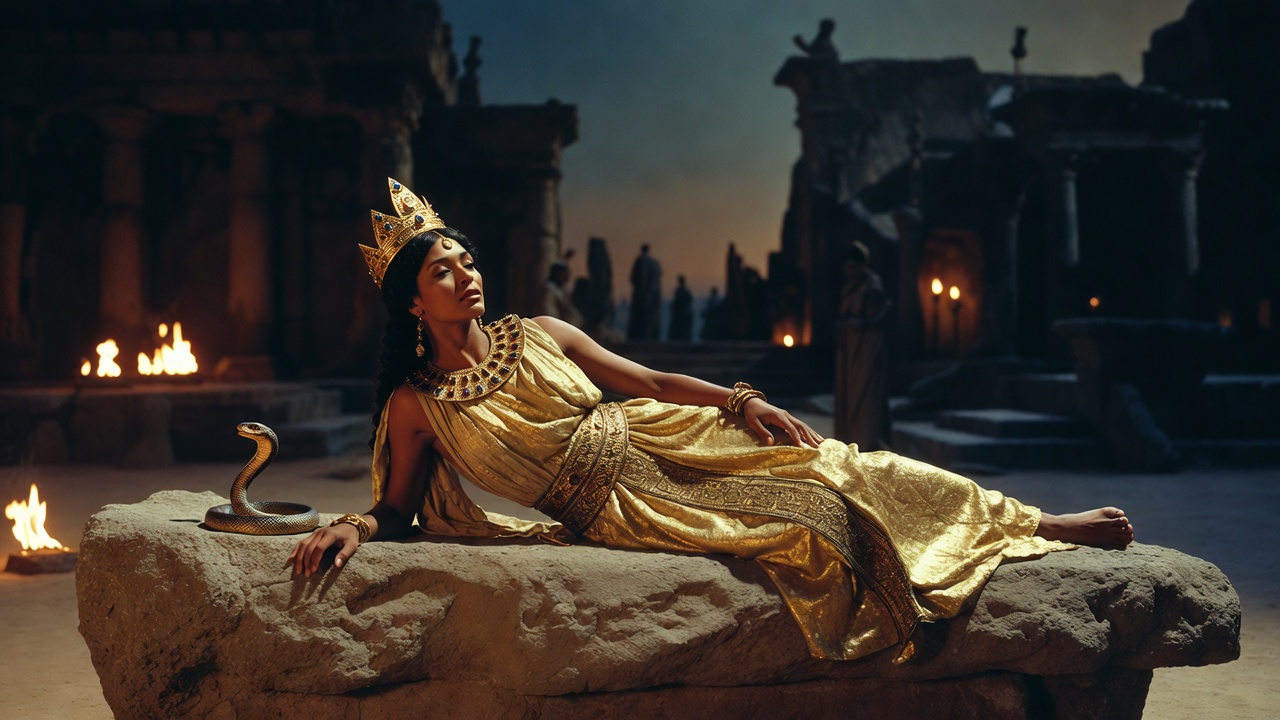
Certain moments in Antony and Cleopatra are theatrical lightning rods. Here’s how the 2026 productions are likely to bring them to life.
Iconic Moments Brought to Life
- Enobarbus’s “The barge she sat in…” speech (Act II, Scene 2) One of Shakespeare’s most celebrated descriptive passages. In spoken productions (Long Beach, San Francisco), actors deliver the lush imagery directly to the audience, painting Cleopatra’s arrival as mythic. In Synetic’s wordless staging, this becomes a breathtaking choreographed sequence—silk fabrics rippling like water, ensemble movement evoking the royal barge, golden lighting bathing Irina Kavsadze’s Cleopatra in divine light.
- The monument scenes (Act IV & V) Cleopatra’s refusal to leave her monument and Antony’s botched suicide are raw and intimate. Traditional productions emphasize the psychological torment through close-up delivery and minimal set. Dance versions translate the anguish into partnering lifts, falls, and desperate embraces—Gregory Hancock’s choreography is expected to excel here with original music underscoring the tragedy.
- Cleopatra’s death (Act V, Scene 2) “Give me my robe, put on my crown; I have / Immortal longings in me.” A tour de force for any actress. Kavsadze’s physical portrayal in Synetic reportedly conveys regal defiance and serene acceptance through stillness and slow, deliberate gesture—often more moving than words alone.
Standout Performers and Directorial Choices
- Irina Kavsadze (Cleopatra) & Vato Tsikurishvili (Antony) – Synetic Theater Their chemistry and athletic command have been praised as “electric” and “heartbreaking.” Tsikurishvili’s direction layers cultural influences (Georgian dance, Eastern motifs) to highlight the East-West tension.
- Elizabeth Carter (Cleopatra) & Jeremy Lee Ohta (Antony) – San Francisco Shakespeare Festival Expect grounded, emotionally honest performances suited to outdoor intimacy—directors often emphasize Cleopatra’s wit and political savvy alongside her passion.
Directors across these productions are leaning into the play’s spectacle while preserving its humanity—avoiding caricature in favor of complex, flawed characters.
Enhancing Your Experience – Shakespeare Insights and Resources
Attending live is only part of the journey. These resources deepen appreciation.
Must-Read Passages Before Attending
- Cleopatra’s “infinite variety” description (II.ii.234–241) – the heart of her mythic allure.
- Antony’s “Let Rome in Tiber melt” outburst (I.i.33–36) – captures love’s reckless power.
- Enobarbus’s barge speech (II.ii.190–226) – Shakespeare at his most painterly.
- Cleopatra’s final monologue (V.ii.274–320) – a masterclass in tragic dignity.
Further Reading and Viewing Recommendations
- Plutarch’s Lives (North’s translation) – Shakespeare’s main source.
- Books: Janet Adelman’s The Common Liar (feminist reading); Coppélia Kahn’s Roman Shakespeare.
- Films: 1963 Joseph L. Mankiewicz version (Elizabeth Taylor & Richard Burton – lavish but dated); 1972 Charlton Heston film; BBC 1981 television production.
- Adaptations: John Adams’ 2022 opera Antony and Cleopatra (if revived); film versions of the play’s key scenes on YouTube.
Join the Conversation – Shakespeare Communities
- Local theater groups and Shakespeare societies (check Meetup or Facebook).
- Online: Reddit r/shakespeare, Shakespeare Birthplace Trust forums, Folger Shakespeare Library events.
- Post-show: Share your thoughts in venue talkbacks or on social media with #AntonyAndCleopatra2026.
Frequently Asked Questions (FAQs)
Are there any Antony and Cleopatra productions near me in 2026? Check the list above and visit venue websites or Shakespeare festivals near Dhaka (or your travel plans). Regional tours and festivals sometimes reach Asia—monitor Royal Shakespeare Company or Globe international announcements.
How much do tickets typically cost? Range from free (San Francisco park tour) to $30–$40 student/rush tickets (Synetic, Gregory Hancock) to $60–$150 for premium seats in professional runs. Secondary market can be higher during peak demand.
Is the play suitable for first-time Shakespeare viewers? Yes—especially wordless or dance versions (Synetic, Hancock) which rely on universal emotions rather than dense language. Traditional productions benefit from a quick plot summary.
What’s the difference between the play and the John Adams opera? The opera condenses the story, adds modern orchestration, and emphasizes musical motifs over spoken verse. The Shakespeare play offers richer dialogue and psychological depth.
How can I get last-minute or cheap tickets? Monitor TodayTix, venue rush policies, student discounts, or secondary sites like StubHub (with buyer protection). Sign up for venue newsletters for flash sales.
Antony and Cleopatra is more than a tragedy—it’s a mirror held up to the intoxicating, destructive forces of love, power, and ambition. In 2026’s vibrant crop of productions, from Synetic’s breathtaking physicality to San Francisco’s free community staging, there’s an interpretation for every taste and budget.