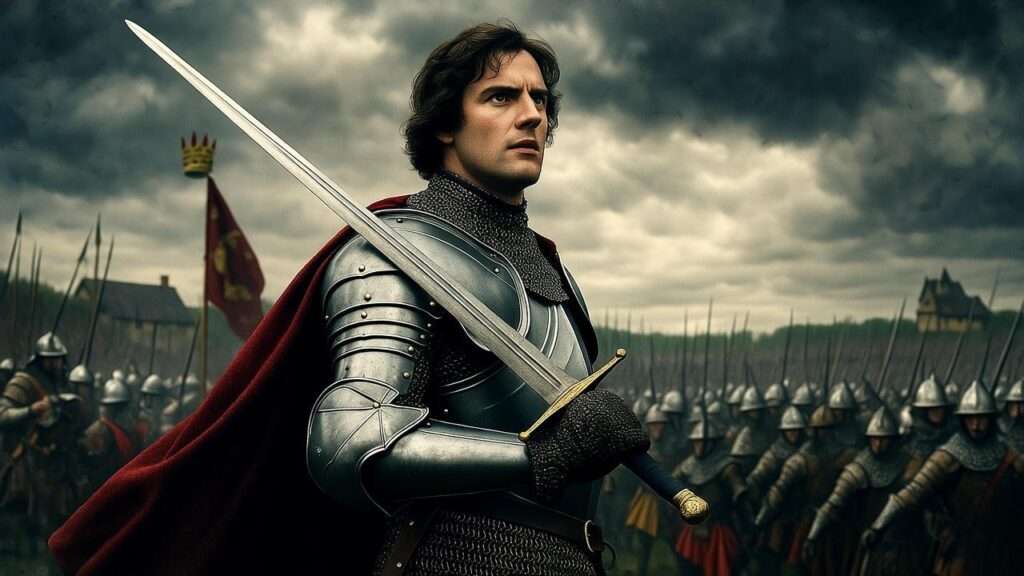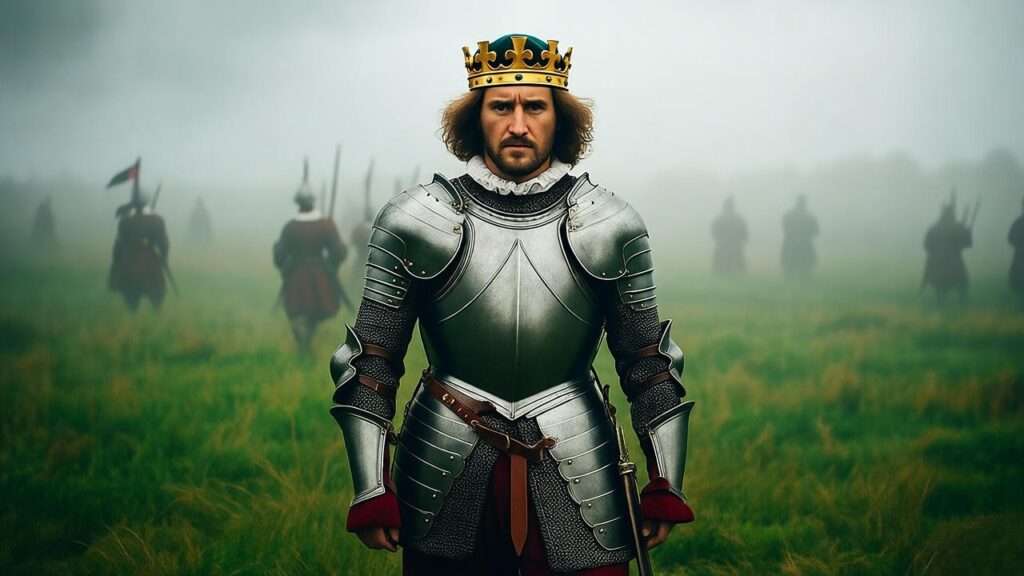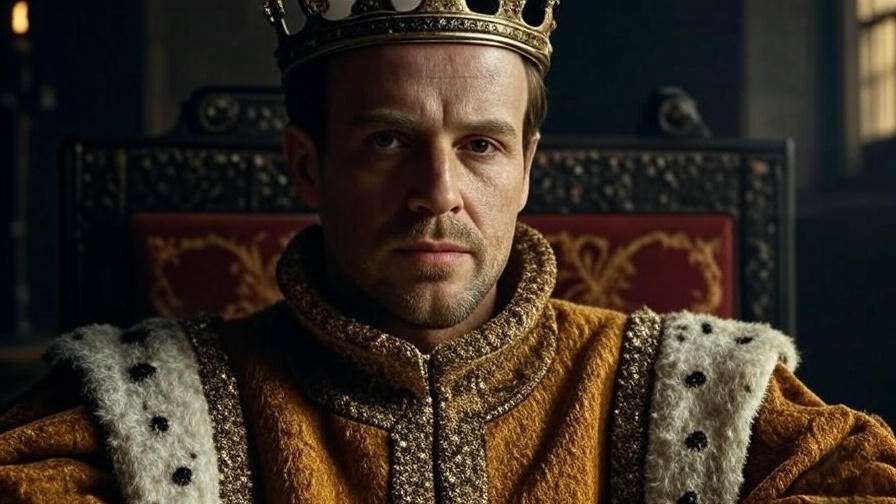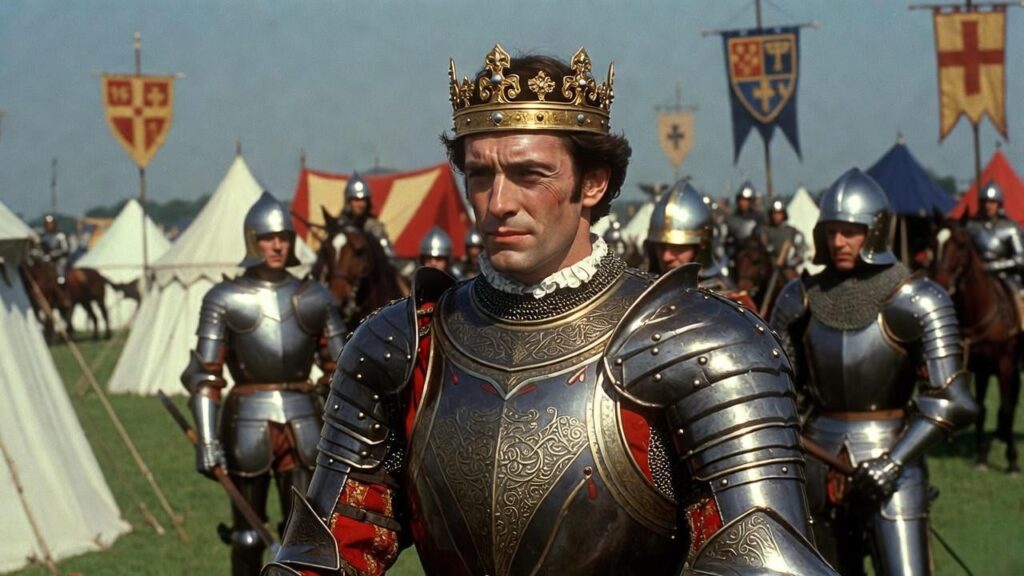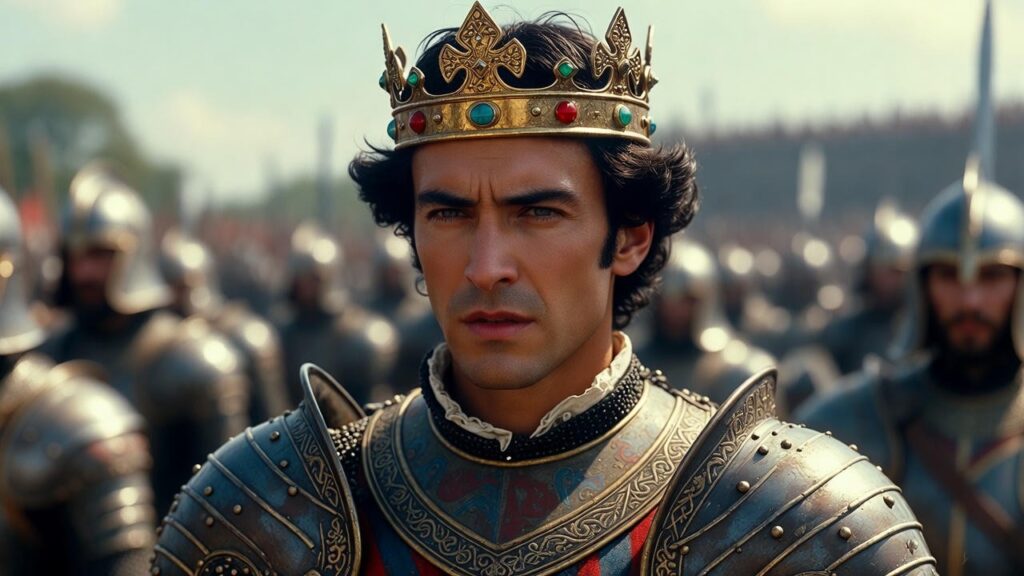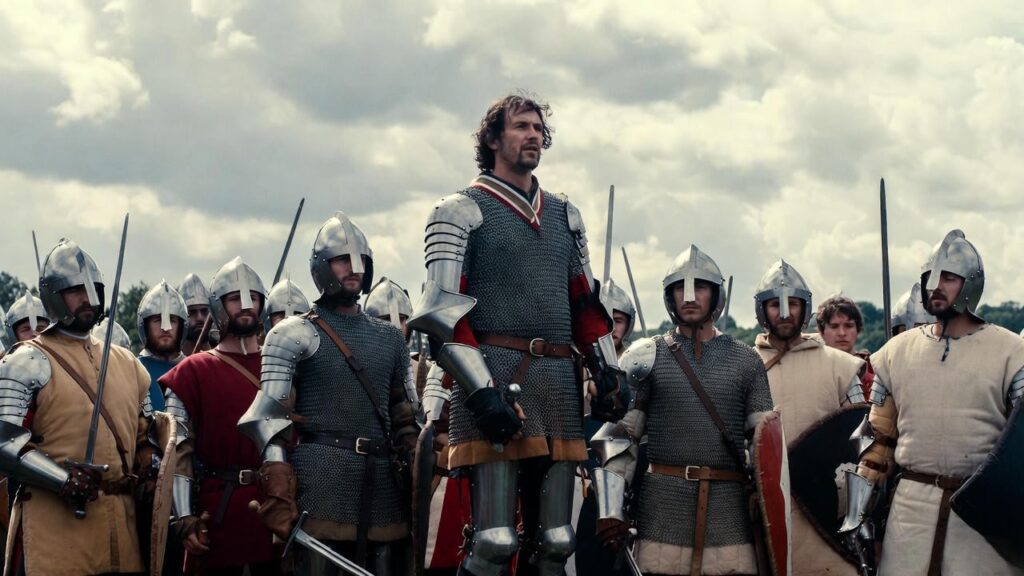
In one of Shakespeare’s most stirring moments, King Henry V rallies his outnumbered troops before the Battle of Agincourt with the immortal words: “We few, we happy few, we band of brothers.” Yet while audiences are swept up in this vision of egalitarian camaraderie, few pause to consider Henry’s literal royal siblings—the brothers and sisters who shaped his path to the throne and whose lives intertwined with his legendary reign.
Henry V’s siblings were more than mere footnotes in medieval history or supporting figures in the Henriad. They were vital players in the political drama of the Lancastrian dynasty, offering Shakespeare rich material for exploring themes of loyalty, rivalry, duty, and the heavy burdens of kingship. This comprehensive guide delves deep into their historical realities and dramatic portrayals, providing Shakespeare enthusiasts, students, and history lovers with the detailed context needed to fully appreciate the plays.
Whether you’re preparing for a production, studying the history plays, or simply curious about the real family behind one of England’s most iconic monarchs, this article delivers the in-depth answers you seek. From battlefield exploits to strategic marriages, discover how Henry V’s siblings enriched both English history and Shakespeare’s timeless drama.
The Historical Family Background of Henry V
To understand Henry V’s siblings, we must first examine the turbulent Lancastrian origins. Henry V—born Henry of Monmouth around 1386/1387—was the eldest son of Henry Bolingbroke (later Henry IV) and Mary de Bohun. His father’s usurpation of the throne from Richard II in 1399 transformed the family from powerful nobles into a ruling dynasty under constant threat of rebellion.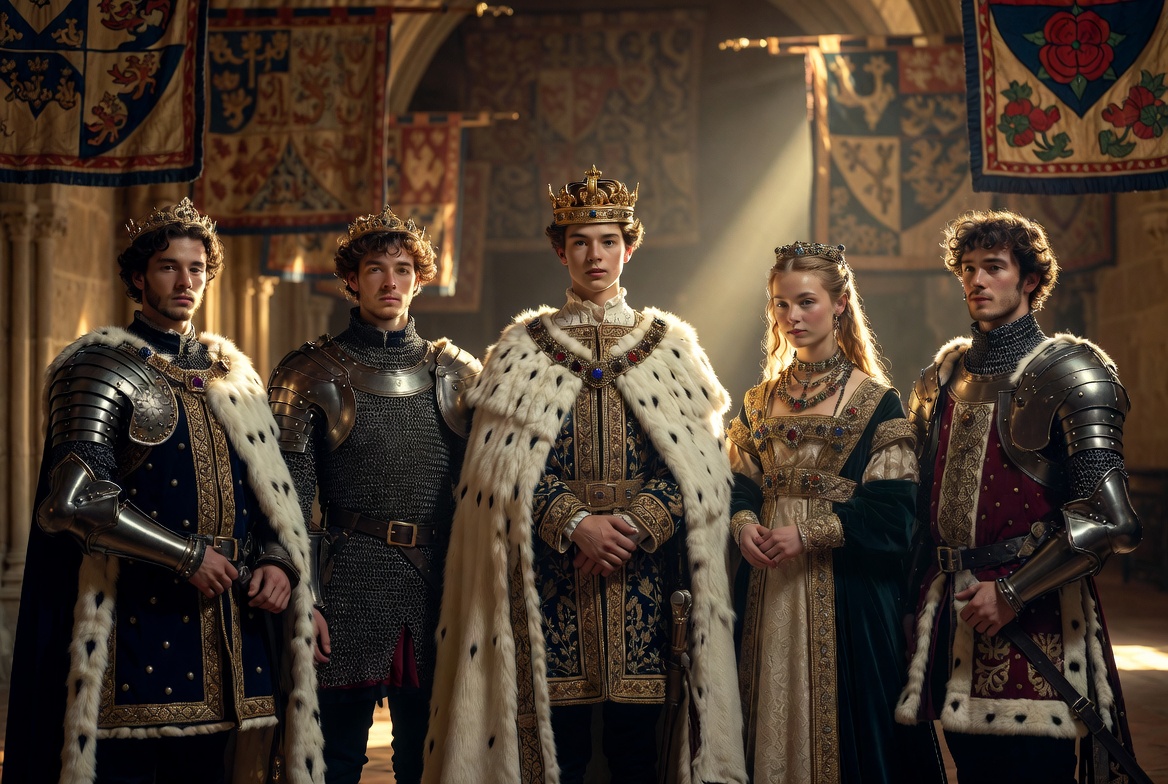
Henry IV and Mary de Bohun – Parents of a Royal Dynasty
Mary de Bohun, daughter of the Earl of Hereford, married Henry Bolingbroke in 1380 or 1381. She bore at least six children before dying in 1394, likely from complications related to childbirth. Her death left young Henry (then about seven) and his siblings without their mother during formative years. Henry IV’s subsequent marriage to Joan of Navarre produced no further children, making the offspring of Mary de Bohun the core Lancastrian line.
This family operated under the shadow of illegitimacy claims and rival Yorkist branches, a tension Shakespeare masterfully exploits throughout the history plays.
Complete List of Henry V’s Siblings
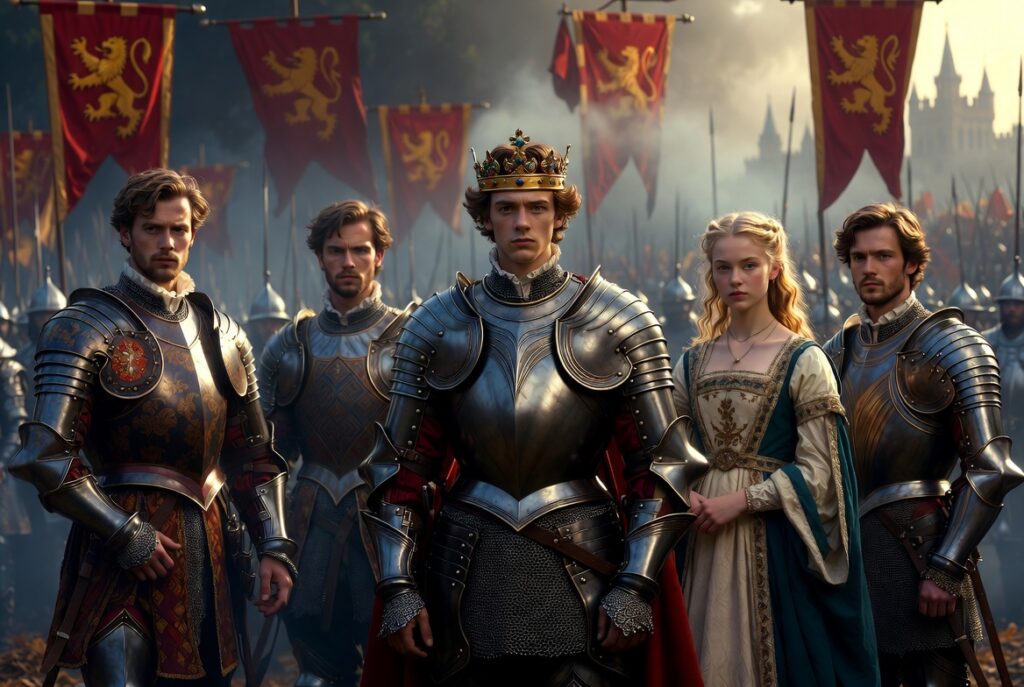
Henry V had three younger brothers and two sisters who survived infancy:
- Thomas, Duke of Clarence (1387/1388–1421): The second son, known for his charisma and military inclination. He often served as a rival or counterpoint to Henry’s more disciplined leadership.
- John, Duke of Bedford (1389–1435): The steadfast middle brother, renowned for administrative skill and loyalty. He later became a key regent.
- Humphrey, Duke of Gloucester (1390–1447): The youngest brother, scholarly yet ambitious, often called the “Good Duke Humphrey.”
- Blanche of Lancaster (1392–1409): Married to Louis III, Elector Palatine; she died young.
- Philippa of Lancaster (1394–1430): Married Eric of Pomerania, King of Denmark, Sweden, and Norway; she became a capable queen consort.
These siblings formed a tight-knit group that Henry V relied upon heavily once he ascended the throne in 1413.
Shakespeare’s Portrayal of Henry V’s Brothers in the Henriad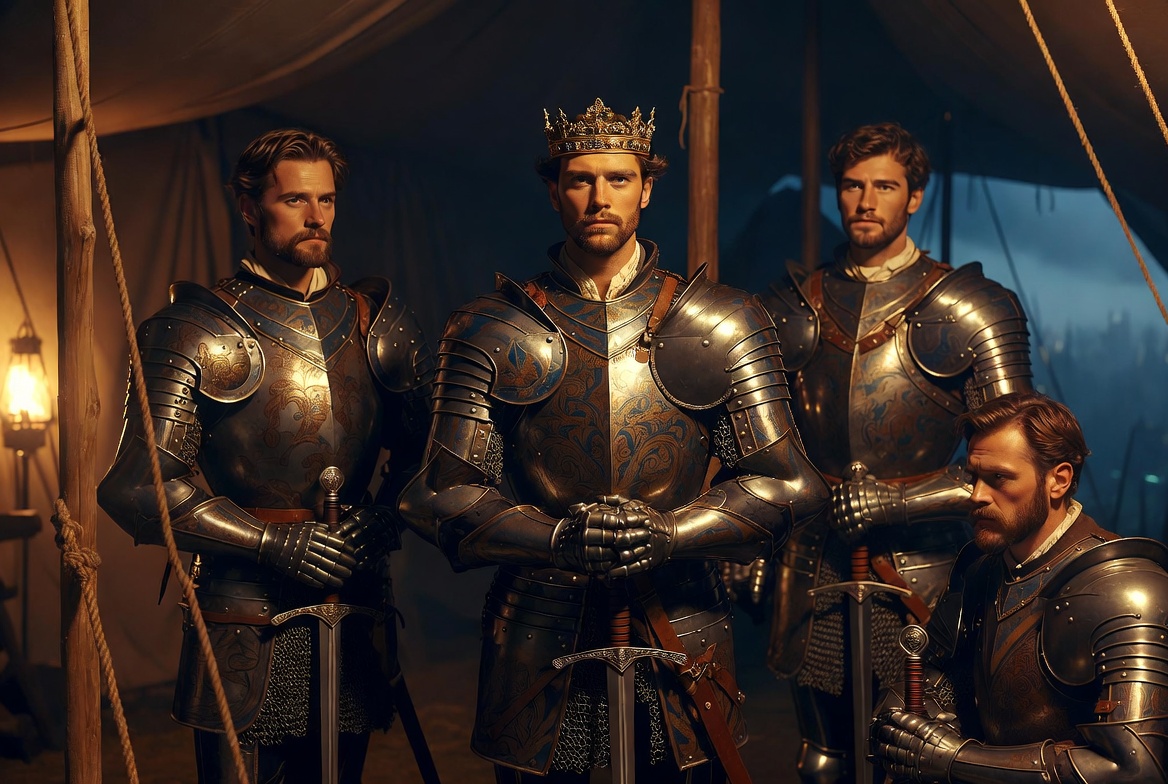
Shakespeare’s Henriad (Richard II, Henry IV Parts 1 and 2, and Henry V) compresses and dramatizes history for theatrical effect. While the sisters are largely absent—reflecting the plays’ focus on male succession and warfare—the brothers appear as loyal supporters who underscore Henry’s leadership.
Thomas, Duke of Clarence – The Underrepresented Brother
In Henry IV Part 2, Clarence (sometimes called Thomas) appears but has limited lines. Historically, he was a capable commander who led forces in France during Henry’s absences and died heroically at the Battle of Baugé in 1421. Shakespeare uses him sparingly, perhaps to avoid diluting Henry’s singular heroism. His presence subtly highlights fraternal dynamics and potential rivalry, adding tension to the royal household.
John, Duke of Bedford – The Loyal Regent-to-Be
Bedford emerges as the embodiment of reliable duty. In Henry V, he accompanies the king and receives honorable mentions, such as in the famous St. Crispin’s Day speech: “Harry the King, Bedford and Exeter, Warwick and Talbot, Salisbury and Gloucester…” His portrayal foreshadows his critical historical role as regent of France after Henry’s death. Shakespeare paints him as steady and competent, contrasting with more flamboyant figures.
Humphrey, Duke of Gloucester – The Scholarly Warrior
Gloucester is the most visible brother on stage. In Henry V, he appears in key scenes, including the night before Agincourt. When Henry says, “Gloucester, ’tis true that we are in great danger,” Gloucester’s presence allows the king to deliver profound reflections on leadership and providence. Historically, he fought at Agincourt and later became a controversial regent in England, known for his patronage of learning (founding what became Oxford’s Bodleian Library) and political ambitions.
Thematic Role of Brotherhood in Shakespeare’s Plays
Shakespeare contrasts literal royal brotherhood with the metaphorical “band of brothers” among common soldiers. This juxtaposition deepens themes of unity versus division, loyalty under pressure, and the isolating nature of power. Henry’s brothers model fraternal support while reminding audiences of the precariousness of Lancastrian rule.
The Sisters of Henry V – Political Alliances on the European Stage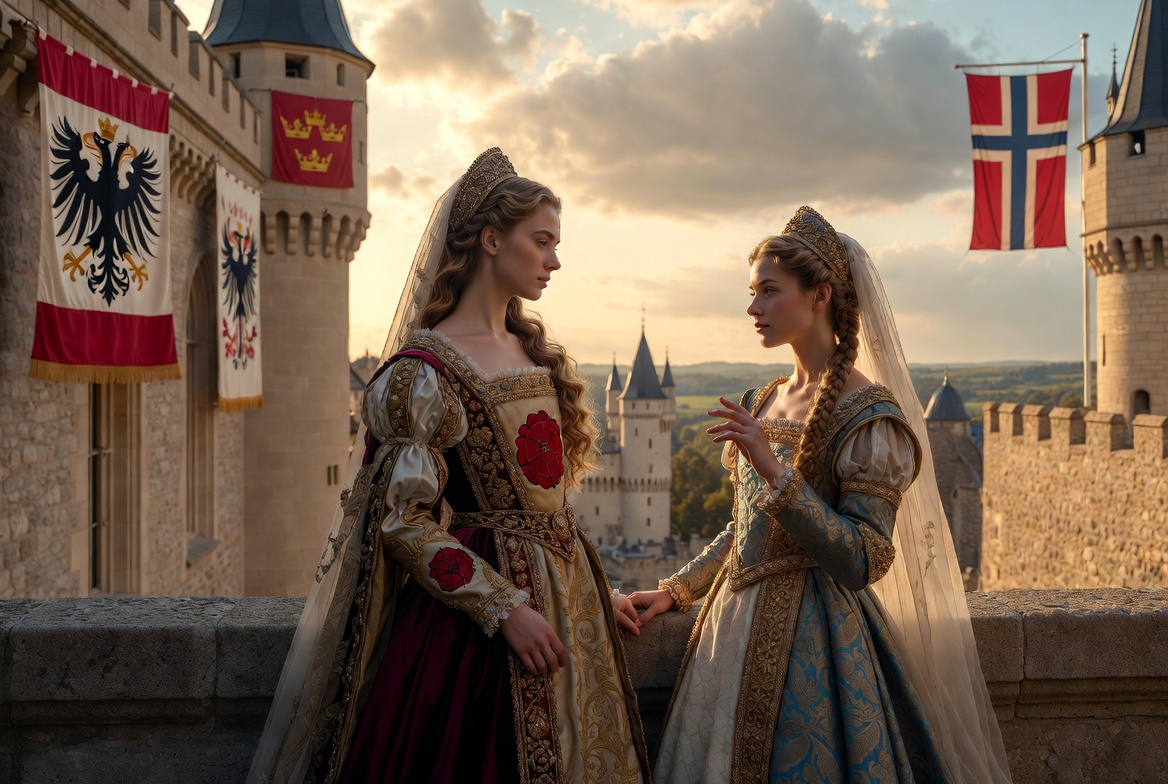
While Shakespeare’s history plays center predominantly on male characters and the martial world of kingship, Henry V’s sisters played equally crucial roles in the broader Lancastrian strategy through diplomatic marriages. Their omission from the dramas reflects Shakespeare’s tight focus on English domestic politics and the Wars of the Roses’ male-driven succession crises, yet understanding them completes the picture of a dynasty that leveraged all its children for power.
Blanche and Philippa – Diplomatic Brides
Blanche of Lancaster (1392–1409) married Louis III, Elector Palatine, in 1402 at the age of ten. This union strengthened ties with the Holy Roman Empire and the Rhineland territories. Tragically, Blanche died young at 17, possibly from plague or complications after childbirth. Though her life was short, her marriage exemplified the Lancastrian policy of forging continental alliances to legitimize their rule and isolate potential French-backed claimants.
Philippa of Lancaster (1394–1430) enjoyed a far more prominent international role. Married in 1406 to Eric of Pomerania, King of the Kalmar Union (encompassing Denmark, Sweden, and Norway), Philippa became a respected queen consort. She actively participated in governance, acted as regent during her husband’s absences, and was known for her intelligence and piety. Her court in Scandinavia served as a cultural and political bridge. Philippa’s successful queenship stands in contrast to the often turbulent lives of her brothers and highlights how royal daughters extended Lancastrian influence far beyond England’s shores.
How the Sisters Reflect Lancastrian Foreign Policy
Henry V himself continued this strategy through his famous marriage to Catherine of Valois, aimed at securing France. The siblings collectively formed a web of alliances that supported Henry’s military ambitions in France by reducing the risk of multi-front conflicts. In Shakespeare’s dramatic universe, these alliances remain largely offstage, allowing the playwright to concentrate on the personal transformation of Prince Hal into the warrior-king. However, aware readers and audiences benefit from recognizing that the “band of brothers” rhetoric gains deeper resonance when viewed against this full family network of support and sacrifice.
Key Scenes and Quotes Featuring or Referencing the Siblings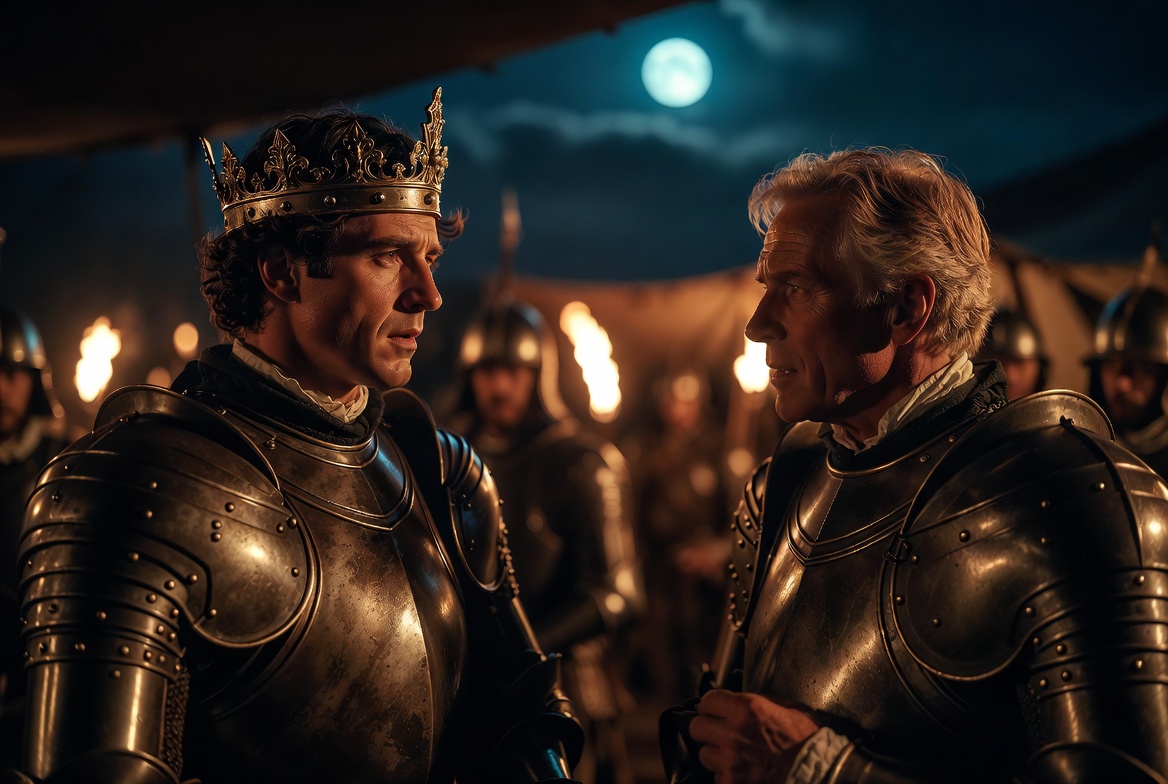
Shakespeare weaves references to Henry’s brothers into pivotal moments, using them to illuminate the king’s character and the weight of royal responsibility.
One notable example occurs in Henry V, Act 1, Scene 2, where the king consults his nobles—including his brothers—on the legitimacy of his claim to France. The presence of Bedford and Gloucester lends gravity to the council scene. Later, before Agincourt, Henry’s exchange with Gloucester reveals vulnerability:
“Gloucester, ’tis true that we are in great danger; The greater therefore should our courage be.”
This intimate moment humanizes Henry and showcases Gloucester as a trusted confidant. In Henry IV Part 2, the dying King Henry IV addresses his sons collectively, warning them of potential fraternal strife—a prophetic nod to the historical troubles that would follow Henry V’s early death.
Shakespeare’s selective use of the brothers prevents them from overshadowing the protagonist while subtly reinforcing the theme of unity. The famous Crispin’s Day speech (Act 4, Scene 3) lists several nobles, including Bedford and Exeter, elevating them into the collective “band of brothers” and temporarily erasing class distinctions for the sake of morale.
Historical Accuracy vs. Shakespearean Drama
What Shakespeare Changed (and Why)
Shakespeare frequently condensed timelines and altered character emphases to serve dramatic and political purposes. For instance, the real Thomas, Duke of Clarence, was a significant military figure who commanded the English forces in France during Henry’s preparations. Yet on stage he remains peripheral. Historians believe Shakespeare downplayed potential rivalries within the family to present a more unified Lancastrian front, aligning with Tudor sensitivities about stable monarchy under Elizabeth I.
The playwright also compresses the timeline of events surrounding Henry IV’s death and Henry V’s ascension, heightening the personal drama of Prince Hal’s reformation. Humphrey, Duke of Gloucester’s scholarly reputation is hinted at but not fully explored in the plays, as Shakespeare prioritizes his military role.
The Real Contributions of Henry’s Brothers to the Agincourt Campaign and Beyond
Historically, all three brothers contributed meaningfully. John, Duke of Bedford, helped administer England and later excelled as regent in France, winning key victories such as Verneuil in 1424. Humphrey fought bravely at Agincourt and was wounded. Thomas led subsequent campaigns but met his end at Baugé in 1421, where his impetuous charge contributed to a rare English defeat.
These real-world achievements provided Shakespeare with authentic material while allowing him artistic license to craft a more focused narrative around Henry V’s genius.
Legacy After Henry V’s Death
Henry V died in 1422 at the age of 35, leaving an infant son, Henry VI. His brothers immediately assumed regency roles: Bedford in France, Gloucester in England, with Clarence already deceased. The ensuing power struggles, including Gloucester’s conflicts with his uncle Cardinal Beaufort and eventual rivalry with Richard, Duke of York, sowed the seeds of the Wars of the Roses. Shakespeare explores these consequences in the Henry VI trilogy, where the once-loyal Lancastrian brothers’ descendants fracture into deadly civil war.
This long arc demonstrates how the strength of Henry V’s sibling alliances, while formidable during his lifetime, could not permanently secure the dynasty once the unifying figure of the warrior-king was gone.
Why Henry V’s Siblings Matter in Shakespeare Studies Today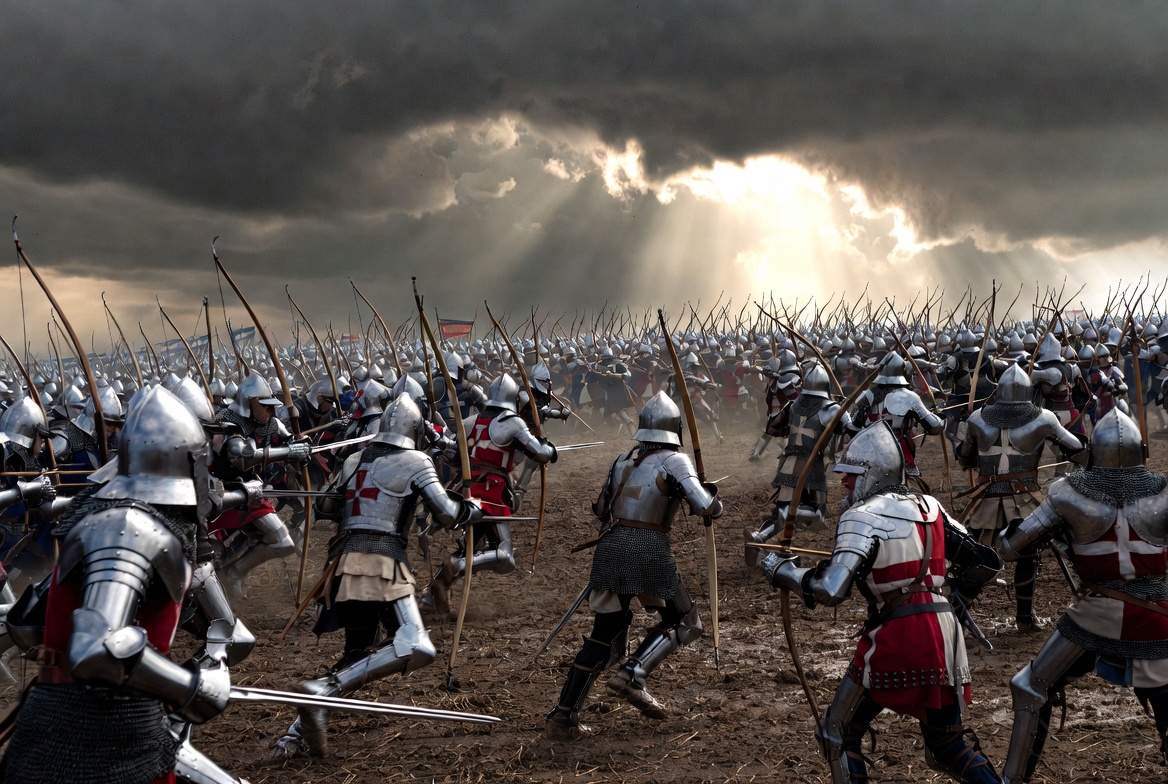
In modern scholarship and performance, Henry V’s siblings offer rich avenues for exploration. Directors often use the brothers to add emotional texture to court scenes, while literary critics examine them through lenses of gender, power dynamics, and early modern views on family and monarchy.
For actors, understanding the historical brothers adds layers to even small roles—portraying Bedford as steadfast or Gloucester as intellectually ambitious can elevate supporting performances. Students and educators benefit from this context when analyzing how Shakespeare transforms raw history into compelling theater.
The siblings also illuminate broader themes: the tension between personal ambition and familial duty, the cost of empire-building, and the fragility of political legitimacy. In an era still fascinated by royal families and leadership, Henry V’s brothers and sisters provide timeless lessons on loyalty forged in both blood and shared purpose.
Family Tree and Visual Aids
Simplified Lancastrian Family Tree (Key Figures)
- Henry IV m. Mary de Bohun
- Henry V (1386/7–1422)
- Thomas, Duke of Clarence (1387/8–1421)
- John, Duke of Bedford (1389–1435)
- Humphrey, Duke of Gloucester (1390–1447)
- Blanche (1392–1409)
- Philippa (1394–1430)
A full visual diagram (recommended for your website) would show connections to the Yorkist line and key European royal houses through the sisters’ marriages, illustrating the intricate web of 15th-century alliances.
Timeline of Key Events
- 1394: Death of Mary de Bohun
- 1399: Henry IV usurps throne
- 1413: Henry V ascends
- 1415: Agincourt campaign (brothers participate)
- 1421: Death of Thomas at Baugé
- 1422: Death of Henry V
- 1435: Death of Bedford
- 1447: Death of Gloucester
Tips for Readers and Shakespeare Enthusiasts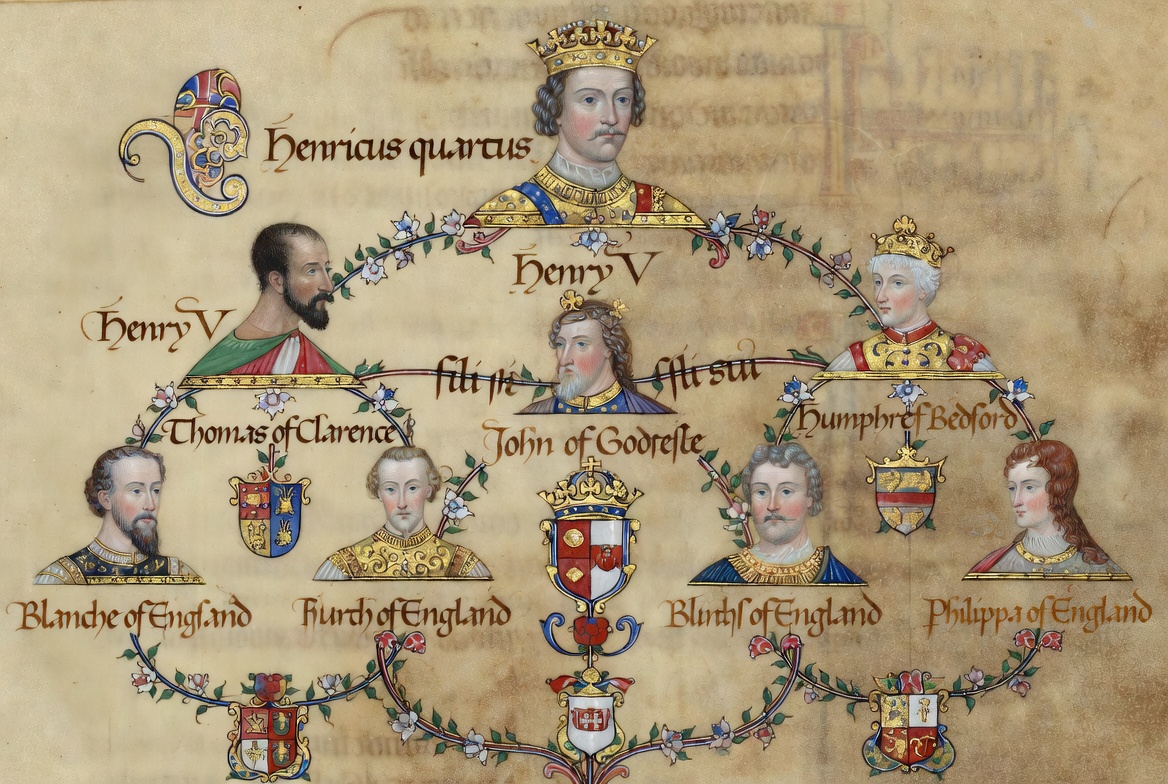
- Reading Strategy: Track each brother’s mentions across the Henriad to appreciate Shakespeare’s careful character economy.
- Viewing Recommendations: Compare the 1989 Kenneth Branagh Henry V film with stage productions like the RSC’s cycles for differing interpretations of the royal brothers.
- Deeper Study: Cross-reference Holinshed’s Chronicles (Shakespeare’s main source) with modern biographies such as Ian Mortimer’s works on the Lancastrians.
Quick Facts: Henry V’s Siblings at a Glance
- All brothers accompanied or supported Henry in the French campaigns.
- The sisters extended influence through marriage rather than direct military roles.
- Only the brothers appear in Shakespeare’s plays.
- Their collective story foreshadows the dynastic collapse dramatized in later history plays.
Frequently Asked Questions (FAQs)
Did Henry V have any sisters in Shakespeare’s plays? No. Shakespeare omits Blanche and Philippa entirely, focusing instead on the male line of succession and warfare.
Which brother fought alongside Henry at Agincourt? Humphrey, Duke of Gloucester, is the most prominently featured brother at Agincourt in both history and the play. Bedford and others provided crucial support roles.
What happened to Henry V’s siblings after his death? They assumed regency duties for the infant Henry VI. Internal rivalries and military setbacks in France gradually weakened the Lancastrian position, contributing to the Wars of the Roses.
How historically accurate is Shakespeare’s depiction of the royal family? Shakespeare blends fact with dramatic necessity. He accurately captures the brothers’ loyalty and roles but compresses timelines and simplifies motivations for theatrical impact.
Were there any rivalries among Henry V’s siblings? Historically, tensions existed—particularly between Humphrey and other factions—but Shakespeare largely portrays unity during Henry V’s reign to emphasize strong leadership.
Henry V’s siblings—Thomas, John, Humphrey, Blanche, and Philippa—were far more than background figures in the grand drama of the Lancastrian dynasty. In history, they formed the backbone of military campaigns, administrative governance, and international diplomacy. In Shakespeare’s hands, the brothers especially become essential foils and supporters that illuminate the king’s journey from wayward prince to heroic monarch.
By exploring Henry V siblings in depth, we gain richer appreciation for the “band of brothers” speech—not merely as rousing rhetoric, but as a reflection of both idealized unity and the complex realities of royal kinship. Their stories remind us that behind every legendary king stands a family navigating the same pressures of power, loyalty, and mortality that Shakespeare so masterfully dramatized.
Whether you return to the plays with fresh eyes, attend a performance, or continue exploring the Wars of the Roses, the royal siblings of Henry V offer enduring insights into one of literature’s greatest cycles. The next time you hear “we band of brothers,” remember the real brothers and sisters who helped forge that legend.