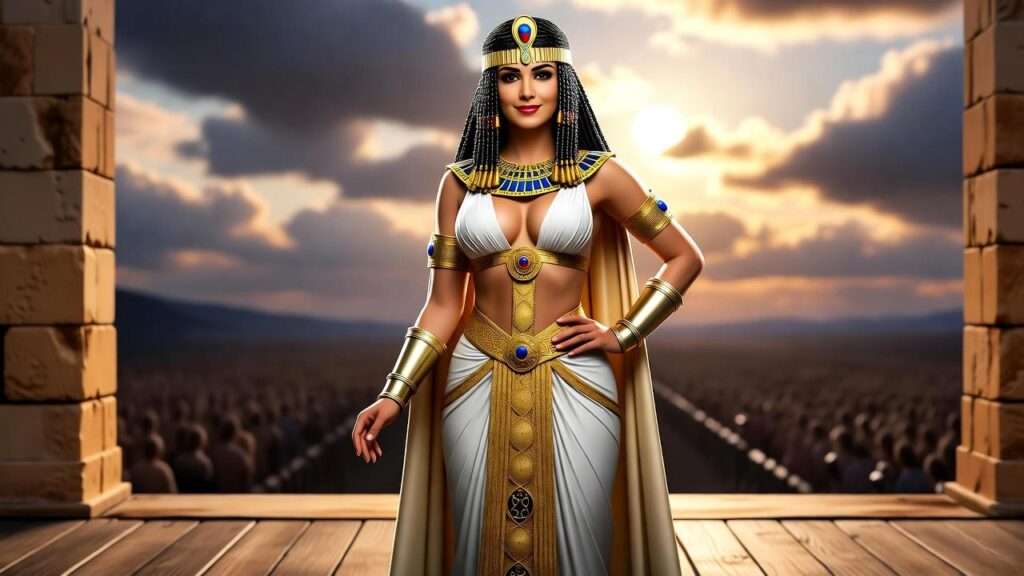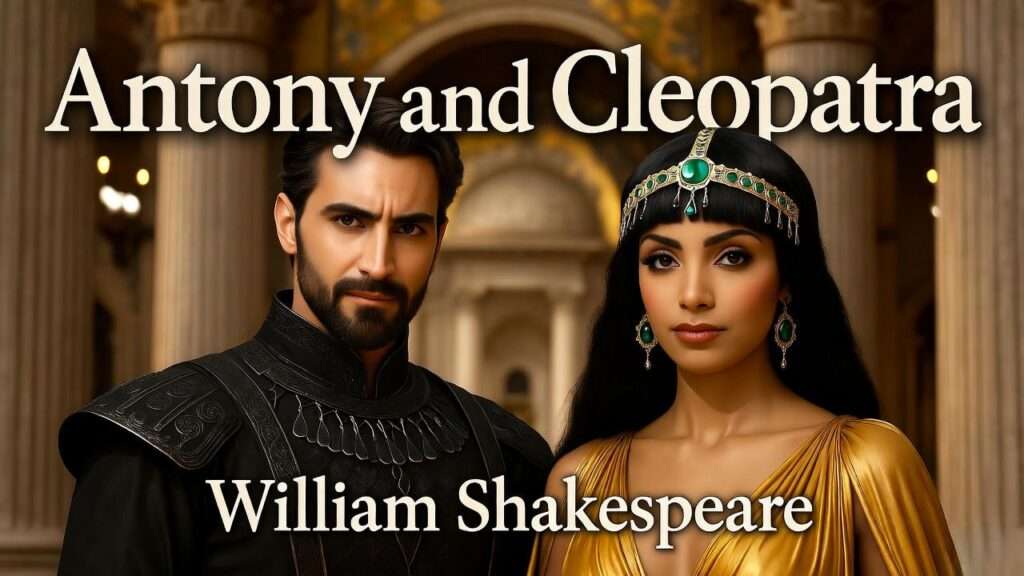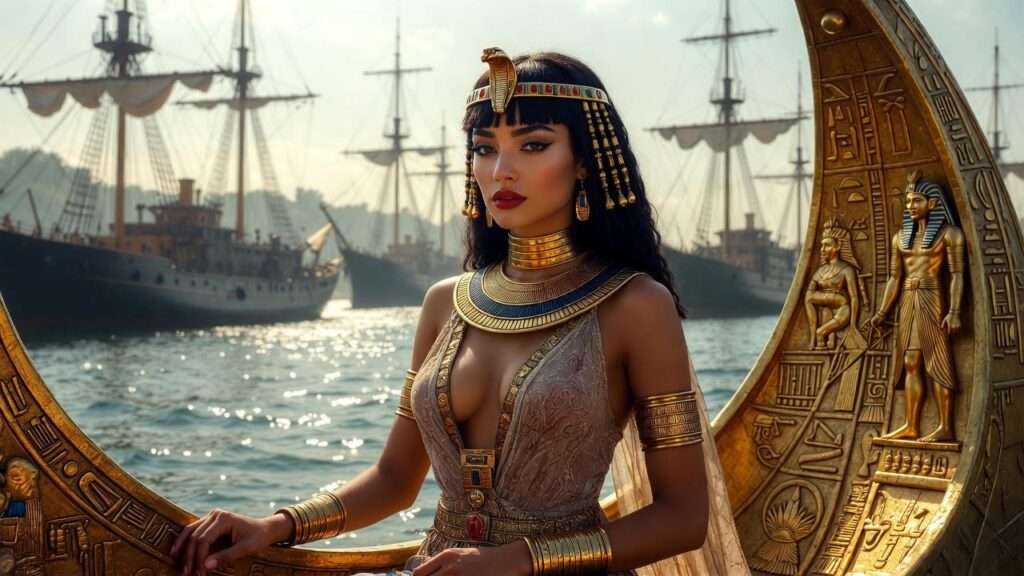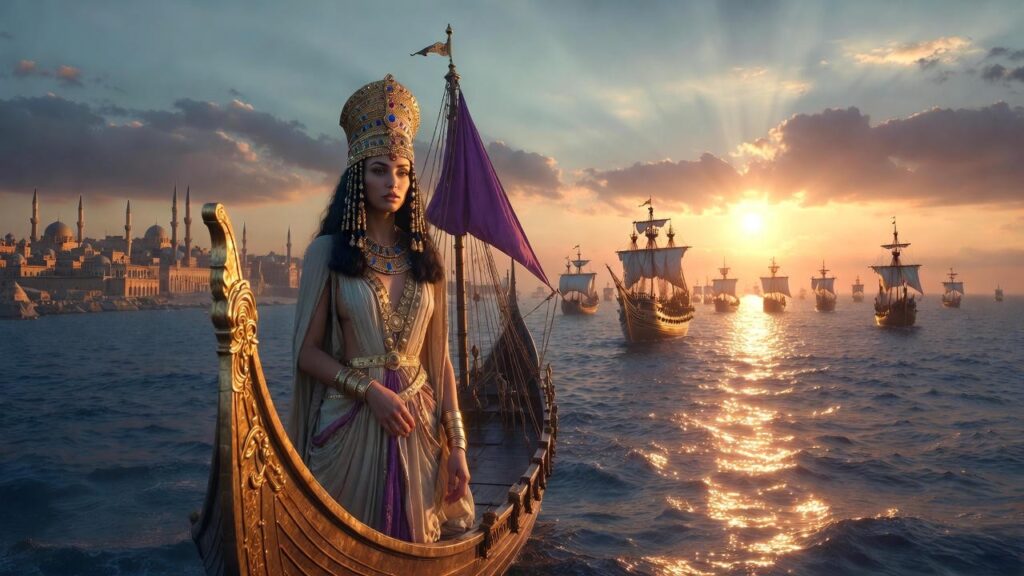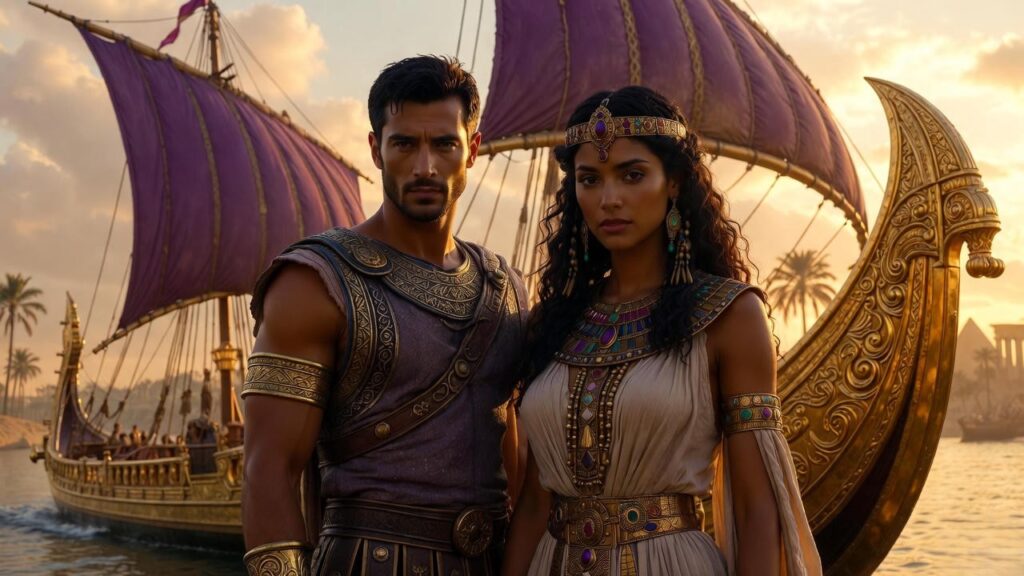
Imagine a golden barge drifting down the Nile, its purple sails billowing, oars of silver beating to the sound of flutes, while the air itself seems perfumed with enchantment. At its center sits a queen so captivating that the very winds fall in love with her. This is the world Shakespeare conjures in Antony and Cleopatra, one of his most intoxicating and complex tragedies. For readers, students, and theater lovers searching for an Antony and Cleopatra short summary, this guide offers a clear, comprehensive overview of the play’s plot, characters, themes, and enduring power—without sacrificing depth or insight.
Written around 1606–1607, during Shakespeare’s mature tragic period, Antony and Cleopatra transforms historical events into a sweeping drama of love, ambition, and downfall. The play chronicles the doomed romance between Roman triumvir Mark Antony and Egyptian queen Cleopatra VII against the backdrop of a crumbling Roman Republic. Their passion is as magnificent as it is destructive, ultimately paving the way for Octavius Caesar’s rise to imperial power. What follows is the most detailed yet accessible short summary available, enriched with expert analysis, historical context, and interpretive depth.
The Real History Behind Shakespeare’s Tragedy
Shakespeare did not invent the story of Antony and Cleopatra. He drew almost entirely from one primary source: Sir Thomas North’s 1579 English translation of Plutarch’s Lives of the Noble Grecians and Romans. Plutarch’s parallel biographies of Antony and Demetrius provided Shakespeare with vivid anecdotes, character sketches, and even entire passages—most famously Enobarbus’s description of Cleopatra on her barge.
Key Historical Events (31–30 BC)
After Julius Caesar’s assassination in 44 BC, Rome was governed by the Second Triumvirate: Mark Antony, Octavius Caesar (Julius Caesar’s adopted heir), and Lepidus. Antony, stationed in the East, formed a political and romantic alliance with Cleopatra, queen of Egypt, to secure resources and legitimacy.
- 34 BC: Antony’s lavish “Donations of Alexandria,” publicly granting territories to Cleopatra’s children.
- 32 BC: Octavius declares war on Cleopatra (not directly on Antony) to rally Roman sentiment.
- 31 BC: The decisive naval Battle of Actium, where Antony’s forces are routed after Cleopatra’s fleet unexpectedly withdraws.
- 30 BC: Antony and Cleopatra commit suicide in Alexandria as Octavius closes in.
Octavius, soon to become Augustus, emerges as Rome’s first emperor, marking the end of the Republic.
Shakespeare’s Liberties and Innovations
While faithful to Plutarch in spirit, Shakespeare compresses a decade into months, invents private scenes, and elevates the love story above political maneuvering. Unlike his earlier Roman plays (Julius Caesar, Coriolanus), which emphasize public duty, Antony and Cleopatra celebrates private passion—even as it shows its catastrophic consequences. This shift makes it a unique bridge between Shakespeare’s great tragedies and his late romances.
A Comprehensive Act-by-Act Breakdown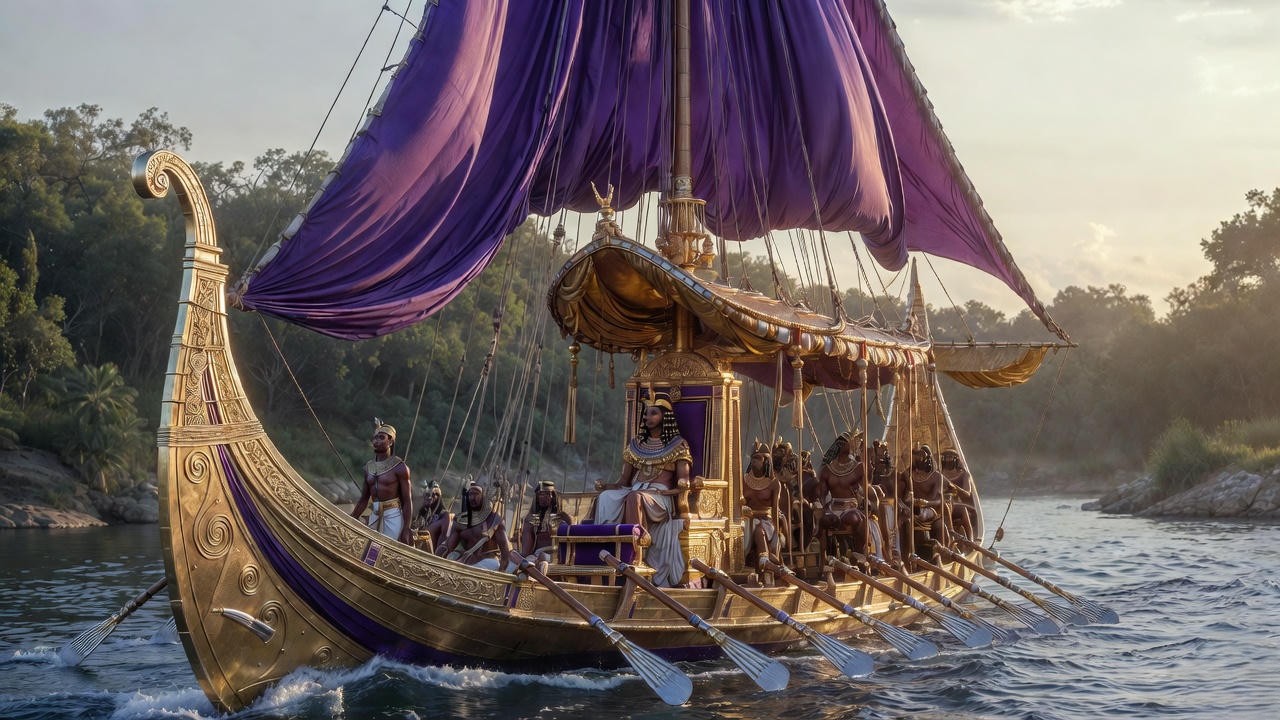
Act 1 – Indulgence in Egypt and the Call of Rome
The play opens in Alexandria, where Antony is utterly enthralled by Cleopatra. Roman messengers bring news of military threats: Antony’s wife Fulvia has rebelled against Octavius and died, while the pirate Sextus Pompeius (Pompey) menaces Rome’s seas. Antony resolves to return to duty, declaring, “These strong Egyptian fetters I must break, / Or lose myself in dotage.” Cleopatra, furious at his departure, alternates between jealousy, mockery, and seduction.
Act 2 – Political Alliances and Brewing Tensions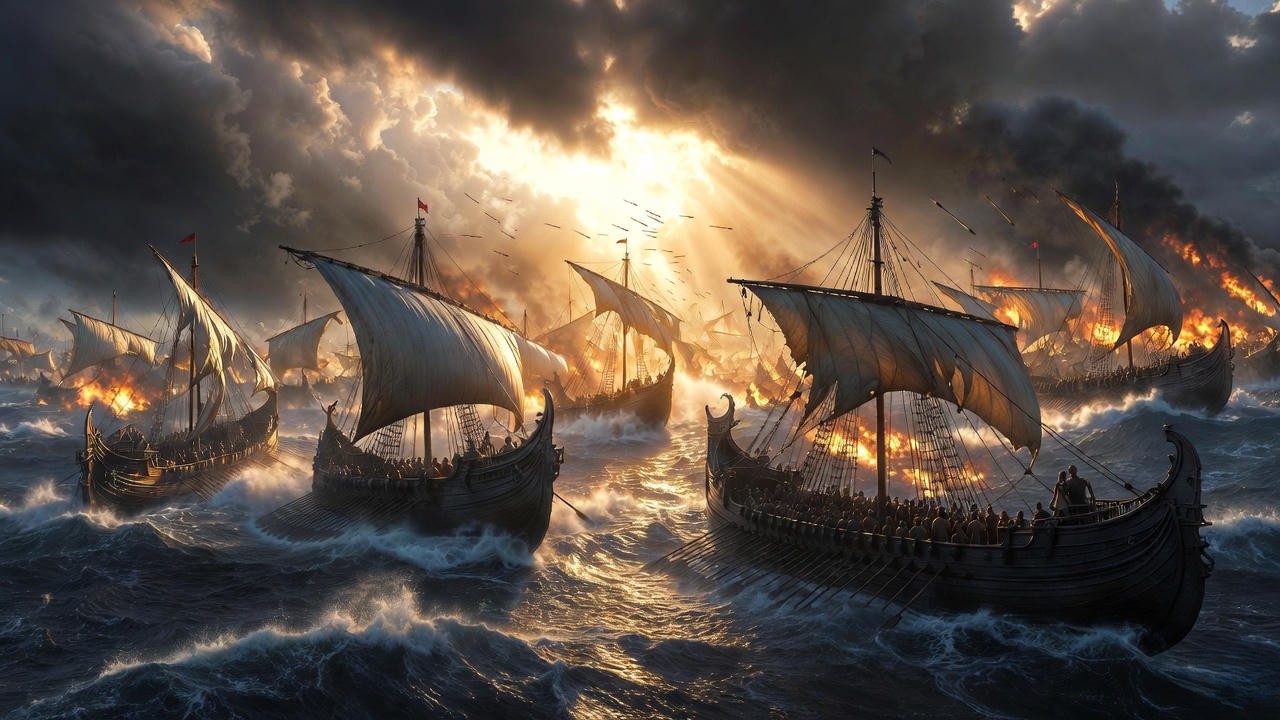
In Rome, the triumvirs negotiate a fragile peace with Pompey aboard his galley. To cement unity, Antony agrees to marry Octavius’s sister Octavia—a calm, virtuous woman who stands in stark contrast to Cleopatra. Back in Alexandria, Enobarbus famously describes Cleopatra’s first meeting with Antony on the river Cydnus, concluding with the immortal lines: “Age cannot wither her, nor custom stale / Her infinite variety.”
Act 3 – Fractured Alliances and Return to Egypt
Antony quickly abandons Octavia and returns to Cleopatra, publicly crowning her and their children as rulers of Eastern territories. Octavius, outraged, declares war. The act builds to preparations for battle, with Cleopatra insisting on joining the fight at sea—a decision that will prove fateful.
Act 4 – Defeat and Despair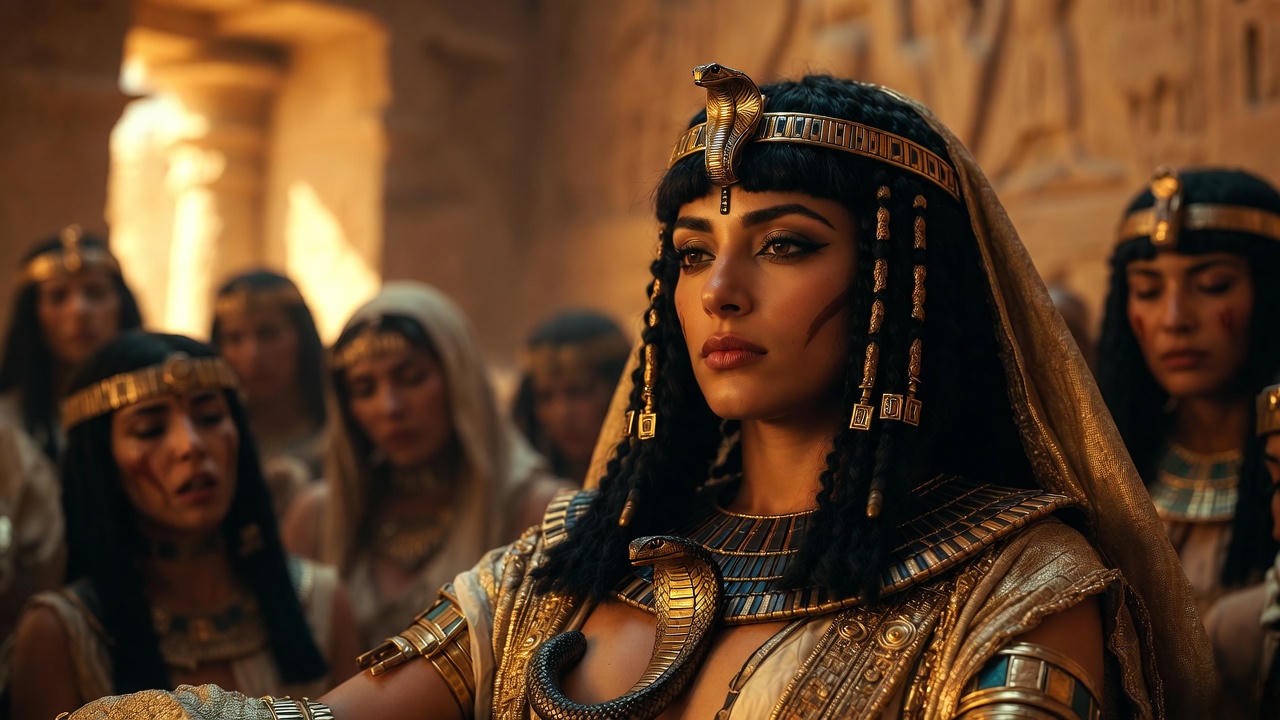
The Battle of Actium is a disaster. When Cleopatra’s fleet suddenly flees, Antony follows in shame, abandoning his soldiers. Enobarbus, Antony’s loyal lieutenant, deserts in disillusionment but dies of grief shortly after. Antony’s forces crumble, and he oscillates between rage and self-loathing.
Act 5 – Tragic Climax and Immortal Legacy
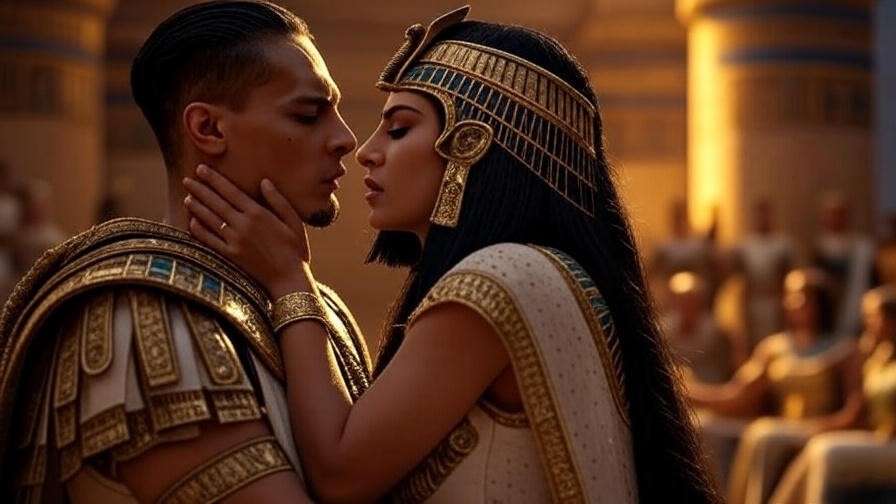
In a series of heartbreaking misunderstandings, Antony believes Cleopatra has betrayed him to Octavius. He falls on his sword but botches the attempt. Dying, he is carried to Cleopatra’s monument, where they share a final, tender farewell. Cleopatra, determined not to be paraded as a captive in Rome, stages a magnificent death: she applies venomous asps to her breast and dies as a queen. Octavius, moved despite himself, orders they be buried together.
In-Depth Character Portraits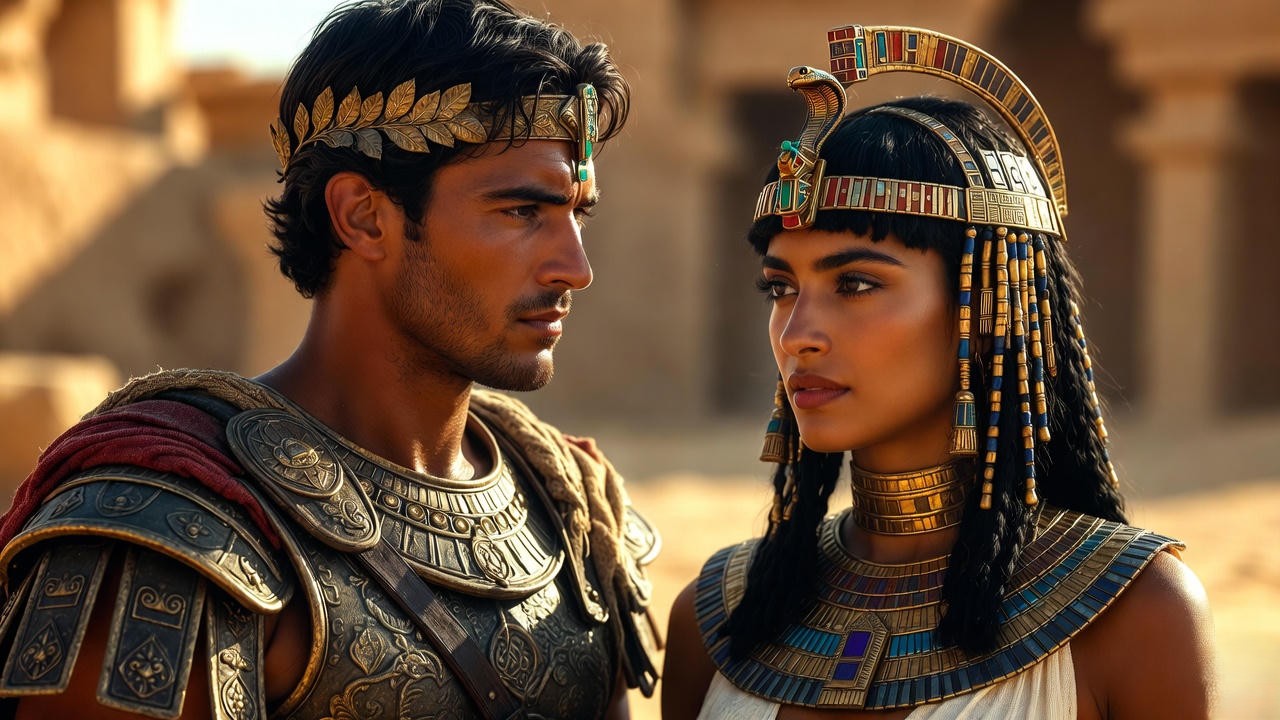
Mark Antony – The Divided Hero
Antony is one of Shakespeare’s most conflicted protagonists. He is a legendary warrior—“the triple pillar of the world”—yet reduced to a “strumpet’s fool” in the eyes of Romans. His tragedy lies in his inability to reconcile Roman discipline with Egyptian sensuality. Unlike Othello or Lear, whose flaws are internal, Antony’s downfall stems from choosing love over empire.
Cleopatra – Shakespeare’s Most Complex Female Character
Cleopatra is often called Shakespeare’s greatest female role. She is manipulative, theatrical, jealous, witty, maternal, regal, and vulnerable by turns. Her “infinite variety” defies stereotype: she plays the seductress, the politician, the lover, and the tragic queen with equal conviction. Modern scholars note her agency in a male-dominated world, while postcolonial readings highlight the play’s Orientalist portrayal of Egypt as exotic “other.”
Octavius Caesar – The Cold Strategist
Octavius (later Augustus) represents the future: calculating, disciplined, emotionless. He lacks Antony’s charisma but possesses unyielding focus. Shakespeare subtly critiques emerging imperial power through Octavius’s hypocrisy—he condemns Antony’s excess while coveting Egypt’s wealth.
Supporting Characters
- Enobarbus: The play’s moral center and chorus. His desertion and death underscore the cost of loyalty to a flawed leader.
- Octavia: A poignant figure of duty and quiet suffering, caught between brother and husband.
- Charmian and Iras: Cleopatra’s devoted attendants who die with her, emphasizing female solidarity.
Exploring Shakespeare’s Profound Themes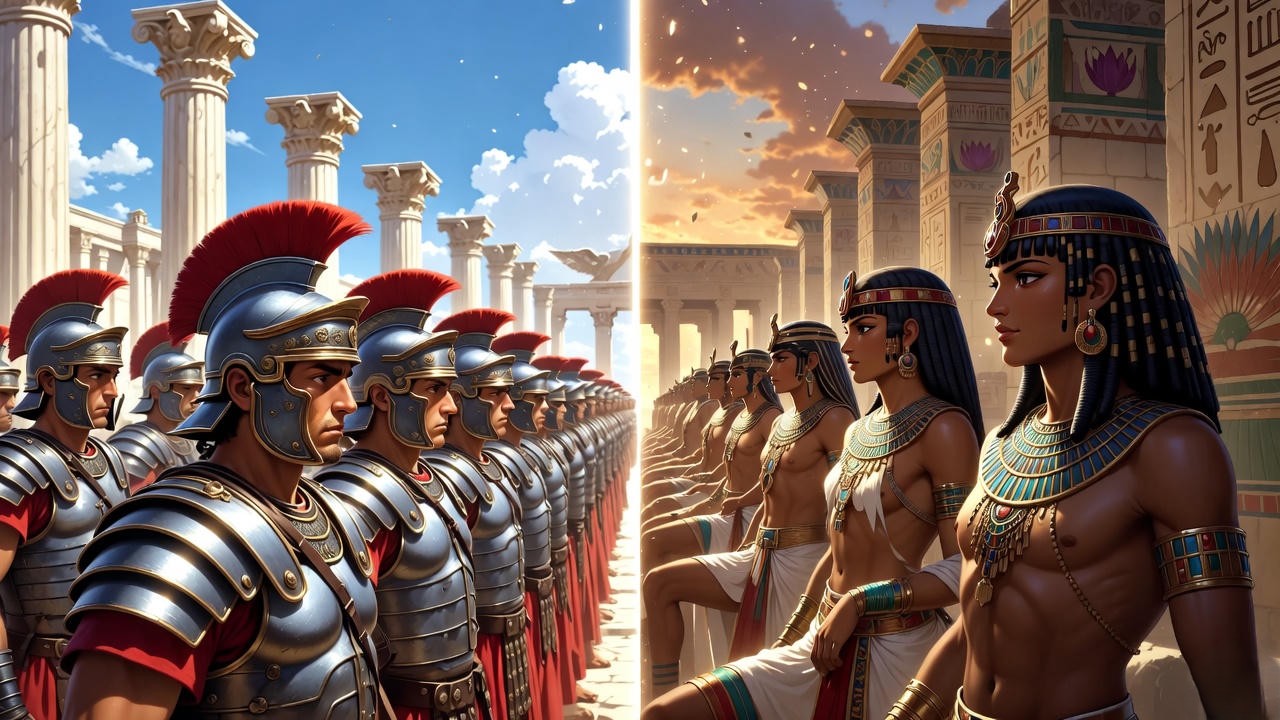
Love vs. Duty and Empire
The central conflict is not merely personal but cosmic: passion versus public responsibility. Antony’s love is transcendent yet self-destructive; Cleopatra’s is both genuine and performative. Their relationship defies Roman values yet achieves a kind of immortality.
Power, Politics, and Betrayal
The play charts the transition from Republic to Empire. Alliances shift like sand: marriages are political tools, loyalty is conditional, and propaganda shapes truth.
Rome vs. Egypt – Contrasting Worlds
Rome symbolizes order, masculinity, military discipline, and measurement (“The triple pillar of the world transform’d / Into a strumpet’s fool”). Egypt embodies excess, femininity, fluidity, and imagination. Shakespeare refuses to privilege one over the other, creating a dialectical tension that enriches the tragedy.
Fate, Prophecy, and Mortality
Soothsayers, dreams, and omens permeate the play, suggesting inevitability. Yet characters actively shape their doom through choices.
Gender, Performance, and Identity
Life in the play is theatrical: Cleopatra stages her own death as a final performance. Gender roles are fluid—Antony fears becoming “feminized,” while Cleopatra adopts masculine authority.
Iconic Lines That Define the Play
- “Age cannot wither her, nor custom stale / Her infinite variety” (2.2) – Enobarbus on Cleopatra’s allure.
- “Let Rome in Tiber melt, and the wide arch / Of the ranged empire fall!” (1.1) – Antony’s defiance of duty.
- “I am dying, Egypt, dying” (4.15) – Antony’s repeated plea in his final moments.
- “Give me my robe. Put on my crown. I have / Immortal longings in me” (5.2) – Cleopatra’s majestic acceptance of death.
- “The breaking of so great a thing should make / A greater crack” (5.1) – Octavius on Antony’s fall.
Why Antony and Cleopatra Endures Today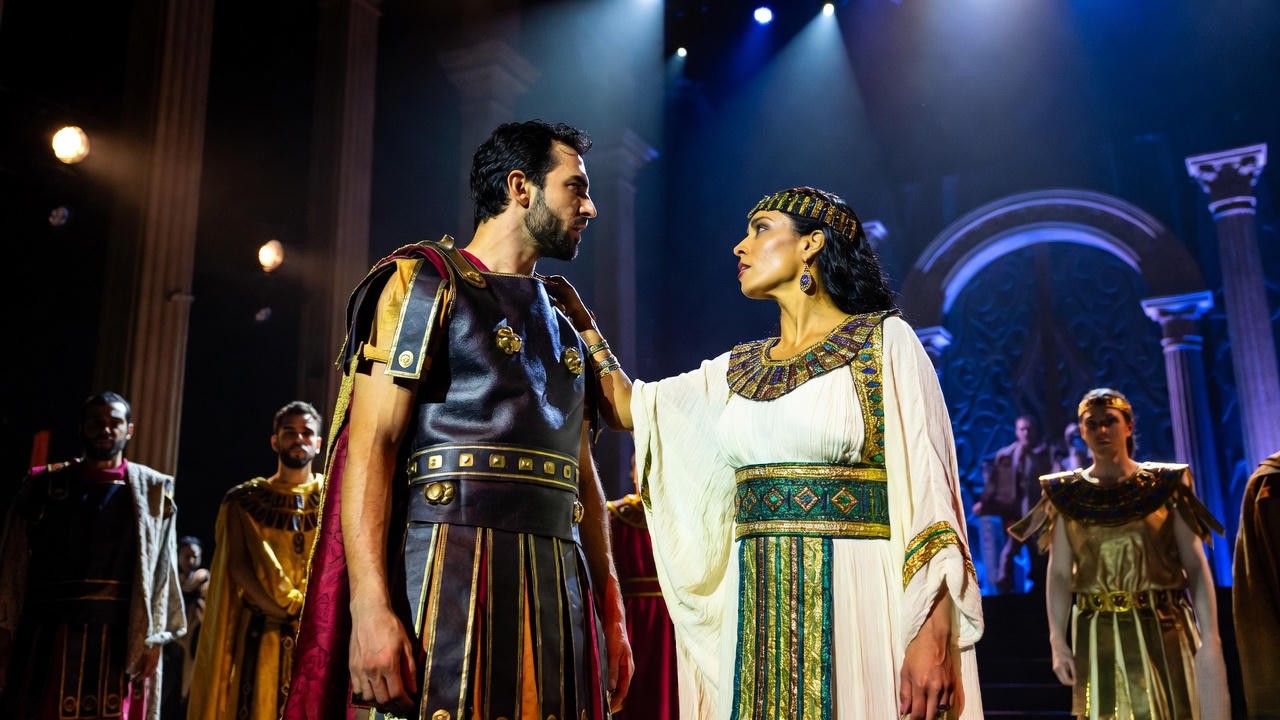
Modern Relevance and Adaptations
More than four centuries after its composition, Antony and Cleopatra remains one of Shakespeare’s most frequently performed and studied tragedies. Its themes resonate powerfully in the modern world: the clash between personal desire and public responsibility, the intoxicating yet dangerous nature of obsessive love, the machinations of political power, and the cultural divide between East and West.
Contemporary audiences often read the play through postcolonial and feminist lenses. Cleopatra, once dismissed by some critics as a mere seductress, is now celebrated as a shrewd political operator and a woman of color asserting agency in a world dominated by Roman (and European) imperialism. The Rome-Egypt binary has been interrogated as an early example of Orientalism, with Egypt portrayed as sensual, decadent, and “other” in contrast to Rome’s supposed rationality and restraint.
The play’s exploration of performative identity—characters constantly “playing” roles—anticipates modern ideas about gender fluidity and self-presentation. Lines like Cleopatra’s “I’ll seem the fool I am not” and her careful staging of her own death feel remarkably contemporary in an age of social media and curated personas.
Notable stage and screen adaptations include:
- Royal Shakespeare Company productions, particularly the 1972 Trevor Nunn/1978 revival directed by Peter Brook, and the acclaimed 2017 version with Josette Simon as Cleopatra.
- The 1972 film directed by and starring Charlton Heston, with Hildegarda Neil as Cleopatra.
- The 1999 Royal National Theatre production starring Alan Rickman and Helen Mirren.
- More recent inclusive casting choices, such as Sophie Okonedo (2018 National Theatre) and Joanne Pearce in all-female productions, which highlight the play’s gender dynamics.
The language—dense, poetic, and sprawling—challenges actors and directors, yet rewards them with some of Shakespeare’s most sublime verse. The monumental final act, especially Cleopatra’s death scene, is considered one of the greatest roles ever written for an actress.
Frequently Asked Questions (FAQs)
Is Antony and Cleopatra based on true events?
Yes. The play is firmly rooted in historical fact, primarily drawn from Plutarch’s Life of Antony. Most major events—the Second Triumvirate, the Battle of Actium, Antony’s marriage to Octavia, and the suicides of both lovers—occurred as described, though Shakespeare compresses time and invents private conversations for dramatic effect.
Why is Cleopatra portrayed as Egyptian when she was actually Greek?
Cleopatra VII was of Macedonian Greek descent, the last of the Ptolemaic dynasty founded by one of Alexander the Great’s generals. However, she was the first Ptolemy to speak Egyptian and actively presented herself as an incarnation of Isis to her native subjects. Shakespeare follows Roman propaganda (and Plutarch) in emphasizing her Egyptian identity to heighten the cultural contrast with Rome.
Is Antony and Cleopatra a tragedy or a romance?
It is classified as one of Shakespeare’s tragedies, written alongside Macbeth, King Lear, and Coriolanus. However, its sweeping scope, exotic setting, and transcendent love story give it qualities of the later romances (The Winter’s Tale, The Tempest). Many scholars call it a “tragic romance” or note its bittersweet ending—unlike the total devastation of Hamlet or Lear, the lovers achieve a kind of mythic immortality.
What is the meaning of Cleopatra’s “infinite variety”?
Enobarbus’s phrase “Age cannot wither her, nor custom stale / Her infinite variety” (Act 2, Scene 2) captures Cleopatra’s ever-changing nature. She is never the same woman twice: playful one moment, imperious the next, vulnerable then commanding. This unpredictability keeps Antony (and the audience) perpetually fascinated and off-balance.
Why does the play switch so rapidly between Rome and Egypt?
The constant geographic shifting—over 40 scenes across two continents—mirrors the lovers’ divided loyalties and the sprawling nature of empire. It also creates a restless, unstable rhythm that reflects the political and emotional chaos. Modern productions sometimes smooth these transitions with lighting and minimal sets, but the original structure demands imaginative engagement from the audience.
Which is harder to perform: Antony or Cleopatra?
Most actors and directors agree that Cleopatra is the more demanding role. She appears in far more scenes, delivers some of Shakespeare’s longest and most complex speeches, and must convey extreme emotional swings while maintaining regal authority. Antony, while central, shares the stage more evenly with supporting characters.
Final Thoughts: A Timeless Epic
Antony and Cleopatra is Shakespeare at his most ambitious and mature. It refuses easy moral judgments, presenting two flawed yet magnificent lovers whose passion reshapes the world—even as it destroys them. In an era of political polarization, celebrity culture, and global power struggles, the play’s questions about love, leadership, and legacy feel more urgent than ever.
Whether you’re a student preparing for an exam, a theatergoer planning to see a production, or a lifelong Shakespeare enthusiast seeking deeper insight, this tragedy rewards repeated exploration. Its language soars, its characters captivate, and its vision of human grandeur and frailty remains unmatched.