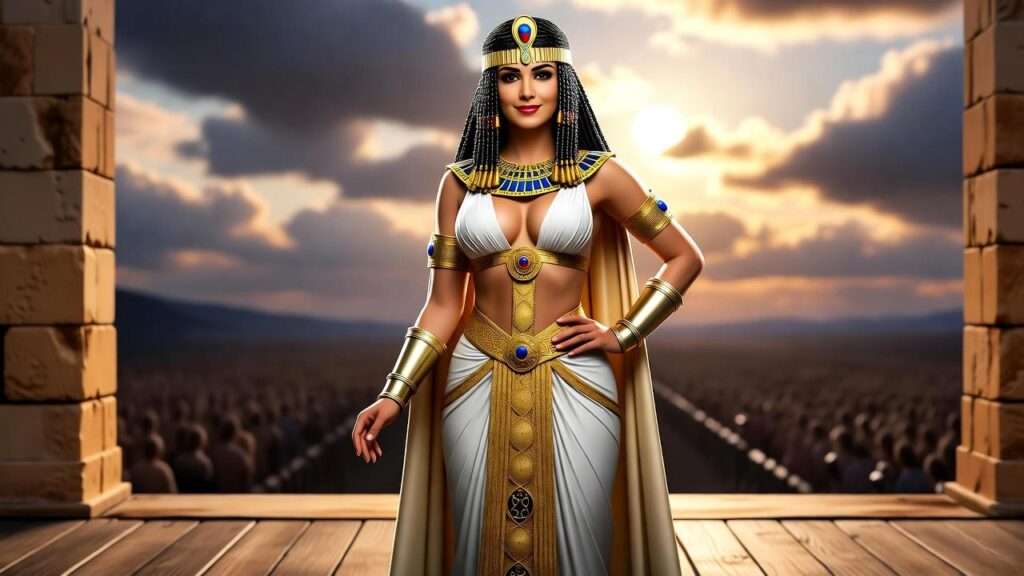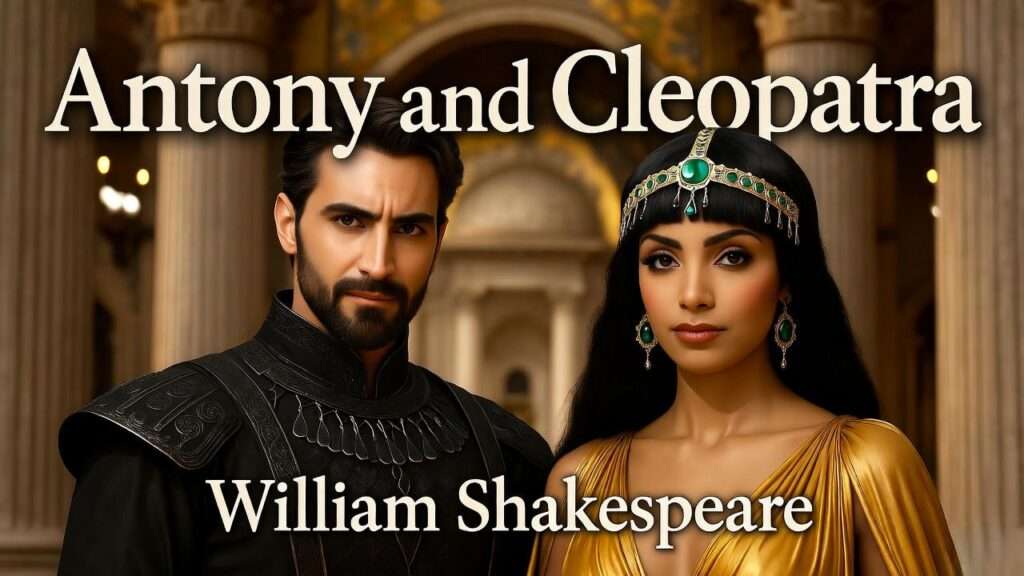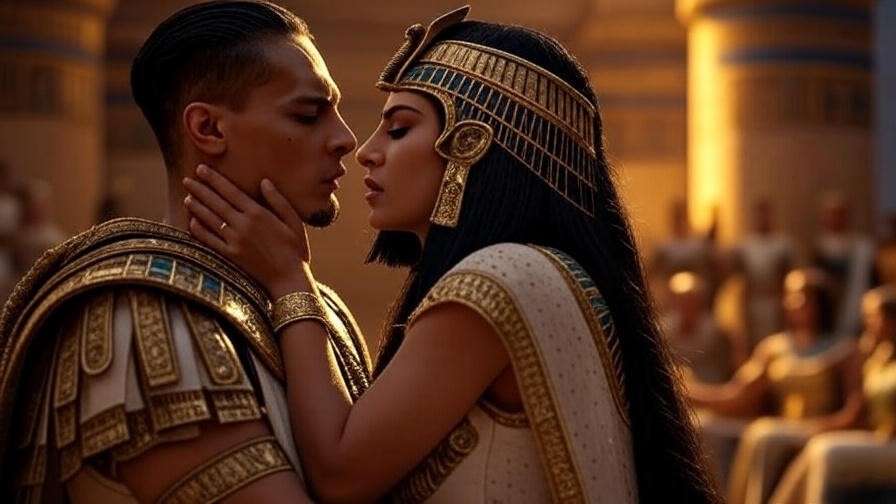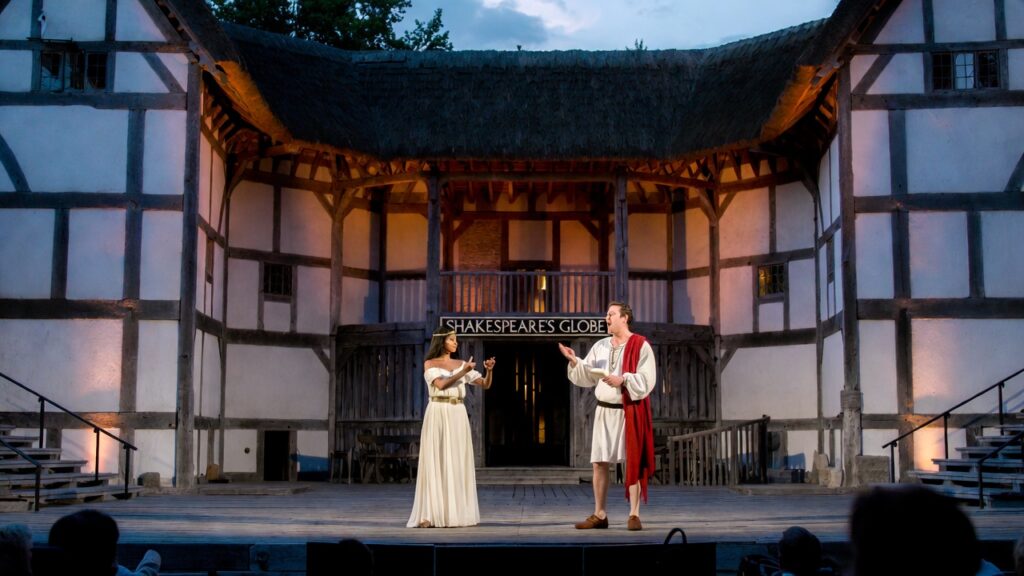
Imagine standing in the wooden O of Shakespeare’s Globe Theatre as the summer sun dips low, the open sky framing the stage where Cleopatra—embodied with regal fire by Deaf actor Nadia Nadarajah—sweeps across the boards in fluid British Sign Language (BSL). Her gestures weave poetry into the air, while Mark Antony’s spoken English declarations clash and entwine with hers, creating a visceral embodiment of the play’s central tensions: love versus duty, East versus West, passion versus power. This is no ordinary revival. For the first time in a decade, Antony and Cleopatra returned to the Globe in 2024 as a groundbreaking bilingual production, blending Spoken English and BSL to mirror the cultural and linguistic divides at the heart of Shakespeare’s tragedy. Globe Antony and Cleopatra became more than a staging—it became a landmark in inclusive theater, earning praise for its intimacy, clarity, and innovative depth (The Guardian, The Stage).
Directed by Blanche McIntyre, with associate direction from Charlotte Arrowsmith and BSL consultancy from Daryl Jackson, this production offered Deaf and hearing audiences alike a fresh lens on one of Shakespeare’s most sprawling and challenging plays. It addressed a real need in the theater world: true accessibility that doesn’t merely add captions or interpreters but integrates sign language as an equal dramatic force. For Shakespeare enthusiasts, students analyzing the text, theatergoers seeking modern interpretations, or members of the Deaf community hungry for representation in classical roles, this Globe Antony and Cleopatra delivers profound value—illuminating the play’s themes while advancing inclusive storytelling.
The Play’s Epic Scope: Why Antony and Cleopatra Demands Bold Innovation
Shakespeare’s Antony and Cleopatra is no tidy tragedy. Written around 1606–1607, it spans the Mediterranean world, from Rome’s marble halls to Egypt’s sensual Nile, chronicling the doomed romance between Roman triumvir Mark Antony and Egyptian queen Cleopatra amid political intrigue, naval battles, and personal betrayal. Themes of love versus empire, loyalty versus desire, and cultural collision pulse through the verse, making it one of Shakespeare’s richest yet most demanding works.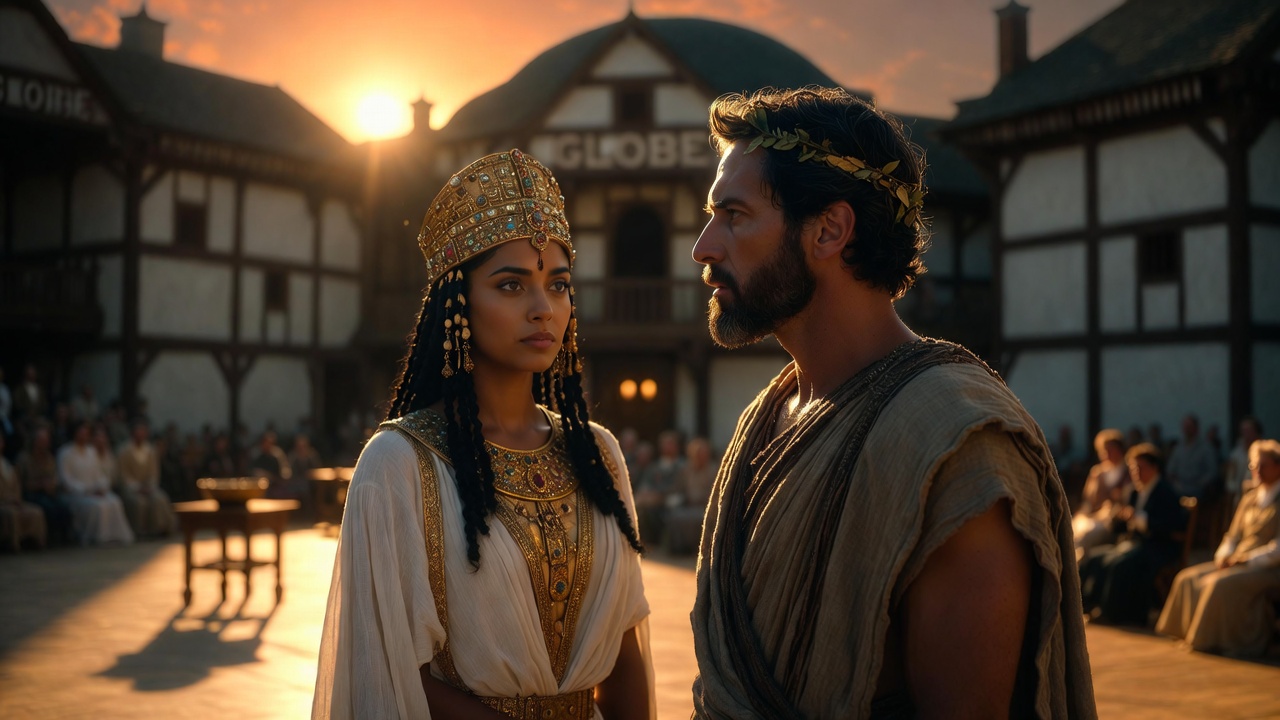
The play’s structure challenges directors: 42 scenes across multiple locations demand fluid transitions, while the poetic density—Antony’s “Let Rome in Tiber melt” or Cleopatra’s “Give me my robe, put on my crown”—requires actors who can balance grandeur with intimacy. In performance, the tension between public duty and private passion often feels diffuse without strong visual or emotional anchors.
At Shakespeare’s Globe, the reconstructed Elizabethan playhouse adds unique demands. The thrust stage, open to the elements and audience on three sides, favors direct address and spectacle but can expose pacing issues in a long play (running time here approx. 2 hours 45 minutes with interval). Previous Globe productions, such as the 2014 version with Eve Best and Clive Wood, leaned on traditional spectacle. The 2024 revival, however, embraced innovation to meet these challenges head-on.
A Decade in the Making: The Return of Antony and Cleopatra to Shakespeare’s Globe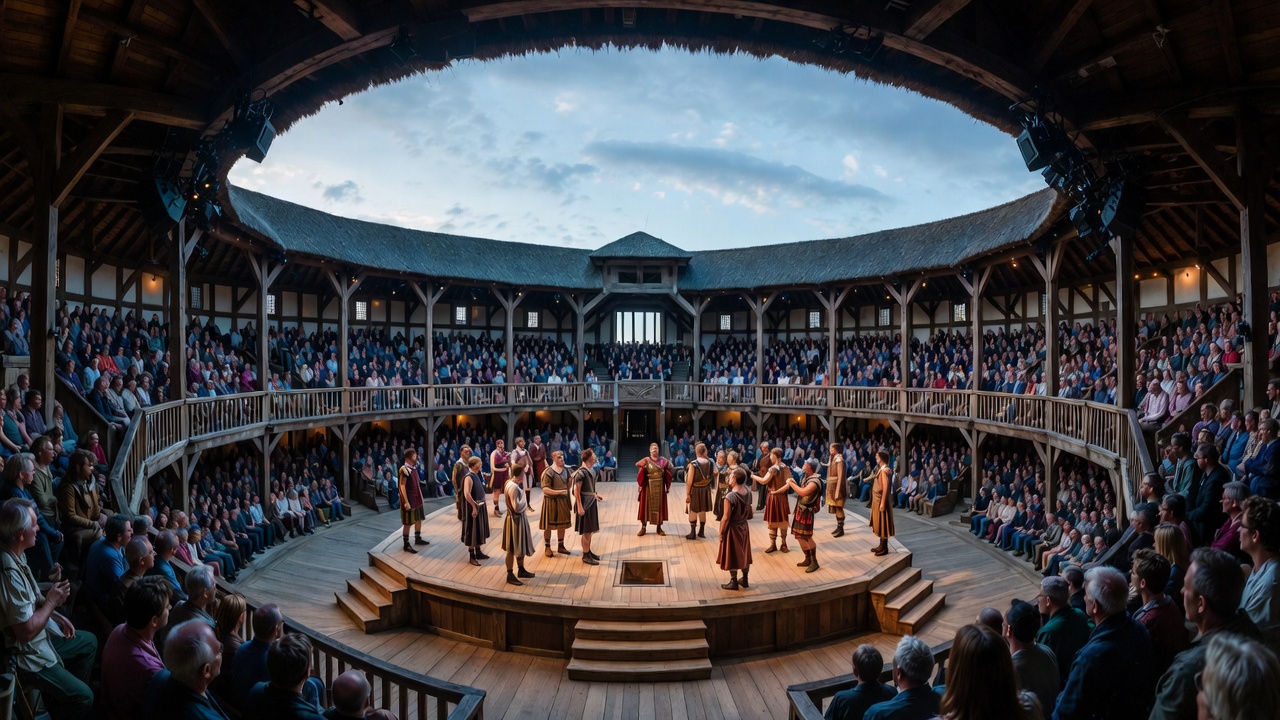
Shakespeare’s Globe last staged Antony and Cleopatra in 2014, a decade before this revival. The gap underscores the play’s rarity in major repertoires—its epic scale and ambiguous tone make it less frequently revived than Hamlet or Romeo and Juliet. Yet the 2024 production arrived with heightened anticipation, originally conceived earlier but delayed by the pandemic.
Director Blanche McIntyre, known for breathing fresh life into lesser-seen Shakespeare (her Globe credits include Measure for Measure and a one-night Twelfth Night), collaborated closely with associate director Charlotte Arrowsmith. The bilingual concept emerged as a natural extension of the play’s cultural clashes: Rome as rigid, spoken English; Egypt as fluid, embodied in BSL.
The creative team was exceptional. BSL Consultant Daryl Jackson and BSL Coach Adam Bassett ensured authentic integration, while Bilingual Translation Support from Sue MacLaine helped bridge poetic nuances. Caption co-design (Ben Glover, Sarah Readman) provided readable projections in distinct fonts for each culture—red/white for Rome, perhaps warmer tones for Egypt—making every performance fully captioned.
This approach wasn’t additive; it was conceptual. As McIntyre and Arrowsmith explained in pre-rehearsal interviews, the bilingual format honored the text’s “clash of two cultures,” turning linguistic difference into dramatic fuel.
Inside the Bilingual Innovation: How BSL and Spoken English Coexist Onstage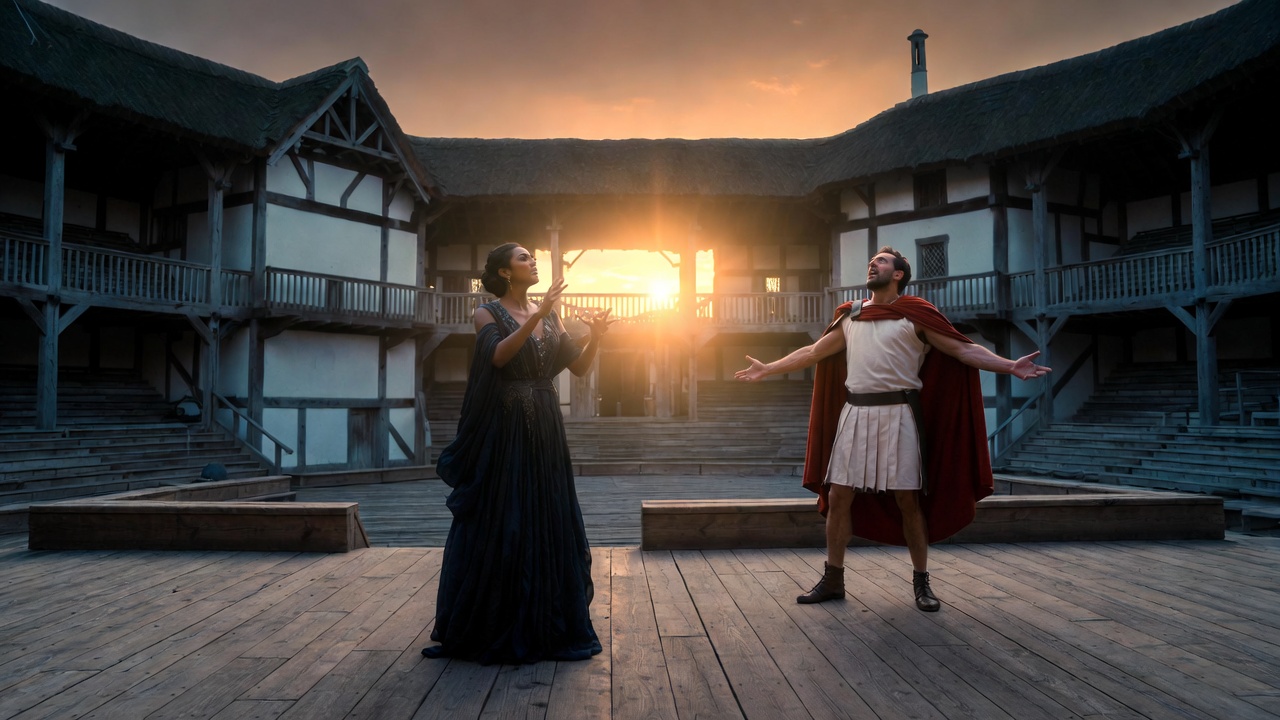
The production’s heart lies in its language integration. Scenes alternated or blended: Cleopatra’s Egyptian court primarily in BSL (with ensemble Deaf and hearing actors signing), Roman scenes in Spoken English, and key cross-cultural moments in both—Antony learning to sign to Cleopatra for intimacy, or interpreters within the action translating strategically.
This wasn’t simultaneous interpretation; it was theatrical sign language. Techniques from Sign Shakespeare (SSL) and sign theater amplified Shakespeare’s poetry: Cleopatra’s sensuality gained physical expressiveness through gesture, while battles used stylized movement to convey chaos without spoken dominance.
Creative captions projected translations, allowing hearing audiences to follow BSL scenes fluidly. For Deaf spectators, the full visibility of signing actors on the thrust stage provided unprecedented access—no sidelined interpreters.
Critics noted how BSL added depth. The Guardian praised the “physical shape and frequently extra depth” to the text; one reviewer highlighted how sign language’s embodied nature made Cleopatra’s emotions more immediate. In the messenger scene (Act 2, Scene 5), Nadarajah’s furious BSL reactions to Antony’s marriage to Octavia conveyed rage and heartbreak viscerally.
Challenges existed—some found shifts between languages “cumbersome” (Time Out)—but triumphs outweighed them. The format invited hearing audiences to experience partial “otherness,” mirroring how Deaf theatergoers often navigate spoken productions.
Standout Performances: Bringing the Doomed Lovers to Life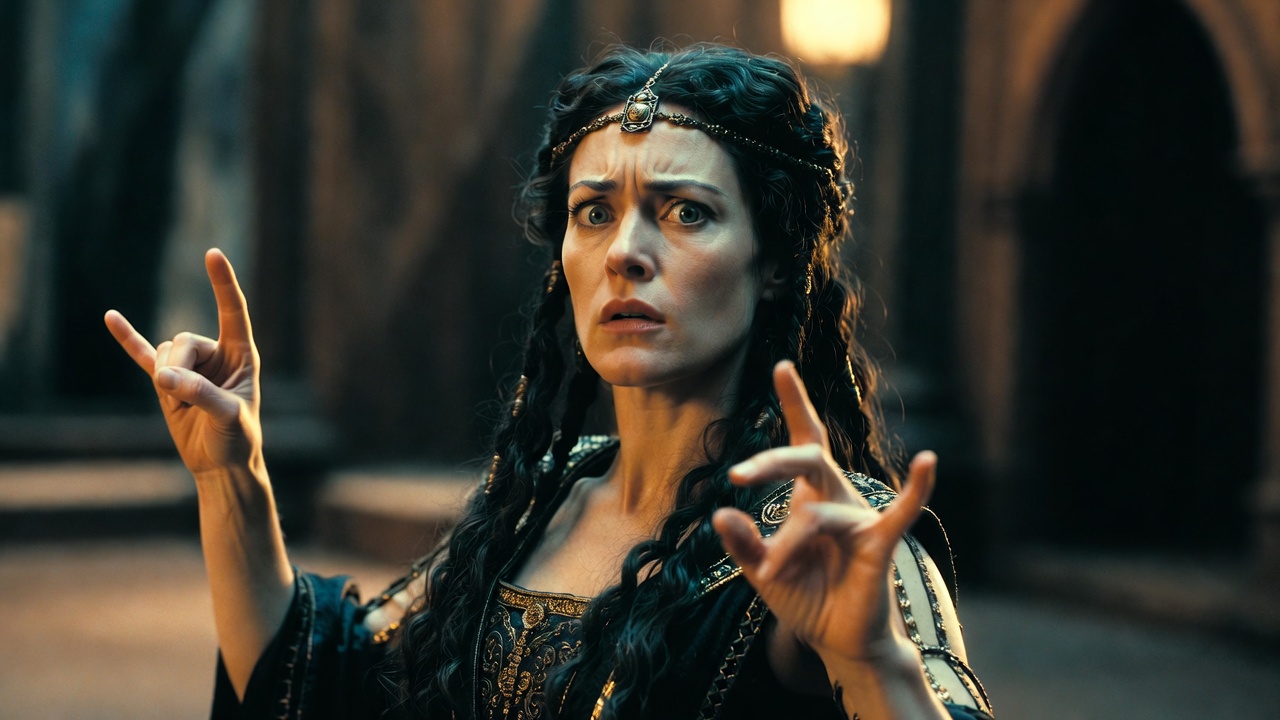
Nadia Nadarajah’s Cleopatra was historic: a Deaf brown woman embodying Shakespeare’s most iconic queen. Nadarajah, who had long dreamed of such roles, brought obsessive passion, quick temper, and regal command. Her BSL performance swept the stage—gestures of longing, fury, and wit made the character’s charisma undeniable. Reviews called her “regal” (Guardian), “powerful presence” (Broadway World), and “superb” (Time Out). In her final scenes, interpolating vocal grunts added raw emotion.
John Hollingworth’s Mark Antony balanced spoken gravitas with vulnerability. As a hearing actor engaging with BSL, his moments of signing to Cleopatra—stamping a foot for attention or pointing to his eyes on “dost thou hear lady?”—created tender intimacy amid the tragedy.
The ensemble shone: Zoë McWhinney as Charmian, Nadeem Islam in multiple roles, and others bridged languages seamlessly. The company introduced characters in promotional materials, highlighting the collaborative spirit.
Critical Reception and Audience Impact
Reviews were largely positive, with ★★★★ from The Stage (“cleverly constructed bilingual epic”) and Broadway World praising the “truly excellent” leads. The Guardian lauded added intimacy and clarity; London Theatre noted a “powerful contemporary message” on inclusion.
Mixed notes appeared—some felt chemistry needed effort or the big picture missed (Evening Standard)—but consensus hailed the innovation. For the Deaf community, Nadarajah’s visibility was transformative: “We need to be seen,” she stated in interviews.
The production resonated broadly, reflecting globalized cultural clashes and advancing accessible Shakespeare.
Practical Guide: Experiencing Globe Antony and Cleopatra
Though the live run ended September 15, 2024, the production streams on Globe Player—captioned throughout, with BSL and Spoken English. Ideal for remote viewing: use subtitles, pause for analysis.
For future Globe visits, opt for groundling tickets for immersion (prepare for weather), or gallery seats for clear caption views. Accessibility includes audio-described and relaxed performances in similar productions.
Key moments: Act 1 Scene 1’s bilingual opening (“Last night, you did desire it”), the barge speech reimagined, Cleopatra’s monument suicide—watch for visual poetry.
Expert Insights – Why This Production Matters for Shakespeare Today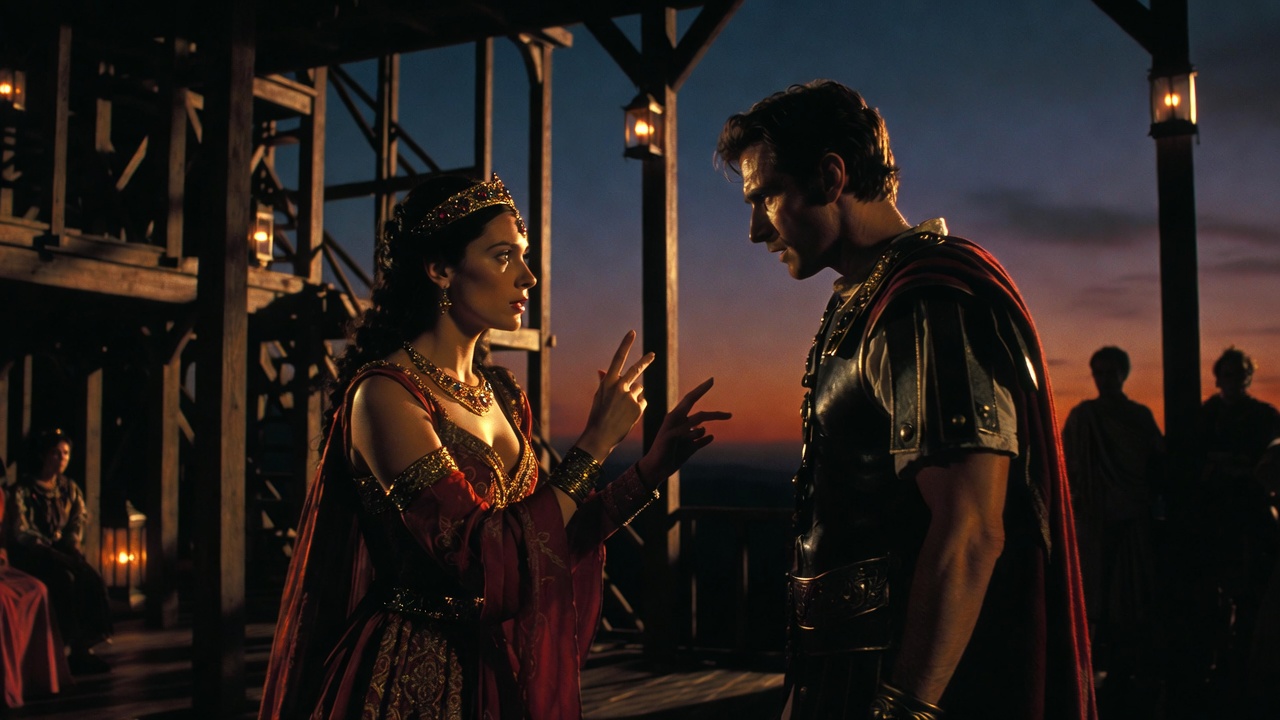
This bilingual staging deepens miscommunication themes—Antony and Cleopatra’s love fails partly through misunderstanding; languages literalize that. Compared to traditional versions, it adds layers without overshadowing the text.
It sets precedents for inclusive classical theater, proving Deaf actors can lead major roles authentically. In a post-pandemic world emphasizing equity, it shows Shakespeare thrives through innovation.
The 2024 Globe Antony and Cleopatra stands as a triumph: innovative, inclusive, and deeply insightful. By weaving BSL and Spoken English, it not only revived a challenging masterpiece but expanded who can claim Shakespeare’s words. For anyone passionate about the Bard, theater accessibility, or powerful storytelling, this production offers enduring lessons in love, power, and understanding across divides.
Explore it on Globe Player, revisit the text with fresh eyes, or seek inclusive productions near you. Shakespeare’s tragedies endure because they reflect humanity—here, in bilingual splendor, they speak to us all.
FAQs
Is the 2024 Globe Antony and Cleopatra still available to watch? Yes—stream on Globe Player with captions.
How does BSL change the experience of Antony and Cleopatra? It adds physical expressiveness, highlights cultural clashes, and enhances accessibility.
Who played Cleopatra in the Globe’s bilingual production? Deaf actor Nadia Nadarajah, in a landmark performance.
Where can I learn more about Shakespeare’s Globe productions? Visit shakespearesglobe.com or Globe Player for archives.